






















![Concorde Podcast - Menedzselhető-e az adóssághegy? - [audiogram]](https://i.ytimg.com/vi/8GllykqhFeo/maxresdefault.jpg)


![[Why Times 정세분석 1955] “中경제 2030년전 붕괴 위기”, 피터 자이한의 경고 (2023.3.6)](https://i.ytimg.com/vi/Vy5kdsDVGc0/maxresdefault.jpg)


Japan's post-WWII economic miracle, characterized by unprecedented 10% annual growth rates in the 1960s and becoming the world's second-largest economy, ultimately stalled due to structural demographic challenges including a declining birthrate and increasing life expectancy, which created an aging population that reduced workforce participation and productivity; this demographic shift, combined with loss of competitive advantage in manufacturing to emerging Asian economies and the inability to sustain growth through conventional monetary and fiscal policies (including negative interest rates and massive quantitative easing), demonstrates that economic growth cannot be indefinitely maintained through policy intervention alone and that societies must adapt to fundamental demographic and competitive changes.
Japan's Economic Stagnation: Lessons from the Lost Decades
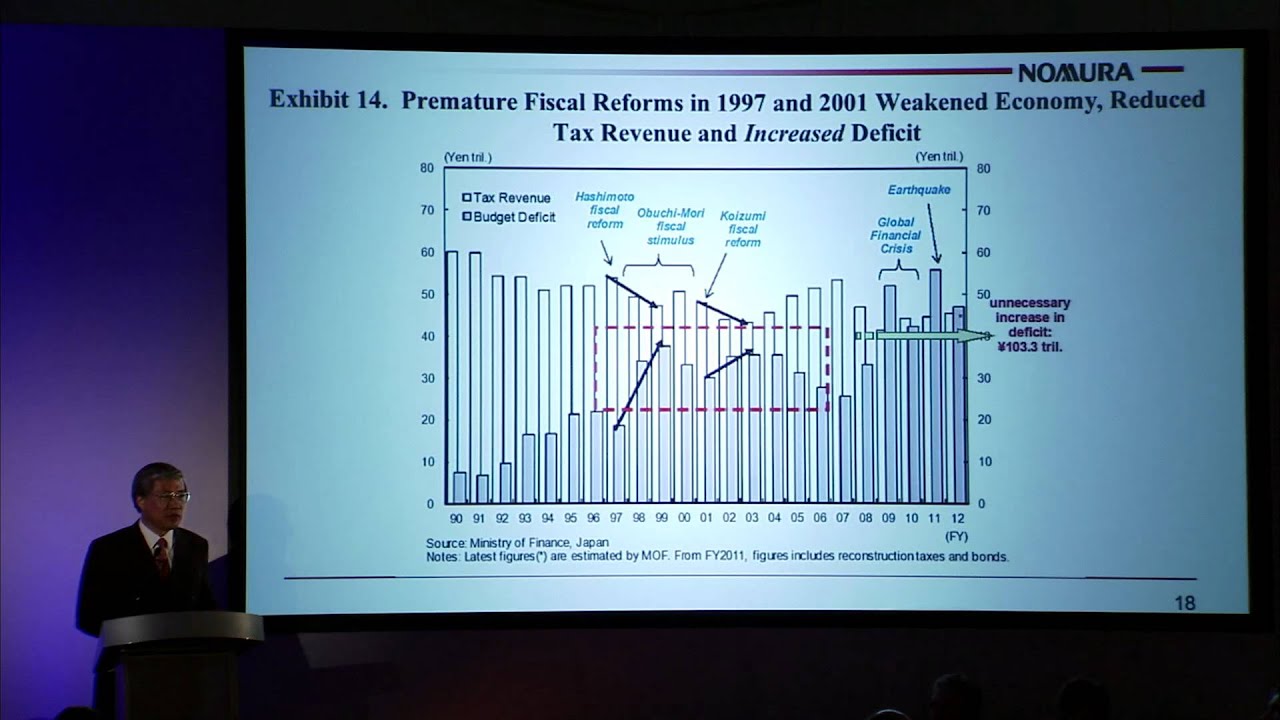
Added:this is Japan in 1945 it is a country ravaged by the greatest conflict in human history its schools its factories and its cities lie in ruins after years of relentless bombing by the Allied forces during World War two this was not a great place to start one of the biggest economic booms in history if not for a genius bit of forethought by the victorious Allies the war had been won and after two horrendous world wars the countries involved were very eager to learn from their mistakes and prevent another war from breaking out to do this they enacted a huge foreign aid scheme that store infrastructure rebuilt industries modernized and trade agreements established the idea was that a prosperous nation was less likely to foster the kind of resentment that saw the rise of aggressive nationalist leaders like Mussolini or Adolf Hitler and also prevent the spread of communism but that was more presented as a happy little side effect to this otherwise generous foreign aid the occupation and reconstruction of Japan is not to be confused with the Marshall Plan which was basically the same thing but just taking place in Europe this plan was greatly effective and Japan quickly became the first of the modern Asian countries to experience massive sustained economic growth Japan had a lot going for it and after the end of the war it was able to rebuild with the help of the Allies and go through its own modern Industrial Revolution in the 1960s Japan was growing at a rate of 10% a year which for a national economy was unheard of at the time this economic growth continued and Japan was able to ride the wave of globalization as the world's low-cost manufacturer Japan developed a huge car industry it was at the forefront of consumer electronics and was working meticulously to make sure that this newfound wealth was been invested wisely into infrastructure like high-speed rail airports and metro systems that would make their economy even more efficient at its peak there was so much wealth in Japan that the real estate market of Tokyo had some pretty crazy anomalies in the late 1980s it was estimated that the imperial palace an area of just 3.4 square kilometers in central Tokyo hey real-estate land value greater than all of the real estate in California of course the Imperial pulse was never actually for sale and this was just based on the cost per square foot of land in this area but it still gave you a really good idea of just how much money was washing around in Japan in fact this growth got to such crazy levels the people were starting to predict when Japan would overtake America as the world's economic superpower Japan was building the most competitive cars there at the forefront of a booming computer industry their companies were becoming international brand names it was the place to visit as a tourist and then in the early 90s it all just stopped the GDP of Japan in 1994 was four point nine trillion US dollars the GDP of Japan today is four point nine trillion u.s. dollars this still makes it a huge economy the third largest in the world behind China in the USA but what this also means is that Japan has seen no real growth in the past thirty years and in a world that almost assumes that growth will continue forever this is a real problem there are a few big causes to this slowdown Japan has a very low birthrate and a very long life expectancy making Japan the oldest country in the world this means that more and more of the workforce is just working to support older generations who are no longer fit for work either directly or indirectly much more private and public money is going towards health care and it is harder and harder for young workers to move up a continuously crowded corporate ladder what's more is that Japan's primary industries are being challenged by other Asian economies that have gone through their own economic booms 20 years ago if you wanted a reliable economy car you really could not go past Japanese brands today Japanese manufacturers are outperformed on pricing and warranties by South Korean manufacturers who have moved into the same market the same is true for consumer electronics in the 70s and 80s nobody could hold a candle to Japanese electronics industry but today the industrial powerhouses of China and Taiwan have all but completely captured this market there are so many other factors that have caused this slowdown that there simply isn't enough time to reasonably explore them in a video that is supposed to be more or less entertaining what is worth exploring though is what the Japanese government is doing about this to control any economy the government has two main control mechanisms these are monetary policy and fiscal policy monetary policy is the raising or lowering of interest rates by the central bank if the bank lowers interest rates it means that people will be paying less money on their debt obligations like home loans or car loans and they will have more money spare at the end of the month to spend on stuff and things and things and stuff in an economy this consumer spending is what an economy needs to keep on growing the downside of this is that really low interest rates will tempt people to borrow lots and lots of money which means more money flying around an economy which means inflation it can also mean that the central bank can get themselves stuck in a low interest rate trap because if they raise the rate everybody but that borrowed beyond their means won't be able to pay back their debt causing a major debt crisis in the mid 90s at the peak of the economic boom the Bank of Japan had an interest rate of 6% today in a desperate attempt to stimulate the economy the Bank of Japan has a cash rate of negative 0.1% meaning that the Central Bank of Japan actually pays other banks to borrow money for it a small side note is that banks will put a mark up on this interest rate before loaning to average consumers so unfortunately you cannot be paid for taking out a home owned in Japan but hang on weren't this cause inflation well no growth in Japan including wage growth is so stagnant that the price level of stuff is not increasing regardless of the interest rate in fact growth has been so slow in much of the country it is experiencing deflation meaning that things are costing less and less every single year to the average person deflation might actually seem like a really good thing but to a central bank deflation is a truly horrifying alarm-bell if money is buying more and more every year people will just hold on to their money and stuff it into a mattress why would I spend money on a Toyota Camry today when the same money could buy a Lexus next year people not spending their money will cause an economy to come to a grinding halt and so the central bank will do almost anything it can to stop this from happening the most desperate measure that has been implemented by the Bank of Japan is something called quantitative easing you are likely to offer this term thrown around in the media a lot but what it means is that the central bank of a country in this case the Bank of Japan will just print a load of money in an attempt to fight off deflation in 2013 the Central Bank of Japan plans to literally double the amount of yen in circulation in an attempt to fight off the threat of deflation this had mixed results overall business has actually improved and inflation has been restored to a comfortable level of 2% to 3% per year but this growth has not been reintroduced into the economy as a whole a quick side though is that this is actually more or less mission accomplished for the Bank of Japan while central banks can help stimulate an economy this is actually not their primary function their one and only job is to maintain the stability of their currency which normally means keeping it at an inflation rate at a 2 to 3 percent level annually in fact if you live in a developed country go to your central bank's website and try your best to find anywhere that they talk about economic growth most likely they won't because controlling their inflation rate is really their only job and economic prosperity is more or less just a side effect to them so that just leaves us with the second tour to stimulate growth and that is fiscal policy which is just a fancy way of saying government spending and government taxation if the government wants to boost its economy it will lower taxation and boost government spending this means that there will be more money in people's pockets which they will hopefully go out and spend in businesses that will employ people who will also go out and spend their paychecks and on and on until hopefully you get a booming economy this actually normally works pretty effectively and has the added bonus of potentially putting money into public works projects that will deliver lasting benefits beyond a short-term stimulation of the economy there is one downside though when you spend a lot of money without making a lot of money you will lose any savings that you had very quickly and go into debt and oh boy has Japan gone into debt people frequently get concerned about the 22 trillion dollar national debt of the USA but this only really represents a value slightly higher than the USA's GDP so it looks scary on paper but really isn't too terrifying Japan on the other hand has a national debt of 11 trillion US dollars which is not as much in absolute terms that does represent almost two and a half times the national GDP of Japan beyond this Japan does have to pay interest on those loans because a majority of this debt takes the form of government bonds the interest rate is extremely low but at the level of debt that we are talking about these repayment do have a serious impact on the long-term growth of this economy unfortunately Japan is stuck between a rock and a hard place in its economy it can't borrow its way out of the problem anymore it's workers are becoming less and less productive as they get older and older and it's once stable industries have been outperformed by the new Asian economies on the block Japan's stagnation might represent something bigger than just a case study for as long as we have studied productive national economies we have almost assumed that growth will go on forever people are already predicting a time when China will be the dominant economic power in the world broadening the USA and the EU but truth be told the fate of Japan's pecan plateau is an outcome that is more and more likely for an economy based on believe workshop over the world hi guys I hope you enjoyed the video if you did please consider liking and subscribing it really helps out if you have any questions about the video I try my best to reply to every comment in the comment section thanks
Up Next
Central Banks During COVID-19: Fed, BOJ, and ECB Responses
@ColumbiaBusiness
2.2K views•2020-05-08

Impact of Yuan in Indo-Russian Trade Amid Sanctions
@WION
261.9K views•2022-07-01

Gold Standard Abandonment: Economic Mistake or Necessity?
@EconomicsExplained
1.8M views•2022-05-25

The Age of Easy Money: Fed & Inflation | Full Documentary
@frontline
21.2M views•2023-03-15
Related Study Plans & Knowledge Roadmaps
Structured learning paths in Economics