






![[UFMS Digital] E-Commerce - Módulo 2 - Unidade 1](https://i.ytimg.com/vi/rmuMdnWyMl8/maxresdefault.jpg)









![[RDV LEW n°12] [Webinar] Créer sa communauté de promoteurs de marque](https://i.ytimg.com/vi/VC79Ll28-pw/maxresdefault.jpg)



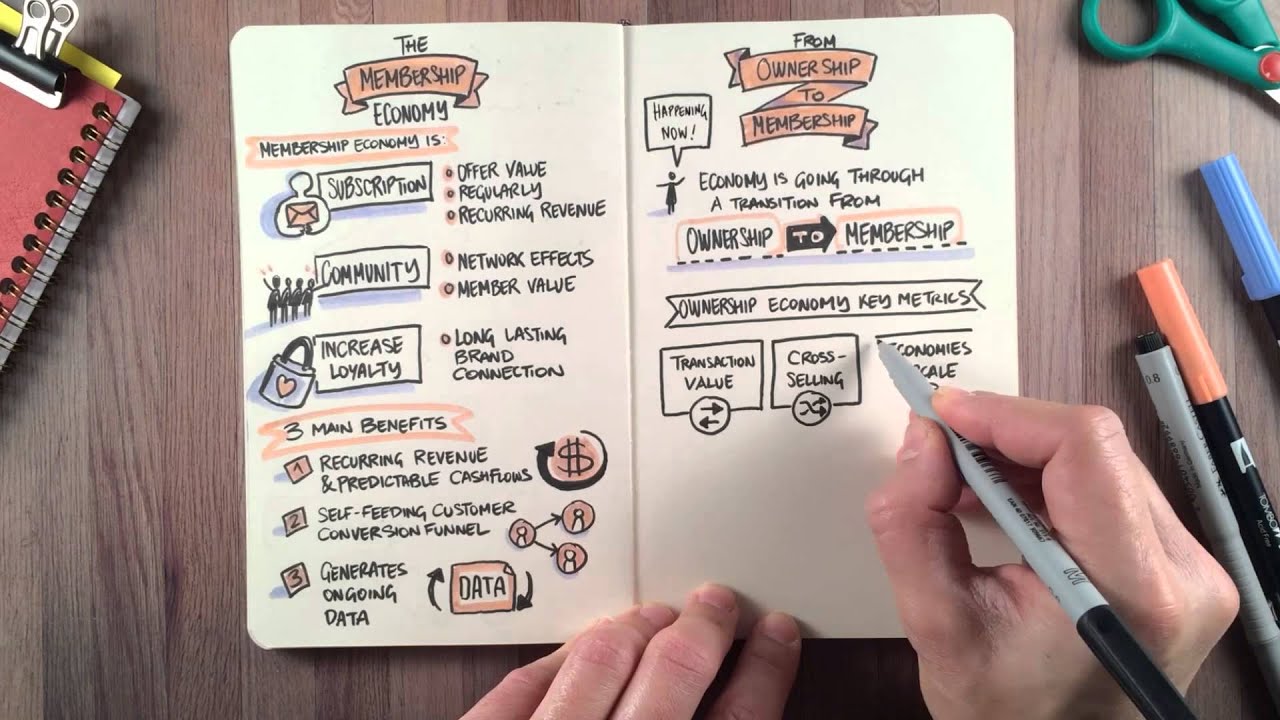
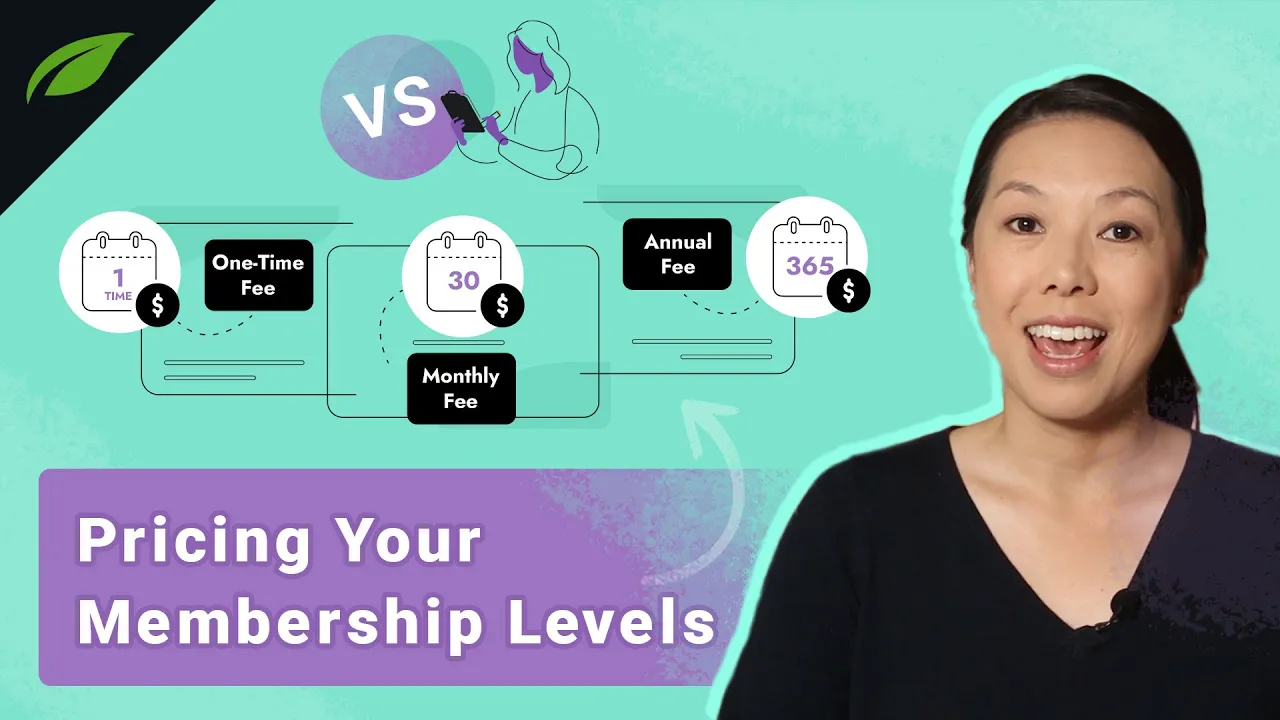
The membership economy is a business model characterized by four key trends: moving from ownership to access, shifting from single large transactions to recurring small payments, transitioning from transactional to relationship-based mindsets, and enabling multi-directional communication. At its core is the 'forever transaction'—the moment when a customer commits to a long-term relationship based on shared goals rather than a love for specific products or employees. This model creates predictable recurring revenue, builds deeper customer relationships, and allows organizations to invest in continuous improvement. Successful implementation requires organizations to center around the customer journey, simplify pricing structures, implement effective onboarding processes, and cultivate 'super users' who provide feedback and help onboard new members. The transformation is spreading beyond software and content to physical products, automotive, and manufacturing industries.
Sustainability in Business: Membership Economy Trends
Added:good morning and welcome this is 10 years hence our speaker comes to us this morning from Menlo Park California Robbie Kalman Baxter brings over 20 years of strategy consulting and marketing experience to Peninsula strategies membership sorry a consulting firm focused on helping companies leverage subscription pricing digital community and freemium business models to build deeper relationships of their customers her clients have included startups and mid-sized venture backed companies as well as industry leaders such as a6 Netflix Electronic Arts and the Wall Street Journal Peninsula strategies has advised nearly 100 organizations in more than 20 industries on growth strategy a song after writer and keynote speaker miss Baxter is presented at top universities associations and corporations as well as two corporate boards and leadership teams around the world she's created and starred in 10 video courses in collaboration with LinkedIn learning on business topics ranging from innovation to customer success and membership as the author of the membership economy a book that has been named a top-five marketing book of the Year by inc.com Baxter coined the popular business term membership economy for expertise with companies and the emerging membership economy includes software as a service media firms consumer products and community organizations prior to launching Peninsula strategies she was a strategy consultant at Booz Allen a New York City urban fellow and a Silicon Valley product marketer Baxter received her MBA from the Stanford Graduate School of Business and graduated with honors from Harvard College ladies and gentlemen please help me welcome Robby Baxter Kelvin thanks for the warm introduction everybody it's a pleasure to be here at my first time on canvas and it's really such a gorgeous place so thank you for the for the very kind welcome and I want to start by asking all of you to close your eyes and think of the last time you felt like a member like you belong somewhere and you had a relationship with the organization it might be something that you have a subscription for it might be something that you carry a card for it might be an organization that you call yourself a member of okay open right and maybe a couple of you can shout it out so what would it what did you what did you think up Marine Corps Marine Corps triple-a triple-a Amazon Prime American Airlines Costco Starbucks USA USA ax lesson yeah so there's a lot if when you start to think about membership there's a lot of different things that come to mind some of these you guys mentioned some of these are these are some of my favorites and some of the ones that I researched when I was writing my membership economy one of my favorites is Netflix and actually I first fell in love with Netflix as the consumer actually found them when I was a young mom and I was up all night with my baby and needed something to do and I loved the three out at a time I mean I fell in love with necklace always having something to watch always having something that I wanted to watch because of the cute queuing service that they had and always being able to discover something new that I wanted to watch because of their discovery algorithm and I also love no ladies because I wasn't very good at the whole be kind rewind a little charging $3 that blogger buster did and so as I was falling in love with Netflix as a consumer I also had the opportunity to start working with them as a consultant so I had started my career as a strategy consultant and after business school I started my own firm and I got a call actually from Netflix so I'd already fall in love with them as a consumer and now I had the opportunity to work with them at the strategist and I worked with them on customer acquisition of partnerships and I fell in love with the business model I love the recurring revenue which is kind of the the ultimate goal of any business is to have predictable recurring revenue that creates great valuations in the public markets it makes it easier to invest in the future it allows you to get to know your customers a little bit better which allows you to create better products and services serving closes nice virtuous cycle and as I was learning about Netflix and realizing what an amazing model it was I started giving all these calls from people who said you know we want to be the Netflix of knowing the length we want to be the Netflix of mutes we want to be the Netflix of music we want to be the Netflix of software we want to be the Netflix of bicycles we want to be the Netflix of dental pain management products you name it somebody wanted to Netflix it and I started calling these these trend that things that they have I called it the membership economy I started to notice that there were a bunch of attributes about all of these organizations when people said we want to be the Netflix of something what they really meant was we want to join the membership economy so what in the world is the membership economy it's characterized by four major trends not all of them need to be present but each one of them layers in more value to the business model so the first one is a move from ownership to access second one is a move from a single big payment that you meet one time a transaction to many small transactions that happen Trevor it's also about going from a transactional mindset to a relationship mindset so what the transaction the line stuff is you conduct the transaction with me and we're done and off I go to go find somebody else who wants to conduct a transaction me and off you go to conduct other transactions hopefully with me but maybe with other people and the last one is a move from one week annotation where I'm speaking to you through my loudspeaker and you have to listen to not just two-way communication but multi-directional communication under the umbrella of the organization so this means I'm talking to you you're talking back to me and you're talking with each other about things that are relevant to you under my umbrella some things in the context of my business when you put these things together you kind of have a painter's palette for new business models so I know this this series is called tenures hence these four traits can be applied in almost any business model to increase the value of that business for the investor and for the customer so they're they're tools that you can use there there are trends that you can take it to jump to build new kinds of business models at the heart of all of this is something that I call a forever transaction and forever transaction is that moment when a customer takes off their consumer hat or they're looking for alternatives puts on a member hat and said this decision has been made for the foreseeable future I am going to continue buying from you I'm going to trust you and in exchange you are going to take care of my needs in a particular area you're either going to solve a problem or help me achieve a goal and you're going to do that forever so this is like you join the gym because that's going to be the place where you get and stay fit you don't necessarily join a gym because you want access to a particular machine or a particular class it's about that higher-order goal so over time the gym might change how they help you achieve that goal but the ball stays constant so the forever transaction is really about having a shared goal as opposed to a love of you know a particular product or a particular employee or a particular process that the company music in the membership economy that moment of transaction is the starting line for the relationship not the finish line in traditional transactional businesses at the moment of conduction you're done and you go your separate ways but in a membership model that's where the heavy lifting starts for the organization it's all about engagement it's all about retention keeping that customer happy and satisfied and continuing to evolve side-by-side with them on their journey to achieving their goals so this is not such a new concept memberships been around forever this is can anybody tell mrs. Fisher a question I'll give you a clue as an English major this is Charles Dickens and he sold his books on subscriptions so you would get chapter 1 you come back next month you get chapter 2 and you take him and now that's how he supported this additional rating so subscription models have been around for a long time trade guilds right so trade guilds they've been around for centuries membership this is talking about you know power by the hour of the concept of power by the hour where instead of buying oral tourist engine you can subscribe and access the perixx what do you want you buy an engine you don't really want in those cases you don't want to own the engine you want to have access to the power for whatever you need to use it for so it's about when you're thinking about these dozens of bottles and you're thinking about where you're going to work and how to create you know the most valuable business models you want to think about what it is that the customer actually wants and how can you repackage that value in a way that makes better send and better aligns with their long-term goals so membership is not a new thing so the question is why is this happening now why would I invite in to speak on this topic to you as you're going out and launching your careers and I think there's a couple of reasons the first one is that technology is extending the infrastructure that enables trusting relationships so what does that mean it used to be for the example I showed you it used to be that you have to have something physical in order to have that long-term relationship you had to actually be in the same time place so that you could have that known know relationship but technology is enabling us to connect all the time indicate in both directions stored store data makes it possible for all of us to access a lot of information from organizations that we are involved with and for them to gather all of our data and learn about us and create a more intimate ongoing relationship where it really feels like the couple they know as a customer the other thing is that there has been a tremendous influx of venture money and this is really important as you're thinking about business models how many of you are going to a big company for your jobs so thumbs up really high this prospectively yeah okay so a bit a good percentage of your going to big companies and how many of you are going to startups or small companies a couple of you okay so here's what's interesting to think about you're coming from a big company if you're going to a big company is that all of these venture backed companies problem setting your time horizon before they have to generate generate revenue or offer their investors good example earning profit and so they have this long lead time before they have to be profitable and that allows them to invest in a long term religion if you're working at a large company especially a public company you have quarterly quarterly goals right and so it's really hard sometimes to focus on the long term interest of the customer because you have to hit your quarterly numbers so there's a big temptation for example by play blockbuster versus now click to the example there is an incentive to do whatever it takes to get to the quarter numbers so if you need to charge leap fees if you need to you know do something that has a short-term benefit but my lose the relationship for the long term there's a temptation to do that if you have a long runway you can afford to continue investing in building this type of trusted relationship so you know it's very tempting the wrong way sorry it's very tempting because of that to focus on on the short term and to focus on what's in it for us as a company but in the membership economy it's the focus on the long term relationship of the customer that really makes the difference so whenever you're thinking about products or services or making a decision about how to treat the customer you want to be thing about two things one of them of course is what's in it for them it's just going to lead to recurring revenue for us and disabilities with profitability is it's going to lead to a better valuation in the public markets but you also want to be thinking about what's in it for the customer and you always want to be straddling those two things Amazon has a little mnemonic where they often have an empty chair in the room which is the customer chair so as you're making a decision in a meeting you say what would the customer state they were sitting right here it's all about transparency and it's about thinking about what this being the customers interest would this be something that the customer would understand and think is fair so you want to kind of straddle those two when you're thinking about what's in it for the customer a good place to start is you know I also got two novels hierarchy of need so he was the psychologist a researcher in the 1940s and he came up with this hierarchy of needs that all human beings share and at the bottom of the hierarchy is the physiological needs these are things like food shelter Wi-Fi things that you can't live without and once that need has been met and only once that needed that can you go to the higher order needs so that includes things like safety so you want to mitigate risk this is insurance this is making sure that you're safe then once those are taken care of then you go into belonging right you want to be recognized so you know the old show cheers Cheers where everyone knows your name there's that feeling of wanting to walk into a place and how even say hey where are you welcome back how are your kids do you want the usual this feeling of being known and accepted and in from there it's not enough to just be accepted you say well now them accepted I want to be recognized for my contributions in my achievements I want to achieve some status I want to be held in high esteem by my peers and then finally once that's happened it gives us an opportunity to he called self-actualization and that's just a fancy term for saying you want to achieve your your highest purpose you want to contribute to the world in the way that is most authentic to you and it takes a lot to get up there and 3 is I show this is because when you're thinking about what to offer your customers and I'm thinking about future future business models and future ways of creating and packaging value you want to align with entire order needs particularly you know belonging and status and then bringing people up to concentrate on what really matters so this is something to just keep in mind as you're thinking about your models so all of this I always get this question so I pop this light and all of this applies whether you're looking at a consumer product or business product so I've worked with a lot of b2b companies Oracle SurveyMonkey and this the thing is you spend all your time at work so treating the customer if your customer is a business you still have people that you want to go long term relations just slip and people whose problems you want to solve so just keep that in mind so for those anybody here working at it need to be we're all the mister business where you're selling your product to corporations of the books are selling them to individuals couple of you should hear in consumer so I wanted to give an example of evita the b2b example so everything there was Salesforce yeah okay salesforce software company you know of all the companies I've worked with they're one of the most membership economy oriented businesses they're very focused on the long term they're very focused on solving the needs of their customers and one of the things that is really interesting to me is they have this group of customers that they call MVPs and the MVPs are the people in the organization I call them super users so people in the organization who have done who have gone beyond just being a an excellent customer and they actually dedicated their own time and resources to helping Salesforce so this goes one step beyond just being a regular customer for life and they do things like give feedback to the organization to the product team they speak at Salesforce conferences and events they participate in user groups to help customers get up to speed and you know what they get for all of these contributions from Salesforce they don't get money they don't get free product they get recognition so they get status in the community they get a sense of belonging they get status in the community they also get these cute shoes and socks when they attend Dreamforce which basically is a way of signaling to people that they have special status and there's only about 50 people that have this this designation it's a big deal but it's a way of building a deeper relationships with the very best customers so I've talked a little bit about what a super user was when I gave you that Salesforce example but to think of it in the context of the companies where you're working it's the very you take your best customers and those are the ones that have the highest lifetime customer value and the ones that you wish you could make more of and go one step further and you say which ones are actually giving their own time and resources to help our organization be successful so these are people who do any one of three things they're either giving you feedback the organization about how to make their products and services better they are onboarding and recruiting new members and they're recruiting new members and they're helping onboarding new members who are learning and still getting usually I get there was value of the products and services that they're paying for and super users into your flywheel for growth these are the people who actually help the company be more successful and if you can figure out who they are and how to make more of them you have this secret weapon for growth and for retention and engagement so at this point I'm gonna pause and just walk you through the elements of the membership economy and kind of when I work with companies these are the steps that we go through to strengthen the model that we have so the first thing that's a difference in the membership economy is the organization itself so instead of having the acquisition as the most important metric retention and in has become the most important metrics instead of being centered around the product team it's centered around the customer journey and understanding that journey so the whole organization feels different because they're putting a customer in the center of everything they do second thing that's different is the funnel so are you guys all familiar with sales and marketing funnel at the top of the funnel nobody knows who you are so they become aware and then there's trial and then there's some engagement repeat right that's where the transaction happens and then you're done and then you go out you buy more and you put them in the top and you keep speeding people through the funnel and some of them have been there before and the membership become coming the funnel actually looks more like an hourglass because that moment of transaction leads to a much broader and deeper relationship and a lot of like for example the marketing happens after that moment of transaction because it's not enough to just get them to sign up or join you want them to actually engage with your products and services and stay with you for a long time so you need to communicate just as much if not more after they joined as you did before when you were trying to attract them in the first place so the way that the follow works is really different third thing is pricing so in subscription models the the bit rule of thumb is be as simple as possible and no simpler so a lot of companies when they start to think about subscription pricing it's really tempting to want to charge as it costs the company or you know to kind of nickel and dime and get more down so any of you who have ever paid like a phone bill you know when you look at it I don't even know what I'm paying for how about to be this high a number but there's all kinds of extras and it's really complex when you have a really complex pricing you're signaling to your customers that they should become experts on your pricing strategy so for example for those of you while I'm you might you know follow the points guy or one of his competitors online like there are whole cottage industries around understanding how companies priced so that you and the customer can game the system in other words you don't trust the way the company you don't trust that the cusp company is going to give you a fair price and as a result you try to understand the pricing yourself so that you can get the best deal in the membership economy and so you said earlier the core goal is to build a trusting relationship forever and that starts with how you set your pricing so what I usually suggest to people using subscription pricing is to have no more than three tiers of pricing and to start with just one and to make it as simple as possible the reason isn't as simple are is that sometimes there's an expense without warning at the beginning or there's a real difference in a small subset of customers who use some very expensive feature usually it's around you know they need Live service or they need a physical product to go with it and they're counting cases where you can justify the lightly more complex model but for the most part there will have some is how can I make this model as simple as possible and a way to think about it is if you ran a buffet but the biggest aisle all-you-can-eat buffet right the first thing that you're going to do is you're going to be worried that you know people working up if everybody's going to go to the caviar and you know shove it in their mouths and you know put the most expensive thing and get you know what and every customer but the reality is that very few people do that once you understand the customer behavior it's a lot easier to price it and most places they just put everything out they price it and they know that you know ninety percent of the people are going to be profitable and ten percent or not and it's all gonna work out once you understand the customer journey and how they're going to use your products and services it's a lot easy just that more simplified pricing something sense the more you know your customers the more analytical work you do that means complicated on your side the more simple you can present your phrases that the more stuff will go crazy when you present to your customers the other thing about pricing is what I hope that it is freemium and understanding that this is a really useful tool as you're you know moving forward and thinking about how to price things so much it's possible that's free but you don't want to overuse it you don't want to under use it so when you use free remember that it's just fun tactic it's not a pricing model and it's not a strategy there's two kinds of free that sometimes get completed there's a free trial and there's freemium so freedom in the business model where some people get some things for free forever in other words I never have to pay and for the rest of my life I get value for free so this is like you're linked into your LinkedIn membership this is you know this is something where you get it for free forever there are people in the community that are paying but they're getting a different set of services and so together that creates a good business model there's three times when it's okay to do from you you want to use freemium when you're trying to change a large group so for example when people were getting these papers in print and then these companies wanted to teach people to go digital they made all the digital news free and that taught people like oh I didn't think you know there are a lot of people when is when digital news came out that said I can never enjoy free media I could never enjoy digital me to say I liked the paper when I was having my coffee and I you know I love that kind of physical experience and then they found actually I'm going online a lot and so the freemium model there was usually something like you get 10 10 articles a month for free and then you bump up against a wall so if you could get 10 articles for free forever a lot of people do that or you say wow I didn't think that my behavior was changing but now that I keep hitting the 11th article really early of a month and yes I must be really using it digitally and I guess I'm comfortable painting now I'm comfortable with a digital subscription so that's one reason to change behavior a second is if you have a viral business model and that means that the people who are using your product for free are actually touching people who are willing to pay and so they'd be clean your marketing channels so this is like a Survey Monkey example so you know if you guys feel nervous Survey Monkey for market research different digital online market research so if I send out attacks I've got a free surveyed all of you saying how did you like the talk today and that's a that would be free free survey hundred people you know one question no complex analytics that's a free survey but maybe one of you gets that survey and says oh this is a cool will app I'm going to look into it and maybe you work in a market research department you say I'm going to subscribe to the highest level of service so in that case I am yours I'm here marketing channel and that's how you found out about me so the third reason that freemium can make sense is when the customers the product when there's a network effect so go back to the LinkedIn example how many of you have a LinkedIn account everybody and how many of you pay for it okay did for a while and that's okay look like that it's not worth it for everybody here's who it's worth something for it's worth it if you're in sales it's worth it if you are from here and it's worth it if you're actively looking for a job and for everybody else for the rest of us you can probably get by on three now they're changing that and their strategy is evolving they've added legion learning you know they acquired lynda.com and they have some other features that they're that they're rolling out but for the most part LinkedIn learn it on LinkedIn is perfectly useful for free and the reason is that for those three groups of people that are paying it's not worth paying for if the rest of us aren't there right if you're a recruiter and no MBA twos are online are in the LinkedIn Network they can't do their recruiting very well so they won't pay so in other words you're the product so that is the third reason that's premium can make sense so again to summarize it's to change behavior it's when there's a viral component to the product or when there's a network affecting each each additional person that joins for free creates value to the people who are paying next thing that you want to think about in a membership model or subscription love is the onboarding process and this is another place where organizations are really changing and as you kind of think about the future and what kind of organization your your company needs to have you want to think about what the onboarding process and who is supporting it so onboarding is that moment after you buy something where you decide if it's useful to you and this is a it's one thing if you buy something right if I buy a car and then I drive it off the lot and I say honestly I don't like this car it's kind of too late right now you guys don't enjoy it maybe I never drive it again but that's my problem right it's not the company they don't really care or know or care to know that I am NOT enjoying my car because I've already bought it but it's like subscribing and I don't like it or I don't use it or I don't eat properly and then I decide I don't like it because I have bad information I cancel my subscription and Dave needs the revenue so it becomes really important that the company makes sure that I'm getting enjoyment on the product and those first seconds minutes and days after I buy the product after I subscribe after my transaction that's when I'm still wearing my consumer hat and I'm still thinking do I want to cancel is this something that's going to be a new habit for me oh I joined this gym I don't know if I'm going to say I have 30 days you know I might just hand off his first month or after my 30-day free trial or you know I subscribe to Netflix I'm using it for a few weeks but I can't find anything I want to watch that's why Netflix had to invest in their recommendation engine they were the first company I had a recommendation engine of any scale and the reason that they did that is because engagement is a leading indicator for retention so before you cancel something you usually stop using and there's usually a little bit of time that elapses between the time that you decide in your head are not using this anymore and the time you actually stop pain so you want to onward people for success you want them to learn how to use your products and services and the best way possible and get value for what they're spending money on right away so that they can relax take out their consumer hat put on their membership have and start thinking about higher order needs the corollary to that to onboarding is customer success so where I live Silicon Valley almost all the companies have gotten rid of their customer support department and they they've got customer success department and you might think well that's just Navy it's the same darn thing but it's actually it's actually a little different because customer support is about solving problems as they arise that's how people are compensated they're you know they're encouraged to get people off the phone as quickly as possible and not be upset right that's kind of anything but customer success is about maximizing the value that your customer is getting from your past and services they're already paying for they are rewarded with numbers because of numbers and engagement and retention and deepening of kind of though the overall relationship when it's an enterprise kind of thing so if you have a customer success organization your employees are going to look at their husband instead of thinking I have to get you off the phone they're thinking I have to delight you and I have to keep you from canceling so it's a very different kind of mindset and I spoke at a customer success conference called customer success know creatively titled I spoke at the customer success conference last year and they told me that they have had they have doubled the number of attendees every year so that they launched the conference and the year I was there they were expecting I think 1,200 people they had two thousand two people they people sitting in the aisles they they had to look you know keep people out at the front door because there were too many people that wanted to learn how to do this and it's still one of the fastest growing career job titles for professional jobs right now I'm also seeing it in non-technical comfort so a lot of companies are adopting this approach to support last thing I want to talk about is the Betty Ong and I think I mentioned at the beginning that I am an English major and not only with an English major but I studied poetry so kind of the ballot is far from technology as you can get even though that's the case I am a good consumer I and what they call text knowledgeable so I have technology which basically means that I can recognize an opportunity where technology can help me be more effective at doing what I need to do I'm capable of writing your requirements document to explain what it is that I need and a capable of talking to you technology companies about their solutions and making a thoughtful decision those skills those technology skills are just as basic in any job as it is to be able to read and write you wouldn't go in for a job interview without me to read or write in a professional setting and you shouldn't go in without knowing how to acquire kind of how to set requirements and use technology and the reason for this is that you know when I started my career 100 years ago the technology was all in the IT department and if I had a problem I could mention if the technology permits and they would figure out if technology could come up with a solution and give me a yes or no and then they'd give me a time line which was usually somewhere between you know three years and never forgetting it implementing and I really kept very little to do with the process today especially because of stop software as a service which is a new way of designing technology or an English way the design technology where you access it as a service which means you don't have to store it you don't have to maintain it you don't have to manage upgrade the company does all of that and you can access it and you can subscribe usually either monthly or annually so you have a lot more flexibility and this one of the reasons for the ride fast is because it allowed business owners functional leaders to make their own buying decisions without software and to implement it themselves without going to IT so when you're thinking about a membership model and you're thinking about how you're going to have to keep evolving it to be relevant to the customers and numbers that you're serving you want to have technology as a tool that you can use whether you're in finance or marketing or sales or you know any part of the organization so when you take these other things together there's always ways to deepen strengthen your model and focus it more on that long-term customer relationship I'm gonna give you an example now this is the Amazon River so I wanted to talk a little bit about Amazon and what's really interesting to me about Amazon is that they had the same forever promise for as long as they've been in existence which is to be the easiest way for consumers to acquire whatever it is that they need with the least amount of friction so when they started that was just books they had a visions right the vision is I think of it and it's here and if I don't want it it disappears that's that's the ideal thing that they're aiming for at the beginning it was just we deliver books you can access them you know choose what you want online order it and we'll ship it to you and over time they continue to layer in new features and functionality to get closer and closer to achieving that forever promise so you know they started with books they went to be your retailer of everything they created a technology infrastructure to enable other retailers to participate in and serve their customers in this way they came up with most recent leaner more recently Alexa and you just say what you need last week I got I had to return something to Amazon and all that I had to do was literally take the item not even in its original packaging just the item bring it to the UPS store and handed to them and I have like a little QR code and that was it so they're making it they keep removing friction from the process they also experimented last year with and I don't know if this is still being tested but with asking their most active customers to give them a key to their house so that the packages can be left inside it's like one more step removed to getting it to disappear where it belongs in the house a little bit crazy but it's also continued march toward you know I think I need it Alexa hears me say it and the item appears immediately inside my home so you can see how the the promise has stayed the same but the way they deliver it has continued to evolve over time they're thinking about that first transaction when I bought a book in 1997 you know that is just the beginning of their relationship two principles that I want to share when you're thinking about how to design services and experiences for the long-term it's triggers and hooks and they're different the trigger is what gets somebody to buy and a hook is what gets them to stay so maybe I was triggered for Amazon because I needed a book and I couldn't find it at my local bookstore but what hooked me with Amazon Prime right that once I signed up and I saw how often I was coming to Amazon then and the only thing that was keeping me from using Amazon more it was the shipping fees having should be included for a fixed price with enough to change my behavior and make me remember that was that moment where I said okay I'm going to pretty much buy everything here if they have that I'm gonna look here first and I'm only to look elsewhere if they don't have it you want to know that people are going to stay and that you have a book before you turn on the loudspeaker this is probably the biggest mistake that I see companies doing today focusing on acquisition bringing people into the funnel without knowing if they're going to stay and if they're going to be valuable customers so you know put your lap sticker on the floor for now focus on engagement retention this is the way virtually every industry is moving right now moving toward that long-term relationship moving toward protecting the relationship with their customers they have as opposed to the much more expensive and difficult acquiring new customers another example I want to share is the car industry if you think about the way most people interact with cars you know you buy a part if you drive it off the floor and you come back into ten years maybe you come back to the same dealer or maybe you go somewhere else but it's a very transactional experience it's a very in many ways impersonal experience there's a lot of time between purchases where you have no relationship but over time that's really changed this is a Tesla you know a Tesla is pretty much technology wrapped in metal so it's a very different way of thinking about what a car is and it's really about the software that allows you to be connected to have data about continuously improving the car once you've bought it it's you know it's a model that allows the car to get better over time most of time you drive up off the showroom floor and it immediately this is value it in this case it becomes more valuable as new features already as the time striving is available you can actually have it your car without having to bring it into it just is upgraded on itself so you know question is where is this going next this you know ten years hence when I wrote the membership economy five years ago most of what was happening was limited to software and content and services there were no real physical products but what I'm seeing now and as you're thinking about the teacher the place that is right this kind of transformation is in the automotive industry it's in heavy equipment spoke at associations or equipment manufacturers annual meeting a few months ago you know companies like caterpillar or thinking about services revenue about building a direct relationship with the end-user and the customer not going through you know these companies everything about how do we build a long-term relationship directly with the people using our products and services and how do we create more value that helps them achieve their goals and instead of saying how do I create better cars or better machines so places we're seeing that listing that with heavy equipment I've seen that with manufacturing so there are subscription boxes is anybody here subscribe to any kind of subscription box stitch fixed the tub bark box birch ba a couple of people so yep that's a really fast Brett Dollar Shave Club where you can get your razors delivered to you on a monthly schedule almost everything in the consumer product isn't every consumer product company right now is experimenting with subscription boxes adidas has subscription box for trade sneakers Under Armour has a subscription box for athletic wear this is very much a trend on manufacturing and retail side and then another place where I'm seeing on it is in manufacturing itself so a company that I'm working with in California carbon 3d they're the ones that make the the adidas shoes that are customized with the customized cushion the designs of the way you you know the way that your stride works the way that you run your way that's all customized and it's manufactured on 3d printers to order what's really interesting about their model is they make the 3d printers and you can't buy the 3d printers you can only subscribe to them the only access them by being a member of their organization so the whole not only that anyway of manufacturing but it's a new way of accessing manufacturing services if you are a manufacturer so you know as you as you look around and you go into your jobs you'll start to see these principles being applied in a lot of surprising places so what does this mean for all of you entering the workforce thinking long-term about where you want to invest your career what's changing in the way business models are being designed and what kinds of organizations do you want to be a part of I would encourage you to look at how well the companies you work out understand the customers they serve and they're changing their changing needs it's becoming increasingly easy just to steal away customers if you're not providing ongoing value to them and you don't understand what their needs are and the organizations that are investing in really understanding not just what it takes to be a trigger to get somebody to make that first buying decision but where the hooks are to keep them those are the company that are going to thrive once you're an example of you know how the model needs to involve around the needs of a customer I'm a big fan of libraries I always have been you know I don't need to own a lot of books I don't want to clutter up my house with too many books and I love to read you know libraries you know you might say that their mission their forever promises is free information for everybody right everybody can come into the library access the information you don't have to pay and that's always been their model now another company that has the exact same model exact same forever promise is Google Google does the exact same thing as libraries they provide access to the world information for free they do it through a really different way and one of the things that's interesting to me about when you think about these two different kinds of organizations that have the same model is that I think that libraries when they started they had the same goal right what is the easiest way to take the world information to make it accessible as well I guess we have to print it put it in books and then put it in a place where people can go and know where it's going to be a building so libraries are completely you know they're org structure is completely organized around books and buildings Google is organized by information and well I think it's a little bit sad the libraries could have applied that thing that same kind of analytical tools the same kinds of algorithms that Google was using if they were thinking about what's in the best interest of a customer how can we best solve the timeless problem of accessing information with today's technology so very different approaches and what I see happening with a lot of organizations is baby they fall in love with their products too much and the Facebook's in buildings and they don't stay focused they're nothing what's the best if I was starting out today and are saying what's the best way to date information free at all what would I do right we would come up with a very different solution so sometimes by taking that step back and saying what's the promise what are the tools I have today and what's the best way to do it technique I use a lot with with organizations as we say what if your what if your most strategic person left your company found a really good technologist and an investor with deep pockets and they decided they wanted to steal your best customers what would they do and immediately the companies come up with all these ideas that they were not thinking about before because they're saying well you don't have the legacy so here's another example I spoke at the International Car Wash Association recently and they now have subscription car washes most of our washes now my membership model where you get unlimited access usually for like around the cost of students to reading car washes you pay a monthly fee that's somewhere in that price range for unlimited access to the car wash and something that I've seen where I live is these car wash trucks that actually come to big parking lots and wash your car while you're at work right which is better right because nobody really wants to go to the car wash everything that they were talking about the car wash was about you know we are carbon brushes or take only nine minutes instead of ten minutes and we can get you out of there at eleven and a half minutes instead of twelve minutes and I said to that you know people don't want to go to the car wash they want to have a clean car so how about if you have them have a clean car without going to the car wash and they said well no because we've spent all of our money on real estate in car wash equipment here so they were basically saying we're not going to come up with mobile car washes we're not going to invest in that because we don't want our customers to do that you can almost like read the writing on the wall he said where are they going to be in ten years they're going to be stuck with a lot of a lot of real estate equipment because they're not mobilizing with the customer they're trying to actually they're hoping that the customer doesn't know that there's a better solution out there to serve their needs so Ben leave you with one thing it's this in order to have a successful forever transaction which is really what every organization wants to have you need to love your customers and their mission more than you love any products that you've manufactured any person on your team any process that you've established so thank you for your time we have about 20 minutes for Q&A and discussion and [Applause] the robbery let me begin I think about services offered by smart people Google comes to mind and they sent me an invitation to join Google+ I never could figure I thought it's got to be good right I never could figure out what it was and then they said well people are joining your circles and I said I didn't even know I had circles what what did they go what are they for and eventually Google said well this is this product is essentially a failure and I said to myself well okay there's no the more thing I don't have to pay attention to because it was not intuitive and I could never figure out what the hell it was yes so what went wrong there I mean they obviously have smart people why does a product like that not get off the ground so there's a couple of a couple of reasons that come to mind for me so the first thing is when you when you look at Google as a company they have a million initiatives going on at any one time and lots of them are failing so that's kind of their culture it's like try a lot of stuff and see what works and just keep moving forward which is really different than let's look because he and Google's and right here where I live and then Apple is right right near them and they have such diametrically opposed style Apple is very deliberate they make they pick a few bets and they really dig in on those bets so very different strategy and then I would say they did a horrible job of onboarding people into that they didn't like you said you're you're pretty smart bad right like if you can't figure out the value and you're both you know highly educated person and a business person probably has both a personal and professional interest in trying new things if they can't blame it to you and they can't help you understand what it's going to do for you and how to get value building you know the product is really doomed because they've made the bar too high to attract and engage new members the other thing is there was a lot of competition growing at the same time and they couldn't do anything to differentiate or their health customers understand why here versus there so they were perfectly okay with failure that fatal often fail fast and try something new I think so I think so I mean I imagine the people that were responsible for Google+ weren't okay with it but I think the organization of the whole it expects that any number of initiatives are gonna fail but they're trying to have their hands I mean they have their hands in everything so kind of a follow-on question how do how do you know what's next I teach change communication I'm reading a book on change the really hard part it seems to me is figure you got a change or you're serious right so the place your grandma used to show so how do you know what's the process look like I didn't know what's over the horizon around the corner how do you know which direction to go in and work what your bet so that series example I think I mean it's really interesting too because they're like the original members about how many companies right like they they had multiple channels they were the one they really popularize the idea of a catalogue that allowed you you know even if you didn't live near a store to access all of their products and services people were incredibly loyal to them and I think they kind of hold it away they didn't really continue to evolve and I think one you know it's hard to predict where to go but you can start to tell when you're losing your customers if you're in a membership organization if you're retaining your customers that you're not attracting new ones it means that your trigger your value proposition to an outsider isn't compelling anymore and that's a signal that what you're doing is not working and to explore other alternatives so that will kind of be the first thing that I would look at and the second thing is to assume that what you have especially in marriage if it's always right for change but the norm should be continuous tinkering as much as possible as opposed to like I think of the companies that go away for months or years and then they come back with something new in job hands and tada the DAR new product if you look at like getting that was legal but also Facebook there are lots of companies they're constantly changing their products the illness didn't work this work keep you know continuous change as opposed to change them a one-time you know have a one-time massive thing it's like when you're pruning your trees it's much easier and cheaper to prune them you know every year than to you know delete 20 years and then you've got these huge heavy strong branches as much harder to cut them in them also the tree suffers a lot more so you're thinking that is there rather than trying to measure to it or get a group of small really smart people together and figure out what's next you let your customers do it for you huh okay so you know Steve Jobs famously said like you know my customers don't know what they want right you know faster horses the but so I wouldn't say have your customers do your heavy lifting on product you know product design innovation change but I would say it customers are experts on what's working and not working for them today they can tell you I have this problem it's kind of like when you go see the doctor the doctors and you're the expert I'm telling me how you feel but you are not the expert on diagnosing or self-medicating right I'm the expert on prescriptions and diagnosis so what I would say is you don't you don't wait for your customers to tell you what they want but you look at your customers when you try to understand what they need and what their choices are and then to come up with a good diagnostic and a good prescription okay other questions for a company that's been around a long time where organizations that are out a long time and very buyer nutrition and how to do things what's the best way for good examples that you have to transition more to that membership economy space maybe they've starting in some areas but they're not fully there I mean what are some types of tricks that you might have seen yeah so actually I'm writing a book on this topic right now so know if you're having it but it's actually like all I'm thinking about all the time so I'm glad I'm glad you asked it is it is tricky and it is more of a how question and what I've seen is the organization's usually start with experiments in pockets that are kind of low risk which is what you described right they're talking here it's happening there but our company is so very transactional very product soldiers and we make a lot of money doing that so there's this huge risk of cannibalization which is we'll be company down and then there's also the cultural challenges of just changing mindset changing behavior changing that track changing job titles so once you have some successful experiments what you need so these were my prescription for success first thing is you need a CEO and a board that support this change and then understand it so that would be step one so I were in a company and our middle manager and my CEO did not think this was important I don't know that I would be saying I mean or I certainly wouldn't be hitching my professional career start to that wagon or my wagon to that star derivative if you have the support of your leadership then what I would do is map out the step I call it learning and leverage so you want to say what is the reason that I'm not comfortable making this article but if I were charged would I make this the way that the company did business tomorrow and the answer almost always no you say what are the questions that are unanswered that I need to learn the answers to so for example you might say I don't know if today's customers would buy this new offering if you get like Electronic Arts right they have a $60 either game for $60 is buy they offer a subscription for $100 which gives you access to all the games right their biggest fear is that the people that buy two or three games are going to subscribe and nobody else will right so you figure out canalization you understand what that risk is so those are the kinds of things where you want to understand it as the entrepreneur inside the company and then you have your leverage questions which are I want to do this but I don't have the leverage to do it so these are the questions that have to be answered for your partner's right well I switched everything right now these three partners would abandon us and we would be out of business or my colleague in a different Department will not support me will not change how they make the products to be more of a subscription model because they don't believe me because I haven't proven that this can make money because there's no rule for them so I would figure those things out and then I would say what's the first step second step third step and I would kind of move move through those steps to get to broader adoption that help so the only thing worse than anyone's for something and not using it is paying every month they're not using it with you know a lot of subscription services I find that for example although once without watching that footage throughout the months without using SoundCloud or whatever it is is it viable for these businesses to charge you only in months that you use the service or should that be is that best moderated by these third parties that now will remind you of what subscriptions you have that you aren't using if a client came to you and said I want to be humbles my customers only charge them in the months that they use it would you consider that a non-starter or is that possibility so this is a great question so first of all I will acknowledge that there is this big feeling of subscription fatigue that a lot of people are feeling we're never saying I don't even know how many subscriptions I have I'm pretty sure I'm not using a lot of them or even I don't want to have to subscribe to that I just want to own it why do I have to subscribe why are you making me subscribe when I just want to buy it so there's a lot of kind of backlash right now right because there's so many subscription models and a lot of them don't make sense so that is a problem used to be that subscription companies would hide the subscription button and they were actually taught they can teach each other that so like I've been to conferences where they're actually showing you here's how to make it really hard for someone to cancel and maybe they'll forget for another month and they'll say things like we get an extra two months of subscription by moving the cancel button here or by requiring people to call them on Tuesdays so you're getting Netflix but one of the things that they and here's really strongly new since the day they were founded is that they only sell monthly they do not have an annual subscription because they want to be able to stay cancel at any time you want to make it as easy as possible for you to get out of it now you're suggesting something that's even one step further which is causing it or not charging them when they don't use it and so that's different than a subscription model I think that's a that's a paper use model and many companies have that and that's also a good model the challenge with that model is if you have a product or service where you want people to feel like they can use use it a lot and where the greater benefits accrue to them using it a lot a subscription model and have a psychological effect of getting somebody to feel more comfortable with using a lot why are we go to Colin cluesive vacations even if it ends up costing more than if you pay for your mail ala carte so it's it's a it's a good model pay-as-you-go but it's not subscribed it's a little bit different and there are some organizations that have very long term relationships that are pay-as-you-go so I think of restaurants and in hotels and you know a lot of hospitality businesses so yeah it definitely can can be a good option what do you think are the implications of California's new data privacy laws on the membership economy yeah so data privacy yeah so you used to say when five years ago I used to say the cost of privacy is that people don't in you so you have to decide if you want to be treated like a member if you want to have a feeling of belonging if you want to be recognized and an individual when you interact with an organization you need to share the data and I still think that's true what's happened is I think a lot of organizations didn't you know top of the idea the firmer promise is that it means that you trust the company and you don't feel like you have to be an expert in how they do things in order to take care of yourself or get free I mean a fair treatment and that has not happened with a lot of organizations they have not they have used our data for things that I think he didn't realize they were using our data for or that didn't make sense given what the nature of the relationship was and they've also been promised a sloppy but not as shuffle in protecting our data and they should be and so as a result you know we're seeing arriving this innovative privacy laws and data protection not just in California but you know globally so it makes it harder to makes it harder to harm others that makes it harder to provide a personalized experience on the side of the companies the quality will go down but also you know it's trade-off the reason we give up our data is because we want a really customized experience X comin to talk to us it seems like the membership economy functions really well in the economy defend for the last few years where disposable income is high confidence is high and people are going to pay for non-pecuniary things a sense of belonging or ego so my question to you is what does the membership economy looks like when the economy takes a turn and people aren't as willing or able to without money but there isn't a yearly or monthly basis but you know they'd only want to pay for things is there as they're able to yeah so the real question comes up well I think what you're talking about is right now it's easier to sell entertainment because you have no long-term commitment same thing is true if you're accessed in vacation home if you're actively any kind of you know expensive item that is you know have stored value so in pay cases the subscription can be a less expensive way sharing economy business models where we all share the same estate assets and we give a little cost that can be high value so I don't think that subscriptions are kind of good but I think like anything there's so many subscriptions right now that are not habits that are not seen by the consumer of utility and something that they can't give up and lots of them will be out doing this thing right now I think there's a flurry there's a bubble of subscription stuff like the Association box that I was talking about I mean you can get a subscription to you know socks ties cigars at some point you don't you don't need all of this you don't need all this surprise and delight and discovery you just need the you know getting your your razors you're not going to stay well the economy's down but not to shave anymore right and getting them on subscription means you don't run out you get a lower price you know you're going to buy them anyway you don't have to go to the store so kind of subscription I think will last one more back here once again thank you for coming to talk to us what you're looking at your revenue streams at some efficient economy do you think it just better to target that people are going to be doing few transactions but very impressively or trying to target people that are going to be doing a lot of transactions that are very low price of the day just overall depends on your model but when you're starting should you try to focus you want one another that's just in a lot yeah this is a really good question what you want to do you want to do is want to start by saying career customers that have grades like my value what is the behavior that you want to encourage so you might say but let's say that you sell makeup even you're an arrogant makeup company you might find that that the people who you know only buy in they are not as profitable you know as the people who come in every week and are always interested in the latest thing you would want to learn more about both groups and see if we you can build a better offer around and who has you know the greatest potential to have the highest value over the lifetime of the relationship and so in in some cases the people that make fewer bigger transactions where they say you know I don't want to mess around showing all the time I just go and I buy everything I needs to be here I'm not price sensitive and then I'm done that would be a better customer because they're more profitable than the person that comes in on their lunch break you know a couple of weeks and only buys the things on super sale on the other hand it may be that the people that come in you know every few weeks are the people that have a propensity to be the best customers and what you want to do is remove the friction of coming into the store and so you give them whatever free shipping to drive a bigger wallet ship so it really comes down to understanding the customer understand the lifetime value and understanding their total wallet of what they could be spending with here so on behalf of the faculty students and staff the Mendoza College business and tchotchkes for your luggage on the way home and our thanks for your being here Robbie [Applause] [Music] [Applause]
Up Next

How to Make Your First Dollar Online: Key Strategies for Success
@AlexHormozi
443.5K views•2024-04-19
Retention Habits of Top DTC Ecommerce Brands Revealed
@SendItPodcast
44K views•2026-03-03

Decoy Effect: How Pricing Psychology Influences Consumer Spending
@bobinvestsUS
90K views•2026-01-05

The Planned Obsolescence of Light Bulbs and Tech
@veritasium
25.3M views•2021-03-26
Related Study Plans & Knowledge Roadmaps
Structured learning paths in Business