







![B2.2 Organelles and Compartmentalisation [IB Biology SL/HL]](https://i.ytimg.com/vi_webp/xnEplUF0xO0/maxresdefault.webp)


![Organelles and Compartmentalisation [IB Biology SL/HL]](https://i.ytimg.com/vi/gVdgyj1DLvI/hqdefault.jpg)
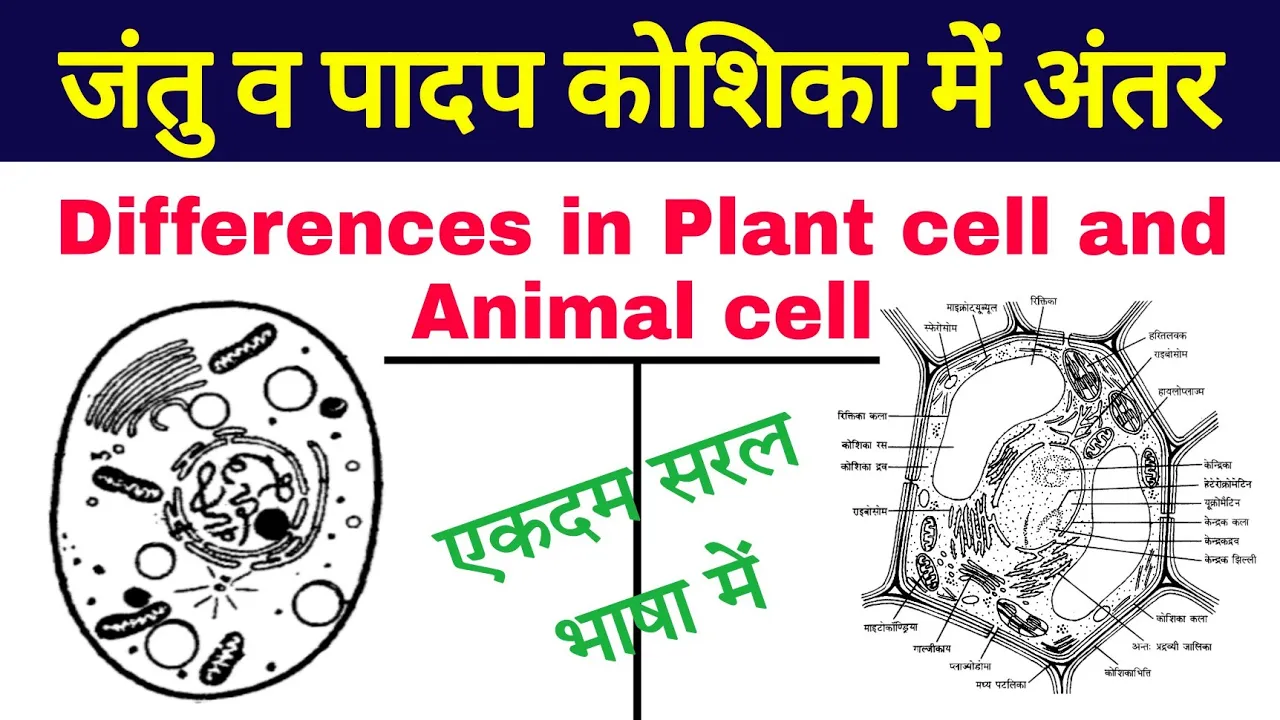

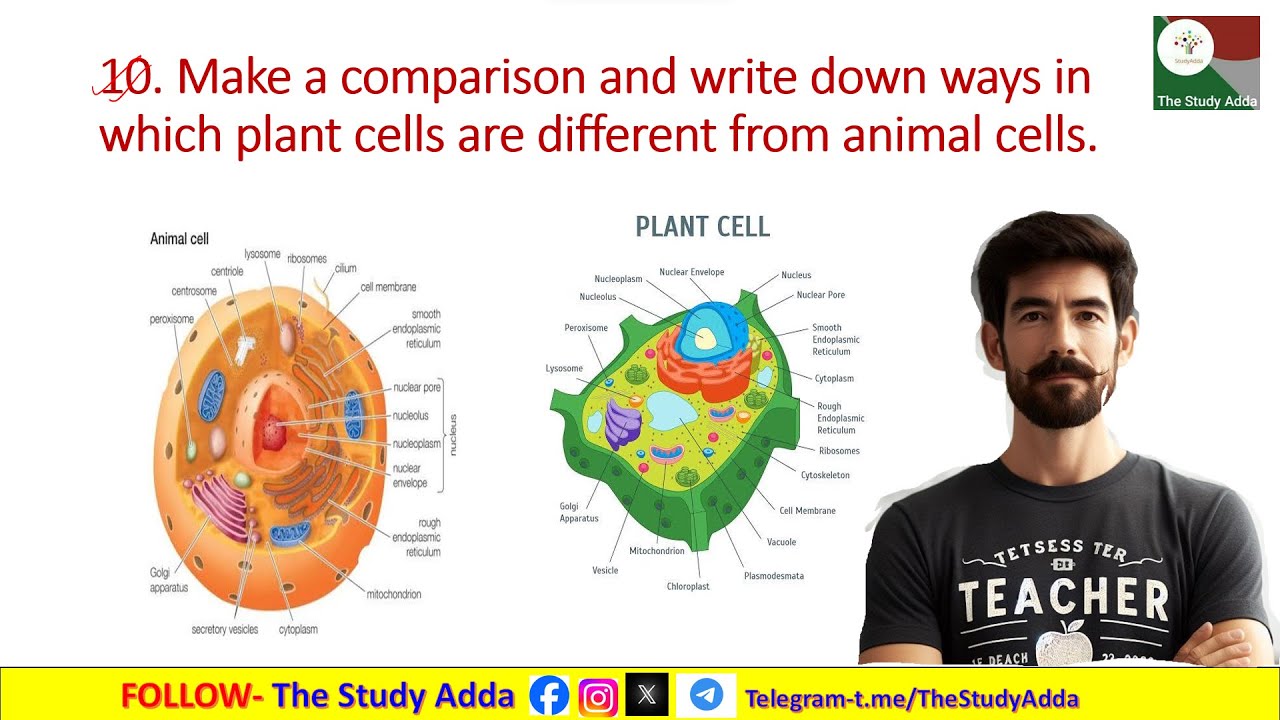








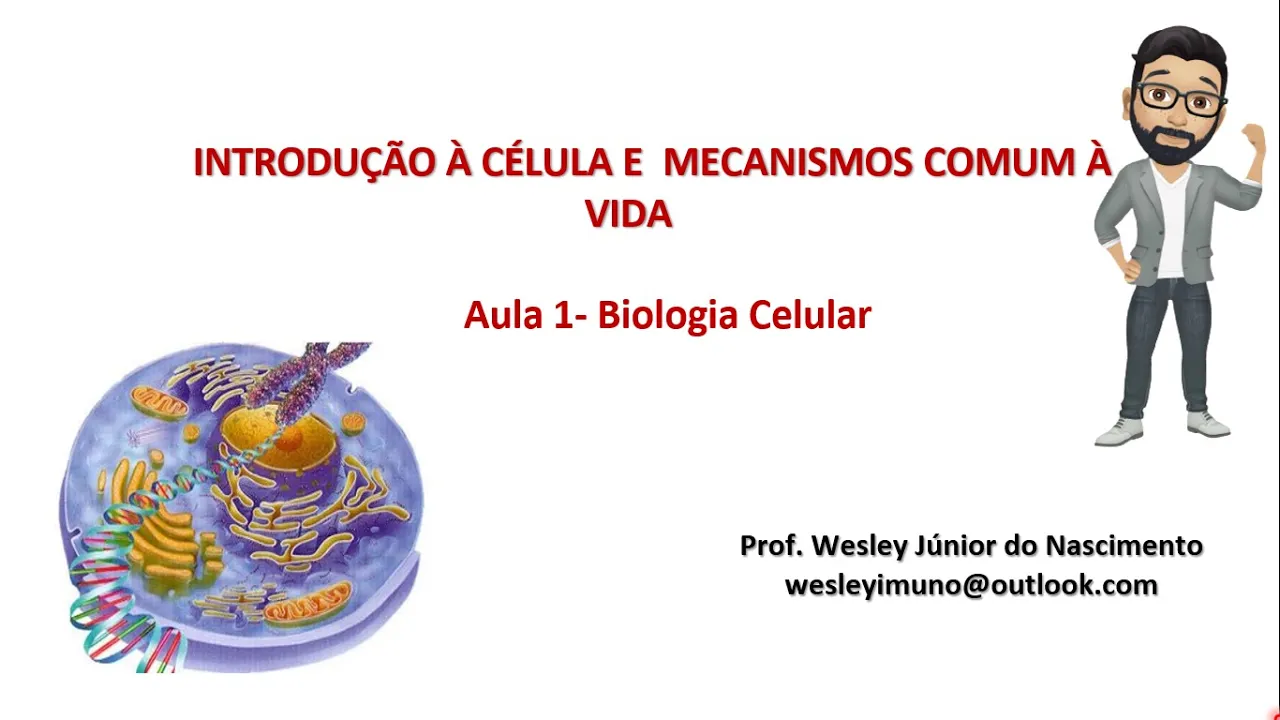

A plant cell is composed of several key organelles: the rigid cell wall made of cellulose, hemicellulose, and pectin that provides structural support; the plasma membrane (phospholipid bilayer) that regulates material transport; the cytoplasm (80% water) containing all cellular components; the nucleus housing genetic material (DNA + histones) in chromosomes; the nucleolus responsible for ribosome biogenesis; the endoplasmic reticulum (rough for protein synthesis, smooth for lipid production); chloroplasts performing photosynthesis to capture sunlight and produce ATP and oxygen; mitochondria generating most cellular ATP as the 'powerhouse'; the large central vacuole maintaining turgor pressure and storing water, waste, salts, minerals, and nutrients; the Golgi apparatus packaging proteins into vesicles; peroxisomes detoxifying harmful hydrogen peroxide; ribosomes synthesizing proteins; and amyloplasts storing starch. Each organelle performs specialized functions essential for plant cell survival and overall plant physiology.
Plant Cell Structure and Function Explained | Basic Science Series
Added:hi everyone welcome to basic science series i'm your host looking at kumar and today we are going to design plant cell you can see that i've already designed individual components and you can see that i have a good looking plant cell that i've already designed right i'm going to follow the step of using these individual components to design this particular complete plant cell and while i'm using these components to design this cell i'm also going to discuss the function of each component in detail right so i hope this video is going to help you to understand the functioning of the plant cell as well as what are the structures that are important for the plant cell to survive so without delay let's jump onto the lecture part [Music] all right everyone let's uh start the lecture and uh let's start designing the plant cell wall first as you can see i have all the all the components different different components of the cell plant cell specifically already designed here and what i'm going to do in this video is i'm going to design the plant cell using these components and i'm going to discuss the functions of these components one by one so that you can understand uh the whole composition of the plant sand and also understand what are the different functions of each component of the plant cell right so let's start with the cell wall so i have uh this is this is the outline that i have designed for the cell wall and let me tell you something about the plant cell walls plant cell wall is based basically it's a very rigid cell wall and it has a complex structure the main role of this particular cell wall is to protect the cell uh so that uh plant cell can perform all the all the functions that are important for its survival right and another important thing about the plant cell cell wall specifically is as it's uh it's present in in plants and it may depend upon uh specifically its type may depend upon the developmental stage of the cell and also the different different types of plant cells and the basic uh structural component of the plant cell is cellulose hemicellulose and also pectin these are the major components of the cell wall and sometimes there are more complex structures like lignin and also present inside the plant cell wall so basically this is this is the general information that i want to tell you about the plant cell specifically plant cell wall so here we have the uh structure so let me just make it a little bigger so that you can you can see it clearly the next component that i'm going to incorporate in this particular structure is the membrane so after immediately after the cell wall we have this cell membrane and it is also known as plasma membrane the the structure of this is also complex it's not a single layer it's a phospholipid bilayer and the role of this particular membrane is to separate the interior of the cell from the outside environment and it's semi-permeable right and its main function is to transport the material from inside to outside and outside to inside of the cell and also uh one of the major component of the uh the particular cell membrane is the phospholipid and the phospholipid structure is it's uh it has a hydrophobic end and it has a hydrophilic tail right so this is a kind of uh the basic structure of the uh the phospholipid of the plasma cell membrane so uh from from here the next component that i'm gonna design or i'm gonna create here is the cytoplasm so basically uh the cytoplasm of any cell includes the the gel-like material that is present inside the cell and it can be a really a complex material plus all the organelles that are present not the nucleus nucleus it has uh sorry nucleus has its own plasm it's also known as nucleoplasm right so cytosol plus organelles are known as the cytoplasm of the cell and as you can see i will design all the all the organelles and we will discuss the function of all the all the components and one of the interesting fact about the cytoplasm is it's 80 water so most of the cytoplasm has the major component that is water and then let's bring the the important structure of any any cell the genetic material and in this case the genetic material is present in the form of nucleus and nucleus is a membrane bound organelle you need to remember that this this particular structure that i'm revolving just to show you is the nucleus and the nucleus is basically is the genetic material it encloses the genetic material of the plant cell and as i already mentioned you that it also contains the nucleoplasm the interesting fact in in case of some of the like human cells you have no nucleus that means nucleus is completely absent for example in case of rbcs and some of the cells that contains many nucleus for example osteoclasts these are the cell that has a lot of nucleus and and in nucleus basically the genetic material is is in the compact form they're the compact form of the genetic material is chromosomes and chromosomes are basically dna plus histones and we will discuss all those different different uh basic or detailed components of these organelles in our future videos but at this particular point i just wanted to mention you that okay there is a particular organelle inside a plant cell that is known as nucleus and it has the genetic material enclosed inside it right and then you have nucleolus nucleolus is the part of nucleus so what is the function of nucleolus is basically its function is ribosomes biogenesis is the main function of nucleolus and it is really important as far as the functioning of cell is concerned because during the stress response nucleus plays a very important role and in in case of animals especially in case of humans nucleolus has been studied to by focusing specifically on the mechanism of cancer and it right now research is going on to specifically target this particular organelle to generate some kind of cancer chemotherapy so it's uh basically i'm trying to say it's it's really important as far as the stress response of the cell is concerned right okay so now let's jump onto this another important organelle that is the endoplasmic reticulum so here i have designed this particular structure and it's resemble the endoplasmic reticulum uh basically endoplasmic reticulum uh they are divided into two types smooth and rough right now i'm just representing uh just a simple all right shape of the endoplasmic reticulum and i'm not differentiating them into rough as and the smooth endoplasmic reticulum but the major difference is the presence of ribosomes if the ribosomes are present on endoplasmic reticulum it is known as rough endoplasmic reticulum and its main function is in protein synthesis lipid and cholesterol synthesis that you need to remember okay so this is all about the endoplasmic reticulum now i will construct the next on i'll just simply drag the next structure that is this this one is the chloroplast and we all know this is really important for plant cell to survive right because it performs the photosynthesis and we all know that the the important component that is required for most of the animals that is oxygen is generated because of this particular organelle it contains chlorophyll as a pigment and that utilizes the energy from the sunlight to produce the energy molecules atp and adph molecules for plant cell to survive and releasing the the most important gas that is oxygen for us right so that is why these organelles this particular organelle is really really essential as far as the functioning of the plant cell is concerned and also the functioning of the animal cell is concerned so a lot of a lot of different things a lot of important things depend upon the this particular organelle right and let's let's design few more these uh this these structures and distribute them around the uh this plant cell so because you have uh a large number of uh these chloroplasts uh they are distributed throughout this plant cell right so i'm just trying to give it a nice appearance so that we have a humanly distributed chloroplast in our plant cell so right now we have added nucleus nucleolus sorry nucleus nucleolus endoplasmic reticulum chloroplasts and then we will drag the another major component of eukaryotic cell that is this so what is this this is mitochondrion mitochondria is the most important organelle because it is also known as powerhouse of the cell it generates the the largest supply of the atp molecule is generated by this particular organelle that is why it's also known as the power house of the cell so it is basically the organelle that generates the chemical energy for the cell okay so there are number of these mitochondria that are present inside the eukaryotic cell so let me evenly distribute right so that we have these particular organelles distributed throughout the plant cell okay so i'm just leaving this space for some for one important reason because there is a big structure that is present on this particular area means most of the space inside the plant cell is occupied by this structure that is a vacuole right so let me place it right here and and i'll explain to you what is this this uh structure is uh okay vacuole vehicle in a plant cell is important because uh it contains water inside the plant cell and it is really important for the hydrostatic pressure or it's also known as turgor within the plant cell and there are different different types of vacuoles for example there are gas vectors there are contractile vacuoles food vacuoles and central vacuole in this case this is known as the central vacuole of the plant cell because it performs various functions it also in in case of plant cell it contains some waste product it also may contain salt minerals nutrient proteins pigments and it it helps in the growth of the plant cell so it's a a very important structure for the plant cell okay so you need to remember this because it occupies the largest space inside the plant cell okay next important structure is this let me zoom it this this is a golgi apparatus or it's also known as golgi complex the main role of this is to pack the proteins that are synthesized and if the proteins are ready for the degradation the golgi apparatus pack those proteins into vesicles so you can see i have designed these vesicles to just show you that particular function of the call separators so let me make it smaller and maybe i can squeeze out some space for this right okay maybe i can have another golgi operator somewhere right here you know the important thing in this case to remember is this is our own plant cells so basically we are free to do and freely distribute and free to design and basically you can make this plant cell the way you want right it's kind of odd as the same time we are also learning so many things about the plant set okay so it looks really amazing we have most of the components that are there that are required and then we have uh the another important component of the plant cell that is peroxisome let me make it larger there is no specific structure that i want to show you but the important part is peroxisomes they are bound organelles okay they have the membrane outside and they they contain uh the most important component inside that is uh that is present in the cell that is h2o2 hydrogen peroxide and h2o2 is important because it plays very important role in case of oxidative reactions uh sometimes there are a lot of toxic molecules uh free radicals that are generated inside the cell and they require neutralization and peroxisomes they play an important role in that process and i'm going to distribute these peroxisomes throughout my cell because they are really important for uh the oxidative reactions and they are really important for this particular plant cell to survive okay that is why they are also known as peroxisome because they contains hydrogen peroxide so you can remember it very easily by their name what is the function of these peroxisomes right and then this red dot ribosomes right of any structure any living organism or any living cell requires this particular organelle whether it's bacteria whether it's animal cell or whether it's a plant cell they all require ribosomes they all require genetic material so the basic function of the ribosome is to construct protein by reading the dna sequence right and i have already made some interesting videos on how protein synthesis works and i'm also going to make more videos on this particular process because this is really interesting and this is really important as far as the functioning of any any cell is concerned these are the vital pathways of the cell right and i just really distributed these ribosomes but they are really large in number and they perform our most important function that is the construction of the proteins and we all know proteins are really important right they are highly important for the functioning of the various pathways uh functioning of the various organelles to generate various molecules that are vital for the cell to survive so now i am distributing this violet color organally and this is known as amyloplast one thing i want to mention here that the color that i'm using here is not actually the color that they are present inside the cell right it's just to differentiate these structures and to to make these particular this particular schematic beautiful and nice and to differentiate all those structures from each other right they are not like the uh like amyloplasty is not purple in color basically that was uh the message that i want to convey all right so as you can see we have most of the basic structures that uh are required for a plant cell to survive and how they function it's a really complex biochemistry each organelle performs a really complex set of reactions and on the basis of that they generate molecules and the molecules that are generated uh plays a very important role in the survival of the plant cell so uh i really hope that now you have a basic idea about the plant cell and we have constructed a nice looking uh plant cell from all those basic components i made i have made a video and how to design these components and and this particular structure you can also utilize to build models actual models right so i hope uh now you have a a good idea about the plant cell and the structure of the plant cell as well as the function of all all those components of the plant cell and and it's it's going to help you uh in your studies and as well as if you're preparing for any competitive exams that gonna help you so i will i will see you in my new video where i'll bring a new organelle or new pathway or structures that we will discuss in detail right if you have any suggestions you can post in the comment section if you think something else needs needs to be discussed you can also post it in the comment section and i want to thank you for for your support and i want to thank you for being the part of basic science series family and supporting the channel all right i'll see you in the next video thank you and take care you
Up Next
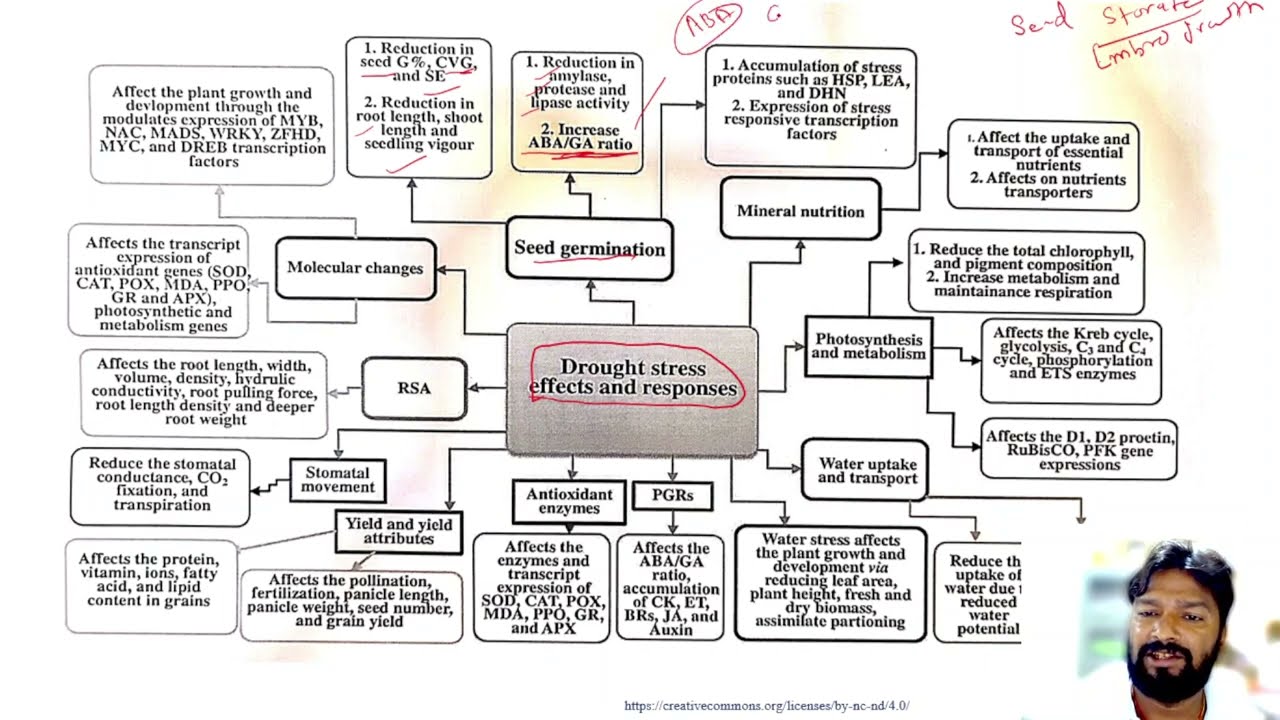
Drought Stress in Plants: Physiological and Biochemical Effects for Exams
@Dr_RK_Singhal
309 views•2024-05-12
Bacterial Communication: Quorum Sensing and Biofilm Formation Explained
@JHUAAP
12.6K views•2011-06-28
Biofilm Formation Stages: The City of Microbes Explained
@biologygoal
29.2K views•2019-07-28
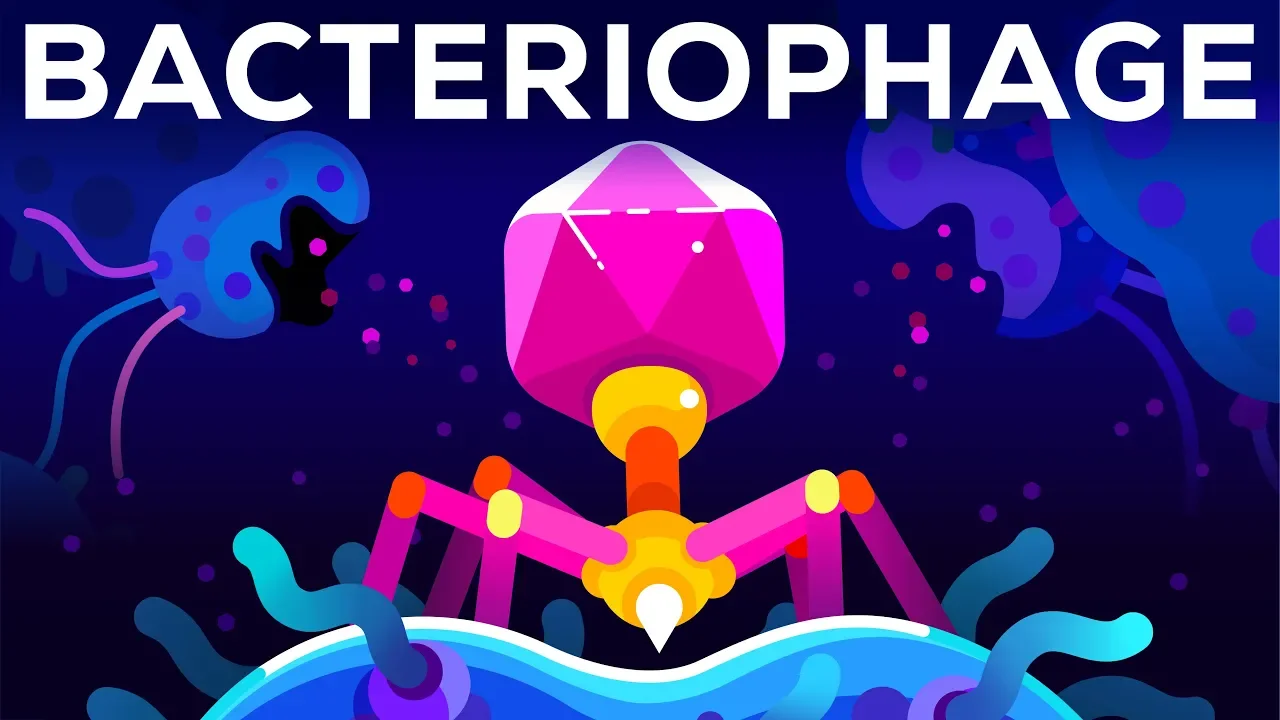
Bacteriophages: Earth's Deadliest Killers and Future Antibiotics
@kurzgesagt
34.6M views•2018-05-13
Related Study Plans & Knowledge Roadmaps
Structured learning paths in Biology