







![What is Multi Touch Attribution Modeling? [Whiteboard Video]](https://i.ytimg.com/vi_webp/u-VNR2kXwJg/maxresdefault.webp)











Rapid business scaling requires focusing on advertising as an order-of-magnitude growth lever rather than incremental optimizations, prioritizing clear communication over clever messaging, emphasizing proof over promises, and implementing the 70/30 give-ask ratio in marketing; businesses should also master the hook formula (proof, promise, plan), adopt the 70/20/10 self-stealing rule for proven strategies, and recognize that negative word-of-mouth spreads 37 times faster than positive, requiring careful management of customer experiences.
Business Growth Strategies: Scaling With Marketing Levers
Added:Understanding basic unit economics, specifically Customer Acquisition Cost (CAC) and Customer Lifetime Value (LTV).
The conceptual distinction between business growth (adding resources to get more revenue) and business scaling (adding revenue at a much faster rate than cost).
Familiarity with the standard digital marketing funnel (Awareness, Consideration, Conversion, Retention).
Basic knowledge of primary digital marketing channels, including paid search, paid social, organic search (SEO), and email marketing.
An understanding of key business metrics such as Conversion Rate (CR), Average Order Value (AOV), and Return on Ad Spend (ROAS).
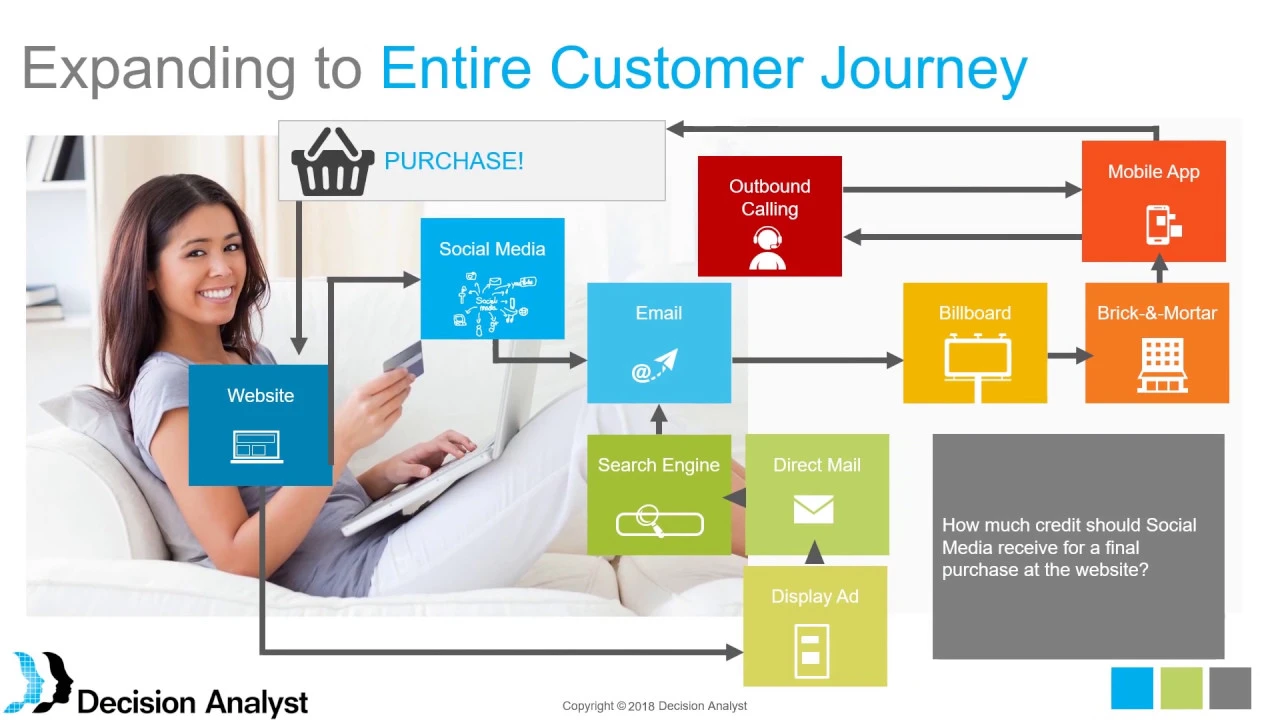
Advanced marketing attribution modeling to accurately measure the impact of multi-channel marketing campaigns.
Operational and infrastructural scaling strategies to handle increased demand without service degradation.
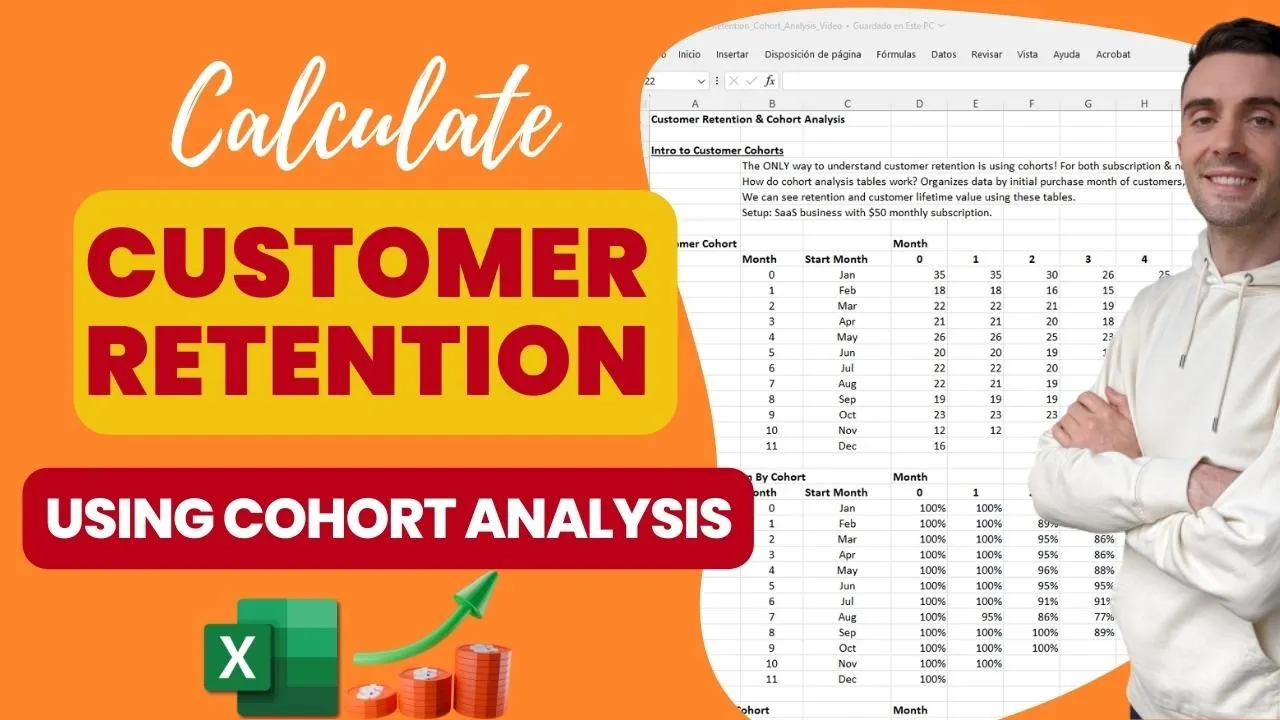
Cohort analysis and advanced customer retention strategies to maximize Lifetime Value (LTV) post-acquisition.
Designing and managing agile growth teams, combining roles in product, engineering, data science, and marketing.
Exploring venture capital, growth equity, or boot-strapping reinvestment strategies to fund hyper-growth phases.
1.1M views30.9Klikes1:03:08Original Release: 2025-01-02
the last three companies I founded and sold grew so fast it felt illegal us Allen got to $1.2 million per month at the end of the first year Prestige Labs got to $1.5 million per month by the end of the first year and gym launch got to over $2 million per month by the end of the first year I'm going to show you the strongest growth levers I used to get these results so that you can too let's start with the first one which is nobody knows you exist and if you're under $1 million in Revenue I can virtually guarantee that basically everyone on Earth doesn't know you exist and so the first four hours of every day should be dedicated to solving that problem and going from obscurity to being aware and so we do that by doing the core for more which is you have to do more Outreach cold or warm you have to make more content or you got to run ads but the thing is is you don't need to do all of them you pick one you go all in and that's what you spend your first four hours every single day on now the reason that I talk about advertising more so much is that advertising is a boom and if you're like what's a boom it's actually a term that I started using inter for our business which is a business order of magnitude change all right and so fundamentally if you think about a business there are many things that you can optimize so you can increase your close rate by 10% you can increase your your conversion rate on your on your optin page by 10% you can increase your email followup all of those things are optimizations and so the problem is with optimizations you can only go to 100% they're capped but with advertising you can in a very real way 100x the amount of people who find out about your business and one of the key that small business owners get stuck in is they get in this little optimization mouse trap where they're like I need to move this oh I I I I I was at 10.1 1:1 and now I need to be at at 10.2 to1 it's like dude just get a 100 times the leads and your business will grow so here's what most people think when they think about their given Marketplace so let's say you're a local dry cleaner all right you see that you're advertising on Facebook and so you see you have the whole pie and so you're happy so that's just you then you have you plus one other person then all of a sudden you've got half of the pie then it's you plus three other people in the marketplace and now you feel sad but the reality is the marketplace is significantly bigger than you ever give it credit for there are so many humans on Earth this is what it looks like in reality you're actually only advertising on one of four different methods and the way that you're doing it is only on one slice of the medium and then within that you have your tiny little quarter that you're taking up and so the marketplace has so many different ways they can communicate using each of the methods of communication so for example if I'm talking about content I'm like oh there's somebody else in my Marketplace who's marketing on Instagram Okay cool so there's that but isn't there also other platforms you can do it on and don't you think that maybe there's enough people in your Marketplace to satisfy your business probably the amount of times that I would have a gym owner for example who'd come to me and say hey there's this other guy in the marketplace who's now running Facebook ads I'm like you only need 200 people in your gym to be incredibly profitable and right now the last time I checked you've got 1 million people in your city and so you just have to get 200 of them and so if there's 10 others or 100 other gyms that are advertising your era even on the same platform you still just need to get 0.002% of that audience to just come to you and so you think that as these people enter you're losing market share but the reality is you're this tiny little spec and most people don't even know you exist so the next growth principle is instead of trying to beat your competition shrink your competition Eminem has responded to hate in two ways publicly that I absolutely love so the first is that when will frell confronted him about some things that Afrojack had said to him he said hey afrojack's been talking trash do you have anything to say about it and Eminem just said who and then will faroh repeated the statement and then he just looked at him and he was like who and he was like okay yep that's what I thought and so the first is I'm so big I can't hear him the secondary is that you kill them with kindness right so either grow so big that no one can see them or hear them or you meet them where they're at on a different game which is you play on kindness and Grace and so in 8 Mile Eminem tries to claim all of the flaws that he has so that no one else can say anything and so I get hit on a lot not like that uh for talking about working a lot people are like that's not healthy and of course I try to put disclaimers in every video I'm like do whatever you want right um I get uh hit on for like oh I think he's he's trying to make money duh I try to say it all the time but people assume that I am trying to hide this from my owns of course I'm trying to make money I'm in business that's the whole point I do this and that way if I always start with I'm here to make money when I do something nice then people are like oh well that was nice of him rather than me claiming that I I have to be the Super kind whatever person and then when I try and make money people are like ah shake their finger at me like it's not good and so I try and learn from mem and just take all of the negatives that I can think that somebody would possibly say and then just claim them as my own because yes we are all flawed and none of us are perfect and so for some reason we are bothered when someone else points out our imperfections that we would readily State ourselves we know we have deficiencies what you want to do is overwhelm the marketplace so that you drown them out you want to be so loud that no one else can hear them you shrink them into irrelevance by comparison and so there's two ways that you can become the tallest building right you can knock everyone else down or you grow so that they become smaller in comparison to you and so everyone sees their little building and thinks oh no I should knock all my competitors down right when in reality all you need to do is build the biggest absolute building there and the thing is is that you're going to block out the Sun and your Shadow will be so big that no one can even see these people and let me tell you a story about this when I launched my last book 00 million leads I spent a tremendous amount of time and effort across I think at the time we had sevenish million uh subscribers or you know audience size across all platforms I emailed a bunch I made a ton of com content we spent money on ads we did Outreach we had Affiliates going we had all these different channels going to get as many people as possible to the launch and when I walk around Las Vegas because I live here I will usually get stopped about three-ish times when I do about a 60-minute walk uh mind you I walk in a crowded area so it's not like I'm just like walking in the neighborhood because then that would just be weird anyways and of course you should be recognized by your neighbors but I'll get stopped by three people and every time for the month leading up to the launch I would be like hey you going to the book launch 19 times out of 20 the people would look at me and be like what's the book launch and I was like how do you not know about this right but it was this wonderful reminder that most people when you get tired of your advertising most people don't even know your first name if you have diluted yourself into thinking that you should only have to say something once and somehow everyone in the entire world has heard you say that thing you are kidding yourself you need to become a master of variety in terms of of how you can resay the same thing in different ways and taking the natural extreme there's this fallacy that most small business owners think and myself- included for years I thought this was that repetition in and of itself is somehow bad so let me explain there's probably people on the internet I personally follow a bunch of philosophy accounts and so most of the philosophers are dead and yet I still love to see the quotes they have because they remind me of the things that I want to follow the way that I want to live and it's not like oh another senica quote does this guy never give up it's like he's dead he hasn't come up with a new quote in 2,000 years and yet I still like seeing the quotes even though I know I've seen them before and often times you serve that role for your audience more than anything else like we think that it's like oh I've said this one thing therefore they have all changed out their behavior immediately and they never need to learn that again but the biggest lesson that I've learned is that people need to be more reminded then they need to be taught and in the off chance that you've received hate or you have a competitor who's talking crap and it happens this counts double so instead of trying to beat them or prove them wrong you only have two options option one is you grow so big that no one can even hear them the alternative is that you kill them with kindness which is that you do not beat them by proving that you are right you beat them by proving that you are kind and then by comparison they will look bad and so I can only thing I can tell you about having dealt with plenty of it in my day is that on the occasion that I do choose to respond to hate I try to respond with kindness and so someone can just absolutely tear me one and just say like this guy sucks he's terrible whatever right I will then usually say hey you're right I'm a super flawed person um that being said it seems like you've developed like a big audience here and they seem to like you and so congrats on your your success right when someone sees that it's very hard for everyone to be like man that guy sucks it's just like now if I were to try and like list out all the points all I do is invite more back and forth which I don't want to do and it's a waste of my time and so instead you start all hate responses with you are right because it's all they want to hear and there's really nothing else to say after that and so what's interesting is that often times hate if you boil it down comes down to I do not prefer the way this person does things I have a different preference and it's like great right like I I make money one way he makes money another way and therefore he is wrong it's like no you just do the way you want which is awesome because you do it your way and they do it their way and the people who are attract to that will do that and the people attract to you will do yours and great like I mean of course there's engagement baiting and things like that because you know people people want to get views and all that and I and I respect it I get it um but but big picture I think you can't take it um you can't take it personally because whenever I I fall into that little trap I think to myself I'm a relatively developed monkey that is sitting on a little Blue Marble in a solar system that's in one of a billion galaxies and I'm worried about some screen that has words on it of a madeup language that we had in the last 1500 years of how we communicate face noise to each other and when I think about that I think you know this would be pretty silly for me to like ruin a day over so the third big growth lever and this one's massive is clear not clever all right so what do I mean by that well when I looked at the highest converting ads that I had run and I do this pretty regular I look for different components sometimes I'm like What's the hook sometimes I'm like what's the color scheme what's the what's the visuals that are being displayed in the first however many seconds and in this one particular pass I just looked at the grade level of the language that was being spoken and the reason I looked at that it was I think it was a you know one or two election Cycles ago I had heard this research study that had stated that the president who spoke in the lowest grade language was the one that won the election over and over again and when I heard that I see presidential elections fundamentally as massive brand campaigns and so I see that as they were able to communicate a message to a higher percentage of the population because they lowered the barrier to entry of comprehension meaning more people got what they said and so when I hear that I thought man I like to use all these big fancy College words and no one knows what I'm saying and so all I do is feed my ego not my bank account and so I made one of my big marking rules clear not clever and so you want to take whatever communication is look at your landing pages look at your ad copy look at the words you're saying in your content and say does a third grader understand this and the point that some people try to make as a counter is like oh I don't want to talk down to my audience no when you speak in a more broken down manner you help the experts understand it more easily and you help the beginners understand it for the first time and so it's not that experts are all of a sudden saying oh no I I don't believe that because listen we get tons of very big companies that come to acquisition. comom for investment and the the guys who run those companies very intelligent but I try to make my videos in a way that people can't understand them because who who do I who do I prove when I use a big word and then all of a sudden 3ars of the audience can't understand it and if the point of me making these videos is to make real business education accessible for everyone part of it making it accessible is making it interesting making it fun and making it comprehensible which is a fancy word for understandable and what you guys don't see behind the scenes is that I will typically selfed and so I said distilled earlier in a sentence than I said broken down for experts it because I said distilled and I was like I have to use a different word broken down and then I said comprehensible and then I said fancy word for understandable and so I try to constantly catch myself in this and it's also made me a significantly more effective leader so if I'm trying to communicate with my team I'm not trying to say big words I don't want to impress them I want to change what they do and so I I've taken this to such an extreme that with my books I just use little little stick figures right I have these little drawing it's like oh look here's a guy who's walking on a path look little apple orange big dollar sign little dollar sign right we try to make this as simple as possible so that people can understand what's actually going on because if you can explain it to a third grader and this is Richard fan who said this who famous physicist he said if you can explain it to a third grader then you understand it if you can't you don't and you need to understand it better so that you can break it down and so the broader the audience the broader the analogy and the simpler the language and so I'll give you an example one element is the grade language of the words you use the second is what visuals or stories you use to depict them and so if I'm talking to mechanics I might use an analogy where I relate something they understand cars to something they might not understand a business right if I wanted to teach a specific concept if I was talking to the same uh I was trying to teach the same concept but I was teaching it to Realtors then I would probably use a house analogy if I was teaching it to baseball people I would probably use a baseball analogy right and so if you have a narrow down audience you'll increase comprehension by using analogies that they all understand if you're talking to a broader audience then you need to have a broader slice of the market probably a more human experience that all of them have so if I'm talking to everyone I might talk about food I might talk about sleep I might talk about driving right because most people do that assuming I'm not talking to children and so you have to match the analogy to the history of learning from the people that you're trying to communicate to and this is what takes your marketing and your advertising and puts it on steroids and to put this to the test this is something you can do right now look at whatever emails you send run them through a reading grading level app keep working on it until it's below fifth grade minimum third grade if you're awesome and then send it I did this to our email follow-ups and had a 50% increase in conversion I didn't change anything about what I said but I saw that as I got 50% more people to understand because the goal here is to decreas increase the friction of comprehension so if we think about the elements of value speed ease time delay these elements are all impacted by complexity and so something complex takes longer to understand it takes more effort right and so and it's harder right and so instead what we want to do is say okay how do I make it easy and faster okay well then I'll just speak in a way that everyone understands the next massive growth lever is proof over promise all right and so with this means is that in my earlier days I would spend so much time on my promise right and I wrote a whole book on promises which is basically offers right and I would obsess about the offer but and the offer is super important but the only thing that's more important is proof all right so let me give you two hypothetical examples let's say that you've got business one that's selling Thing One and business two that's selling thing two well let's say they still compete for more or less the same audience and business 2 says we'll do X we'll do y we'll do Z we'll do W and we'll guarantee X Y and Z right and you look at their reviews and they've got a five-star rating and they've got one review the other company says we'll do X and they've got 11382 five stars and they've got a 4.7 who do you buy from this guy obviously but why this guy has a better promise because you believe this guy and so you want to have proof up to your eyeballs proof is your single highest EST priority as a business owner or marketer or Advertiser or promoter for your business it is the one thing that you prioritize before I enter any new space launch a new product the first thing that I do is try and get beta users I work for free in exchange for testimonials reviews and feedback and sometimes referrals if I'm lucky but in the beginning that is the highest most valuable thing that you can do so people will say things like never work for free and you only hear that from people who don't make that much money if you make a lot of money you will know that you spend so much time in the free phas because getting the product right is so important is such high leverage and so the proof process both makes you convicted because you get the opportunity of many feedback loops to make your product better so that you then can collect the positive feedback that you can then advertise to get more people like those customers and the most compelling way to advertise anything is show don't sell and if I just stand here and said nothing and I said and I just stated the facts and told the truth and I said I have 11382 reviews and our average review is 4.7 and I make pasta really good and then or I have one review from my mama and I make super fragile calistic X docious pasta guaranteed which which one do you like better obviously this one you don't need to say much more the proof is the pudding the most important part of a message is the messenger themselves they're inextricably linked from the thing that's being communicated and this is what people seem to miss when they're making content which is why I'm a big advocate of do epic stuff first then talk about what you did and if the stuff that you didn't do is epic focus more on the doing epic stuff not on the talking about it and so I started this channel uh with a commitment to a vendor saying I'll make three YouTube videos a week and I was busy and I was like I'm just going to hit a webcam and I'm going to talk to the camera and that is how this channel was started and the only reason in my opinion that people decided to listen was because I just so happened to have sold a company for just under $50 million and so because of that there was proof that I was able to deliver on the promise whereas somebody else might have a totally beautiful studio and have all these things but they just forgot the one most important thing which is why should I listen to you and so it either is going to have to be proof that you generated for yourself or proof from other people saying that you help them achieve that thing if any of these growth principles help you in thinking about your business differently so that you can scale faster or you need to sendage your team it would mean the world to me if you shared it um that's my only ask and appreciate it so the next big thing is the hook now you're like okay I've heard about hooks before not the way that I'm going to talk about it all right so so the hook is greater than everything now you're like wait a second I thought proof was greater than everything well the proof is going to be contained in the thing but no one's going to see the proof unless you have a good hook all right and so the one thing that I think has consistently been reinforced and it's just like a greater and greater percentage of my time is allocated towards this one part of my advertising that grows my company the most is I search for the best Hooks and then I don't convince myself that I'm more creative than I think I am and I just keep using the ones that work so think about it like this these are the only four things that you can do to advertise any business you can warm Outreach so reaching out 10 one to people you know cold Outreach reaching one one to people you don't know you can run paid ads which is going one to many to people you don't know or you can post content which is one to many to people you do know and in each of these four situations you can double triple 5x the amount of people who open and respond who click and watch your ad who uh watch your content all the way to the end and if you do something like that and you do increase the clickr rate by go from 1% % to 5% or 2% to 10% which absolutely can happen when you do that you in a very real way can 2x 3x 4X 5x your business with just that one thing remember I talked about earlier that advertising is a boom it's it's an order of magnitude change well what other one thing can you just tweak that then opens up the flow to the entire business based on how good the first five seconds are or the first one second and so in thinking about hooks I think about both the visual hook as in what's happening what that people can see and then there's the auditory or or verbal hook which is what are the actual words that are being communicated and we have right now we reviewed our top YouTube videos of all time and I made a video about six months ago saying what we found which is our hook formula is proof promise plan and so if you have the opportunity to make content make make ads run cold outbound if you can include these I can almost guarantee that you will do better than if you include none of them and this is a force multiplier on any kind of advertising you do and so when I think about like all the different things all the effort that goes into advertising a business if I can just do one thing and the crazy part about hooks is they're the shortest part they're the shortest part of the whole darn thing and this is where David Ogie says if you have written your headline you've spent 80 cents of your advertising dollar the more advanced the advertis is that I meet whether it's a content creator somebody who's on outbound somebody who makes paid ads the more obsessive they are on the first frame the first impression that someone gets because they know one it increases the likel that the person's going to watch the rest of it and then potentially buy and then two it changes their entire perception of what follows so we actually looked at this uh for speakers at an event which was if we change the intro the the one to two minute intro that we had for a 60-minute talk talk the person's net promoter score so what people rated them in terms of how good they were changed massively even though the actual presentation was the same so simply how we framed the presenter the person that even gotten up on stage yet changed how everything they did afterwards was perceived and so if there's two minutes that can influence the score that you get the customer satisfaction the amount of prospects the one thing to focus on is nail the hook let me show you the force multiplication of this we just started reviewing uh short form content on the content team and just doing a more regular activity of saying like what are the things that make uh content do well and there was a video that we were like we think this thing is good and so all we did is we took the same video that got like 40,000 views and then we just chopped out the first three seconds that was kind of like getting into the into the video before the actual real Hook was delivered and by snipping those three seconds and then just starting where the hook really was it went from a 40,000 view video to a 780,000 video so you're talking about a 19x Improvement so I'm talking about you know 1% 2% I'm talking 19x that is why obsessing over the Hoke is so important so the next big growth lever that gave us the super fast growth was more so I talk about more better and new as the three primary strategies of growth you either do more of what's already working you do what you're doing to make it work better or you do something entirely new now most entrepreneurs love doing new stuff and that's why it's called shiny object syndrome and it's a Cancer and you should get that looked at but the very boring answer is the mundane more you have to master more and it's going instead of zero to one which is what most people love doing oh my God I finally got it to work but actually doing one to end which is how do I do as this thing as many times as seemly possible without wanting to kill myself and so here's the actual math explanation of this more is typically the highest risk adjusted turn strategy all right and so what that means is if you can do something and you already know it works the likelihood that the next thing you do works is much smaller and so this is why once you have a control meaning you have um a specific landing page or ad or copy or email that you know converts whenever you deviate from a high converting advertisement the likelihood that the variant is going to beat it is typically low and so you have to try a bunch of variations cuz all you're doing is messing something up that actually already works if you had one sales guy and he's closing at 30% well you could try and obsess to get him to 35 or 40% and that would be material you know get a 25% lift overall 30 to 40% to 25% Improvement but you know what would be even cooler just hire three more guys and then you have a 4X or a 300% Improvement and so it's like I could get a 25% Improvement or I could get a 300% Improvement and me trying to change up the sales script also has a significant shot of me taking it from 30 down to 20 because it's a change and so here's the thing is that when you change anything you guarantee you incur the cost of change but you do not guarantee that you get the benefit of change and so in each of the core four methods you do more Outreach which is cold or warm you go from 100 reach outs a day to 200 reach outs a day paid ads you go from $100 a day to $200 a day you go from posting content you go from posting once a day to twice a day right those are how you do more and when I talk to the most experienced advertisers that I know the most experienced business people that I know the most common theme we talk about is we kind of laugh in the back room of like if people just people just don't know how much more they can do that's that's honestly the real that's the real is that when I when I when I have conversations with small business owners they're like hey I don't think I can do any more uh ads you know I'm running I'm I'm already running $1,000 a day I'm like I mean dude there's businesses that run like two million a day and so you usually have so much more Runway than you think you do and sometimes you just need someone ahead of you to be like dude you can like 10x this and nothing's going to change but they think because of whatever mental limitation they have are like you've never spent that much money on on an ad before you've never made that am is it goingon to hurt my account no they want you to make good content is it going to hurt my ads no they want you to spend money is it gonna is it going to hurt my my you're going to people who've never met you before so why would they know that you've sent it to another 100 people right is that there's this these perceived fears but most of the times it's just between your ears I'll tell you guys a quick story about this so when I had my first I would say real business uh which is my first location of my first gym I had a mentor and he was a really good local marketer and so he had a strategy for his tning salons where he would bring in I mean thousands of customers every single uh every single quarter and what he did was he would put out flyers he just put flyers on cars and then had like a you know free VIP gift card and people would come in redeem them you flip them into memberships and so I figured okay I'll just run the same play and so I did the Flyers and I put 300 Flyers out and I waited by the phone being like Oh my God I'm going get 300 people in here it's going to be sick and what happened well my phone only rang once from the Flyers and when I picked up the phone uh the guy was like hey did you put the flyer on my car and I was like yeah I did I like what time you but he cut me off and he was like you damaged my Mercedes and I was like click and I I didn't know what to do um and as soon as i i i i and thankfully he never called me back because I definitely had didn't have the money to fix any Mercedes at that time um I called uh uh my mentor back up you know a week or two later once it was clear that no one else was going to call I said he said hey how' the Flyers work out and I was like well they didn't work out at all actually you know I was like taking some attitude with him he was like oh what was your test size and he like he didn't take the bait he was like oh what was your test size and uh I said well what do you mean he was like well like what' you test with before you like did the real campaign and I was like oh well I I mean I put 300 out and he was like 300 he's like you can't know anything with 300 I was like what do you mean he's like I test with 5,000 he's like and then we put out uh 5,000 a day for 30 days and so I was looking at his results from 150,000 Flyers over 30 days and comparing them to my results of 300 in a day and once I saw that ju to position I was like got it I will never make this mistake again it was very embarrassing for me because I was on the right path I just didn't do enough and so one of the big metal lessons of this is that what presents as volatility is typically a symptom of low volume so if you're like man I only get like you know a sale every week or every other week it's kind of like you know it's you know most days I don't get a sale and then every once in a while I get one it only appears volatile because you're doing so little per day but if I looked at your year and saw that you closed about let's say 12 customers in that year you closed one a month for example every every three or four weeks you get a customer well all I would do is look at your entire advertising activity for the year and say okay if we wanted to get 12 customers a day we would have to do 365 times more advertising than we currently do and if we did that on a daily basis we would get 12 customers a day and so you just take your to calendar horizontally and then you flip it vertically for a day and that is how much volume is required and so most people just think that it's like oh they're they can't be doing more than like twice as much as me but in my experience the people who are crushing it literally are doing a thousand times more than you and that's the part that like until you sometimes you hear it or you have someone ahead of you say it it doesn't become real for you and it's why I make these videos is to try and like push as much you know out of out of my brain and and history so that you can just get the story without the scar um and that's and that's that's the whole point okay so once you're like okay I have something that's working I should just do way more of that awesome well the next thing the next power lever here is word of mouth and it's not the way that you think so Word of Mouth people are familiar with referrals you know customers uh tell other customers or other prospects that your stuff is good but what a lot of people don't understand is that negative word of mouth is significantly stronger and faster than positive and so Disney did this big study where they found that it takes 37 tragic moments to make up for one magic moment and versus uh there's basically like a 5x versus 37x on uh if someone has a good experience they tell five people if someone has a bad experience they tell like everybody and so a new business owner often will get customers pretty cheaply and then all of a sudden costs start going up and part of the reason that costs go up faster because you can actually put math to this which is understanding the difference between CPM which is cost per impression um and it's like why is it m it's mil which is French for thousand so it cost for thousand Impressions um versus CPL which is cost per lead all right and so if your cpms more or less stay the same but your cost per lead has 2x or 3x or 4X well if it's not costing you more to reach those people then it means that fewer of them are responding and if that's the case and you're just going to still relatively warm markets then the issue is that instead of having positive word of mouth working for you we should be actively lowering the amount of cost that it takes to get a new customer you have Word of Mouth working against you and so people who would otherwise purchase from you heard something negative and then choose not to and so now all of a sudden you have to reach three times the amount of people because two out of the three people who would have gone and bought your thing heard it was bad and then now you only have one person who's just heard nothing and so over time the percentage of the audience that's neutral or hasn't heard of you gets smaller and smaller and smaller and so it's way harder to grow off a word of mouth that's positive but it's really easy to get crushed on negative word of mouth and for whatever reason no business owner ever claims that they have negative word of mouth but I can tell you half of you are below average that's a fact and this is why I emphasize the proof over promise earlier on so much because if I'm going to get negative word of the mouth which I know I am if I'm starting out I want to keep that as concentrated and quiet as possible I don't want anybody to know right and so of course I'm not going to charge the money because the last thing I want to do is also have their money when they're upset right so it's like hey I'm making this trade you're going to get stuff it's probably going not be that good my only ask is you give me feedback right tell me how I can make this right tell me how I can make it better right and when you ask those types of questions you get the types of answers that can ultimately create more value for the customer and then once you get positive feedback positive feedback positive feedback now you have something that people actually want they you can need introduce strangers to it and of course you're going to roll into the next issue which is okay how do I keep that consistent because now it's not me doing everything I've got a team and we'll get into that ah this is a really good one so the next big growth lever is steel uh oh what am I what am I about to say from yourself so one of our portfolio companies which is very large hired a new advertising director and that advertising director had came in with lots of new ideas and so the founder because he wanted to teach an important lesson to the advertising director said sure let's let's do all of your ideas and so he sat there he said the scripts he you know he he recorded all these ads he took multiple days to do it and what ended up happening is that they ran all the ads and they didn't work and so he said hey crazy idea what if we use the same hook that's been working for three years and they used the same Hook and the ads worked and so think about it like this Nike on its second year after just do it wasn't like hey just do it kind of old let's switch it up it's it's like when you find a message that converts you keep hammering the message when you find the ad Hooks and you find the the the processes that work well for you most times you'd be better served just continuing to reuse it because you will get bored of it far before your customers ever do so believe it or not there's actually math to support this so uh Sergey brenn and Larry Page I can't remember which one of them uh is like a brilliant mathematician and actually was able to prove this ratio out and so when you're stealing from yourself you want 70% of all of your effort to go into basically carbon copying the thing that works and this works across all functions this works for a sales script this works for product this works for reinvestment activities like this rule works the second is adjacent so something that's just like one degree removed right so it's close to the core of what you normally do okay so instead of saying uh starting a school Community is the fastest way to start an online business right I could say that would be a hook and it's a hook that worked I could say um one of the fastest ways to start an online business to start a school Community right that would be a variation of something that we knew that those words worked but it would be adjacent to it not the exact carbon copy but similar now 10 is that means that one out of 10 of the things that you're putting your effort towards all right would be something that's brand sping new completely you know out of left field and when you look at your effort in your business I can almost guarantee you that you have this flipped and I only say this because uh I speak from experience um is that this is what I would do I would spend 70% of my time on new crazy things new ideas all the stuff that excited me and then 20% I'd be like oh yeah um I'll do something kind of different from what I was doing before and then 10% I'll be like fine I'll I'll maybe and this is this is a maybe most times like oh I already use that use that Hook Once I don't want to use it again I don't want to use the same hook that worked before in another ad it's silly also a different version of uh this from an advertising perspective of the 20% is you use the exact same hook you have a different background so it's uh just like a different variation so it's like I could wear a different shirt I could have a different setting and I could still deliver the same hook and to me that would still be kind of a a 20% variation all of your competitors are copying your stuff and taking what's working when you find something that's Works keep doing it deviation from what works is more likely not to work think about it like this if you demolish a building so let's say we build a building and it takes us two years to build a building right there's our building took us two years demolishing it might take five minutes just put a bomb boom because the place of the bricks and the steel in that building every other potentiality that those bricks could go to create not a building but there's only one placement of that brick in steel that creates a building and so you have unlimited options for Destruction and only one for solution and so when you do find something that works the likelihood that when you change it and you move the brick and you move the you move the scaffolding that you destroy the building is very high something can literally go anywhere except for the right place and so you can have have more options and all of them be wrong so once you're done stealing from yourself then let's talk about emotional versus logical buyers this was a huge like monstrous increase in business for me so have you ever heard from from the marketing world there's logical and there's emotional buyers I had heard it growing up and I kind of repeated it over and over again because I hadn't really thought about it I don't actually think that's true and so let me explain I actually think that there's a Continuum of buyers that people sit on and you've got people who require more information so they're high info buyers and then you've got people who require less information and there's two elements to this one is their information requirement and secondarily how much info they have received and so you could have a high information buyer that's further closer to this little this dollar sign here that only needs a little bit more information in order to buy and then you have some people that just generically buy lots of stuff and everybody loves those people of course but guess what everybody fights over those people and so the thing is is that the amount of low information buyers is like this the amount of high information buyers is an order of magnitude or multiple orders of magnitude greater only crazy people buy immediately it's very normal for people to want to have more information before making a decision and so when we think about our advertising the reason that the direct response Community typically can't grow very large businesses most of the time is because because they only advertise to these people and this pool of buyers is significantly smaller but the reason building a brand for example and investing in an audience is because you're trying to move them down this line now when I heard this in the earlier days of my career I was like I don't have time for that I need to make money I get it sure in the beginning you just advertise the the six-inch putts but when you want to scale you have to educate a higher percentage of the audience because they will require more to buy the way to move people through this is something that Eugene Schwarz uh pioneered in his book breakthrough advertising and he talks about the five levels of awareness so he has unaware people so people have just no idea about anything uh the next is problem aware so they have some sort of pain you have solution aware you have product aware and then you have most aware Okay so so those are the five stages now a customer will basically move in this direction going from unaware to most aware and if you want to go to broader and broader audiences to get their attention the unaware audience you typically have to go off of broad curiosity and so if you've ever seen those crazy like ads that are like weird articles like you know Arizona State blah blah blah has this new blah like they're trying to go after a massive audience of people who have no idea what's going on that new you know scientific breakthrough could lead you to buying a supplement it could lead you to buying uh a weight loss thing it could lead you to buying some sort of equipment it could lead you to buying Insurance like it could go in any direction but it's the Curiosity that gets them in problem aware would be something to the extent of like do you wake up to pee three times a night does it hurt when you bend over to tie your shoes do you get out of breath when you play with your kids those are going to be problem Weare now they again that could lead you to a supplement that could lead you to insurance that could lead you to whatever but it's a slightly more Weare person at least they're problem aware solution aware is that somebody knows of the potential things that they could buy and you're helping them select between them product aware is at even more micro level and most aware is typically your existing customers so here is where you just make offers right this is why the book offers is where I started because the people who are here is the tiny audience here and so you just make an offer to get them to buy but that only works for this tiny audience so you will make money quickly doing that but you will also cap yourself quickly in an effort to figure out okay well how much should I allocate between these most aware less info people and the maybe problem unaware High information people who require more education in order to make a purchasing decision well I had one of the most enlightening conversations I've had in a really long time uh with Ben Francis who's the CEO of Jim shark and then he introduced me to Chris Davis who's the CMO of New Balance and so we had an awesome conversation talking about what Chris had done at New Balance and help them just Skyrocket their sales and so what they did is that when he took over 30% of their advertising budget was going to here was going to the broad awareness level storytelling emotional stuff and then 70% was basically geared towards buying shoes saying hey go buy these shoes what he did when he took over was that he flipped them that he ended up with 70% going to Big highlevel pairings endorsements uh specific athletes that they wanted to recruit recuit that they felt represented their brand and only 30% of their advertising budget went towards actually telling people that they had shoes and that they were for sale and so after he made that flip here's the crazy part it took 18 months for them to see the return on that budget and so if you're in a rush this isn't going to work but if you're in a rush you're never going to get big anyways keeping this ratio made this concept Tactical for me and so when I think about my marketing effort my marketing dollars and most importantly how I measure it my marketing Impressions I want to make sure that 70% or more of the advertising Impressions that someone's going to get are going to be around the pairings that I want of me giving something rather than asking so when we look at this ratio this is actually super well studied between 70 and 30% here because right now uh it's actually three and a half to one is the ratio that has been studied 3.5 to1 of give to ask to basically not lose audience and so if you look at television for example and they've already studied how many commercials can we jam into the show before people stop watching and so they figured it out that it was every three and a half minutes of content they could basically put one minute of advertising in if you look at your Facebook Newsfeed for every three posts you get when you scroll you'll get one ad and the platforms that grow the fastest have a larger percentage of this give and a small percentage of ask Tik Tok for years had zero ads on the platform and just wanted to grow as virally as possible and they acquired more users because they had a give first give all the time strategy and so the fact that they settled on this ratio and it has been corroborated fancy word for it it's worked in multiple other places made me think wow there's something to this and so this makes this concept of how do I balance High information buyers people that need more brand people that need more education prior to purchase with me making money is that you basically start with that ratio add patience in time and then it becomes a snowball that compounds unto itself and then you will get to a point in the future where you still you're doing so much more than you could ever possibly do if you only focused on the direct response on the less information but you're actually still digging the well for what you're going to do next year and so basically you can see when a Founder stops running a business and then the corporate execs come in because what they do is they flip the ratio they basically pull pull forward demand from the future they you had the the the founder dug the well and then they just suck all the water out of the well but then they didn't dig the next well and so you always going to be ahead of demand I'll give you even more tactics if you guys want more TCT fine I'll give you more tactics so B2B businesses and B Toc businesses do this differently and this was something that took me a really long time to figure out and so B Toc businesses so like business to Consumer businesses will typically do these types of pairings in terms of high information buyers by telling emotional stories making associations getting endorsements from athletes and influencers or organizations that represent the values that they think resonate positively with their ideal audience and once they do that they then can place the product next to those associations so that they can then pair them and then the person wants to buy the product as a consequence that is what it looks like in a b2c business but it took me a really long time to think through well what does this look like for a B2B business and so I break this down into several tactical things so number one is aspirational outcomes that you have achieved or the business has helped facilitate secondarily people like this person like your avatar that you have help facilitat so just to be clear stuff that you did stuff that you help other people do the third is stuff that you help them do the prospect themselves which you can only facilitate at least in my opinion in two major ways one is that you give them free content and education which is why I make this stuff and the second is that you give them free products and services which just why why the books are free they're on my site you can read them you consume them there's a scaling road map there personaliz all that stuff is free because fundamentally it's two degrees of separation if some person does it Alex had a big exit now he's a big portfolio cool that's two degrees of separation there's other companies in the portfolio or other businesses who look just like mine that he helps scale one degree separation I used his stuff and made more money zero degrees of separation and this is always going to be stronger than anything else but it'll take longer and so in understanding the difference between B Toc and B2B in terms of what do I do top of funnel here how do I allocate my resources it means that I'm spending time putting together the course in my spare time so that you guys can go consume it on uh how to make offers how to get leads how to Scale company from Z to 100 million like that's time that's effort that's my team who's behind the camera right now that's budget that goes towards that because I'm not looking for demand today I'm looking for those of you who are going to scale your companies and in 5 years hit me up let's say acis.com went public tomorrow and I got AED for being rude which I probably would and then they put in a new CEO and that new CEO says I need to hit quarterly earnings so what would he probably do he' probably switch to lots of direct response uh and he'd probably cut down all the budget on the gives and the books and all of a sudden be like well there's no Roi In A Book Like books don't make any money it's like yeah not today but they bring people into our world and when they do have the next billion dollar company they will hit us up first and that's the goal but that guy will just say well you know what screw all that I'm going to recapture all this marketing spending effort we're going to focus it all on these direct response ads tell people to buy bye byy and you know what for a quarter it'll work maybe two quarters it'll work but all of a sudden it'll start slowly going down slowly going down slowly going down then what happens they call the founder back up and they're like hey help help help us fix this and then the founder is going to say I can't do it in a quarter like it's going to take me a year year and a half to basically right siiz the ship because you sucked all the wells dry and I'm gonna have to start digging again so the next one is some of my marketing laws so I'm going to give you a few of them and I'll start with the first one that you if you've heard my channel then you should know this one it should be ingrained in your brain which is State the facts and tell the truth and the reason this is so important to me is that it forces me as a Advertiser business person to change reality and so rather than try and exaggerate it makes more sense to put all of the effort into doing epic stuff and then telling a truthful story rather than telling an epic story about something that was underwhelming and I think the vast majority of marketers and marketing do the second thing they have something normal and then they TR try and tell an exaggerated story of it rather than having something absolutely insane and just stating the facts and telling the truth and I can tell you that the second this one stating the facts and telling the truth is the best long-term strategy and so how do I actionized this all right so number one is that we make the truth more compelling all right we actually change reality the second is that we show only what we can show and so I remember I was talking to a martial arts guy and he's like there's all these other martial arts studios you know in my area how do I stand out and I said well what's your you know what's your specialty or whatever and he said I'm a double secret black belt of something and I said okay well how many double secret black belts he's like well there's only six in the nation and I was like okay well do any of them live in your era and he said no I was like well why don't you say that right why don't you say that so every business if you get narrow enough has something that's unique about it you might have the best parking you might have uh the fastest you know introduction to getting somebody to sit down you might have the most gyms you know whatever it is the most customers the most customers at a certain price point the most like you just need to slice the data of the business to figure out what is unique about your business and I remember this moment in uh Madmen which is a an advertising show it's like an old 50 show well it's a new show about the 50s anyways and Don Draper who's the lead character who's an advertising guy um is pitching a client who's a cigarette company and they're trying they're like the third or fourth in the category highly commoditized they're competing on price and they're losing and so he asks them to explain how cigarettes are made and they kind of roll their eyes they're like why is this important he's like okay well first we have the plants then we take and he keeps going through it he's and he's like and then we you know we let we let it sit out in the sun he's like what do you mean he's like you know to to to dry out the leads he's like so you toast them he's like yeah we toast them he's like it's toasted and so that was a unique part he just sliced down and got really narrow about one particular part of the process and was able to pull that out and emphasize it so that people are like oh this is different than other things and the really important part about this is that maybe some of the other cigarette companies also toast it but they don't say that they toast it and so the perception is still that it's different even if it is the same and so the best version of this is finding something that's truly unique the second best version is to just say something that's unique about something that everyone else already does but that your customers don't know and so the the correlator to that is say what only you can say so you show what only you can show and you say what only you can say so the showing part is going to be like okay with the toasting thing how do we display that visually with the super secret blackp then how do we display that and you could show the black belt you could show you shaking your hands getting the certification you could show you winning some tournament right if you're if you're toasting you could show the bed of all the the debacco that's getting toasted and the smells and the wafting through the air whatever right and then you describe it in a way that only you can say and so to do this you get narrower to be more unique and so the thing is is that you don't need to be the best in the world you need to be the best in a puddle it's more important that you are the best than what you are the best of I would rather be from a marketing perspective not absolutely I'd rather have the 10th biggest company in the world right than the first biggest company uh in Indiana but from an advertising perspective it is more compelling to be the best and I'll tell you a story that I haven't told um John Rockefeller when he uh was early on in his oil Empire bid to buy the biggest oil refinery in Cincinnati and he was the second biggest and he ended up overpaying for the business and the business owner of the oil refinery laughed at him and kind of laughed his way to the bank he's like you completely overpaid for this thing and so then what John D Rockefeller did after he bought the second the the first biggest and he already had the second biggest is that he then was able to say he was the biggest and then in the next 30 days he had over 20 m&a deals in the next 30 days to consolidate the entire rest of the market because he became the Gilla and so he was willing to overpay for the asset to get the story the difference in value between what he should have paid for those 20 deals and what he was able to pay by strong arming those smaller competitors because he was now the gorilla more than made up for what he minorly overpaid or maybe even majorly overpaid for the one company that he bought and when he recants the story when he tells the story again he talks about how that competitor didn't see the bigger picture and that was always it was such a I remember reading it in in the letters that he wrote to his son and thinking to myself that is powerful he was willing to overpay for the story he saw it as an investment in his brand in his reputation and so the guy who sold it just saw it as him overpaying for a product but he wasn't appropriately valuing how much true brand value that would give Rockefeller as a result the next big growth lever is all about the list all right so when I talk about the list people immediately think that I'm talking about email list Direct Mail list and sometimes that's true but I'll give you a hypothetical example so let's say I am selling winter coats and I advertise an amazing offer on some killer coats that people love they look amazing and nothing comes back well what could have happened well if I showed my advertisement to people who live in South Florida the likelihood that they buy my very expensive really heavy and hot winter coats is very low it has nothing to do with my offer nothing to do with the ad creative nothing to do with my pricing nothing to do with anything it's just the wrong people are seeing it and so many smaller businesses think that marketing doesn't work work when in reality they were showing to the wrong people and so the first thing that you have to get right in marketing is targeting the correct audience and so this is different by method of advertising and so if we pull up our core four here you want to reach out to people that you know are suffering from the problem that you solve or have a high likelihood of suffering from the problem that you solve and the narrower the problem the smaller the list from a paid ads perspective this is where the target targeting by platform gets more important and this is why some ad platforms tend to be more profitable than others because what makes an advertising platform successful is how well targeted is in fact Facebook was so good that they had to roll it back because of privacy loss but it was so effective at targeting people that people complained because it was so good it felt creepy posting content this is where the algorithm itself based on this is what's crazy what you look like and how you talk and what you say will impact what the AI serves your content to the same works with paid ads and so if I want to get more women to buy a product guess who I'm not going to have in the ad me because this is not what attracts lots of ladies right this is just usually a bunch of entrepreneurs who T have beards and like Fitness or whatever else right but like my audience is like 89% male and sure for for my 11% females keep rocking I appreciate you um but by and large I have a male driven audience now maybe it's because I talk about money but there's tons of female entrepreneurs who talk about money and don't have predominant male audiences and so it's just that my way of saying things and or the algorithm just tends to display it to dudes and so one of the easiest ways to make sure that you're displaying your ads to the right Avatar is make sure that the person in the ad looks like the Avatar and I'll tell you a funny story so when I was running the gym launch 1.0 version which is where we used to fly out to gyms and do the turnarounds I found out that when I put the thank you page this is before automated schedulers even existed so it's kind of wild all right um I remember when I my first automated schedule to put on the thank you page I thought I had like i' i' cured cancer I was like this is the coolest thing people can automatically book like I don't have to call them and work the lead um and so anyways the thank you page that I set up uh was just like hey text this number and then the second version of the thank you page was hey my name's Alex I'm going to be calling you so I put a picture of me and I said I'm going be calling you from this number so I tried to put some visual to it then when I put Lela picture on the thank you page and said Leila is going to be the one contacting you what do you know our response rates went through the roof people were immediately responsive they were showing up to appointments they were oh yeah sure I can make five o' for me they're like oh no I don't give a right and so if you want to attract a certain Avatar try to make sure that uh what is in your content how you talk uh matches the way they talk because fundamentally all marketing works as long as you get the targeting right it's like think about this way if you walked into room this is how I like to visualize marketing because people people over complicate it if I walked into a room and I got on stage and there was a thousand people in the room if those thousand people were my deal customers then even if I had just like a really mediocre offer and uh a something that they like kind of wanted I would get some response now it might not be efficient it might not get me the return I want so I might lose money but I might I would probably make something right I would get some clicks I would get some leads right and so it would allow me to start the feedback loop so I could improve but if nothing is coming through it's typically because the wrong people are seeing it and so one of the highest leverage ways of getting more from advertising is just making sure that the right people are seeing it which is a perfect transition into the next one which is how do you know that you've mastered something which is that Masters have more ways to win now what does that actually mean they understand the many different ways that you can measure progress so if you were to talk to an HR professional okay and you ask them what do you do a lot of times they're going to give you a couple vague answers they're like you know I'll payroll and I'll uh I'll make sure that people get in their benefits and whatever but when you talk to someone who's a master at this and I remember the first time I had somebody who who completely improved my understanding of talent and acquisition and recruiting um in the interview the candidate said oh um well what's your time to fill and I was like what do you mean she's like well the average time to fill a role I was like I don't know she's like oh well what's your what's your two-sided fit I was like I don't know what you mean and so she was like okay uh what's your cost uh to acquire talent I was like I don't know and so she had all of these different metrics that she was using to measure which completely made sense to me like I have cost to acquire a customer I should have cost to acquire talent I should have you know what's my cash conversion cycle how quickly do I get my first sale how quickly do I fill a role and then in terms of like customer satisfaction action is basically employee satisfaction of How likely is it that the manager and the employee both say at day 90 that this is a 10 out of 10 fit and so when I started looking at that I was like oh wow there's a total there's a whole another level of understanding this that I I had no idea about because Masters have a higher quality and quantity of metrics that they use to measure progress and so if I am trying to fix this function I have nothing to know how well I'm doing and so a beginner will try to advertise or will try to sell and they will have binary outcomes they'll just say I didn't sell or I did sell or I got leads or I didn't get leads but there are so many Nuance steps between that and when you have the Milestones the progress markers it allows you to fix things so you can keep moving the buck along until you get the outcome and so I'll tell you a story about this so when I was starting outbound way back in the day I it was a new channel for us and I'd never done it and about 90 days or or or 4 months in my executive team kind of did like an intervention so they came together I was like I was getting like a drug rehab right they were like we think this is a problem we think this is a shiny object we think you're you're distracted and we should double down on what works I was like how dare you use my words against me right and the thing is is that strategically I knew we needed to have a second acquisition channel for us to sell the business and so I was like no it's because they could only see that we'd only done one sale in four months and 100% of my time was going to towards this but what they didn't see was all the progress that we were making and so I had hirer degrees of Mastery in this now to be fair it was just because I had learned it along the way but when it started it was like okay well we have to get a list so where do we get the list so we looked at you know we bought a bunch of different list a lot of lists didn't work one of them did we're like okay this is a good provider and then we start you know like oh we got to enrich the DAT so we start learning how to enrich the day then we we started calling them but then no one was picking up and then we had to learn how call wrapping works we get local numbers and then all of a sudden people start picking up and then started hanging up on us and then we had to fix the the hook in the script and then we fix the hook in the script people would a minute but then they'd hang up on us so then we got we fix the hook and then we fix the offer and then people would then go to the second call but then they weren't showing up for the second call and so it's like we have to just keep moving the buck along the way but if you looked at it two months in it's like you know a heart surgery looks like murder to somebody from the outside who doesn't understand the milestones and so as you master something if you don't know why something's not working look closer look for the smaller attributes that you can actually zoom in on and say okay well I we'll get a sale eventually if we just keep moving in this direction and so look for directional correctness rather than binary and so this is a perfect example of Masters have more leading indicators to success than beginners too beginners typically look at purely the lagging indicat they just say churn is up they sales are down revenue is down cash collection down those are all lagging indicators you can't if I looked at you and said increase Revenue you can't do anything if I said decrease turn you can't do anything with that you would then have to do something else and then the result would be a decrease in turn the result would be more Revenue the result would be more sales and so we have to do we have to identify what all those steps are are that are high correlates or increase the likelihood that ultimate outcome occurs and if you like these growth principles you're absolutely going to love the 13 years of marketing lessons that I've learned it's one of my top videos enjoy it
Up Next
9:48
Consultative Selling: Customers' 3 Purchase Criteria Explained
@VictorAntonioLive
41.8K views•2019-04-06
46:36
Retention Habits of Top DTC Ecommerce Brands Revealed
@SendItPodcast
44K views•2026-03-03

65:58
How to Make Your First Dollar Online: Key Strategies for Success
@AlexHormozi
443.5K views•2024-04-19

17:30
The Planned Obsolescence of Light Bulbs and Tech
@veritasium
25.3M views•2021-03-26
Related Study Plans & Knowledge Roadmaps
Structured learning paths in Business
business
Pop-Up Retail: Strategy, Design & Execution
01Introduction to Pop-Up Retail & Strategic Goal Setting
02Budgeting, Site Selection, and Legal Essentials
03Experiential Retail Design & Visual Merchandising
+ 2 more learning modules
15h5 modules
Explore Roadmap
business
Reg CF: Startup Funding, Marketing & Launch
01Introduction to Equity Crowdfunding & Reg CF
02Platform Selection & Legal Preparation
03Crafting High-Converting Campaign Assets
+ 2 more learning modules
14h5 modules
Explore Roadmap
business
Productized Services: Scaling Solo Freelance
01Foundations of Productized Services
02Packaging and Scope Definition
03Pricing and Subscription Models
+ 2 more learning modules
15h5 modules
Explore Roadmap
business
Gov Procurement: Find, Bid & Win Contracts
01Introduction to Government Procurement & Business Setup
02Small Business Certifications & Set-Asides
03Finding and Analyzing Contract Opportunities
+ 2 more learning modules
14h5 modules
Explore Roadmap