








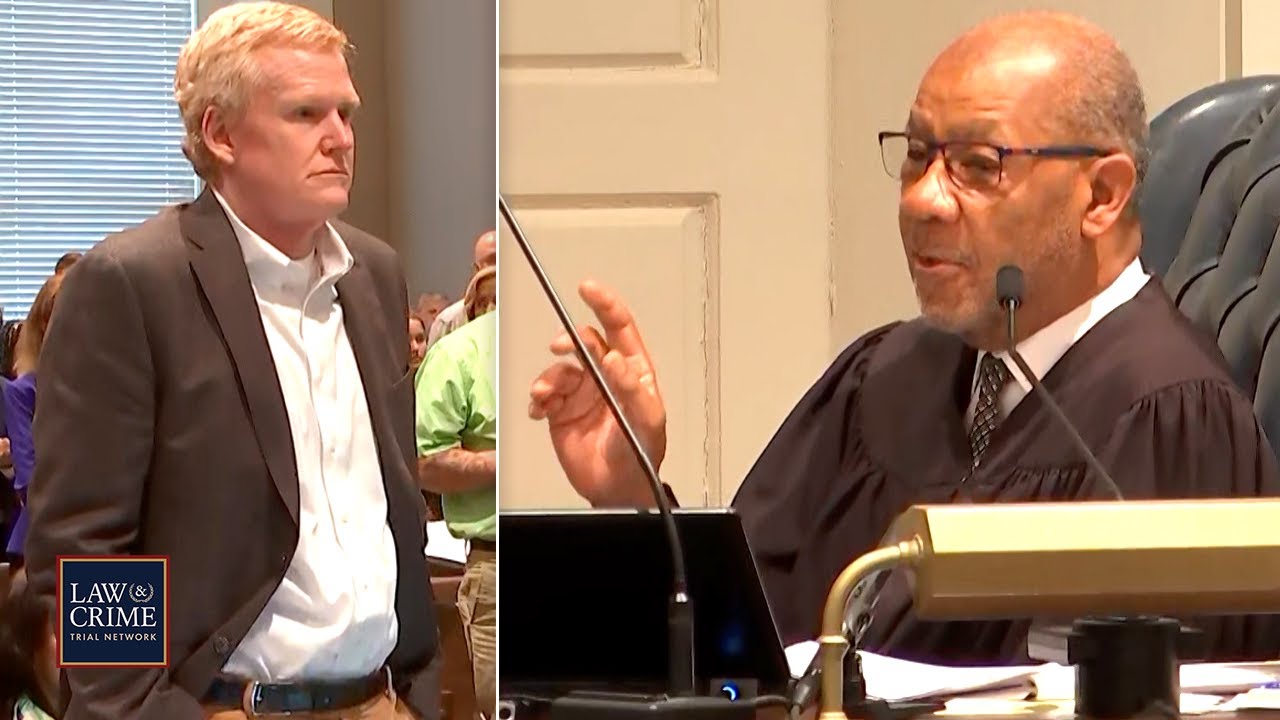




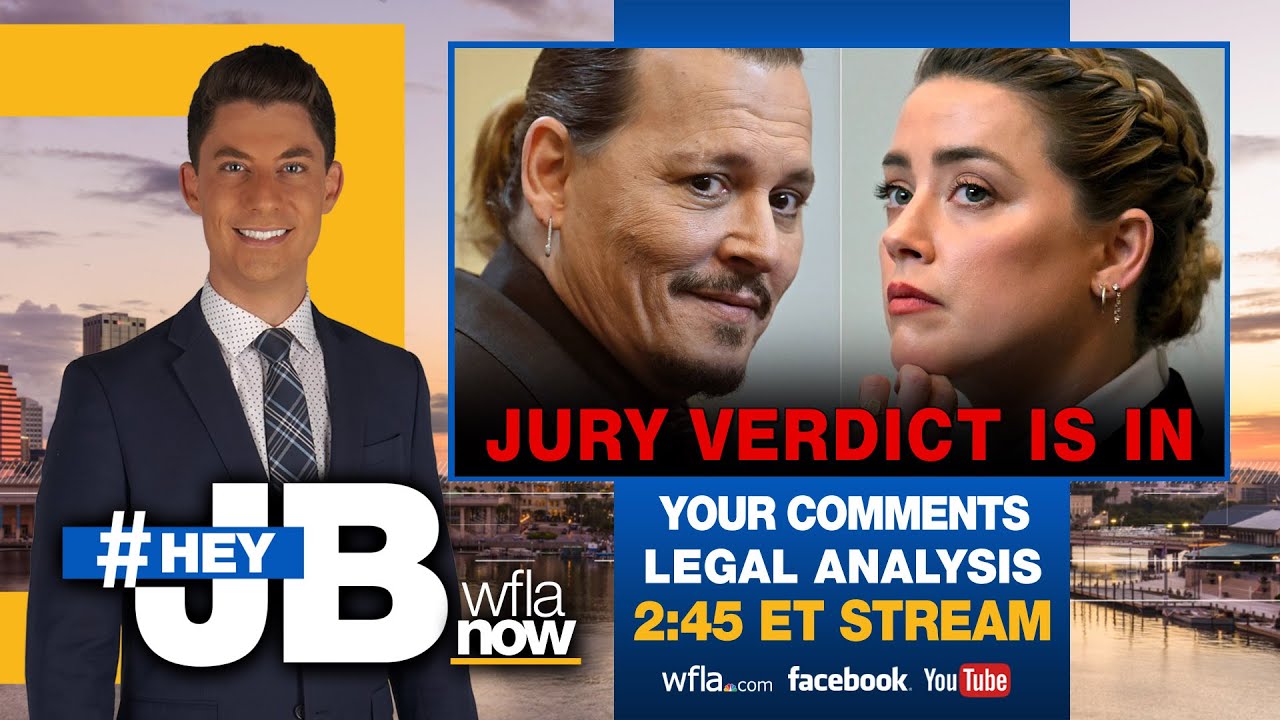

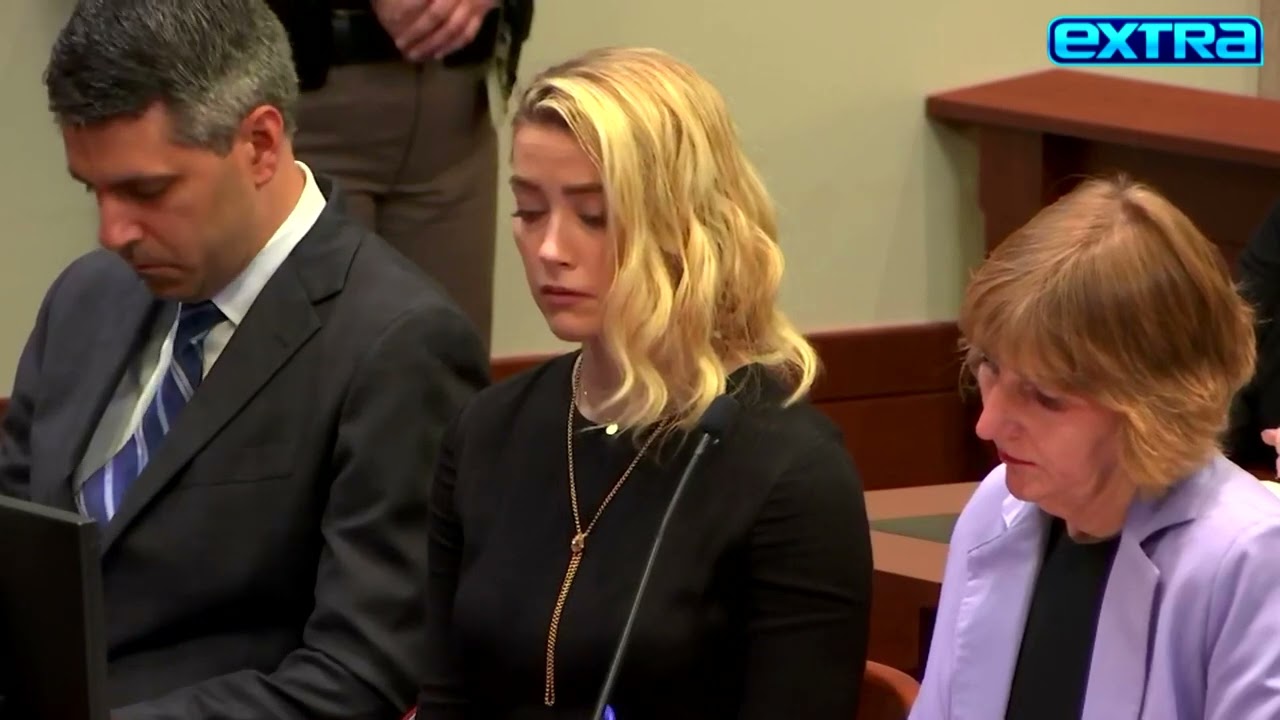


In defamation trials, evidence such as audio recordings and text messages is analyzed to determine whether statements are defamatory, with courts examining context, intent, and whether statements are true or false to assess liability.
Depp Testimony & Cross-Examination in Heard Defamation Trial End
Added:The legal definition of defamation, including the distinction between libel and slander, and the standard of 'actual malice' required for public figures.
The procedural differences between direct examination and cross-examination in a court of law.
Basic rules of evidence, including how credibility is impeached and how physical or digital evidence is introduced.
The fundamental distinctions between civil litigation (seeking damages) and criminal prosecutions.
The psychological aspects of witness testimony, including credibility assessment and the impact of cognitive biases on jury perception.
The interaction between high-profile litigation and public relations, often referred to as trying a case in the 'court of public opinion'.
Analysis of the final verdict in the Depp-Heard trial and its legal precedents for future domestic abuse allegations and defamation claims.
Comparative legal analysis of defamation laws, specifically comparing the legal standards of the United States and the United Kingdom.
972.2K views5.4Klikes3:23:54Original Release: 2022-04-25
foreign good morning everything good now Judy we're good all right thanks all right do we have any preliminary matters before the jury um okay okay all right contains electronic copies of these as well as the excerpted audio recording well I kind of need a thumb drive for each audio recording but oh it's it's marked a different exhibits so I have to have it as different exhibits so okay good we'll go through them and see what we have and you have yours as well uh your yes your honor if I may approach okay all right okay the knives okay perfect all right great we'll go through those if we need anything else we'll let you know okay just because so we can have them numbered that way correct all right I gotta keep Jamie happy yes okay all right thank you okay sure foreign you think all right I'm ready foreign all right thank you you can be seated all right just a reminder Mr Debbie you're still under oath okay sir yes yes all right cross-examination all right morning everyone I hope you had a nice weekend Mr Duff we've talked about this uh a little bit but you've testified that abuse can come in many forms correct physical being one of them right yes indeed emotional indeed verbal indeed psychological abuse indeed some of those sort of flew into the other I'd like to talk it understood I'd like to talk about some of that abuse can we pull up exhibit 582 please your honor this is a recording defendants exhibit 582 that we will play the entirety of all right any objection to 582 no objection your honor all right 582 in evidence someone else you [ __ ] have consequences with reactions that's it shut up fat ass yeah you got me there can you play that one more time please Michelle objection your honor how sustain the objection move on Mr Depp and when when Mr tells you in that recording to go put your cigarettes out on someone else you don't deny that but instead you simply say shut up fat ass is that correct um I think there was another grossly exaggerated moment of Miss heard so I don't I did not put a cigarette out on her throw a cigarette at her let's pull up exhibit 581 please this is another recording that will play the entirety of with your honor sleeve any objection to 581 no objection 581 [Music] I [ __ ] up and cried in my bedroom after I had dumped you a [ __ ] week week prior a [ __ ] week prior after you beat the [ __ ] out of me and then a week later you show it might show up at my doorstep in my room saying you want to say goodbye okay Say Goodbye Oh I said it yes you did Sam I'll go to the text messages so that we are clearly look forward to me okay no doubt but you did not say you're gonna come over to say bye you didn't you didn't say that to me you didn't say that to me again what's the mistake then didn't did you or did you not say you're coming over to say bye can we please pull up exhibit 598.
all right is this another audio it is your honor um and I I will give the um the excerpts that we propose to play uh and I'll say uh your honor this is a it's a lengthy recording where well we I already have 598 a in evidence so right and I just wanted to clarify um spoke with Ms Myers this morning we're gonna we're gonna speak at a break it's a it's a we're trying to be very careful about whether there's a third party on the tape this is one where at the very end um someone else comes in um but miss Myers and I will speak and we may be to the extent your your honors agreeable we may be agreeable to just entering the whole thing um as evidence but for now since there's a very small portion at the end that we're not going to play of a third party we'll just I'll just give you the excerpts if that works we're gonna need 598 B and I need to know what the time of the excerpts are and we'll prepare that for you your honor thank you well I need it now I mean I I have the okay the excerpts so this would be 598 B okay and it's seconds 1 through 20.
and then it's minutes 30 minutes and two seconds through 31 minutes and 45 seconds okay all right any objection to 598 B then no objection your honor thank you [Music] [Music] and then exactly what I said what did you say at least I'm not doing it behind your back I'm telling me he gave me [ __ ] that I was recording and I said yeah I'm recording but at least I'm telling you okay I think you would ask me not to I wouldn't oh recorder okay so the next excerpt is minute 30 and 30 minutes and two seconds one die walking away necessary is necessary especially between you and I it is of utmost importance next move if I don't walk away go out for a little while just it's just gonna be it's just gonna be a blood bath [Music] it was on the island of course but it was you know worth it now be miserable let's just can we just the auctions are there have songs please Cameron because I'm not trying to say hey no one in the right mind the blood back over walking away obviously if you're given the option between the two lies I've been chosen so many times it's it's that snowball it is not a distinct choice that either one of us may get any discernible point no it's stubbornness right like you build I build you know it isn't like at one moment either of us sign a certificate of saying or like sign the contract or say okay now I'll plug that no so acting is though there's a choice between the two is relevant I'm not asking to stay over having a bloodbath I'm asking you I mean over walking away I'm not asking you to have a bloodbath before walking away I'm asking you to work it out over prolonging it and making it bigger can you please pull up the fence exhibit 161 which was admitted to evidence on Thursday your honor I believe okay yes it was thank you now that recording that we just heard Mr Depp isn't the first time that you um refer to an argument as a bloodbath in fact in this text exchange that we saw on Friday when you informed misheard that there exists a book entitled disco bloodbath and she asks you if it is about Last Friday Night by any chance you say how can you make me smile about such a hideous moment yes it is funny [ __ ] I read that right certainly did sir thank you can we pull up exhibit 586 please but the portion of this exhibit that we would plan to play it's a recording is minute 7 35 to 8 20. okay but I already have a 586 a so this would be 586 B if 7 35 to what 8 20. thank you no objection to 586 B no objection all right 586p well yes you do because you wouldn't have used that as a way I was poured my heart out to you what do you do we get it let me get it stab in here that's what you saw huh you listen to me cry anyway [Music] I think you just do it without thinking you do without thinking huh you know okay you throw a swing when you can win better than to win I'm on the floor because that's when it's really good to hit someone can you please pull up plaintiff's exhibit 366.
this is another recording your honor that we would propose to admit all of although we will only be playing minute 320 through 3 38.
all right so no objection to 366 in its entirety is that correct uh that's correct you're on all right 366 in evidence he's only playing part I'll play this I'm sorry foreign [Music] [Music] can you please pull up plaintiff's exhibit 396 your honor portions of this were used on Thursday so with your leave we'd like to introduce this is 396 B with the following excerpts 244 and zero seconds through 244 and 16 seconds and then 249 and 30 seconds through 249 and 55 seconds all right objection to 396 B no objection you're honor 396p please what this is enough [Music] this is not helping if you could please go to 249 in 30 seconds please I don't [ __ ] care you shut up with that it's impossible I'll talk to you later talk to you later you heard Miss heard say get off me right no I didn't know I heard a distance screaming and I heard I'll talk to you later I'll talk to you later uh that's defendants 857 yes your honor okay this is another audio file it's not no okay is there any Mr Depp I'd like to direct your attention to the second to last text yes on this this is a text from you to your agent Christian Carino on August 15 2016. correct that's correct that's what it looks like yes objection your honor relevance and Prejudice if you could approach harmonized thank you foreign for the sake of time um I'll I'll go ahead and ask the witness about the portions that we discussed and then we can provide a redacted version okay Mr Depp in this in this text message from you to Christian Carino your agent on August 15 2016.
um you you tell him uh you you go on at some some length about Amber but you say she will hit the wall hard for exclamation points and then later down you say I can only hope that Karma kicks in and takes the gift of breath from her did I read that right objection compound you read that correctly and this wasn't the first time that you talked about Amber hitting the wall hard let's pull up exhibit 213 please [Music] based on the United States I'm sorry I was talking is that all right you you'd answer my question we'll take a look at the next element thank you as long as you're happy sir yeah Mr Debbie this is a text that you sent to Bruce Witkin on February 4th 2014.
the text at the topic on your screen please I figured that out the top text on the screen okay I didn't know if there was a specific if it was third from the bottom or somewhere around the corner what would you like me to do this is a text that you sent to Bruce Wicken on February 4th 2014. correct yes okay yes you're on our move for admission of this exhibit with just that text displayed with the red applied and also the identifiers okay we have that ready all right 213 and evidence with redaptions [Music] move for the admission of this permission to publish your honor no it is in evidence that you can publish it Mr Depp on February 4th 2014 you tell Mr Witkin Amber and I hit the wall hard you see that I do so and that's the same phrase that you used in your text to Mr Carino from 2016 that we just read correct there are similar words but they have different meanings if can we pull a lot of um exhibit 498 please Mr Depp is this a tax exchange that you had with misheard uh on or about October 28 2015.
yes sir and I'd like to direct your attention to the third text down yes your honor I'd move for the admission of defendants exhibit 498 with uh identifiers redacted any objection uh relevance your honor maybe we approach okay sure foreign can you pull up exhibit 3 30 please foreign I'd like to turn your attention to the the middle text on this page which is a text from you to someone named Ryan a uh on January 12 2015. do you see that January the second one from the last yes uh January 12th yes yes is that Ryan Adams the singer yes it is your honor to move for uh admission of defendants exhibit 330. um just plan on asking about that text objection relevance your honor yeah if we I'm happy to approach if you want can you pull up exhibit 620 please foreign I'd like to turn your attention to text number 40.
okay it's the third one down yes this is a text from you to Malcolm Connolly is that right that's correct your honor I'd move for admission of this document um with the third text down if I just sure I'm happy to approach to discuss if your honorable life uh relevance objection again your honored okay they're redacted everyone Mr rottenborn if that's coming in we do a lot like the contextual text messages as well if we might take a look please I'm sorry we would like to take a look and just make sure the contextual text messages are coming in with the one that you're directing Mr Depp to I'm just going to address the court that that was the text message that I would like to get in if you if they're I'm not sure what she's asking we'll just we'll just go forward with that text message for now okay Mr Depp do you remember last week uh the jury saw the video of you um as you call it assaulting the cupboards in that kitchen on sweeter Avenue yes you're very well said and that was honor about February 10th 2016 correct objection calls for speculation out loud I'm not I don't know when that's where my have asked for the metadata I've asked for the date and received nothing okay um this text you sent on February 10 2016 to uh to Malcolm Connolly Malcolm Conley is one of your security guards correct yes he is and in this text you say thanks dear Mal I'm just at the point where I feel like I'm going to puke all the time once I get this [ __ ] moving and get myself out of her level of [ __ ] I will never mention this cunt's name again ever again and the first prick that asks about her gets a warning should the Single Cell prick decide to push it he never forgets me and will always be remembered throughout his life as the guy that got his [ __ ] nose bit off chewed up and swallowed by Johnny Depp while I do have some civilized bones in my body just on a matter of principle I must force him to watch me fulfill This Promise of mingling his [ __ ] of a Beezer love you x did I read that right you did I'd like to turn to your views on Miss heard's career can you please pull up exhibit 195.
I'd like to direct your attention to the second to last text from the bottom this is a text message exchange between you and Miss heard on October 29 2013 correct it looks like it is yes you're on our move for the admission of defendants exhibit 195 with the appropriate identifiers redacted we would object on relevance grounds your honor the honor this is him expressing his views on her taking a meeting about a movie her her career his views so 195 will be an Evidence with redacted with the identifiers Mr debb you see the the text that from from Amber that says I'm in a coffee meeting now you see that I do right there so she tells you at uh at 12 41 PM I'm at a coffee meeting now we'll be home soon and then you respond holy crap course no goddamn meetings no movies why why do you deviate from our agreement what species of meeting [ __ ] it just tell me when you get home did I read that right you did put a coffee meeting you didn't want her to take the meeting that she was taking that day correct um it seems as though we had an agreement uh what seems like we had an agreement to do something together I'm actually asking asking what species of mating so this is not necessarily A uh an angry text it's just why do you deviate from our agreement it's not about her doing films how do you think she got Aquaman sir you tell her no goddamn meetings no movies because you didn't want her acting you wanted to control her career correct objection compound that's yeah sir all right yes I'll sustain the objection next question sorry let's let's we can we can move on exhibit 394 please defendance exhibit Mr Depp if you can take a look at the the fourth text down this is a text from you to Dr Kipper on um within the timestamp issue I believe it was sent on March 8 2015 in Australia time stamped March 7 2015. do you see that I do okay you're on our move for the admission of 394.
no objection with the proper redactions of the rest of the text messages and the identifiers okay thank you your honor 394 and evidence with redactions foreign yes yes sir Mr Depp on this date right after you had suffered an injury to your finger you text Dr Kipper and you say hi [ __ ] man had another one I just cannot live like this she is as full of [ __ ] as a Christmas goose I'm done no more the constant insults the demeaning belittling most heartbreaking spew that is only released from a malicious evil and vindictive [ __ ] but you know what far more hurtful than her venomous and degrading endless educational ranting is her hideously and purposely hurtful tirades and her goddamn shocking treatment of the man she was meant to love above all here's the real deal mate her obsession with herself is far more important she is so [ __ ] ambitious she's so desperate for success and fame that's probably why I was acquired mate although she has hammered me with What a Sad old man has been I am Cowan has done me the most cruel of favors I'm so very sad I cut the top of my middle finger off what should I do except of course go to a hospital I'm so embarrassed for jumping into anything with her [ __ ] the world did I read that right yes Mr rottenborn so even as you are ranting about Miss heard to Dr Kipper even as you were talking about her ambition and expressing your objections to that you still admit to him that you cut the top of your middle finger off correct objection compound all right sustainous compound you're complaining about her ambition in this text to her to Dr Cooper correct um I'm realizing that her ambition is far stronger than her supposed feelings from a yes and there's nothing about this text that's trying to protect her protector and from what and you tell Dr Kipper I cut the top of my middle finger off in this text correct just the way it was worded it doesn't mean that I actually literally cut my finger off after at the age of 12 finding the only thing that gave me a piece which is playing the guitar very unlikely why didn't I start lopping off digits when I was 13 and just the way it was worded now Mr misheard wasn't the only one who had a problem with you you can take that down misheard wasn't the only one who had a problem with your drinking an abuse of alcohol correct objection compound all right I'll sustain the objection this word wasn't the only one who had a problem with your drinking correct so if anyone had a problem with my drinking at any time in my life it was me the only person that I have ever abused in my life is myself in fact you tried to hide your drinking from your daughter Lily Rose didn't you objection relevance what's the relevance of okay can you pull up exhibit 207 please you scroll down please thank you Mr Depp I'd like to direct your attention to the last text on this page it's a text from you to um Kevin Murphy he was your how you're a state manager correct he was this is a text from you to Kevin Murphy on January 21st 2014.
correct yes sir your honor I'd move for the admission of that portion of defendants exhibit 207 with redactions with the identifiers redacted that's fine thank you foreign yes sir and in this text to Kevin Murphy on February or sorry January 21st 2014 you say just trying to get over my shocking discussion with Vanessa that lasted five plus hours Vanessa's your former partner correct she's the mother of my children yes the mother of your children that's right and then you say I feel ill and have invested my guts into some side corner now Lily Rose hates me because she thinks I'm drinking and she's right but I can't admit or I [ __ ] die in her eyes thanks for that one Vanessa come to master in Maine house did I read that correctly you do can you pull up exhibit 1092 please Mr Depp is this a picture of you passed out in a chair during daylight hours again isn't passed out a that's a very specific term sleep could be one passed out um let's just let's try it this way this is a picture of you in a chair correct that is correct move for the emission of 1092 your honor your honor I'm trying to move this along and when we stopped with relevance you want to lay a foundation I just don't this is a picture of Mr Depp that's we've introduced another um on Thursday another picture of that approach what is the date of this Photograph I'm sorry can you take that down and put put up exhibit 470 Michelle please Mr Depp is this is the bottom text on this page a text exchange or a text message from you to your personal assistant Stephen deuter's on September 3rd 2015.
that's what it looks like yesterday your honor I'd move for the admission of this exhibit um with just that text and the appropriate redactions exhibit 470.
yes again a relevance your honor and cumulative I'll allow this one if we thank you for the red actions um permission to publish your honor thank you Mr debb in the effort to to move this long I'm not going to read the whole thing um but I'm going to start with the the word main bits which is five lines down you write to Mr deuter's on September 3rd 2015 main bits needed are Xanax and adderall and I want no judgment from Kipper or Debbie Kipper means Dr David Kipper correct that's correct and Debbie means Debbie Lloyd your sobriety nurse correct that is correct just found out from Joel last night how much I spent on having Kipper and Debbie around millions and [ __ ] Millions mate all the while Debbie just hung around Broad bch and gave me new meds like every two weeks she was on set maybe four times wow and five money symbols sorry just how it is did I read that right you did can we pull up exhibit 587 please this is a recording your honor all right I already have five seven eighty seven a so this is 587 587 B your honor um the excerpts to be played are 1940 through 1953 and 2304-23-29 [Music] thank you because I wanted to tell my voice fixed a lot of our problems [Music] In that clip Mr Deputy Thomas heard I'm never getting clean and sober correct it sounds like to me uh that uh yes either that or I have never been clean and sober thank you let's play 2304 please there's a big picture the big scheme of things that is nothing but hurt us and why because of call composed doesn't make it easier for you to see how clearly that is yeah all the coke you've done today and all the booze you've drank today by the way has it helped you has it helped us just got the code has it helped us it's Friday yeah I know because yesterday you were a thousand times better yesterday I'd like to turn now to a few more of your words around the time that you went into detox about how you viewed Amber's role in that process Mr Depp can you please pull up plaintiff's exhibit 120 underscore 40.
in your honor 120 underscore 41 was admitted the other the other day but um I'd like to introduce this as a separate exhibit so 120b and that would be underscore 40 you said 4-0 yes any objection to that if I made okay Mr debb while they're looking at that is the second text from the bottom a text that you sent to Amber's mom page on August 19 2014.
yes that's correct and this is when you were either in the middle of or finishing up your detox process from roxycodone correct that is correct right objection okay 120b in evidence if you want to publish um as is correct uh with with the other okay text message is redacted all right thank you oh with you okay sure [Music] okay publish and in this text message that you write Amber's mom on August 19 2014.
you say my dearest page how unbelievably kind and pure your message was I am beyond thankful to have you in my life there is no luckier man on this Earth to have the strength that Amber gives me and the full support of each of you individually that I've gotten helps immeasurably I don't need to explain the horrors to you you know as well as I what you do need to know that your daughter has risen far above the nightmarish task of taking care of this poor old Junkie never a second has gone by that she didn't look out for me or have her eyes on me to make sure that I was okay why and words are truly feeble in attempting to explain her heroism in a text suffice to say that I have never met or loved a woman or a thing more she has the strength of a thousand men and that is due to no one or nothing but you sweetheart thank you I love you your son outlaw did I read that correctly you you did Sir I'd like to take a look at another document um exhibit 272 please is this a text message that you shared a text message exchange between you and Amber the following day on April 20th 2014.
yes sir your honor permission to uh I'd move for the admission of exhibit 272 and ask for permission to publish the identifier is removed we have no objection s all right 272 in evidence as your deck now Mr Depp you testified on Thursday that you saw nothing wrong with referring to Amber as a lesbian camp counselor when she was trying to get you to stop using drugs but she let's take a look at what they say she has used that term before in this text Mr Depp you say just to let you know that I'm fine my angel I miss you of course but this was the right thing to do to speed up the process I love you more than life yours Steve did I read that correctly you did you can take that down now you've brought this lawsuit about the op-ed specifically but for years prior to the date that Miss heard wrote the op-ed there were numerous negative news stories about you you'd agree with that correct objection compound assistance compound for years prior to 2018 when Amber wrote the op-ed there were numerous negative news stories about you that were released into the public correct objection calls for speculation out loud if you can answer um by 2018 you're saying correct yes it all started with um Miss hurt going to going directly to a court to get a tro which is with a bruise on her face and Paparazzi uh that that was the sort of beginning of the the ball rolling down the hill and gaining momentum there were lots of negative stories about you prior to May 27 2016 when Amber went into court correct objection asked and answered now it's 2016. I'll allow it there are plenty of negative stories about you prior to that date weren't there so I've I've been in this the racket of Hollywood since 1984.
um my stery that's I'm asking you a yes or no question there were plenty of negative news stories about you prior to May 27 2016. correct from 1984 up until then there was they're both so of course people write negative stories sure and you just testified to the jury that it all started on May 27 2016. so that's why I asked you to clarify about the negative stories prior to that day and you'd agree that there were correct can you be specific about the stories of course there's some negative stories permission to approach all right your honor I have here of um numerous exhibits in one sort of compendium um all uh press articles about Mr death if I may approach it all right thank you all right yes sir thank you so much your honor and having received this I I would like to preemptively logic hearsay lack of foundation and he hasn't got him in evidence yet I don't are you moving no I'm happy to I'm happy to approach but they're certainly not being admitted for the truth the matter assertive but I'm happy to approach and discuss it right now actually Mr Depp if you could please take a look at the the stack of articles in front of you um yes it's a stack of hit pieces the first one is called them is her just City team Mr Depp I'm I'm we're going to try to get through this as quickly as possible um I'm going to ask Dave about the first one well we're gonna we're gonna talk about them the first one is entitled uh it's from the guardian you see that apparently drunk yes and this is an article from set from November 15 2014 entitled apparently drunk Johnny Depp cut off at Hollywood film awards ceremony correct but that's what it says yesterday in the next article is an article from May 7 2016.
it's entitled Johnny Depp friends and family seriously concerned about him here's why yes how did they know the next article from May 1st 2017 before misheard filed for a restraining order a year and a half before she published um no sorry this would be this would be after May 1st 2017. uh the headline is Johnny Depp has a clear and epic sense of entitlement ex-managers say yes in The Hollywood Reporter correct I was in a lawsuit with him so the next article from May 10 2017 is entitled Johnny Depp a star in crisis and the insane story of his missing Millions did I read that right that's straight from the same lawsuits the next article also from May 10 2017 a year and a half before the op-ed was published says Johnny Depp reportedly drank heavily and was constantly late on the new Pirates movie Set did I read that right you did reportedly the next song this is a pathetic attempt Mr dapp please just respond to the question that I'm asking you what's your next question the next the next document an article published in Vanity Fair on May 10 2017 yes is entitled Johnny Depp's Financial woes might sink the next Pirates of the Caribbean did I read that right you you did I don't know the next article May 25th 2017 a year and a half before the op-ed was published an article entitled where did it all go wrong for Johnny Depp after a string of flops and a ton of bad press Johnny Depp's star power looks as wobbly as Jack Sparrow on a plank did I read that right you read that very very well the next one Hollywood Reporter May 27 2017 headline Pirates of the Caribbean the diminishing returns of Johnny Depp did I read that right you certainly did Hollywood Reporter were very nice to me July 12 2017. why are all of Johnny Depp's movies bombing at the box office did I read that right um you certainly did November 4th 2017 a year and a month before Amber published the op-ed headline Johnny Depp allegedly showed up drunk to movie premiere Reports say did I read that correct say this is June 21st 2015. six months before the op-ed was published Vanity Fair article the real reason Johnny Depp used an earpiece on a film set oh you did yeah June 21st 2018.
six months before the op-ed was published a rolling stone article entitled The Trouble with Johnny Depp multi-million dollar lawsuits a haze of booze and hash a marriage gone very wrong and a lifestyle he can't afford inside the trials of Johnny Depp did I read that right you did you should read the article and the last one the last one June 22nd 2018.
The Daily Mail vodka for breakfast 72-hour drug binges and spending sprees that beggar belief Allison boshoff reveals why Hollywood's reeling over what's being called Johnny Depp's career suicide note did I read that correctly you did who's Alice in boshroom and how does she know Mr Depp you can't name a single actress who has benefited in her career by coming forward and stating that she was the victim of domestic violence can you I'm sorry objection calls for speculation I'll sustain the objection next question foreign made abuse accusations against you in May 2016. fair to say got a lot of press attention right objection calls for speculation all right I'll sustain the objection next question when Amber made abuse accusations against you in May 2016 you became aware that it got a lot of press attention correct very quickly I became aware and she became associated with those abuse accusations that she made against you in May 2016. correct to your knowledge objection calls for speculation sustain the objection next question you you became associated with those domestic abuse accusations that you made against you correct I think that's clear and you understood that she and you understood that she became associated with those same accusations that she made correct you testified to that well she had a choice I didn't and you've talked about the immediate impact that those accusations on May 27 2016 allegedly had on your career correct yes you testified earlier in your examination on Direct that when Amber made those accusations in 2016 you said you lost quote nothing less than everything correct that was correct sir but you didn't try to get the restraining order lifted in 2016. did you I don't if she wanted a restrain she asked me no question you didn't try to get the results no why didn't you and you didn't have a divorce trial where you could respond to Amber's accusations of abuse in 2016 did you objection calls for a legal conclusion I'm asking him if he had a trial you didn't have a divorce trial where you could respond to Amber's accusations of abuse did you no there were no charges pressed against you chose not to tell the police that I had done anything she didn't mention my name and you didn't you didn't have a California divorce judge decide these facts did you you chose not to try to clear your name at that time if you're any sort of legal proceeding correct objection asked and answered I'll sustain the objection and you chose to sign a divorce agreement in which you stated that Amber had not made any false statements about you for financial gain we looked at that correct objection asked an answer passed and answered I'll sustain the objection next question in fact you waited until Amber wrote the op-ed in the Washington Post in December of 2018 to file a lawsuit against her correct that is correct can you pull out plaintiff's exhibit too please it was the only time that I was able to speak and use my own voice you chose not to sue the Washington Post in this lawsuit correct objection relevance Aston answered it's not been asked and answered it hasn't been asked to answer but I'm not sure what the relevance is you chose to sue only misheard and not the newspaper that published this article correct objection compound all right you'll sustain us to compound you chose not to sue the Washington Post correct objection relevance not sustained objection okay you only sued the author of this article Amber hurt correct seems she was the one making the statements yes I had the opportunity to fight back permission to publish exhibit two your honor all right pivot two is already in evidence Mr debb you realize that the only job for this jury to decide yes sir it's only job is to determine whether this op-ed and this op-ed alone is defamatory objection calls for a legal conclusion I'll sustain the objection this is the only writing that you are that's the subject of this lawsuit that you brought correct same objection in fact your honor I love that question I love that question this is a version of that story of the op-ed that I have never seen the one that was published before the one that the only one I've ever seen is the one that was published prior to this they changed the title because they were in fear of trouble well I'd move to strike that last testimonial well I mean um whether it's the online edition or this Edition in the paper this article is the only statement the only publication of anything that's the subject of the lawsuit that you brought correct objection asked and answered sustain the objection this op-ed Mr death does not discuss any of the details of your relationship that we've seen in texts and emails and recordings over the past few days does it objection compound and asked and answered now sustain both objections in fact this article doesn't contain any details of your relationship with Miss hurt objection asked and answered the only thing that this article States Mr Depp is that in 2016 amber made accusations of domestic abuse correct I it was clear that she'd made allegations in 2016. and she did that when she obtained a restraining order against you in 2016 correct um yeah I suppose yes and even if you disagree with the accusations that she made against you in May 2016 it is a true fact that she did make those accusations in 2016 and got a restraining order against you correct objection compound asked and answered sustain their objections next question to your knowledge the words that misheard use in this article about getting a restraining order against you in 2016 those are true correct I'm sorry the document all right I'll sustain the objection yeah can you can you go to um the third paragraph pull up the third paragraph please the statement that then two years ago misheard became a public figure representing domestic abuse that is true isn't it I'm not sure what we're looking oh I see calls for a legal conclusion I'll sustain the objection sustain the objection and in 2016 for the first time publicly misheard accused you of domestic abuse correct in 2016 yes that's correct no further questions all right ladies and gentlemen why don't we go ahead and take our morning recess for 15 minutes do not do any outside research and do not talk to anybody about the case okay we'll come back in 15 minutes okay thank you all right you'd be seated and redirect good afternoon Mr death hi [Music] could we please pull up plaintiff's exhibit one Mr Depp is this the version of the op-ed that you recognize yes ma'am that's so on um I would move exhibit one plaintiff's exhibit one into evidence and ask that to be published to the jury any objection all right one in evidence and publish Mr adap when did you see Miss heard's December 18 2018 op-ed for the first time it was uh presented to me but one of my team I can remember but um it was within a day or so of it a couple of days having been written I I believe and what was your reaction when you saw it shock why were you shocked because I [Music] at that point it had been a good solid two or two or so years of this um of the accusations of the allegations um planted firmly on my back so something that I had to carry with me um and I just couldn't believe that it that it was continuing um that it was continuing in such a way that the the it was clear that the more bad press the more hit pieces that came out on me the more of these stories of Ms heard um and her righteous um Chase um against me it well it wasn't stopping and and um it's difficult to [Music] once you've chewed on it for a couple of years it's becomes pretty difficult to swallow anymore it as it's as it was completely untrue how did you feel when you saw the op-ed for the first time objection asked and answered just now my prior question was about his reaction all right I'll allow it hurts yeah a blinding um a blinding hurt it was it was like somebody had hit me in the back of the head with a two by four I I as I said I had no I had no ability to speak prior to because even if I had done an interview to try to explain myself it turned into a hit piece so my mouth was shot and this was the opportunity where I thought it something's got to be done it's just got to be done I couldn't take it anymore when did you first learn that Disney was not going to recast you in the Pirates franchise it was a probably two or three days after this op-ed appeared um it's one of my crew again I don't remember who had sent me had sent me um a piece that was in some magazine and Sean Bailey who was the the number three objection hearsay I I don't know yet I'll I'll rule it at this point thank you let me continue your honor yes sir thank you um Sean Bailey Who was the the Third the third in line is I suppose in the upper echelon of Disney um just basically said in the injection hearsay um this is about him learning about this it's not for the truth it is the truth she's actually on an approach foreign [Music] could you please explain to the jury who Sean Bailey is I think you were starting to yes I'll try again um Sean Bailey is the number three or was at the time I don't know what his status is anymore but uh at the time he was the number three sort of upper echelon Disney top dogs and uh Sean Bailey was quoted as as saying the objection hearsay okay Mr debb where was John Bailey quoted without getting into what he was quoted as saying he was quoted in whatever the article was that I was uh that was brought to my attention and can you please just clarify what article you're referring to I don't know what came from I don't know what magazine I don't know any of that so I don't know I don't know who did the interview with him Jackson lack of foundation a rule objection go ahead Mr Depp how did you feel when you learned that you were being dropped from the Pirates of the Caribbean franchise um well it was the parts of the Caribbean franchise um it was a character that Captain Jack Sparrow was a character that I had built from the ground up [Music] and was something that I I of course put a lot of my as you do with all characters but you put a lot of yourself into the characters so and also having worked on these films with these people and having added much of myself much of my own um rewriting of the dialogue and scenes and the jokes and whatever they are um I didn't quite understand how that after that long relationship and quite a successful relationship certainly for Disney that they would but suddenly I was guilty until proven innocent up until the point that you learned that you were not going to be in the Pirates of the Caribbean franchise any longer what was your intention with respect to Future Pirates movies the the last thing that I knew from the um the I say the the power there's the producer team there's the creative team [Music] um and there were many discussions um I in fact had been approached to take part in writing chapter six and with respect to Future Pirates movies aside from what you'd been asked to do my feeling was that these characters should be able to have their proper goodbye as it were a franchise can only last for so long um and um there's a way to end a franchise like that and I thought that the characters deserve to to have their their way out of to to end the the franchise on a on a on a very good note and I planned on continuing I until it was time to stop Mr Depp last week Mr rottenborn asked you about a quote where you said you wouldn't come back to the Pirates franchise for 300 million dollars and a million alpacas do you remember that I do what when relative to learning that you would no longer be a part of the Pirates franchise did you make that statement I think long before I made the statement there was a very deep and distinct sense of having been betrayed by the people that I had been working with the people that I'd worked hard for the people that I had delivered a character to that they initially despised but somehow um you know even I stuck to my guns with a character and it seemed to work so do you recall when specifically you made that statement about the 300 million dollars and the 100 alpacas Jackson asked an answer oh ruled a lot um I believe I made that statement during a press conference in the San Sebastian film at the San Sebastian Film Festival when I was I was asked about my um situation and what year would that have been if you can recall I believe it was last year or so can we please pull up plaintiff's exhibit 804 Mr dub do you recognize this document as soon as my eyes go on I hopefully will um just got our manga Brothers yes Pirates of him four and five yes um what is this document [Music] I don't quite know I'd have to read it to get some understanding of it could we scroll through so Mr Depp can look at the rest of this document oops there it goes it looks this appears to me to be some species of contract is this a contract that you entered into with Disney your honor I'd ask that plaintiff's exhibit 804 be moved into evidence and published any objection I think it's outside the scope of direct or cross-examination I'll rule on that objection and if I'll Reserve other objections to portions of the document depending on what she's going to ask about could be hearsay but she's asking to put it all in evidence right now well then I I would object to that at this point right you want to come forward copy that at some point okay direct your attention through 10 of the document Mr Deb what does this reflect um sorry it appears to be the agreement um of Pirates 4 and 5.
compensation and merchandise Mr Deb at this time how many other franchise films had you been a part of um at that time Alice Alice in Wonderland um boy um I was in Wonderland um I'm so pathetic when it comes to knowing what movies I've done I'm sorry I I just I don't watch them I feel better not watching them um I couldn't like I mean I suppose what was the question again uh how many how many water in the court or I will have you removed understood thank you how many other franchise films had you been a part of at the time of this contract I was the third there was no it was the Pirates there was um oh sorry um with Warner Brothers uh Fantastic Beasts and Where to Find Them and then crimes Grindelwald and how does the compensation reflected in this contract compare to that what you receive for the other franchises that you've been a part of objection Foundation he he just established that he was a member of other franchise films at this point and he has an established Foundation that he knows how he was compensated all of rural rejection if you can answer um I believe um the compensation obviously all the pay and back end and all those things are negotiated by Asians lawyers and this was comparatively this this was this is my salary on that film um and other other salaries were of a similar uh of a similar um status I suppose if I could direct your attention to the 12th page of the document yes oh uh is this your signature Mr Depp yes it is okay okay we can take this down thank you Mr Depp I I recall that you testified that you don't know during a given period what movies you were working on so my question is who would know that um well first and foremost as my agent um or agents um I do recall a couple of the other films that I'd made after one was um initially called Richard says goodbye and that was uh they changed the name to the professor and uh during all of the the nastiness over the past six years that film went straight to uh pay-per-view there was another film called minamata it was produced uh it was my my company uh infinitive Nile we had developed a film called minamata about Eugene Smith and the minamata of uh well the the the the POI the mercury poisoning of of a very small fishing Village in um Southern Japan um there was that one and then there was a film called um waiting for the barbarians with uh one Mark rylands and Robert pattins and um those were three films that I'd done Mr Depp during your cross-examination Mr rottenborn showed you a number of text messages between you and and Paul Bettany do you remember that I do um could you explain please explain to the jury what your relationship with Mr Bettany is Mr betny and I had we'd met while I was making a film called the tourist in in Venice and we were um it was an instant connection he's he's uh born in bred in the UK and has a that English sort of dry kind of obtuse abstract sense of humor and that was one of the things that we connected on uh taking even if it was a difficult or on unpleasant situation we would you know do our best to deal with it with humor as opposed to just a constant complaint or whining or anything of that nature we dealt with it with humor albeit sometimes um in as these are private texts that have been there was there was a lot of um if in context it's important to know that none of it was ever intended to be real and the language that's used which I yes I am ashamed that um that has to be spread on the on the world like peanut butter I for example the text that is about um burning Ms heard is it's it's it's a it's directly from Monty Python um in the sketch about burning witches um and then drowning The Witches this is a this is a film that we'd all watched when we were 10 and it's it's just um irreverent and Abstract humor that's what we were referring to in those texts the the text message that you just referenced other than Mr Bettany who else saw that text message at the time that it was sent no one of course not based on your own observations how would you describe Mr betney's relationship with Miss heard while you and misheard word together abominable why was that um Miss heard despised Mr petney because mainly because we had become such close friends and for her he was a threat um and would take me away from her in with regard to if Paul Bentley was getting the attention from me that that was a that was uh that was a showstopper it would it would cause all kinds of um unpleasant trees to the point of where when we were on the island with Mr Bettany his wife and his uh four children [Music] um Miss heard and Mr Bethany got into some debate over lunch and I just remember that whenever Mr Bettany tried to make a point she would talk over him and then it started to get quite rude she got she got mean um and she got loud and then his I believe it was his 18 year old boy who was it was he was getting ready to go to a really very bright bright brilliant kid he entered the conversation because this was something to do with what he'd studied in school and he knew quite a lot about it and he voiced his opinion and uh um has heard to mean that young man to the point of where he where he he burst into uh tears and walked away um and it was at that point that I had spoken to Ms heard and said let's that's just unacceptable that behavior is unacceptable you have no right to demean that boy to do you cannot always be right you should try being wrong sometime because you might learn something and then I asked her I asked her to I thought it would best that she leave the island could we please pull up defendant's exhibit 245 and Mr Depp I believe this is another text message with Mr betney that you were shown on your cross examination um and directing your attention to the text message at the top of the page from May 30th 2014. do you recognize this text message you sent to Paul Bettany yes I do and could you please describe to the jury what you are conveying to Mr Bettany in this message this again is it's a this is a I suppose an example of the way that I write um and ex express myself that is to say you stretch you stretch the um you stretch your situation out to to give him the understanding that you're drowning essentially so everything that I say here is in fact an impossibility for the human body I I I would have been well I would have certainly at least had to be rushed to the hospital for a stomach um um there's a line here that if if you don't mind I say that when I say I'm done I am admittedly too [ __ ] pardon me [ __ ] in the head to spray rate my rage at the one I love for little reason as well I'm too old to be that guy but pills are fine pills that were referenced were were the pills that I had had to that I was coming off of and [Music] they were the only thing that could give me some sermons of the same num numbing effect that I searched for as a child with uh with my mother and saying that I was too messed up in their head was it's kind of like if you've been told since you were a child that everything you do is wrong and that the shouldn't have even been alive or whatever you know joyous little treats that my my then very sick very ill mother um brought to me um Missouri was well aware of my past my childhood therefore was very Adept at knowing exactly which buttons to push so at this point I mean I I felt like well I was that little boy again in my head like I guess I'm I guess I'm the I guess I am incapable of doing anything right I guess I will never be happy I guess that this is who who I am I can't get along with this person but but it was it's confusion you know it's um it's it's nothing that you can it's nothing that anyone could sustain for any length of time it's it's nothing that anyone should have to sustain for any length of time when you're being demeaned berated judged um um and and and and and treated like a lesser animal untreated as if I'm only surrounded by yes men and that I'm a bad father and that it was these things were endless they they were endless and they would there was there were there was no call for them it's hard to understand why someone that is supposed to love you um could be that cruel and I it was the times where you just say okay I'm gonna I'm gonna try to not have a I won't fall for the argument I won't participate in the argument um because I knew where it would go into her circular pattern of um uh psychological uh abuse Mr Deb what do you mean when you use the term blackout in this text message block out ah yes because um I'm talking about a thousand Red Bulls and vodkas a thousand of them two bottles of champagne [Music] um no food or days have a bottle of whiskey um those things had that been all absolutely true would have not only caused a blackout but it would have caused uh severe um alcohol poisoning um overdose um I would have had to have gone immediately if that were true out of I would have had to have been taken to a hospital or I'd just die um so you know um blackout is when someone gets so uh drunk on alcohol essentially on on alcohol um but the the pills that I was that I had my addiction that I was addicted to the the roxycodone which are very very powerful opiates um I took two two of those would not me out that is to say so there's blackout which is you can be a person could be wide awake and wreaking havoc or having a giggle in a blackout and never remember it but when you go when you are um I mean you've taken the the prescription medication the it it knocks you out you are certainly not well you're not in any condition to first of all swing at anyone you were out you you you go on What's called the nod and then it takes you away into sleep it's just very deep sleep and I found that much more accepting than having to hear constant badgering and insults Mr Depp I'd like to show you a defendant's exhibit 153 which um I believe Mr rottenborn also showed you last week yes do you remember seeing this during Mr rottenborn's examination of you last week yeah yes I do okay now I I'd like to show you the the full text exchange which is in plaintiff's exhibit 120 and since there's been a number of uh text messages drawn from this document this would be plaintiff's exhibit 120c which page would that be or this would be four and five your honor thank you Mr dupp do you recognize these text messages yes I do your honor I'd move um plaintiff's 120c into evidence and ask that to be published to the jury all right 120 C in evidence publish Mr Depp who are you communicating with in these text messages in fact though it's just Mourinho I was these are texts between my ex that is to say the Vanessa parody of the mother of my children and this is a again abstract humor um that we're that we're conveying back and forth to one another uh this was all um it's it was a joke it wasn't about it certainly wasn't about Miss heard we didn't speak of her much together do you recall what you were talking about I don't recall who it was I don't recall who it was but it was it was someone who had um for some reason I think it was oh I think that the possibility is the 2013.
it might have been we had a nanny at one point um who we in fact we had we found her she was caught stealing even from even from my at the time I uh yeah maybe 10 11 year old boy Jack who was bright enough because he knew it he was bright enough he had a he had a five dollar bill that he wadded up and put on his desk in his bedroom and when he came home from school I'm just going to object on relevance the question was who was this about yeah we can move on okay uh Mr Depp I'd also like to show you defendant's exhibit 143 which I believe Mr ronborn also showed you last week um do you remember seeing this email exchange he could scroll down as well please thank you oh yes yes yes um who are you exchanging these emails with uh Stephen deuter's who was at the time was my assistant and what are you and Mr deuter's discussing here gobbledygook essentially it was it was a as I remember it was a day of work and um there were times when I would send a text to Mr deuter's because he's the worrisome type I would send him a text ingest of course and and to to get a rise out of him to get some reaction out of him so um you know I would tell him things like you know I woke up and um I'm bleeding profusely from from the inside of my ear is that normal you know it would be things like that so this is exactly the same kind of thing I think we were even referencing uh of The Hangover of the film The Hangover uh in in part of this about the Mike Tyson and um sort of bizarre uh circus that I was telling him that I had in in my room and that there was blood everywhere it was it was a joke to just sort of throw him off worry him and make ultimately it was a joke and we we were laughing about it Mr Depp what if any portion of this email exchange is literally true we're all set to leave here at approximately 1 30 p.m hope you rest as well I'd like to talk to you about some text messages that Mr rottenborn showed you where you refer to the monster and this is in the context of in conversations with that don't include miss her do you remember seeing some of those Communications yes okay first I'd like to show you defendants exhibit 427 please which is a text message from YouTube Jerry judge how are you using the term monster in this context when you're communicating with Mr judge the monster the monster could essentially the monster could it it could be too separate things the monster in her eyes was my um objection as to what the Monster was in Miss heard's eyes you're on it all right I guess it stands to her eyes if you want to okay yes refreeze the the monster was defined um by Ms heard as this out of control what Miss heard's view of the monster was it's not for this one um she said the words to me and how what words did she say with respect to the term monster it was it was her go-to phrase and it was the go-to phrase for me being again you know as has been embellished and elaborated the drug use or the drink or the whatever but the monster was for me and again you start to think about these things and you put it in your own head what the real context is the monster was sobriety the monster was was trying to be to to be sober because I was plagued by these requests to to stop drinking and um but the monster could also be uh if a if if a conversation if something starts as a conversation which would quickly ramp up to um uh quite an antagonizing argument um if I responded to her if I took part in the verbal back and forth where people do in life end up saying Representatives screaming obscenities at one another or or calling them names or or when it gets to that point um I mean the monster was just the for me was just the guy who actually was dumb enough to to to continue to take part in arguments that would ultimately get nowhere um so that that is one of the reasons why I would try to get away from misheard and not participate in her debates and her the knowledge that she wanted to express to me and uh circular and painful insults that were I'm just constant it was rapid fire so I stopped participating in those I tried to walk away I tried to go to another room even to the point of locking myself in rooms so that she just could pound pound on the door and scream um that that that that that was clearly you must I should have never fallen for that or taken the bait to to allow myself to get into a conversation which led to an argument which led to physical violence it was not going to be good so I would I just walk away which drove her through the roof so Mr debb why would you use the term monster when just when communicating with people other than misheard well because I heard it all the time I mean it was as I said that was that was her go-to the monster the monsters here the monsters back monster um so I would refer to the Monster again in terms of so with with uh Elton or with friends Patty Smith uh the monster was uh like with ultimate it was just a monster was I I've you know I let the monster creep back in or something that is sobriety that's that's what I'm telling him is I have I have failed um and I've and I've had a drink or I've been drinking but my drinking again was not to excess there was no I was never willing to blackouts or anything of that nature I was disappointed in myself for not not staying there although when you are constantly in a position to be harassed by your beloved other um what else could I do I I wanted to be numb I didn't want to hear that I didn't want to feel that especially from one from one who had professed such love for me but gave me mostly hatred your honor I'm about to switch subjects so if this would be a good time for the lunch break we start a little later so I don't mind going a little further okay if you want to do that go ahead foreign I'd like to show you defendants exhibit 161 I believe Mr rottenborn showed you this last week and again today yes yes do you recognize these text messages as between you and Miss heard yes I do yes I do um why are you informing Miss heard that there's a book called disco Bloodbath I at that when I texted her yeah 2 30 in the afternoon I was uh I was in a bookstore a used bookstore or a bookstore that had a lot of first editions and things like that which was sort of a passion and I saw a book called disco bloodbath and I thought it was uh I thought it was a funny title I can't say that was necessarily referencing anything other than I thought it was a funny title disco Bloodbath it sounded like a sort of a bad slasher movie to me so I said just thought you should know that there exists a book titled disco bloodbath that's all and then she said we need that book and then she asked me is it about Last Friday Night by any chance and then um my my answer to her how can you make me smile about such a hideous moment the fact is this this is a light-hearted exchange that she's even saying we need that book then she makes a reference to Last Friday Night which I don't recall what last Friday night was or whatever so I just um how can you make me smile about such a hideous moment I I a hideous moment could have been some grotesque thing that we saw on television it could have been anything I I don't recall now but all I was saying is and it even says at the end of my text that's all disco Bloodbath you know um so I this was not a we were not butting heads in this exchange whatsoever it was very light-hearted uh Mr debb I'd like to show you defendants exhibit 375 which is another document Mr rottenborn showed you last week yes um could you please remind the jury what's reflected in this photograph on the this this is from Australia on March 8th I believe it was where um after my finger had been um the tip of my finger had been taken off um I I began to I was in such shock I just started writing on the mirror on the on walls and um basically what these were for me to miss heard were reminders of moments in our past where I had caught her called her where it was revealed to me even by her that uh she had been caught in lies that she had told me so that's what these are in reference to the the the the red the lipstick um that says call Carly Simon call Carly Simon she said it better babe um in reference to You're So Vain I am imagining but that's not I didn't the Carly Simon message is not mine that's Miss herds so let's just break this down a little bit who who wrote the the text that's in black on the mirror that that would be me and and what does that say um uh she loves I don't know nothing like naked Hollywood or something um an artist of I don't know what the rest says but it's what that is is misheard had come to me and she was seriously seemed to be seriously concerned about how she was being portrayed in in Hollywood she was she was concerned that because she had done films where there was a kind of arbitrary nudity and things of that nature she had voiced to me that she did not want to be um she didn't want to be looked upon that way in the industry she wanted to be able to escape the the chains of being objectified by the Hollywood system which is a difficult thing for any woman certainly unfortunately but she she asked me how can I how can I avoid being stereotyped as the as the beautiful blonde who who gets her breasts out or it goes naked and has to strip people in in movies and I gave her my um advice on it on how on how to avoid it which I thought was pretty accurate and uh it she her ambition was stronger than than um than what she received from my advice is is what it was my advice that I thought long and hard about because I did care for her and I did understand I didn't want her to have to do that and early on in my career I I was put in a position where you know I could have gone on I could have been just a guy who was on a TV series for a couple of years and then you know what was going to be left of me was uh would be on lunch boxes and thermoses and the posters and Teen Idol things at night I've fought that tooth and nail because I didn't that's not who I was so I I had had experienced something similar in terms of being looked upon as something that you're not and so I fought against it in the very beginning and um it worked out for me for you know for a while there and I was giving it basically the same advice now Mr deputy said that you did not write this portion that's in red here that says Carly Simon said it call Carly Simon she said it better babe is that right yes no that's that's not mine um how do you know that it was misheard that wrote that Jackson lack of foundation a rule though we can answer it there are um it's well first it doesn't it looks like it's trying to match my handwriting but my handwriting is a lot more uh of a scribble um and also there's another photograph of this where she went in to make sure that there were uh that the red was more prominent um I believe there's also a napkin down there where somewhere Foundation he's referring to exhibits that are aren't in evidence and all right no idea whether they even exist I'll sustain the objection now next question was do you recall whether the lipstick writing was on the mirror when you wrote in the the black paint no of course not no no Mr dapp I'd like to show you one of the text messages that Mr rottenborn showed you concerning the injury to your finger so if we could please pull up defendant's exhibit 398.
foreign this is a text message from you to Dr Kipper that I believe Mr rottenborn showed you on cross-examination do you remember that yes okay and why are you apologizing to Dr Kipper in this message um I believe that um at that point in in my brain and in my life and in my heart I was um [Music] completely and utterly frustrated with how I had to go how I was living my life and I had had some disagreement with Dr Kipper and I was I was apologizing to him for having um gone against his uh his wishes or going against his advice let's say what did you mean when you said I have chopped off my left middle finger as a reminder that I should never cut off cut my right finger off again it's again it's my way of dealing with um dealing with a painful situation it's it's my way of dealing with a painful situation where I resort to humor so I had lost the tip of my right finger and so I'm saying to him I've now cut off my left finger to remind me never to cut my right finger off again that's that's not I mean when you say I got my finger cut off or I cut my finger off or this or that it doesn't necessarily mean that you did it yourself and again I'm a guitarist and have been since I was 12 and I was the only peace that I found in my life at the age of 12.
where I knew what I I knew who I could that I could Escape into music and learn music and the last thing I'm a guitar I mean I I still play the guitar with it's still my first love aside from my children it's still my first love there's no reason in the world why I literally would cut my own finger off to ruin this this beautiful opportunity that I was given at 12 to learn how to play the guitar um and and and again what why would I start lopping off digits in my 50s if I if I um as Mr rottenborn suggests I'm a kind of you know walking tantrum um when I was younger I what why wouldn't I just start chopping off fingers and or or some kind of why would I ruin the only thing that was really good in my life aside from my children so when this finger went the tip of his finger went um the only thing I could think in my mind was thank God it wasn't the left hand which is the Fret hand i'm right-handed so that's the Fret that's where the fretboard is if you lose a finger from your left hand you know I'm not Django Reinhardt who had only two fingers to play with um if I lost a finger from here uh I would have had to relearn how to play the guitar all over again um it's just not the case even though I say I've chopped my finger off it's like saying you know I I bumped into a knife uh or something you know it's it's it's not I'm not admitting to I think if I was going to admit to someone that I actually chopped my finger off this text wouldn't be as it is I think it would have been a long explanation as to why I got to that point but uh no I can't take responsibility for what I now call Little Richard my chopped finger uh Mr Depp at the time that you sent this text message to Dr Kipper um had you told him what had actually happened to your right finger oh yes yes and when did you tell him that he was aware of that that day the day that it happened Malcolm was aware of it Jerry was aware of it Stephen was everyone was aware of it and and when I and of course yes when I went to the doctor the emergency room I lied to them because I didn't I didn't I didn't think it was to cause a Ruckus implicate misheard and then have eight million stories out in the Press about how she thrown a bottle of vodka at my at me and it smashed the all the bones in the tip of my finger and cut off about what was all sliced down through we've seen the pictures it was pretty horrible um it was it was and I'd I didn't want to I didn't want to I didn't want to put her in that situation I didn't want to put any of us in that situation I didn't want to put the film in that situation that was why I said it was crushed in an accordion door and it was only the second doctor who had uh who actually told me what he what he is your honor hearsay I haven't finished my sentence how do you know go ahead absolutely thank you um it was this the emergency room doctor was first the next day I went to see a specialist a hand surgeon and this was still in Australia and he had recognized that my excuse for the finger being gone Jackson your honor hearsay what the doctor conveyed to him about his thoughts on the finger injury that's classic hearsay uh your honor it's in the context of medical treatment also saying that objection um your honored I think this is a good stopping all right yeah all right ladies and gentlemen we'll go ahead and take our our lunch recess again do not do any outside um any outside discussions and don't talk to each other about it okay and we'll see you after lunch okay if everybody in the courtroom could still be quiet please court is in session thank you all right so we can take a recess till 2 20 just for planning purposes though I plan to go to 5 30 today since we had a late start so just let you know and I know you plan all right thank you and be seated in your next question Mr Depp before the break we were talking about your how your finger got injured in Australia do you remember that uh yes okay um I'd like to pull up um defendants exhibit 394 please Mr Depp do you recall uh Mr rottenborn showing you this exhibit um on during your cross-examination yes I do can you please explain when relative to your finger injury you sent this text message that's the day before is it am I correct at the bottom it says I cut the top of my finger off what should I do except of course go to a hospital ah really exactly the time difference right uh yes that's uh that's what I said and so when relative to when your finger was injured did you send this text message to your best recollection this this looks like it's [Music] at the time to me I am and in the middle here it says her obsession with herself is far more important she's so [ __ ] ambitious she's so desperate for success and fame that's probably why I was acquired mate what did you mean by that you unfortunately I meant exactly um I meant exactly what I said in this text it seems it would still it had become clear that there were um she seemed to take more care in and importance in going on auditions getting going to the Met Ball or going to any any sort of Premiere or opening or whatever where she could be um I believe he was responding to what he meant by what he wrote in his text message exactly what the word said and now he's going all right let's say in the judge next question thank you Mr Robin so if you could just answer the question Mr debt please direct your attention just to your attorney okay uh uh Mr rottenborn showed you an audio recording where you referenced your your finger getting cut off in Australia do you recall that yes okay um I'd like to play a different portion of that recording um that came before the portion that Mr rottenborn played so if we could please pull up plaintiff's exhibit 343 and we will be playing the portion from at one hour 54 minutes 11 seconds to 1 hour 56 minutes 10 seconds it's early it's quick it's so not it you're not interested in operating you are guaranteeing a fight when you do that and I tell I've told you this so many times you guarantee if you were interested in not fighting you would be respectful if you needed the space to make you be careful not to perpetuate the fight longer by saying I need I need a few minutes and then actually honoring that how can I trust you that it will be a few minutes when you've done this in the past and disappeared for hours you know I got mad at you in Australia about this I've said baby I want to trust you it's hard for me not to try and work it out if you want to be the person that's like I need to cool down help me do that give that to you but I can't give it to you if you always let me down and [ __ ] up and forget because I give you a time limit because I said I'll be back in three minutes so I'm just no it's exactly if it happens it's different you never happens I'm just gonna say look I need some time I'm telling you that will make it worse no I guarantee you it will if you're if you're stuck in throwing punches I'm not talking about throwing punches I'm talking about an argument right in arguments you tend to throw punches I'm talking about arguments I'm not talking about the times when it's got physical I'm talking about arguments I'm talking about arguments I'm talking about arguments right away you you don't deal with the issue you don't deal with the confrontation and you split whether it is and then you do it for an undetermined amount of time you do it without actually respecting them you do give me a time like say I need a few minutes you've never uh Mr Deb whose voices can you hear in that audio recording myself [Music] and there was a mention about Miss heard getting mad about something in Australia what would what did Miss heard get mad at you about in Australia there were there were many um there were many instances where misheard would um get upset angry um and argumentative and violent in Australia there were many there are many times I I the one that was the the day when my finger tip of my finger disappeared that had to do with a phone call when she arrived in Australia she'd um complained that an attorney who was explaining to her the uh objective objection your honors here say as to what he alleges her attorney was explaining to her that's clearly we can move on here yes ma'am um in the context of this audio recording that we just heard what to your understanding is misheard referencing when she says you split I would leave I would excuse myself from the situation um I would try to get away so that so that nothing escalated because if given the chance to allow things to escalate misheard would take it to the Very extreme which ended up with my finger being chopped off so I'd rather thought it was the best idea to avoid things like that Mr Depp I'd like to show you what's been marked as defendants exhibit 272 I believe this is another document that you saw during your cross-examination do you recognize these text messages yes and this these were after your detox on the island is that right that's correct this was the right thing to do to speed up the process what are you referring to there I when we were on the island and I was going through the process of detox the detoxing from the opiates he's a very unpleasant and powerful painful process it it wasn't it wasn't um it wasn't working with misheard there I I could not properly uh detox as it every day was a another problem or this or that um so I asked I asked do we leave the island and go back to Los Angeles and I asked Miss heard if she would please allow me to um get a a bungalow at the Beverly Hills Hotel where she and her friends could go for I needed five days Six Days Seven Days anything I could get where I could finish the detox by myself without any unnecessary interruptions or unpleasant interruptions um to which she replied that she was uh felt like I was throwing her out and abandoning her and after all she had done for me when the fact is though no matter what I wrote to her mother and to her I I needed the time because she I was I would have gone straight back to the pills I would have not been able to detox properly without that time alone and um she reluctantly gave me the time and I sent her and her friends to to uh Beverly Hills Hotel and um and a bungalow and I went through the detox by myself in the uh in Penthouse 3 for the next five or six days [Music] Mr Depp last week Mr rottenborn showed you a video that was taken of yourself where you're slamming some cabinets do you recall that yes I do uh first of all where are you in that video that's uh the kitchen uh a house that I've uh on Suites or um that I've lived in for since mid 90s and do you recall what you were upset about in that video objection leading over rural time I don't recall as I don't know the date of um the there's no metadata that I um I'm aware of for that type also uh apparently looking for any metadata is impossible as it is I'll sustain the objection you want to ask the question Mr Doug what do you remember what if anything do you remember being upset about that resulted in what was seen in that video but I can't recall if it was bad news about my mother's health I can't recall it if it was something to do with my former business managers um you know finding out that they've taken me for a very nasty ride I don't recall exactly what it was about what I do know is that it didn't have anything to do with her Jackson beyond the scope of the question oh ruled out allow it that's fine there was nothing between us before she entered that room it was me alone uh okay do you know where Miss heard was before before she entered the room I I assumed that she was up in the you know she'd gotten out of bed and gotten dressed and come downstairs Mr Depp earlier today Mr rottenborn played a recording where you can hear Miss heard seeming to claim that you put a cigarette out of her on her do you remember that I remember hearing that yes I'd like to play you another recording which is plaintiff's exhibit 365.
okay and this is for the record an 11 second recording so we'll be putting in the entire all right any objection of 365.
r365 in evidence couch couch couch you give me one couch I gave you three other countries two two pouches please give me a couch what do you want couch couch what do you want I want couch yeah I want couch agree please so you said you agreed we started talking I'm gonna stop fighting yeah nasty and provoking the mean spirited no I'm not saying I'm sorry I'm sorry I think I misspoke it I may have been 45 I may have misremembered it I apologize I misremembered all right it's an Evidence okay probably because we didn't publish it there you go again okay okay um can we play that thank you couch couch couch you give me one couch I gave you three other couches two two notches please give me couch what do you want couch couch right what do you want I want couch I want couch great please so you said you agreed talking you want to stop fighting they're better than fun everything you've said has been nasty and provoking and mean-spirited no I'm not saying that you asked me yours by the way you just threw a [ __ ] cigarette on me Mr Depp do you recognize what's in that recording do I recognize what's in the recording yes [Music] um seems pretty clear that she's ordering me to the couch um and I didn't want to go through with any again avoiding confrontation trying to avoid confrontation in any way um I can certainly say that without hesitation there is no way Under the Sun that I would fullake a cigarette at her or burn her with a cigarette if I flicked ashes and an ash got on there but she's certainly not screaming out in pain as if a cigarette is being put out on her that's ludicrous do you recall the situation that's reflected in that audio recording I believe that's Montreal uh excuse me Toronto which was right after the venison Festival it's we were at the Toronto Film Festival Mr Depp I'd like to ask you about a couple text messages from May 220 excuse me May 22nd 2016 that Mr rottenborn asked you about um earlier um and before I do could you please remind the jury what was going on between you and Miss heard between you and Miss heard on May 22nd 2016.
on May 22nd on May 21st [Music] um all right she wanted I hadn't seen her since the since the 22nd of April her birthday which was when I left at 4 30 in the morning um this is cumulative he's already gone through all this in his direct examination and she asked him what was happening on May 22nd and he's getting into what happened on May 21st we've already been through this yeah I I believe that we're he's providing context for where they're on the 22nd by 22nd um if you could Mr duck please explain what was where you were on the 22nd of May in 2016.
as far as I can remember them on May 22nd 2016 I was um preparing either preparing to leave for New York for uh rehearsals and then a tour with the Hollywood vampires um I was either preparing to leave or I was had left I could we please pull up defendant's exhibit 736 please and do you recall sending this text message to Miss heard on May 22nd 2016 at 6 19 pm yes I do um what did you mean when you told her nothing I have to say to you should elicit anything but a sense of ease it was essentially for me it was a I was bringing up what I'd spoken to her about before which was a peaceful resolution to the problems that peaceful resolution in terms of a peaceful and private and quiet and calm divorce and so that's why I say it shouldn't elicit anything but a sense of ease because it was not about I didn't want to argue I didn't want anything but to end the marriage in the kindest way possible for all her family my family her myself Etc and what did you mean when you said all my love and profound apologies profound apologies is that it just didn't work we just could not work there was no way and I had to try to pull a peaceful end a peaceful stop to the endless endless opportunities for for these constant arguments if I didn't put a stop to it then I mean if if I didn't try to put a peaceful stop to it peaceful end to it then it if you don't stop it yourself it'll stop you it'll stop you and and you don't know what that could be but it's uh it was horrific and I wanted her out of it and I wanted out of it no one deserves to live like that no one deserves to live like that not her not me not anyone so I just wanted a smooth exit for both of us that's all I was looking for foreign yes or last week Mr rottenborn played a clip from an audio recording where misheard told you that you vomit in your sleep a lot do you remember that recording yes I do and what's your response to that someone When someone tells you that you vomit because you didn't tell me I heard it in court I when someone brings up the fact that you vomit in your sleep every night and well at first I think you'd be aware of it um and also I think the first thing that I would do is seek medical attention didn't exist I'd never vomited in my sleep every night I I there were times when I would get yes physically ill from the endless shots that you take when you're just you can't you're you're unable to take it anymore and it does affect you physically after a while you so I would have to leave and go and um farmer in a when fights got into these surreal and absurd and horrible places um but it's still confounds me as to why she would record them I don't know why anyone would record that Mr adapt the the portion the clip that Mr rottenborn played was from defendants exhibit 839 and just for the record this is a portion of a larger recording which is reflected in plaintiff's exhibit 342 so with the Court's permission I'd like to play a clip from plaintiff's exhibit 342.
and the we're at the portion I'd like to play is at 19 minutes 40 seconds to 25 minutes 25 seconds right do we have 342 already in evidence or I don't believe so your honor no so you want to put 342 with just the entire audio in yes I don't believe that there's anyone else in this audio recording your honor I don't know okay 342 any objection as long as there's no one else we can we can confirm afterwards so if if your honor would if it's more comfortable we can put in a 342a okay what was the let's put 342a and what's the I'm sorry what's the part that you're going to it's uh 19 minutes 40 seconds to 25 minutes 25 seconds all right and there's just the two of them anestis excerpts that's correct all right that's 342a in evidence and thank you I don't care do you understand why 10 minutes downstairs didn't seem real I don't care did you hear what I said I don't care I don't care there's plenty of things you've done plenty things are done absolutely [ __ ] wise I didn't remember so anyway I'm leaving I'll see you in a bit is that what matters you're lying is this what matters to you your party I never love you and what we're talking about tonight is what good morning why why are you doing this why what what is it that is so important always to run away to why I run because why are you today all right you asked me once not to leave and I'm asking you so why every five seconds do I get I'm leaving because there's a [ __ ] movie party I gotta go to I have never prioritized you behind that and you of all people of all people all this talk about not being that guy you have done nothing but over the last two days but tell me that your movie parties are more important including the night before last when I said to you the same thing say and today you apologize that I love you I'm so sorry and then and then today it takes you two seconds it takes you 20 seconds at most to go [ __ ] that I hate you I don't want to be with you goodbye I'm leaving I'm running away but I'm not running I'm walking away for sure I don't want to be with you then if you don't want to be with me in life then you need to actually do it you need to actually take off your brain and forget that five hours ago you said the opposite otherwise you can't keep throwing that around you can't keep saying to me that this is something you care about for you I'm on this [ __ ] rules because I asked you to stay because they asked you to say no because you what was it what was it when you asked me yesterday or was it when you last night what was it when you asked me to say in Australia you said you promised me not to leave you you said you promised me not to leave what'd I do what did I do what did I do did I say or did I leave did I say or did I leave you stayed and you so I said and I've been a [ __ ] ever since which is why you told me about every other day how you couldn't imagine your life without me including today so does that seem normal to you does that seem normal to you they got you told me tonight that you couldn't imagine your life without me and now you're throwing your ring on the ground does that seem normal that's how you tell me that seems sober you've seen you see normal definition alone does that seem normal does that seem normal to you borderline personality disorder I'm borderline personality disorder now when I've been consistent all night saying don't go don't [ __ ] this all up I'm not fighting with you anymore I've been saying this to you the whole night I'm really sorry we disagreed you're not perfect I said this two hours ago I'm not perfect you're not perfect I love you but we don't have to do this every time we disagree please come here and you have please come here please come here I'm not insulting you I have not been insulting you I love you Johnny what do you need me to do I love you stop resounds [ __ ] granny you like that wow you know I don't think that much no I don't I do not love you that much to deal with myself no I will not kill myself and you want me to [ __ ] be some kind of purge goddamn parrot or a weird frenzied dog I'm going here [ __ ] lover Asia Fantasia I'm not gonna be that [ __ ] wants to be with you these are the [ __ ] rules I'm making this up fast Mr Depp what are you and Miss heard discussing in this recording is a another argument that is apparently not an argument to her the screeching of her voice the the demand [Music] that things go her way and only her way I was I was done and I think I stated clearly I don't want to be with you I don't want to be with you I I'm not going to be a parrot on a or or some you know little dog that runs through oops for you I ain't gonna do that and I want it out she said take your ring off she still wouldn't let me I did and she still wouldn't let me leave um so it's it's just another example of um it's kind of being nailed in one spot and not allowed to uh do anything but react to her screaming and and um streaming like a banshee and then telling me to calm down when I had been pretty calm thought where were you trying to go you can recall the way and why did you ask Miss heard if she wanted to smack you in the ear again she had given me a good job in the year you know one of those where leaves you ringing you know and um it was not long before that and so I thought maybe this will make you happy will it make you happy that would you like to hit me in the ear again would that would that make you feel better will that make you stop this would have done anything to have stopped outside of taking anything to some physical level I disagreed with that wholeheartedly that's not me it's not who I've ever been it's not who I'll ever be Mr Deb um I'm going to play another audio recording this is a different portion from what Mr rottenborn played for you today it's DX 580 598 I believe the portion Mr Rottenberg played was designated 598 B so this will be 598 C um and first I'd like to play the portion from 31 minutes 14 seconds to 33. minutes four seconds all right objection to 5.98c and then we will go on and play the second portion which is 56 minutes 27 seconds to 59 minutes 54 seconds all right 598c in evidence right like you build I build you know it isn't like at one moment either of us sign a certificate of saying or like sign the contract or say okay now upload that no so acting as though there's a choice between the two is is relevant I'm not asking you to stay over having a bloodbath I'm asking you I mean over walking away I'm not asking you to have a blood bath over walking away I'm asking you to work it out over prolonging it and making it bigger right but if I mean at least that's how I see it indeed but if things get heated yeah and it looks like it's going somewhere nasty and the name calling begins and all that stuff I've got to get away because it I don't want to be ever in a situation again like that never that's that's don't freak out if we do have a fight and I walk away I'm not going to do that I'm asking you to stay when you feel you are also in the interest of working it out I think it's a good idea for us to take a moment or two or I mean a moment and take some time take some time to think by ourselves without being you know barraged by each other's uh [ __ ] whatevers let's take a let's take a break from it and then come back try and be calm and walk through the thing but but I'm not gonna stand and fight with you I will not you can call me a coward I don't even call me anything you want all those names do it but I will not do it again okay great then let's take our space and let's not do this anymore because I'm really getting frustrated and I'm really really really sick of this argument so let me go and you go and I'll speak to you in a couple hours okay okay why are you saying stop may I go much stress when you leave when you walk away from me with that is like your you don't understand how much more you're making this please you're making it worse for me okay I'm sorry for you I'm only trying to tell you Susie you know you're causing me immense stress right now when you walk away like that there's no reason to be mad and then say goodbye I haven't walked away you're not saying goodbye you won't let me [ __ ] leave let me leave stop working and say then say word do you want do you want me stop poking me stop rushing me stop throwing me again so long going what you like that wall you don't like the [ __ ] wall stop pushing me I'm rushing you I said I need space I don't want this conversation anymore right now I need space and I will take my space whether you like it or not I will take it and you will take your space halting this is continuing I'm begging you to stop I don't okay stop just I'm stopped now I have to go okay I hope you have a some kind of Revelation makes you feel better you know I hope I do too but uh we'll just see when I get home and we'll just talk or we won't talk or we you know finish this or we won't finish it but this is not bro this is not happiness this is I'm gonna [ __ ] die you're causing me so much stress please stop please stop I've been fine I just said can we please have a normal argument just even a normal conversation [ __ ] normal argument for the last hour I've been begging you to please just leave it at that let's just go on with our night I would have been able to come in with you we would have been able to let it go in a few minutes it would have been fine it would just be louder so it's a [ __ ] normal arguments please and you're killing me with this you're killing me you're [ __ ] killing me yeah [ __ ] Sean could you uh please I want you to just go I want you to take your medicine or whatever I'm sorry that I've upset you I think you Sean I'm ready to go thank you so much Mr Depp in the beginning well first of all do you know where you are when you're having this discussion with Miss heard foreign excuse me the only glue that I have is that um Sean is being called I'd called Sean and said drive her home or I believe it was probably at Sweet sir so then she could drive back he would drive her back to downtown Penthouse three uh with a she didn't see him in any shape to drive to me earlier in the clip there was a reference to a bloodbath what does that mean in the context of that conversation I don't know again it seems like some word that was it because he said he doesn't know all right I'll just stay injection next question um Mr Depp at the end of the day on Thursday Mr rottenborn played an audio recording for you where you were heard saying you were going to hurt yourself do you remember that yes I do okay and I'm not going to play that audio recording again it seemed upsetting to you but I do want to ask you a couple questions about that okay sure um could you please tell the jury when that recording is is from uh the recording is from July 2000 and uh 16. This was um a couple of months a few months after the uh the restraining order had been put on me I had been on tour through Europe and then coming through the states I I got messages from Christian Carino who was both of our former agents saying that miss her wanted to meet with me in San Francisco because we had a one of our last dates on the tour was San Francisco and I was confused as to why Missouri wanted to meet with me especially since I was under a court order not to come within I don't know 100 200 feet or something for of her um so at first I I said uh objection your honor the question was simply do you remember when that was from yeah so where were you when that recording was taken that was in San Francisco at a hotel room uh so we went to a hotel room so that we could finish the discussion that you wanted to have with me and how did that discussion go not particularly well I was quite confused as to why I had been summoned to her um at that point since all the news was uh all the news was just about the fact that I had allegedly uh done all these horrible things to her and um so I was talked into going there I went and met with her in hopes that she would retract um her lies that the world was now fed that had been fed um and in no way was she ready to do that and I couldn't understand why I was there every everything had been taken from me um my children couldn't escape the fact that all this had gone down so the question was how did the discussion go and he's talking about his children this is Way Beyond the scope she's talking sir just wait for the objection I think he's describing the context around that conversation Way Beyond the scope all right I'll sustain the objection next question Mr debb why were you threatening to hurt yourself in that audio recording in fact I wasn't threatening to hurt myself I thought that Miss heard had brought me to San Francisco at that point it was clear she was under false pretenses I don't know what she was after so I I had a knife in my pocket and I just took the knife out and I sit here cut me that's that's what you want to do ultimately you've taken everything you want my blood take it have my blood and then she said no no and then I said look if if you don't if you're not going to take it you want it I know you want it that's all I've got left take it if she wasn't gonna do it I would have done it because that's psychologically emotionally where I was I was at the end I was broken not only had I had to deal with everything from coming in from you know arrows from all over the world but now she's I don't know what she was trying to do so I just thought the only answer is here cut me take my blood that's all that's all I've got left to give you um and uh obviously there was no threat to misheard with that knife it was about spilling my blood because I thought that's what she the only thing she didn't have a point and I was uh I was I was broken and uh really just at the end just at the end I couldn't take it anymore it's uh I thought I mean everybody I know that that's his job but I that that was quite a cruel objection your honor will be on the scope I'll sustain the objection next question um finally I'd like to play a portion from plaintiff's exhibit 357 specifically the portions at 18 minutes 43 seconds through 21 minutes 46 seconds 57 is that correct 357 yes all right so is this going to be another one where it's going to be an A or is this going to be all that's going to be offered um why don't we go with a did we say okay can you give me the numbers again just so I have them for the record what are you going to play um it is um 357 beginning at 18 minutes 43 seconds through 21 minutes 46 seconds all right any objection of 357a r357a in evidence it's been gone too long maybe we just gotta stop this it's gonna stop I don't know how to get my um reputation back we write a letter together [Music] saying that we're going to take this out of the public eye saying we wouldn't try to work this out on our own saying that the media has created such a [ __ ] hateful storm that it's sickening that we love each other and that we want to make sure each other is okay have we had fights in the past have we had this or whatever [ __ ] it they already know all that [ __ ] don't matter here's the deal no it matters that you have no idea every ounce of my credibility has been taken from I mean and gun store is dishonestly the abuse of the abuse thing is is is we've got to deal with that yeah and why did you put that out there by going on the offense I didn't force you to start everything forget it you don't believe what I say you don't believe what I say but I I did not I'm not stupid you've got every step of the way it's been an awesome I did not put this anywhere I didn't let me talk to the [ __ ] team I owe called the cops you told Iowa call the cops are called accounts yeah I'm sorry because the last time that it got crazy between us I really did think I was gonna lose my life and I thought you would do it on accident and I told you that I said oh my God I thought the first time but I lost a [ __ ] finger man come on I had a [ __ ] I had a [ __ ] a mineral kind of mineral spirits thrown on my nose see what the jury judge thinks tell the world Johnny tell them Johnny Depp I joined that man I'm I'm a victim and I know it's a fair fight it it's four sizes you it doesn't matter if it's a fair fight my ass exactly Mr debb when did you have the conversation reflected in this recording with Miss heard I don't recall exactly when it was your best estimate my best estimate is that it was um before long before the while quite a while before the meeting in San Francisco in July excuse me how far after May 21st 2016 do you think that conversation was asking for his best estimate allowed if you can answer it this way so could you ask it again I was distracted how long after May 21st 2016 do you believe that conversation took place I would I would say there was a not too far Maybe a couple of months it was far enough to where the um the world media uh was already bombarding me so um it was it was an attempt to try to make all the projections all right you know sustain the objection next question what are you referring to when you said you and misheard will write a letter together I was trying to make a peaceful settlement and what are you referring to when you say you lost a finger a very large bottle of vodka severing my index or my middle finger in Australia and what were you referring to when you said a can of mineral spirits was thrown at your nose one of the the arguments on the island where misheard had been the howling at me with some argument and um she picked up a kind of mineral spirits about EA big and uh heaved it at me and it struck me on the bridge of the nose and the right there you know the forehead and what did you say in response when misheard said Tell The World Johnny tell them Johnny Depp I Johnny Depp a man I'm a victim too of domestic violence I said yes um I have nothing further your honor so you can have a seat next to your attorney please thank you all right your next Witness Ben King somebody got to go get Mr King okay
Up Next

25:58
New York Times v. Sullivan: Press Freedom & the First Amendment
@annenbergclassroom
10.1K views•2023-09-11

6:55
Understanding Copyright and Fair Use in the Digital Age
@techquickie
144.1K views•2016-07-22
5:27
Forensic Phonetics: Speaker Identification in Legal Cases
@nptel-nociitm9240
539 views•2025-03-19

24:42
Police Interrogation Tactics: False Confessions & Legal Reform
@LastWeekTonight
7M views•2022-04-18
Related Study Plans & Knowledge Roadmaps
Structured learning paths in Law
law
Analyzing Mergers: Clayton Act & FTC Rules
01Introduction to Antitrust Law and Market Competition
02Corporate Mergers and Section 7 of the Clayton Act
03Defining Markets and Measuring Concentration (HHI)
+ 2 more learning modules
10h5 modules
Explore Roadmap
law
Self-Defense Law: Imminence & Castle Doctrine
01Foundations of Self-Defense Law
02Imminent Threat & Reasonable Belief
03The Principle of Proportionality
+ 3 more learning modules
12h6 modules
Explore Roadmap
law
Defamation Law: First Amendment & Actual Malice
01Introduction to civil torts and the First Amendment
02Elements of Defamation: Libel and Slander
03Public Figures vs. Private Individuals
+ 2 more learning modules
8h5 modules
Explore Roadmap
law
Hearsay Rule: Trial Evidence & Exceptions
01Introduction to Trial Evidence & Courtroom Basics
02Demystifying Hearsay: The Core Definition
03Non-Hearsay: Exclusions Under FRE 801(d)
+ 3 more learning modules
14h6 modules
Explore Roadmap