
![PART 2: Ohio's Bold Move: Strongest Self-Defense Immunity in the US! [NOT!]](https://i.ytimg.com/vi/U0j0WDQm5oU/maxresdefault.jpg)









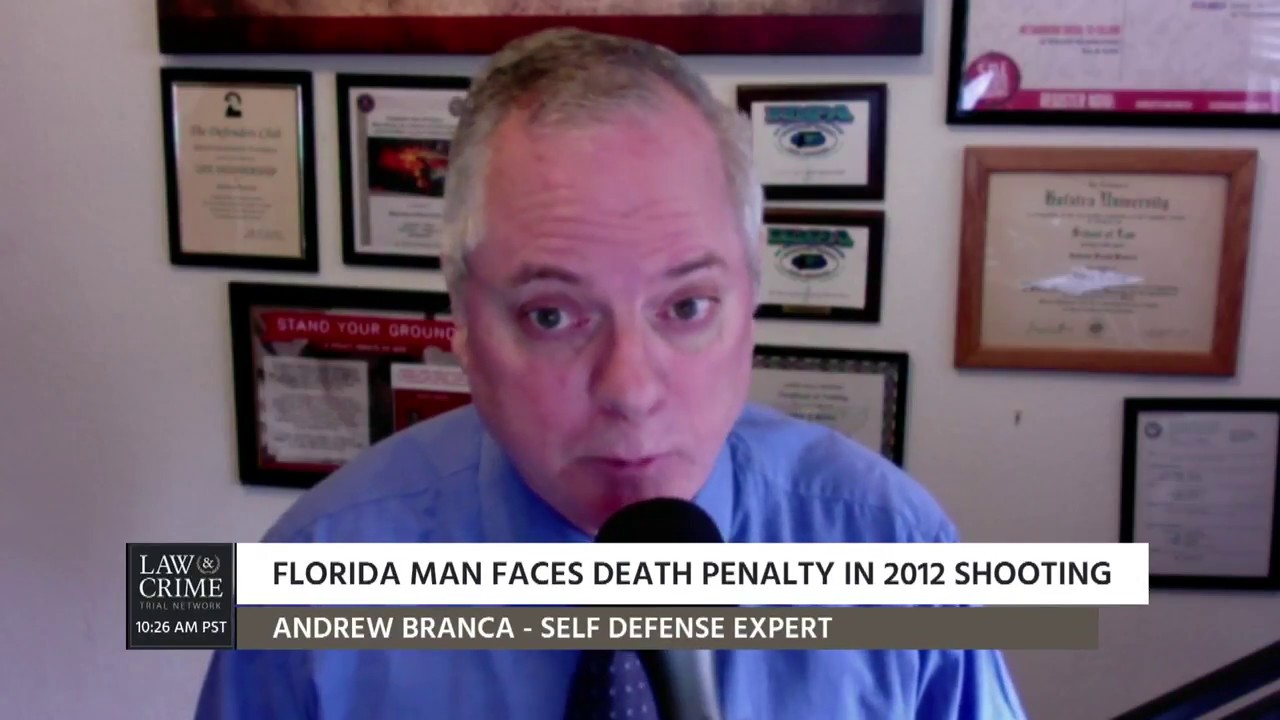







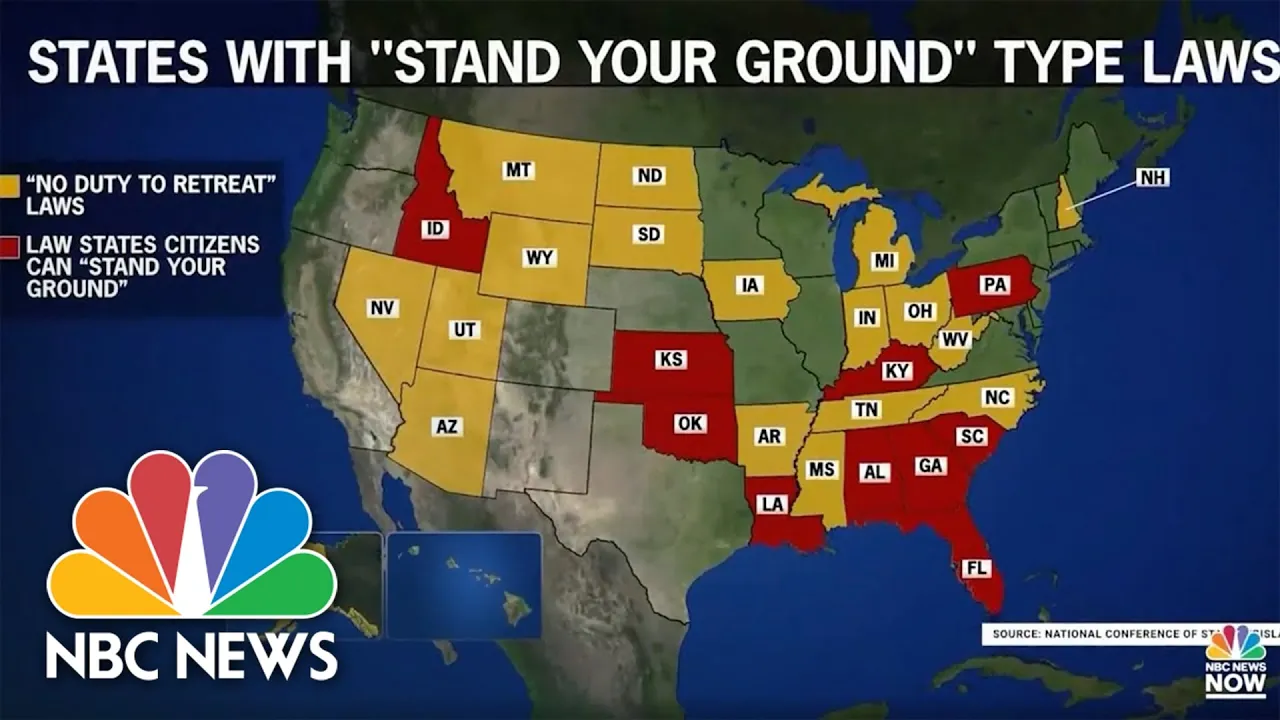


Stand your ground laws allow individuals to use deadly force without a duty to retreat when facing imminent death or great bodily harm, and Florida's immunity provision can shield defendants from prosecution if they establish a prima facie case of self-defense, shifting the burden to the prosecution to prove beyond a reasonable doubt that the claim was not valid.
Ballerina Murder Trial: Stand Your Ground Self-Defense Analysis
Added:The legal distinction between affirmative self-defense and 'Stand Your Ground' (SYG) immunity laws, specifically the removal of the common-law 'duty to retreat'.
The standard of proof required in pre-trial immunity hearings versus criminal trials (e.g., preponderance of the evidence vs. beyond a reasonable doubt).
Fundamental concepts of criminal law, including actus reus, mens rea, and the objective vs. subjective standards of 'reasonable fear' of imminent death or great bodily harm.
Basic rules of evidence, particularly regarding the admissibility of hearsay, character evidence, and prior acts of domestic conflict in intimate partner violence cases.
The legal mechanics of transitioning from a failed pre-trial 'Stand Your Ground' immunity motion to presenting a self-defense case to a jury during a full trial.
An exploration of Battered Woman Syndrome (BWS) and 'imperfect self-defense' doctrines in cases involving a history of domestic abuse.
Comparative legal analysis of how 'Stand Your Ground' statutes vary by state jurisdiction, including differences in burden of proof allocation.
Criminological and sociological studies evaluating the impact of 'Stand Your Ground' legislation on homicide rates, public safety, and racial disparities in judicial outcomes.
446.7K views5.2Klikes23:20Original Release: 2023-07-06
she alleged and we had the obligation to establish that there was an objectively reasonable expectation that she would suffer great bodily injury or death and that knowing what she knew about Douglas Ben Benefield the force used was reasonable This Strange Case of a former ballerina who allegedly shot and killed her husband is taking a step closer to trial professor of law Jules Epstein sits down with me to discuss this roller coaster of a case welcome to sidebar presented by law and crime I'm Jesse Weber well a Florida murder case has taken center stage and it is that of former model and ballerina Ashley Benefield now Ashley is accused of shooting and killing her husband Doug Benefield inside of their Lakewood Ranch House in Florida back in September of 2020. now Ashley's defense team filed a motion for dismissal as she claims that Doug was an abusive husband and she shot and killed him in self-defense now that motion was denied and Ashley Benefield has entered a not guilty play and I should tell you that at the time of this recording her stand your ground Hearing in front of a judge is currently going on and we're going to explain what that hearing means in a minute but first let's get into some background of the case so let's rewind to 2016. Ashley was at a republican fundraiser in Palm Beach Florida she was only 24 years old at the time she had actually worked as Donald Trump's campaign office in his campaign office in Sarasota Florida and at this fundraiser is where she meets recently widowed 54 Year Old Navy veteran Doug Benefield you notice how I said recently so before Ashley Doug's first wife Renee Benefield died just nine months prior from an undiagnosed heart condition now I want to be very clear because I don't know if a lot of you thought this or speculating Doug has never been charged in connection with his wife's death there is no evidence whatsoever that he was involved in his wife's death I want to make that very very clear well apparently Doug and Ashley are Smith when they meet despite their 30-year age difference and just two weeks after meeting they marry now one note about their wedding is that no one was invited not even Doug's 15 year old daughter Eva according to Doug's cousin Doug didn't even tell Eva that he was getting married so Doug I should tell you also was a technology consultant and he had started several businesses and it just so happens that his new wife wanted to start her own ballet company so with the help of Doug Ashley launched the American national ballet in Charleston South Carolina but this company failed this business failed it fell pretty quickly and the relationship between the two soured with Ashley ending up living with her mother while she was pregnant with Doug's baby and what Ashley accused Doug of we'll get into more of that in a minute but Ashley did eventually give birth in March of 2018 and it was so bad between her and Doug she not only didn't put his name down on the birth certificate she didn't tell him that she gave birth it would be months before he even saw his daughter with the help of a court so they wound up actually getting back together they worked on their differences but then on September 27 2020 that is when everything changes Ashley Benefield shot and killed Doug Benefield and this happened while Doug and Ashley were alone in her home after they were preparing to move to Maryland he was going to move to Maryland but lived separately from them they were trying to work it out now their daughter was out with Ashley's mother at the time of the shooting the police dispatchers received a 911 phone call from a man who said his neighbor had just run over to his home yelling for help that she had just shot her husband because he attacked her that neighbor was identified as Ashley Benefield so Ashley wasn't arrested until November 5th 2020 a little over a month after Doug's death and she's charged with second-degree murder with a firearm and faces a minimum sentence of 25 years to life in prison now you have to hear this after being charged with the crime the judge set a bond of one hundred thousand dollars and Ashley was able to pay it so now she has a court issued curfew she's required to wear an ankle monitor she lives with her mother and her now five-year-old daughter court documents show that she's been able to adjust her curfew at times when needed she's even been able to travel to a a wedding in Maryland at one point there's a lot to get into here and before I get into any of the details regarding the investigation and the evidence of the case I want to bring on a very special guest fan favorite from us here at the show and also from our viewers and listeners I'm joined right now by Professor Jules Epstein Professor Epstein is the Edward D all-bound professor of Law and director of advocacy programs at Temple University Beasley School of Law and he joins the snap Professor so good to see you thanks for taking the time thank you for having me let's get into the law let's start there so Ashley Benefield was in court for a pre-trial hearing and it is centered upon the stand your ground defense in Florida let's start there what is a stand your ground hearing what is stand your ground law mean so stand your ground is a form of self-defense in many states there's what's called a duty to retreat even if I am in fear of you let's say you have a knife if I can back away safely I have to do that I Can't Stand My Ground and then use deadly force Florida and other states have a stand your ground law which is even if I could avoid the problem completely if I am legally where I am I went to the corner to buy a newspaper and you're coming at me and I could turn around I can Stand My Ground and then and the terms are if I am in fear of imminent death or imminent great bodily harm I may use deadly force if she can convince a judge that this would stand your ground and it applies what does that mean the case is over Florida has what's called an immunity provision you are immune protected from prosecution it's going to be a little weird with can she convince the judge because the law is actually so protective of the person who claims self-defense that if she raises what's called a prima fascia case and on the surface of it claim this was self-defense the government has to prove that it wasn't self-defense not Beyond A Reasonable Doubt but by the very high level of what's called clear and convincing evidence so she doesn't have to prove much she has to make what I call and forgive me if this is legal jargon a little colorable a facially plausible claim I was in fear and I'm going again of imminent meaning in that moment death or imminent great bodily harm now let's be clear even if she's to lose this hearing and by that I mean this trial this case progresses to a trial she can still assert a self-defense argument in front of a jury how is that going to look different than arguing stand your ground I I think she part of it is still arguing stand your ground but she'll be arguing it to a jury not to the judge here it's it's almost a two bites at the Apple approach I think the idea here is that Florida says we're so protective of people's right to self-defense we don't want the expense of a trial we don't want the months and months of Agony of waiting for a trial we're going to let a judge do an early review that's my lay explanation of what an immunity hearing is let's get rid of the case if she is really immune but she always has the right to ask a jury even if the judge says I don't buy it well now let's get into some of the details that might help or not help a self-defense or stand your ground claim so according to court documents Ashley apparently tried to do everything she could to keep Doug away from their baby she even filed domestic violence claims in court supposedly Doug had once fired a gun into the ceiling during an argument with Ashley I believe it was like right before their wedding she claims that Ugg tried to poison her at one point so if these domestic claims are true if Doug was in fact abusive to Ashley how does that factor into the case and maybe ultimately the judge of the jury's decision okay um when we are deciding if a person acted in self-defense part of it is objective look at the facts neutrally part of it is subjective what's reasonably in her mind well If my spouse and I'm not saying he did this but if my spouse had shot a gun in front of me I think another one was like punch the dog in the face will put aside the poison thing that says that explains why I could be fearful of him so that on that night in that house when he came at me and pushed me and smacked me with a box and took his fist like that towards my head it wasn't those acts in isolation but in a context of a history so that's so important you have to understand what the back story was so even if you were just to look at whatever the actions were on the night in question we'll get to it a second you can't look at an isolation because it might look relatively benign to somebody but looking at it in the context of the full history that's something the jury could consider absolutely now let's talk about this we don't know if it's true the ceiling story may be true according to Doug's family attorney she said that Doug once did discharge the gun into the ceiling of the house Doug admitted that in a depth position based on what I've read his spin is different it's okay I lost my cool I shot into the air but that's it right right now his friend his friend though Tripp cormony if I'm saying his name right said that Doug was filled with regret over what happened so apparently it did happen but maybe the reasoning behind it or what prompted it is there's a difference there now I do want your opinion on this at this injunction hearing the judge went on the record and said that this poisoning story did not possess a scintilla of Truth as laid out by Ashley what do you think about that okay um I think about it as a human as a citizen advance of law professor as a human I'm saying okay something smelled really bad to this judge um and sadly because I want to be clear I think most of the time when people go to court seeking an injunction or what in some states we call a protection order they don't do it out of spite they go because there's fear if a judge who's appropriately sensitive says I'm sorry this is so unbelievable I can't stand it you would have to say there's a question mark here as a lawyer it becomes really interesting because Under The Rules of Evidence I'm not sure that that judge's opinion hey I don't believe you belongs in a trial in another case and then we're in this weird world of it's not exactly a trial it's an immunity hearing but the tiny bit of it that I watched on low on crime this morning seem to see all the stuff was coming in um so it may also be that you live by the sword you die by the sword what do I mean that Ashley's defense team is making all these claims that may make Fair response for the prosecutors say sure but when you took it to a judge they went like this he said it's right so this is laying it all out okay well I'm glad you mentioned that because this is the defense's theory of what happened that night which is what I imagine they're going to argue with this I we saw this from their motion to dismiss here's what they say happen I'm just going to lay it out and then I want your what you think about this if this will rise to the level of a self-defense claim so they say Doug allegedly became angry screaming we are moving together as a family making a fresh start and you're but you're dividing us and it's time you start acting like a wife remember they were going to be moving together uh to Maryland later Doug allegedly drove a moving box directly into Ashley in an upward motion resulting in considerable pain and scratches to her right side Ashley tried to now there is a debate about whether she actually had injuries or not police say they couldn't find anything her attorneys apparently showed evidence that she did have bruises and then Ashley tries to leave the home but Doug allegedly grabs her by the left hand yanked her backward and asked her where she was going he's accused of wagging his finger in her face stating you can't leave leave me Ashley snapped yelled at him to leave raising his right hand with a closed fist he drove his knuckles at the second joint into the left side of her head her worst fears realized she now Ashley believed her life was in danger and she opened fire what do you think about that if those are the facts is laid up by the defense so my first question is how they're going to prove that and so let me back up slightly because she has the right to remain silent at this hearing on the other hand anything that's the old anything you say can and will be used against you if she testifies at the immunity hearing her words can then be admitted against her at trial if the judge doesn't throw it out so what decision she will make I don't know so I'm still scratching my head of this is her story she's the only person in the house who's going to tell it but assuming it can be told it comes down to a decision of the following and you talked before about context okay if you're over at my house and I grab you saying you can't leave and I hate you once upside the head okay is that enough to make you fear death is that enough to make you fear I'm going back to the statute great bodily harm maybe the second especially if there is indeed this context that you and I don't have in our friendship right I've been shot a gun in front of you into the ceiling um and I will say because I've worked over the years on cases with battered persons defense as you put it what might seem fairly minor to you or to me can be the beginning the signal of the the volcanoes about to erupt in a battering relationship but that's if that's what was going on here I think some of the problems that her case faces are number one this whole dispute I have a box banged into my side well the police photo shows a day or two old scratch on her and there's somebody who said oh she got that a day or two earlier there's a picture of a black eye but I can't tell when it's from so I don't know what that means I found it interesting I'm not sure this is admissible that by the time the police got there that night her lawyer was on the scene and of course she's not talking to anybody who called the lawyer how quickly what was going on there I'm not sure what inference good bad or neutral should be drawn from that um and then if she doesn't have bruises corroborating this um then the question is does that story ring true if it does I think a judge could give her the benefit of fear of great bodily harm I'm not sure they have to and the government's job here is going to say wait a minute take a look where the guy is shot and please help me out here but my memory from reading all the news reports is he shut leg and sort of in the side as if turning away from her that's my next point so first you make a great point that either a judge or jury is going to have to accept facts laid out by the defense and then if they accept those facts to determine whether or not it amounts to a self-defense claim but you mentioned where he was shot and how many times he was shot this I find to be the central question she fired four shots two of them hit him when one went through his right leg from the side and the other through the side of his ribs the prosecution is claiming that he wasn't facing Ashley when she shot him so that's a really important point that if she shot him in the back or while he was turned away how on Earth can you claim self-defense unless of course he was turning to grab something or he was turning to a roundhouse and punch her that's the only thing that makes sense to me Professor I and so that's the whole issue you're exactly right if we only took where the bullet entered in isolation that raises a great concern it's not I am shooting as a coming right at me right dead on in the chest okay there's some turning I would be very curious to have an independent forensic expert or a forensic pathologist say what are the different positions of body could be in number two I can be swinging at you and turn sideways slightly right before I'm going to swing again so I'm not sure how much you can read into that although it certainly isn't the most helpful fact for her we're in this closed house right Close Quarters um but she sure cannot say he was coming at me with the sledgehammer over his head she said he postured like a mixed martial artist basically claiming that was why he was shot in the side of the body and then there was something I read in one of the reports where the government is claiming that the position is inconsistent with some sort of aggressive or menacing attitude again when I read things like that as my general reaction is wait a minute there are too many ways a body can move and I would like to see some martial artists move in 20 positions and and we keep shooting them with a paint gun right something to I'm not convinced of that unless I really learn the credentials of the person who's saying that and whether they actually tested it it's easy for me to say oh that's inconsistent but have you tried standing that way have you tried standing that way and measured so professor before we let you go I want to ask you real quick we have about a minute left she's charged with second-degree murder not first degree murder I mean I don't think this is they're arguing it was premeditated or deliberated upon or planned but is could one of her best uh strategies be if she can't get this a not guilty verdict if this goes to a trial to maybe get it reduced to manslaughter is that a possibility so forgive me I didn't research Florida law on that but in many no worries there's something we called imperfect self-defense and that often reduces murder to manslaughter where we're saying you didn't go in with the cruelness and evil disposition but you misassessed the circumstances you over responded but you're not malicious um so here's what would happen real quick um her lawyers assuming this went to trial would have to make a decision or two one is do they ask the judge when you charge the jury do you make sure to include that lesser charge some lawyers say no I want an all or nothing because I'm bold and I don't think any juror is going to give her the all so I want the not guilty some are more conservative saying I want that I want that you know safety valve that protection and that's what we'll have to wait and see how they play it Professor Jules Epstein I'd love to have you back on as this case progresses and we see whether or not she uh will be able to survived the uh uh standard ground hearing and what transpires from that but if this case ultimately does progress would love to have you on thank you so much for your Insight I know I appreciated it and I'm sure our viewers and listeners will too well thank you for allowing real discussion at a real deep level of what are some complicated and important legal issues I agree sir thank you again all right everybody that is all we have for you right now here on sidebar thank you so much for joining us please subscribe on Apple podcast Spotify YouTube wherever you get your podcasts I'm Jesse Weber I'll speak to you next time thank you foreign
Up Next

160:25
Rittenhouse Trial: Jury Instructions Debate | Legal Analysis
@YahooFinance
193.9K views•2021-11-12

4:27
US Secondary Sanctions Impact on EU Businesses and Blocking Legislation
@Bureauvandijk
1.6K views•2019-03-20

12:45
Depp v. Heard: Cross-Examination on Abuse Claims
@LawAndCrime
935.9K views•2022-05-17

24:42
Police Interrogation Tactics: False Confessions & Legal Reform
@LastWeekTonight
7M views•2022-04-18
Related Study Plans & Knowledge Roadmaps
Structured learning paths in Law
law
Self-Defense Law: Imminence & Castle Doctrine
01Foundations of Self-Defense Law
02Imminent Threat & Reasonable Belief
03The Principle of Proportionality
+ 3 more learning modules
12h6 modules
Explore Roadmap
law
Defamation Law: First Amendment & Actual Malice
01Introduction to civil torts and the First Amendment
02Elements of Defamation: Libel and Slander
03Public Figures vs. Private Individuals
+ 2 more learning modules
8h5 modules
Explore Roadmap
law
Hearsay Rule: Trial Evidence & Exceptions
01Introduction to Trial Evidence & Courtroom Basics
02Demystifying Hearsay: The Core Definition
03Non-Hearsay: Exclusions Under FRE 801(d)
+ 3 more learning modules
14h6 modules
Explore Roadmap
law
Medical Malpractice: Law, Liability & Care
01Foundations of Tort Law and Civil Liability
02The Four Elements of Medical Malpractice
03Defining and Proving the Standard of Care
+ 2 more learning modules
12h5 modules
Explore Roadmap