






















Metaphor is a conceptual mapping where abstract domains are understood through concrete source domains (e.g., 'life is a journey'), while metonymy is a non-literal reference where one entity stands for another associated entity (e.g., 'the White House' for the administration); both are systematic, structured forms of figurative language that help speakers conceptualize abstract experiences through experiential knowledge.
Metaphor and Metonymy: Semantic Concepts Explained
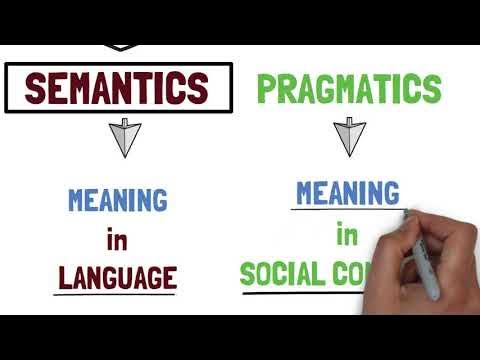
Added:The fundamental distinction between literal and figurative language (semantics vs. pragmatics).
Basic dictionary definitions and traditional literary functions of metaphor and metonymy.
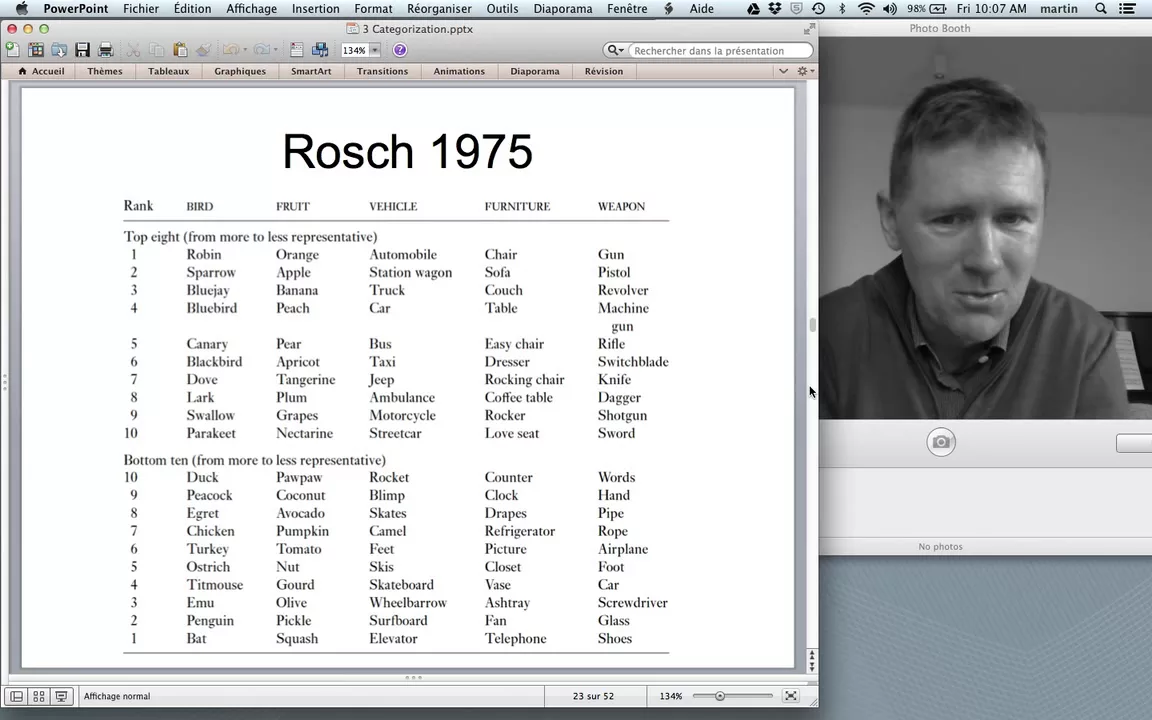
The concept of semantic fields and cognitive domains, representing how the human mind categorizes and groups information.
Introductory cognitive linguistics principles, specifically the idea that language reflects mental categorization rather than just external reality.
George Lakoff and Mark Johnson's Conceptual Metaphor Theory (CMT), exploring how metaphors shape our daily experiences and thought processes.
Conceptual Blending Theory (Fauconnier and Turner), which explains how human minds combine disparate concepts to create novel meanings.
Application of metaphor and metonymy analysis in Critical Discourse Analysis (CDA), political rhetoric, and advertising strategy.
Computational Linguistics and Natural Language Processing (NLP) challenges in teaching artificial intelligence to detect and interpret non-literal language.
Cognitive Poetics, investigating how cognitive linguistic structures influence the reading and aesthetic reception of literature.
157 views3likes20:51Original Release: 2020-06-12
- good afternoon everyone good afternoon prefer a sauna good afternoon but we D and all my friends here I will continue from the first speaker but in the Celestion T which has explained about idioms in this presentation we will discuss about non-literal meaning including IBM's metaphor and metonymy yes not the first speaker Morales has explainable idioms and then for me the second presenter will discuss about metaphor and metonymy taken from semantic old-school unit 27 okay with me city mukarrama metaphor is the approach presented by Judge Rakoff and Martinson abbreviated as LG taken from the book metaphors you live by University of Chicago Press in this unit we will explain some of LG ideas in the following practices and exercises for the first let's see metaphor in general definition of metaphor metaphors are concept conceptual or mental operations reflected in human language that enables speakers to structure and construe abstract areas of knowledge and experience in Moroccan cred experiential terms the puffers are figures of speech they directly refer to one thing mentioning another or metaphor is comparison between two things that are not the same and replaced the word with another word metaphors are not real meaning it is said variable or imaginary [Music] example of metaphor my car is lemon and dr. Jones is a badger we know from experience that lemons are sour and adventures can be messy Andrew in the work this familiar now let's help us understand that the negatives aspects of car ownership and medical practice the release method of equation metaphors can help explain concepts and ideas by colorfully linking the abstract to the concrete the subject is to be said to be another kind of metaphor there are three kinds the first a structural metaphors the second or intestinal metaphors and death depth on the logical metaphors that see number one structural metaphors are abstract metaphorical systems in which an entire complex mental concept is structured in terms of some other concern use of the more concrete [Music] structural metaphors are conventional metaphors individual sets are expressed with other conceptual structures in LJ metaphor theory there are two conceptual domains the the source domain and Sarika domain example they take everything we said number two my strategy again stare at your man you asleep number three our criticism of his time was right on target LG suggest that such language provides evidence that we actually conceptualized our equipment in terms of our English has structural metaphor a lumen is worth comment that she recommend that is depth in expressing the metaphor in written terms list the abstract domain or argument first followed by a form of the thought to be and then the concrete domain or were with all paths in upper case letters English has the structural metaphor a human is word argument here is abstract omen which comes first and then is from of the foot from of the which followed and where is the concrete domain let's practice he didn't defy the structural metaphor from everyday English expressions below MOA a John and Mary have come a long way together we I think she will go far in life the structural metaphor from everyday English expressions is life is a journey number two a stop posting my time be she always spends too much time shop in here the structure of metaphor from this expressions time is money the next comment more than 100 source domain may be used the structure various aspects of more as of more abstract target domain if the government is important enough in the conceptual system of language that's practice identify the sites around the tougher below number one a he is the father of modern biology he that idea did of years ago Anna's literal metaphor ideas are people ideas this is system and they're more than one are plural and the people stark adamant which flow draw or more than one Lambert su a that idea dead on the fine be the us takes is a filled with many benches the structural metaphor is ideas are friends ideas so snowman which is more than one or blue floral and brands study gediman which is plural number two from kinds of metaphor is or intestinal metaphors give concept spatial orientation be associating an abstract knowledge area with some aspect of experiential knowledge grounded in health human beings understand their orientation in physical space such as up versus down from versus back and etc exceed a humble and fill him up today number two that movie posted mysterious number three has spirits rose at the news expression such as the following is an example since URI led the abstract nation of being happy with being located in a physical opposition LG called this metaphor happy is up let's practice identify the structure of metaphor below number one it's at a club time to wake up the structure of metaphor is confuse is up number two turn is at the peak of help the structural metaphor as heart is up number three Jeff is on the top of the situation the structural metaphor is helping control our first is up number four the deal of the college I love the position in the university the structural metaphor is high status is up number five check does high quality work the structure on my buffer is good is up number six the teacher always always sells highest standards the structure of metaphor is fear - is up seven the number of articles on semantics seem to keep going up the structure of metaphor is more is up human these examples of our intestinal metaphors refuel some interesting facts about the language first they show that the use of metaphorical language is systemic and not random or have a said in other words the various metaphors are coherent with each other second the system in nature of the metaphors reflects the fact that they are rooted in a physical and cultural experience okay number three kinds of metaphors and illogical metaphors it helps structure our understanding of abstract concepts and experiences such as defense DVDs emotions ideas and etc in terms of our experience with actual physical objects and a sub and sub palaces in the real world the DOM and illogical is derived from the Greek god although the things which exist Lachie the science of LG you the metaphor inflation is entity to illustrate how ontological metaphors work example number one inflation is increasing every year the illan the ontological metaphor is identifying a spread I'm sorry this is the answer not number two the real number two is here the negative aspects of inflation far outweigh the positive ones the and illogical metaphor is hidden deep iron crosses comment let's see the first comment from the logical metaphors the ontology, the first is the mind so far have been identified by LG as entity and substance metaphors not a kind of ontological metaphor trips abstractions as though they were physical containers of various kinds such metaphors are called convenient offers practice he didn't divide the the relevant aspects of each and illogical metaphor in its sentence below number one there were many runners in the race the and illogical metaphor is is construed as container object when the two on sorry this is number two John and Mary are in love the ontological metaphor is the step of being in love is construed as container number three sorry this is number three the girl fell into a deep depression the end illogical metaphor is this is the answer for number three I'm sorry so many people the depression is construe as container object this is the answer for the girl fell into a deep depression the depression is cus construe as container or chair Samba from the common there is another common type of analogical metaphor that allows us to input various kinds of human qualities to non-human entities it is personification let's see the example number one the theory explains everything you need to know about metaphor literal speaking the personification is a theory cannot explain anything sure I think that life has cheated me out of any hope of happiness the personification is only a person can similarly only people can chips someone max metonymy yeah that of happiness and their autonomy is this non-literal meaning the initial of Nirvana me autonomy is a kind of non literal language in which an entity is used to refer to another entity that is associated with it in some way his Dumbo the White House refused and said the question the meaning of metonymy from the sentence is the White House is used to refer to this Fox person who works there who actually refused to answer at practice explain the metonymy in its sentence below number one we enjoy watching him more than Spielberg the metonymy from the center is head cook and Spielberg prior years to the press and the films they made number two the times as a pertinent question at the news conference the metonymy from the sentence is the the time is used to repress and the reporter who works for the newspaper gekommen LT observe that there are in fact several different kinds of methylamine that are frequently found in everyday language Colette's practice match its sentence with a kind of methylamine J number one what gate was an important scandal in American politics the metonymy from the center in the the place for the event this is kind of the metonymy not a second the wretched need some more hands curing her and half time the second time from autonomy the part for the whole and some type of autonomy objectives for yourself for example like the buses are on strike today number four the place for the institution for example Hollywood keeps putting at me tío mediocre movies and the five from the type of autonomy producer purple death the example of the sentence is the art collector path and acts see if castle and then Hitler conquered Poland in just a few days the metonymy the type of economy is controller controller and the army needs mini US orders this is the profit an immediate institution for people responsible and the last is just another pretty face the mentally media the face for the person summary this unit has x-men several kinds of not literal or figurative language and has investigated the extent to which it might be structured in some way many idea Matic expressions such as my highest level probably originated isolated metaphors which they have began to fix a frozen of a time but language is replayed with number of different kinds of metaphorical expressions they come more elaborately and dreaded in the culture and are more highly systematic in nature we have found ample avidians in English of numerous internal metaphors for intestinal metaphors in ontological metaphors which are by no means random but healthy structured and government finally we have a smile several different subtypes of metonymic in everyday language and then it is systemic in nature I think that's all my presentation thank you very much for attention good luck and don't forget though I can subscribe thank you as a my comment allahu wa barakato [Music]
Up Next

14:13
Life Journey Metaphors & Idioms to Express Progress in English
@GrowEnglishMastery
7K views•2025-12-20

73:00
American English OKAY Over Time: A Diachronic Interactional Linguistic Study
@Abralin
1.2K views•2020-07-30

8:59
Forensic Linguistics: How Language Solves Crimes | PBS
@pbsstoried
1M views•2024-01-25

21:32
Accent Expert Explains U.S. Regional Dialects | Part 1
@WIRED
9.3M views•2021-01-21
Related Study Plans & Knowledge Roadmaps
Structured learning paths in Linguistics
linguistics
Corpus Linguistics: AntConc, COCA & Collocation
01Introduction to Corpus Linguistics & Digital Corpora
02Navigating the Corpus of Contemporary American English (COCA)
03Concordancing and Lexical Collocations using AntConc
+ 2 more learning modules
12h5 modules
Explore Roadmap
linguistics
Optimality Theory: Tableaux & Constraints
01Phonological Basics: Sounds, Syllables & Rules
02Foundations of Optimality Theory: GEN, CON, and EVAL
03The Constraint Inventory: Markedness vs. Faithfulness
+ 2 more learning modules
15h5 modules
Explore Roadmap
linguistics
Morphosyntactic Alignment: S, A & P Systems
01Foundations of Syntax: Transitivity and Arguments
02The Linguistic Variables: Mapping S, A, and P
03Nominative-Accusative Alignment
+ 3 more learning modules
12h6 modules
Explore Roadmap
linguistics
Analyzing Sign Language: Phonology & Syntax
01Foundations of Sign Language Linguistics
02Phonology: The Five Parameters of a Sign
03Morphology: Word Formation and Classifiers
+ 2 more learning modules
14h5 modules
Explore Roadmap