















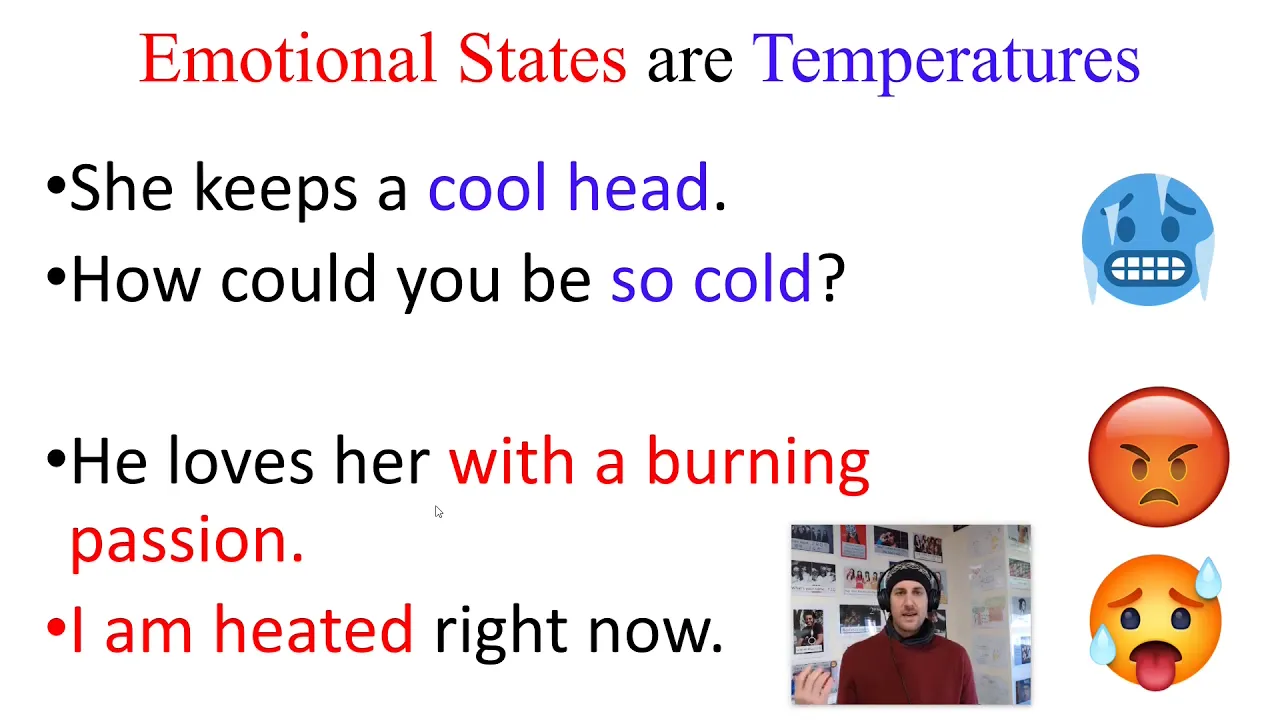
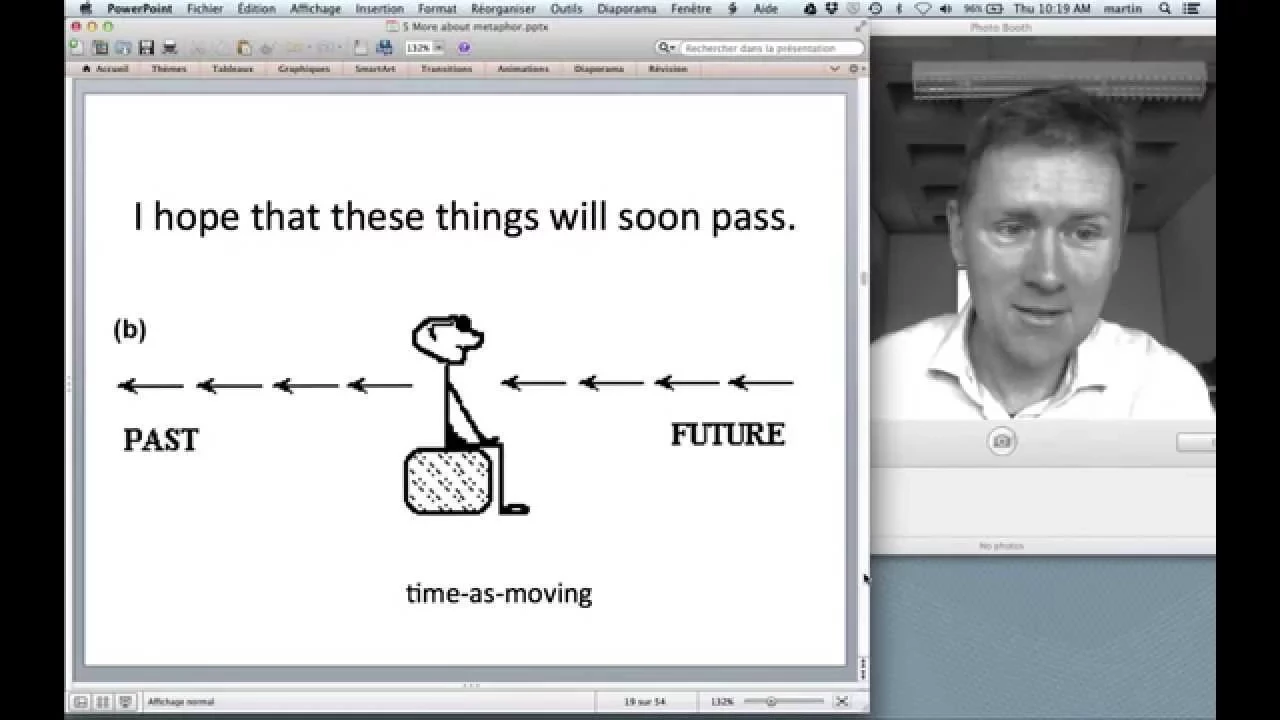





Life is commonly understood through the metaphor of a journey, enabling us to express complex emotions and life situations using concrete imagery; key concepts include being 'stuck in a rut' or 'spinning your wheels' (trapped in unproductive routines), facing 'crossroads' (major life decisions), encountering 'dead ends' (unsuccessful paths), and treating 'time as money' (valuing time as our most precious resource).
Life Journey Metaphors & Idioms to Express Progress in English
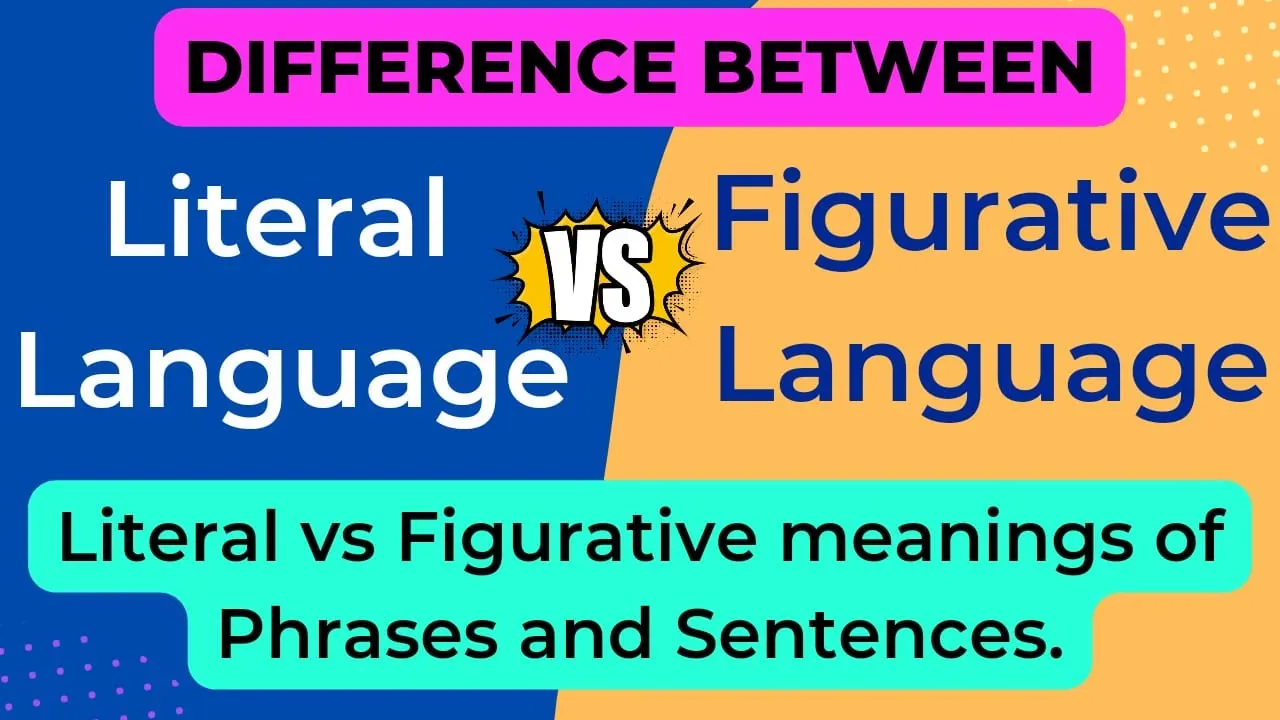
Added:Understanding the difference between literal and figurative language (including idioms, metaphors, and similes).
An intermediate English proficiency level (B1/B2) to comprehend contextual vocabulary related to emotions, decisions, and progression.
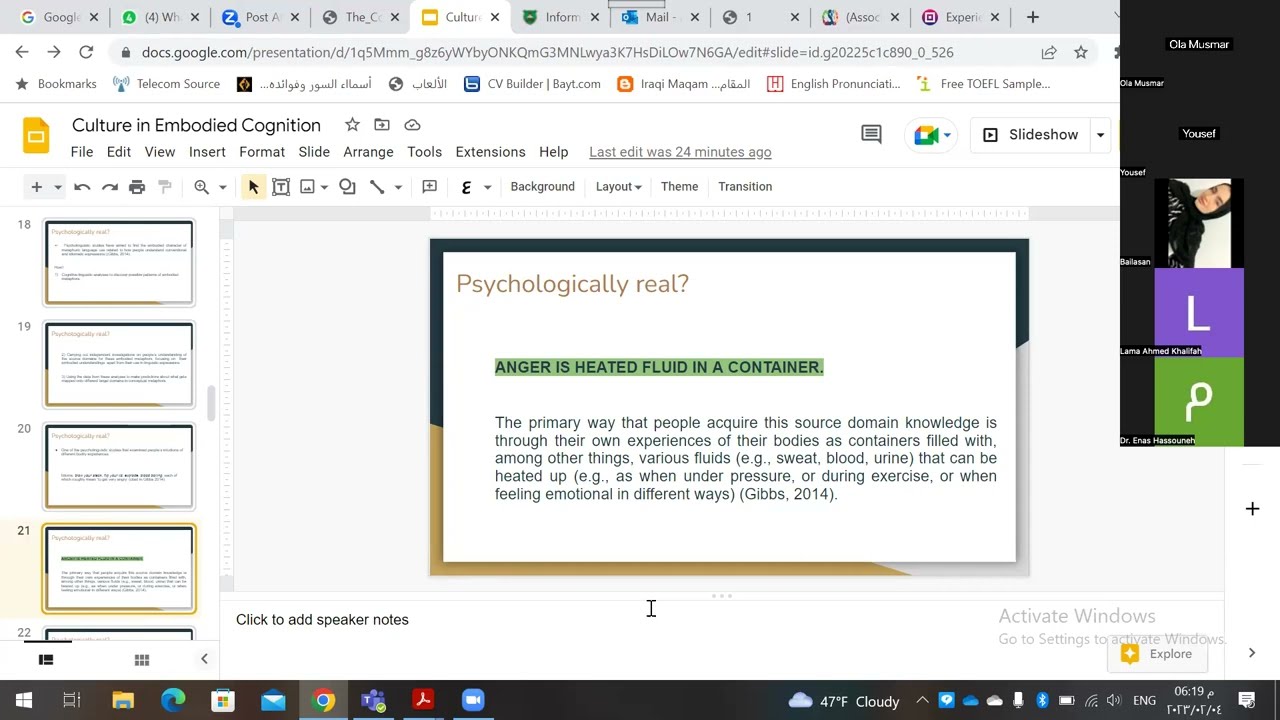
The fundamental concept of conceptual metaphors—how abstract ideas (like life or time) are structured and expressed through concrete experiences (like traveling).
Familiarity with standard career-related terminology, such as career paths, professional goals, and workplace dynamics.
Application of journey metaphors in professional storytelling, such as framing career transitions in cover letters, resumes, and interviews.
Deepening study in cognitive linguistics, specifically George Lakoff and Mark Johnson's 'Conceptual Metaphor Theory' regarding how human thought is metaphorically structured.
Explorations of other thematic English idiom groups, such as those related to time management, financial progress, or conflict resolution.
Advanced narrative writing and public speaking techniques, focusing on using metaphorical hooks to engage an audience during professional presentations.
7K views5likes14:13Original Release: 2025-12-20
Have you ever looked at your life [music] lost?
I don't know what I'm doing, Mia.
I feel like I am just walking in circles.
>> Circles?
You mean you feel like you aren't making progress?
>> Exactly.
Everyone else is moving forward. They have a map. I don't even have a compass.
I have a big decision to make. Stay in my safe job or follow my dream.
You are at a crossroads.
That is a scary place to be.
>> It is.
I am afraid to take the wrong [music] step.
>> Stuck. Crossroads, circles.
When life gets hard, we describe it as a journey.
>> Standing still is also a choice. Leo, but you can't stay at the intersection forever.
Are you stuck? Are you lost? Today, I will give you the language to find your path. Let's explore the metaphors of life. The big metaphor. Are you stuck?
Welcome to the final episode of our metaphor master class.
Today we are talking about the biggest topic of all life.
Life is abstract. We can't touch it. We can't see it. So to understand it, English speakers use one giant metaphor.
Life is a journey.
We walk, we run, we get lost, we find our way. If you understand this image, you can describe your deepest feelings and fears.
We will look at three powerful concepts today. Concept one, stuck in a rut, spinning wheels. Concept two, the choice, crossroads, dead end. Concept three, the resource. Time is money.
Are you ready to find your path? Let's start with the feeling of being stuck.
Part two, concept one, stuck in a rut.
Leo felt like a robot. He was doing the same thing every day.
In English, we call this being stuck in a rut. A rut is a deep track in a muddy road made by wheels. If your car falls into a rut, you can only go straight.
You can't turn. You are trapped.
Phrase one, I'm stuck in a rut. I need a new hobby. I'm stuck in a rut.
Phrase two, spinning my wheels. Imagine a car in deep mud. You press the gas, the wheels spin fast. Broom. But the car doesn't move. I worked all day but finished nothing. I'm just spinning my wheels.
Let's watch Leo describe his frustration to Mia. Notice how stuck he feels.
>> Leo, honestly, why are you so unhappy at work? It pays well. I know, but it's the same thing every single day. Wake up, work, sleep. Wake up, work, sleep. I feel like a robot.
>> It sounds like you are bored.
>> It's more than bored. I feel stuck in a rut.
>> A rut?
Like a hole in the ground?
>> Yes. Like when a car drives on a muddy road and the wheels make a deep track.
You can't steer out of it. And >> Aha, I see. You are trapped in a routine. You are deep in the mud.
>> Exactly.
I am working hard, but I'm not moving.
I'm just spinning my wheels.
>> That is a terrible feeling. Lots of noise, lots of energy. but zero distance.
>> So, what do I do?
>> How do I get out of the rut?
>> You need to change direction. Or maybe you need a tow truck.
We often feel stuck.
[laughter] Recognizing the rut is the first step [music] to getting out.
>> Part three. analysis and concept two, the crossroads, spinning my wheels. It is such a frustrating feeling.
Now, concept two, you want to change.
You have to make a decision. We imagine life as a map. A decision is an intersection.
Phrase one, at a crossroads. This is when you have two choices and you can't take both. I'm at a crossroads in my career.
Phrase two, a dead end. A street with no exit. A situation with no future. I quit because it was a dead-end job.
Phrase three, on the right track. This comes from trains. If the train is on the right track, it will reach the destination. I think I'm finally on the right track.
Let's watch Leo make a brave choice. He chooses the risky road.
>> Okay, Mia, here are my options. Option A, keep my job. Option B, start my own business.
>> This is huge. Leo, >> you are definitely at a crossroads.
>> I am. If I go left, I am safe.
If I go right, it's dangerous but exciting.
>> Which path looks better to you?
My heart wants option B.
But I am afraid of hitting a dead end.
>> A dead end? You mean failure?
>> Yeah. A street that goes nowhere.
Then I have to turn back. Leo, life is a journey. Sometimes you take a wrong turn. It's okay.
>> I guess.
But I want to make sure I am on the right track.
>> You can't know the destination until you start walking.
>> You're right. I can't stand at the intersection forever.
>> I'm going to take the road less traveled. I'm choosing option B.
>> Brave choice. I'll walk with you.
>> Part four, analysis and concept. Three, time is money. He chose option B. I am so proud of him.
Now the final concept to travel this journey you need fuel. That fuel is time. In English time is money. We talk about time exactly like we talk about cash.
Phrase one to waste time. Like throwing money in the trash. Don't waste time watching bad TV.
Phrase two, to spend time, like buying something. You trade time for an experience. I want to spend more time with my family.
Phrase three, to run out of time. Your bank account is empty. Hurry up. We are running out of time.
Let's watch Leo explain why he quit his job. He wants to invest his time, not waste it.
>> I did it. I quit my job. I'm starting my business tomorrow.
>> Congratulations.
But are you worried about money?
>> A little. But I realized something.
I can always make more money, but I can't make more time. And >> that's true. Time is our [music] most valuable resource. Valuable resource.
I felt like I was wasting my time at this job, just throwing it away.
>> And now, >> now I want to spend my time on some something I love.
I don't want to wake up at 80 years old and realize I ran out of time.
>> You are right. You are investing your time in yourself. That is a smart investment.
>> Exactly. It's going to be hard, but it's worth the cost.
>> Let's go. Your new journey starts now.
[music] Life is short. Don't waste it. Spend it wisely.
Part five, vocabulary focus. I realized I can't make more time. That is a powerful lesson.
Before we finish, let's review the key journey vocabulary.
Word one, obstacle. Something blocking your path. A rock in the road. Fear is the biggest obstacle to success.
Word two, milestone. A stone marker on the side of the road that shows distance in life. It is a big achievement.
Marriage, graduation, promotion. Turning 30 is a big milestone.
Word three, to move on, to leave the past behind and keep walking. The relationship ended. It's time to move on.
Word four, rocky road. A difficult period of time. They had a rocky road at the beginning, but now they are happy.
Part six, shadowing practice. Now let's practice. We will do a shadowing practice.
Speak with emotion.
These are deep feelings.
Phrase one, the frustration. I feel like I'm stuck in a rut.
I feel like I'm stuck in a rut.
Phrase two, the decision. I am at a crossroads in my life.
I am at a crossroads in my life.
Phrase three, the value. I don't want to waste any more time.
I don't want to waste any more time.
Beautiful.
You sound very wise.
Part seven, conclusion and CTA. So, let's recap our metaphor master class.
One, life is a journey. We have paths, tracks, and dead ends. Two, stagnation.
We get stuck in ruts and spin our wheels. Three, time, we spend it, save it, and waste it.
Thank you for joining me on this journey.
Now, I have a final challenge for you.
Look at your life right now. Are you on the right track or are you at a crossroads?
Tell me your story in the comments. Use a metaphor.
I am climbing a mountain. I am sailing smooth waters. I am at a dead end. I want to know where you are.
If this video gave you a map for your English, please smash that like button and subscribe to Grow English Mastery.
I'm Scarlet. Keep moving forward. See you next time.
[music] [music] Heat.
[music]
Up Next
63:55
Cancer Metaphors in Language: Corpus & Computational Analysis
@ucmercedcogsci7075
150 views•2017-03-06
36:52
Constraint Interaction in Optimality Theory: Epenthesis & Deletion
@Vidyamitra
180 views•2018-08-20

8:59
Forensic Linguistics: How Language Solves Crimes | PBS
@pbsstoried
1M views•2024-01-25

21:32
Accent Expert Explains U.S. Regional Dialects | Part 1
@WIRED
9.3M views•2021-01-21
Related Study Plans & Knowledge Roadmaps
Structured learning paths in Linguistics
linguistics
Optimality Theory: Tableaux & Constraints
01Phonological Basics: Sounds, Syllables & Rules
02Foundations of Optimality Theory: GEN, CON, and EVAL
03The Constraint Inventory: Markedness vs. Faithfulness
+ 2 more learning modules
15h5 modules
Explore Roadmap
linguistics
Morphosyntactic Alignment: S, A & P Systems
01Foundations of Syntax: Transitivity and Arguments
02The Linguistic Variables: Mapping S, A, and P
03Nominative-Accusative Alignment
+ 3 more learning modules
12h6 modules
Explore Roadmap
linguistics
Analyzing Sign Language: Phonology & Syntax
01Foundations of Sign Language Linguistics
02Phonology: The Five Parameters of a Sign
03Morphology: Word Formation and Classifiers
+ 2 more learning modules
14h5 modules
Explore Roadmap
linguistics
Pragmatics: Speech Acts, Grice & Politeness
01Introduction to Pragmatics: Meaning in Context
02Grice’s Cooperative Principle & Implicature
03Speech Act Theory
+ 2 more learning modules
14h5 modules
Explore Roadmap