Language Documentation: Ethics, IPA & Metadata
Learning Goal: Design a language documentation protocol for an endangered language, addressing ethical considerations, recording standards, phonetic transcription, and metadata curation.
- Estimated Total Study Time: 16 hours
- Prerequisites: None (Introductory course, though basic familiarity with linguistics is helpful)
Module 1: Foundations of Language Endangerment & Documentation
This module introduces the critical global crisis of language endangerment. You will explore why languages disappear, the scientific and humanistic value of preserving linguistic diversity, and the distinction between language documentation (creating an archive of a language) and language revitalization (working to increase its active use).
Recommended Videos

- Why this video: Dr. Mandana Seyfeddinipur (director of the Endangered Languages Documentation Programme) provides a highly concise, powerful overview of why language preservation is urgent. She outlines the interdisciplinary nature of language documentation teams (including linguists, anthropologists, and local communities) and what they record to capture endangered heritage.
- Knowledge Checkpoint:
- Understand the scale of the global language endangerment crisis.
- Differentiate between the distinct roles that community members and outside researchers play in documentation.

- Why this video: Nicholas Ostler, a leading scholar on language shift, defines the three pillars of maintaining linguistic health: documentation, protection, and promotion. This video provides the core intellectual framework for the scientific necessity of creating permanent records.
- Knowledge Checkpoint:
- Identify the three pillars of linguistic preservation defined by Ostler.
- Explain why scientific documentation is necessary even if immediate revitalization is not possible.
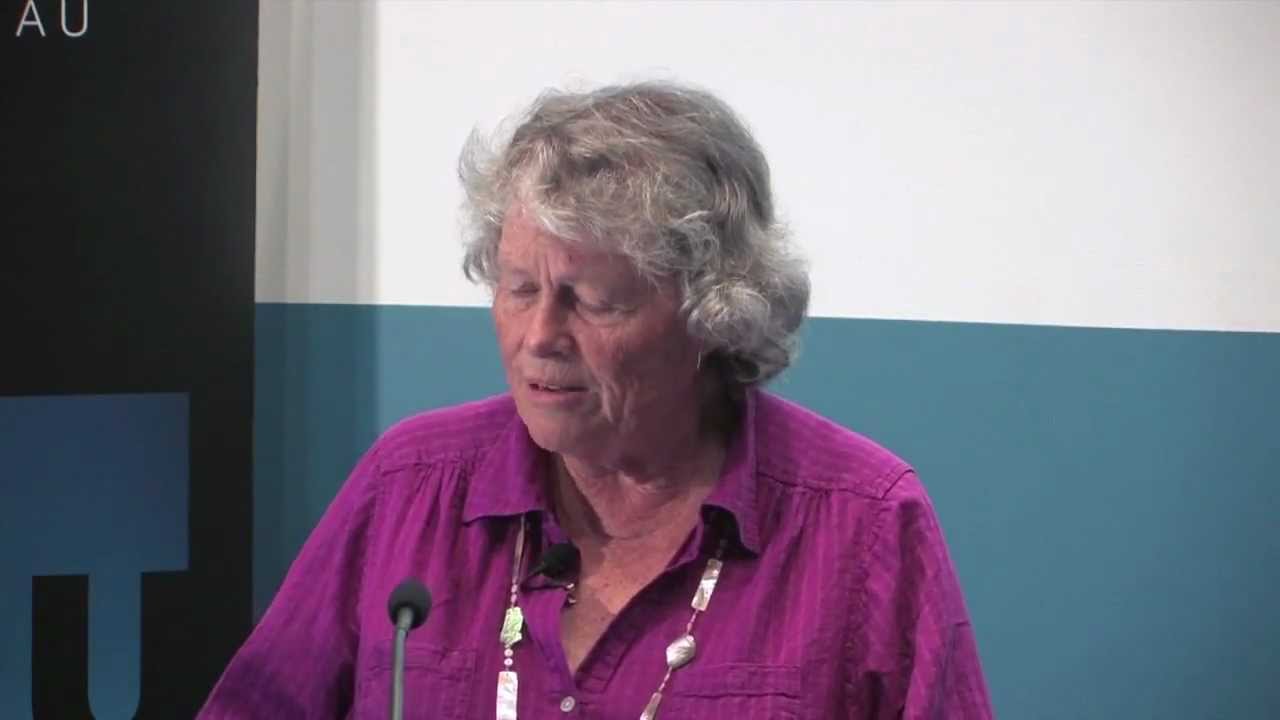
- Why this video: Renowned linguist Leanne Hinton clarifies the often-misunderstood division between language documentation and language revitalization. This distinction is critical for project design, ensuring you do not conflate academic archiving with community-led reclamation efforts.
- Knowledge Checkpoint:
- Contrast the primary goals of documentation (recording for science/history) vs. revitalization (building active speakers).
- Describe how documentation acts as a vital foundation for subsequent revitalization materials.
Module 2: Fieldwork Ethics & Community Collaboration
Before a single recorder is turned on, a documenter must establish an ethical, collaborative relationship with the speaker community. This module addresses the power dynamics of fieldwork, obtaining community-level and individual informed consent, and understanding Indigenous data sovereignty.
Gap Alert: While the recommended videos below offer excellent conceptual overviews of trust and institutional frameworks, video tutorials on drafting specific, written informed-consent forms or securing university IRB approvals are limited in the pool. Learners are encouraged to independently search for templates such as the Linguistic Society of America's (LSA) Guidelines for Ethical Research.
Recommended Videos
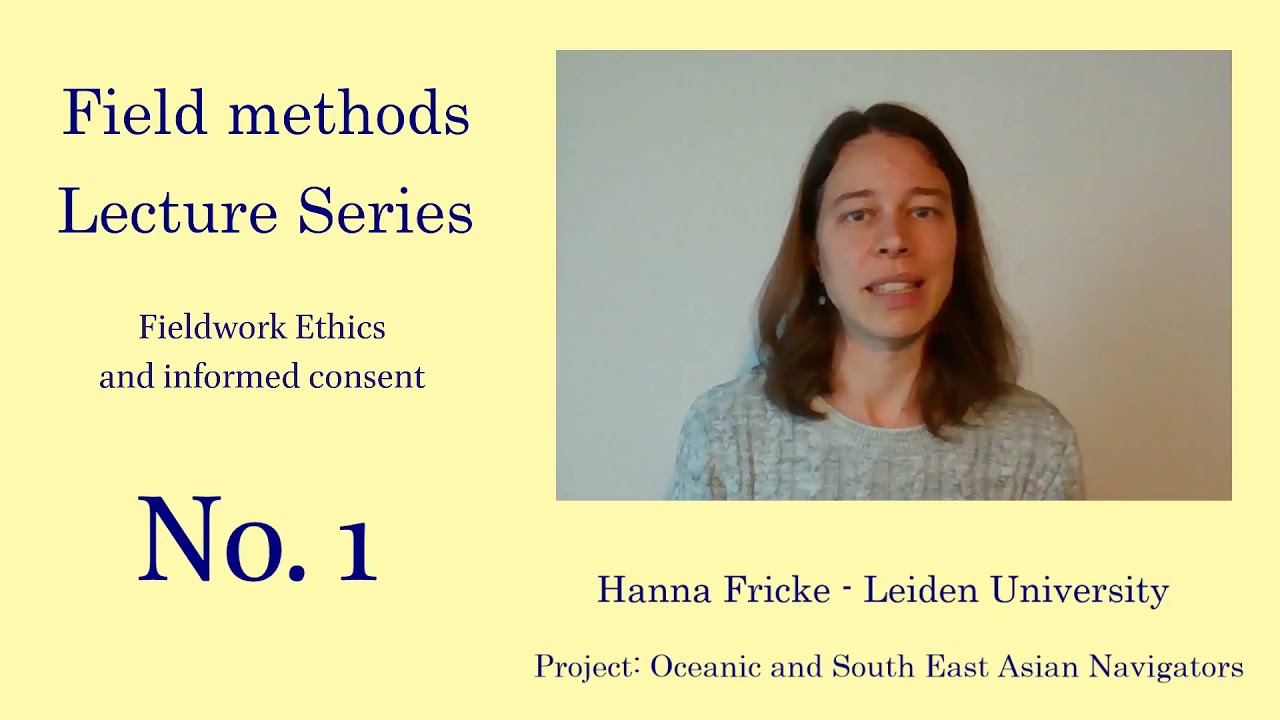
- Why this video: This academic lecture breaks down the pragmatic, ethical responsibilities of fieldworkers. It discusses the core principles of participant autonomy, transparent communication about research outcomes, and how to execute an informed consent process in minority language settings.
- Knowledge Checkpoint:
- Define the ethical principle of participant autonomy in fieldwork.
- List the key elements that must be explained to a consultant before securing informed consent.

- Why this video: This segment highlights why standard institutional ethics protocols (which focus almost entirely on individual protections) fail when working with Indigenous populations. It stresses the necessity of collective, community-level consent.
- Knowledge Checkpoint:
- Explain why individual consent is insufficient when researching collective Indigenous knowledge.
- Discuss the role of community elders and tribal councils in approving documentation workflows.

- Why this video: An important introductory look at the historical context of predatory research. It defines "Data Sovereignty"—the concept that Indigenous nations have the right to govern the collection, ownership, and application of data about their people and languages.
- Knowledge Checkpoint:
- Define Indigenous Data Sovereignty in the context of linguistic materials.
- Explain how historical research abuses have led to current community hesitation regarding open-access archives.
Module 3: Audio and Video Recording Standards
- Prerequisite: Module 2 (Ethical clearances and community agreements must be finalized before recording begins).*
To ensure your documentation is useful for future phoneticians and language learners, you must capture high-fidelity audio and video. This module covers technical standards (such as file formats, sample rates, and bit depths), microphone selections, and physical environmental management during fieldwork.
Recommended Videos

- Why this video: Offered by the Endangered Languages Project, this video provides direct, practical guidance for linguistic fieldwork. It explains why dedicated external audio recorders (e.g., Zoom, Tascam) are vastly superior to smartphones and outlines the specific use cases for shotgun, lavalier, and boundary microphones.
- Knowledge Checkpoint:
- Compare the advantages of lavalier (lapel) microphones vs. directional shotgun microphones in the field.
- Identify when to use portable recorders instead of built-in computer inputs.
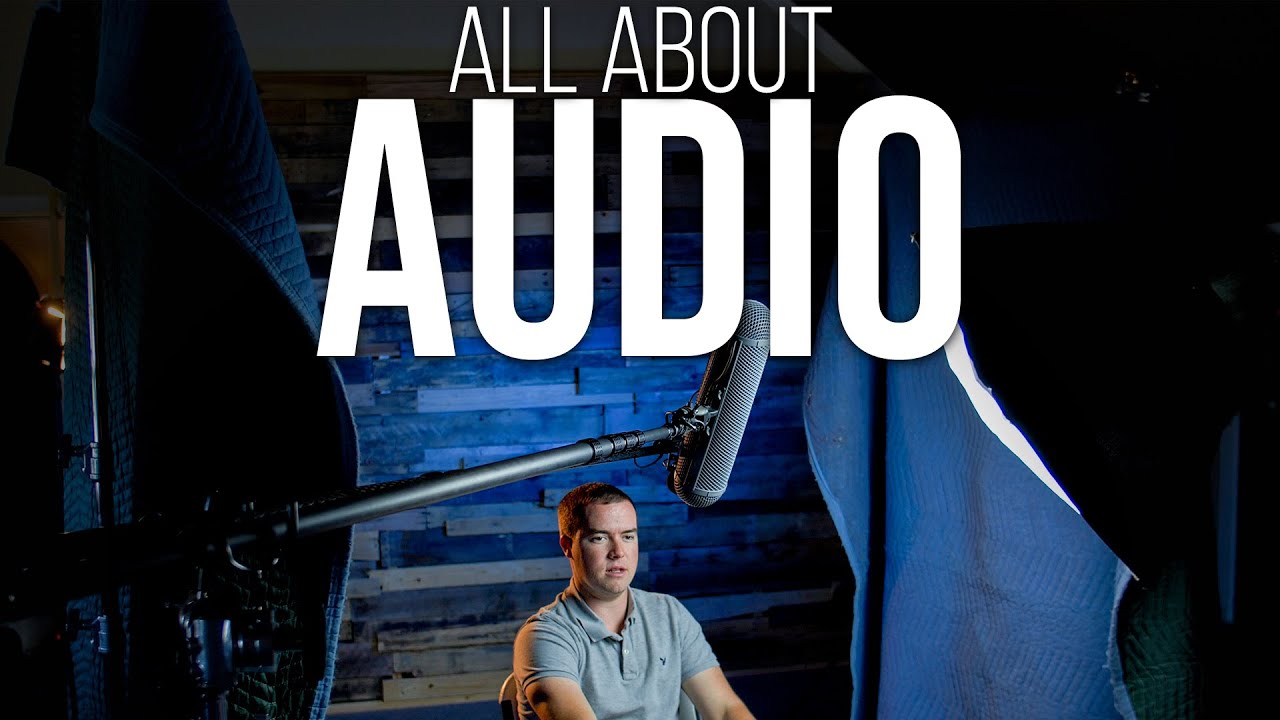
- Why this video: This video introduces key technical parameters of professional recording. It defines the archiving industry baseline of uncompressed WAV format at 48 kHz / 24-bit, comparing its diagnostic value to compressed formats like MP3.
- Knowledge Checkpoint:
- Explain the difference between WAV (uncompressed) and MP3 (compressed) audio.
- Define sample rate (kHz) and bit depth, and state the target standard for archiving.
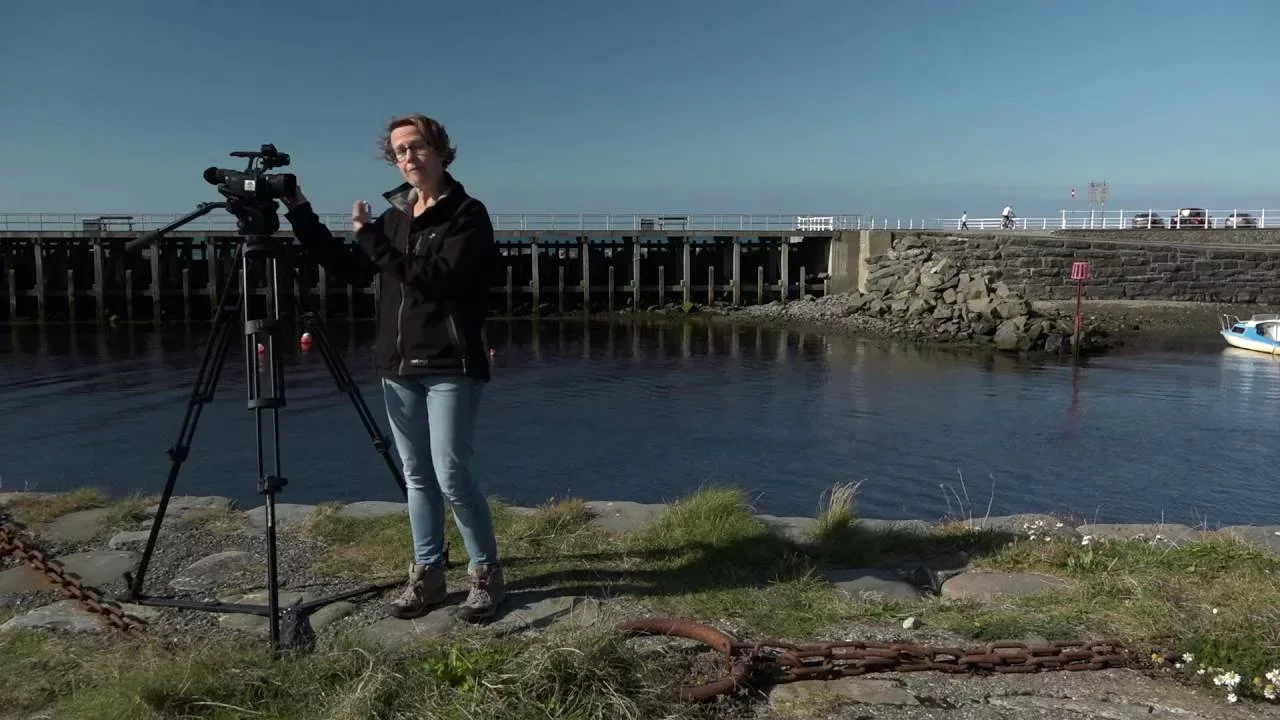
- Why this video: This deep-dive lecture covers spatial acoustics and environmental management. It teaches you how to assess a field environment for hidden ambient noise (refrigerators, wind, echoes) and position your speaker relative to the microphone to capture clean phonetic data.
- Knowledge Checkpoint:
- List five steps to minimize environmental noise in a non-studio field location.
- Explain how to monitor audio live using headphones to spot clipping and background hums.
Module 4: Phonetic Transcription & IPA Basics
Once high-quality recordings are made, they must be transcribed. This module introduces the International Phonetic Alphabet (IPA). You will learn how the IPA maps the physical reality of spoken language, focusing on consonant places/manners of articulation and the linguistic vowel grid.
Recommended Videos

- Why this video: Hosted by the popular linguistics team at Lingthusiasm, this video is an engaging, structured guide to how the modern IPA chart is organized. It explains how to navigate the chart from front to back of the vocal tract (left to right on the page).
- Knowledge Checkpoint:
- Explain how the horizontal and vertical axes of the IPA consonant chart represent place and manner of articulation.
- Distinguish between voiced and voiceless sounds on the IPA layout.

- Why this video: A focused visual tutorial on the vowel grid (or vowel quadrilateral). It shows how to map vowels according to tongue height (high/mid/low) and tongue backness (front/central/back).
- Knowledge Checkpoint:
- Draw a basic vowel grid and label the axes.
- Describe how tongue position determines whether a vowel is categorized as [i], [u], or [a].
- Why this video: This video bridges phonetic theory and practice. It offers real-world dictation exercises, demonstrating how transcription forces you to forget standard orthography (spelling) and focus entirely on auditory perception.
- Knowledge Checkpoint:
- Describe the difference between broad (phonemic) transcription in slashes
/ /and narrow (phonetic) transcription in brackets[ ]. - Practice transcribing at least five basic target words using accurate phonetic symbols.
- Describe the difference between broad (phonemic) transcription in slashes
Module 5: Metadata Curation & Archiving
Data is only as good as its organization. Without metadata (contextual information about who, what, where, and when), recorded files become uninterpretable over time. This module covers file naming, directory organization, and standard archival metadata profiles.
Gap Alert: While the recommended videos below show you the mechanics of tools like Lameta, there are limited highly viewed tutorials explicitly explaining the schema details of OLAC (Open Language Archives Community) or IMDI (ISLE Meta Data Initiative) in this video pool. Be sure to study these frameworks independently at language-archives.org.
Recommended Videos
- Why this video: This webinar is an exhaustive resource on project organization. It addresses standard field folder hierarchies, formatting unique session codes, and the concepts underlying secure archiving practices.
- Knowledge Checkpoint:
- Construct a standard folder-hierarchy layout for a field project.
- Explain why systemizing file naming structures immediately is critical to avoid data rot.
- Why this video: This video introduces digital archival theory, covering preservation metadata, administrative metadata, access rights, and long-term curation plans.
- Knowledge Checkpoint:
- List the three main categories of metadata (descriptive, structural, administrative).
- Explain how access protocols and rights management are recorded in archival metadata.
- Why this video: Lameta is a modern tool developed for archiving with ELAR (Endangered Languages Archive). This short tutorial shows you exactly how to populate session metadata, including date, region, participant roles, and project titles.
- Knowledge Checkpoint:
- Demonstrate how to create a unique Session ID in Lameta using standardized alphanumeric formats.
- Enter and link a participant profile with metadata in a session record.
Module 6: Software Tools for Annotation and Lexicography
Linguistic documentation relies on specialized software to sync transcription with media files (ELAN) and manage vocabulary and grammatical analyses (FLEx). This module provides an entry point to these essential platforms.
Gap Alert: The video pool contains high-quality introductory walkthroughs for ELAN and general overviews of FLEx, but lacks highly viewed, advanced tutorials on morphological parsing or complex XML database management. Learners should refer to the official documentation sites (such as Max Planck Institute for ELAN, and SIL International for FLEx) for advanced guides.
Recommended Videos
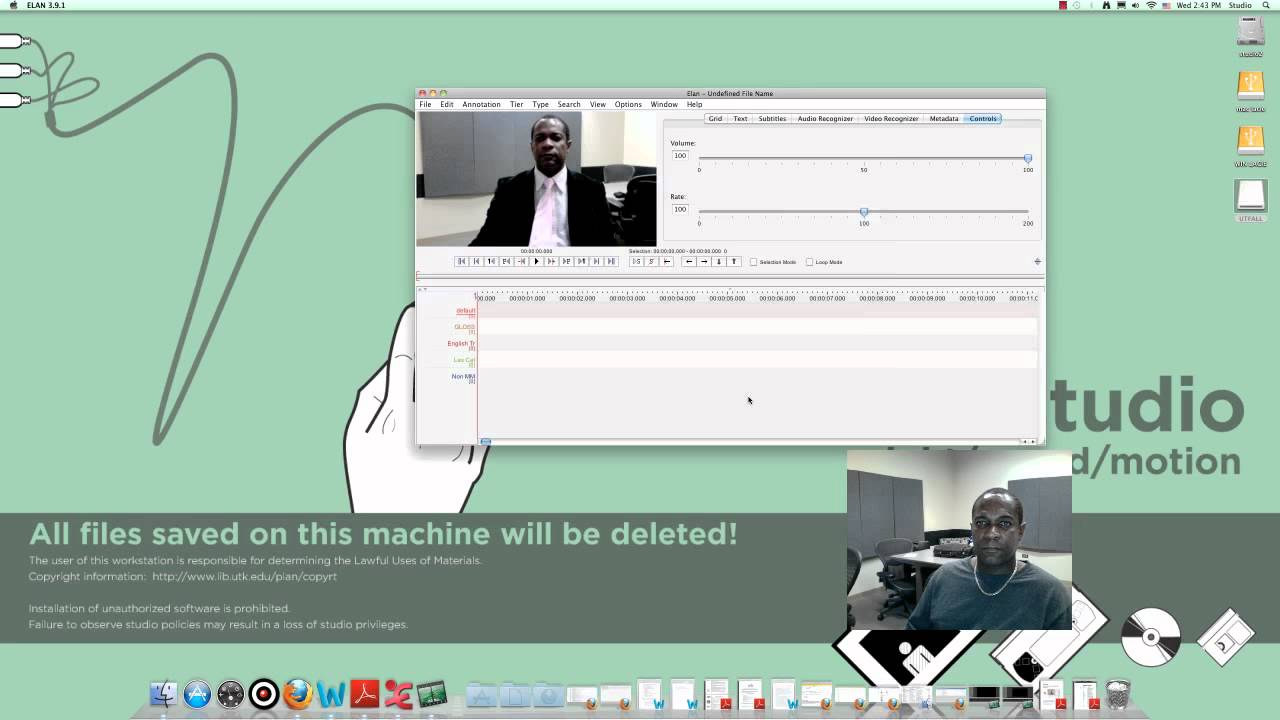
- Why this video: This beginner-friendly tutorial demonstrates how to import your WAV or MP4 field recordings into ELAN. It shows how to create tiers, set time-aligned selections, and begin transcribing spoken segments directly aligned with the audio wave.
- Knowledge Checkpoint:
- Create a new project in ELAN and link an external audio/video file.
- Create an annotation tier and transcribe a three-second segment of audio.
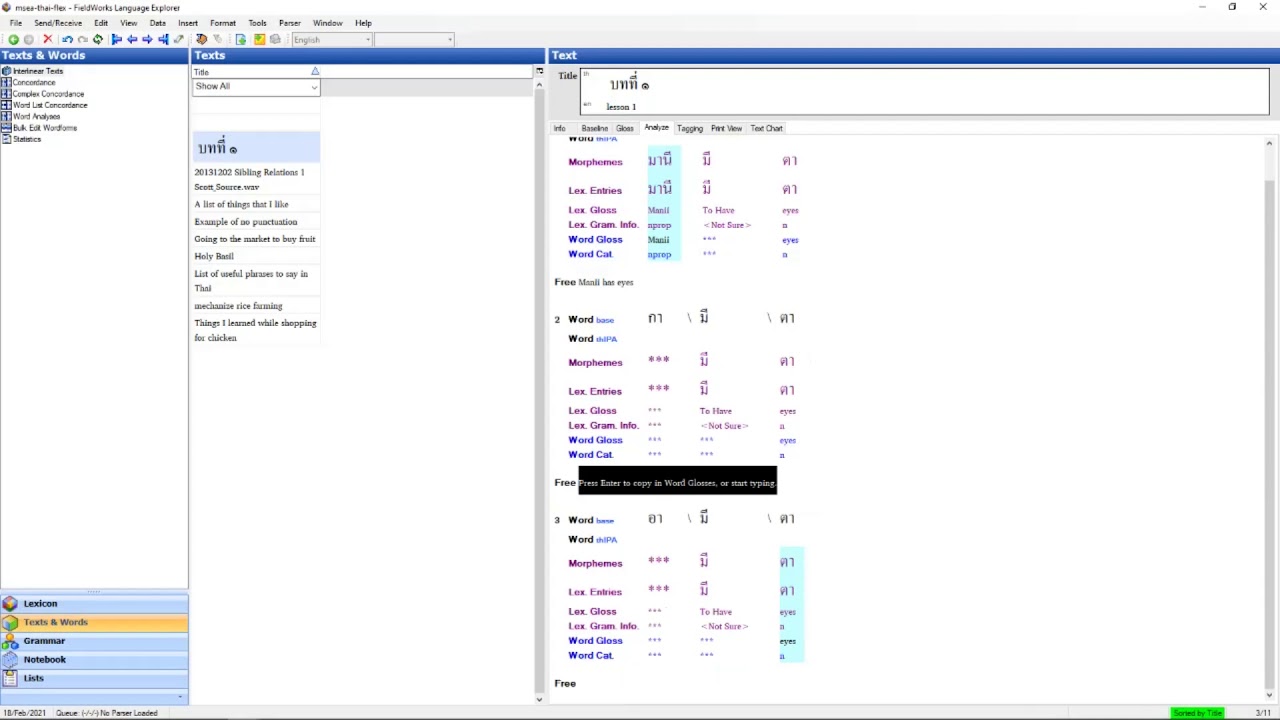
- Why this video: FieldWorks Language Explorer (FLEx) is the industry standard for dictionary creation and grammatical analysis. This tutorial introduces the database structure of FLEx, showing how lexical entries are entered and how the Notebook tool integrates contextual metadata.
- Knowledge Checkpoint:
- Describe the primary interface functions of FLEx (Lexicon, Texts & Words, Notebook).
- Explain how a lexical entry in FLEx connects sounds, definitions, and morphological markers.
Module 7: Protocol Design and Project Planning
- Prerequisites: Modules 1-6.*
The final step is synthesizing everything you have learned into an actionable, comprehensive Language Documentation Protocol. This module guides you through planning your fieldwork, managing the "observer effect" in linguistic field methods, and structuring a formal research workflow.
Recommended Videos

- Why this video: This video breaks down the formal components of a research protocol, emphasizing quality assurance, team roles, and administrative governance. You can adapt these 22 steps to structure your custom linguistic fieldwork plan.
- Knowledge Checkpoint:
- Identify the core sections of a study protocol, including standard operational procedures.
- Map out investigator roles, timelines, and milestones for a proposed project.
- Why this video: This video addresses practical, social realities of fieldwork. It discusses the "observer effect" (how speakers change their speech when they know they are being recorded) and offers concrete strategies to mitigate it, ensuring your recordings capture authentic, natural language use.
- Knowledge Checkpoint:
- Define the observer effect in linguistic fieldwork.
- List three field strategies to help participants feel comfortable and record authentic conversation.

- Why this video: In this legendary live demonstration, linguist Daniel Everett works with a speaker of a language he does not know, without using a shared contact language. He demonstrates how to study phonetics, phonology, morphology, and syntax simultaneously. This is a masterclass in initial elicitation protocols.
- Knowledge Checkpoint:
- Describe the elicitation workflow Everett uses (moving from simple nouns, to possessives, to basic verbal expressions).
- Explain why a fieldworker must analyze multiple linguistic layers concurrently during elicitation sessions.
Course Map
This flowchart displays the recommended progression through the modules and highlights the critical ethical and technical prerequisite pathways.
Key People Index
- Mandana Seyfeddinipur: Director of the Endangered Languages Documentation Programme (ELDP) and the Endangered Languages Archive (ELAR) at SOAS University of London. She is a global champion for collaborative fieldwork and data repatriation.
- Nicholas Ostler: Chairman of the Foundation for Endangered Languages (FEL). A historical linguist who writes extensively on the lifecycle of world languages and shift dynamics.
- Leanne Hinton: Professor Emerita of Linguistics at UC Berkeley. She is a pioneer in collaborative revitalization methodologies and co-created the Breath of Life and Master-Apprentice Language Learning programs.
- Daniel Everett: Renowned linguist and anthropologist, famous for his long-term fieldwork among the Pirahã people of the Amazon. He is a major proponent of immersive, monolingual fieldwork methods.
- Franz Boas (Historical Context): Often called the "Father of American Anthropology." He established early collaborative methodologies working with Indigenous experts like George Hunt on Vancouver Island (as explored in Video 65).
Final Self-Assessment
Complete this comprehensive checklist to verify that you are fully prepared to draft and implement your language documentation protocol:
- Ethical Foundations: I can draft an informed consent agreement that covers both individual autonomy and community-level collective consent.
- Data Sovereignty: My planned archive deposition respects Indigenous Data Sovereignty, allowing the host community to determine access conditions.
- Technical Standards: I have set my recording equipment to save uncompressed audio at WAV (48 kHz / 24-bit).
- Environmental Management: I know how to run a noise check on location and position my shotgun or lapel mic to maximize the signal-to-noise ratio.
- Phonetic Analysis: I can use the IPA chart to accurately transcribe and map unfamiliar speech sounds on consonant and vowel grids.
- Metadata Architecture: My project directory uses standard file naming structures and links to Lameta-compatible session records.
- Annotation Synchronization: I can import media into ELAN, construct tiers, and accurately time-align transcripts to the recording wave.
- Lexicon Construction: I can construct lexical database files in FLEx that link entries with grammatical parameters.
- Observer Effect Mitigation: My protocol includes techniques (like using local language helpers and recording informal group sessions) to reduce speaker self-consciousness.
- Comprehensive Synthesis: I have a step-by-step documentation workflow that guides a project from initial community consultation through recording, transcription, and archiving.