


![[DH교육][선행 온톨로지 모델] 2. DC(Dublin Core)](https://i.ytimg.com/vi/7kCJSSyNaMU/maxresdefault.jpg)














A digital archive is a curated collection of documents and materials assembled for lasting preservation and access, serving purposes beyond mere storage by enabling ongoing research and inquiry; effective archives require adherence to metadata standards like Dublin Core, careful consideration of access levels and community consent, and recognition that archival work itself constitutes scholarly contribution worthy of professional development credit.
What Is a Digital Archive? A Comprehensive Guide
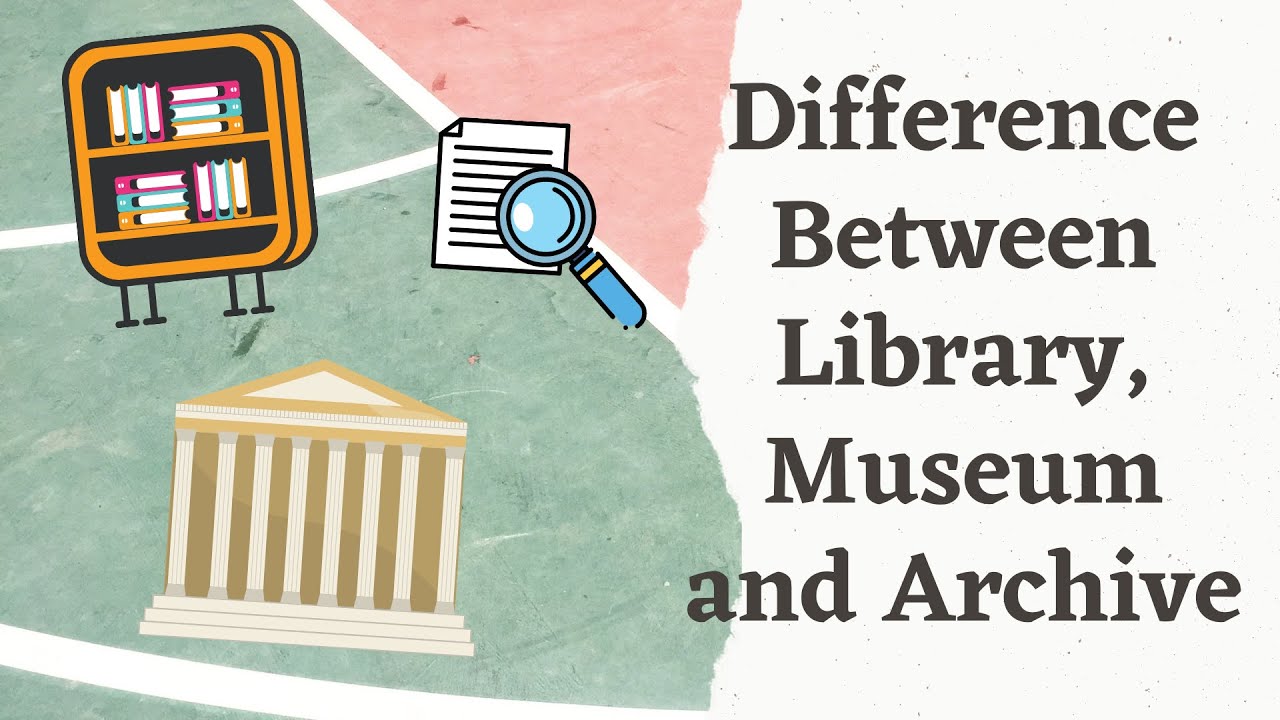
Added:The core distinctions between libraries, museums, and traditional physical archives, including basic archival principles like provenance and original order.
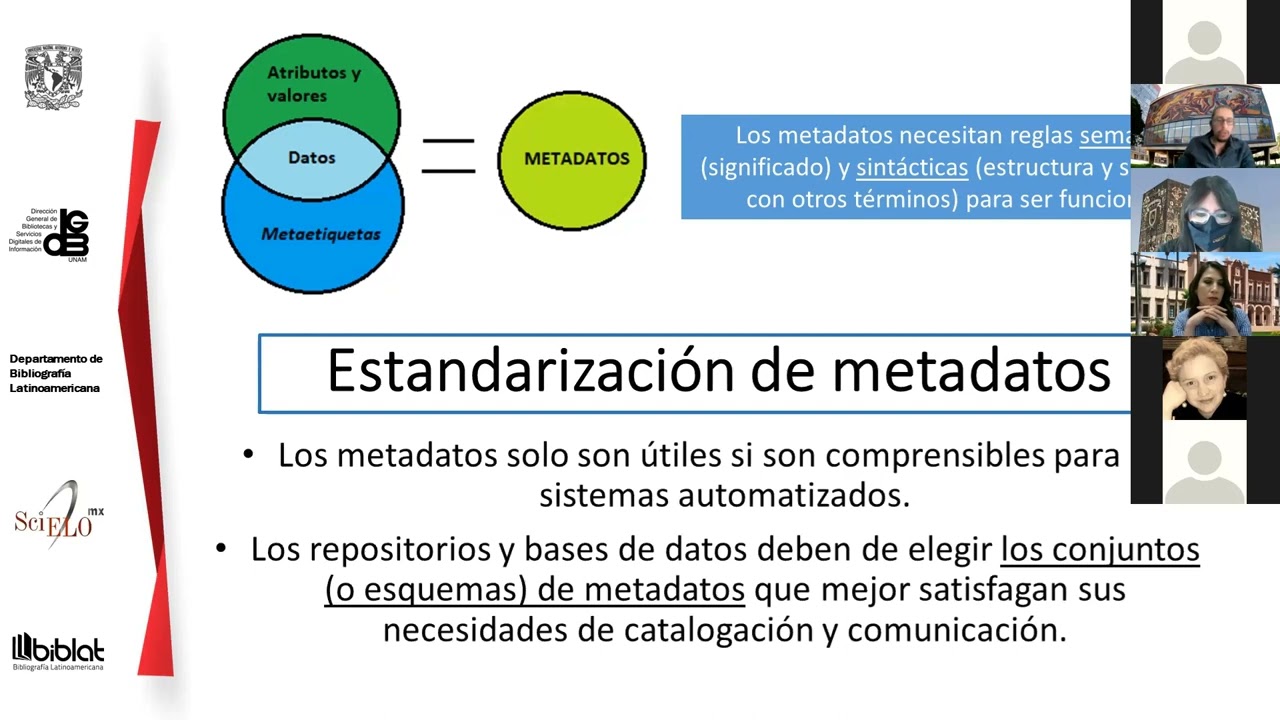
Fundamental concepts of metadata, schema standards (such as Dublin Core), and how they are used to categorize and retrieve information.
Basic digital preservation challenges, such as file format obsolescence, software dependency, and physical media degradation (bit rot).
An introductory understanding of intellectual property rights, copyright laws, and public domain rules as they apply to copying and sharing cultural heritage.
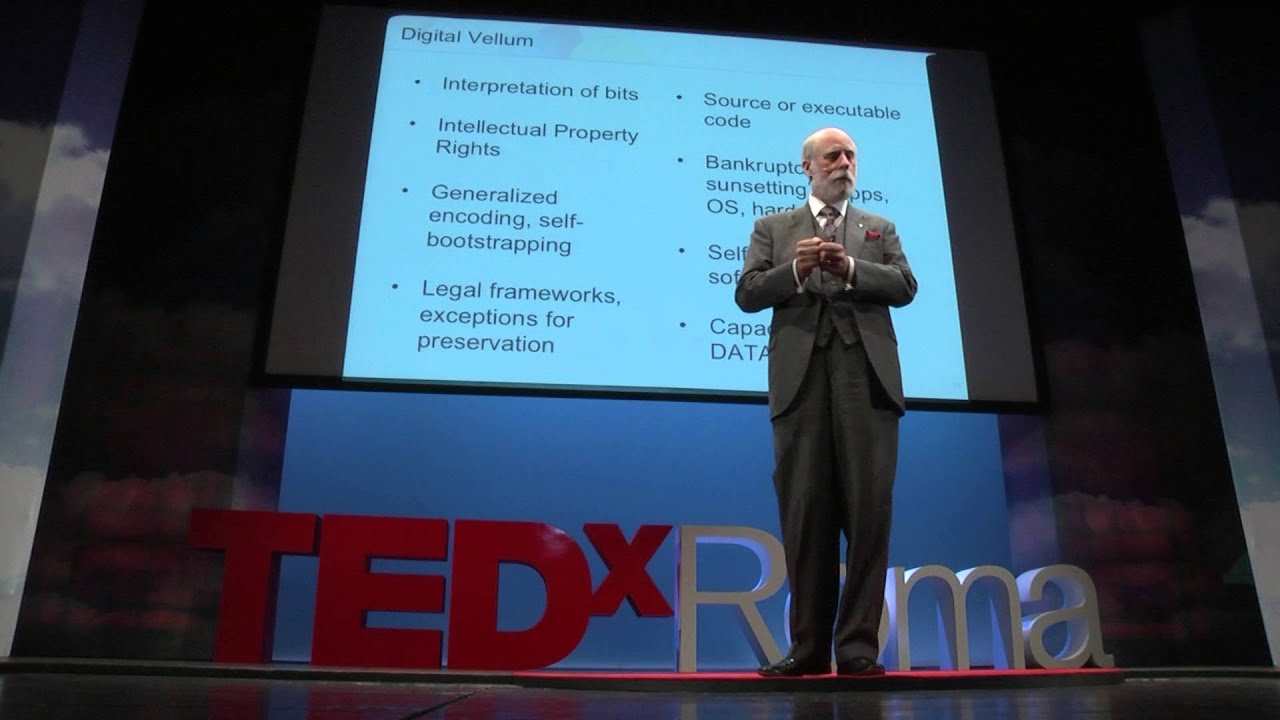
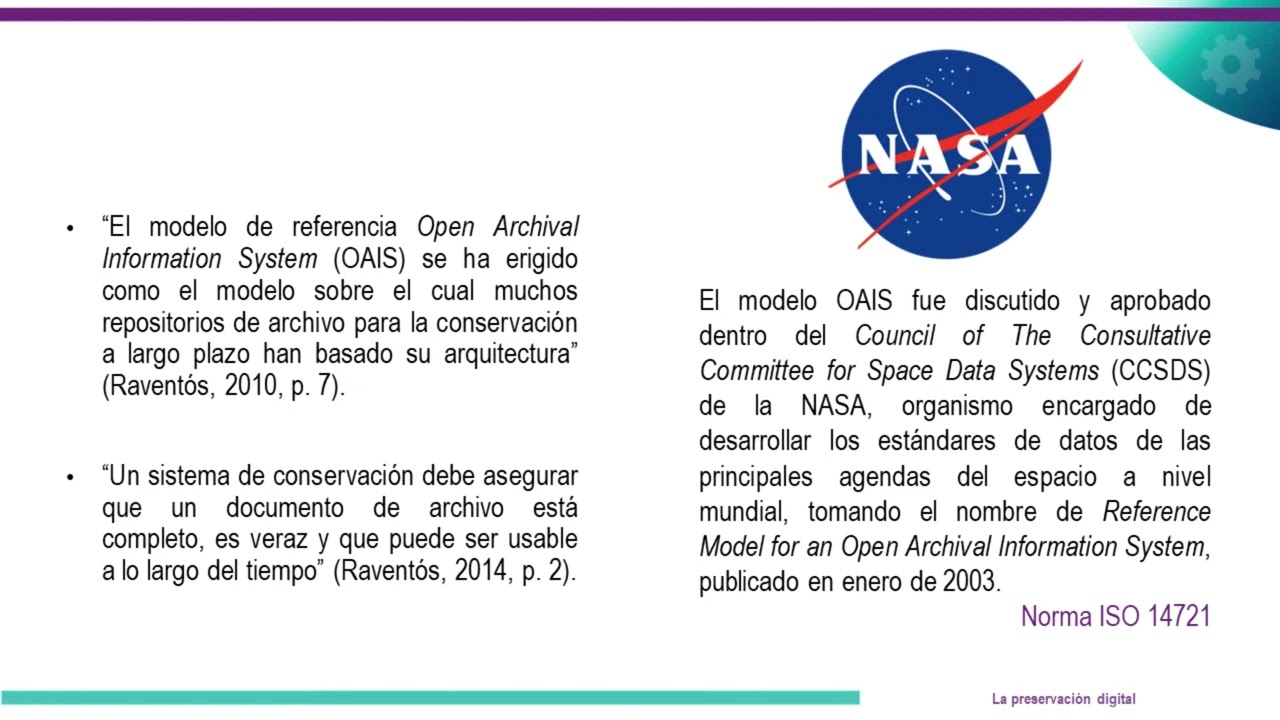
The Open Archival Information System (OAIS) reference model (ISO 14721) and how it governs the design of long-term digital repositories.
Hands-on configuration and curation using specialized digital repository software platforms such as Omeka, DSpace, or Islandora.
Advanced methodologies in web archiving, including crawler configurations (e.g., Heritrix) and managing WARC (Web ARChive) files.
In-depth study of archival ethics, including decolonial archiving, managing sensitive personal data, and implementing community-driven archival practices.
287 views6likes55:26Original Release: 2018-04-03
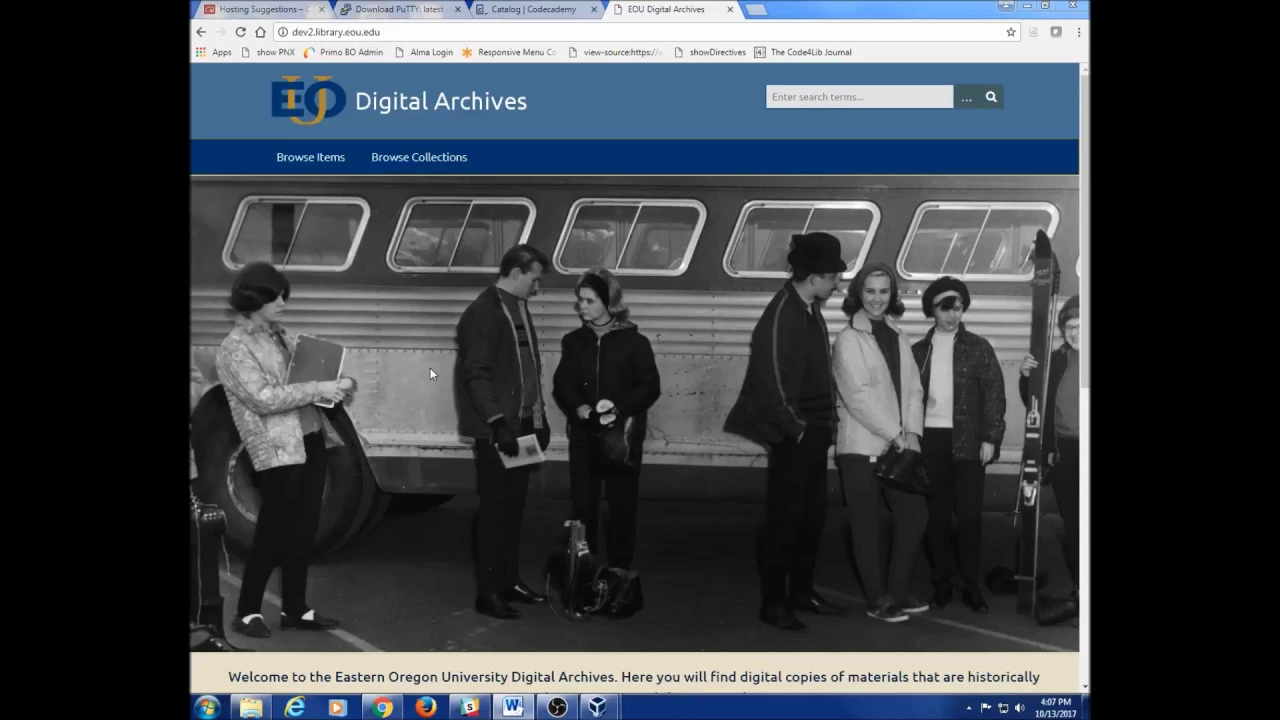
well once again thank you everyone for coming this is the last brown bag for the semester and also the academic year but we'll be sending out a schedule for brown bags next year and maybe even looking for volunteers to participate I don't know what the lineup is like yet so today I want to spend the time that we have and don't worry I have another meeting I have to be to it three anyways at three o'clock so I know some of you have to leave early today I want to just give some basic introduction introduction through terminology but also introductions through examples of archives including issues and debates that surround the construction of and the purpose of archives and how archives are intended to be used and who has access to them and then I want to talk a little bit about what it looks like to either deposit with an existing archival repository or else to consider constructing your own and then I want to talk a little bit about how archives and archival development matter as more than just the output to a project but they also matter in terms of your own professional development and they matter in terms of how you are able to kind of identify the different phases and processes in terms of your own professional development and then just some examples of archival projects that have or continue to run through the iris Center or make use of some iris resources so so first of all let's see I want to make sure sorry yeah so let's start with some terminology including what is an archive for archives for how can our archival material be used are they just are they just places for storage in other words if they are places where storage then who gets access to the materials that are stored there how are they to be how are those materials to be stored and if they can be used as objects of ongoing and inquiry and and research how should they be used what are some of the debates surrounding that I don't have any fixed answers by the way I'll just give some ideas and some dishes that I have come across in my own life and then also one of the big questions with archives is how do you catalogue the material that go into archives to be stored do you make use of your own standards or should you adopt standards that are already out there and actually in my own life I've seen a variety of different ways of adopting standards so we'll be talking a lot about metadata so a very basic definition is that an archive is in some sense a collection but it's more than a collection again there are discussions about collections versus curations so often when we collect we're thinking very carefully about how that collection will be organized and how - yeah how to how to do that organization and what types of organizing characteristics are important but primarily in in my in my line of work which is language documentation the goal is to preserve materials either to preserve so archives have historically been and continue to be physical but nowadays you often see digital archives or some combination of physical and digital archives so they preserve documents and other materials about a place for example a group of people an individual a period of time so those are some of the ways that archives are created so here's an example to get started this archive houses bibliographies and also bio sketches and links to selected reading materials that fit a particular characteristic they have to contain information on at least three women's biographies so that's what this archive is it's a collection of women's biographies so the time period there is specific I'm not exactly sure what's going on with more contemporary materials and this was designed and supported by the University of Virginia which actually houses a number of outstanding and interesting archive so it's a good place to go to if you want to see how different archives look in terms of archive audiences and users I'm giving you some examples now of archives that I myself have either worked with or I'm just making sure to speed on my notes in terms of language linguistic material archives so here are two archives ones housed at the University of California the lower one here and this one on the right is housed at the University of Texas and they are both repository Eliza Tory's I'm sorry for audio video and text in this case scanned scan to digital image text information on native languages native to North America Central America and South America so that's the California languages Archive and I have a archive of indigenous languages of Latin America these are pre-existing archives so they have their own managerial structure and their own server space already in place at these two institutions and so what typically happens is people who are doing language documentation work if they're doing recording or if they're working with all old materials that they're scanning to digital format they contact the archival repository first and they say I have a project and here the materials that we're going to generate and I would like to preserve these materials with your organization and so a lot of these places then have terms and conditions of depositing set up on their pages so I know the print is tiny here it's more just an idea to give you a visual and I will have these slides up online anyway so they'll be easy to go to but in most cases the you get the ball rolling by registering as a user of their archive and then reaching out to their manager staff but these these are nice because they layout the access levels that you can think about so if you deposit material with the archive you have the option typically what happens is you have the option in consultation with the community that you're working with and there may also be in this case language communities who want to archive their own materials so you set access levels for users in the future to have access to different materials in different ways different permissions so for example aya has public access and restricted access and so you can designate these different access levels and then within restricted access the restriction can become increasingly more limited depending on who you are when you register as a user or who you are accepted to be as a user and then if the materials you're depositing also include a degree of curation which is a kind of perhaps careful organization and selective presentation according to for example different themes or different genres in the case of language especially if you're archiving discourse or narratives or other types of continuous speech and then you can also have these embargo degrees so access is not permitted for a certain period of time until a certain amount of time is passed by and so on and so forth so so that's one thing to keep in mind if you're depositing material or even if you are building your own archive and you want different levels of access to the materials that are stored there yeah it's always something that we say in any case if you are working with an existing archive reach out to the directors and the managers right away with questions and then this also helps you to think about how you want to organize the material that you deposit how you want how you want to send that material to a pre-existing archive and how you would like them to work with it yeah I also wanted to just say in a kind of say this right away that an archive is not the same as a web page or at least a digital archive is not the same as a web page so this has become a bit a bit of a hot topic in language documentation because in certain areas where documentation initiatives are really picking up effort and perhaps being done at a grassroots level even by native speakers in those communities these are people who might have a degree of web access and they may even have some web development skills and so they the initial idea is to put things online and as a potential in its in the cloud so it will be stored and so therefore it's an archive but I just want to kind of underscore that that's not the same thing as the archival process that I'm talking about here there are a number of issues that come up for example the longevity how long wherever you're you know whoever's hosting your material how long will that hosting go on for what other types of information are you bringing to the organization of the materials that you're putting there deep did you actually have permission to stow um host the materials that you've stored there and so on and so forth are you making use of metadata standards that other people will be able to work with even like presumably a hundred years from now when you're no longer around to explain what certain file naming conventions or in the case of linguistics other types of ontology and coding decisions are being made however having said that many digital archives have really nice exciting interesting kind of lore you in web exhibit interfaces that really can make especially if an archive is accessible for public use if it's out there for a public research tool can make archives really attractive so it's something to keep in mind if you are building your own archive whether or not you want to have some kind of a web exhibit interface alongside this so the walt whitman has a nice kind of news and updates and some other exhibits they'll have blogging functions where people can raise discussions about material contained in the archive or how they might be making use of materials if particularly if archives are a multi-person endeavor and the materials are being used for research then publications linked to the data might be accessed they're a kind of bibliographies you can put a lot of affiliated information who's supporting the archive who's funding it what the managerial structure or is there a steering committee involved if you are networking with scholars from other institutions for example all of that can be found there and it can really I think add a lot of value to the archive so the Walt Whitman archive isn't is a really great example of that having said that again language archives are really start they've over the past you know I guess let's say 20 25 30 years digital language archives have really kind of exploded in terms of number and there are a lot of really good ones out there and people who do documentation especially if they're looking for funding now they have to really think about where they might like to store their data because they have so many more options in addition to the shoebox under their bed better options than that but one of the problems that remains or one of the challenges perhaps or opportunities on the research side of things how to harmonize deposits from different archival collections to more use together if you want to if you want to and you have access to archival materials for your own work so as an example I do my fieldwork in Nepal in South Asia and there there is currently no kind of big you know well-established let's say archival organization based itself in South Asia so people who do language documentation work in South Asia look to other archives that are located in other parts of the world that may include Nepal and South Asia in its kind of Geographic or link like window sticks internal kind of specific scope of where materials go so I've archived materials in repositories in the United Kingdom I've archived materials in the United States and with a grant application that we have out if we're successful will deposit materials to an archive that's in Australia so that these are in really different places and the archives look kind of quite different in let's get accessed in different ways and the managers ask you to organize your materials in slightly different ways and so the challenges then harmonizing access to those materials such that you can actually make use of the materials in parallel ways this is particularly challenging in linguistics if you want to use for example text data so narratives procedural texts conversational material as a way to carry out kind of more let's say more linguistics research if you want to make use of the transcribed and translated data for example to look at syntactic structure in these languages or to look further explore the lexicon it's really hard to harmonize how these materials are set up and so in this case something's being done about it the University of North Texas is putting together a consortium that they call Courcelles which is really at this point now a series of discussions focused discussion groups about how that might look and those discussion groups can include archival managers special collection librarians linguists of course and other people who kind of have a stake in this type of question so there was a publication released recently that came out of one of their discussion groups and one of the two big challenges that were recognized is first of all the scholars personal connection to data how so if there is a harmonal harmonizing process what does that mean for how the scholar views on his or her data that they work with concerns that the data collection and preparation will never be fully complete the difficulty of updating established deposits and getting fair credit for their effort and also the difficulty in finding relevant data difficult search functions inconsistent applications of metadata citation and Acrobat tribution and so on and so forth so ok turning a little bit to some of the the actual technical terminology some of the definition here really I think one of the biggest again I feel like I all I'm talking about is challenges here but one of the biggest early challenges to think about when we're with archives is what is metadata mean you know metadata are just simply data about your data so when you do a recording or if you're working with a scanned image or an image that you're about to scan from paper and then you're about to consider putting putting this into a part of a larger collection you have to think about this object now and how the file that that contains this now about digital imager or audio/video file how that's going to be named and how that naming might relate to other files that are part of that collection and so at least again in linguistics there have been some standards proposed and they fall along these made this main list of characteristics we have to be concerned with content but so I I'm saying this about linguistics but I feel like this is not too different from what we might find in other disciplines so there are concerns about content format discovery access citation preservation preservation is kind of part of the larger umbrella and also rights and so I just wanted to briefly you know I turn to these so in terms of content what is typically referred to in language documentation and archival archiving process is a standard ontology so basically that just means standards for naming and describing and defining objects in a collection and so I look to what is happening within language documentation as a whole but linguistics and anthropology are also heavily overlapping disciplines so I look at how ontology is and anthropology are also being developed and so and particularly since I'm often dealing with linguistic data we're thinking about ontology is at the level of grammatical analysis as well particularly if you're depositing word lists or elicitation set sets of elicited controlled elicited data that unfollow under some research questions for example having to do with morphosyntax or semantics format has become increasingly important because there are so many formats out there that are proprietary they may be awesome and you can do really cool things with them in software or application that you pay a lot of money for and then only work on certain operating systems but the goal here is to have file formats that are accessible kind of anywhere by anybody at any point in time how can we read into the future even I don't know I'm always learning more about which formats are the best formats to be used for it take for example image files I used to be told that TIFF files were the file that we should be saving still images as now I'm hearing more about JPEG and JPEG seems to be the way to go and then there's sub formats under JPEG that seem to be better than others so I feel like I'm always learning something is with respect to some of these other with some of these other metadata categories basically again where you're just thinking about how the information how the primary information surrounding a data set might be cataloged in my case when I'm doing audio video recording um it's important to know the date and time of the session the location who are the different participants involved not only in front of the camera but behind the camera once the file has been captured or once the video has been captured and is now a file if it goes through an editing phase who's a part of that and what are the editing standards and so on and so forth so there's a long line of people and processes that all need to be captured and recorded at some level so every you know one video takes them much longer to work with in terms of cataloging and holding all of that information let's see what more do I want to say about that yeah and then of course an administrative information connected to the workflow completion and also access so all the the video recording that I do and also the audio recording I do in Nepal comes with it a discussion before the the video takes place about who might have access to this video you know to what extent our participants anonymous and so on and so forth so all of that happens before the cameras ever even turned on let's see I want to say about this slide yeah I met it more about metadata so often when you're working in pre-existing archives and particularly if you end up building your own archive I'll mention Oh Mecca a little bit more in a few minutes you're working with a a metadata standard that's typically known as the dublin core and the dublin core is essentially just a set of 15 properties to use a naming and describing items even i don't know all the 15 properties by heart and i should by now they and and then you can you can work with these as well you can add additional cataloging properties as well and i'll show you an example of an archives that I've worked with it uses the dublin core plus additional properties but the dublin core properties include contributor coverage creator format identifiers language publisher relation rights source subject title and item type so this is easily found by searching online and i think if i didn't i will add it that dublin core has its own home page and these these i would say also that these properties are periodic periodically reviewed and there's discussions around them as well so that's the dublin course page is a good place to go to to find out more about what these properties are and how they're used and so if you are working for example in an exhibit builder like oh mecca so america is primarily an exhibit builder but it does have a really good set up as well for archives then when you add items and when you work items into collections and then when you build them into curating exhibits you're working with ivan type metadata as well as dublin core standards let's see yeah i just wanted to show you an example of how I work with slight slight variations of that in my own work so with one of the projects I have going on in Nepal we are archiving video texts and those text cross all kinds of genres some of them are narratives kind of by um autobiographies or narratives that are more kind of Legends or creation stories some of them are texts of procedures like how to make this or how to do that or how something is observe or practice some of these are more kind of oral histories of a particular location or of a particular event there are a lot of natural disasters where I work in Nepal so there are our floods and avalanches and earthquakes and people like to tell talk about those and talk about what this means for you know their lives and where they live so so these all of these narratives get archived in a pre-existing system that's already set up this is through a a digital library housed within the University of Virginia's main library system so it's a special collections library digital library it's called the Tibetan Himalayan library THL and they have this multimedia platform for housing sounds and videos and other also images and scanned maps called shanti it's their shanti system it's the science and humanities oh I forget it's it's an acronym I'm it's blanking on me right now but it's a it's an it's a basically a digital initiatives network for housing all of these different types of objects within their library and so when you go to deposit material so I worked with the the director and also their tech support to think about the best way to house the materials that I had recorded and since what I had was a large set of videos with companion transcripts and each of the transcripts were represented in three languages plus a bunch of linguistics metadata on top of them so we we devised the system they work on a content management system platform known as Drupal and I don't know much about Drupal from the programing angle they set things up for me and then I just go in and work with it but it's kind of fun in some ways to work with and so their metadata their kind of cataloging and their their properties system makes use of the dublin core kind of 15 properties but they've also created this fairly rich catalogue of subject terms and other types of metadata that are specific to the Tibetan Himalayan region and they call them knowledge maps or K maps and their k-maps cross they fall into two major categories one is subjects and one is location and I'm not exactly sure how and why they differentiate subject from location because they cross with each other quite a bit but whenever we deposit a new item whenever we add a new item to one of the several collections that we're building we have the option in addition to the 15 core properties I just mentioned working within this set of essentially subject tags that were adding and so those are particular to the narrative that's that we're adding so that it basically enhances the search ability of items within their library so if somebody wants to look for for example narratives about the 2015 earthquakes in Nepal in which the narrator also provides some kind of a religious or spiritual explanation to why the earthquakes happened they can do a more enhanced search in that way and kind of come up with appropriate videos because we have you know several dozen videos about the earthquakes but not all of them talk about the religious dimension of the earthquakes others talk more about relief efforts or NGOs or the government or the government's lack of response or so on and so forth so yeah so just this is an example of a deposit this is one item in the larger collection this is not from the earthquake corpus so this is from the other another project that I have running so this is a man in this particular case he's telling a story about he saw a story about a religious structure that's important to his community and then with other archival projects that I've worked in metadata has gone a little bit differently so this is one of my first documentation and archival efforts way back in 2011 and 2012 and I would at this time again I was depositing material in a pre structured archive and they had send all my metadata in a rich text format because at the time they were radically redeveloping how metadata was supposed to be encoded so even then this archive was kind of undergoing its own internal transformation so they had me send all of the technical and subject mana data from all of my deposit into a massive rich text file they did that because they didn't want it to be kind of proprietary Microsoft Excel they wanted it to be kind of a neutral file that they could manipulate in different ways but nowadays if one gets funding to archive through this repository this is in the United Kingdom they have their own app that you download it's called IMD IRC it's becoming now CMD I so it used to be called MD it's turning into Cindy or Kim D I'm not even sure how to pronounce it anymore but it's an app and it has a YouTube video and it shows you how to add different types of properties different types of encoding and cataloging information with any kind of object that you're adding to the archive though let's see yeah okay I wanted to pivot a little bit to talk about some issues and debates they've been coming up already with respect to some of the terminology I've covered already so this became really a hot discussion point for me I was actually I visited the Triple A in December their annual meeting that's the Anthropology annual meeting it was in Washington DC and I was part of an all-day workshop on archiving for anthropologists who do document language documentation so fieldwork and so we were talking a little bit about the image the image of archives in parts of the world where they've worked and historically in certain parts of the world archives have been really linked to privilege and power and so they the idea of working with a community and then saying that you're going to deposit that material in something some exterior some outside of the community repository really provoked a lot of emotions and fears and concerns and so I felt I feel like it would be remissed for me to not kind of bring up this history here and that to some extent this still this this concern is still real depending on which discipline you're working in so basically much linguistic anthropology fieldwork and and perhaps you know this would be true about historic history as well this historically produced archival material on former territories in which you had outside occupiers and so and the archives themselves they reviewed as these kind of detached official institutional objects and therefore were viewed as an extension of power structures and power asymmetries and so and the archives that maybe we're thought of as holding people's secrets or holding information that can be used by one power structure against an hour another power structure and therefore the people who participated in archiving activities were seen as gatekeepers and they were somehow part of that power structure and also scholars were often Outsiders coming into a community that was not their own community and so they were therefore subject to mis analysis or deliberate or otherwise analysis of what they were viewing and the types of materials they were collecting and only up until recently now are we really seeing informed consent being enforced this is one of the things I talk about a lot in a research methods class that I'm teaching now with my tehsil teaching teaching English as a second language students we're looking at a lot of academic or you know journal articles academic literature and and we're reading the literature for of course an analysis of the research methods and the data that are generated and how the author analyzes the data and what kinds of hypotheses and conclusions they come to but we're I'm also asking them so you know who did they gather data from humans okay let's find the human subjects and informed consent disclaimer and of course almost none of the articles up that are let's say prior to 2016 have any kind of information about ethics or human subjects and so the it's the assumption is that somehow that the scholar received clearance but we'll never know for sure so but now starting after twenty sixteen a lot of these journal articles now have these they look to be official mandatory disclaimers at the bottom where the author has to acknowledge that they've gone through an informed consent process and I would say archives up to a certain point we're also guilty of this that they didn't make it clear to what extent the material were gathered with the community's explicit knowledge and consent and and especially if the material were were on any level to be made available to the public or for public consumption and research so you know I as a researcher may think that the story that I've just recorded from somebody is gonna be so valuable and so exciting you know somebody's telling me for example about death rituals in their community oh this is so valuable this is culturally valuable linguistically valuable but it may be knowledge that the person who's giving me the story in the community the community who are participating in that storytelling don't really want to have known as public information so there that's an awareness maybe that scholars haven't always acknowledged or been aware yeah themselves aware of however just because these there are these lingering historical issues I think that archives serve a very important process or serve a very important role in the larger process at least in in my world of language documentation and preservation in many cases with North American language is a good archive will bring the dead to life once the last speakers are gone a lot of the languages that we work with now it's not a question of if the language will die it's a question of when the language will die so really we're collecting information perhaps for future kind of resurrection use and archives can also be mediators they can be contact zones between different groups and as is kind of you know this is brought up a lot nowadays with talks about language endangerment and language archives doing nothing is simply not an option not only our language is endangered but the data that people who do documentation on itself is also endangered if it does live in box under your bed the file format will become it will become out-of-date and become unusable after a period of time I was went in my first year of my PhD we were told to use mini disc recorders for a data collection I don't know if any of you recall the time of the mini disc recorder there's now virtually no equipment out there that can read from or work with many discs that recorders were also a big part of my language documentation back in the 1990's if you try to find a DAT player or a dot reporter on for example Amazon or Ebay now there are thousands of dollars because they just aren't around there's just so few of them left even CDs so of course we're putting everything on CD ROMs they have about a 15 year lifespan before that data is unusable so really you know archives and the archival managers are the ones who stay on top of these format conventions and help help their data to become as preservable as possible ok and then um we've got a small audience here I didn't know if there were people who were eventually thinking about applying for funding to support research that would eventually result in either deposit or the building of an archive but it's worth saying that most funders now require something that's called a data management plan and so for work in anthropological fieldwork or linguistic fieldwork they want to know where you're going to store your data and who has access to it and how long you know for how long do you imagine this data will be usable so this is I'm not going to go through this exhaustively but this is an example from the National Science Foundation and the types of questions that they want you to answer in a DMP a data management plan they usually give you like two pages let's say all of us to but you have to somehow respond to it ok I wanted to cover very briefly the difference between depositing and building because I'm I'm going through both right now I've under under taken research I've had been a part of research projects where the data that I gather the data that are generated from my fieldwork I have to do some front-end work in terms of organizing and paying attention to file naming conventions and providing that basic technical and participant in subject metadata whether it's in a rich text or an Excel spreadsheet and then I shipped the whole batch off to somebody else where and they receive it and they what they caught what they say is their their archive ingests my material and then it's that's where it is it's it will live there in perpetuity hopefully and there's something nice about that because now someone else kind of gets to worry about now I get to use the data that I gathered to do other things with maybe as a linguist I'm always interested in phonetic analysis and phonological analysis and now I have this great set of words I've recorded and I know that you know a version of this now lives in the archive and so I can kind of work with the data in different ways and kind of feel relieved from depositing and storage tasks and concerns and questions so if that's one route to build and of course you're always thinking about where what archive what repository makes sense for the type of work you're doing and you want to be in touch of them as I mentioned before you have to recognize that archives often can't do the work for free so that you may need to work them into your budget plan for the latest grant that I wrote it was about 8% of the overall budget that's not that's nothing to sneeze that that's a good amount of money because what often happens is at the repository they need to continuously update their resources they may need to keep maybe expanding their server space and they need to somehow pay their technicians who maintain everything so so considering that in your budget it's very important and then again often with a language archives you just go to the site and they'll often start giving you tips about how to organize your data and that's those are tips you can even bring to the field if you are a field worker so you could start your file naming conventions early on and for example if you're working if you're working with a certain quality of audio data and audio material you pay attention to audio formatting conventions early on so before you even press the record button on your tape recorder you can make sure that the sound capture conventions are set to the minimum standards that the archive would like and then consider your notebook to also be data that can be archived so keep a notebook scan your notebook and consider notebooks and other types of notes and information that you generate from your grant or your project to also be something that can be deposited there often thought of as derivatives but there are important parts I think of the larger archive yeah be a way like I mentioned before be aware of different format requirements and conversion requirements be aware that even innocent-looking files or programs like Microsoft Excel those are proprietary and may not be readable one hundred one hundred and fifty years from now or on other types of operating systems I mean who knows if apples will still be around in a hundred years or if windows will be the operating system I don't know yeah and this is one thing I've always been thinking about and this is why I'm also spivot a--sometimes to building my own archive be aware that once a repository ingests your materials that to them is the final step in your data generation and so you if you suddenly decide that you need to think about something differently or you're analyzing something differently you can't just continuously revise the archive right that's the final deposit that doesn't mean like you have you know you made a mistake and so you're in big trouble or something you know that you can think about that in other ways and the future can correct here you know no that's not a plural marker that's a definite markers these are these are things that keep windless up at night when they're doing language documentation is how to analyze grammatically different forms in the language however if you've if you decide that you need to revise things what the archive will ask for you to submit a new version and then they may not allow that without extra funding so it's just something to keep in mind when you're thinking about the timeline of the work that you're doing let's see yeah yeah time plan planning or else you may end up depositing your larger deposit in chunks you know here's set a that I'm depositing set B will be ready in another six months these are all things you work out with the archive but what I wanted to kind of turn to what the time I have left before I show a few illustrations is that it is possible to think about building your own archive but you want to think about why you want to do that as well because it's a lot of work and it requires a lot of content discipline specific knowledge about how you want materials to be housed as well as technical knowledge and experience and it's really hard for the same person to have both of those at the same time I've realized in my life so you have to be somebody who's willing to work well with others and have the budget and the capacity to bring others into your world and to talk with them about your vision and accept their advice even if their advice somehow stands contre to how you initially viewed the archive is looking and I'm saying to this saying all of this to you right now having lived it and living through it so it means talking with your home institution what kind of support can you expect your institution to give you what must you give back in return in order for this support to be ongoing if it's a digital archive what will the server space be what will server access look like if you don't have access to that who does and how you what kind of a relationship do you have with those people what kind of platform and other applications do you need to know about in order to start constructing the archive SIUE currently hosts o Mecca but there are a number of other excellent archival archive builders or exhibit builders that have archive features to them out there so these are just a few that I'm familiar or vaguely familiar with but there I'm sure there are others in addition your library will often know what kinds of platforms or types of resources that may make most sense yeah and then you want to think about the archive once you've moved on to other things in your life so I'm building a very kind of specific you know fixed archive with a fixed set of items arranged in fixed ways and that money will run out eventually and so how will that be maintained in the future or updated when so on and so forth so that's something that you know I'm always thinking about and then again what will access be like what materials are available for others to work with what must visitors do in order to get access to those materials how must they cite or attribute the source from which they're getting that information how may they use it yeah so as I mentioned right now Oh mecca is the the CMS platform it's primarily an exhibit builder but it has great archival features so if anyone in the audience who doesn't already know what I'm talking about is interested in learning more about Emeka I would say your first stopping points would be the iris center and also SIUE site es so it has pretty good cataloging and metadata capabilities although some things are a little clunky to work with there's a newer release that's out there we're working with the classic version still but I don't know to what extent we may transition over to the newer generation yeah right that's so so it's just it's just good to know that there is a newer a newer version out there now it has a lot of cool themes and plugins abilities for example you can interface items or collections with other types of apps like Google Maps that's a very common one to link up and many of the iris projects particularly the ones that I'll show you today they have an archival feature that's linked up with her that exists in tandem with a web exhibit yeah and then as the last comment before I show you a couple of examples I also have become really interested in and engaged in a number of discussions at least in the field of linguistics about what archives mean to you as a professional as a scholar who who's whose career and livelihood is tied to these types of activities it used to be it used to be the basic idea that the archive just simply resulted I'm sorry that the the archive simply was representative of the output the finish and that really the the effort of your for example fieldwork was towards scholarship and contributing for example to linguistics as a discipline as a fear as theories of of human language abilities and connections between language in the mind but there's been more and more realization that archival efforts and archival innovations are themselves their own aspiration and their own form of scholarly effort and so this is starting to be recognized more nor so within institutions for example on promotion and tenure documents archival or and within the larger kind of umbrella of digital initiatives and digital humanities initiatives are being identified and named as activities that faculty can participate on for professional development and professional growth so more than just being supporting data archives were represent really careful and sometimes painstaking and long-term decisions about organization creation workflow and time management so and also just quite practically as particularly for my work with the funding program of documenting endangered languages I have to demonstrate that I've built something useful and systematic with what the archival deposit that I've done or the archive that I'm building there is now documents there's no kind of language being released and published through a variety of venues articulating this so that scholars can bring this to their University professional development committees promotion and tenure committees so I just have a couple of examples there and I was kind of hoping that others in the audience knew of examples coming out of their own disciplines where basically if there is this public articulation of archival and archival activities as critical to for example you know I'm hired at SIUE as a linguist I teach linguistics courses I'm expected to undertake linguistics relevant scholarly activities traditionally those were defined as writing journal articles or writing a book but now they're also taking the form of the work that I do towards archival construction okay so yes just some examples to close out the hour with so of course I'll start with the one I'm working on because I know more about it so I received some rapid funding from the National Science Foundation in 2015 to collect earthquake survivor stories across different ethno-linguistic communities in Nepal so I'm the director of this project and most of the videos go to the University of Virginia's Tibetan and Himalayan library but we had a number of other we had a number of other materials that our research our fieldwork generated that weren't that core set of videos in particular a number of audio only interviews so there are more structured dialogues they weren't free-flowing their survivor story narratives and so they didn't quite make sense in the UVA archive and then we just had a number of other still images that our field workers took while they were in the field and just a number of other project related outcomes a lot of derivatives a lot of field notes and things like that and so they didn't quite make sense at the University of Virginia so I approached the NSF with that and they say oh you should apply for an REU and if you're familiar with an REU it's a supplement that you can apply for through existing funding it's called a research experiences for undergraduates and it lets you bring more money into your budget but for specific causes and then specific ways so I made the case that I could work with some undergraduate students particularly at least one student who had content management system experience some kind of programming experience web development experience and we would build our own archive at SIUE it's a limited archive at small and scale but it would house these materials and but more than that we also wanted to build a companion web exhibit that gave context to the archive what was this project about why were the earthquakes an important time in which to gather this material so in a way making a case for the project that went to a wider audience than just the reviewers at National Science Foundation so the web exhibit basically contains let's see I can maybe open it up briefly actually I'll open it up here each browser oh this used to have so far I used to have the Nepal earthquakes as my homepage but every now and then my browsers reset their homepage and I don't know why so now I have to manually go there anyways different browsers have different home pages for different projects see where am I not this one yeah cuz I'm just my eyes aren't seeing it oh here it is it's very cool so here here we have the exhibit thanks though then so this is the web exhibit that introduces you to the project as a whole as well as the historical context so my brilliant wonderful undergrads are building this I have one undergrad who's a computer science major and another undergrad was an anthropology major and they work very very well together actually they both have web development development experience so the exhibit is really kind of giving basic information about the country about the linguistic diversity and also the historical context surrounding the earthquakes themselves so news coverage and other types of information but that there's a link that also takes you to the archive so this archive is built on a no mecha platform and they did some customization to the Oh mecca platform to kind of thematic elite try to get it to blend into the exhibit a little bit more so that the imagery is there and so what we have right now is three three featured exhibits and we may end up adding a fourth this is the one we've primarily been working on which is currently housing like I said those structured interviews and the transcripts - those interviews along with the still images that we that were taken and these in this area so this is currently under construction but it's starting to take shape and this is also where the derivatives will be housed and so we're just trying we're having discussions right now about where those derivatives how they should look in the larger archive should they be their own exhibit or should they be broken into the different exhibits based on coverage and topic and focus and so on and so forth so that's just a quick overview of the Nepal earthquake archive and again like I said we're using WordPress for the online for the exhibit and we're using Oh mecca for the archive and I think that you know similar types of setups we could say about the other two that I'll quickly show you so this is the Madison County Historical online encyclopedia and archive and again it's an exhibit and an archive and it's also a wordpress and oh mecca yeah combination so I'm not going to say much about this because I'm not involved in this project the directors are members of the history department as well as a number of organizations and individuals but they have quite a large team of people involved in this including graduate students and of course our own Ben Oscar Mayer so you know I'm just a visitor to this site when I go I don't have access to the insides or that kind of looking under the hood here but going visiting this site particularly when you visit the archive in particular you can search but according to various criteria you can do time searches thematic searches and then so in this case I just had a quick look at kind of education looking at school the history of schools in different parts of their region and when you call it particular items in different collections you can see the arrangement so in this case this is a a documents are e a a readable document and you use a an application that gives it a kind of sliding review of the different pages along with different metadata that become available here so so that's the Madison County example and then the final example I'll give you because I'm starting to run out of time here is work done by Jessica in Spain so her archive as well as his exhibit is known as the wide wide world digital edition and it is essentially an archive of the many different editions of a single novel a bildungsroman so bildungsroman is that kind of it as I understand our novel that involves a lot of coming-of-age and kind of the emotions and and kind of personal experiences of a central character so yeah Jessica Despain directs this again she has a number of students and other an editorial staff board including other SIUE faculty and faculty from other institutions and again what you are able to do is to search in a quite detailed way the insides of these different issued these different editions of the same novel these were also novels with a lot of illustrations a lot of imagery in them and also the covered is is quite significant based on where and when the different editions were issued and so they spend a lot of time scanning the original books to digital format and then annotating these digital images with various different types of information and cataloging as such so again a search in one of the different editions will reveal particular pages and then you can find out via metadata and other types of descripting descriptive naming conventions information and one of the nicer tools I think in this larger exhibit is a comparative function so you can compare different editions in different editions within the same kind of frame and also in the past couple of years different kind of curated what what are called galleries have been developed exploring different themes within the larger wide wide world world I guess the universe of the wide wide world so okay those are the last examples so I just wanted to say thank you of course if you have any questions feel free to ask but thank you for coming today and if anything I hope I've kind of given an overview of just you know what what really goes into thinking about archives and how it's a process that at least in my experience requires collaboration and cross fertilization of ideas with other scholars it's quite interdisciplinary so okay thank you
Up Next

21:02
Research Protocol Elements: A 22-Step Guide to Writing a Study Plan
@nptel-nociitm9240
36.1K views•2019-08-01

12:54
Triumph of Orthodoxy Icon: Byzantine Art & History Explained
@BenCallan
2.1K views•2024-08-06

9:49
FastAPI vs Flask vs Django: Choosing the Right Python Web Framework
@TechWithTim
302.5K views•2024-05-26

1:42
Game of Thrones Opening Credits: A Cinematic Analysis
@gameofthrones
46.3M views•2011-04-18
Related Study Plans & Knowledge Roadmaps
Structured learning paths in General & Interdisciplinary Studies
general-studies
Elevator Engineering: History, Physics & Cities
01From Hoists to Safety Brakes: The Dawn of Vertical Lift
02Hydraulic vs. Traction: The Engineering Physics of Elevators
03Modern Speed, Safety, and Algorithms
+ 2 more learning modules
12h5 modules
Explore Roadmap
general-studies
Rubber: Material Science, History & Geopolitics
01Origins of Natural Rubber & Mesoamerican History
02The Chemistry of Natural Rubber & Vulcanization
03The Geopolitics of the Rubber Boom & Colonization
+ 2 more learning modules
12h5 modules
Explore Roadmap
general-studies
Containerization: Evolution, Logistics & Trade
01Ancient Trade & Bulk Cargo: Amphorae to Barrels
02The Industrial Revolution & Cardboard Packaging
03The Containerization Revolution: Malcom McLean
+ 2 more learning modules
12h5 modules
Explore Roadmap
general-studies
Textile Tech: Evolution, Labor & Global Impact
01Pre-Industrial Textiles: Handloom & Cottage Industry
02Mechanization: The Spinning Jenny to the Power Loom
03The Factory System & Global Labor Transformation
+ 2 more learning modules
10h5 modules
Explore Roadmap