






















A research protocol is a comprehensive written plan for a study that systematically integrates all structural elements including study design, interventions, study population with inclusion/exclusion criteria, operational definitions, sampling methodology, sample size calculation, data collection methods, analysis plan, project implementation timeline, and human subjects protection measures; the protocol development follows a sequential lifecycle from concept paper through multiple drafts, peer review, and ethics committee approval, with recommended resources like the EQUATOR Network providing reporting guidelines such as SPIRIT for clinical trials and STROBE for observational studies.
Research Protocol Elements: A 22-Step Guide to Writing a Study Plan
Added:An understanding of the basic scientific method, including how to formulate clear, testable research questions and hypotheses.
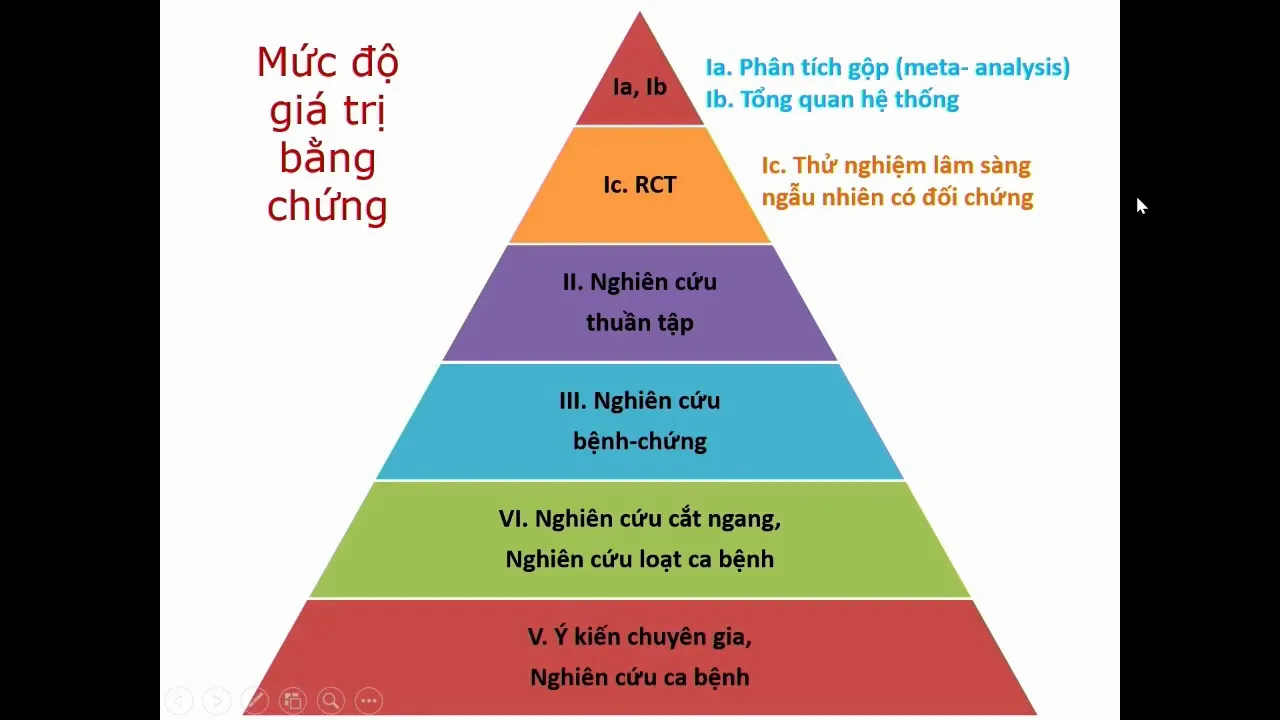
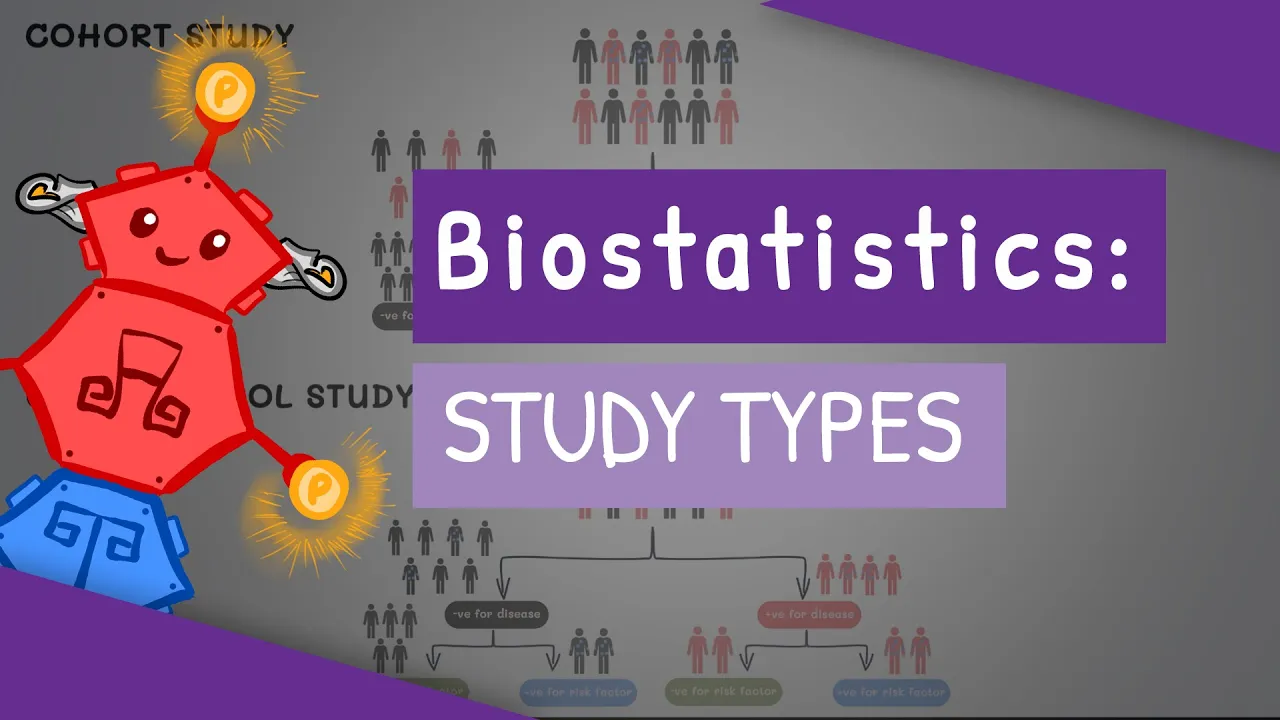
Fundamental knowledge of primary research methodologies and study designs, such as observational studies, randomized controlled trials (RCTs), and cohort studies.
A foundational introduction to research ethics, including the core principles of the Belmont Report and the general purpose of Institutional Review Boards (IRBs).
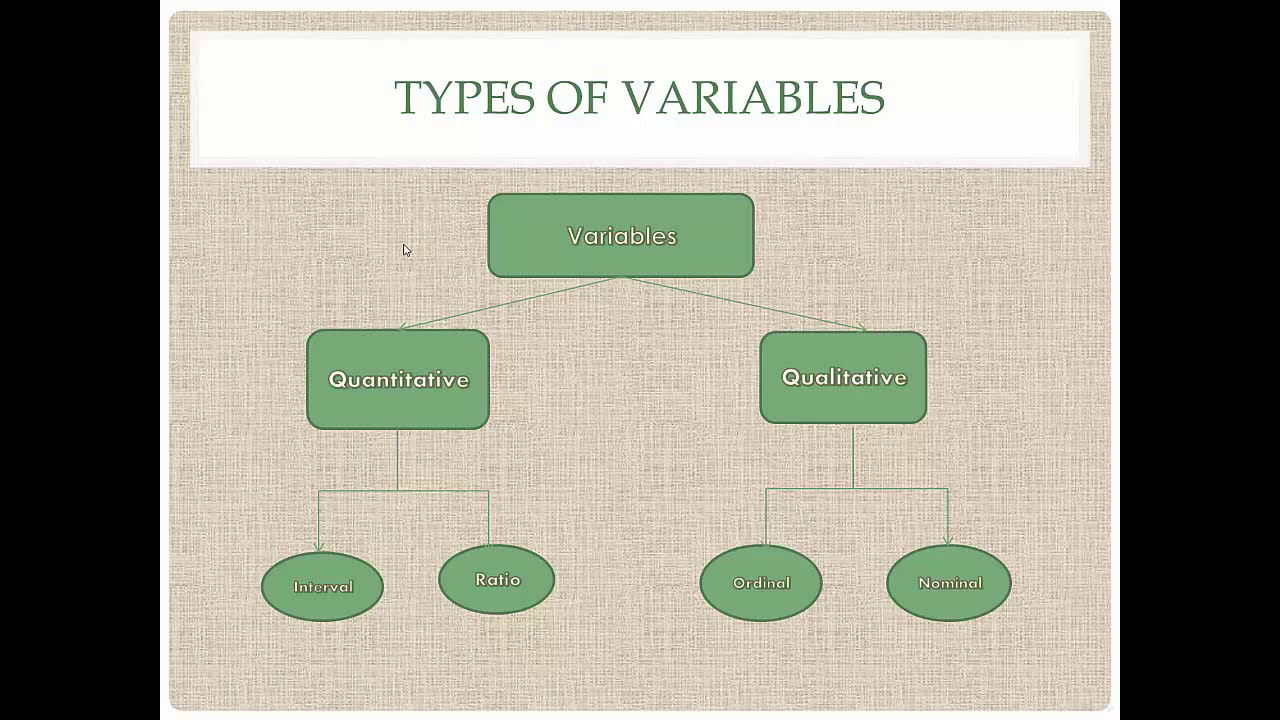
Familiarity with basic biostatistical concepts, including sample size determination, variables, and general quantitative or qualitative data collection methods.
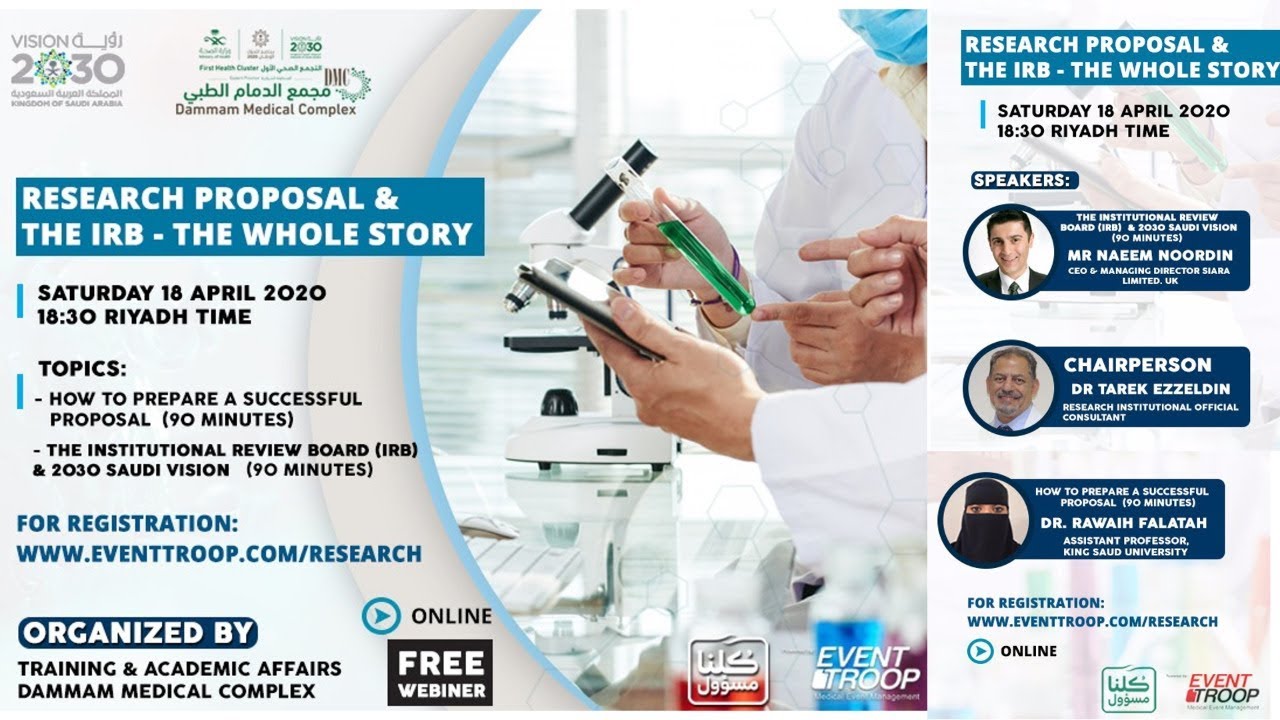
How to navigate the formal Institutional Review Board (IRB) or Ethics Committee submission and approval process for a drafted protocol.
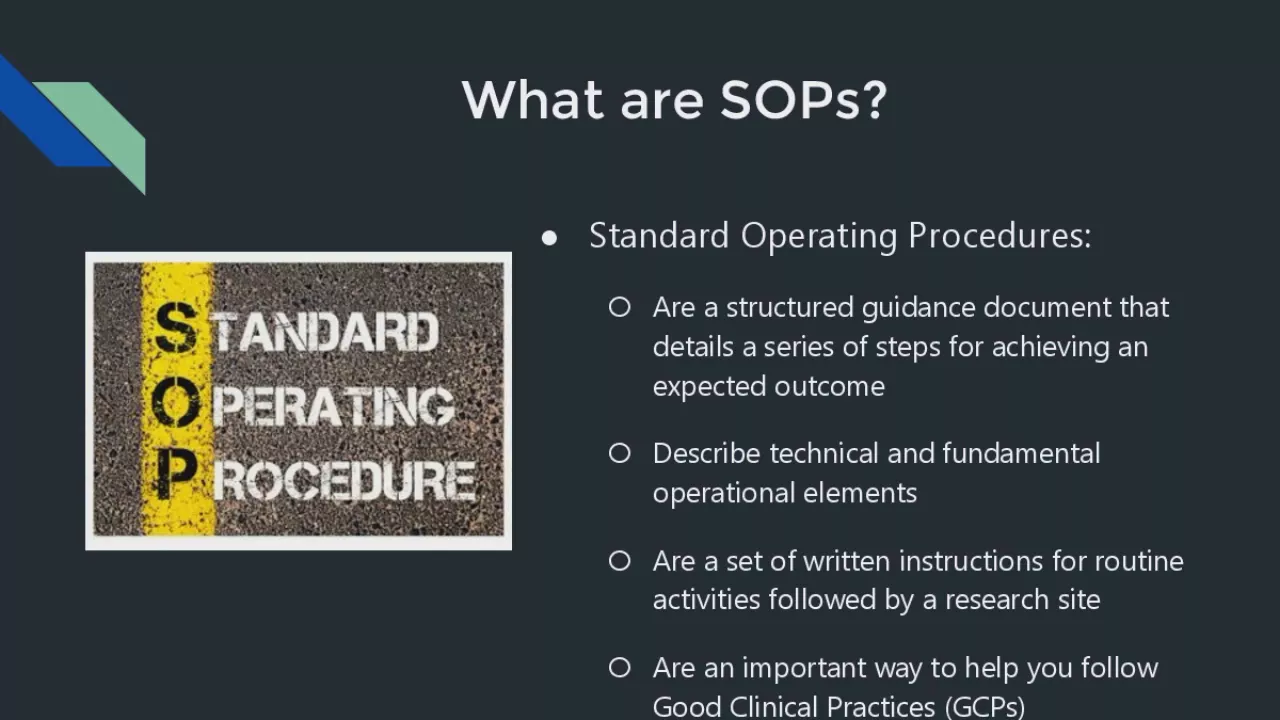
Developing operational research documents, such as Standard Operating Procedures (SOPs), Data Management Plans (DMPs), and Informed Consent Forms (ICFs).
Translating a completed research protocol into a competitive grant proposal or funding application for academic or corporate sponsors.
Understanding international trial registration standards (such as ClinicalTrials.gov) and reporting guidelines (like CONSORT or STROBE) used during the publication of study results.
36.1K views248likes21:02Original Release: 2019-08-01
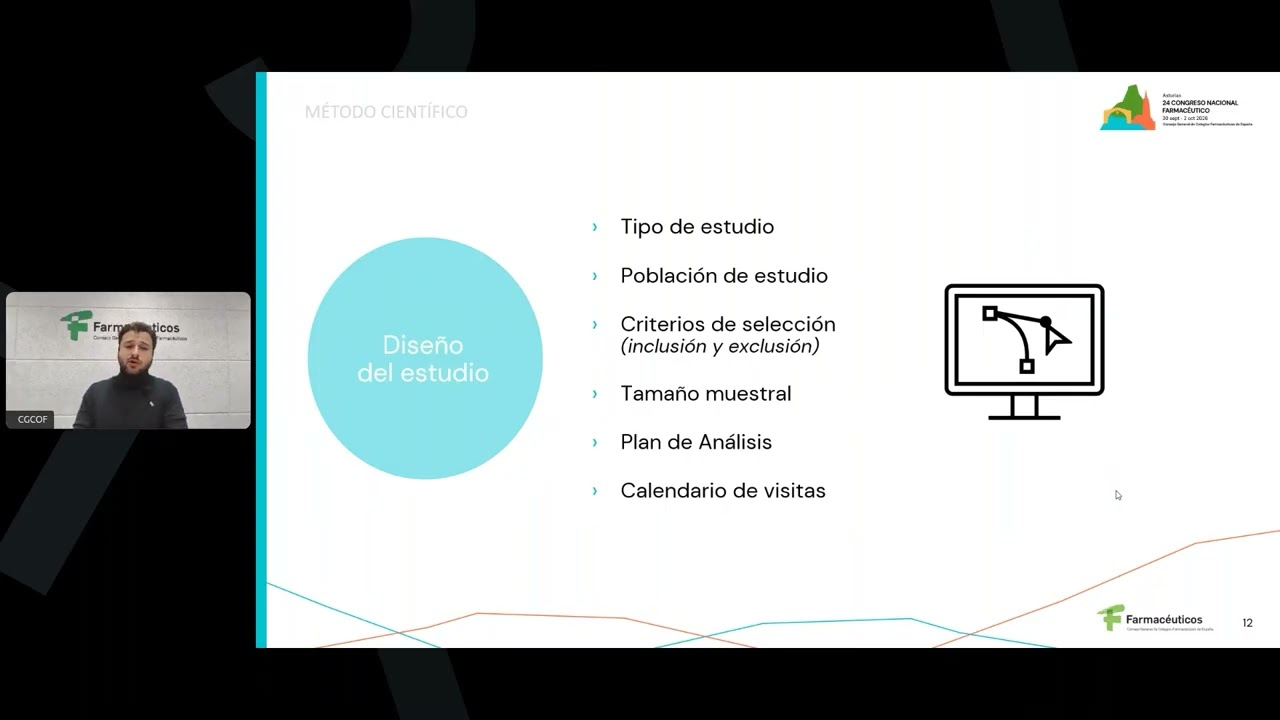
[Music] hello today we are going to talk about the elements of a protocol that you would write for a research study remember that we are in the last week of the online course and you have gone through all the aspects of how to start designing a research study starting from thinking about a research question doing sampling selecting the research participants doing measurements for exposures and outcomes looking after the human subject protection and so forth now these are all the structures of a research project and when all these structures of a research project come together in a written format and that is what is known as a protocol which is basically a written plan for a study now in the last session of writing a concept paper if you remember dr. Monica talked you through the seven steps of writing a successful protocol beginning from identifying your research topic and the study objectives outlining a one-page concept paper preparing dummy tables and that's when you get on to the to the part of writing your protocol we usually start off with writing a draft protocol and then it's refined adding various elements to it and ultimately ending up with seeking ethics committee approval before you are able to actually do the study remember that when you first start out writing the protocol you're basically writing it as you are thinking about it and if you've already made a concept paper you are in a good position because you can then just use the concept paper as an outline to actually write in more detail about various aspects that you have already mentioned as bullet points in your concept paper and develop it into a protocol usually the objective section of your protocol we would take it as you have stated out already in your concept paper but the other elements like background and justification the methods the expected benefits these are some of the sections that you would have to now give more elaborate details in your research protocol it's also generally a norm that usually the first draft should not be too long and generally about 1500 to about maybe 2,000 words with a small introduction less than one-fifth of the total protocol which will keep you focused and of course remember that you would have all you would have given a few references in your concept paper and now you can increase the references depending on what how much detail you are adding to your protocol and so you have maybe five or ten or even more key references as is needed for your protocol so as I said we need much more details and the meet the major part of the protocol would actually be your methods section wherein you give the whole detailed plan of how you are going to conduct the study starting from the study design describing the interventions if you are doing an experimental study describing your study population writing out your operational definitions what was the sampling method that you used how did you calculate the sample size what would be the data collection methods what would be the tools to do that what's your analysis plan and then a detailed project implementation plan to maintain the quality and finally the last section on human subjects protection we'll walk through each one of these steps a little bit more in detail to see how you can develop your protocol so in terms of the first paragraph would be the paragraph on study designs now this is where you explain how the objectives that you have stated at the end of the introduction section how they are can they would be measured how would you would make frame indicators and what design would be used in your study to fulfill these objectives remember your study design could be experimental or observational it could be a cohort study a case controller section study again depending on what your study objective is you need to define again a little bit more in detail in the protocol what whether your study would follow a prospective design or a retrospective design in terms of how you're going to collect data and how your study is designed in the next paragraph you would now want to describe the interventions assuming that if you're doing an experimental study whether it's a clinical trial or a community based intervention accordingly you will describe your intervention who is going to be intervened what exactly is your intervention give it in more detail what would be the time period over which this intervention is going to be applied to your intervention group and how would that be done so the whole procedure of whether you're doing a clinical intervention or a community based intervention has to be described in detail in this paragraph if you are doing an experimental study the next paragraph would be detailing about your study population what is the inclusion and the exclusion criteria that you are going to be using to select study to select the population either which may be Hospital based community based or population based into your study you would use over what time period you're going to select these people what would be say the geographical location from where you're going to select these people and what would be the individual characteristics of the people that you're going to select into your study or out of keep them out of the study which would be written in the form of an exclusion criteria remember that study population is different from the stack xual study sample that you're going to take from this population the study population is the general population among which you're going to be doing the study and a part of them you're going to be sampling based on your sample size and sampling strategy into your study next paragraph gives the details on the various operational definitions that you're going to be using in your study you spell out how you're going to define and measure your key outcome measures what would be your key exposure measures and again what would be the operational definitions of these measures remember that it you need to be very clear and specific in terms of these definitions and many a times there may be standard definitions standard ways and means of measuring the outcomes or measuring certain exposures and then it would be it's always good to use these standard definitions and again for which you would need to provide references if you are using any of the standard methodologies to define your variables that you are going to be using in the study the next paragraph is about sampling you need to give in detail what type of sampling you're going to be using whether it's a random sample or a non random sample using systematic sampling simple random sampling cluster sampling multi-state sampling or whatever the case may be as is applicable to your study and how are you going to select the sample in actual practice so the holes the all the steps in doing the sampling have to be detailed out in this section of your protocol again if you're using standard methods of sampling it's also a good idea to provide references of the standard ways in which this has already been applied in other settings if you're doing randomized clinical trials then you would be using a randomization and as was discussed earlier there are so there are several ways of doing randomization so this would be the paragraph where you would explain how which kind of randomization technique you are going to be using and how are the study subjects going to be randomized into your control group and your intervention group of course what follows is the paragraph on sample size where you will explain how you have calculated the samples what are all the parameters that you have used to estimate the sample size remember that the sample size will depend on the study objective as well as the sampling methodology that you are going to employ for your study you further need to give in detail how this estimate is generated what formulas were used whether you you will be using any softwares for doing that and again you need to provide references for these things following the sample size paragraph is the paragraph on data collection there are there would be two sections to this paragraph one part is where what are what is all that kind of data that you're going to collect whether it's social demographic characteristics the individual characteristics of the study participants their clinical histories the signs and symptoms and so forth secondly you would also need to specify how you're going to collect this data who is going to do that is it going to what data is going to be collected by the principal investigator or is it going to be some other study investigators are going to collect it is it going to be a staff nurse is it going to be an outreach worker and so forth and of course how you going to collect this data what study instrument are you going to be using to collect this in data are you going to be doing interviews are they going to be face to face they're going to be computer-based are you going to extract data using data abstraction forms or if you're doing toilet ativ methods would you be doing focus group discussions or in-depth interviews and what would be the guides for doing collecting this kind of data once you have spelled out your data collection methods the next paragraph will be explaining how you're going to analyze this data how once you've collected the data what would be your mode of data entry is it going to be manual is it going to be computer-based what software are you going to be using to analyze this data you also need to give in detail various stages that you may go through in doing the data analysis if you are going to be reco during certain variables that you are going to collect during your data collection well what are you going to estimate what parameters whether it's prevalence incidence or if you're doing analytical studies what kind of analysis are you going to go through and the various steps that you're going to go through that so all of this has to be mentioned mentioned in your this analysis plant paragraph it is not just enough to say that suitable analysis will be done carried out had for this study that seems quite vague and it's not a good idea it doesn't give a good impression it shows that maybe you're not planned your study well enough so it's always a good idea to actually lay out what all analysis you are going to be carrying out to fulfill their study objectives the next paragraph is quite important and it's actually quite a lengthy part of your protocol and which is basically detailing the steps that you are going to use to actually implement this study to ensure data quality at all stages of the study in the way you're going to collect the data in the way you're going to do data entry and analysis how you're going to report these study results this is also the place we are going to give in detail the various roles and responsibilities that the investigators in the study have it's also a good place to provide what would be the project governance who is the response who would be responsible for this project both in terms of administrative responsibilities as well as the technical responsibilities who's the PA the primary investigator who are the co investigators what their roles are and how various project activities are going to be coordinated so basically with all the logistics of actually implementing the data collection phase in the field and of course you need to also provide what's what's going to be the timeline for your study so what's going to be a study period how are different phases of your study starting from say designing the instrum getting approvals from ethics committees then doing pilot testing and then actual collection of data followed by data entry analysis and so forth so you need to give a timeline over the period of your study or for various activities that are you are going to be doing as part of implementing your study the last paragraph in the methods section is the paragraph on human subjects protection and this is where you explain in detail how you're going to make sure that your study participants are protected from any harm and here this would usually have subheadings in terms of what are the potential risks that you foresee your participants may be going through when you are collecting data what are the procedures that you're going to use to minimize these risks how are you going to maximize the benefits are you going to give them any compensations again this is the place where you give in detail of what kind of informed consent are you going to take from the study participants is it going to be a written consent an oral consent what are the who is going to take the consent how long will it take what would be the various elements of this consent and then what would be the various procedures that you would need to get approval for your study from the ethics committee of your institution now once you have put together all these elements in the protocol you also need to append to it all your data collection instruments depending on your de study design your study objectives and so forth you would have decided what data collection instruments you are going to be using whether these are questionnaires or abstraction forms structured observation guide or if using qualitative methods and either an in-depth interview guide or a focus group discussion guide whatever be it this is the place where you're going to append all of these instruments to your protocol and it's always a good idea to have these instruments in local languages as well because that's how it in the you're going to be collecting data so you would have both the data collection instrument in English as well as in the local language and then at the end what we need to do is to put nxs which gives in more detail various different components of actual study implementation these could include things like forms which state the various standard operating procedures of how you're going to be collecting information whether this is field based or laboratory based or clinic based and so forth you may want to provide a what how you're going to train your field workers or train your study investigators in collecting data what would be the training module and the framework for the same if you have participant recruitment materials that's something that gets appended into the NX's other forms such as adverse event management form study management forms again would form a part of the or annexes and most importantly would be your consent forms the participant information sheet as well as the consent statement form wherein the study participant who would be signing off on for agreeing to participate in the study again remember that wherever participants are involved and wherever you have forms that involve participants you may need to have forms both in English as well as in the local language and of course once you have put this all together you need to firm it up remember that writing a protocol is usually not a one-step process it goes through several drafts and it's always a good idea to actually get it reviewed through your peers which could who could be your colleagues or even subject matter experts and get feedback from them and then revise and revise your protocol to get to a final stage where it can be submitted for review to the ethics committee now the ethics committee may themselves have certain suggestions or they may want some things to be changed or revised in your protocol so you will have to be doing that and so again they will lead to another draft of your protocol so by the time you are ready with the final draft you would actually have multiple drafts and it's always a good idea to archive all these drafts so that you know how your study has evolved and what are the different ways in which you have planned your study now as a resource material I would like you to take a look at this website which is called equator - Network dot o-r-g and this is a website which would be very useful for you to develop study protocols it has a lot of links and a lot of resource material one of the important one which is right there on its home page is what they call the reporting guidelines for main study types and if you look you have guidelines for observational studies for experiments for clinical trials for qualitative research diagnostic studies and so forth and you even have one section on study protocols so there is the spirit protocol the spirit guidelines which basically gives you guidelines on how to write a protocol for clinical trials in particular and then the other reporting guidelines whether it's the concert statement or the strobe for the observation studies Prisma for looking at meta-analysis and systematic reviews although these are called reporting guidelines but you could actually use these templates to even make your protocols because ultimately what you are going to report is going to be based on how you have written your protocol so remember that we have come to actually the last week of this course and you would have seen this lifecycle in the week one and we have been following this lifecycle of research which takes you through various steps in which you would do a research study and please keep this in mind that following this lifecycle is vital so to have a study that is logical that is focused and that's efficient in the way that you're going to conduct the study so whenever you are thinking of writing a proto study protocol designing your study make sure you do not jump across the steps of this lifecycle and you follow the step one after the other and I ensure you that you're going to end up with a very good protocol for your study design thank you
Up Next
41:48
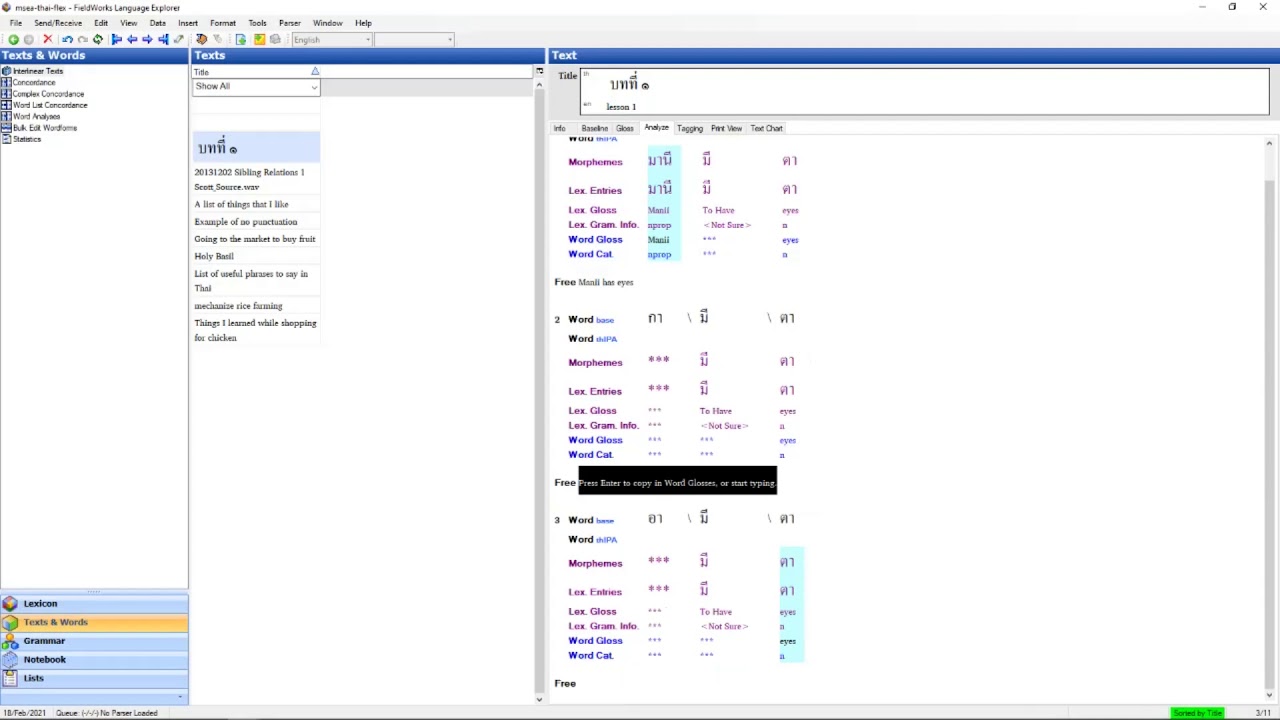
Fieldworks Language Explorer (FLEx) Tutorial: Data Collection to Publication
@linguisticsinstitutepayapu2815
3.8K views•2021-03-05

12:54
Triumph of Orthodoxy Icon: Byzantine Art & History Explained
@BenCallan
2.1K views•2024-08-06

9:49
FastAPI vs Flask vs Django: Choosing the Right Python Web Framework
@TechWithTim
302.5K views•2024-05-26

1:42
Game of Thrones Opening Credits: A Cinematic Analysis
@gameofthrones
46.3M views•2011-04-18
Related Study Plans & Knowledge Roadmaps
Structured learning paths in General & Interdisciplinary Studies
general-studies
Elevator Engineering: History, Physics & Cities
01From Hoists to Safety Brakes: The Dawn of Vertical Lift
02Hydraulic vs. Traction: The Engineering Physics of Elevators
03Modern Speed, Safety, and Algorithms
+ 2 more learning modules
12h5 modules
Explore Roadmap
general-studies
Rubber: Material Science, History & Geopolitics
01Origins of Natural Rubber & Mesoamerican History
02The Chemistry of Natural Rubber & Vulcanization
03The Geopolitics of the Rubber Boom & Colonization
+ 2 more learning modules
12h5 modules
Explore Roadmap
general-studies
Containerization: Evolution, Logistics & Trade
01Ancient Trade & Bulk Cargo: Amphorae to Barrels
02The Industrial Revolution & Cardboard Packaging
03The Containerization Revolution: Malcom McLean
+ 2 more learning modules
12h5 modules
Explore Roadmap
general-studies
Textile Tech: Evolution, Labor & Global Impact
01Pre-Industrial Textiles: Handloom & Cottage Industry
02Mechanization: The Spinning Jenny to the Power Loom
03The Factory System & Global Labor Transformation
+ 2 more learning modules
10h5 modules
Explore Roadmap