











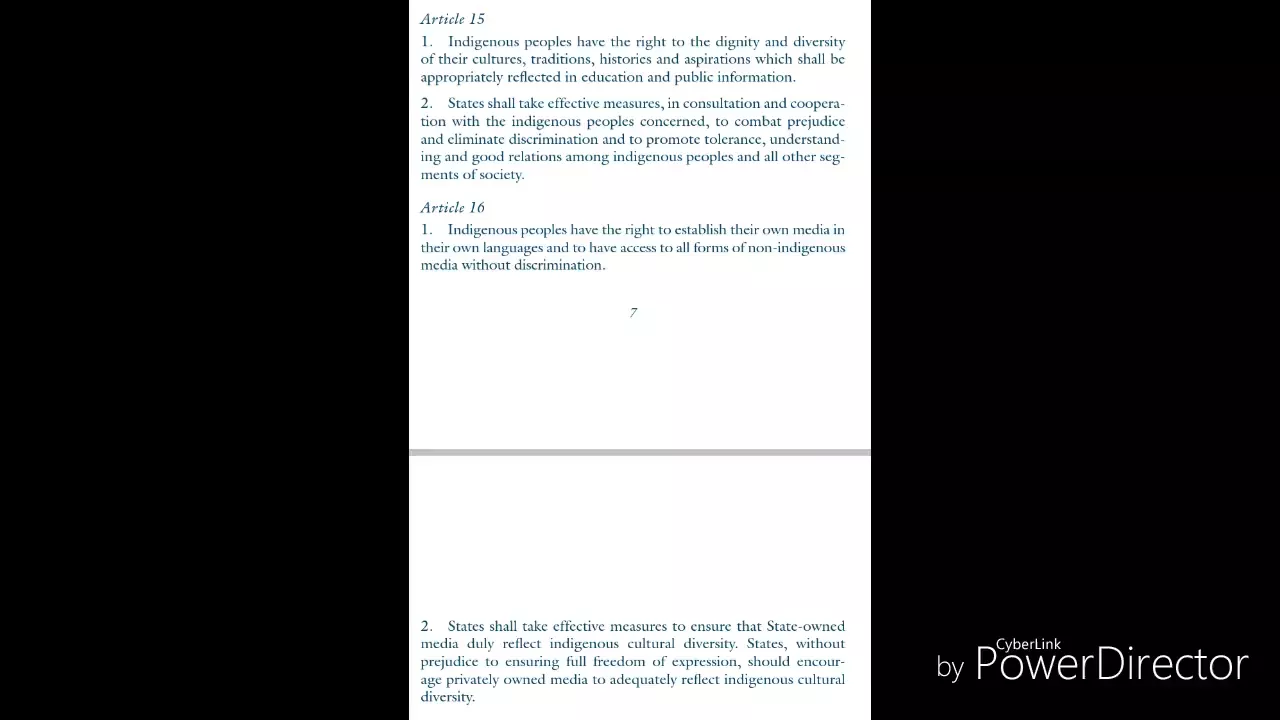




This presentation by Dakota Recollet, Cultural Safety Manager at the Indigenous Primary Health Care Council, examines the harmful history of research practices involving Indigenous peoples in Canada, including unethical experiments on residential school children and exploitation of Indigenous knowledge, and explains why data sovereignty is critical for Indigenous communities to reclaim control over their knowledge, heritage, and data. The presentation outlines ethical research practices including community control, reciprocity, cultural safety, and the two-eyed seeing approach, emphasizing that true partnership requires humility, openness, and genuine collaboration rather than imposing external research agendas.
Research Ethics, Data Sovereignty & Indigenous Trust (ORIHI Speakers Series) - With Dakota Recollet
Added:Foundational principles of research ethics involving human participants, including informed consent, respect for persons, and institutional review processes.
The historical context of extractive or exploitative research practices conducted by academic institutions within Indigenous and marginalized communities.
An introductory understanding of the OCAP® Principles (Ownership, Control, Access, and Possession) as they apply to First Nations data governance.
Familiarity with national ethical guidelines, specifically the Tri-Agency Framework (TCPS 2 - Chapter 9 in Canada) regarding research involving Indigenous Peoples.
Practical methodologies for Community-Based Participatory Research (CBPR) that actively share power and decision-making with Indigenous partner communities.
Advanced legal and policy frameworks, such as how the United Nations Declaration on the Rights of Indigenous Peoples (UNDRIP) applies to digital data and intellectual property.
Drafting and negotiating Data Sharing Agreements (DSAs) and community-specific research protocols for future academic or corporate studies.
Analyzing the challenges of big data, open-science repositories, and artificial intelligence in relation to localized Indigenous data sovereignty and cultural privacy.
177 views1likes57:34Original Release: 2025-04-03
[Music] Hey, hey, hey.
[Music] Hello quay tani guu anjour and welcome everyone to this event hosted by Oler Research Institute for Health Innovation. My name is Angel Petrop Panangos and I'm an ethicist in Oller's ethics quality improvement lab and I have the pleasure today of welcoming you here to this special event together with the indigenous primary healthc care council. To begin our time together, I'd like to first acknowledge the rich history of the lands where the Oller community now works and gathers and to honor the indigenous peoples who've cared for this land since time in memorial. Much of Oller's work takes place on this land which is now known as Peele and Atobbico. This land where many of us live, work, and play is the traditional territories and treaty lands of the Wendette, the Hoden, and the Missagas of the Credit First Nation. On behalf of Oler, I'd like to express gratitude and pay respect to the caretakers of this land, the Inishab and other First Nations, Mate and Inuit, um, of the past, present, and future. I'm joining today from my home in Missaga, which is part of the treaty and traditional territories of the Missagats, the Credit First Nation, the Huda Nachos Confederacy, the Hiron Wendat, and the Wandot P uh the Wan, excuse me, the Wandat Nations. I was born here uh and raised here, but like many people in the Oller community, I'm an uninvited settler on this land. About 60 years ago, my own family immigrated from Peloponi, Greece. As I work towards better understanding the past and present context of anti-indigenous racism and colonialization, I'm professionally and personally committed to building openhearted relationships with indigenous partners, being a better ally, and taking actions towards supporting the goals of truth and reconciliation. To support these responsibilities, I regularly read indigenous scholarship, attend and promote events held by indigenous knowled knowledge keepers, and try to help make more space for indigenous voices. In the words of Christine John uh the founder of Awavision Strategies and member of the Sagamoka and Nishabek First Nation and current resident of the Sagin First Nation uh she said engagement is about uh building trust and long-term relationships and all relationships take work. There will be challenges, moments of tension in times when things don't go as planned. But with commitment and a strong foundation, missteps can be avoided or navigated with respect, openness, and accountability. So my call to action for the Oller community and for those of you who are joining us virtually from other places is to consider how you and your organization are approaching indigenous engagement. I encourage all of us to commit to seeking and embracing opportunities for building trust and long-term relationships with indigenous organizations, colleagues, peers, patients and community members and importantly to move forward in a good way with respect, openness and accountability. So on today's webinar, we respectfully acknowledge the diverse community of indigenous peoples representing a multitude of distinct nations who have for generations lived, worked, and played, and cared for these lands and waters. I'd like to again express our commitment to honoring indigenous communities and nations across the territories now known as Canada. The goal of discussions like the one we're about to embark on together today is towards repairing and rebuilding trust with indigenous communities and to explore how we can adapt our work in particular our research practices in ways that take into account the cultural, spiritual and body uh bodily needs of the communities that we serve. Thank you. So Dakota, there you are. I'd now like to welcome Dakota Recolay, the cultural safety manager at Indigenous Primary Healthcare Council, where she supports training for individuals working in the health care system to learn the importance of adopting culturally safe and appropriate practices to ensure the best quality of care for indigenous peoples. Dakota has worked in First Nation communities as well as urban indigenousled organizations focusing on health promotion and prevention for indigenous peoples as well as advocacy efforts to support the enhancement of health care access for indigenous peoples and communities. Thank you for joining us today, Dakota. We're so honored to have you. The new Oller Research Institute for Health Innovation hosting this event is committed to ensuring that our research reflects the priorities and needs of the communities we serve. This is one of the priorities of Oryhigh and we know that true partnership is the key to creating research that makes a difference. Thank you for being a part of today's conversation. I really look forward to learning more. So now Dakota, I turn it over to you.
Thank you. Okay, I will just share. Can everybody see that? Okay.
Just want to make sure I'm sharing the right slide. It looks great. Okay, perfect. Thank you. Uh, thank you so much for the warm introduction. Uh, so yes, my name is Dakota Reckley. I'm the director of our indigenous cultural safety program here at IPHCC. Um, I've been here for about four years. Um, from uh with Quum Kong Unseated Territory on Manatulan Island. Uh, I do reside in Sedbury though with my husband and my five children. So, thank you so much for having me. Um, I'm gonna jump right in because I know we have a little time today and there's a lot of information to get through. So, I'll do my best to get through everything. Uh, so today's session is going to aim to unpack the harmful history of research practices involving indigenous peoples and explore why data sovereignty is critical for indigenous communities. Um, a little bit about the indigenous primary healthcare council before we get into the session. Uh we are an indigenous governed and indigenousled organization. We have 25 indigenous primary healthcare organization members throughout Ontario who provide services to First Nation, Inuit, and Matei people. Uh our key mandate at IPHCC is to support the advancement and evolution of indigenous primary healthc care services and we incorporated with the objective of working collaboratively, collectively, and deliberately for the health and well-being of indigenous peoples.
Uh so a few learning objectives for today's session will just be focusing on understanding the historical context and harm caused by unethical research and data practices. Recognizing the ongoing impacts of historical trauma resulting from colonization, residential schools and forced assimilation. Uh look at how we define indigenous data sovereignty and explain its significance in reclaiming control over indigenous knowledge, heritage and data. and then identify ethical research practices and governance frameworks that empower indigenous communities and ensure culturally safe data handling. Uh so in 2015 the truth and reconciliation commission released its report which identified 94 calls to action uh emphasizing research's role in reconciliation. Some key principles include addressing colonial legacies and the necessity of joint leadership, trust building, accountability, transparency, and significant resource investment. In 2018, the federal government allocated 3.8 million to SSHRC supporting a strategic plan for indigenous le and community partnered research enhancing indigenous communities capacity to direct their own research.
So historically indigenous health research used a very top-down or western centric approach. It often disregarded indigenous knowledge and experiences.
Researchers external to communities usually maintained the control frequently denying indigenous peoples the opportunity to lead or contribute meaningfully to the research process.
And this ideology prioritized knowledge acquisition over community interests. So it reinforced that colonial control over the research and the data. The history of research on indigenous peoples and communities is a complex and often painful one. It is intertwined with colonization and the attempts to assimilate and control indigenous peoples and their land. From the earliest forms of research that used indigenous knowledge to aid European explorers to the more recent efforts to decolonize research and center indigenous perspectives. The history of research on indigenous people in Canada reflects the broader historical and ongoing struggles for indigenous sovereignty and self-determination. So, one of the earliest forms of research on indigenous people in Canada was the use of indigenous knowledge as mentioned to aid European explorers in navigating the land and surviving in harsh environments. So this included learning from indigenous people about how to hunt, fish, and gather food, as well as how to build shelters and navigate through unfamiliar terrain. However, this research was often exploitive and did not recognize or value indigenous knowledge and expertise on its own terms.
In the late 1800s and early 1900s, the Canadian government implemented policies through the Indian Act such as residential schools, Indian hospitals, and child welfare interventions. These aim to assimilate indigenous people and strip them of their culture and traditions. Implementation of these policies along with others had long-lasting effects on indigenous people and communities mental, emotional, physical, physical, and spiritual well-being. And during this time, many researchers studied indigenous peoples with the goal of proving their supposed inferiority and justifying colonial policies. This included anthropologists, sociologists, and other social scientists who conducted studies on indigenous people without their consent. So the history of research on indigenous people in Canada um is a fraught one. It's uh provides a lot of examples of harmful and exploitive practices. One of these examples includes the use of res residential school children um in medical experimentations without their consent or without their parents' consent. These experiments included the administration of experimental vaccines um withholding of adequate nutrition and medical care resulting in lasting harm to many indigenous individuals.
Uh there was nutrition experiments conducted um at various residential schools throughout Ontario. They were designed to test effects of dietary interventions on malnourished children.
Um so many who attended a residential school um were experimented on. At some schools, students were given um a fortified flour which was not yet legal in Canada. at others vitamin supplements and in some schools the milk ration was tripled to see whether it had any noticeable effect on the low vitamin levels of students at the school. Um students also had blood tests done on them and medical examinations to test these various experimentations. It is felt by the indigenous community that residential school students were chosen to be test subjects for many reasons. They were considered wards of the state and as such the government had control over much of their lives and their parents did not. The fact that they were already malnourished made them good candidates for nutritional research and these children who were indigenous um made them ideal subjects to a certain extent from the perspective of these scientists. So this may be a contributing factor to push back from indigenous people and communities when studies focus on vulnerable or structurally marginalized groups. There is no evidence that researchers ever tried to get parental consent for these tests. And it's not that consent just wasn't done for experiments at the time as re researchers did get consent for another similar school trial um when they were testing the effectiveness of free school lunches on children's health in 1947. Um but in that case these students were not indigenous.
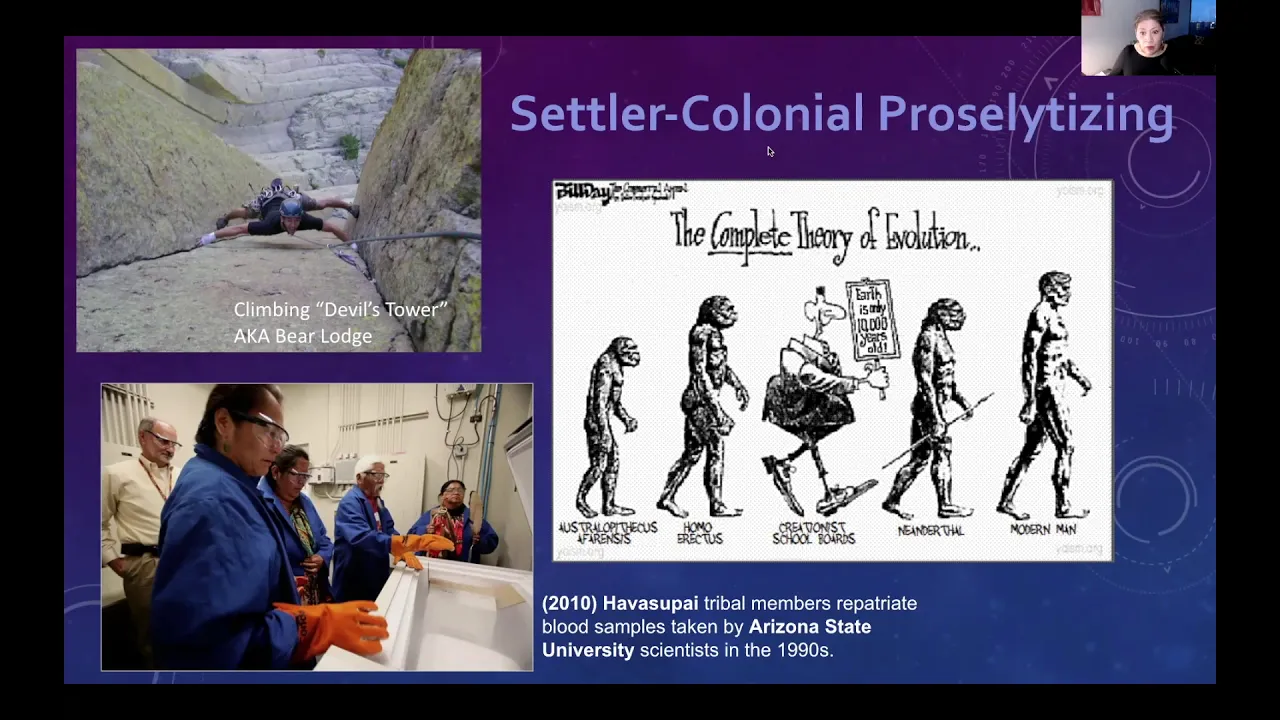
So another example is um how historically blood samples were taken from indigenous individuals and communities and they have been subject to significant ethical violations often collected under false pretenses or without clear and informed consent. Um these samples initially intended for specific medical purposes such as diabetes research were often repurposed without community knowledge or approval.
Examples include unauthorized genetic testing for conditions such as schizophrenia or arthritis, ancestry studies, and even distributing samples to thirdparty researchers without consent. Such unethical practices underscore a profound breach of trust, disrespect for indigenous autonomy and highlight the urgent need for ethical accountability, transparency, and clear communication with indigenous communities regarding how their data and biological materials are collected, stored, used, and shared.
Um so some harmful research practices um it's a long list um but these are lead to a lot of the reasons of why indigenous communities still have so much hesitancy when we hear about research and data. So misconception of voluntary consent indigenous research was funded by government agencies which also controlled resources to which the community depended on. So as a result, many indigenous communities were fearful to refuse consent for participation in inks that their funding for essential resources would be taken from them. Apathetic towards indigenous priorities. So researchers determine subjects and research topics of their own interest or no interest to the larger society with little to no concern for the needs of the community. And when researchers expressed community involvement, oftentimes they came into the community with their research plan already developed and funded, demonstrating zero levels of true collaboration. Uh researchers would analyze, interpret, and report on indigenous data without consent, approval, input, or review from these communities. Um they would profit professionally and economically from this research, but do not employ local people or offer compensation to research subjects. Um, helicopter research is a big one where researchers would come into communities and conduct research without meaningful engagement or consultation with community members. And this often resulted in research that would be irrelevant or harmful to the community perpetuating those historical exploitation um of indigenous peoples.
Uh, significant lack of cultural safety.
So with informed uh without informed consent processes. So oftent times consent was not presented in language or manner adequate to fully understand what informed consent meant. Um some issues with confidentiality. So researchers did not always protect the confidentiality of indigenous participants or communities to the same degree that they would for non-indigenous participants.
um conducted genetic research demeaning indigenous dignity as evident by the examples shared presence of alternative motives. So through the misuse of blood samples examples where researchers tried to establish ancestry to use against indigenous people by attempting to prove they were desensive human remains and cultural property was taken without permission for storage display in museums or for sale as well. Scientists and collectors sought out skulls, bones, and skeletons to research theories about race, evolution, and human history. Often, data provided by researchers was distorted and treated as a commodity. In addition to that, governmental researchers have collected information about traditional remedies and then marketed them for profit. And research tended to focus on the problems and it was deficit-based, further perpetuating negative stereotypes about the population and communities.
So for many indigenous people, research is considered a harmful word. It is linked to the history of colonization and there are ongoing concerns of further attempts of assimilation.
Cultural designations are rarely used.
FNIM people are lumped together as indigenous with no differentiation or appreciation to the uniqueness and difference both among and within the communities. In quest for knowledge, it is thought that researchers that researchers quote of context and don't give anything back to the community which has added to feelings of mistrust towards research and researchers. So again in the past indigenous people and communities would gladly share their stories and provide hospitality to the researchers but they feel as though they are taken advantage of when they take what they want and then leave. There is a sense amongst indigenous communities that the population has been researched to death. This is particularly relevant when the research fails to be relevant or applicable to their communities. And when it comes to ethics and consent, it is felt as though just because researchers go through ethical reviews does not mean the research is ethically or culturally appropriate for indigenous communities. And finally, it is also felt that when indigenous ways of knowing and scientific thought collide that jagged worldviews are colliding.
Uh so I'll go over a bit of a timeline um really quickly. So in 1876 the Indian Act was passed. In 1920 uh the medical researchers began studying indigenous people's health. In 1928 the Indian health survey was conducted. In the 1930s the Canadian government began conducting medical experiments on indigenous children in residential schools. In the 1970s, indigenous people began to challenge these exploitive researchers leading to the development of the OKAP principles um of ownership, control, access, and possession. Uh in 1974, the National Indian Brotherhood, which is now known as the Assembly of First Nations, released a report highlighting poor health outcomes and called for greater control over healthcare delivery in indigenous communities. 1986, the Canadian Institute of Health Research was established, which funds health re research in Canada, including research on indigenous health. In the 1990s, research shifted to a more collaborative community-based approach with researchers working with indigenous communities to identify their priorities and strengths. In 2000, the establishment of the First Nations Information Governance Center to ensure research in indigenous communities was respectful and ethical. And in 2010, the CIHR established the Institute of Aboriginal People's Health to support research that is respectful and relevant to their their communities. So, indigenous people in Canada have a long history of resilience, continuously resisting and actively challenging colonial oppression and assimilation policies imposed by external powers. This resistance has taken many forms, including the preservation and revitalization of traditional cultural practices, grassroot political organizations, advocacy, and strategic legal actions.
In recent decades, there has been a significant shift towards decolonizing research practices. Indigenous communities and scholars are advocating strongly for research approaches that prioritize indigenous worldviews, voices, and methodologies.
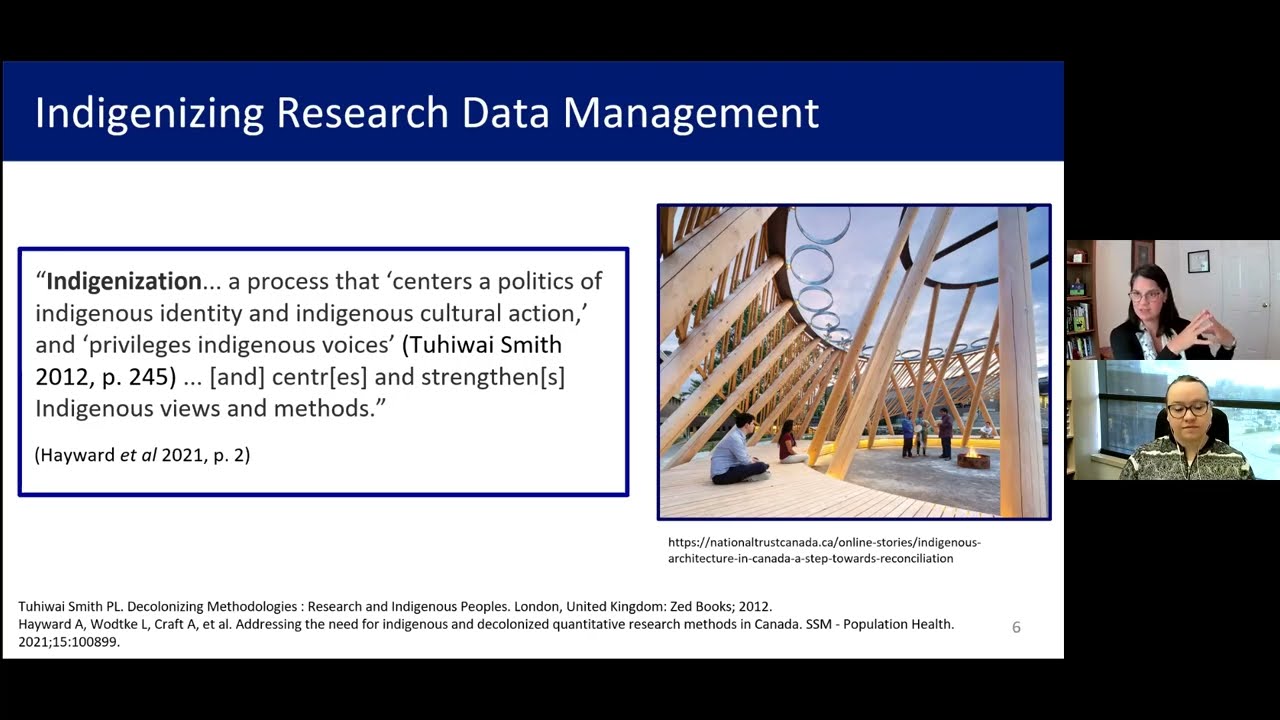
Decolonizing research involves recognizing indigenous knowledge as valuable and legitimate on its own terms, shifting away from historically exploitive methods towards more equitable, respectful, and collaborative practices. And central to this movement is the principle of self-determination, which is empowering indigenous people and communities to lead research that aligns with their own priorities, needs, and visions for the future.
Um, so decolonizing research with indigenous people does prevent significant challenges primarily because it requires researchers to critically reflect upon and challenge their own ingrained biases, assumptions, and established methodologies. It involves shifting away from conventional power dynamics and learning to truly partner with indigenous communities. And this requires humility, openness to feedback, patience, and genuine collaboration rather than imposing external research agendas. Building respectful, ethical, and mutually beneficial relationships is fundamental. This involves ongoing dialogue, transparency, and prioritizing community needs and priorities above purely academic or institutional goals.
Despite these challenges, decolonizing research offers profound opportunities.
It creates potential for meaningful collaboration, promoting mutual respect, understanding, and shared learning.
Decolonizing research practices enable the creation of richer, more inclusive knowledge grounded deeply in indigenous worldviews, values, and methodologies.
And this approach not only enriches research outcomes, but it also contributes positively to reconciliation. So embracing these practices can help to build authentic relationships and advance indigenous self-determination and promote innovative ways of knowing that benefit broader society as well. Um so just sharing a quick quote here from the honorable Kirsty Duncan um who this quote came from the minister of science and sport. First Nations matey and Inuit in Canada have been kept on the sidelines of Canadian research for too long.
Uh so moving forward um we can focus on building and maintaining trust with indigenous communities in order to conduct ethical and successful research.
And the following are just some guidelines that can be considered when doing this. Uh so recognizing the diversity of indigenous communities.
They are diverse in terms of culture, language, and history. And it's essential to respect these differences and not treat all communities the same.
Uh before starting any research, take time to build these relationships with the community. And this could involve attending community events, engaging with community leaders, and seeking guidance from elders or knowledge keepers. Research should be driven by community needs and priorities, not just the interests of the researcher. Ensure that the research aligns with the values, goals, and aspirations of the community. Making sure you're obtaining informed consent from community members before starting any research. This involves providing information about the purpose, risks and benefits and the right to withdraw at any time. Um, and again using uh different methods to ensure that there any sort of language barriers or culture barriers are being addressed so that they understand what informed consent means. Use a collaborative approach. So involving community members in all stages of the research from design to dissemination. Respecting indigenous knowledge and intellectual property. So recognizing that um this indigenous knowledge and intellectual property you have permission and ensure that is appropriately cited and acknowledged.
Protecting the confidentiality and privacy of community members providing feedback to the community about the research findings and how the research can benefit them and building capacity within the community to conduct research independently and then following up. So, one thing um we hear so often from communities is that there's no follow-up after research is conducted. So, ensuring that the community is informed of any follow-up studies and provide ongoing support to the community where needed. Um from an indigenous perspective, meaningful engagement and collaboration involve building relationships based on mutual trust, respect and understanding. So, the following are some key principles or wise practices that you can follow. Um and we had mentioned these a little bit before. So relationship building, building trust and working off of those different um factors. Community control. Indigenous people believe in community control and self-determination. So this means that meaningful engagement and collaboration must involve. Indigenous communities to take the lead, set priorities and make decisions that align with their values.
Um reciprocity. Indigenous people value reciprocity and believe that engagement and collaboration should be based on mutual benefit. Cultural safety.
Indigenous people value cultural safety which involves creating a safe and respectful environment that is free from discrimination and racism. So engagement and collaboration must be culturally appropriate, culturally safe and research researchers must understand the cultural context in which the research is being conducted and two-eyed seeing approach.
So indigenous peoples value this approach which involves integrating indigenous and western ways of knowing.
Meaningful engagement and collaboration should draw on both indigenous and western knowledge systems and involve indigenous knowledge holders in the research process.
Uh so the seven sacred values or seven grandfather teachings um they are kind of referred to in different ways in different cultures that they can be useful stepping stones to creating a wise practices framework for researchers to embed in their own work. These values may differ slightly across Canada but the intent is much the same to think reflect and choose before you speak or act. The wise practices journey through the seven teachings or values begins with understanding and embracing the significance the following values can play in anyone's life. So courage to speak to reveal to reach out to be open and introspective. Honesty to know yourself and your own values, biases and beliefs.
To speak from the heart and soul and to allow yourself to truly be seen known and to be known. Humility knowing that we are all in this together and all have inherent value. No one person is greater than any other. We are all ordinary and extraordinary beings. And our greatest task is to learn to be of service.
Respect coming together and honoring place and space. And knowing that this is something you need to give in order to get truth is not the only tr is that knowing our truth is not the only truth.
There are many paths to home and we are created equal. No matter how much we learn, there is much we do not know.
Um unconditional acceptance of self and other accepting and embracing difference allowing and gracefully being giving of everything we are and wisdom providing an expansive and inclusive view of the world. Um I do have a video but I might just put the link um in the chat for you guys later because it's about 8 minutes so I think we will run out of time if I share it.
But it is a very um powerful video that talks about indigenous research as storytelling. Um so storytelling is a very integral part of indigenous culture and this speaks about how research and data collection is just is more than just numbers but it can be sharing of stories and using that to to share knowledge and transfer knowledge. So how we define indigenous health data. So, indigenous communities in Ontario, including FNIM populations, face unique health challenges stemming from complex interplays of historical, social and cultural factors. These challenges include higher rates of chronic and infectious diseases, mental health and health disparities and uh these stem from social determinance of health such as poverty, housing and access to education among many others. So the biggest thing is to address these challenges effectively, we need to develop culturally appropriate and relevant health data that inform services and policies tailored to Ontario indigenous health needs. And health data is considered indigenous when it is derived from indigenous people, communities or organizations and importantly reflects their unique historical and cultural and social contexts.
So how we can bridge the gap understanding the value of data and the people to whom it most affects we need to look at frameworks which protect indigenous first nations inuit matey data sovereignty on every level across the health system and to in order to do this we can take a two-eyed seeing approach to data so looking at data from both a traditional and western lens and we can also look at data from a local governance and provincial oversight approach. So ownership indigenous knowledge vital role in promoting the wellbeing within first nation and munities an intergenerational transfer of knowledge is essential promoting indigenous and understanding health. Uh so this is our model that we use. I'm going to go through the next couple of slides fairly quickly. Um I Oh, I hope everyone can hear me. I'm says my internet connection is unstable.
So if if you can't hear me, just like put your hand up or something, but I'll keep going. Um so our model of holistic health and well-being informs integrated care that is inclusive of the physical, emotional, mental, and spiritual well-being. It speaks to the value and necessity of incorporating traditional healing and service delivery delivery promoting health and well-being across all aspects. And it uses culture as healing at the core of treatment providing interprofessional and team-based primary health care that is grounded in culture and grounded in traditional ways of knowing. And so our data team here at IPCC, I will do my best to speak to this, but they are definitely articulate it a lot better.
Um so they use our model of holistic health and well-being. They use this to inform um data collecting and data sovereignty in a good way. Uh so how they use this data improve population health outcomes, research, advocacy, evaluation and QI and administrative data and then storytelling. So as I mentioned um we tell stories with our data and we've termed this stories of strength um which is where we are trying to move beyond just that quantitative um aspect of data and how we collect data not just viewing it as numbers or um that sort of thing and really using um people's stories to share data and to share um these stories of strength. So that's um our our way of uh guiding certain principles. So um knowing that OKAP principles do not always um cover data sovereignty when you look at the diversity of indigenous communities.
It's recognizing that there's urban indigenous inuit mat. Um so trying to take all the principles and create something that's a little more um meeting the needs of their diversity is is what that aims to do.
Um so our team here at IPHCC as well as our membership we define data sovereignty using the four Ps methodology in alignment with the two-eyed seeing approach. So partnerships, policies, personal experiences and processes. Uh these are some of the key measurement concepts um within each of those domains of policy, process, partnerships and personal experiences.
Um, so ensuring there are culturally safe policies or strategies in place, assuring that appropriate processes are in place to uphold and execute culturally safe policies and strategies, determining whether relationships are in place with indigenous communities and ensuring that indigenous people feel safe and respected while receiving their care. So why are these principles important? Um, it helps us to keep eyes on the bigger picture allows us the ability to tell stories through meaningful engagement. Looking at data as being the building block for the stories we share on behalf of our members. Data principles that enable us to tell our stories with integrity while maintaining the sovereignty of the data and stories that are shared. The pro the principles provide a pathway to accountability. It gives way to access and control and provides visibility on what the data is being used for.
um it aligning the principles of the data life cycle in a more culturally appropriate way and allowing us the ability to benchmark performance across the sector. Um so cultural safety is the foundation of indigenous data governance. So ensuring indigenous cultural safety within organizations is an important foundation for enabling appropriate indigenous data governance.
Uh just sharing another quote here.
Indigenous people are often categories into the other category and therefore not represented in the data. This junk data category tells us nothing. Why is it still included in standard data collection nationwide? Uh so the following two slides are just some empowerment through ethical research and best practices. So engaging with and utilizing community-based participatory research, adhering to the principles of data, so including OKAP IQ and OKAS, collaborating with indigenous researchers and organizations, recognizing and incorporating indigenous knowledge systems and methodologies. So, as I mentioned, storytelling, sharing circles, the sacredness of ceremonies, ensuring informed consent and ongoing consultation, building capacity, practicing cultural humility, and sharing these research outcomes and benefits with indigenous communities in a transparent and accessible [Music] manner. And then finally, a little bit about indigenous data privacy. So mainstream privacy frameworks have limitations in addressing unique indigenous contexts. So the following are some recommendations for enhancing indigenous data privacy. Engaging communities in the development of these privacy policies and legislation, ensuring privacy frameworks are culturally appropriate and respect indigenous perspectives. And again, incorporating principles like OKAP, IQ, OKAS, stories of strength into privacy legislation and not allowing legislation to promote structural racism within our healthcare systems.
And that is it. Uh so thank you. I think the plan is to open it up to some questions now.
Yes. Hello. Can you hear me?
Yes. Hopefully my my camera We can hear you. We can see you. Oh, there you go.
Oh, I bl I have blended in to the background. Let me let me take that background off. But I first and foremost, I want to thank you so much um Dakota for being here today. Um this was such a thought-provoking um conversation and we really appreciate you you taking the time to uh walk us through this. Um, hi everyone. My name is Augustina. I'm the Oryh High research ethics manager. And I'm really happy to be here also with Angel, um, an Osler clinical ethicist. And so now we're actually going to bring forward some of the questions that we have collected from the participants. And I know Angel, you can go first. I know you've got one on your radar. Great. Thanks, Augustina, and thanks so much for your presentation, Dakota. So, so one of the things we're wondering is if you can share the link to the video and maybe say a bit about the video and uh why you were hoping to include it and uh and what it uh yeah just say if you want to say a bit more about the the video.
Yeah. So, I will find I will find the link for the video. It's in it's in theation so I'll open it and I can pop it in the chat. Um but that like I said the video is about eight minutes so it would have took up a lot of time. Um but again it just it speaks to how research and data collection is more than just collecting numbers. And so one thing I I highlighted a little bit um our data team does a much better way of articulating it but how we use our stories to really enhance our data um and add some meaning behind it and some authenticity behind it. So this story talks about or sorry this video talks about how storytelling is a very integral part of indigenous culture and how it's a very integral part about data collection as well.
It's great. Thank you so much.
Wonderful. Um we do have a question here. Um I know you talked earlier about turning stories into data. I would love for you to expand on that if possible.
Sorry, I missed the last part of your question. Oh, no, that's okay. I was saying um you had mentioned earlier about the power of storytelling and I would love if you could expand a little bit further on that, turning stories into data. Yeah. So, um like and not historically, it's a very real reality.
Um for a lot of indigenous communities and organizations when you have um certain performance measures that are tied to different funding um it becomes very difficult because um funding and funer reports and different um KPIs are not they're not appropriate for the types of like programs and services that a lot of indigenous communities and organizations offer. So, um, one actual like really great example is, um, I had worked for a community health center years ago. Um, and we were doing some smoking sessation sessation programs.
Um, but the thing is a lot of individuals that come into those programs, it's not always because they want to quit smoking. It's because we offer food and we offer, you know, social aspects to it. And so when you have certain metrics that you're expected to report on and all they really care about is numbers and we say how many people quit smoking and it's like well really only one out of like a certain number did. But when we are given space to share the story and really share more into like you know individuals that come into programming sometimes are not always coming in for that reason specifically. They're coming in because you know maybe they're feeling isolated at home. So they're given spaces now to actually socialize um or because food is being provided and they don't get nutritious meals at home.
And so it's important to understand that like I said data isn't just about the numbers that we're collecting. It's about sharing that unique context. And that's really important for indigenous people when we talk about integrated and holistic health care. um it's not easily reported on in in uh standard you know data collection frameworks. So the story aspect becomes very crucial when when you're looking at that.
Thank you so much.
Thanks Kota. So we have another question from the audience and they're wondering if you could comment on any special considerations that might relate to situations where indigenous people are included among non-indigenous people participating in research. So, is there any guidance you could help to avoid a um what they call cooling effect that might lead to their exclusion for fear of not doing so in the right way?
I think that really just goes back to building that relationship like regardless of the the type of group that they're in. Um I think it's having that awareness and understanding that there is going to be some sort of level of mistrust, but having open communication and transparency is the crucial piece.
So I think as long as you're coming forward in a good way and you're coming forward with that openness and that willingness um then they'll then they'll um put that forward as well, right? And it goes back to that reciprocity. And I think sometimes um you know on the flip side for researchers and health care in general is that there's a fear as well in working with indigenous people because there's so now there's so much understanding and awareness of some of the history and current realities and now people are scared to do or say the wrong thing. Um so I think it goes both ways that open communication and that building of trust is really the key piece in moving forward.
Thanks. Yeah. Um, we've got another question from the audience. Um, so a significant proportion of the research that takes place here at OER is actually retrospective in nature. Um, and I'm sure for majority of people here might they might know what uh retrospective chart review studies are, but some people don't. So, it's essentially where researchers go into clinical charts to extract information to answer their research questions and publish in an anonymized or aggregate way. So for you, what do you think are some researchers responsibilities um with some of that data that is being accessed from indigenous individuals? Do you think that these leaders that these individuals need to go back and seek leader/ community approval prior to using the data? What are your thoughts on this?
Uh I would say yes. I would say for any for any data, right? like um absolutely I understand like the some of the constraints and limitations and um that ethical piece comes to play when when you're saying well it's you know it's anonymous aggregated data um so it's not really releasing you know people's personal information or identifiers um but I think that that's a really good example of like how certain things are often done and even though there's no ill intent behind it can come forward that way. Um, so I think it's there are restraints absolutely to to some engagement, but I think that um I do think it's important to um to seek that community approval because that that gives them an understanding of what's being used, why it's being used and ultimately you know any research the goal is that there is going to be some sort of benefit for community right that's why research is typically done.
Um, so making sure that the community understands what that benefit would be.
So it's really just building that kind of awareness and and education around it and making sure that there's some followup being done.
And the common theme is, you know, making things aware, letting people know and understand what what is being done here, right? Having that transparency, I think, is in is incredibly important.
Yeah.
All right. Next question, Angel. So just just so sort of to continue that thread um so I um I'm thinking both about sort of the community engagement and approval piece um but also about informed consent in that context and um and if uh sort of from from your perspective Dakota if you know how they overlap here and come apart in sort of the retrospective chart reviews in particular. Um so if there are uh different kinds of obligations there might be to go and seek informed consent from those participants whose charts we're going into. Um and then also if you could say a bit more more generally about uh you know how researchers should handle informed consent and indigenousled or co-led research as well. The second one is a little easier.
I'll answer that informed consent. Um it's I think again it's it's making sure that participants and communities are aware of all the factors and so I think um for those working in research you know attending kind of training such as this to really give some insight into why some communities are so guarded and maybe put up some barriers when they hear you know research. And I think in you know in order to kind of break those down um the piece around informed consent is just understanding that historically there wasn't informed consent right or that consent was maybe given but um like I said there was language barriers in place or uh coerced consent was given where they felt if they didn't say yes then other resources would be taken from them. Um so going into this with you know that sense of humility and that sense of understanding why there why there may be you know that mistrust and and um those barriers to participation. But with informed consent um it's just making sure that you're providing all the information very transparent way that they know how research is being conducted how the research is being used knowing that there'll be followup and then ensuring that um because for some communities especially very remote or northern communities where there are some significant language barriers ensuring that you have people present that can um you know work within the community that may already have a trusting relationship ship with the community um that can address those language barriers that may be present because that that tends to be a big one is that they may not understand.
Um maybe I can jump in for one more.
Augustina, I'm just wondering um Dakota, can you say a bit more about the followup? Um and so uh we a few of us Augustina and Sophia and I we participated in a community based research Canada training um a few weeks ago and uh are learning more and more about community based research. One of which was that you know you in building these relationships with communities you don't just like walk away when the research is done that being in relation being in relationships means you continue to work with and support those communities. And so I'm wondering um if you can say a bit more about what it means in this context um you know uh and and maybe drawing on any examples or thoughts you might have that are sort of you know more Oler specific as well would be great. I don't know if I have any specific examples right now. Um but I think that like that follow-up piece is that's really all it looks like is like you said it tends to like they would go into community or go into an organization do their research and then be like okay we're done. thanks for your time. You know, here's a gift or here's an honorarium and and that's that. And sometimes they don't, you know, they don't know where that research went.
They don't know what the intent was. And so I think like that follow-up piece is really just, you know, maybe it's informing policy. So it's coming back, it's visiting with that group or community and saying, you know, this is thank you for your time. And like as a followup, this is what's now being done.
This is what's being implemented.
Because the thing is with some research is you're not always going to see it publicly either, right? So, um depending on the the manner of the research. Um that's where like going back and saying, you know, this actually informed, you know, some significant program and service development or frameworks. Um but I think the key piece too is also that um if you're going to community uh with, you know, intent to research, it's going back to that reciprocity. So, how is that research benefiting the community? Um, because that that also is another historical where that mistrust is is that research was being conducted and it really wasn't relevant to them in any sort of way. Um, so if research is happening with community or organizations, ensuring that there's mutual benefit there, which will lead to there being a follow-up required, right?
If there's a mutual benefit to you and that community, then there is followup that would be needed. So um if there's no mutual benefit then then why is the research happening in the first place is what you get from a lot of the communities.
Thanks. Yeah. And in followup to that I'm just wondering do you know of any situations where a community was maybe divided in their willingness to participate in research? Do you know how they rectified that? Just curious. I don't know specifically. Um, but I can I can pass that along to our data team because they they work um more directly with our communities and our organizations. Um, not to say it hasn't happened. I can ensure you it probably has happened a few times because um, you know, there's no one-sizefits-all approach and not, you know, not every single community has the same mindset and same views. So absolutely I can see that there would probably be some divide amongst um communities when it comes to that. Um but specific examples and like you know specific approaches to addressing that um would be a broader question I would have to bring back to our data team. But I can and I can share some of that information. That would be phenomenal if you could because that would be a really good resource for us to learn from.
Yeah. Thank you.
So, so I'm also wondering Dakota if you could say a bit more about the role that elders or knowledge keepers uh or indigenous governance structures play in research.
Yeah. So for elders and knowledge keepers um they're very valued members of community and um I don't know as far as like you know a role in research it doesn't always mean that they're participants. I think that um having an elder or a knowledge keeper um or you know a wellrespected community member present um just helps the helps set the stage for that building of relationship.
And so um you know elders have a very calming way and a very um good approach to certain things and can sometimes even be seen as mediators where you know they they often view things from many different perspectives. So, um, for indigenous community members who may feel, you know, again, like I said, they have that mistrust, they're guarded, they may be putting up barriers, they may not be willing, um, that's all fine, but, you know, elders bring some different perspectives forward and they can really have a very calming, um, way about them, which can be good when you're speaking to some of these things that historically have been harmful for indigenous communities. So um for their participation, it's not always that they're participating in the research itself, but they're just there as kind of a leader to provide some guidance, you know, and wisdom and support in a cultural way. Yeah. So this goes kind of a little bit back to the retrospective chart review question that we were adding. So, someone has asked here, "We actually don't currently document patients ethnicity or cultural identities, which is a barrier to collecting better information about relationships between cultures and health in retrospective research. So, do you have any thoughts about maybe some standard documentation of patient culture? Are there some pros and cons to implementing this? Would love to hear your thoughts." Yeah. So, um, IPHCC actually has been embarking on a self-identification toolkit, um, which kind of addresses some of those factors and barriers. And that's a big one because, um, one, there's a lot of organizations like you that don't ask the questions, um, which goes back to kind of that um, quote from before where, you know, having every kind of clump together um, is not ideal. And then uh for indigenous people a lot of them don't self-identify for a lot of factors right and so um that would be the biggest thing is implementing some sort of like self-identification um you know at intake or or however you're documenting your patients and um there there are I think more pros than cons to it um so I don't know like for for you guys very focused on like health research at Osler but for any like sort of health care system. Uh the reality is a lot of indigenous healthc care funding is tied to numbers and a lot of organizations actually have a lot of indigenous patients and clients that they're not even aware of. Um and it really helps to advocate um you know for funding and resources that can support and meeting those complex and unique health care needs uh rather than them just being kind of clumped together with the broader um data set. So it's a it's important work and um a lot of you know organizations currently don't do it.
They don't know where to start. Um so IPCC has been working on the self-identification toolkit that speaks to how organizations can implement some of these questions in a good way. um and then address where there may be some mistrust again with patients and clients that come forward and like oh I don't want to share that information or why are you asking me that and it provides some really um key kind of like talking points and ways that you can address it in a good way. So um I we don't we don't have like a standard here's what you can ask and should ask but we it's meant to be more of a guide of of how to implement them in a culturally safe way.
Yeah.
Thanks, Dakota. So, I I'm wondering if uh we can together sort of look forward and if you could say a bit about what you might envision for the future of indigenous health equity and share any thoughts on how communities and researchers can can work together to help achieve that vision.
Big question. I know. It's a big question. Um I think for myself more like on a personal and professional level like the biggest reason why I do the work that I do um is really for that reasoning right so that indigenous people can feel safe when accessing healthcare they can feel like their needs are being met and that them you know as individuals they're being valued and so for myself you know my professional career as indigenous cultural safety obviously that's what I want to see as well so that means I'm doing a good job but um even for my personal like I have five children as well. So I you know want them to grow up feeling like they can go and access healthcare in a safe way and that you know their values and cultures would be respected and not dismissed and um and just yeah that would that would be it.
Amazing. Thank you. Thank you so much.
This was such a phenomenal presentation.
I just feel like we probably could have gone like another like hour, two hours, three hours. As long as you would uh chat with us, Dakota, we would be we would be open to it. Very enlightening.
I'm seeing some comments in the in the chat. Um and yeah, I'm going to throw it to Angel to conclude for us today. Uh sure. So, I just wanted to uh thank you, Dakota, on behas behalf of us here. We had lots of great participation um on the line, lots of great questions coming in and I know we're recording this session so it's going to continue to be a gift for you know future researchers at Ozler and uh and beyond. And so thank you so much for sharing all your knowledge and wisdom with us today. And um I mean I'm hoping that as we continue to push for health equity and research um that this conversation and the conversations like this to come will help bring us a little bit closer to having you know a future where research is more just and more inclusive. And so thank you for your support in that today. Um and I'm going to bring a slide up Augustina and turn it back to you.
Awesome. Thank you so much Angel. Okay.
And I I echo all of Angel's points. I think it's important to have these types of conversations like she said to make sure that you know moving forward research is not only equitable but safe for everybody to be able to participate so we have diverse perspectives. So thank you all again for being here today and we hope that you all join us at our next speaker series event which is going to be in May. So and also please hold the date for our celebrate research week 2025 which will be November 17th to the 21st and I hope to see you all there.
There is a QR code up on your screen so you can sign up for our amazing newsletter as well so you can stay informed and receive your invitations.
Thank you again and we will see you all soon. Have a lovely day. Bye.
Up Next
7:42
Visual Anthropology: Definition, History & Careers
@ArmchairAcademics
22.9K views•2021-03-03

38:41
Astrobiology Through an Anthropological Lens: Field Insights
@georgiatechastrobiology
128 views•2021-04-14
4:45
Proxemics Explained: The Study of Personal Space
@Vox
536K views•2016-07-05

10:38
Psychology of Internet Trolling and Pranks Explained
@AzzyLand
10.7M views•2017-12-20
Related Study Plans & Knowledge Roadmaps
Structured learning paths in Anthropology
anthropology
Space Anthropology: Analogs, Culture & Habitats
01Foundations of Space Anthropology & Cosmic Imaginaries
02Extreme Isolation & Micro-Societies in Orbit
03Space Analog Habitats & Earth-Based Simulations
+ 2 more learning modules
15h5 modules
Explore Roadmap
anthropology
Legal Anthropology: Customary Law & Pluralism
01Foundations of Legal Anthropology and Social Justice
02Legal Pluralism: Coexisting Legal Systems
03Customary Law and Indigenous Dispute Resolution
+ 2 more learning modules
15h5 modules
Explore Roadmap
anthropology
Global Tourism: Gaze, Authenticity & Heritage
01Introduction to the Sociology of Tourism
02The 'Tourist Gaze' (John Urry)
03Staged Authenticity in Tourism
+ 3 more learning modules
14h6 modules
Explore Roadmap
anthropology
Modern Kinship (ART, Adoption & Chosen Family)
01Foundations of Kinship and Family
02Assisted Reproductive Technologies (ART) & Relatedness
03Transnational Adoption and Global Kinship
+ 2 more learning modules
12h5 modules
Explore Roadmap