

















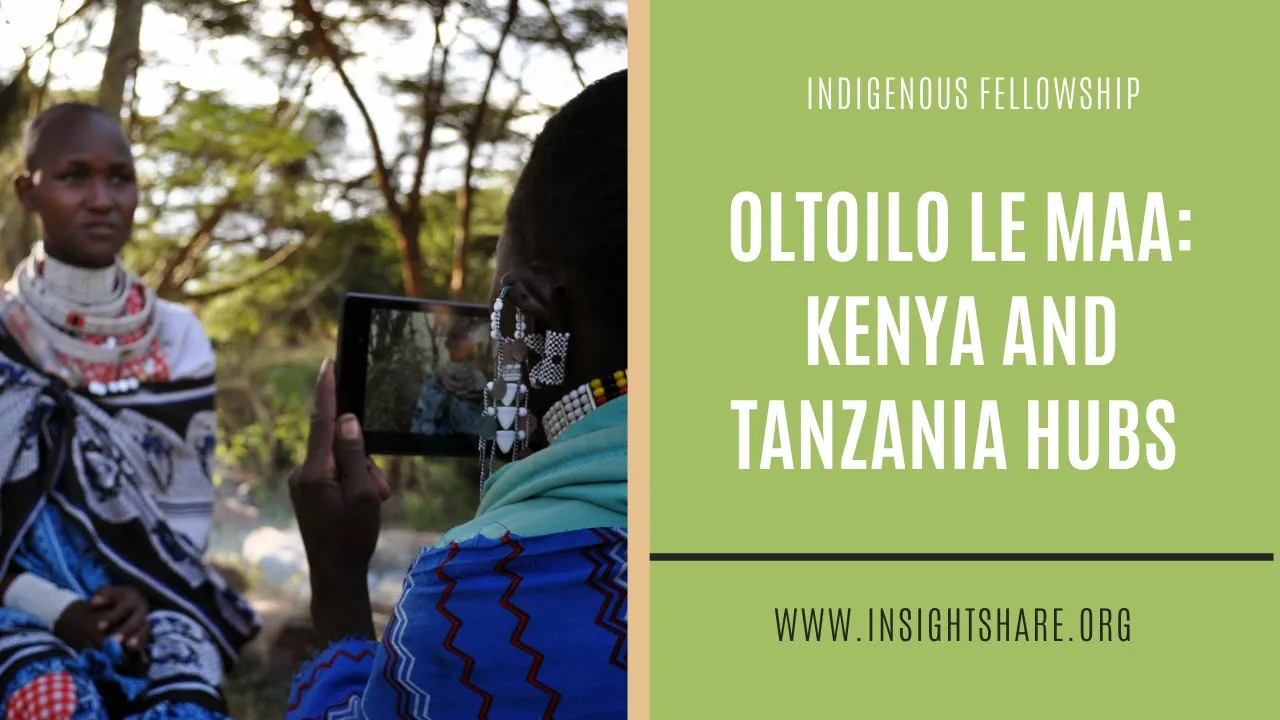



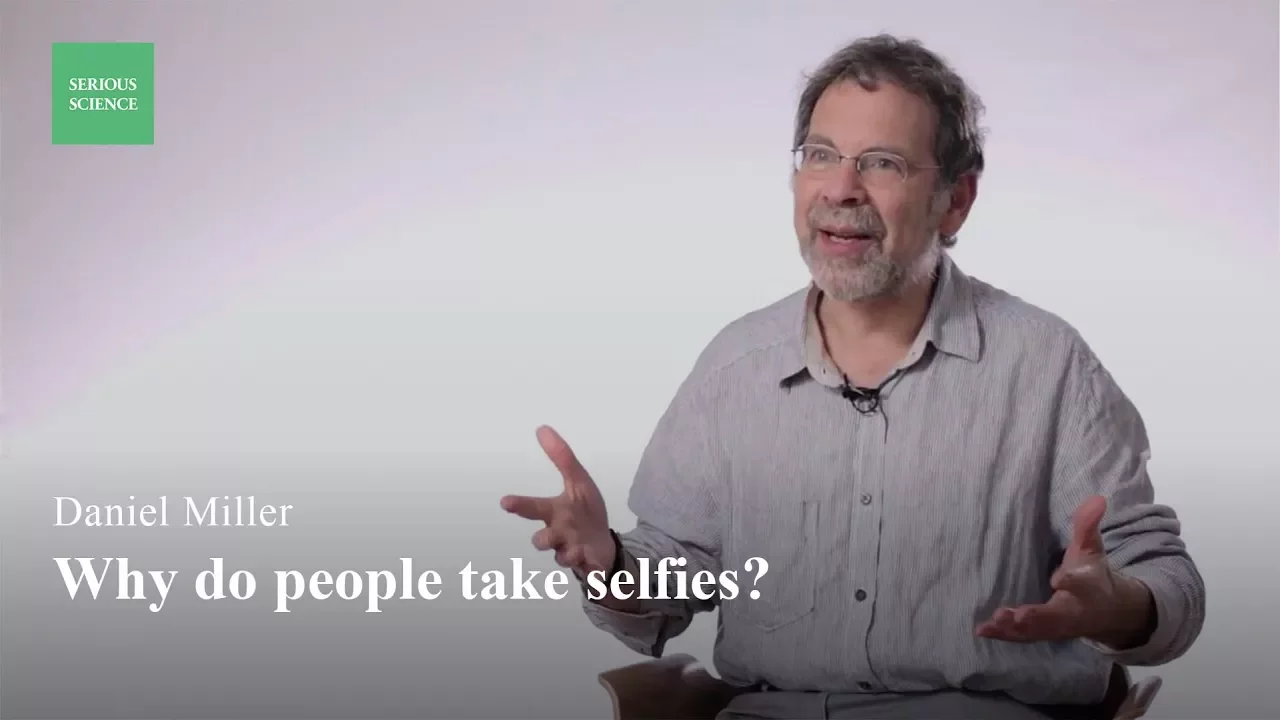



Visual anthropology is an anthropological discipline that studies human beings using visual data such as film and photography, originally emerging from early ethnographic film practices in the late 19th century and evolving into a broader field that examines how societies create, interpret, and use visual systems across diverse cultural contexts, including art, architecture, advertising, and museums; the field developed through key methodological shifts from colonial-era documentation to reflexive approaches that acknowledge the camera's influence on subjects, ultimately expanding beyond ethnographic filmmaking to encompass the anthropological analysis of visual culture itself.
Visual Anthropology: Definition, History & Careers
Added:Introduction to Cultural Anthropology: Understanding fundamental concepts such as ethnography, culture, and fieldwork methodology.
History of Anthropological Theory: Familiarity with how the discipline evolved, including early colonial observations and the shift toward participatory research.
Basic Media Literacy: Understanding how visual mediums (photography and film) construct meaning and represent reality rather than just capturing it objectively.
Ethnographic Filmmaking Techniques: Learning the practical and methodological skills required to plan, shoot, and edit anthropological documentaries.
Ethics of Visual Representation: Exploring power dynamics, informed consent, and representation issues when documenting marginalized communities.
Indigenous and Participatory Media: Studying how local communities use visual tools for self-representation, activism, and cultural preservation.
Digital and Virtual Anthropology: Applying visual anthropology methods to online spaces, social media, and virtual environments.
22.9K views913likes7:42Original Release: 2021-03-03
in this episode of off the shelf we're going to talk about visual anthropology how the discipline is defined and understood a little bit of its history and methods and finally some of what you might expect as a student and the types of careers that you might have with the background in the field i'm trying to tell you i'm not your enemy i'm a scientist you know i'm something of a scientist myself visual anthropologists study human beings using visual data like film and photography which are used as supplements to other more traditional forms of qualitative research today visual anthropology also includes the study of the ways in which societies use and understand visual systems in everything from art and architecture to commercial advertising state propaganda and even the organization of museums so visual anthropologists don't just use visual technologies to document and study cultures around the world they do do that it's really the fields bread and butter but they also explore the production and reception of a huge variety of visual mediums in specific social contexts now to really understand visual anthropology we have to talk a little bit about its historical development what are these stages that the field went through to become the discipline that it is today and to answer that question we have to first talk about ethnographic film in a sense visual anthropology originates from the earliest use of film and photography to document and study different cultural practices as part of the phenomenon of colonialism in paris in 1895 felix louis renault used chrono photography to film a west african woman demonstrating traditional pottery making techniques he then combined that footage with an article on the speculative origins and diffusion of pottery making across the whole ancient world his work was inaccurate but for a lot of intellectual historians in the field it's this combination of film and published anthropological writing that marks the origins of ethnographic film using film as a form of data collection that can supplement qualitative research in writing or as an ethnographic product in its own right building on renault's use of chrono photography a number of early social scientific researchers began to integrate visual artifacts into their work in particular film and photography were used extensively in salvage ethnography to document cultures that were rapidly changing or being destroyed by the expansion of euro-american colonial power and the processes of industrialization in the 1920s and 30s the development of more portable film cameras also led to the popularization of what we call explore films which were quasi-documentary projects filmed by explorers in exotic locations that were released to white audiences explorer films were popular for a long time but they were subject to very harsh critiques from both academic and indigenous communities that highlighted the fact that these films were sometimes scripted they used prefabricated sets and were heavily edited all of which compromised their value as sources for viable data and social scientific research later in the decades following the second world war anthropologists using film were aware of these earlier problems and critiques as well as being conscious of the hawthorne effect they understood that both their presence and the use of film cameras could alter their subject's behavior affecting their understanding of people's day-to-day lives and they developed a variety of methods to try to improve the scientific value of their films these included for example dramatically limiting the editing and narration in films to give viewers more of a sense of being there with the anthropologist in bitter lemons for instance john marshall films a series of songs composed and sung by a blind old man he only tells us what the songs are called and then runs the camera letting us see what he saw the audience needs help understanding each song's significance but we're allowed to experience them with minimal interference this is very close to what we call observational cinema by contrast jean rush adopted a completely different approach in the 1950s and 60s he embraced the fact that the camera influenced his informant's behavior and in films like he collaborated with his subjects allowing them to partially structure the film and play the roles of fictional characters that they designed for themselves his approach to ethnographic film created a movement known as cinema verite which helped to establish the french new wave now these are just two examples from many but they show a reflexive effort to engage with how film shapes both the data collected as a field worker and the audience's engagement with film as a commercial and educational product and it's that reflexivity that really conditions the emergence of visual anthropology as a field in the 1970s i say the 1970s because the term visual anthropology was popularized by this book principles of visual anthropology which was published in 1975 and this collection of essays focuses almost entirely on ethnographic film trying to theorize the role that the camera plays as a social scientific instrument and it shows that the field was dominated by ethnographic film at the time what's happened since 1975 though is that in the late 1980s and 90s visual anthropologists began to reimagine the term visual in visual anthropology the field grew from a relatively narrow focus on filmmaking and photography to an anthropological interrogation of visual culture how visual culture influences us shapes our identities and drives aspects of the global economy say that you're a student interested in studying visual anthropology this is why some study programs like the masters track and visual anthropology at the university of amsterdam for example take a broad almost interdisciplinary approach to the subject students in visual anthropology are often trained in both traditional ethnography and the use of film and photography in the field but the program also encourages students to experiment with new audio visual vocabularies as research and educational tools to take film as matij van der port says and appropriate it on anthropological rather than commercial terms some other very well-known programs like the masters at the university of manchester's granada center for visual anthropology have a very pronounced emphasis on ethnographic filmmaking in particular the significant technical and theoretical competencies that you need to use film effectively in qualitative research so where you choose to study visual anthropology will also influence the ways in which you approach visual culture and use visual media as a social scientist and you'll find links to both of those programs in the description below today you'll see visual anthropologists working in a number of fields there are multi-method qualitative researchers documentary filmmakers journalists art historians and critics and small business owners and innovators who work with visual media relative to its parent discipline sociocultural anthropology what visual anthropology gives students is an additional technical and theoretical proficiency that you can use as a social scientist but that also has a broad appeal in the private sector if you found that helpful please do like and subscribe it really helps us out and if you're interested in visual anthropology i'll put a few links to solid programs that i'm familiar with in the video description and until next time don't ever stop learning [Music]
Up Next
23:29
Boas & Hunt: Photography in Anthropology
@bardgradcenter
117 views•2019-03-20

38:41
Astrobiology Through an Anthropological Lens: Field Insights
@georgiatechastrobiology
128 views•2021-04-14

4:45
Proxemics Explained: The Study of Personal Space
@Vox
536K views•2016-07-05
10:38
Psychology of Internet Trolling and Pranks Explained
@AzzyLand
10.7M views•2017-12-20
Related Study Plans & Knowledge Roadmaps
Structured learning paths in Anthropology
anthropology
Space Anthropology: Analogs, Culture & Habitats
01Foundations of Space Anthropology & Cosmic Imaginaries
02Extreme Isolation & Micro-Societies in Orbit
03Space Analog Habitats & Earth-Based Simulations
+ 2 more learning modules
15h5 modules
Explore Roadmap
anthropology
Legal Anthropology: Customary Law & Pluralism
01Foundations of Legal Anthropology and Social Justice
02Legal Pluralism: Coexisting Legal Systems
03Customary Law and Indigenous Dispute Resolution
+ 2 more learning modules
15h5 modules
Explore Roadmap
anthropology
Global Tourism: Gaze, Authenticity & Heritage
01Introduction to the Sociology of Tourism
02The 'Tourist Gaze' (John Urry)
03Staged Authenticity in Tourism
+ 3 more learning modules
14h6 modules
Explore Roadmap
anthropology
Modern Kinship (ART, Adoption & Chosen Family)
01Foundations of Kinship and Family
02Assisted Reproductive Technologies (ART) & Relatedness
03Transnational Adoption and Global Kinship
+ 2 more learning modules
12h5 modules
Explore Roadmap