







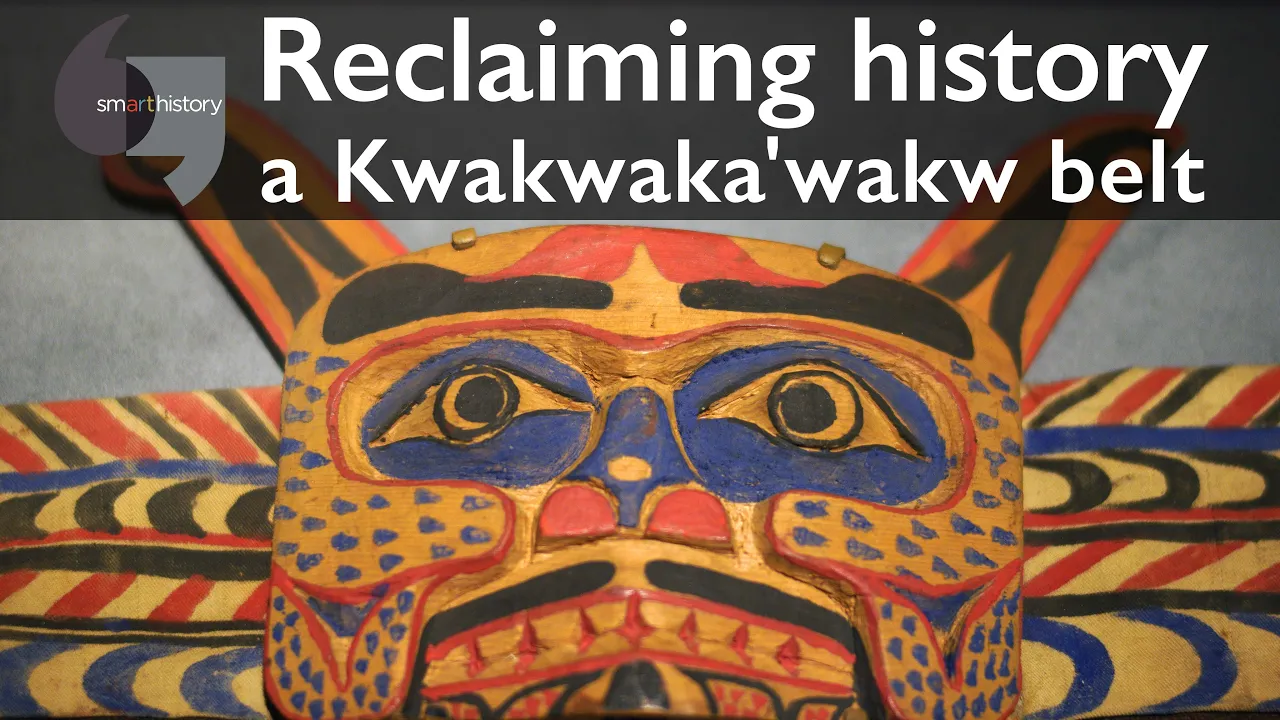





This lecture examines how Franz Boas pioneered the use of photography in American anthropology through his 1897 publication on the Kwakiutl Indians, revealing that despite his initial enthusiasm for visual documentation, Boas later abandoned photography due to concerns about observer bias and his belief that culture is fundamentally symbolic and ideational rather than material, ultimately shifting toward working with indigenous consultants like George Hunt to capture cultural knowledge through words rather than images.
Boas & Hunt: Photography in Anthropology
Added:Understanding the foundational concepts of American cultural anthropology, particularly cultural relativism and historical particularism championed by Franz Boas.
A basic familiarity with the Kwakwaka'wakw (formerly referred to as Kwakiutl) indigenous nation of the Pacific Northwest Coast and their social structures, such as the potlatch.
The concept of 'salvage ethnography'—the late 19th and early 20th-century practice of documenting cultures feared to be on the verge of extinction.
An introduction to early photographic technology and its adoption by colonial powers and scientific expeditions for documentation and classification.
Critically examining the 'colonial gaze' and ethical issues of staging, manipulation, and consent in early ethnographic photography.
Analyzing the collaborative dynamics between anthropologist Franz Boas and indigenous researcher George Hunt, highlighting Hunt's agency as an active co-creator of knowledge.
Exploring the subfield of Visual Anthropology and how modern anthropologists use digital media and filmmaking as research methodologies.
Investigating contemporary visual repatriation projects, where indigenous communities reclaim, digitize, and re-contextualize historical archival photographs.
117 views0likes23:29Original Release: 2019-03-20
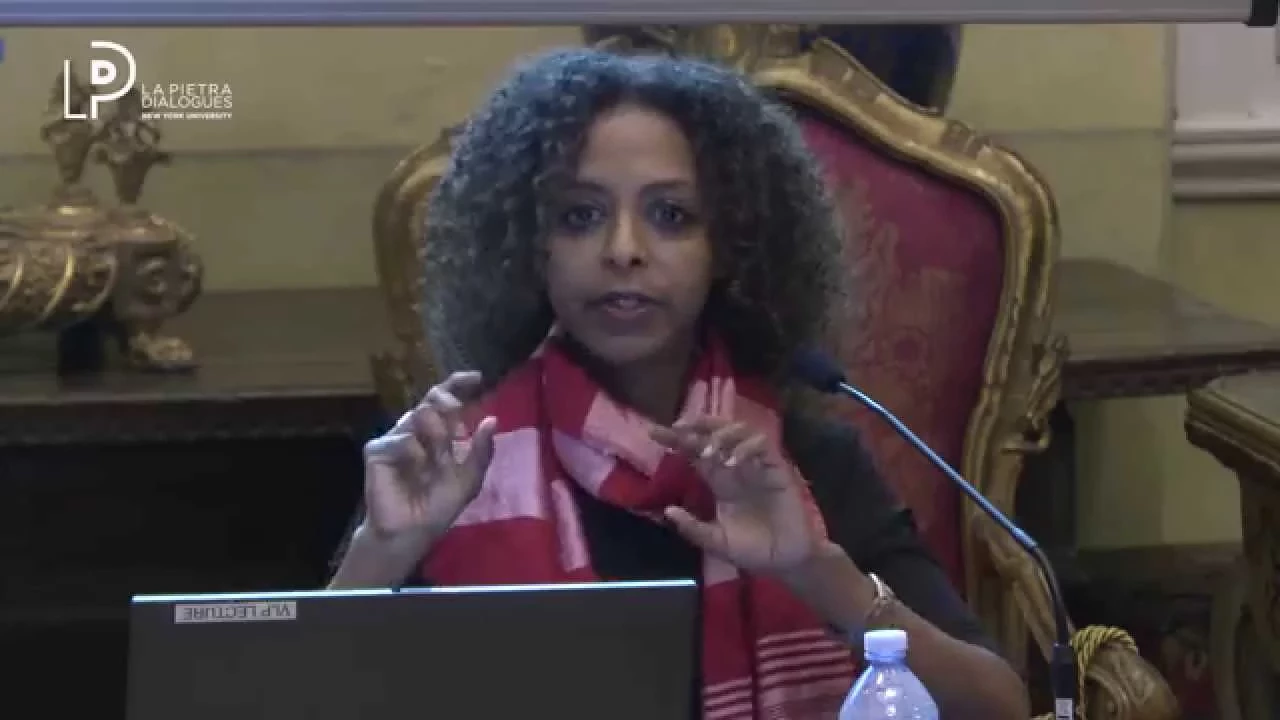
so my talk today actually sitting here and listening to these two papers but my colleagues I got a enormous feeling of deja vu literally because you're gonna see some of the same pictures you've already seen and my basic point was double I was gonna talk about D contextualization and typification so you've already heard my talk and I'll just give you examples with with the work that I do deal with the photography and let's see if I can it'll be a little tricky to work this but this I want to before we go on I want to point out this little guy his manga Martin who identified many of these people okay we know we've heard about the book with the many illustrations and there's some of them and this we also know that this was published by the US National Museum is an annual report one point I want to start with is this was published in 1897 the 1890s was the great age when the genre of illustrated ethnography was invented in in America with the use of I mean it that more particularly with the use of photographs because the halftone technology had just been introduced around 1890 so anthropologists in the 1890s tried to figure out how to do this and of all the many volumes that come out Boaz is probably the best of the biggest and the most complex example of that so it's really creating the genre to put this in a institutional comparison it was published by the Smithsonian by the US National Museum as an and report and of course as we heard he was asked to illustrate the object collection these whoops oh I know you know I'm just gonna sort of point this kind of thing so the interesting thing is that anthropology was also done at the Smithsonian by the Bureau of American ethnology they're the ones that went into the field and brought the objects back to to where they ended up in the museum with a different cast of characters and they both published in reports this was published as a museum report the interesting thing is that Boaz himself although he wasn't part of the bureau he had he was an ethnographer with field experience he took his own photographs in the field and when he published this book it's essentially a synthesis of these two traditions of Smithsonian anthropology Boaz used the camera from his very first field trip to Canada bath and land in 8485 he did that because he was trained as a physicist and as a physicist he he brought a whole slew of tools mechanical devices with him because he knew that this is he needed these tools to record the physical world and photographer cameras were just one of those devices but actually he had an enormous of course canon northern canada is not the best place to use glass plate photography but he he had a lot of trouble and it kind of discouraged him so that when he went in future years to British Columbia he tended to legal photography to professional photographers and not do his own photography oh no okay yes the the plates now we'll talk about the volume itself and this is what we've got the 51 halftone plates 20 of them actually I've been thinking of field photographs and we know that many of the illustrations are lying drawings of artifacts but 20 of the Half Dome plates are actually artifacts museum artifacts one is a painting of a dancing when is the display so that leads 29 that looked like they were taken in the field but apparently so here we've got the artifact the painting and I'll get back to some of these and the diorama and then these are kind of pleasantly these are we don't quite know where these were taken they there was a suggestion of grass they are environment and but they are artifacts so hard to know what to do with them just briefly Aaron talked about the these drawings as as objects representations of objects I've looked at them as illustrations and when you're talking about the photographs you you must relate them to to all of these as you go page by page by page but I'm not gonna say much about these these though I think we don't quite know the sources of the one wall some were clearly based on photographs I think most of them were drawn in the museum by professional museum illustrators with the object right in front of them but in some cases that were based on photographs and that's a clear that's a very famous photo from alert Bay and you know this is very close very similar to very few changes and you kind of wonder why this was done I don't know all the answers so I'd like but I do know there's a letter from Otis Mason who was putting this book together to boas and he says in some cases we're gonna have have to redraw the photograph because we can't reproduce the photograph with enough detail so we know that was a clear reason for often doing it now moving to the photographic sources for this book that I'm looking at we've heard about the 1894 visit to Fort Rupert I won't need to belabor that but the collection was split between the Smithsonian and the American Museum and almost all the photographs in the book that we're talking about are from the Smithsonian National Museum collection not from the American Museum and the American Philosophical Society so fast it's that one picture that we know of George Hans family and Boaz and there were many more pictures of relatively more pictures of the hunt family and they don't survive in a museum or archive collection and I always assumed they were given directly to the hunt family and I've we've got to talk to the hunt family because I I really hope that they're still there and we can we can find them bring them together there we go this is a cup or illustrations but just to give you an idea the picture at the very far corner there is Boaz's original list of the photographs that he took in as he was taking them in Fort Rupert and then when he came back to the East Coast he split the collection and he worked with both museums at the Smith and the American Museum of Natural History and he gave each of them a list of the negatives that he had donated to them and they each made copies of the photos that the other museum had so that you theoretically could put all the sets together what we do know when we look at all this is that there were actually three sources and this is what everyone's been talking about how the ethnographic sources have been obscured so the bulk of the photos indeed were taken by Oregon see Hastings in 1894 interestingly he was a professional photographer in Victorian Boaz had worked with him in the 80s and interestingly enough he is the only photographer who's mentioned by name anywhere in this book so every photograph you say you assume Hastings took especially if it's a picture of you know an Indian village but that's not nearly the case so the great discovery that we had years ago as you know now that many of the photos were taken in Chicago not in British Columbia at all and one of the my most recent discoveries was that photo there at the end is I think that's the only other photo from British Columbia that was not taken at Fort Rupert and it was taken a night Inlet now the question is who took it and had it Boaz get it visually it looks to me like was taken by Richard Maynard in 1873 but it actually could have been taken on a later trip by Hastings himself in 1879 so this book is way more complicated and kind of disguised and we've ever thought well in terms of the subjects of the book the book not so much the corpus that it's based on is that these I see we've made the switch here in formatting this is ceremony and monumental sculpture and landscapes and portraits so these are the main subjects of the the book of the illustrations and they all actually this looks like a scene in nature it's actually a place where the vomits initiates meet together so this is actually culture and although it looks like nature so every one of these photographs has something to do with ceremony actually they're not just people the part that photographs that Boaz took that he didn't use that all in this book are these many many pictures of human head head forms physical types and then pictures of cedar crafts which was commissioned by the American Museum of Natural History for their own diorama that's not in this book it's in Lake they actually both of these kinds of pictures are in later publications now so with that as an introduction I'm gonna finish by talking about two main forms of deep contextualization and typification sequences and series and repainting Zrii touchings so this is fascinating now one of the great contributions of this book is being based on many sequences successive photos that were taken in the field and then when Boaz came back to New York to write this up he selected from those multiple linked photographs to make a visual argument a narrative visual narrative in the book and it's just fascinating I don't time to go into all the details but it's fascinating when you link the photos in these are just the way they appear in the in the series in the book and then when you look at the captions and you look at the narrative and how they fit into that there's a lot going on here that Boaz is actually simplifying quote quote unquote so this is what we see in the book and it all has to do with distribution of blankets and the purchase of a copper but what boas does not admit anywhere which I found out by looking at the original negative list and the field notes is that they're actually that whole sequence of the exchange of copper whose purchase of copper and the blankets where Zac there are actually two different events taking it two different days more particularly with two different groups of people so the first one was on November 25th that's play date like go schema then this was the second time it occurred more the pictures come from the second series in November 28th with a different group of clockwork people and what's interesting I again I don't have time to go into all the details but this event actually was it's a bow a.cian event this was a feast that bow sponsored he invited all the people to his own pot match and he gave them apples and then he said well since you're here at my feast you can conduct some ceremonial business so we know that from other documentation of course it's nowhere in the book but the most important thing is that these are two different events with two different groups of people who are it's all thrown together as if it's one event and he the same thing happened actually with the harlots of the return of the helmets on the beach that the place is sort of the same but the dates are very different with two different groups these both are based on multiple series taken in the field less photos for the promoter than for the blanket exchange but the same logic is applying and the and one more kind of series those were series in time they take place at different moments this is a series of spatial series in space so all of these plates come one right after the other in the book and they're all in the same place in the or successive places on the beach and they're petroglyphs and the point here is that they represent different mythological creatures so it's a it's a different kind of a series it's not chronological but spatial so yeah now the paintings would be touchings of course now we've we've already heard a lot about that Boas got this German a wildlife painter named Vilhelm Curnutt from berlin and i wish i knew more about this painting of the wolf dance and it's as far as we i've never seen any source for this it seems to be completely made up it should course it shows you the head the headdresses the masks and it's a very evocative scene and of course what we do know is there's no way Boas could have gotten a photograph of this he has a very few photographs taken inside a house and they're very poor and nobody's moving so the camera technology of the time would never have allowed a photograph like this so the only way he could ever show this was to have a painting so you can see in the corner Kornet did about four photos for the book and set the funny things like everything about this book so time's the photos are acknowledged and they're sometimes they're signed sometimes they're not signed then we have captions and the captions say from a photograph from a painting by W cornered and sometimes they don't say anything so it's really difficult to figure out what's going on here but that's an acknowledged painting this one is also Z at sign we know that that's a painting but if you compare it to to the original photograph it's extremely close and I'm not quite sure you know what was going on here one thing I did notice the this man here towards the end in the photograph he's got a light-colored blanket seen a barb shawl and then the bottom and the painting he's dark so for whatever that but sometimes they're very close which is sort of helpful or encourages us but sometimes they're not and this of course we've seen this already this is this whole thing is in the exhibit and it's fascinating this is play 10 and it seems just gonna let's see no it's not gonna work anyway I'll just point this out here so the here's this man here Satine the and of course the houses in the back are taken from that photograph so here's four different photographs that went into this very composite painting and keuner is making this up I mean it's a expression that see sort of guided by Boaz to put this together this we've seen before this is to derive from so what this is is a photograph which of course results in a line drawing not a painting and not in a photograph and this of course we've I still haven't found the original of this but this is close we now know that this picture was of the crane Memorial was taken in a museum so this sort of grass thing going on is what's suggested it was based in a museum specimen this one we've seen before and of course finding the original in Fort Rupert we know this is not the same photograph because he's got his beak open in here and his big shot here so now we know this was shot in Washington and that's the floor of the museum this of course now so this is interesting because if you look at the plate behind this woman it's white so where was this taken this is the original that we found it was we know was taken in for Rupert and if you look at the top there you can see she's standing in front of a blanket and at the top is I have the house and Fort Rupert and there are many other pictures that are just like this so we know this was a series something that Boaz the paintings were doing intentionally and then when it came time to publish the photograph in the book they've sliced that away and decontextualized it and this of course needs no commentary this is the fair but we do have this intermediate stage so you can see how it's being sliced off and and focused on and I'll just show you all the rest and this one we know is taken at the fair but we haven't found the source photograph yet but the people were at the fair and the objects were at the fair so the basic point here is Dee contextualization and typification and Boaz a lighting of the the graphic specificity so to conclude I'll talk about what comes after this this book 1897 was Boaz is most not only was a classic in American anthropology it was the most sustained effort that Boaz ever did in encountering and making use of photography anthropologically he went on the jessic jessica expedition two more years in 1897 in 1900 and he did not use photography himself although his colleagues like Harlan Smith was responsible for that did and the American Museum published one thin volume of photographs and then Boaz towards the end of his Jessup publications in 1909 I did manage to publish some more the photos from this series that he hadn't before and as Boas went on he abandoned photography even more so the question is why is that really two reason one he was very as a theorist of ethnography he was very worried about observer bias that that white people could describe a native culture from their own perspective and would not be able to understand how native people view their own worlds which is what his goal was so that meant if you if a white guy took a photograph it's distorting the other thing that goes along with this is that he thought ultimately when he left the American Museum of Natural History he said that we can't base all of our anthropology on objects and the visual world that culture is ascent essentially symbolic and ideational and the only way we can really get in that is by words there's my texts and that's of course it's what Judith knows and this is why he shifted to working with George hunt for the rest of their careers George hunt riding out Kwaku culture coiffure culture in in texts and in words and because of that you don't need photographs so there but of course boas was a very important teacher and the most illustrious of his students working in photography and visual anthropology was Margaret Mead with her husband Gregory Bateson in Bali and taking thousands and thousands of photographs and publishing Balinese character a very famous fully visual ethnography which really embodies the foundation that Boaz laid out in 1897 and I will just close with this photograph this plate that you can see there's the caption that we find in 1897 it's rather minimal and then below it you can see what George hunt did in later years and not only do we have everybody's name and their translation but you will often have their ceremonial office and of course this was ever published and this is what's so exciting now with the critical addition because we anyone who wants to know anything about the Quaqua needs to go back to these kinds of sources and of course the biggest audience the people who care the most about this or the core quark themselves so that's what the critical Edition is meant to do is to go back to these ancient archival sources and bring them into the present and into the future thank you there's a few in the exhibit those were made from sheet copper from trade but base based on a pre-colonial form yes that's how that's that was the first form of trade copper yeah you have written on George that's yes I stopped taking photographs himself that would you say something oh yes well yes I had to be very limited here yes I print about George months photography George hunt actually all these people all these people and he takes his own pictures and interestingly enough although their photographs there they have a native perspective just as far as hope they would he georgetown takes pictures in a way that no other white man did so there is the resonator a native vision a native eye and and George Trump took pictures for years there's a well over 100 of them and they all survived with the American Music Network because the food food gallery pictures in the 1890 and the 1909 Ghana a few yeah okay what last question for how did those pictures by George different he's met well he's the only one that ever photographed Shawna's that's arrows he also has pictures of the return of the Hudson which are much more closer and again more more series and part of the whole and then when he takes pictures of potlatches which other people do he's much closer to the ritual action than any white person is and he photographs multiple pop actors in multiple places because he has that access being living in the in the village but those are the main differences thank you Iran's an essay in the book anthropology in photography project photography [Music]
Up Next

72:47
Nanook of the North (1922) Documentary Film Analysis and History
@THE_SAFARI_CHANNEL
11.7K views•2024-07-25
38:41
Astrobiology Through an Anthropological Lens: Field Insights
@georgiatechastrobiology
128 views•2021-04-14
4:45
Proxemics Explained: The Study of Personal Space
@Vox
536K views•2016-07-05
10:38
Psychology of Internet Trolling and Pranks Explained
@AzzyLand
10.7M views•2017-12-20
Related Study Plans & Knowledge Roadmaps
Structured learning paths in Anthropology
anthropology
Space Anthropology: Analogs, Culture & Habitats
01Foundations of Space Anthropology & Cosmic Imaginaries
02Extreme Isolation & Micro-Societies in Orbit
03Space Analog Habitats & Earth-Based Simulations
+ 2 more learning modules
15h5 modules
Explore Roadmap
anthropology
Legal Anthropology: Customary Law & Pluralism
01Foundations of Legal Anthropology and Social Justice
02Legal Pluralism: Coexisting Legal Systems
03Customary Law and Indigenous Dispute Resolution
+ 2 more learning modules
15h5 modules
Explore Roadmap
anthropology
Global Tourism: Gaze, Authenticity & Heritage
01Introduction to the Sociology of Tourism
02The 'Tourist Gaze' (John Urry)
03Staged Authenticity in Tourism
+ 3 more learning modules
14h6 modules
Explore Roadmap
anthropology
Modern Kinship (ART, Adoption & Chosen Family)
01Foundations of Kinship and Family
02Assisted Reproductive Technologies (ART) & Relatedness
03Transnational Adoption and Global Kinship
+ 2 more learning modules
12h5 modules
Explore Roadmap