







![Tomasz Raczek: W filmie fikcja służy ukazaniu prawdy - Jan Hartman - Mądrale [powtórka]](https://i.ytimg.com/vi/JvU_rY6O-nA/maxresdefault.jpg)

















Robert J. Flaherty's 1922 documentary 'Nanook of the North' chronicles the life of Inuk hunter Allakariallak (called Nanook in the film) and his family in the Canadian Arctic, marking a groundbreaking moment in documentary filmmaking history; however, the film raises important ethical questions about authenticity, as Flaherty collaborated with Nanook to recreate traditional Inuit practices that were already becoming obsolete, using staged scenes, provided costumes, and specially constructed settings to create what he presented as authentic documentation of Indigenous life.
Nanook of the North (1922) Documentary Film Analysis and History
Added:An introduction to early silent cinema history, including the technological limitations and visual storytelling techniques of the 1910s and 1920s.
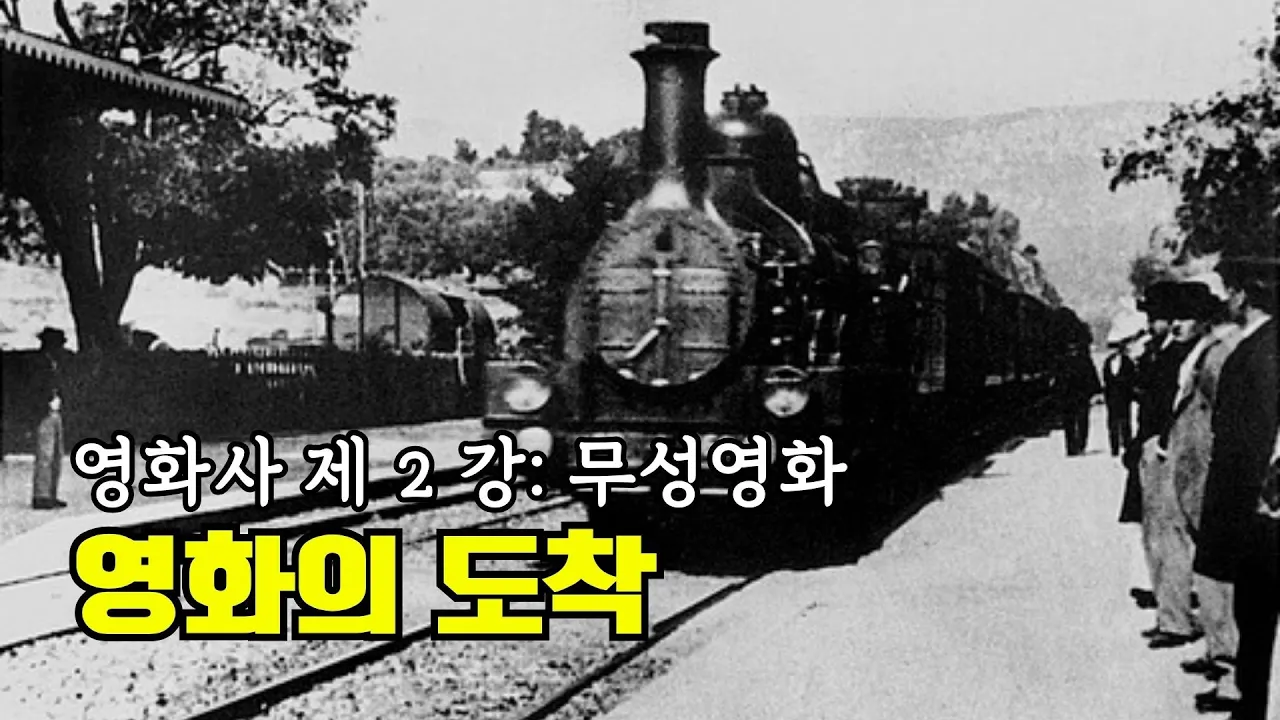
The distinction between early 'actuality' films (like those of the Lumière brothers) and the emergence of structured narrative non-fiction.
A basic understanding of historical Western attitudes and colonial-era depictions of Indigenous cultures, specifically the Inuit, in the early 20th century.
The fundamental concept of cinematic realism and the philosophical debate regarding objective truth versus creative construction in film.
In-depth analysis of documentary filmmaking ethics, focusing on the boundaries of staging, reenactment, and subject consent.
An exploration of Robert J. Flaherty's broader filmography (e.g., 'Moana', 'Man of Aran') and the academic critique of 'salvage ethnography'.
A study of Bill Nichols' modes of documentary (specifically the poetic, expository, and observational modes) to classify modern non-fiction cinema.
Investigation of modern Indigenous cinema and self-representation (such as Igloolik Isuma Productions) as a response to the historic colonial gaze.
11.7K views101likes1:12:47Original Release: 2024-07-25
this film grew out of a long series of Explorations in the north which I carried out on behalf of Sir William McKenzie from 1910 to 1916 much of the exploration was done in Journeys lasting months at a time with only two or three Eskimos as my companions this experience gave me an insight into their lives and a deep regard for them in 1913 I went North with a large outfit we wintered on baffan island and when I was not seriously engaged in exploratory work a film was compiled of some Eskimos who lived with us I had no Motion Picture experience and naturally the results were indifferent but as I was undertaking another Expedition I secured more negative with the idea of building up this first film again between Explorations I continued with the picture work after a lot of hardship which involved the loss of a launch and the wrecking of our cruising boat we secured a remarkable film finally after wintering a year on belur Islands the skipper a moose Factory halfbreed and myself got out to civilization along with my notes maps and the films I had just completed editing the film in Toronto when the negative caught fire and I was minus all the editing print however was not burned and was shown several times just long enough to make me realize it was no good but I did see that if I were to take a single character and make him typify the eskimos as I had known them so long and well the results would be well worthwhile I went North again this time solely to make a film I took with me not only cameras but apparatus to print and project my results as they were being made so my character and his family could understand and appreciate what I was doing as soon as I showed them some of the first results nuk and his crowd were completely one over at last in 1920 I thought I had shot enough scenes to make the film and prepared to go home poor old nuk hung around my cabin talking over films we still could make if I would only stay on for another year he never understood why I should have gone to all the fuss and bother of making the big Aggie of him less than 2 years later I received word that nanuk had ventured into the interior hoping for deer and had starved to death but our big Aggie become nanuk of the north has gone into most of the odd corners of the world and more men than there are Stones around the shore of Nano's home have looked upon nanuk the kindly Brave simple Eskimo nuk of the North a story of life and love in the actual Arctic produced by Robert J flery the mysterious Barren lands desolate Boulder strewn Windswept illimitable spaces which top the [Music] world the sterility of the soil and the rigor of the climate no other race could survive yet here utterly dependent upon animal life which is their sole source of food live the most cheerful people in all the world The Fearless lovable happy go-lucky Eskimo this picture concerns the life of one nanuk the bear his family and little band of followers itut of Hope well sound Northern unava through whose kindliness faithfulness and patience this film was made the hunting ground of nanuk and his followers is a little kingdom in size nearly as large as England yet occupied by less than 300 Souls chief of the iimits and is a great hunter famous through all unava nanuk the bear [Music] Nyla The Smiling one nanuk comes to prepare for the summer Journey Down River to the Trade Post of the white man and to the salmon and walrus fishing grounds at sea [Music] nanuk Ali Nyla [Music] kunu [Music] and komok the desert interior if deer hunting fails is the country of death for there is no food even Moss upon which the deer Depend and which the Eskimo use for fuel grows only in patches here and there this is the way nanuk uses Moss for fuel The kayak's Fragile frame must be covered with seal skins before the Journey Begins the long Trek to the river [Music] the OMC of Driftwood frame covered with the hides of seal and [Music] walrus on Harpoon points boots of seal skin drying in the Sun [Music] landing at The White Man's big Igloo The Trading Post [Music] Nano's hunt for the year apart from Fox seal and walrus numbered seven Great polar bears which in hand-to-hand encounters he killed with nothing more formidable than his harpoon [Music] with pelts of the Arctic fox and polar bear nuk barters for knives and Beads and bright colored candy of the Trader's precious store [Music] nanuk proudly displays his young Huskies the finest dog flesh in all the country [Music] round Nyla not to be outdone displays her young h too one rainbow less than 4 months [Music] old in deference to nuk the great hunter the trader entertains and attempts to explain the principle of the gramophone how the white man cans his voice from Days of old oh yeah [Music] some of nuk's children are banqueted by the trader seab biscuit and lard but ALU indulged to excess so the Traer sends for caster oil [Music] a Wandering ice field drifts in from sea and locks up a 100 miles of Coast though nuk's band already on the thin edge of starvation is unable to move nanuk great hunter that he is Saves the Day [Music] upon his skill in traversing dangerous flows his success depends spying out good fishing ground [Music] no bait instead a lure of two pieces of ivory jigging at the end of a seal hide line [Music] nuk Overjoyed at the sight of food once more kills the big ones with his teeth [Music] [Applause] [Music] is today's catch [Music] nanuk gives a brother fisherman a lift into Shore [Music] the sea is once more free of ice and the salmon gone for days there is no food then one of Nano's Lookouts comes in with news of walrus on a far off Island excitement rain for walrus in their eyes spells Fortune [Music] oh [Music] with the discovery of a group asleep on Shore the suspense begins [Music] a sentinel is always on watch for while walrus are ferocious in water they are helpless on land [Music] here m [Applause] weighing as much as 2 tons and armored with an almost impenetrable hide the walrus when charging tusks a gleam and sounding his battlecry o is well called the tiger of the North while the angered heard snorts Defiance the mate of the harpooned walrus comes to the rescue attempts to lock horns and pull the captive free rolling the dead Quarry from the undertoe [Music] they do not wait until the kill is transported back to camp for they cannot restrain the pangs of hunger you winter long nights the Whale Of The Wind short bitter days snow smoking fields of sea and plain The Brass Ball of sun a mockery in the sky the Mercury near bottom and staying there days and days and days nanuk seal hunting bound becomes involved in the giant rough ice fields at sea [Music] when driven before the fury of the winter Gales the wandering ice fields at Sea collide with the fixed ice edges of the coast the mass buckles under the tremendous drive and gigantic blocks are rafted high [Music] among these chaotic wastes 2 mil or less is often a weary day sledging [Music] nanuk seeing a white fox approaching one of his traps signals the family to detour [Music] you [Music] for for [Music] the brief day nears its end and nuk comes on ahead to look for camping grounds [Music] deep snow packed hard by the wind makes good ground for building the igloo the snow dwelling of the Eskimo [Music] so as to cut more easily nuk licks his wallus Ivory knife which instantly is glazed with [Music] ice while father works this [Music] St oh [Music] to keep out the piercing cold Nyla and kunu [ __ ] with snow every seam and Gap in the igloo walls to the baby's Igloo building is a boore [Music] oh [Music] is [Music] complete within the hour [Music] now only one thing more is needed for [Music] for [Music] to reflect the light through the [Music] window from the inside Nyla cleans her brand new ice window [Music] this little seal until nuk makes another kill is all the food they [Music] have a few Robes of bear and deer skin a stone pot and stone lamps is the list of their household belongings [Music] time for work and time for play [Music] to be a great hunter like his father [Music] it is cold sport for a little boy's bare hands rubbing them on his cheeks nuk warms them the Hearthstone of the Eskimo seal oil for fuel Moss for wicking a stone pot for melting snow the temperature within the igloo must be kept below freezing to prevent the Dome and walls from melting morning [Music] Nyla choose nuk's boots to soften them a most important operation for seal skin boots become stiff and unwieldy overnight [Music] w [Music] is [Music] you [Music] rubbing noses the eskimos kiss [Music] breaking camp nanuk and his family ever on the Quest for food prepare to start for the cealing grounds at sea a [Music] [Laughter] [Music] if nanuk had not put his sled on top of the igloo for the night the dogs would have eaten the seal hiide thongs which bind its parts together as Arctic snow is dry as sand the sled Runners must be glazed with ice to make them slide easily [Music] the tiny Igloo nanuk made for the puppy has kept them warm all night and safe from the hungry jaws of their big brothers the puppy rides in kuna's Hood during the [Music] day the kingship of Nano's Master dog is challenged a [Music] on the vast ice fields of Frozen sea [Music] how nanuk hunts the oguk the big seal being a mammal the seal has to breathe frequently so from the time the ice first forms in the bay each animal keeps at least one funnel-like hole open to the surface so it can come up for air at 20 minute intervals [Music] he d is oh he [Music] he [Music] from the smell of flesh and blood comes the blood lust of the wolf his forebear oh [Applause] [Music] he a [Music] a [Music] a the most desired of all meat is that of seal it affords the maximum of warmth and sustenance the blubber eating Eskimo is a misconception blubber they use as we use butter with a relic of the feast a seal flipper alagu and His companion enjoy a tug of war [Music] eeky eeky very cold w a [Music] a [Music] it is now getting dark and the family is a long way from shelter but the dogs cause a dangerous delay a [Music] by the time the team is straightened out a threatening Drifter drives in from the north get [Music] what w almost perishing from the icy blasts and unable to reach their own snow house the little family is driven to take refuge in a deserted igloo get [Music] oh [Music] what [Music] the shrill piping of the wind the rasp and hiss of driving snow the mournful wolf howls of Nano's Master dog typify The Melancholy Spirit of the North [Music] wo [Music] oh [Music] oh [Music] for [Music] Tia mck the end [Music]
Up Next

52:07
Margaret Mead: Anthropology, Coming of Age in Samoa & Fieldwork
@ayabaya
165.1K views•2009-11-03

38:41
Astrobiology Through an Anthropological Lens: Field Insights
@georgiatechastrobiology
128 views•2021-04-14

4:45
Proxemics Explained: The Study of Personal Space
@Vox
536K views•2016-07-05

10:38
Psychology of Internet Trolling and Pranks Explained
@AzzyLand
10.7M views•2017-12-20
Related Study Plans & Knowledge Roadmaps
Structured learning paths in Anthropology
anthropology
Space Anthropology: Analogs, Culture & Habitats
01Foundations of Space Anthropology & Cosmic Imaginaries
02Extreme Isolation & Micro-Societies in Orbit
03Space Analog Habitats & Earth-Based Simulations
+ 2 more learning modules
15h5 modules
Explore Roadmap
anthropology
Legal Anthropology: Customary Law & Pluralism
01Foundations of Legal Anthropology and Social Justice
02Legal Pluralism: Coexisting Legal Systems
03Customary Law and Indigenous Dispute Resolution
+ 2 more learning modules
15h5 modules
Explore Roadmap
anthropology
Global Tourism: Gaze, Authenticity & Heritage
01Introduction to the Sociology of Tourism
02The 'Tourist Gaze' (John Urry)
03Staged Authenticity in Tourism
+ 3 more learning modules
14h6 modules
Explore Roadmap
anthropology
Modern Kinship (ART, Adoption & Chosen Family)
01Foundations of Kinship and Family
02Assisted Reproductive Technologies (ART) & Relatedness
03Transnational Adoption and Global Kinship
+ 2 more learning modules
12h5 modules
Explore Roadmap