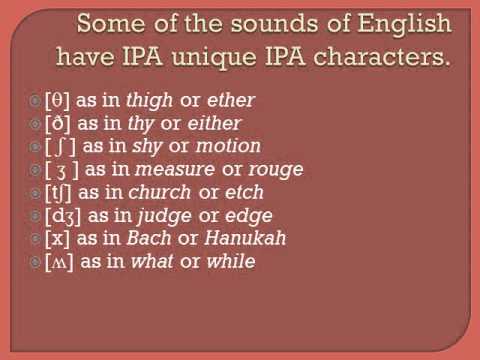



![Phonetics: Intro to linguistics [Video 2]](https://i.ytimg.com/vi_webp/GLBsvdaR_ow/maxresdefault.webp)


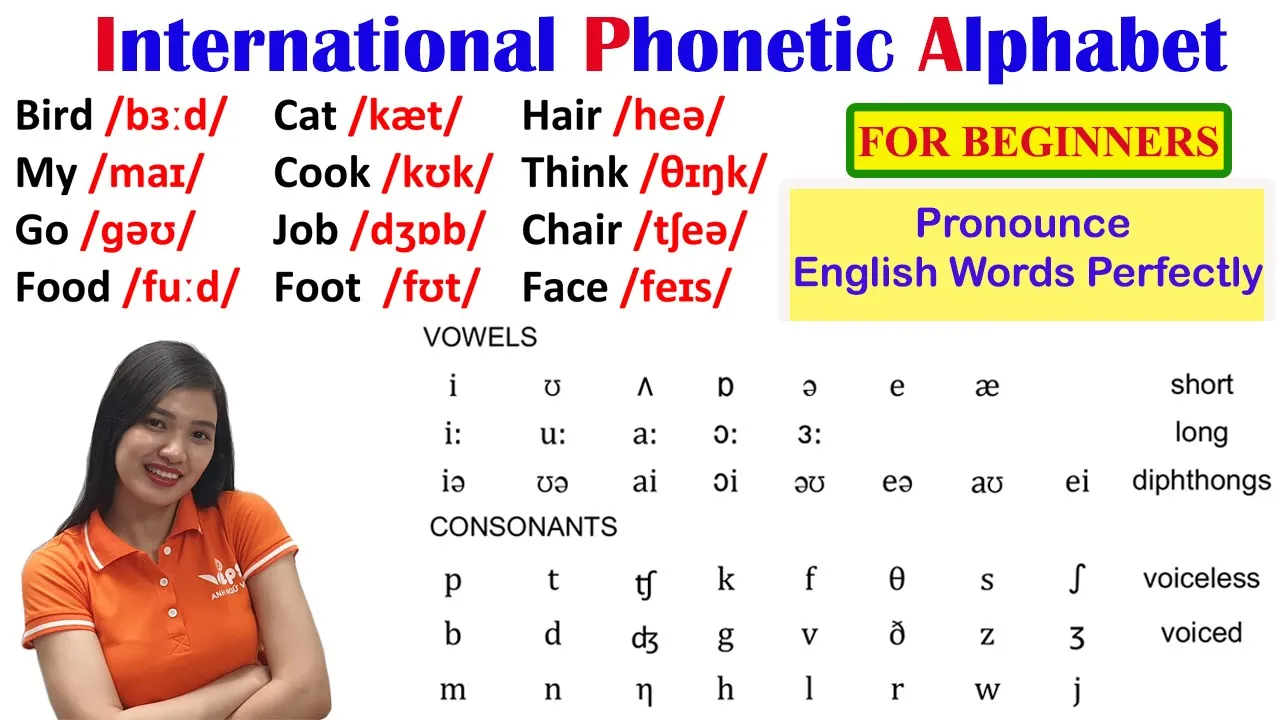
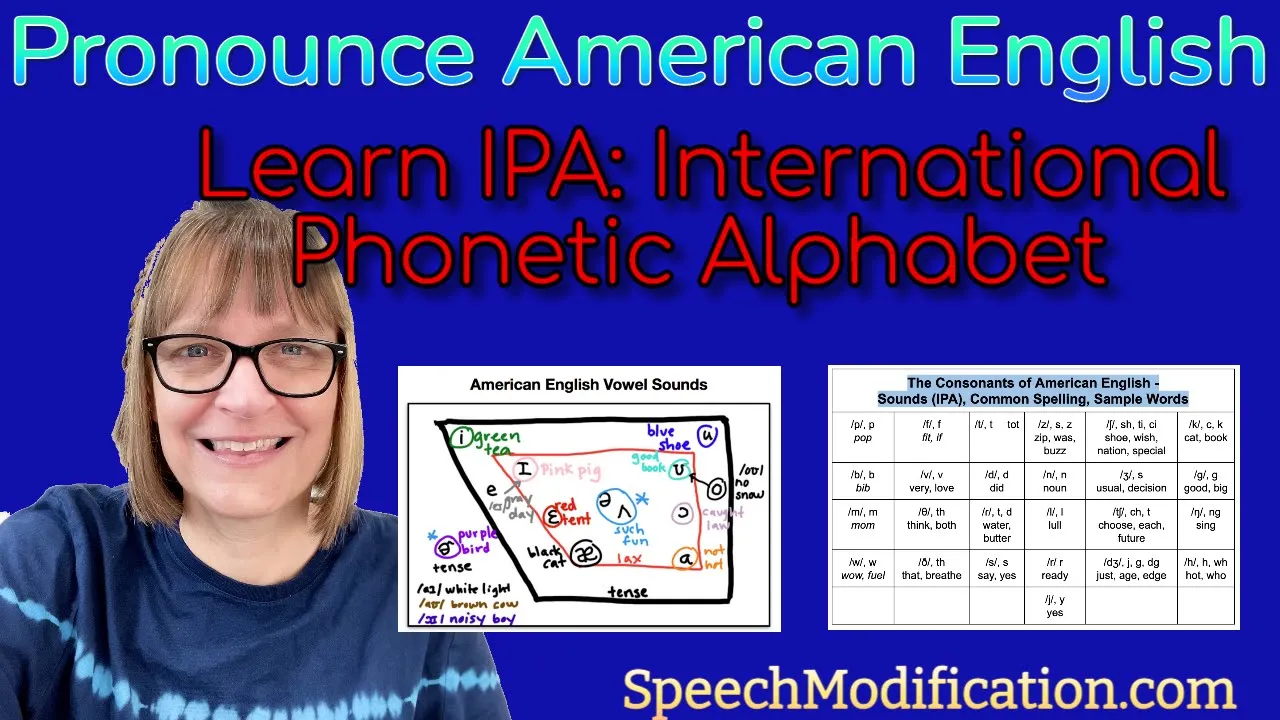
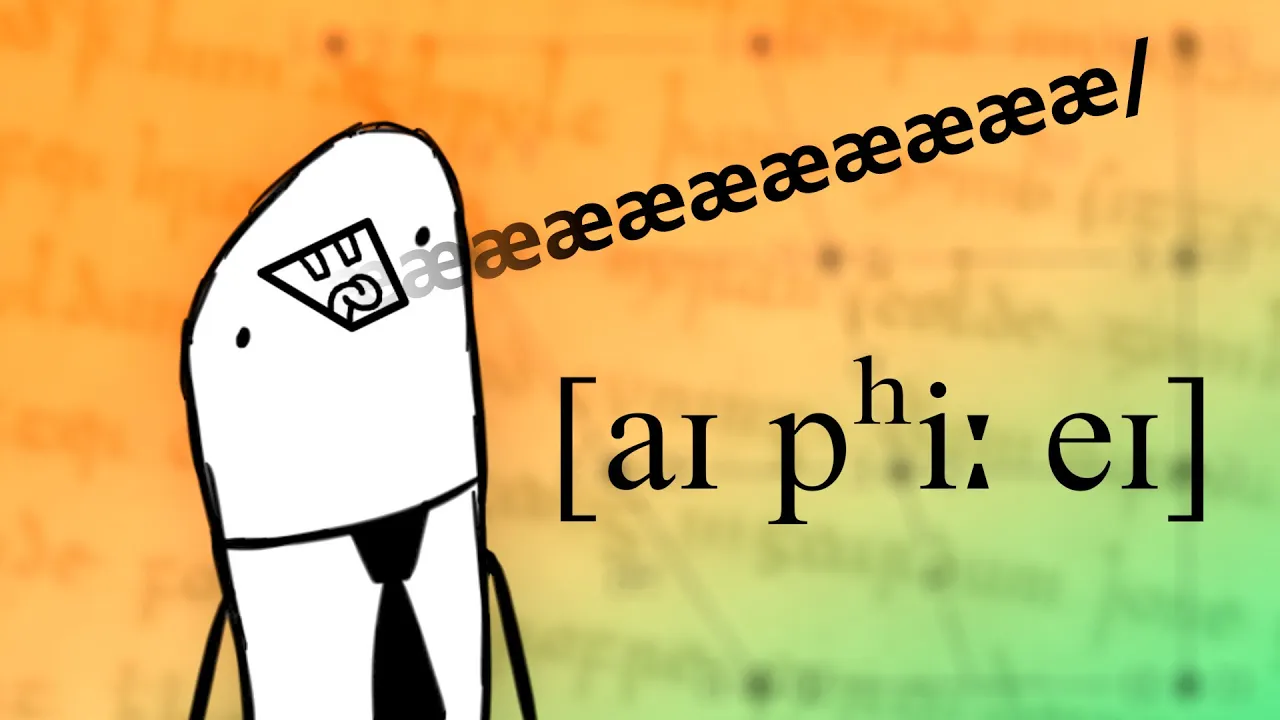
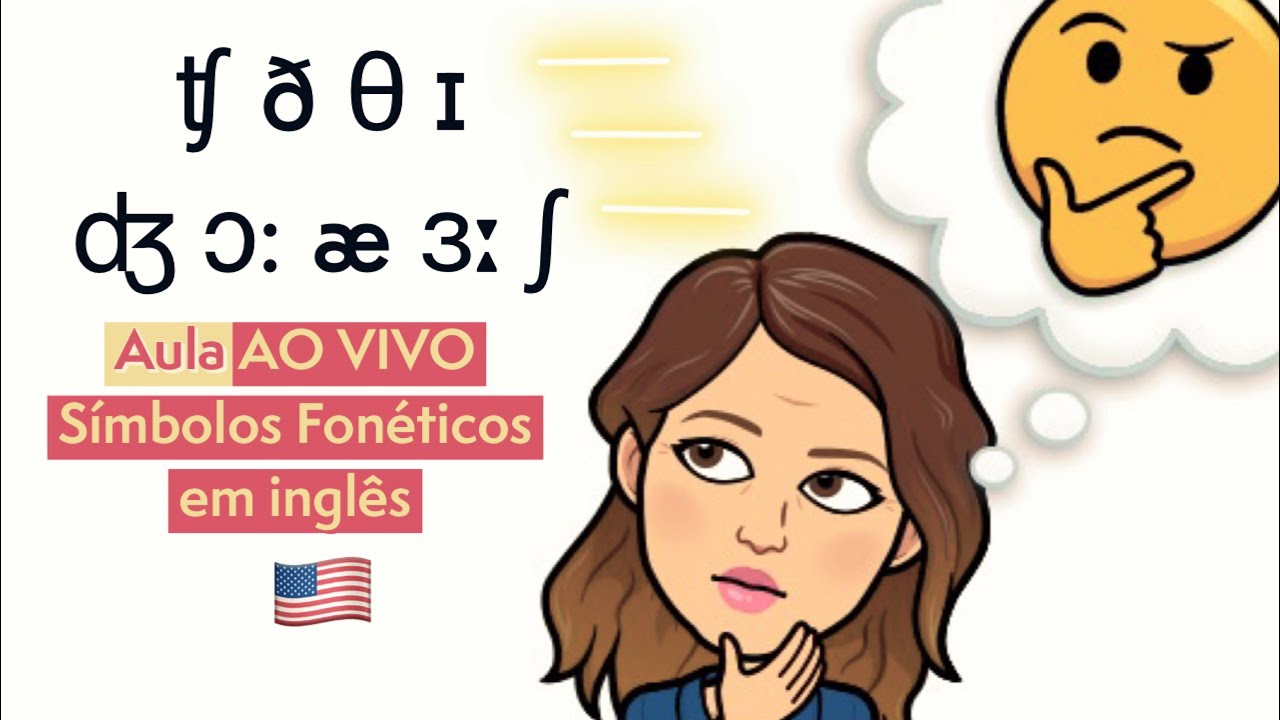
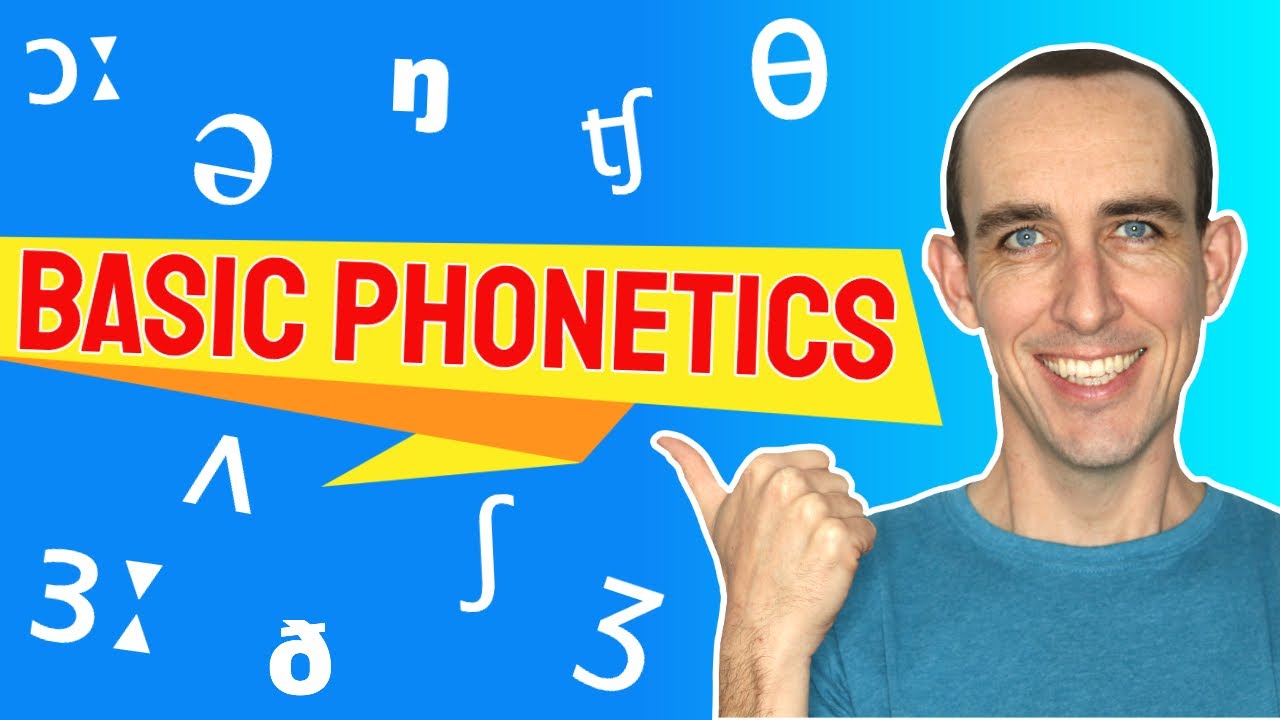




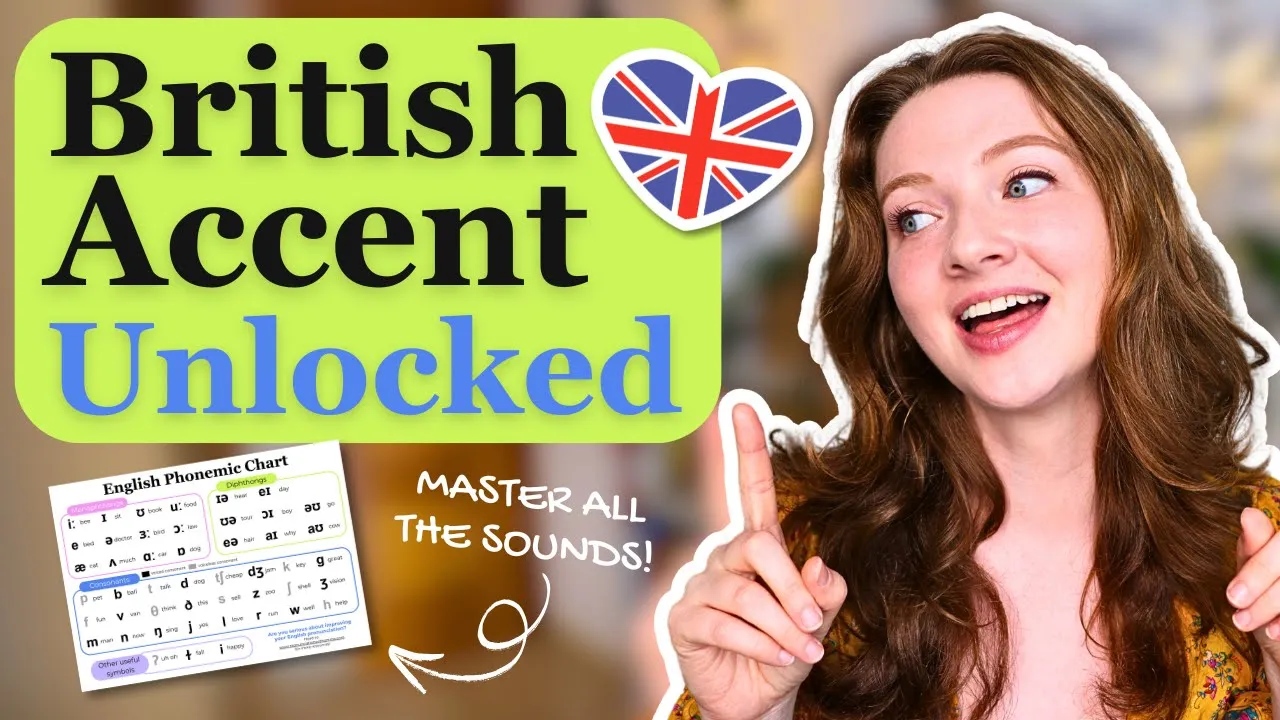




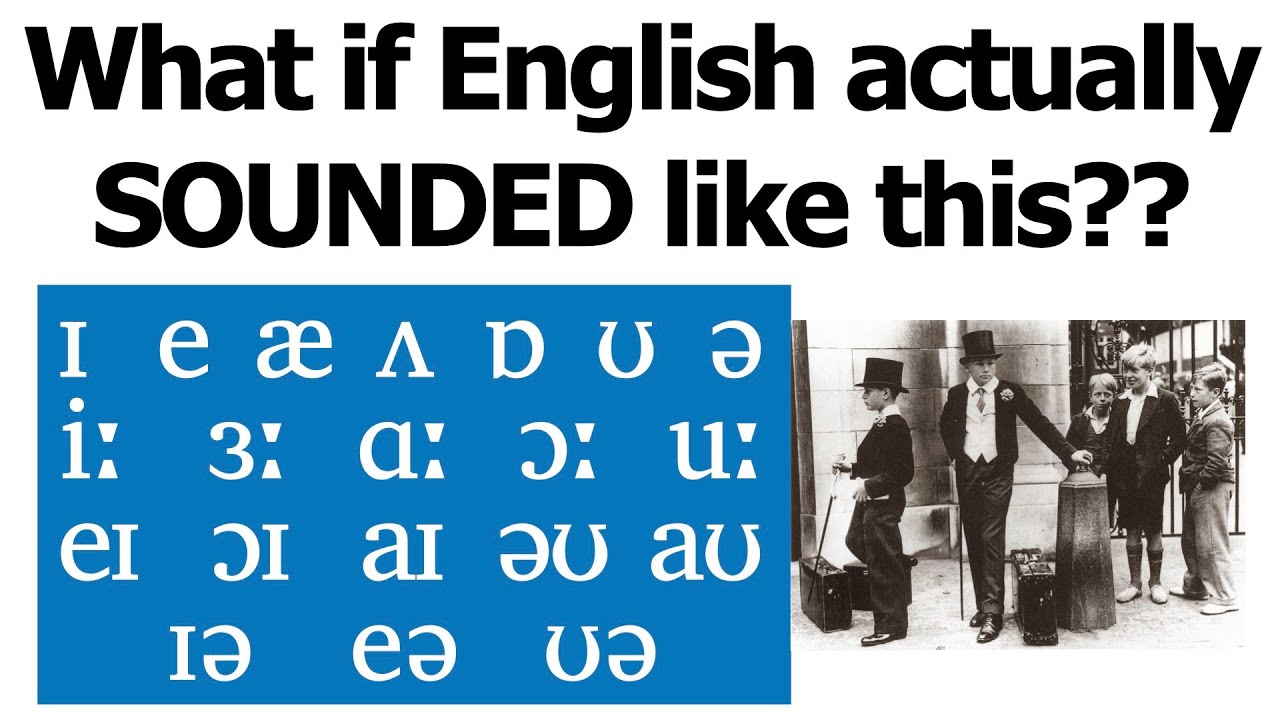





British English phonetic transcription uses a standardized chart featuring monophthongs (single vowel sounds like /e/, /ɑː/, /iː/) and diphthongs (two vowel sounds combined like /eɪ/, /əʊ/, /ɔɪ/), with consonants categorized as voiced (black-and-white) or voiceless (gray); transcription involves identifying individual sounds within words, marking stress with an acute accent (ˈ) for multi-syllable words, and using brackets [ ] to enclose phonetic symbols, while understanding that every syllable must contain a vowel sound (except when using syllabic consonants).
Learn Phonetic Transcription with British English IPA Practice
Added:The fundamental distinction between orthography (spelling) and phonetics (pronunciation), understanding that English is not a phonetic language.
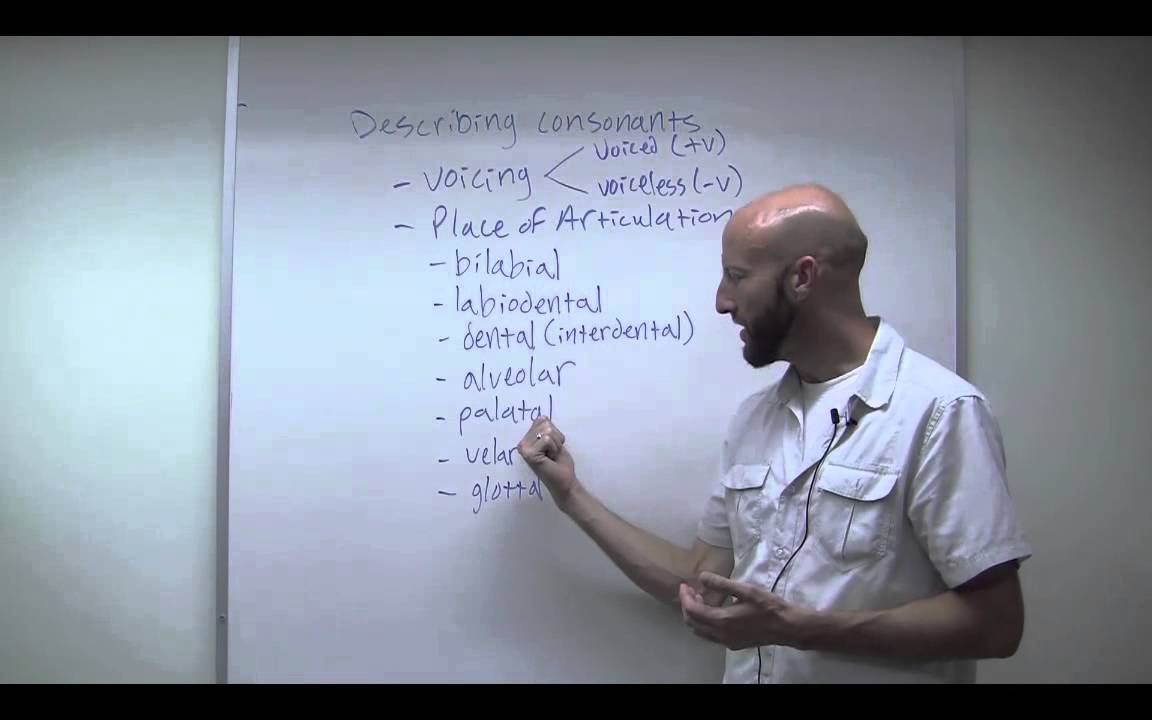
Basic articulatory phonetics, including the classification of speech sounds by voicing, place of articulation, and manner of articulation.
Familiarity with the concept of the International Phonetic Alphabet (IPA) and the distinction between vowels, diphthongs, and consonants.
A basic understanding of syllable structures and the concept of primary lexical stress in English words.
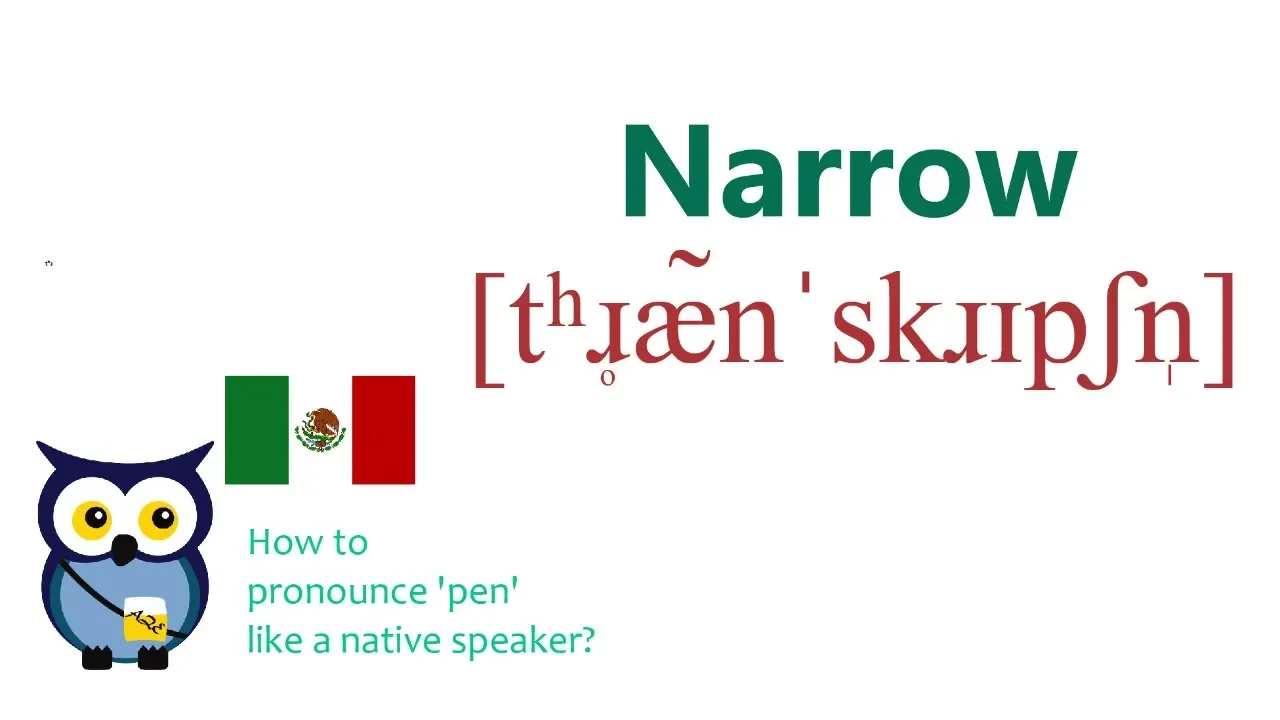
Narrow phonetic transcription, incorporating diacritics to represent allophonic variations such as aspiration, glottalization, and dentalization.
Phonological rules of connected speech in British English, including weak forms, assimilation, elision, and linking or intrusive /r/.
Comparative analysis of English dialects, specifically contrasting Received Pronunciation (RP) / Standard Southern British (SSB) with General American (GA) transcription.
The study of suprasegmentals, including sentence-level stress, rhythm (isochrony), and intonation patterns in British English.
Application of transcription skills in fields such as speech-language pathology, forensic linguistics, or teaching English as a second language (TESOL).
687.7K views19.6Klikes50:47Original Release: 2023-03-10
so this is the British phonemic chart there is also one available for American English so if you're curious to know about that then you can go and look at that because it's a slightly different chart there are a couple of vowels that are a bit different so this covers what I called your monophthongs okay these are vowel sounds that are just one sound okay you have your diphthongs or diphthongs okay two different ways to pronounce them these are where you have two vowel sounds together in the same syllable okay you can see the examples and then at the bottom you can see that we have the consonant sounds if you'd like a copy of this chart I do have the link for it down below in the description it's completely free you don't need an email address or anything go and download it and have fun there's also two different versions there is a nice and easy black and white printable version if you want to print it and put it on your wall or there's a beautiful colored version for you so let's start up in this top left hand corner we have the monophthongs so we'll go through the pronunciation of each one and then we'll go through the words we're not going to spend much time on this because it's not necessarily a pronunciation lesson today it's a transcription lesson so if you want to learn how to pronounce the Sounds in more detail I have plenty of videos about those on my channel and I will link them in the description later okay so let's start here firstly we have e please e pin oh look oh boot e bad uh teacher so this first sound is e the second sound is uh uh bird or or Court ah cat uh up ah car o lock so those are our monophthongs or monothongs some people call them now for their diphthongs we have if I move these over a little bit yeah beer a day uh tour oi boy oh no air care I my ow cow now what you will hear with some speakers is instead of using or for tour sure Etc you might hear speakers using this one more this all sound and saying tall sure and so on cure is there a cure is there a cure now a lot of speakers move more towards this one this one here as well you might hear a lot of speakers instead of saying care air they may pronounce it just as this e over here as in bed so they pronounce it as a longer version they don't say cat okay it's not short they make it longer so you have care and then this one if we make it longer care care so that's that this one as well over here now I pronounced it the way you'll hear it in received pronunciation however if you hear most speakers in the UK particularly modern receive pronunciation users and speakers you may hear them instead of saying oh they may say oh so it changes from an uh to an o that starting vowel o oh yes something to be aware of now the consonant sounds let's go through those together starting with our first one here pot t d dog cheese judge so it has it twice here the start in the beginning start in the end judge calm go oops funny van think this C Z Zoo she vision mine no oh it's now sorry that was no now um King hurry love ready water yeah yes now one thing you will notice about this chart is that particularly with the consonant section some of the letters are in this black and white okay if they are in this black and white these black and white colors it means that they are voiced if they are in a gray color so you can see if I zoom in a little bit better you might be able to see this you can see these are gray this indicates on this particular chart that these are voiceless sounds so what do I mean by voiced and voiceless sounds if you put your hand on your throat here you can feel this kind of a box okay here put your hand here now say this sound here say this one say this one now you're not going to feel much vibration let's compare it to this one hand on your throat this one [Music] and then this one oh you can't see it there these ones you can feel vibration here so you have for example there's vibration with these ones so that's what it means when you hear teachers say this is a voiced sound this is a voiceless sound and on this chart I've indicated which sounds are voiceless by coloring them in Gray now if you look at the vowels you'll see that they're all black and white there are no gray ones that's because all vowels in English are voiced there are no voiceless vowels if you do find a voiceless vowel then it will more than likely just be ah okay because if I pronounce these as voiceless they would sound like you see and that just sounds like hurry so that's the chart now we're going to have a look at transcribing some individual words we're going to do our first piece of transcription I'm going to load up the pen hopefully it will work okay I have to use Zoom which is very annoying alrighty and ensure my pen works hello fantastic everything is working fine so we have here the word cat easy peasy word we have three different sounds ah we know that this is a consonant sound so if we jump back to here if we look for the k sound we can see that it's down here in calm com so we transcribe we know that is just a letter t and then we're left with the vowel so we need to think what kind of vowel is this if we take a look here we can see we actually have the example cat ah so we're going to transcribe ah cat now when it comes to phonetic transcription we always put them in these little brackets so if you're transcribing with phonemes make sure that you're using brackets cat as this is also just one syllable we don't need to indicate where the stress is because the whole world the whole world the whole word is stressed so that's our first word cat so well done you have transcribed your very first word then we have I'll put them all here like this I'll re-transcribe cat okay then we have book now notice here we have bu o although we have two letters these are not two different sounds this is still just one sound we have o book book okay the same with this one here Le are in here we have five different sounds so ah [Music] plant now if you're from the north of England like I am we would transcribe this oops with the cat vowel yeah plant if you look in the dictionary you'll just see this one as this is considered RP RP stands for received pronunciation this is considered the standard British English variety of pronunciation though only two to three percent of people actually speak with this accent so it is quite debated whether this should be the standard or not and you can see why if such a small proportion actually use this however we have plant and plant so you have now transcribed your first three words fantastic well done let's now move on a little bit more two syllable words so we've learned how to transcribe words with just one syllable now let's look at two this is where we introduce the concept of stress so again we're going to transcribe this we know that this is uh way this is three different sounds we have two letters but they are not two sounds it is a diphthong yeah a so if we transcribe this uh way away now to indicate the stress because there are two syllables we need to add a little Boop that and this is what we use to indicate stress so if we take a word for example like happen because that's not forget our brackets so we have happen we can indicate that the syllables break with a little dot like this now we need to indicate the stress happen it goes on our first syllable happen same with lucky we're gonna do a little dot to show where the syllable breaks lucky I think in this case lucky it's just with a short one lucky again we need to show where the stress is lucky if we didn't put the little Mark here to show where the stress is we wouldn't know where to place the stress it could be lucky or lucky we don't know so we need the little line to show where the stress is now let's look at multi-syllabic words getting a little bit harder so we do exactly the same thing split it into syllables brashun celebration then we have the sounds uh a so notice this is just one letter but it's actually the diphthong a t i it's not we don't transcribe to eat but Sha and then here in Sal uh Bray shun celebration now where do we put the stress celebration we're going to put the stress here so even if we have a very long word we still need to show where the stress goes okay it's very important if it's a long word let's try with neighborhood nay ba Hood now this is a tricky one because you got these ridiculous letters that are there which are pretty much silent for example I don't say neg Burger you know I'm not pronouncing every single letter so we need to think of this as sound not letter we're not transcribing letters we're transcribing sounds so let's take the first syllable nay neighbor Hood then our stress neighborhood and then our brackets neighborhood so you see even though we have all of these letters here don't think of the letters think of the sound impossible um pass sir bull um impossible impossible transcription at first feels impossible but I promise it's not it does get easier with practice it took me three years to be able to understand transcription fully so it takes a while so impossible that's how we transcribe that one the final thing I'd like to have a quick look at is words with what's called a secondary stress what is a secondary stress well in English we have a primary and a secondary stress in some words your primary stress is the strongest stressed syllable your secondary stress is your stressed syllable but it's slightly less stressed than your primary stress this happens with long words especially Words which have a prefix a prefix is a little group of letters that you put at the start of a word in order to change its meaning for example National is the root Inter National we've added the prefix inter to the beginning of national so we have pronunciation wait trying to stress a schwaba top tip we never stress a syllable with a schwa so notice we have the primary stress here this is the primary and this is the secondary so in the word it sounds like pronunciation pronunciation so notice that none is still stressed but it's not as strong as a pronunciation same with classification exactly the same we have the primary stress classification but we also have the secondary stress classification classification then our example with the prefix inter now if you usually have a prefix at the beginning and if you have a prefix at the beginning of a word it is usually with a secondary stress so it will be International so your root word usually has the stress the primary stress very messy but never mind International International so you can see how we use secondary stress and that's it okay now let's practice doing a little bit more transcription if you have any questions so far please feel free to put them in the chat and I will do my best to try and help you so we're not going to transcribe all of these and we're just going to transcribe a few today because there are many on this document and if you want access to the transcription documents that I'm going to be using today you can find them on my pronunciation Pro course these transcription documents are not available to the public okay only the chart is available to download for free again without an email address or anything like that so transcribing monophthongs let's see here our first word we have two sounds it looks like two letters because it is two letters okay but still this double e is just one sound e see e e sit okay let's do another one we'll do up to up end eh end and luckily this one's an easy one because the transcription symbols are the same as the actual spelling cat we've already done together ah cat up up now remember what I said before when we're transcribing words with just one syllable we don't need to Mark the stress so I don't need to put the little line to show the stress it's not necessary so those are done let's have a look at the diphthongs if you have any questions please feel free to put them in the chat and I will go through them after doing the transcription exercises so the first one we have is Val so this time we're thinking diphthongs right remember diphthongs are when we have two vowel sounds in one syllable in English every syllable must contain a vowel okay every syllable must contain a vowel in English with some slight exceptions I will talk about it in a moment but if we take a look at the diphthongs that we have over here I'll move it over to the side so you can see we have two symbols together so going back here we need to transcribe vow ow two sounds vow foreign now you might see some transcriptions in the dictionary for British English showing something like this like a little r in the transcription this means that it's optional you might hear it particularly in Connected speech so if you're interested to know more about connected speech I will link videos for that in the description as well but we're not going to focus on that in this lesson this would be the transcription and the pronunciation in modern RP Dia then hey a uh again two sounds poor poor now remember what I mentioned before that some people pronounce this uh actually as o poor okay so if you're studying a university and you're doing transcription for University or something make sure to ask your tutor or your lecturer your teacher whoever what kind of transcription they will accept because sometimes teachers don't accept this transcription okay they want this one because this is the RP this is the standard okay there are many people out on the streets of England they will say poor there's something to bear in mind I'll do one more annoy two syllables uh noi so we have two ends here but we don't say it's not a double consonant it's still just one night annoy then what do we need to do when we have a word with two syllables we stress we mark their stress annoy annoy that's that one then we have transcribing words with more syllables we're just going to practice a few of these I think I'm just going to do three of these and then I'll take any questions that people have so we have purple uh oh okay so here we actually have two sounds purple so notice I'm not transcribing the r i don't transcribe purple purple that's because I'm not American so we don't pronounce the r because we don't pronounce it we don't transcribe it in modern RP transcription the same goes for this perfect perfect now this will be the noun yeah perfect perfect however if we wanted to use the verb perfect you need to practice your transcription skills in order to perfect them so watch out for that then the last one we're going to do about mark this dress add the brackets about about so that's the end of this and my nose is super itchy I think my allergies are starting to play up but that's that essentially I'm going to switch back to this screen and if you have any questions feel free to put them in the chat right now I haven't been reading the chat so I've been very busy teaching because that's what I'm here to do so any questions about this so far the transcription of available available tell you what you can do Tanya let me show you something I want to show you some really really useful resources when it comes to transcription so you will never have to ask me ever again I'm going to switch over to the share screen and I'm going to show you this so here what we have is the Cambridge Dictionary this is the dictionary that I personally prefer but it doesn't matter okay you can choose your favorite dictionary now your word was available was available or availability I'm so sorry I completely forgot my my memory is terrible available is available now now you know how to read transcription take a look here available available you can see the transcription here we can now read the transcription notice there's little schwa and notice this now you might be thinking why is there a baby schwa why is there a little baby symbol that's because it's optional as an optional sound so you can say available available or available now remember I told you before that every syllable in English must contain a vowel do you remember that hopefully you do means you were paying attention I'm going to share this here okay what I'm trying to find the pen what happens when we've removed this schwa here we have a make that bit better they la Bo but Emma that syllable now doesn't have a vowel sound and you told me Emma that every syllable must contain a vowel sound do you also remember that I said every syllable must contain a vowel sound but there are a few exceptions if we were to transcribe this to reflect that this has a vowel sound okay but we're just removing it here we can put a little line underneath all right so this we can do with LA na and Ma these particular sounds with these symbols are called syllabic consonants big word a syllabic consonant a syllabic consonant essentially means that the consonant sound is acting and standing as the holder for the syllable so every syllable must contain a vowel sound but a syllabic consonant will help hold that position of a syllable without an actual vowel sound being there so you won't see these in the transcriptions as well you won't see sounds like these but these are sounds that I use quite a lot notice that the brackets are also different that's because these sounds are not phonemes these are what are called allophones allophones Emma what on Earth is an allophone so when we do transcription phonetic transcription usually we use phonemes phonemes are the ones that I taught you earlier these are phonemes a phoneme is the most basic representation of a sound when it comes to transcribing things more specifically and accurately usually if you're doing a degree in phonetics and phonology or linguistics you might need to use more specific symbols in order to represent the sounds so if you're just wanting to do a general transcription of a word phonemes suffice okay phonemes are fine but if you want more specific representations of sounds then you may find that some people use phonemes so this for example if I translate translate if I transcribe the word like or love or transcribe love it would be love okay so we're using the normal phoneme imagine now I want to transcribe the word ball ball I'm not going to transcribe the others in phonemes I'm just going to transcribe the L now if I want to differentiate the l sound between love and ball notice that they are different they're pronounced differently love ball love ball but this if we want to transcribe this more specifically we can use the allophone and this would be the allophone another common allophone that you might see is let me zoom out is this one and many of you probably know the name of it this one here this is the glottal stop okay it's an allophone I think it's an allophone of tea but if I'm wrong please correct me I don't remember it's a long time since I studied specific allophones but you can see if I want to transcribe let's say bottle but the person doesn't say bottle they say bottle then I can transcribe it as but oh yeah so I can be more specific with my transcription by using allophones which I'm not going to talk about today so that is that let me switch back to the big camera now any questions regarding transcription today yes it's the dark l so you have the lighthouse and the dark l but the dark L people tend to use the allophone can you keep the topic thank you yes that's the glottal stop and everyone knows the name of the glottal stop but um not many people know it's an allophone some teachers don't even know it's an allophone they don't even know the difference between phonemes and allophones and that's okay what's the symbol for an a sound that's devoiced well you can't get a vowel sound that's devoiced so there's no symbol as far as I'm aware you can find the symbols for for example if it's a nasalized vowel let me show you here we are my nose is driving me crazy it's so itchy alrighty so here for example I'm going to switch this back so this looks really big and complicated don't be scared okay you won't ever need to really use this unless you're a big pronunciation nerd maybe you're doing a degree in phonetics and phonology or something so up here what you've got are all the sounds recorded in the languages that we know to exist all right where you see that it is marked as white but blank because you can see here if I just move myself you see some of these are white without any symbols it means that it's possible to do it but there are no languages found with that particular sound so they've just not created a symbol for it where you see that it is gray there you see more if I move myself again over here we you can see some are gray this means that it's not possible to make that sound it is not possible for example to do a voiced glottal plosive okay if you go down here you can see what I call the diacritics the diacritics are basically the little symbols that we can add to show certain features of the sound to be more specific so for example if you want to show that eight or D is Dental meaning touching the teeth then you can use this little diacritic if you find syllabic down here which is what we've learned today you can see we can add it underneath here so this is very very specific it's a little bit more advanced a lot of you don't need to know this but it's there if you need it as well on the other side you've got information about the primary stress how to use that the secondary stress long half long Etc then it shows some examples so this is really useful if you're doing a degree in phonetics otherwise you don't need to bother there we go that's that so any questions I've got about five minutes and I'm gonna have a sip of my coffee it's probably very cold now is my coffee yes the sounds alone are not good enough to improve your accent exactly you also need to learn the sounds of connected speech strong and we films Etc you can learn the sounds as much as you want but you're going to sound quite robotic if you don't know how to connect and how to use stress and intonation these are what make you sound more human they add character they add personality they add meaning is there a glottal D nope not to my knowledge where can I find this page I just Googled the international phonemic alphabet and it was on Wikipedia I'm doing very well thank you thank you for asking me just to think it's my favorite topic oh thank you do I get private lessons on these topics I used to but I'm super busy I'm super busy so I don't really have the time to go through uh let's see I'm gonna say to go through lessons I don't have the time to uh teach private lessons I've been really busy anything else twitch yes I plan to start on Twitch sometime later uh this month I wanted to start this week but it's been a hellish week please know about connected speech let me know what you want to learn about connected speech and I will do a lesson on it where's the huge cup of tea I don't know actually I've not seen it for a while I hope my boyfriend didn't break it and hasn't told me because I love that mug can you make a video talking natural English all of my videos are in natural English today I'm being a little bit more teachery I am articulating a bit more and speaking a lot more slowly than usual simply because this is quite a basic lesson for people I want to make this very accessible to as many people do you teach literature no I hate literature I hated it when I was in school and I hated it when I um was doing my a levels I hated it while we're playing on Twitch not today we're not playing anything I'm gonna crash after this lesson but I'm not sure actually what we're gonna start playing I have quite a few games that we could play how many are there words connecting rules in English there are many rules many different rules depending on the type of linking that you want to use I have a full playlist all about connected speech when this live stream has finished I'll put it down below in the description and then you can watch them all until your heart is content shadowing lessons I have another shadowing lesson coming out next week so yes is it next week or the week after it's soon it's soon it's this month and it's a collaboration as well so I'm really excited I filmed it with another teacher and it was so much fun and I mean that genuinely because you get people who are like oh my God it was so good collaborating but um no this was actually really fun fantastic no other questions uh perfect as in now oh yes you're right I'm so sorry yeah it is it is an adjective it's not a noun yeah perfect it's an adjective not a noun Perfection is the noun yeah yeah exactly Perfection is a noun yeah because I've been focusing so hard on the transcription that I forgot what word class the word was you posted a video about oh which is about your experience in Spain I found it interesting and helpful to learn speaking English ah fantastic how is Freya where is she she's growing up really fast Olga you're right let me find her Freya faith she might be having a nap freyja oh she's coming she's coming you wanna come say hi come on Ben as soon as I told her in Spanish yes she is you say hi Oh you smell what have you eaten I don't think she likes the light can we get a video of homophones and allophones in a bit more detail the different things homophones are different things to allophones but I can talk about them more in the future look how shiny she is look at this here this little butt this is so cute yes he's trying to run away their lips what's up you want to show your butt to the world she wants to show her parts of the world [Laughter] how many English words does Freya odifreya learn I think she only understands walk should we go for a walk she only understands what everything else she understands in Spanish like comida you see the ear [Laughter] s [Music] ah she's so cute she is the light of my life
Up Next
88:51
Language Documentation: Metadata, File Management, and ELAN Basics
@endangeredlanguagesproject
412 views•2022-11-10
36:52
Constraint Interaction in Optimality Theory: Epenthesis & Deletion
@Vidyamitra
180 views•2018-08-20

8:59
Forensic Linguistics: How Language Solves Crimes | PBS
@pbsstoried
1M views•2024-01-25

21:32
Accent Expert Explains U.S. Regional Dialects | Part 1
@WIRED
9.3M views•2021-01-21
Related Study Plans & Knowledge Roadmaps
Structured learning paths in Linguistics
linguistics
Optimality Theory: Tableaux & Constraints
01Phonological Basics: Sounds, Syllables & Rules
02Foundations of Optimality Theory: GEN, CON, and EVAL
03The Constraint Inventory: Markedness vs. Faithfulness
+ 2 more learning modules
15h5 modules
Explore Roadmap
linguistics
Morphosyntactic Alignment: S, A & P Systems
01Foundations of Syntax: Transitivity and Arguments
02The Linguistic Variables: Mapping S, A, and P
03Nominative-Accusative Alignment
+ 3 more learning modules
12h6 modules
Explore Roadmap
linguistics
Analyzing Sign Language: Phonology & Syntax
01Foundations of Sign Language Linguistics
02Phonology: The Five Parameters of a Sign
03Morphology: Word Formation and Classifiers
+ 2 more learning modules
14h5 modules
Explore Roadmap
linguistics
Pragmatics: Speech Acts, Grice & Politeness
01Introduction to Pragmatics: Meaning in Context
02Grice’s Cooperative Principle & Implicature
03Speech Act Theory
+ 2 more learning modules
14h5 modules
Explore Roadmap