
![[Introduction to Linguistics] Phonetics and Basics of Transcription](https://i.ytimg.com/vi/-FHQJEo38Vk/maxresdefault.jpg)






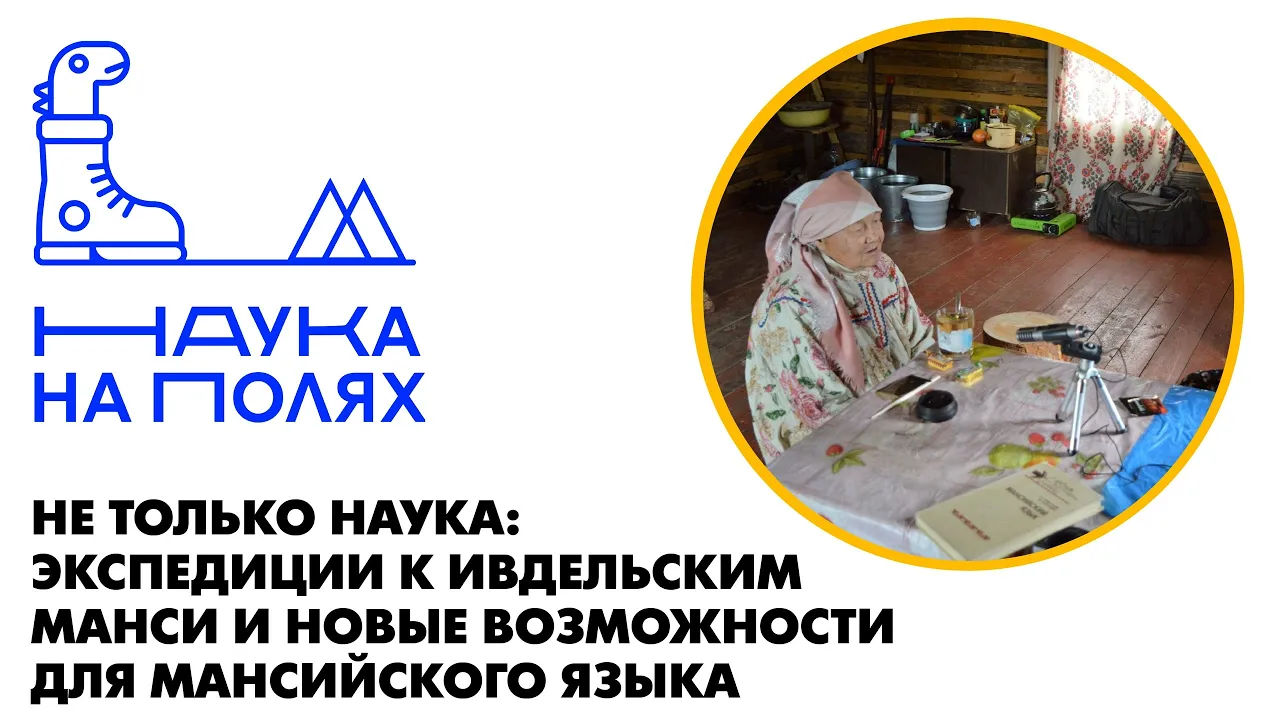












The monolingual fieldwork method, developed by Kenneth Pike and demonstrated by Daniel Everett, is a linguistic research technique where researchers analyze a language from absolute scratch without sharing any language with their consultant. This holistic approach requires studying morphology, phonology, syntax, and semantics simultaneously, as these components are interconnected. Everett demonstrated this method by analyzing the Paha language, revealing features like SVO word order, tonal systems, and gender-based consonant variations. The technique is essential for documenting endangered languages and understanding how languages work, though it requires patience, adaptability, and the ability to make and learn from mistakes.
Monolingual Fieldwork: A Demonstration by Daniel Everett | LSA
Added:Foundational knowledge of articulatory phonetics and the International Phonetic Alphabet (IPA) to transcribe unfamiliar speech sounds accurately in real-time.
Basic principles of morphology and syntax, including how languages structure words (morphemes) and phrases (word order) to convey meaning.
Understanding of traditional linguistic elicitation methods (typically bilingual, using a contact language) to appreciate the unique challenges of the monolingual approach.
Familiarity with the concept of language documentation and its role in preserving endangered or unwritten languages.
Advanced fieldwork methodology, including how to design elicitation sessions, handle structural ambiguity, and build a working grammar of an undocumented language.
Linguistic typology and comparative grammar to classify the newly analyzed language structures within known global linguistic patterns.
The study of language endangerment, revitalization efforts, and the ethical/sociolinguistic responsibilities of working with indigenous speech communities.
Practical training in computational tools for linguists, such as FLEx (Fieldworks Language Explorer) and ELAN, for corpus building, glossing, and archiving.
78.8K views2.5Klikes1:16:28Original Release: 2013-09-24
Welcome to a monolingual demonstration by Dan Everett. I am not Dan Everett. I am Sally Thomas and I am introducing Dan Everett. Uh I was just told by Robin Queen that not everybody knows what a monolingual demonstration is. It is not a demonstration of monolingualism. Dan will not stand here and speak in one language for an hour by way of showing you how this is done.
uh instead it's a fieldwork demonstration of how to do fieldwork when you do not share any language with the consultant you are trying to find out about the language of this technique was developed invented by Kenneth Pike who was a stalwart of the University of Michigan linguistics department for I don't know if many years but a number of years a significant number of years uh I think he left in 1973, 1975, something like that. Um, and Pike is no longer with us, not at Michigan, not anywhere in this world.
Uh, but Dan has taken up the the mantle and has done monolingual demonstrations publicly in a number of venues. Uh, he did one at the LSA some years ago, possibly. I'm not the only person here who heard that. In fact, I know there's at least one other person who did. uh and a couple of other people have uh you might now that you know what one is you might still want to know why that is what's the point of doing this how how would this ever be useful in real life um back when I was a graduate student many many years ago uh people used to ask me what is linguistics what does a linguist do I know probably everybody in this room has heard that question uh but the answer I gave then and even now occasionally give was something like this. A linguist is a person who if you drop them by parachute into any place in the world armed only with pens and paper, okay, nowadays a computer with really good batteries, um they can start from absolute scratch and analyze the language. They can figure out its grammar. They can figure out its vocabulary. They can tell you what it all means. Uh okay, so that's no longer true of every linguist. Uh Most linguists today probably are not trained that way. Uh people are trained to do all sorts of other cool things but not that. Actually more and more linguists are being trained with that set of skills because endangered languages have become such an urgent concern of linguists. And if you want to do primary documentation on an endangered or for that matter any other language, you had better have the kinds of skills that will enable you to go out into the field and analyze a language.
Typically those of us who have done field work even extensive field work uh have had have not done it monolingually but Dan has uh for over 30 years with the pahaz and with a number of other languages as well. Uh so um what a monolingual demonstration like the one you're about to see provides you with is a glimpse of what it's like to start from absolute scratch without being able to do it by translation.
What's your word for run? What's your word for dog? And so forth. Um this kind of demonstration only works if the demonstrator doesn't know what the language is. Right? So, you can't cheat in advance. So, I assure you that Dan has no idea what the language is.
Neither do I. Probably very few people do because the more people who know a secret, the more likely it is not to be a secret anymore. He does have two valuable clues though, provided illicitly by Andre Kutia, who mentioned in a Facebook comment that the language is neither English nor peta. Okay, two announcements before I turn the floor over to Dan. There will be the most important one of course is there will be a reception uh after the demonstration and you can ask Dan any questions that you didn't get to ask after the demonstration itself but you will have a chance to ask questions when he's finished. Uh and you will be recorded doing that.
I'll remind you of this before opening the floor to questions when Dan's done.
You will be recorded. Um do I need to tell them anything else about that? Big brother is why I listening. I mean, what can I say?
Okay, Dan, the floor is yours. You Thank you.
So, Ken Pike was my first uh linguistics professor and uh and I watched him do this and I know from watching Ken do it many times and doing it myself many times that it's easy to screw up. Okay, that's part of the fun for you, part of the headache for me. Uh, but it shows you what happens. And all my work with the pita, I was never able to ask them to translate anything. So, um, once the speaker comes out, I will switch to speaking in pahan. And, uh, then we'll see what happens. I'll work with him for a while. You're all linguists, so you'll see exactly what I'm doing. You'll know what I'm doing. You'll probably figure things out before I do. If you've taught a class, you know that your ability to spell and your ability to think clearly diminishes in direct proportion to your proximity to the blackboard. Uh so uh you know I ask for your patience although you don't have to be you can laugh and whatever you want. U but I will switch to Peter Ha and and we'll see what happens. So, uh, if you'd like to bring the speaker out, pa jalo pa jalo coal cochi pa jalo pa jalu pa jalo jolu jalu jaolu jalu pa jalu pa jolu jolu jolu jolu Now go kingdom kingdom in kingdom yah.
Into Kingdom. In Konto.
in kingdom. Yeah. Yeah. Kingdom. Yeah.
In kingdom get in kingdom in kingdom bungler bler.
in Kingdom Polo.
Bong bone bone bone look at inom in L law l law low lo In kindomal kingdom kingdom Don't kingdom.
to in kingdom.
In kingdom queen.
Oh, Lulu. Lulu.
Lulu in kingdom. Lulu. Lulu. Lulu. In kingdom. Dende. Dende.
No, bloom.
D bloom.
Bloom bloom. Yeah.
I blown um boner.
Yeah.
L.
Yeah. Pause it. Lende G.
No. Lup.
Ah, lup. Lup lulu. Lup may Lup may y um pao pao Hello. Yeah.
Lup, lup.
Lup him.
Al P aloo poo pa aloo p No, there day.
There.
Lead day. Lead day. Lead day.
Say there Go how there go how there I type it. I like go.
No.
In kindo ino jamba jamba jamba j jamba j j j jamba jamba jamba Right.
Inkindo jamba jamba.
by jam.
Condech.
Jamba Jamba Jamba [Music] Jeech.
Kraj [Music] Lich lisha.
Yellow Luna.
Luna pa. Ly bungler. Bungler.
No third.
Yeah.
[Music] Lunaz. Come on, CJ.
Kunaz Jia dear dear dear dear Yeah. No.
Loom.
Oh.
Zera.
Yellow.
Oh.
Cool lights, did you? Yeah. Yeah.
Go light.
Go. Go.
Go lighter.
Oh, call Uh low low.
Ludia. Ludia.
Ludelia Ludelia Ludia Ludia.
D, dow.
No press again.
Oh, down.
D. Leah, Leah, D. Leah.
D th D D.
See you. See you.
D see you. See you.
Oh, good.
Do do yellow. Yeah.
Th go.
Go go go go. Love lo go come. Mhm.
No, ear. Th [Music] Good job th draw.
Good job.
Yeah.
Mhm.
Lubai.
L tie.
Lie.
Lie. Lie.
Lie. L. L.
[Music] How l How luh?
[Music] in Kindo. in kindo.
Oh, bon bonto bong.
I go this cob co ka co co co co co co co co co co co co co co co co co co co co co co co co co co co co co co co co co co co co co co co co co co co co co co Uh, Kind to to or lumb. B to go kingdom.
Dup kingom.
Good. Good. Good. Kingdom.
Go kingdom.
Coupon tongo.
to kind.
Mhm.
I thank you very much.
Thank you.
Thank you. Did you have uh besides all the mistakes, would you be willing would you be patient enough to teach somebody like me if I showed up someday to learn your language? Uh yes.
Okay. Good. Thank you. Can I clarify a little bit the Yes, I would love it if you did that. Yeah. There are um means the the stick Uhhuh. from the branch. Yeah. It's almost like the branch. But then tupa is also another meaning for just pick up a stick from you know anywhere. Oh, okay. That's when I got you confused there. Yeah, that wasn't the only place. And then I figure I might as well stick to Kindong. So I went back over there. That was great.
Thank you very much. Confusing.
Thank you.
So No, no, no. I'm done. Oh, yeah.
You're done. Right. Right. That was English. I got that. Prepare to hear something else.
Um, okay. So, you got off the plane for the first time or you arrived by boat or you just met this person in town and you don't speak any language in common.
Um, your first pass is not going to be perfect. In fact, it's not going to even be all that good, but it's a start. And then all you have to do is keep that up for a couple of hours a day for about 10 years and and you got it figured out if you're lucky. Uh so what are some of the things that we noted about this? Well, it seems to be um SVO, a subject verb object language.
That's not terribly shocking. Um there doesn't seem to be any plural marking on the nouns unless it's tones and I missed it. Uh there clearly were tones. What the analysis of the tones is actually Pike would get upset if I said tones. He would say there are there's clearly pitch going on here. And whether it's tone or not needs to be analyzed. U I bet it's tone.
Um and so so were the tones level? Were they rising? There's a lot of What you might notice is I had difficulty uh with the vowels a lot. And that's not surprising because the international phonetic alphabet or the Americanist alphabet are simply idealizations. These aren't truth. Nobody produces uh a phmic inventory or phonetic inventory that just onetoone matches the IPA.
Everything and this could have I'm not saying that's the reason I couldn't get it. It's just that vowels in particular, as you know, uh have a range of articulations and they can take some while to nail down and some of the things that might be mistakes could turn out to be just the range allowable by the vowel. But what are if we were going to chart this, what are some of the vowels that we would have? Well, I got u and I got uh a nasalized version of u. I got uh a probably an a. I got actually I might as well put these in the right order instead of just listing them randomly. So So here, here uh probably here and maybe here and maybe some stuff over here that's unrounded. Uh did we get uh uh probably this to start? Uh we got E. We probably got an E. I didn't hear an A.
Uh, an E.
O. So, if we were just starting off to look at things, we would first I think probably the first thing we'd want to do is to look at the uh the nasalization stuff that seems to go on all over the place. Are these uh phonemes? I mean, are they underlying forms or are they just phonetic varants?
Um there's they seem to be fairly constant. Uh so that's one thing we want to look at in the in the vowels. Uh, for the consonants, we we certainly have a we have a K, an L, a Z, a P. We had several things going on in places before high vowels. So, we would want to look at that and see. I heard implosives, but they weren't always as clear to me. So, there were times when I heard the uh implosive um and other times when the voice onset timing was not quite the same as English. So it went back and forth for me sounding like a T or a D. Um and uh we would want to look at at all of that stuff.
Uh when I landed among the peda for the first time, they knew that I was coming, but I didn't speak any paha. I was told one phrase, but I couldn't remember it.
And uh so I just got off the plane airsick with people. I get airsick in little planes. And the pita were standing around talking like mad. So what did I do? Believe it or not, I picked up a stick and uh said stick and they said and so I wrote that down and I started working. Now here's the interesting thing about fieldwork. Those of you who read word and object by Willard Van Orman Quin and heard about the famous Gavag guy problem that I've never encountered that. That's an interesting fact about working with humans. Um, when I've asked for the name of an animal, nobody has told me animal essence or animal parts or uh animal presence. They tell me the name of the animal and it really refers to the whole animal. When I referred to different objects here, uh, some of them would be natural to the environment, others wouldn't be. I mean, there's possible that what I thought meant container just meant plastic. Could have meant bowl. It could have meant a lot of things. So, we start off with this. You take it down.
You start to chart the data.
And uh the same day after just a short break you start again investigating.
Paul Postol uh summed up linguistic fieldwork about as well as anybody ever has in two steps. First learn the language. Second test and generate hypothesis daily uh about that you cannot in my opinion do fieldwork without learning the language. um if you don't develop some sort of intuitive grass. When Pike developed the monilingual demonstration in 1936, it was partly to show the holistic nature of field research that it draws on the whole person. You can't simply go there and decide you're just going to work on one thing. You got to figure out everything. Many times it helps to know the morphology to figure out the phenology, but you also need to know the phology to figure out the morphology.
You need to know the syntax maybe to figure out both of them. And you need to know both of them. So fieldwork is one continuous catch 22 where you have to study everything at once. Um and and make lots of errors, get laughed at a lot. Uh I forgot to ask the speaker's name. That was Oh yeah. What was what is your name? Na.
Na na. Uh so you were very kind. You didn't laugh at me all the time. Uh people will laugh at you. Uh the pita would tell me words that didn't mean anything like what I was asking for on purpose just to if everybody's laughing when you're trying to do this that probably isn't what you thought you got. Um so so you don't need to speak a language in common for a long time when Kenneth Pike was chair of this department and simultaneously uh the president of the linguistics society of America I think he was here 27 years uh and he was chair he was also president of the summer institute of linguistics he um would not allow anyone to learn the national language before they learn the indigenous language. So if you went to study with him in Mexico, work with ESIL in Mexico, you first had to learn the indigenous language before you were ever allowed to learn Spanish.
And if you did happen to have the fate of knowing Spanish before you went, you were never allowed to use it. Uh he he insisted that the monolingual method was by far the best method for figuring out how languages work and that translations and elicitation based on translations lead to artificial results. My own view of that is that we need all the data we can get. So I'm happy to take data from text, from elicitation, from if I can get a translation. I remember working several years with the Pahhan, then switching to the Bonawa and I could ask them things in Portuguese and they would write out texts and say this part means it was spoken by a woman long ago and I felt like I was cheating.
Um, but I would strongly recommend to anyone doing field work that they try this at least with some speakers and and see what you what your impressions are that way and what kind of conclusions you come up to. So, I'll see if there are any questions about the monolingual method or about fieldwork um or about what you just saw.
Yeah. Thanks, Dan. Let let me You're to ask questions if you want to, but you are to be recorded. So before you utter, please wait for a microphone to be in your hands. There are two of them that will be floating around the room.
So under ideal conditions, uh how regularly would you change your informant and how much attention would you pay to the sex of the informant?
This would be um partially my decision, partially a decision of the community.
So sometimes if you go into a community like when I went to work with the Suya, the the men of the village decided who I would work with and I did not get the person that I really wanted to work with, but that's what you do. Pike tells a story of his very first language informant. He went with Cameron Townsen, the founder of SIL, into this small hut to record the language of this old man who's who was uh toothless and could barely hear and uh and and had a lot of other problems. And Pike took it and as he walked out, Cameron Townsen said, "Don't show your disappointment so keenly next time. Learn to work with who the community gives you. If you have a choice then you'll want to work with different people. I have found that uh a variety of consultants is very good because they give give you different perspectives. Often what I will do because I cannot ask for a translation is I will have two recording devices and I will record a speaker and then I will ask another speaker to come and explain to me what they just said. But of course they'll explain it in their own language. So I won't get a translation but I will get an explanation. I will get paraphrases. I will actually even get editing of what this other person said. They will say that's wrong. They should have said this. I don't know if that's right or not. But you so a variety of informants. You also find that if you don't work with um both male and female, you'll find so among the paha there are seven consonants for women and eight consonants for men. And men can use whistle speech and women cannot. So there's a range of things you wouldn't get unless you changed speakers. You also have to be careful that your speaker is from the place you're working. I do I did hear a case of a guy who worked for a couple of years in Mexico and found out that the speaker he was working with was from another community and didn't speak that language.
I noticed that you never asked her to do anything to confirm that what you were saying was understandable to her. Was that just because you were on stage and the poor woman is standing in front of this whole crowd? Or would you would you start out doing it as you did and then move on to trying to get them to confirm by interaction or in a more naturalistic? She often said yala yala.
And so that I took to mean that I got it right. Yeah. Um often I want to keep the movement going and I don't want to put the focus on the teacher because I don't I want them to feel like I'm the one in the spotlight. I'm the one who can fail or succeed. They're the teacher. So I don't make them feel like they're being questioned or challenged at all. After I get to know things, I can ask better, you know. And a lot of people like among the paha, you know, if they say yes, then what else is there to say about it? You know, they would not they would make a point of showing you they didn't understand if you said it wrong.
Um, so I'm kind of confused. Did um did you set up this event thinking that um my mother is one of the paha or did you know that she's not one or No, I know she's not. I spoke in Peta. So that I I figure she's not going to understand that language. Oh. So, so, so, so the point is to use a language that, so I can't demonstrate it if I ask in English because I'm fairly sure she speaks English. So, I have to speak another language. So, that a language that I'm pretty sure she doesn't understand. And I bet she didn't understand Peter Han. So, so to show how it works. Yeah.
Well, thank you for your demonstrations.
It was was really good and really nice to see. I'm wondering it it must be quite difficult to get whether the consultant is saying to throw a stick or I throw you throw the stick. It's Yeah.
How do you actually pinpoint that? Well, she was very helpful. Uh she made a point of teaching me the difference between I and you and they. Uh, so I could I could tell that that's what it what it was because she changed those things for me. So what you're looking for is uh is is to change some things and not others. You're looking for minimal pairs or controlled variation of some sort as much as you can. Looking for things so that the thing that changes uh probably means that new bit of information you introduced into it.
Thank you. Well, uh thank you again. I I I'm curious to know how you handled abstract uh concepts and you know, how did you elicit things like I don't know reliability or how did you that's a challenge, right? Uh it is. I wouldn't get it on the first day.
Um but uh you know I could hug him and cry and say you know I love you man and see what they say but uh probably uh you're going to get that kind of information in texts and observation you know so I remember trying for a while to get left hand and right hand and I couldn't get it. I just couldn't get left-hand and right hand and this is before some of the work on the absence of these terms uh came out or that I was aware of and I thought you know I I what kind of linguist cannot even get the difference between left hand and right hand and it's really frustrating. So I walked with them uh into the jungle many you know every day I was with him in the jungle and one guy started to turn left and the other guy said no don't turn down river turn up river there's no river around so I realized that they they don't use left hand right hand they don't use these relative directions they use absolute directions which now of course is a common fact if you're starting out today but I didn't know that uh when you figure out a morphine um it's it's cause for a party. Uh, every time you figure out one little piece of the verb or one little piece of the sentence, you're excited. Uh, the fact that Paha has 65,000 plus possible verb forms means there were a lot of parties and a lot of parties still to come. So, um, uh, not everything is transparent. A lot of things stand out to you the first day. Other things that just seem a mystery one day just suddenly, oh yeah, why didn't I know that? That's what that's doing. So, so it's not easy, but it this kind of stuff the the purpose of this is to help you learn the language so that you can eventually go to texts.
Another thing that I didn't do here that's very common. The one magic phrase is what is that right? That's a great phrase to know. And how do you get that if you don't speak any language in common? Well, one of the ways is to have something that people can't see in and rattle around in there and make them curious and maybe they'll say something and that could mean what the hell are you doing? Or it could mean what is that? Okay. So, so you know, you go out and you try it. Oh, what the hell are you doing? But, uh, then they'll correct you if it's not what it's supposed to be. So in paha that word is the the phrase which I didn't know any I didn't know what it meant is which literally means uh what is the name associated with that um and what is he doing or she doing that took me longer when you first arrived at the community um were people just curious to work with you or did you have to kind of convince or at least make them curious to actually talk to you. Did you ever go to the uh to a community where people were shy or something and turn turned away from you and what what would you do in a situation like that? Well, when I first went to the pita, uh they the men were ready to work with me. Uh but the women when I would try to get some information would just turn and spit and walk away. And uh you know, you can't take that personally. Uh, it's intended personally, but you just can't take it personally. Um, so that took a while and the women really didn't start working to me until I could tell dirty jokes in the language and make them laugh. Then they figured, okay, he's a fun guy, I'll work with him. So, it took it didn't it happened. It took a couple of years. Um, back here, sorry. Is eliciting uh whistle speech different than spoken speech? And how did you go about that?
Um, well, I had heard that they had whistle speech and so I tried to whistle something and they started laughing. So I said, "You do it." And they did it. And so I transcribed that.
And it is different than spoken speech in some ways and it's hard to figure out how the differences are, but they do do that. And so a lot of the time I also knew from Steve Sheldon's work that they had sounds that didn't occur in any other language of the world. Well, one in particular, Li. So, uh, walk up to somebody and you see some milk or breast is the same word. And so, a woman's nursing a baby and I say, "What is that?" That was hard. Um, this I knew what that was. is bil voice bilabial trill that exists in some languages but the so how do you say something's really big so um these sounds you just but I was trying to get this and and they wouldn't say it and so then one day they came in and they said you've been here for a while so we told you that the word for milk is ibog but you can also say or you can say or you can say or you can say or you can say he so there are all these different ways to say it.
Do you tend to ask about um objects and actions in specific order? For example, starting with the stick or does it depend on the environment that you're in? It depends on the environment, but I start with things that I can I figure every culture will know something about.
Actually, in the Amazon, you'd get words for these things, but hard rocks like this usually don't occur in the Amazon.
Um, but you would get there's a conglomerate. It's just, you know, uh, dirt basically clumped together and they'll give you the word for that. Some things get really hard, but they're still just conglomerate. They're not solid rocks like this in the Amazon, uh, because of all the silt. Uh, but you start with things you assume that everybody will have, and maybe that's right, and maybe it's wrong. You you look and see how they talk to each other. You don't want to ask inappropriate things. You know, it's who do you who do you talk to? who can you talk to? So that's why it's holistic.
You can't just go in there and say, "I'm a luist. I want linguistic data." You want data about the people. You want to understand the people. You want to develop a relationship. You want to learn how to speak the language. And you want them to see that you don't think you're a big deal. They won't think so anyway, but but you don't want to create that impression because your time there, your success depends on their goodwill.
Okay. So I will ask a question that I think multiple people are wondering about that you recognize the language or the language family and then one of the insiders what is the language that's the thing that Pike would do. Um I I assume based on a number of things that it comes from uh Asia. Uh and uh and uh I would I would you know guess based on other things probably u uh more like the Philippines but uh I'm not sure really what the language is.
What is the name of the language? M mong. Oh so it doesn't come from the Philippines come Vietnam. Uh so uh um I should have known that with the implosives, right? The implosive should have told me that. Um so um um Oh, okay. Hi. So I was wondering in your work with the Peter Hut, was there any English acquisition on their side too?
They would ask me sometimes what because they can't tell the difference between English and Portuguese. You probably can now, but in the early years they couldn't. So they would say, "How do you say this in Portuguese?"
Mesa men. Well, that's an ugly word. Um, how do you say it in English?
Table. Table. Also ugly.
Um, I wonder about uh the whistle speech. I've never worked with a language that has the whistling. And I wonder if you could remark in the case at least the case of pira what the relationship is between the spoken and whistled versions of the language. Yeah.
So paha has uh five syllable weights. It has two tones. It has uh stress placement that goes on one of the last three syllables depending on syllable weight. And in a tie it goes towards the end farther towards the end of the word.
Um all of that's whistled. Okay. So when they whistle you get the tones, the syllable weight, even the syllable breaks, you get the uh uh stress pattern. One of the interesting things is that the what I thought was just you know free variation among the consonants. So s and h can vary with each other uh for some speakers and also uh p t k and glottle uh actually not so much t but p k and glottle can vary with one another and uh what is the reason for that? Well, according to the stress rules that I've written for the language, uh none of that would affect the stress or affect the proity. So the the segments can vary so long as they don't affect the proity because that's very important for hum speech, whistle speech, yell speech, musical speech for all of these things. So when you're working with the language and if they tell you something like you ask what's the word for head and and they the first thing they say is apapai and you repeat it and they say that's right kakai then is that some special morphine or is that just free variation?
So when I got the word for nose, I said, "What is this?" Uh ite doesn't mean anything. They're the same. That's not true. So it actually one is a my So itei is nose. It disembodied. It pi is possessed nose.
your nose my nose you don't expect them to know that so if I ask you if I if you told me I am going to work and I ask you what is two what does that mean probably you couldn't answer and you're linguists um did when do people acquire the whistling and the humming and the yelling and the musical speech acquire those as children or yeah and that's the hum speech is learned first that's the most common uh um speech between caregivers and children uh and then whi whistle speech boys and men do that the yell speech they see it all the time so I have seen little kids I haven't studied this systematically Peter Gordon went down with me a couple of times from Columbia University to look at acquisition but we weren't able to get enough time together for him to really do that study but we did notice some children learning consonants later than you might have expected uh but they hummed and whistled and because the protic channels were very important there questions in the front here. Um you said something about uh one of your associates had somebody come with them as an interpreter and they were from a different community. So make sure um that person who comes with you is from the same community. So does that mean uh the language paha is only spoken in like one village or something and what country? What I meant community was um was language community speech community. The paha have about eight villages. They're spoken in the Amazon.
That language is spoken in the Amazon of Brazil. Oh yeah.
Um, so when you begin learning the language, you usually start with things like this, but how quickly do you start to pick up things like greetings and asking names and more? Usually the same day because if they have them, not with the pita because they don't really have greetings. I said something into the pita like I when when um na came in I said uh okay because that's the closest thing the pahas have to a greeting and uh you know the pita equivalent of okay they don't actually have the word okay um and uh sometimes you get that back naturally not all languages use fatic communication this greetings and leave takings and all this as much as we do petan don't use it at all Um, did you learn a lot from speaking with children or in general with children? Uh, children, uh, I did work with children. Um, but they're very hard. I mean, they didn't want to talk to me very much, but sometimes they're the dad would call them up and say, "He'll give you some candy if you'll say this and this and this." And I would when I wanted to learn body parts, um, you know, you need to learn all the body parts and not all of them are things you necessarily want to go around pointing at. So um uh so uh you know they just brought up little kids and pointed out everything and said that's what so that was good. Although the genitals changed names after maturity.
So to say somebody grew up a male grew up he's got big balls. So yeah you have a question. Okay. Sorry.
Um I noticed you used a lot of gestural uh language like you were pointing or nodding. uh that's bound to change uh among communities. How do you go around it? Like does pointing always work or does it sometimes not work at all? Well, part of the thing is you don't know what's going to work. So, you know, I could point with my lower lip. That's not natural to me. So, the main thing you do is do what's natural to you. The interesting thing about human beings is that we all expect other human beings to talk. We don't expect to understand them. We expect them to talk. We assume whether you're peda or British or whatever, you assume that a lot of that stuff is similar and and if you don't talk or you don't point, it's worse than if you than if you do and do it wrongly. So just be yourself and work on this stuff. Will you make mistakes? Yes. And they will love it very often.
Um, I was noticing that you were writing things again and again, right? And I was wondering if there was a reason for that because I was I was thinking afterwards that you could have elicited the word for stick and put it in the middle of the blackboard. Right. Right. And then sort of position things out from it. So, are you listening and trying to write again and again as part of the strategy?
Uh, yes. Because I'm assuming that I got it wrong. Okay. And so, I'm working on it and see if I can do do better.
Sometimes I just copied it over, but I also want to get the phrase and I don't want to assume that it goes in one position when in fact it goes in another position. So I I prefer to write it all out. That's another thing I would tell you when you're taking notes, never erase them. Always take notes and indelible pen and put a line through them if you have to. Um earlier you said that the uh males will use a different consonant system than the females. Um, how do the children know which consonant system to use? Um, do the fathers only speak to the sons and the mothers only speak to the daughters or No, most children all the children speak their mother's dialect until they get older and then the the boys start talking the men's dialect. Okay. So the the and this is common among a lot of languages that have male versus female uh u speech distinctions is that the woman the mothers is the is what they're going to learn first. And one interesting thing about the pita everybody gets married because it's an economic uh necessity.
It's a social expectation. But uh there is no you know what your sexuality is is irrelevant to that. So, a lot of them, a lot of the men I I think are bisexual based on what I've seen them do. They are bisexual. Uh, and uh u a couple of them I would say are more like uh uh homosexual, but they're married because they have to be married. And and those two guys speak with the woman's dialect.
So, we probably should have one more question. Um and then we'll let you go to the reception.
I'm honored. Um, it sounds like this wasn't a problem with pira, but what do you do when do you ever have the problem of speakers giving you what they think you want to hear, but it not being the the correct or most useful uh form?
Yeah, that happens all day. It and so you have to you have to be testing it with other speakers all the time. What I would do on a normal day in Peter would I would have done what we just did here.
I would write it all down. I would systematize it as much as I could. I would make questions to myself and I would go right out and test it with as many people as as I could. Um, and so, you know, you test things. So, like I was walking by a fire one time and I said, "How do I, you know, that smells good?" And I I tried to get that idea across and they gave me a long phrase.
Um, so I walked over to somebody else and tried it out and said, "That smells good." And they just looked at me. And what that phrase means is it's pleasant the way the smoke is hitting me in the nose. Okay, I guess that's it then.
Thank you.
Up Next

144:48
The Origins of Language: How Human Speech Evolved
@SleepyTimeHistoryYT
30.9K views•2025-11-13
36:52
Constraint Interaction in Optimality Theory: Epenthesis & Deletion
@Vidyamitra
180 views•2018-08-20

8:59
Forensic Linguistics: How Language Solves Crimes | PBS
@pbsstoried
1M views•2024-01-25

21:32
Accent Expert Explains U.S. Regional Dialects | Part 1
@WIRED
9.3M views•2021-01-21
Related Study Plans & Knowledge Roadmaps
Structured learning paths in Linguistics
linguistics
Optimality Theory: Tableaux & Constraints
01Phonological Basics: Sounds, Syllables & Rules
02Foundations of Optimality Theory: GEN, CON, and EVAL
03The Constraint Inventory: Markedness vs. Faithfulness
+ 2 more learning modules
15h5 modules
Explore Roadmap
linguistics
Morphosyntactic Alignment: S, A & P Systems
01Foundations of Syntax: Transitivity and Arguments
02The Linguistic Variables: Mapping S, A, and P
03Nominative-Accusative Alignment
+ 3 more learning modules
12h6 modules
Explore Roadmap
linguistics
Analyzing Sign Language: Phonology & Syntax
01Foundations of Sign Language Linguistics
02Phonology: The Five Parameters of a Sign
03Morphology: Word Formation and Classifiers
+ 2 more learning modules
14h5 modules
Explore Roadmap
linguistics
Pragmatics: Speech Acts, Grice & Politeness
01Introduction to Pragmatics: Meaning in Context
02Grice’s Cooperative Principle & Implicature
03Speech Act Theory
+ 2 more learning modules
14h5 modules
Explore Roadmap