




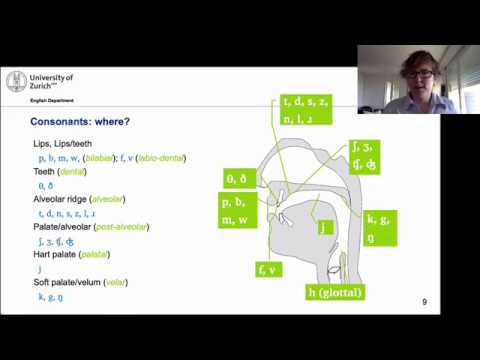


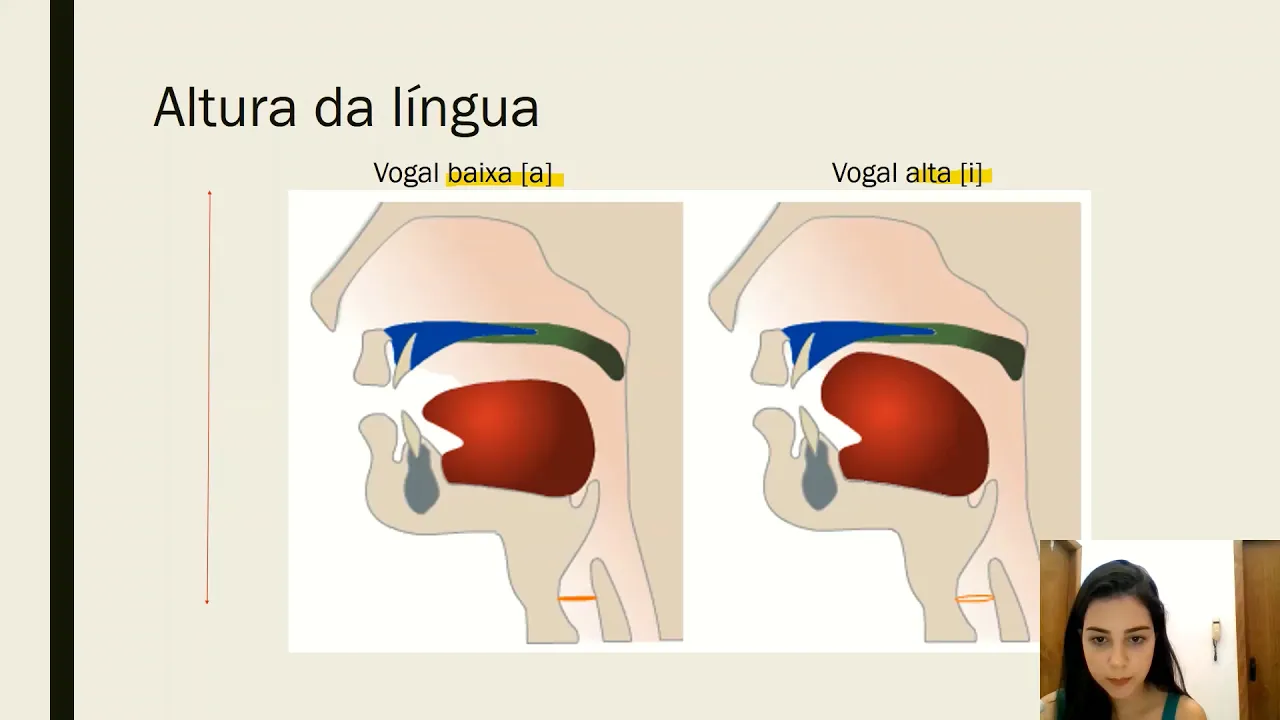







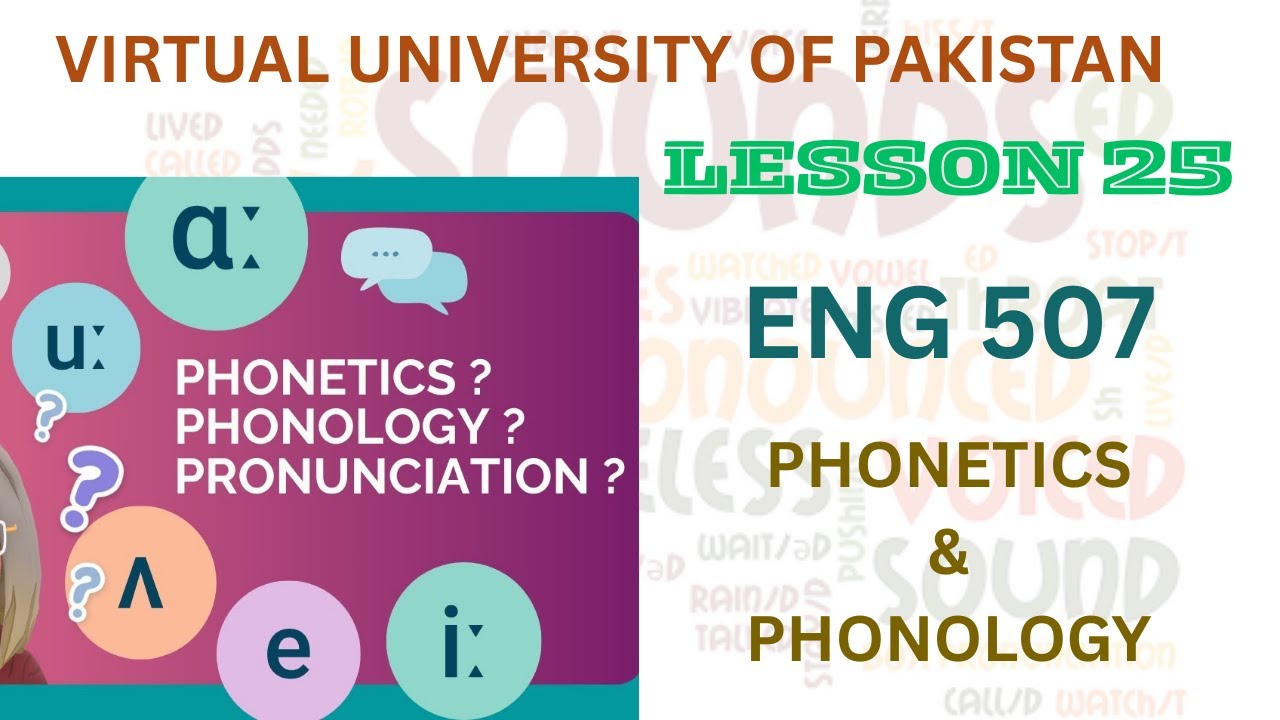





This video introduces the fundamentals of articulatory phonetics and the International Phonetic Alphabet (IPA) system for transcribing speech sounds. Key concepts include: (1) English spelling has no one-to-one correspondence with pronunciation, making IPA essential for accurate transcription; (2) phonetic transcription relies on auditory perception rather than spelling conventions; (3) IPA uses square brackets to enclose transcriptions of actual spoken sounds; (4) consonants are described using three criteria: voicing (voiceless vs. voiced), place of articulation (where in the vocal tract the sound is produced), and manner of articulation (how the airstream is modified); (5) vowels are classified by height (how high/low the tongue is), backness (how front/back the tongue is), and rounding (lip position); (6) common English spelling inconsistencies like 'calf' (c sounds like k) or 'bash' (sh is one sound, not two) demonstrate why IPA provides standardized representation. The video demonstrates practical transcription exercises with examples like 'toe' [təʊ], 'bash' [bæʃ], 'wham' [wæm], 'calf' [kɑːf], 'hook' [hʊk], 'mouth' [maʊθ], and decoding IPA symbols like [j] for 'y' sound, [tʃ] for affricate, and [ʊ] for diphthong.
Broad Phonetic Transcription: IPA Basics and Practice
Added:all right so we're now ready to do some basic phonetic transcription there's a few things to remember when you're transcribing words from English the first of which has to do with the fact that you need to forget everything you know about the English writing system English writing system is fraught with inconsistencies from the sound to the symbol there's never a onetoone correspondence very rarely so it's just because the writing system is sort of a hold over or hangover really from Old English that's one of the values of using an International Phonetic alphabet you get that onetoone correspondence between sound and symbol another thing to remember is pay attention to the sounds that you're actually hearing whether in your own speech or the sound of somebody else rely on what your ear tells you not what your memory tells you based on how the word is written in English or any other language the third thing to remember is that anytime you're doing transcription you want to enclose your transcription in square brackets that is what linguists use to say this was what was actually spoken all right so we've got a few words as they're written here in English we've got a few words here in English as they're transcribed through the International Phonetic Alphabet um let's take a few examples so toe throughout this part of the video feel free to pause and see if you can guess what the transcription would be based on how I say this you could also do this based on how you say it but because I'm doing the video and we can't interact um you know we have to kind of go off AIC my speech for now so toe toe what sounds are in there the first sound you might identify as T but what's that vowel sound It's Tricky oh is that enough probably not because that would just be the monop thong so that would just be toe you could say that and probably be well understood but as I said it to that vow is a diff thong toe what about this next word bash remember put the brackets first bash well we have a b first and then how do we represent that a sound with the ash symbol if you can remember that ba but then we have ba we have one more sound here sh remember in English we tend to write that with two letters that's not what we do in the IPA system though we actually write it with this elongated s sh bash Wham it's another tricky one but don't be deceived into thinking that W and H is two sounds we're just talking about one sound here W so that's a straightforward w a well we just had that one and then M Wham brilliant what about this one calf this is exactly what I'm talking about with the problems of the English writing system it really epitomizes all of the inconsistencies in four letters c starts with a K calf it's that vowel again keeps popping up C is there an O some people could say Cal maybe you'll be understood but calf as a lot of people pronounce it and I think most native speakers pronounce it probably just ending in an F calf next we have hook so we have our voiceless glottal frickative then we have uh you remember that one uh uh it's the upside down omega symbol or this one H and then we have C hook let's take one more we have mouth common thing among linguists so we have M ma ow ow you could just tell by the lip rounding it's a dynamic kind of vow it's a diff thong so we have Ow like an house ma ma and then we have th th that is the voiceless Dental or interdental fricative mouth so let's take the opposite exercise where we have words from English uh that are transcribed into the International Phonetic Alphabet already but we need to figure out what word they are so just like when you're transcribing sound them out relax we'll get through this so we have a j no we don't remember that actually represents the Y sound so we have y this vowel is e so we have y then we have an O yell yell any guesses yellow what about this next one this might be deceiving too but see if you could sound it out so we have this sound it's often used with that tie bar over the top a t and a sh next to each other when they love each other very much these two sounds often produce a affricate so you get CH then you get that sound remember it's often represented like this in some textbooks but get used to using this one an upside down R so that's sure and then what do we have here what vowel is that that's e so we have tree tree hm maybe it seems weird when you're exaggerating it but it's tree anytime you're saying this word if you're a native speaker of English you're probably producing that tree so what about this one well we have great what's that vowel sound remember what that wedge character signifies it's basically uh in a stressed position uh so that would be with the V love let's take one more so we have again what's this sound here we got two vowels next to one another it's probably a diff thong so it's a so we have lay ends in a c Lake lake so there you go again this is very basic broad phonetic transcription we're just capturing the very general sounds that are used here but it's just this type of practice that you could do on your own or with your friends to get even better and more confident at phonetic transcription so what do we talk about in this video we talked about the system that linguists Ed to describe consonant sounds voicing place of articulation manner of articulation we talked about how linguists use uh vowels in a different set of criteria height backness and rounding and we talked a bit about the International Phonetic Alphabet chart for consonants and for vowels and then we just did some phonetic practice phonetic transcription practice I hope you found this video useful um stay tuned for more to come thank you
Up Next

International Phonetic Alphabet (IPA) Guide for Beginners
@FingtamLanguages
67.7K views•2021-04-26
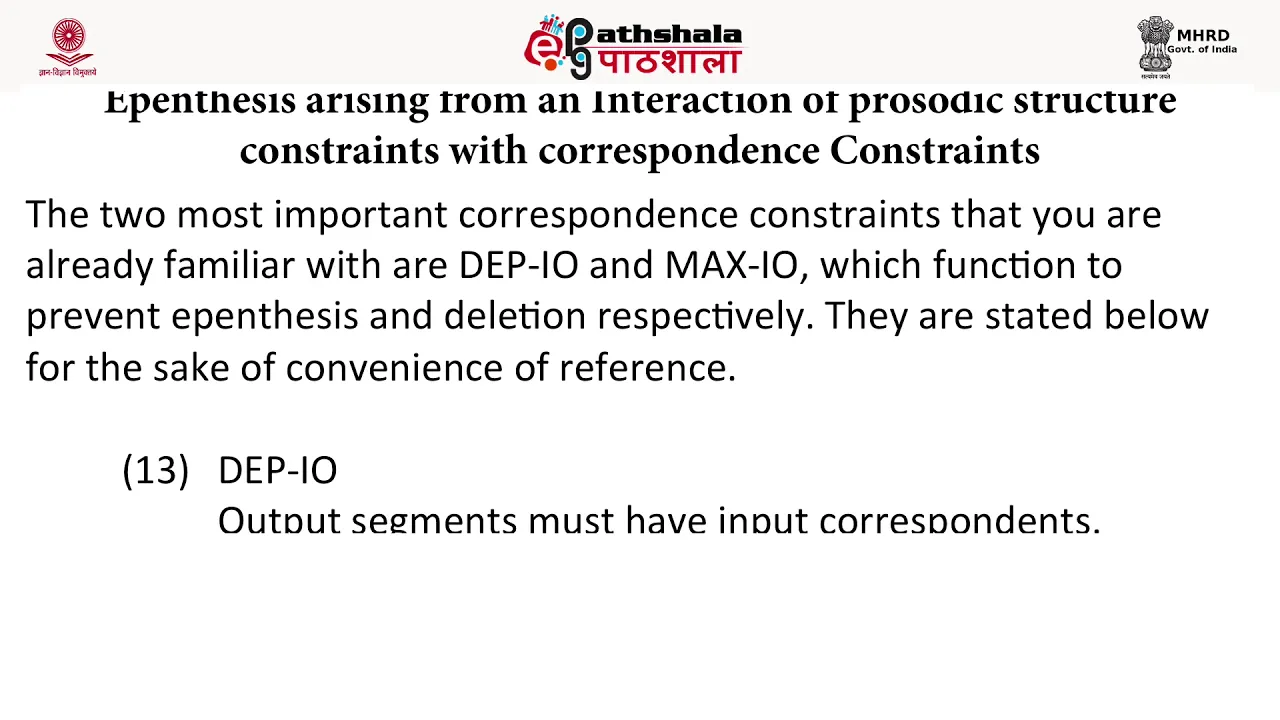
Constraint Interaction in Optimality Theory: Epenthesis & Deletion
@Vidyamitra
180 views•2018-08-20
Language Endangerment: Causes, Crisis, and Why It Matters
@evanashworth490
6.7K views•2023-11-22

Accent Expert Explains U.S. Regional Dialects | Part 1
@WIRED
9.3M views•2021-01-21
Related Study Plans & Knowledge Roadmaps
Structured learning paths in Linguistics