











![Phonetics: Intro to linguistics [Video 2]](https://i.ytimg.com/vi_webp/GLBsvdaR_ow/maxresdefault.webp)








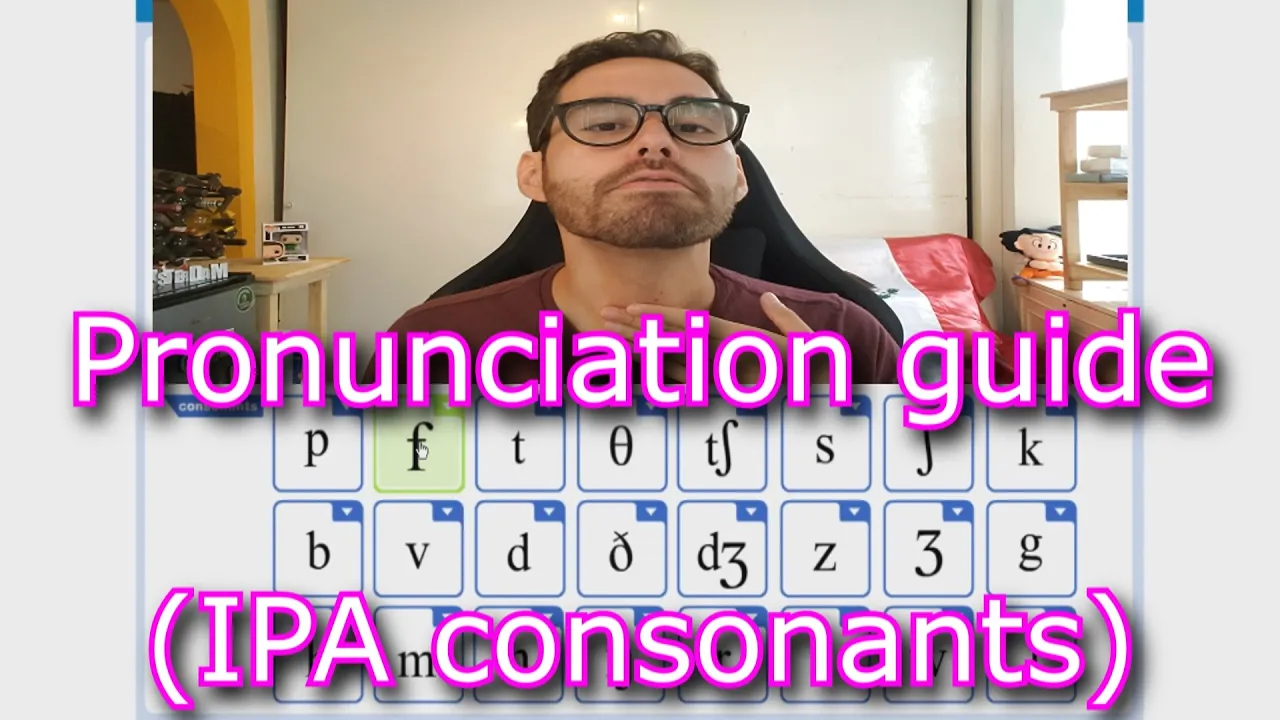
The International Phonetic Alphabet (IPA) is a standardized system of symbols that represents the sounds of spoken language, providing one symbol per sound across all languages rather than relying on English spelling conventions which often fail to indicate pronunciation accurately; the IPA includes both familiar sounds like English vowels and consonants, and more exotic sounds from other languages, with lowercase symbols typically resembling their English counterparts while uppercase and modified symbols represent unique or less common sounds.
International Phonetic Alphabet (IPA) Guide for Beginners
Added:Understanding the difference between spelling (orthography) and speech sounds (phonetics), specifically how a single written letter can represent multiple sounds.
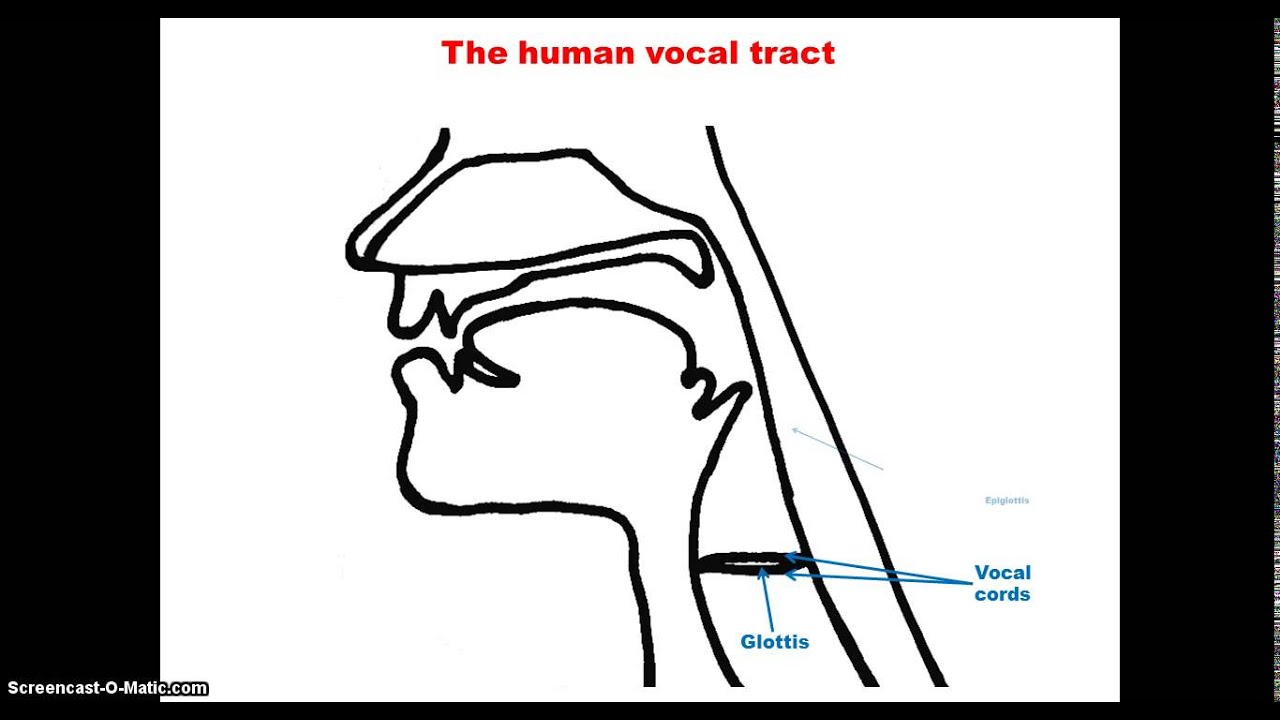
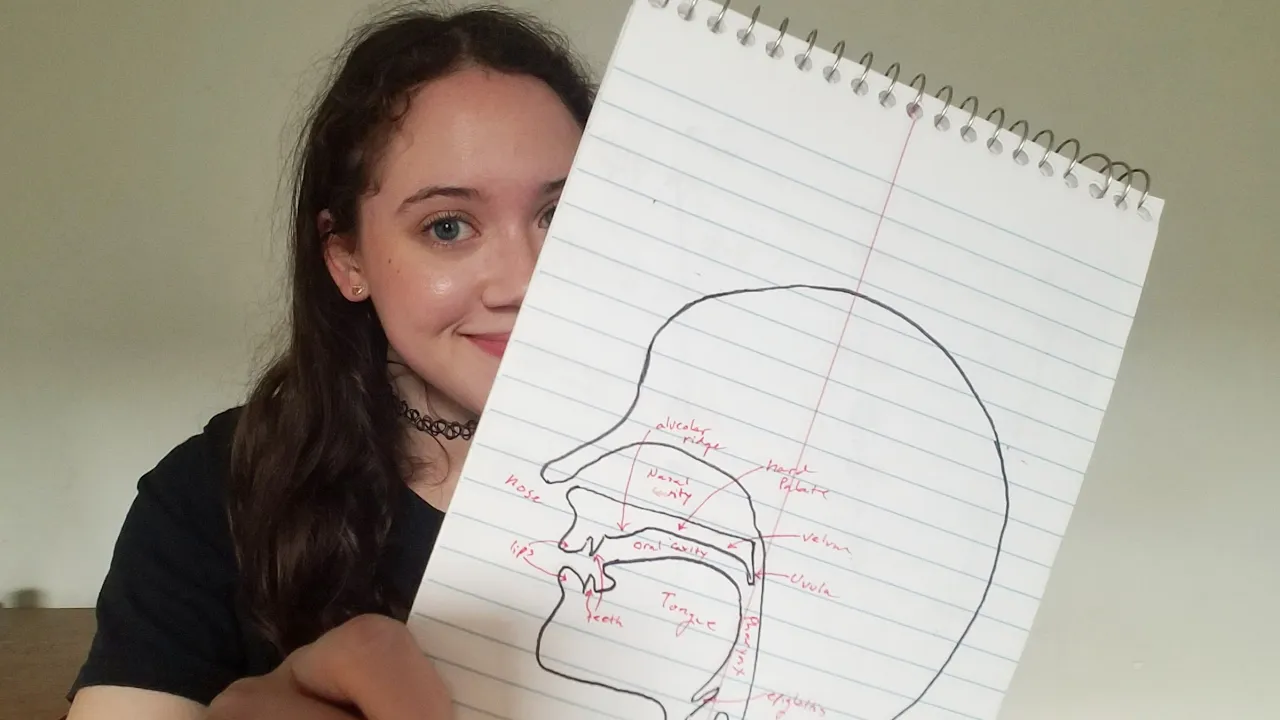
Basic familiarity with vocal tract anatomy, including the role of the tongue, lips, teeth, hard palate, and vocal cords in sound production.
The fundamental distinction between vowel sounds (unobstructed airflow) and consonant sounds (obstructed airflow).
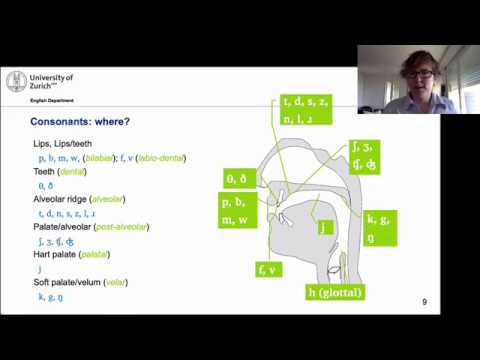
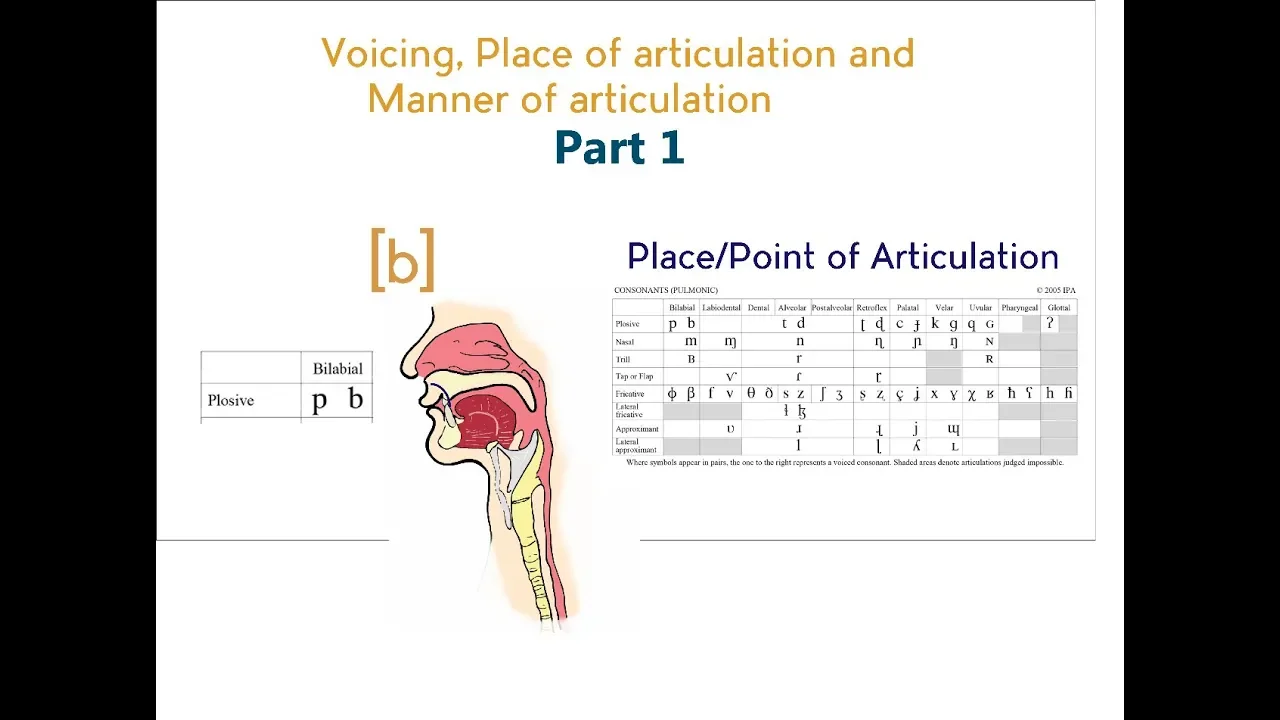
Mastering the articulatory classification of consonants, including the concepts of Voicing, Place of Articulation, and Manner of Articulation.
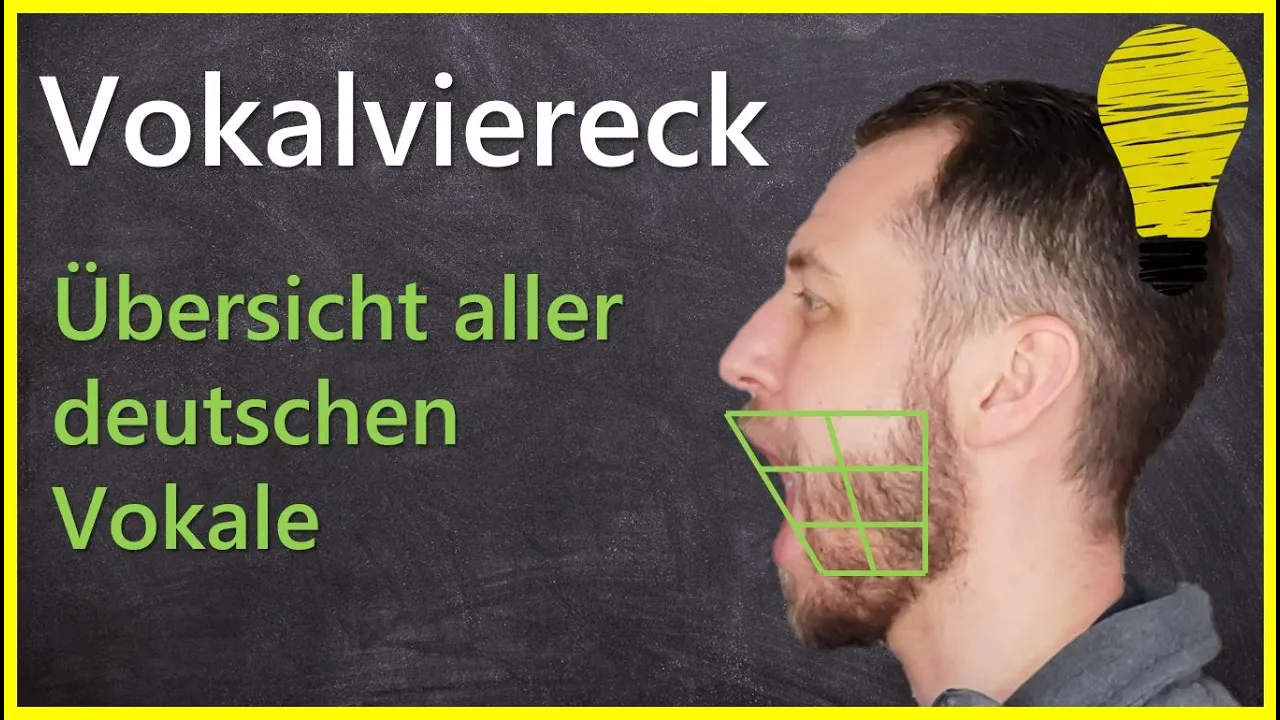
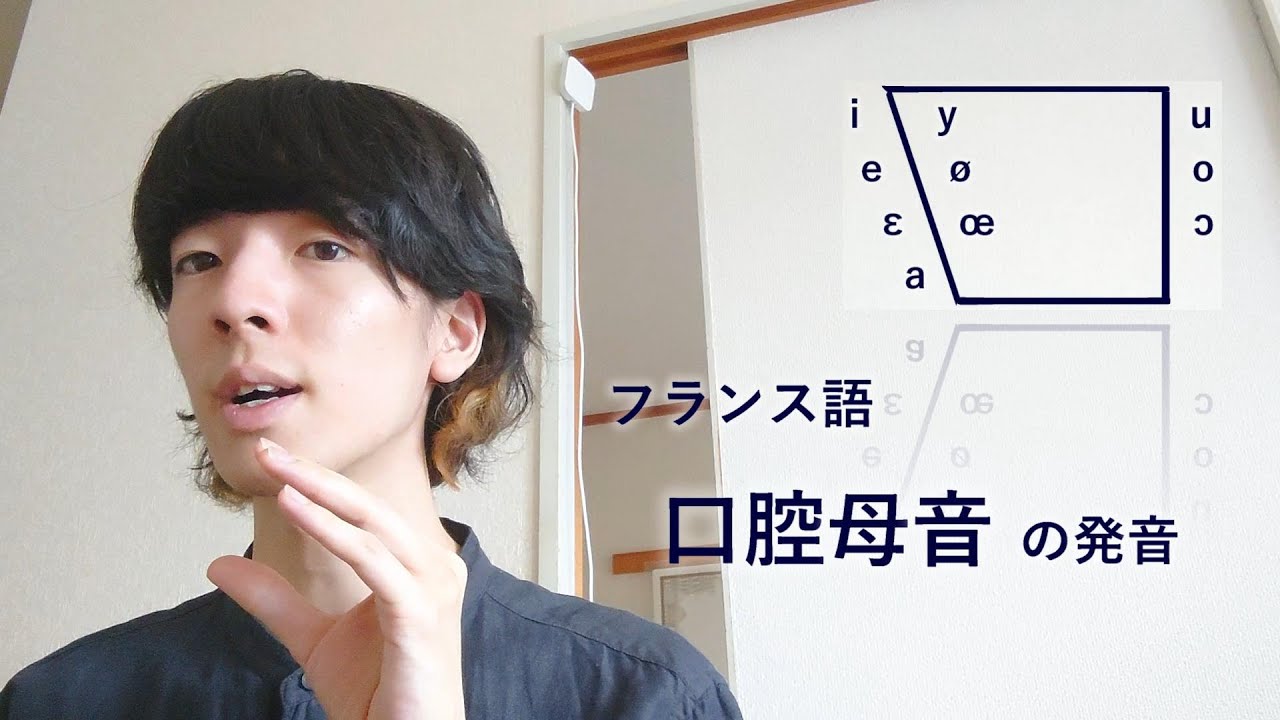
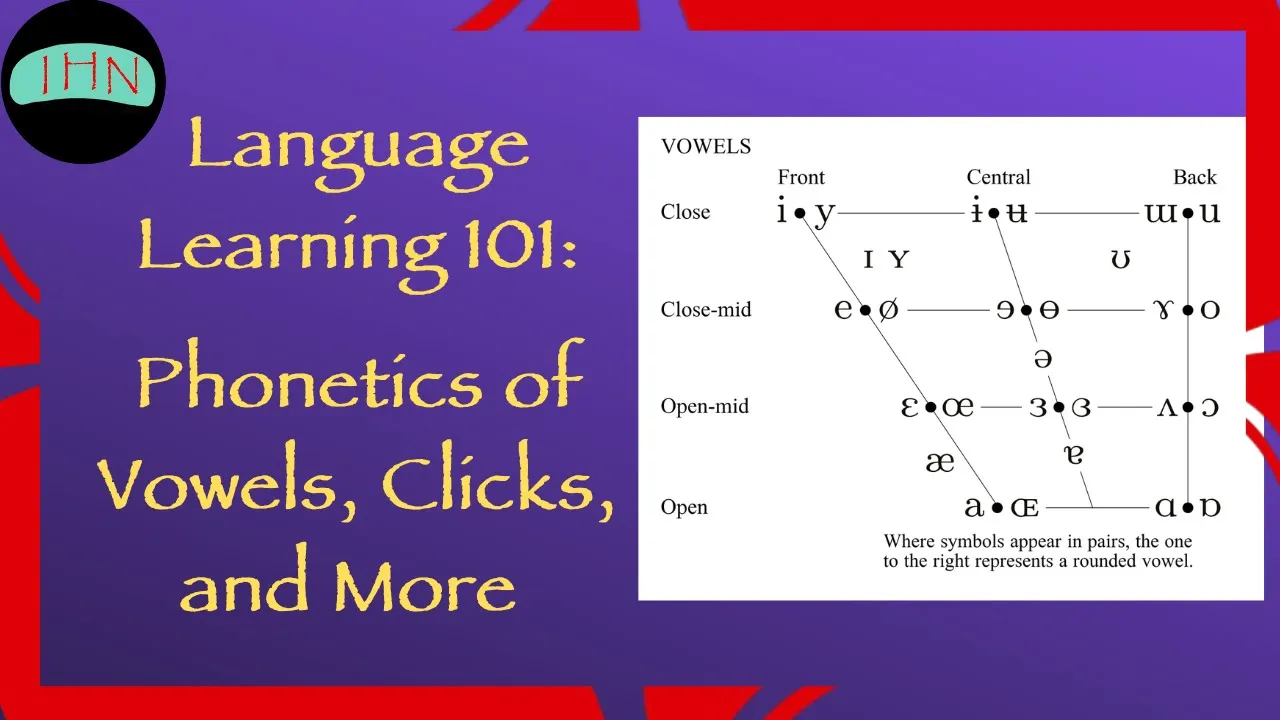
Learning to navigate the Vowel Quadrilateral, which categorizes vowels by tongue height, tongue backness, and lip roundedness.
Understanding the difference between broad (phonemic) transcription using slashes / / and narrow (phonetic) transcription using brackets [ ].
Studying diacritics and suprasegmental features, which represent details like word stress, tone, pitch, and vowel length.
Applying IPA knowledge to practical fields such as accent modification, foreign language acquisition, singing diction, or speech-language pathology.
67.7K views2.3Klikes20:00Original Release: 2021-04-26
if you've ever opened the dictionary you've probably seen these strange backwards and upside-down letters in the pronunciation guide and most of us just breeze right past it because we don't understand the meaning of these symbols but if you do that you're missing out on some really valuable information this writing system is called the international phonetic alphabet or the ipa and the ability to read the ipa is actually really useful for anyone who's interested in languages or linguistics so this video is going to be a simple beginner's guide to all of the basics of everything you need to know about the ipa and i'm going to break it down into three videos the first one is just going to be the sounds of the symbols in the ipa the second one is going to be all the detailed instructions about vowels and how we form vowels and how they fit into the ipa charts and then the third one is going to be about consonants so make sure you're subscribed so you don't miss out on those future videos the english alphabets like many other alphabets in other languages is a really bad indicator of how words are pronounced we know that b generally sounds like b and o generally sounds like ooh but how does o-u-g-h generally sound it could be off like in cough like in tough o as in thorough ah as in or ow as in and sometimes people will try to spell words out phonetically in order to give you an idea of how to pronounce it but that can only go so far for example a few weeks ago i posted on twitter how do you pronounce this word and if you didn't already know this the word in question actually has a ton of different pronunciations depending on your region and your dialect so i had a bunch of different people chiming in with spellings of how they pronounce that word and that can give me a general idea of whether someone pronounces this word as one syllable or two syllables but it also leaves a lot open to interpretation even in my own personal response to this question i said that i pronounce it as cran as in cranberry but anyone reading this sentence wouldn't necessarily know how i pronounced the word cranberry but the people who responded with the ipa left very little room open for interpretation now the beauty of the ipa is that it gets as close as possible to having one symbol per sound in language so if i see a symbol like this this vowel symbol and i see it in writing i know that it's going to be pronounced something like this now obviously if you look at these two charts there is a lot more symbols in this than we have letters in our alphabet and that's because the international phonetic alphabet has to account for all sounds that are attested in all languages not just english and they have some sounds that are very familiar to us like say this and then they have some that are very strange to us like this so what i want to do now is just go through some of the most familiar sounds to the majority of english speakers and we'll go over those sounds and then in the future videos we might cover some of the slightly more foreign sounds to us by the way everything you see here is from ipa chart.com which is a really nice website because it's interactive you get to look at all the different ipa symbols and click on them to hear the sounds and it's just really nice now this sort of asymmetrical quadrilateral is a map of all the different types of vowel sounds that languages can make now a quick help for many of these vowel sounds is that the lowercase symbols like this one or that one are generally pronounced the same as they would be in spanish and i think possibly italian and portuguese so hopefully that's helpful to some of you but for example the letter u in spanish is not pronounced you but just and that's how the sound is in the ipa okay be careful not to pronounce this as u as in cute or unique it's just a flat straight ooh sound oo as in boot over here you have e as in beat this uppercase i is the e as in bit then this sort of curvy u over here is uh like the uh in book now i'm going pretty quickly here but i am gonna do a review section at the end of this video and give you some exercises to practice but you still might need to re-watch this portion of the video a few times or just slow it down pause read the example words and and give it a little bit of extra time this lowercase e over here i've already mentioned is similar to the the e sound in spanish and it's more or less similar to the a sound in english as in bait it's not precisely the same we will actually go over a little bit more about this e sound in our vowels video but for right now just it's similar-ish to the a sound in english and the letter o is letter is similar to the o sound as in both now this upside down e here is an extremely common vowel in english and we call it a schwa and it's basically similar to the a sound in the word about if you notice we don't actually say about about if we're speaking normal casual english we say about and in the ipa we would spell that sound with this symbol and in english this sound is almost always going to be in the unstressed syllables of a word this sort of backwards three here is e as in bet and this upside down v is uh as in but this open o or it looks like a backwards c is pronounced ah as in bot this a and e over here is we call that the ash sign and it's pronounced like a as in bat and then this letter a down here is pronounced like ah and i'm from wisconsin so my pronunciation might be a little bit different from yours but that's ah as in bot like robot and you might pronounce it something a little bit closer to this or maybe something like this uh but generally speaking i think this one is the closest to robot at least for my accent so those are the main vowels i wanted to focus on like i said i skipped over a bunch of them i do plan on coming back and talking more about them in future videos and then moving on to the consonant sounds in the ipa you should look at this chart and be able to recognize uh quite a few of these letters some of them are going to be very strange looking like some are from greek and then others have like strange little tales and modifications to them fortunately a quick rule of thumb is that in the consonants of the ipa chart generally speaking the lowercase consonants are going to be relatively similar to their pronunciations in english not all of them but that's a pretty good rule of thumb for example the lowercase p b t d k and g are all fairly similar to their english equivalent the letter p here is very similar to the english p in the word spock and if you actually notice the p in the word spock is actually slightly different than the p in the word pocket okay there's a very slight difference there we'll get more into that in my consonant video later but for now just recognize that this lowercase p is it is very similar to the english p at least as far as words like spock spool spa spring and then obviously b as in ball boy whatever t as in stick d as in dog k sound represents basically anything that sounds like a k in english right so the normal k like in skill or skittles and then obviously it also sounds like the c in english a lot of times so that would be like a scram or or a screen and then sometimes other letters like school right s c h and then obviously the g is very similar to english like the word goat or god um and um are basically exactly the same as they are in the english alphabet as well as [Music] okay none of these should be any surprise to you there and then the other consonants that are similar to the english language are the h sound well that one's hard to do without adding a vowel in but you get what i'm saying it's just like a breath and then the letter l is basically similar to the way that you would naturally pronounce the letter l now this lowercase r here is actually the way you would expect to pronounce an r in spanish or maybe like the double r in spanish so listen to this all right this sort of modified r here is also in spanish and that is also uh similar to the t sound in the word water or hippopotamus all right and then these capital r's over here the right side up r and lowercase r um have been attested in the french language okay so this upside down r is like the r in the parisian dialect of french paris right and then this right side up r is a trill and that is how edit piaf very famously pronounces her r's in the song i can't really do it but you get the picture it's something like that if you're looking for the ipa symbol of how we pronounce rs in english it would be this upside down lowercase r over here all right all right on occasion i see people spell it with this right side up r here and i think that's kind of a convention sometimes but i prefer to stick with the traditional upside down r all right now another letter you have to be really careful about is the lowercase letter j because it does not sound like ja like you might expect it to if you're an english speaker it actually sounds like the yeah in yes and that's actually the same sound that it would make in german or esperanto and a lot of other northern european languages but we actually do have some hints of this in english like for example in the word hallelujah the letter j makes the u sound just like the ipa symbol does all right now we have to start getting into some of the consonant sounds that you might not recognize alright so this theta and this letter thorn over here these letters are basically your th in english and one is voiceless the other is voiced so that would be the th as in think or thin and this would be the voiced th sound as in this or that all right and then there's also this sort of strange looking n with the little tail underneath and that sound is and you might be thinking that this isn't even a sound in english but this is definitely a phoneme in english i promise you you say this sound every single day and typically with the english alphabet we spell this as n g so words like king or song and don't be deceived just because we usually spell it with two letters does not mean that this is two separate sounds okay you do not say king or song the sound is not an n followed by a g it's neither of them it's its own sound and so it gets its own symbol in the ipa and then this sort of stretched out s looking thing here is what you might think of as an sh sound as in share or sheep but it also exists in words like ambition and then this sort of three looking thing here is the zh sound so that's um it's the j sound in french but it also exists in english in words like asia or treasure and then the last one that's important to point out is this question mark looking thing over here and that is what we call a glottal stop and this one might be hard to understand or hard to kind of uh conceptualize how this is even a consonant because uh this consonant might sound sort of just like not saying anything because you just stop your vocal chords from vibrating but um this is the sound the the typical explanation of this sound is that it's the space in between the vowels in the word uh-oh all right when i say uh oh that's just two different vowels but when i say uh-oh that's two vowels separated by a consonant or a glottal stop or if you can imagine audrey hepburn from my fair lady saying the name harry potter well towards the end of the movie she might say harry potter but when her cockney accent comes out it would sound something much more like arie and in those cases this glottal stop uh kind of stands in in other places where others of us might expect a t sound or possibly uh this flapped r sounds to come in now if you're just interested in getting all the information about the ipa then you can continue on to the next video in the series which i will link to up here and i'll also put the link down in the description below but for those of you who are interested in getting a little bit more practice using the ipa symbols we just learned here are some exercises all right so here is the first exercise it should be pretty easy to figure out how this word is pronounced the only symbol that you might need a little bit of help with is this upside down r but if you have to just go back and uh and watch that part of the video so i'm just going to give you the answer here so pause if you need a little bit more time but the pronunciation written out here is scar or if you are a disney villain then you might pronounce it as ska because of course disney villains always have british accents this little uh colon here these two dots all that does is it just represents that this a sound is just gonna get held out a little bit longer so that's a long vowel anyways moving on to the next exercise how would you transcribe the word africa using the ipa obviously you might pronounce africa different than i do and that's fine but i'm going to give you the answer for how i pronounce this word so if you have a pen and paper handy go ahead and write out how you think i pronounce the word africa all right and and one thing to pay really close attention to is how i pronounce these a vowels and possibly the i vowel as well that's africa all right and if you need more time pause the video because the answer is like this and notice that i pronounce the last a in africa closer to the pronunciation of the i the next exercise is hakuna matata and just pay attention to the different ways that the a vowel in english might be pronounced and so go ahead and pause the video if you need more time and the answer is this hakuna matata obviously obviously the middle syllable in each word is the stressed part hakuna matata and all of the vowels in unstressed syllables are actually schwas like i said this is a very common sound in english especially in unstressed syllables if you wanted to get a little bit more detailed you could transcribe it like this and notice that i've used some brackets here to show that i'm giving a more detailed elephonic transcription so i'm actually showing the allophones of some of these phonemes if you don't understand what that means i would highly recommend checking out my phonology video and i will explain the difference between allophones and phonemes and why you use brackets or slashes sometimes and the big interesting thing here is that i used the flap for the t sound in hakuna matata because we don't actually say hakuna matata in american english we say hakuna matata also i turned my regular t and k into the aspirated version of these sounds more on that in my consonants video and here is the next exercise so go ahead and try to read through this transcription and see if you can figure out what it means the only symbol in here that you might not recognize is this upside down a and that sounds like this go ahead and pause the video if you're not done trying to figure it out but the pronunciation is something like as far as brains go i got the lion's share okay and obviously this is a direct quote from the lion king by a character with a british accent if it had been a character with an american accent he might say something like as far as brains go i got the lion's share and then the last one go ahead and do your best to try to read through this exercise and then one more thing that will be covered in the consonant episode of this series is when you have the t and the sounds together they actually form what's called an affricate and if you say these really closely together and kind of run them together it instead of sounding like tissue it sounds like ch so you might think of that as being sort of the ch sound in english and if you need more time pause the video because the answer is everything the light touches is our kingdom now there's a lot more to understanding the ipa than just memorizing the sounds of all the symbols so i highly recommend you check out the next video in this series where i'll explain all the details about how vowels work in the ipa and if you're interested you can check out my linguistics 101 video series on phonetics and phonology which will give you a much deeper understanding of these concepts
Up Next

20:05
Manner of Articulation Explained: English Consonant Sounds
@BillieEnglish
148.7K views•2023-09-29
36:52
Constraint Interaction in Optimality Theory: Epenthesis & Deletion
@Vidyamitra
180 views•2018-08-20

8:59
Forensic Linguistics: How Language Solves Crimes | PBS
@pbsstoried
1M views•2024-01-25

21:32
Accent Expert Explains U.S. Regional Dialects | Part 1
@WIRED
9.3M views•2021-01-21
Related Study Plans & Knowledge Roadmaps
Structured learning paths in Linguistics
linguistics
Optimality Theory: Tableaux & Constraints
01Phonological Basics: Sounds, Syllables & Rules
02Foundations of Optimality Theory: GEN, CON, and EVAL
03The Constraint Inventory: Markedness vs. Faithfulness
+ 2 more learning modules
15h5 modules
Explore Roadmap
linguistics
Morphosyntactic Alignment: S, A & P Systems
01Foundations of Syntax: Transitivity and Arguments
02The Linguistic Variables: Mapping S, A, and P
03Nominative-Accusative Alignment
+ 3 more learning modules
12h6 modules
Explore Roadmap
linguistics
Analyzing Sign Language: Phonology & Syntax
01Foundations of Sign Language Linguistics
02Phonology: The Five Parameters of a Sign
03Morphology: Word Formation and Classifiers
+ 2 more learning modules
14h5 modules
Explore Roadmap
linguistics
Pragmatics: Speech Acts, Grice & Politeness
01Introduction to Pragmatics: Meaning in Context
02Grice’s Cooperative Principle & Implicature
03Speech Act Theory
+ 2 more learning modules
14h5 modules
Explore Roadmap