











Indigenous communities worldwide are developing their own codes of ethics to govern how researchers interact with them, emphasizing that research should be a respectful dialogue where communities decide whether to participate and benefit from studies, rather than being treated as passive subjects for academic or commercial exploitation.
Ethical Research with Indigenous Communities: A Guide
Added:Fundamental principles of human subject research ethics, including informed consent, respect for persons, and beneficence.
The historical legacy of colonial and exploitative research practices ('parachute science') in Indigenous and marginalized communities.
The concept of tribal and Indigenous sovereignty, recognizing Indigenous nations as distinct self-governing entities with their own legal rights.
The distinction between cultural competence and cultural humility in sociological and anthropological fieldwork.
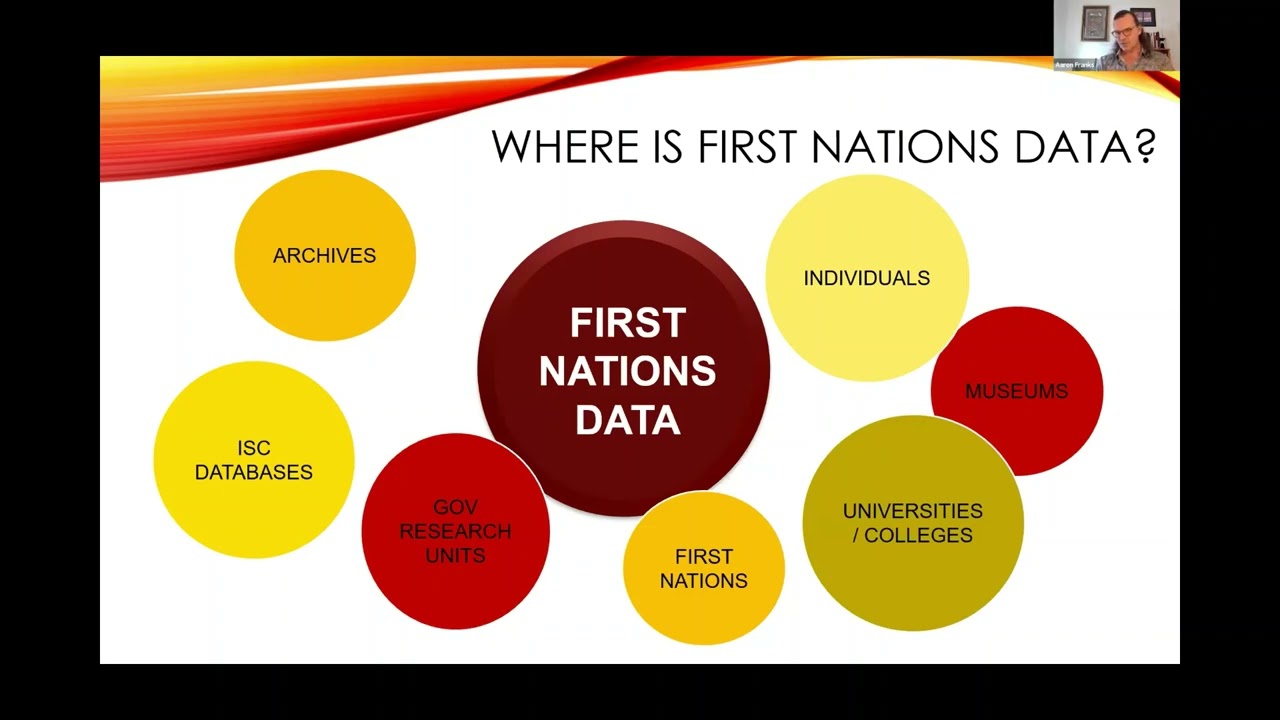
The OCAP® Principles (Ownership, Control, Access, and Possession) governing Indigenous data sovereignty.
Decolonizing research methodologies and participatory action research (PAR) frameworks that position communities as co-researchers.
How to draft and negotiate formal collaborative agreements, such as Memorandums of Understanding (MOUs) and Community-Institutional Review Board (IRB) protocols.
Analysis of case studies featuring successful, community-led research partnerships in environmental management, public health, or linguistics.
17.5K views245likes25:26Original Release: 2018-08-16
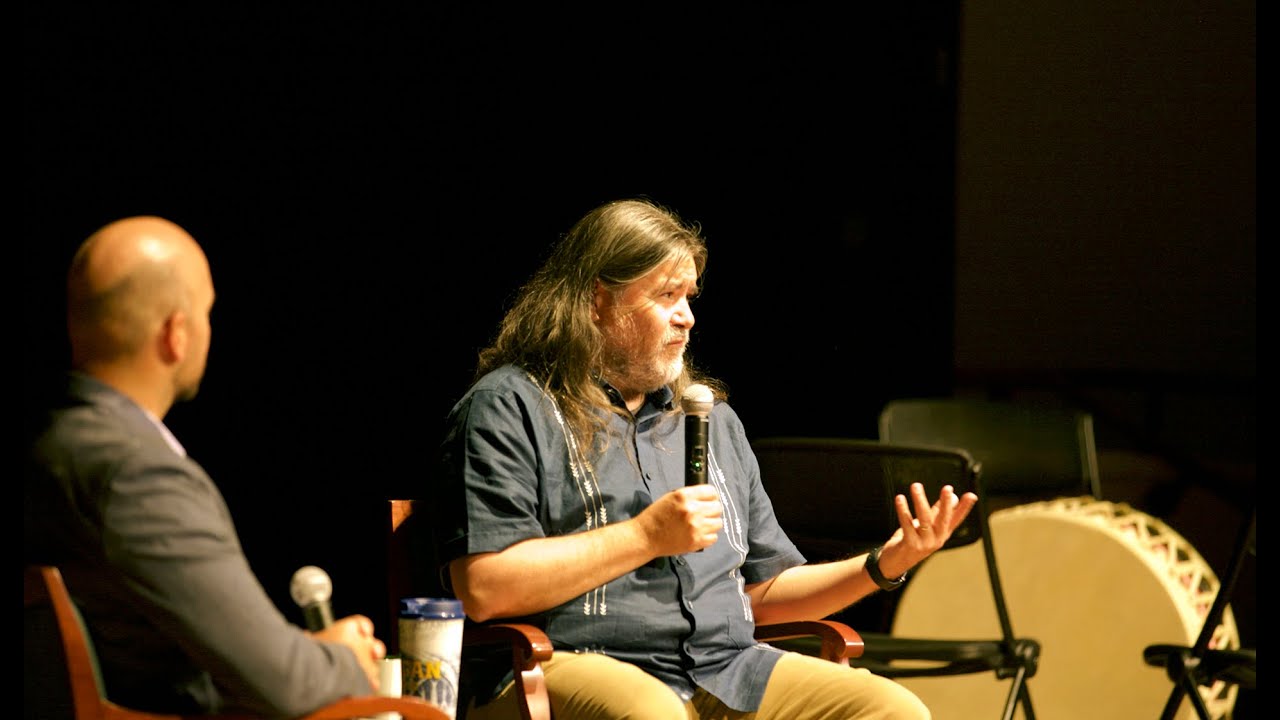
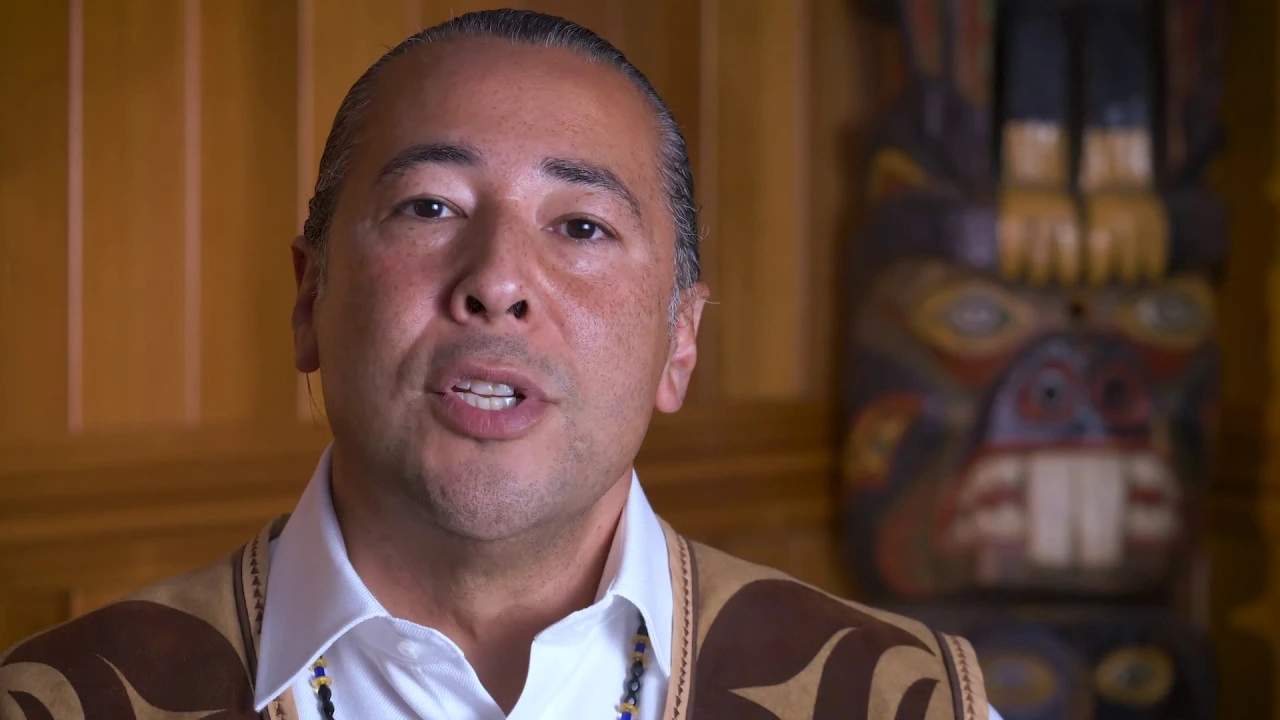
we are a leader as his son was correct like banana deal dear novice media person and you can scan it mark new domain sir the DeSantis calculate bang comical OCT rock hard whom did the company they buy MacArthur creamy and it's cleaver postcard they are not some exhibit in a living museum so why are people living in indigenous communities treated like that I am for me okay I'm Mallika Bilal and part two of our indigenous view series we asked is there an ethical way to research indigenous communities to us your thoughts or leave them in the live YouTube chat and you too could be in the stream and you are in the stream for many years indigenous communities around the world have been bombarded with scientists seeking to learn from man's earliest ancestors but now those communities are pushing back three groups of sand people in South Africa have established guidelines for researchers the sand code up research ethics outlines how they expect to be treated similar rules have been developed by other indigenous people in North America and Australia here to discuss this from Johannesburg South Africa we have Anthony Philip Williams he's the executive chairman of the indigenous First Nation advocacy group in South Africa in Canberra Australia Tom karma he's an indigenous social justice and human rights advocate and in Toronto Canada Julie Boer she's an Inuk researcher hello everybody so good to have you here let's start with some headlines the stories you could tell I'm sure grand chief horrified that a berta currently allows organ harvesting from children who died in provincial care Canada's shameful history of nutrition research and residential school children do one more here indigenous DNA at cent of ethical for Rory could help reconnect stolen generations which makes me think ideas and practices like that led to the sand people of South Africa giving out a code of ethics for researchers but Anthony it's not just use its indigenous groups around the world but can you give us one story that leads to indigenous communities saying okay guys you need to have some kind of protocol with how you work with us we're not here for your private use give us one story that illustrates that perfectly Anthony no absolutely I think one of the the very serious concerns that we have developed I personally have taken a number of researchers and those in the media space you know in particular to the places like the Tala Hari desert where the Bushmen people are are still located and and what we have experienced we continue to experience what is called what I personally want to call educational dominance as one of those very and you know experiences where somebody who's who's an educationist or someone who's who is a sam who's got some some doctorate or some degrees who comes down to the community at local level and then dominate them you know what they would intimidate them basically with their with their knowledge to the extent that they not only dominate but I also materially dominate them they come at times and they they must use the people so they've got a little bit of money and they what they normally do is they would violate the local leadership and they would just access the local community without proper protocols and these are some of the things that we thought we need to relook and therefore I think from and particularly this was the thinking of the same there's the the same Institute in and also our our this is also our approach here as a community that we cannot allow for people just to come with a personal bias and just walk away with the price JD who would do that it seems so rude yeah I mean a lot of people say that to me but you know it's not just ancient history that we can we can look to now I have examples of just this year in 2018 2017 of researchers who maybe they don't know or maybe they do know when they try to skirt what the protocols may be and one of the biggest challenges we find here in Canada and I'm presumably around the world is that often the ethics protocols that exist within researchers institutions is based on individual protections in research and when we're working with indigenous people there is an additional layer of approval and consent that needs to happen at the community or collective level and so often the exploitation can happen when people don't do that part and just for whatever reason find people in the community who will participate and you know we often talk about voter ability but indigenous people are only vulnerable in relation to the people who have been making us vulnerable in research we are not inherently vulnerable and yet a lot of the protections that are put in place at institutional levels are done in such a way that it sounds as if indigenous people cannot make up their own minds or consent to the research themselves and that institutions are there to do that for us when in fact we know that we are able and capable to make those decisions for ourselves which is why many indigenous communities in Canada and around the world are creating their own codes of ethics and are simply saying no to researchers who don't adhere to those protocols well Julie I hear what you're saying that I want to share another example with you all in our audience this is from Pam on Twitter and Julie you actually saw this tweet just a few seconds ago and favorited it so Pam writes schools universities and some media historicize us we once lived this way we once did these things instead of featuring us as we are now the good the inspirational the challenges we are still here she goes on to say that some media in particular but I will broaden this out to say this could also go for researchers need to break out of their own discriminatory views they don't know that they have like interviewing indigenous women on violence against women and child poverty but saving all of the political business and legal commentary for white men so there's just one example she gives there tom and we're gonna pivot and give this one over to you this is just one example that that pam here on twitter has has brought up what comes to mind for you look i think one of the the big discourses that's happening across australia at the moment the conversations is about unconscious bias and you know we all have it and it's those biases or or the attitudes and and behaviors that we developed and what we've learned in the past i think one of the big areas for us of concern has been that when you look at research ethics it's always been developed by the dominant society the non-indigenous people and and it comes from their perspective in what they want to gain out of it we've now turned that around in Australia and and developed up some indigenous research ethics that are going to apply not only to the major funding bodies the health research funding bodies and the the Australian Research Council but it'll apply to universities as well so they'll have to look at adopting it and this family released you know a couple of weeks ago and you know it's it's out calling out now for for made your comment to come back but but you know what's important to to look at is that it's not only the here and now today that we've got to be concerned about its but it is to look into the future and try and future-proof some of our activities because we're we're still trying to address the legacy of the past and the research as you mentioned earlier that's been undertaken and in Australia we've had a very long history of of removal of body part and and you said and spread around the world under the name of research and many of those remains are now being returned to us and so how do we protect that how do we ensure that those sort of practices don't happen into the future and people listening who would just be saying hold on a minute remove all body parts and spread around the world what kind of research is that you just briefly explain what you mean by that and then actually saying exactly go ahead it was you know there was a big discussion its worldwide actually where where people are color will always seem to have a list of lesser intellect and so they had to measure the brain and so forth and so so we've seen you know whole whole heads being taken away you know places yeah there's there's you know and others another study and what's interesting is that they're still researchers now wanting to get access to some of those remains that are in museums around the world in in research centers and still do research on them and some of that research may be valid but it's got to be done with the full knowledge and consent and and engagement with everything try to learn of people so you know that's what I know absolutely I think this is a very critical example South Africa has got has got a very very very clear-cut example to this everybody the world over knows the story about Sara Baartman and how she has been you know been made the world you know the French made her some serious studies about a body of body parts Botox etcetera and and there's a there's a issue right right now in particular for us as the indigenous people of South Africa we have been told that the remains of Sarah Baartman has returned back to South Africa and and what many people don't know is it a remains of Sarah Baartman a still is still in a stolen museum right around in in France and these are some of the very very difficult issues that has not been addressed and what tom is correctly alluding to people of color is always made out to be of less intelligence and also that if you want to Google everybody after the show the character the person that Antony is talking about is a beautiful African lady who has a extremely impressive proportions and she was studied as an exhibit and so go look at that but not quite yet have a look here on my computer there is an organization right now who's trying to partner partner is the word with indigenous communities trying to work with them to say we are working with you we're not just going to research you and they put a film together pulling up some of the really important issues that come with researching very badly so I want you to meet Angeles Andrus explains what it is like to do research the old-fashioned way what it feels like have a look a means exclusively uuh by your pops on you're a smooth deer it so let me mine be defense the cannon coming Moo Deary dear come by the layers cup once Ronnie's held me pluck me that not only but once Kabir the layers captured from unfortunately so researchers couldn't Andreas coming in through the window very sneakily and they should be knocking at the front door and saying is it ok if I come in I love that visual Julie you do workshops for researchers to help them understand I'm just going to show people a tweet here they they understand what you do best practices how do you research well how do you do this with respect what's the number one lesson that you teach people well I think as the the screen just showed there in the title that research is reflexive and relational and that really is the two biggest lessons first of all you need to ask yourself why you're doing it if we are non-indigenous people doing this work why are we doing it is it simply to perpetuate racist or discriminatory ways of understanding indigenous people is it solely for our own academic careers or our professional careers what is the benefit to the community and as was just shown in that video certainly having that relationship with the community it you know communities are not saying that they don't want research we just want eckel research and not those ones with the helicopter researchers who fly in and and take from us and and to kind of pick up on what the others were saying it's not only about biological samples and human remains there's lots of ways in which indigenous people are exploited in research even if it could be simply through interviewing people we're collecting so much extracting knowledge and resources from communities without giving back to them or having any benefit to them you know a joke often in our communities is that you know you have a mom and a dad and a couple of kids and anthropologists because you know everybody is just so used to being studied all of the time so here is one other tip from someone on Twitter she writes research should be a dialogue not an intrusion and she goes on to say I think some researchers might approach and into this community as a commodity with regards to their work what value can this community add to my work being the driving thought process not how can we work together to do something value so Anthony she turned it on its head but have you seen people come and and look at it the opposite way asking what value can this and community add to my work and and what do you do in that instance well some of the things that we'll be struggling with to understand you know when people come to do research in our communities it's got to do with very few people and want to try and understand the local context try and and appreciate the local context and execute the research you know in a context you know of justice or fairness of equity and also of preservation these are some of the things that we we find that is that's missing you know when when when researchers in particular particular we just recently had a team of American guys that I took around you know and there's there's always the sense of when they come here they want to get maximum there wasn't extract maximum you know in the indigenous knowledge system but they they are not prepared you know to to return or to have it as a mutual beneficial relationship and these are some of the absolute difficulties that we are currently that we really struggling with and so we try to get these guys to understand that when you when you engage the community there these are elements within ethical you know ethical codes of conduct that you ensure that you make them part of what you what you know what you what you're extracting from the community Tom I'm gonna show our audience something you've been working on it's right here on my laptop it is the National Health and Medical Research Council just gonna scroll down here a little bit it's quite some document ethical conduct in research with Aboriginal and Torres Strait Islander peoples and communities guidelines for researchers and stakeholders and I look through and this really left out of me there's six core values how are you as an indigenous community say they is what we need from you did you argue did you debate how did you come up with spirit and integrity right there in the center and then we've got cultural continuity equity respect reciprocal recent Pross City that's what Antony was just talking about and responsibilities there as well how do you decide that is what you want from outsiders coming into your community this is what we've heard in Australia there's only been really two to big works looking at at ethics research ethics from an Aboriginal trusted honor perspective and one was done by the Australian Institute of of studies and and the other by a group called ninety one which works with Aboriginal trusted honor people at a community level and there there are not-for-profit company I happen to chair it and but we've done this about ten years ago we've done that research working with people and the new research that we've done through the that you just mentioned really does get its its core values from the work that's been done by others but the majority of people on on the team that developed up these guidelines were Aboriginal trusted honor people from across Australia and so many of us had had first-hand experience and it's what we've picked up over the years in working with people from communities but I think there's a couple of really important things to to share with our listeners and one is that when we talk about research it's not just done by academics and and professional people it's done by bureaucrats we want to go out and find out a little from a community it's done by corporates who who might want to get access to to Pharma products in you know in communities you know and it's just some of this unscrupulous behavior where where somebody who is in a pair of positional power goes out and befriends an Aboriginal person has a conversation and and our people are very generous will will talk to people and then we find out that that person's taken one of our stories or found out about a plant that we might use for medicinal purposes and before you know it it's suddenly being commercialized and we don't get any value out of it we get mining companies going out to to befriend Aboriginal people so they get access to our resources so it's it's you know and I don't want to leave people with the impression that we're only talking about academics because we're not and you know the the other really big debate that we have to look at is data sovereignty all the information that's being collected how do we as Aboriginal trusted honor people retain ownership of that and make sure that you know what we picked up that that data is not misused and misinterpreted and and give it a you know a negative picture or a stereotypical picture of Aboriginal trust a lot of people when we look at Australia you know we're a very very diverse country and and you know there's three four hundred tribes around Australia and you know in numerous language groups and so we can't just see it as a pan Aboriginal treasure on the homogeneous viewpoint we've got to work with the communities and there's discrete communities and their cultural practices and that's what culturally so many important points just in that and that I want to pick apart a couple of them so one of them you said this is not just academics I'm glad you said that because someone on YouTube is thinking the same thing this is someone from Bangladesh and they write for example we've been using activated charcoal to clean our teeth for generations the British said we were dirty and backwards now ironically it has become a trend in the West so and of course it's also being commercialized so that's one person hearing what you're saying there but I wanted to turn to this because what you said also raised this question Jared here tweets a code of ethics is only as good as the people who are charged with implementing it know if you promise to consult with say First Nations regarding pipelines oil extraction and then you don't then the ethical guidelines have no merit so that bag is a question Julie coming from YouTube how can we ensure that the participants in any research profit from the research equal to that of the researcher it's a hard question Julie this sure is a hard question and I think that it's one that we're still struggling with because you know there is no ethics police so despite our best efforts to have policies and protocols and processes in place it's really hard for communities and even in academia for that matter for people to be able to actually police what happened if we can often save what we're going to do what we plan to do that we proposed to do but then there's nobody that's kind of holding us to account for that one thing that is happening slowly but surely is community members themselves and community agencies recognize their right to say no and so the more that that happens the less likely it is for those researchers to be able to get into the window rather than knocking at the front door and asking for permission because until now it's been the case that people in communities often think that they have to say yes when researchers come in because they may be physicians or whatever other profession they may be so they feel like people in communities think that they had to say yes to those people but slowly and surely we're starting to see community members and nations and and governments in indigenous communities saying no and I think that that's a big a big step forward in mitigating some of these challenges guess I have to play this for you and this is yan and it's from the trust project global research documentary that they put together it's the case for ethics for indigenous communities and yan is talking about researchers coming in taking their knowledge going away and then they're not seeing anything coming back from it have a listen to how he puts it so Leakey's abaya another deep your drama and he himself can answer some hopefully come up on by amorous anus and daffodil a for schooling the plot in the favela and oz with Kinnison in the colloquy on daddy all daddy sickness to do it I'd like to make her do it for father so amudha stead of it LS it okay necessarily harder near Khalid I think that is so painful to even listen to I'm wondering I'm not indigenous so I don't understand what is it like to be studied to be researched to be photographed what is that experience like well it's absolutely it at times it is overwhelming in particular for our community because what we must realize is that quite a number of our people in the rural areas in particular as had very little contact with what what what one could probably call your broader as civilization and therefore when you have this kind of researchers whether they from academia or they come from the media space or including those guys within what do you put you know in corporates what put in corporates there's always there's always this a sense of inferiority there are people that how people feel and that's what I was talking about earlier on this dominance educational dominant material dominance but something that I want to add at the end of the show so I'm just gonna say I'm gonna say thank you so much because we're right at the end of the show I want to say thank you to Tom and to Julie and to Anthony as well for joining us imagine going to leave you with a little clip of good practices for studying indigenous communities this is a competition that was held for the sand people this is the sand code of research ethics in rap we are for San have a listen thanks [Music] [Music]
Up Next

57:34
Research Ethics, Data Sovereignty & Indigenous Trust (ORIHI Speakers Series) - With Dakota Recollet
@WilliamOslerTV
177 views•2025-04-03

38:41
Astrobiology Through an Anthropological Lens: Field Insights
@georgiatechastrobiology
128 views•2021-04-14
4:45
Proxemics Explained: The Study of Personal Space
@Vox
536K views•2016-07-05

10:38
Psychology of Internet Trolling and Pranks Explained
@AzzyLand
10.7M views•2017-12-20
Related Study Plans & Knowledge Roadmaps
Structured learning paths in Anthropology
anthropology
Space Anthropology: Analogs, Culture & Habitats
01Foundations of Space Anthropology & Cosmic Imaginaries
02Extreme Isolation & Micro-Societies in Orbit
03Space Analog Habitats & Earth-Based Simulations
+ 2 more learning modules
15h5 modules
Explore Roadmap
anthropology
Legal Anthropology: Customary Law & Pluralism
01Foundations of Legal Anthropology and Social Justice
02Legal Pluralism: Coexisting Legal Systems
03Customary Law and Indigenous Dispute Resolution
+ 2 more learning modules
15h5 modules
Explore Roadmap
anthropology
Global Tourism: Gaze, Authenticity & Heritage
01Introduction to the Sociology of Tourism
02The 'Tourist Gaze' (John Urry)
03Staged Authenticity in Tourism
+ 3 more learning modules
14h6 modules
Explore Roadmap
anthropology
Modern Kinship (ART, Adoption & Chosen Family)
01Foundations of Kinship and Family
02Assisted Reproductive Technologies (ART) & Relatedness
03Transnational Adoption and Global Kinship
+ 2 more learning modules
12h5 modules
Explore Roadmap