


























Linguistic fieldwork ethics require researchers to protect participant autonomy through honest, truthful communication and obtain informed consent before data collection, which must clearly explain research goals, data usage, and participant rights including withdrawal; researchers must minimize risks to participants and ensure fair compensation, with acknowledgment in publications, while respecting the cultural context of the language community being studied.
Linguistic Fieldwork Ethics & Informed Consent | Research Methods
Added:Basic concepts of linguistic fieldwork and language documentation methods.
Fundamental principles of research ethics involving human subjects (e.g., the Belmont Report).
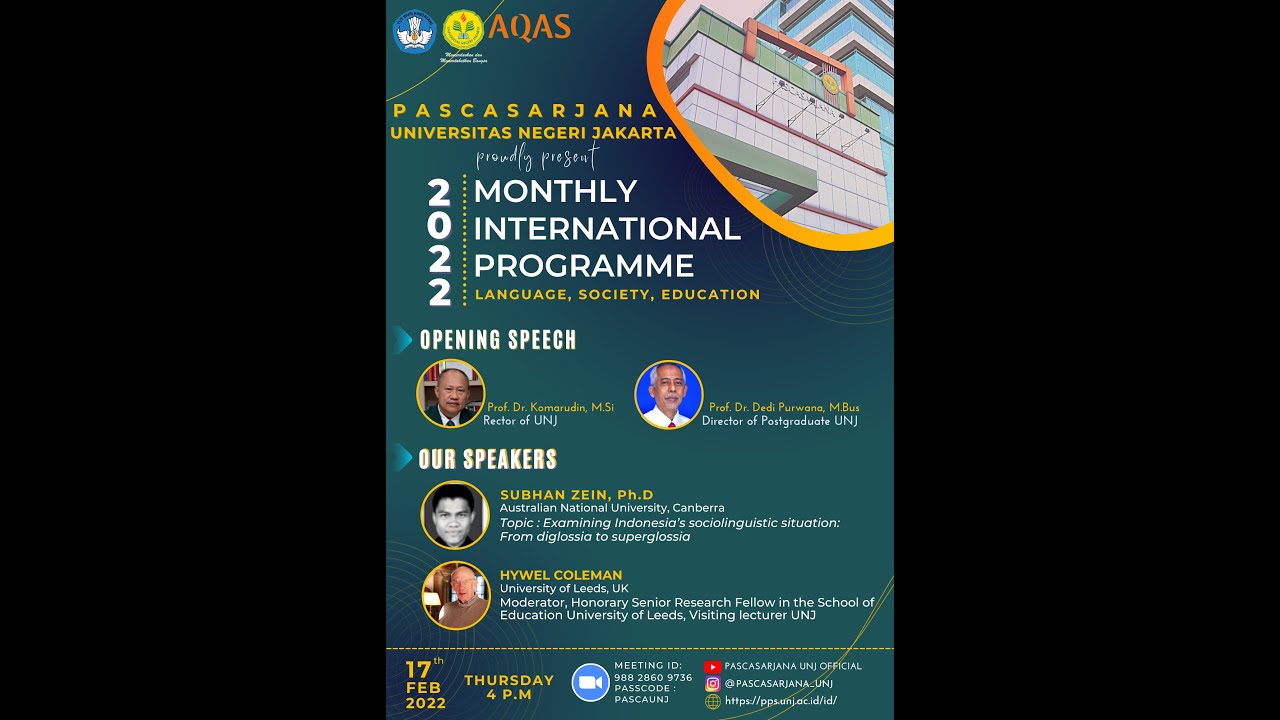
An overview of the sociolinguistic landscape of Southeast Asia, particularly Indonesia and the Philippines.
The purpose and function of Institutional Review Boards (IRBs) or ethical review committees in academic research.
Drafting culture-specific informed consent forms, including oral consent protocols for non-literate communities.
Developing collaborative and community-centered research frameworks that prioritize local capacity building.
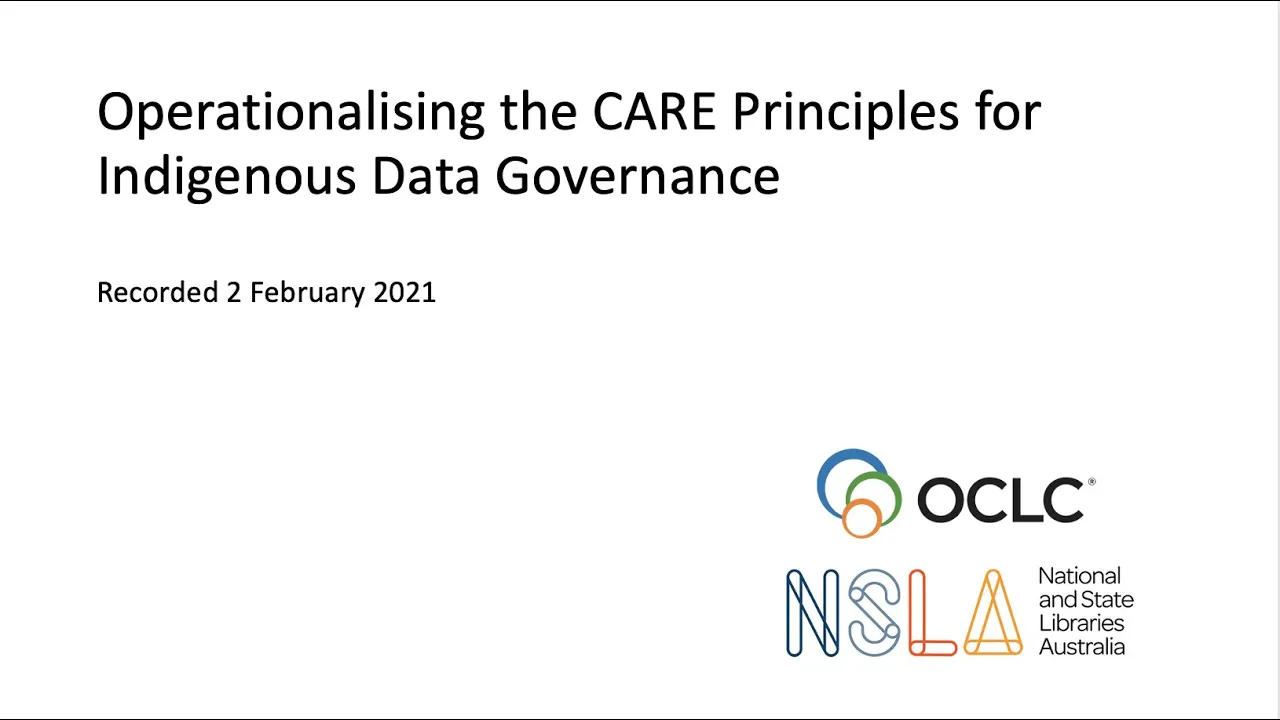
Ethical data management, digital archiving, and implementing the CARE Principles for Indigenous Data Governance.
Navigating country-specific legal requirements and research permitting processes (e.g., BRIN in Indonesia, NCIP in the Philippines).
304 views3likes16:55Original Release: 2021-12-01
welcome to this video lecture on linguistic fieldwork ethics and informed consent the content of this lecture mainly concerns data collection and form of video and audio recordings where research participants either provide words and sentences in their native language or tell a story in their native language these recordings will then be used by linguists to investigate various aspects of the native language of the participant before going into details i would like to say a few words about why ethics and community relations matter when doing linguistic field research so working with languages means working with humans with individuals and with a community as in any other working relation with human subjects respect for individuals is essential and values of communities need to be considered so there are there are three principles that can be highlighted first the autonomy of human subjects always needs to be protected the researcher should be honest and truthful and ask the participants for informed consent before participation in a recording session inform consent means that the participant who agrees to participate knows exactly what they are going to do what it is for and what is going to be done with the data they provide the second point is while it is truly important to maximize the benefits of the research project the risks for the participants have to be minimized this can for example mean that names or video audio captures of people are not published in case this would bear negative effects or risks for the participants and third all procedures should be fair equal and non-exploitative this includes appropriate acknowledgement and compensation for participating in a research activity such as a recording as many of the things discussed here are culturally dependent and may vary greatly across the world's regions i will hear focus in particular on practices which are appropriate in indonesia and the philippines so in this lecture i will discuss the following topics first the relation of the researcher to the language community how to work with them and how to select the right participants for the research goal second how to gain informed consent in linguistic field work and third how to acknowledge and compensate participants for their participation and work every speech community has their own unwritten rules and values therefore it is important to know the cultural context of the community where you are going to collect data if you are an outsider to the community you want to respect the culture and make people happy rather than upset or suspicious this can sometimes be hard to limit it due to limited time or budget if you are an insider of a community on the other hand you have the advantage that you know the language the people and their culture but it made all may also be challenging because your role will suddenly change and you will be in a more professional relation with your neighbors or family members than you would usually be in the following i would like to give some advice on how to find and select participants for word list collection in particular again in the context of indonesia and the philippines one aim of collecting words in form of a word list is to get an initial idea of a newly studied language its vocabulary and phonology another aim is to obtain data which is comparable across languages lists of meanings or concepts which hold correspondent words in several different languages can function for synchronic and diachronic comparisons across languages to collect such a word list the researcher needs preferably more than one participant ideal is a group of three or four native speakers of the language the researcher wants to study the reason for working with the group here is to stimulate discussion discussion and consensus about the right word for a certain context and meaning the participants in such a group can be of any age however in some communities elderly speakers might recall more words than younger speakers this holds in particular for communities which are bilingual or undergoing language shift or language endangerment in general local authorities such as village heads teachers or religious leaders can usually give good advice on who to work with as a language consultant in general if time permits don't select participants at the first day but take some time to get to know people their relations and positions in the community now let's turn in more detail to the topic of informed consent informed consent can be either gained in written form or orally written consent is usually obtained by signing a consent form in a language the participant understands fully the form contains all points in relation to the research which the participants can agree to or not agree to the form also contains fields where the participant fills in his or her name and possibly other personal data finally the form needs to be signed with date and signature by the participant note that for underage participants a parent or legal guardian needs to sign oral consent should contain the same information as the written constant form it can be obtained in a dialog with the researcher which is documented by recording preferably in audio and video format also the written consent procedure should be recorded if possible this would be for better documentation in such a recording the researcher explains the content of the form and asks the participant to read it out or if he or she is comfortable doing so the process of signing the form will then also be videotaped so now let's turn to which information a constant form should always contain first the goals of the research project need to be explained in a way a layperson a non-researcher can understand it second it must contain the willingness to participate and the permission to use the data from the speaker it needs to be made clear here who will have access to the data if it will be publicly available or if it can be viewed or also copied downloaded by other people here as well it is important to use formulations which are easy understandable easily understandable to non-researchers permission for participation and data usage can be formulated in positive statements such as the following i feel good about talking about my language with you and i know and understand that what i say can be recorded and other people may listen or watch it if i want i can say to you don't show to other people what i told you if i want to i can say to you don't use my name i can stop teaching you about my language anytime and so on further aspects to consider are the following it's important to stress that consent can also be only given to part of the aspects in the content form so it is possible that a participant agrees to participate but he or she wants to remain anonymous in addition the researchers should make clear that the participant is free to withdraw the consent at any time also for only parts of the recordings for example this is an important aspect that because a participant may say something on a recording which they later do regret or don't want other community members to hear think of conversation topics such as gossiping for example finally when when should consent be obtained consent should be obtained before the first recording session with the new participant the consent does not have to be renewed for further sessions unless the contents and the research project goals and data usage plans changed as the consent procedure is preferably recorded it can be part of the first recording and which is made with the participant in certain circumstances it might not be possible to conduct the whole content procedure before the recording the first recording with the participant then this can be as an exception be done directly after however the participant always needs to know that they are recorded and have to agree to it finally a very important point is how to acknowledge or compensate participants in a research project first of all participants speak of the language community you are working with should always be acknowledged in papers and publications based on the data collected in the community this can be done by mentioning their names and acknowledging them in a footnote of a paper or in the introduction to a book if they agree with that otherwise it can be done anonymously in case of longer and more intense collaborations publishing co-authored publications with community members such as dictionaries for example are a good way of acknowledgement and cooperation furthermore participants who spend time working with the researcher have to be compensated for their time and their work this is not only ethical but will also ensure a more reliable working relation which can last longer however however it very much depends on the local circumstances if payment and money is an appropriate way of compensation in many cultures payment in kind is also an appropriate way of compensation in indonesia or the philippines it is suggested to pay participants per half days of work in the equivalent to a primary school teacher so this can be done by dividing the monthly teacher's salary by 20 working days then again dividing it by two and so getting an amount for a half day of work however if a participant only helps out once not on a regular basis tells story for example it may be rather appropriate to compensate with gifts such as souvenirs from the home country of the researcher of roots and other special delicacy from a local market in general it is advisable not to pay people in front of others as this might be embarrassing for everyone present one may also insert cash into an envelope and hand this over to the participant together with a small gift so to sum up linguistic research participants are part of a language community with their own cultural values and norms which the research needs to be aware of the researcher needs to be aware of participants must give their informed consent before participating in a study and finally they need to be compensated for their work in an appropriate way keeping ethical issues in mind when doing linguistic field work is not only necessary it's not only a necessary requirement but will also ensure better relations with the speakers and thus give better results for the research project the content of this lecture was inspired and taken from a chapter on ethical field research in claire bowen's linguistic fieldwork a practical guide published by palgrave macmillan in 2008 and as also materials from the language documentation training center of the university of hawaii at manoa thank you very much for listening and see you in the next lecture
Up Next

25:26
Ethical Research with Indigenous Communities: A Guide
@aljazeeraenglish
17.5K views•2018-08-16

38:41
Astrobiology Through an Anthropological Lens: Field Insights
@georgiatechastrobiology
128 views•2021-04-14

4:45
Proxemics Explained: The Study of Personal Space
@Vox
536K views•2016-07-05

10:38
Psychology of Internet Trolling and Pranks Explained
@AzzyLand
10.7M views•2017-12-20
Related Study Plans & Knowledge Roadmaps
Structured learning paths in Anthropology
anthropology
Space Anthropology: Analogs, Culture & Habitats
01Foundations of Space Anthropology & Cosmic Imaginaries
02Extreme Isolation & Micro-Societies in Orbit
03Space Analog Habitats & Earth-Based Simulations
+ 2 more learning modules
15h5 modules
Explore Roadmap
anthropology
Legal Anthropology: Customary Law & Pluralism
01Foundations of Legal Anthropology and Social Justice
02Legal Pluralism: Coexisting Legal Systems
03Customary Law and Indigenous Dispute Resolution
+ 2 more learning modules
15h5 modules
Explore Roadmap
anthropology
Global Tourism: Gaze, Authenticity & Heritage
01Introduction to the Sociology of Tourism
02The 'Tourist Gaze' (John Urry)
03Staged Authenticity in Tourism
+ 3 more learning modules
14h6 modules
Explore Roadmap
anthropology
Modern Kinship (ART, Adoption & Chosen Family)
01Foundations of Kinship and Family
02Assisted Reproductive Technologies (ART) & Relatedness
03Transnational Adoption and Global Kinship
+ 2 more learning modules
12h5 modules
Explore Roadmap