













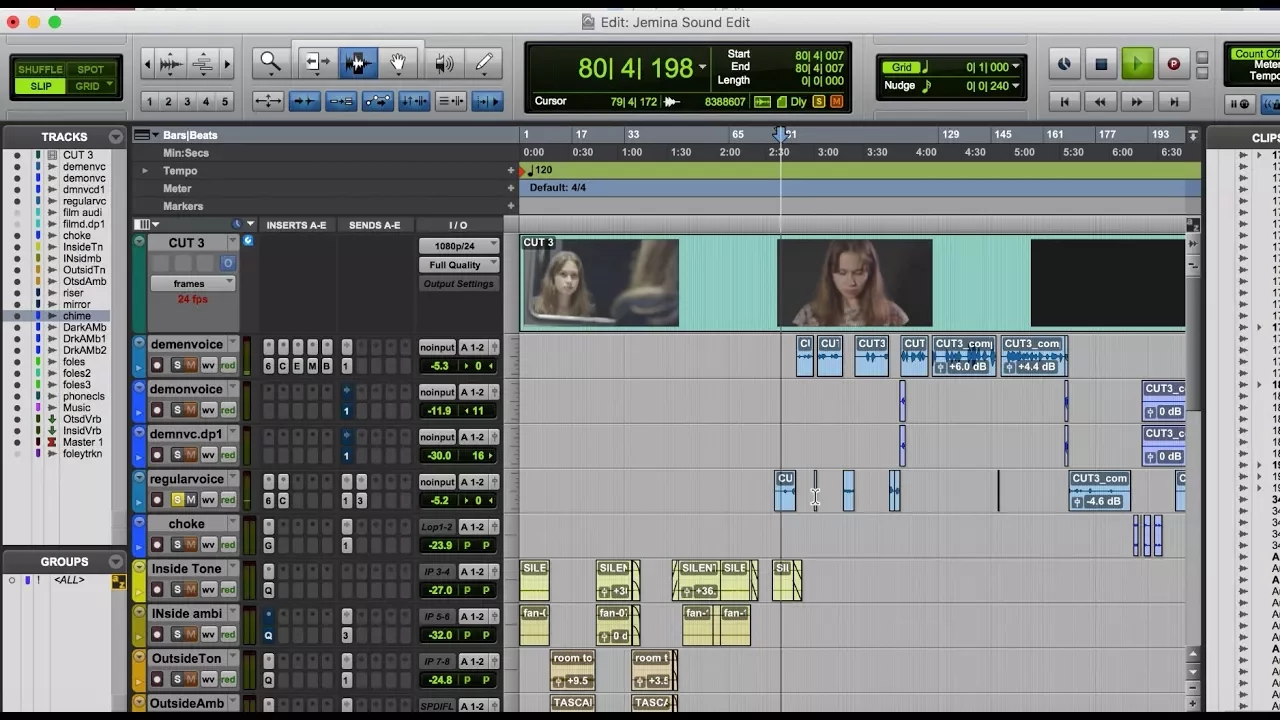
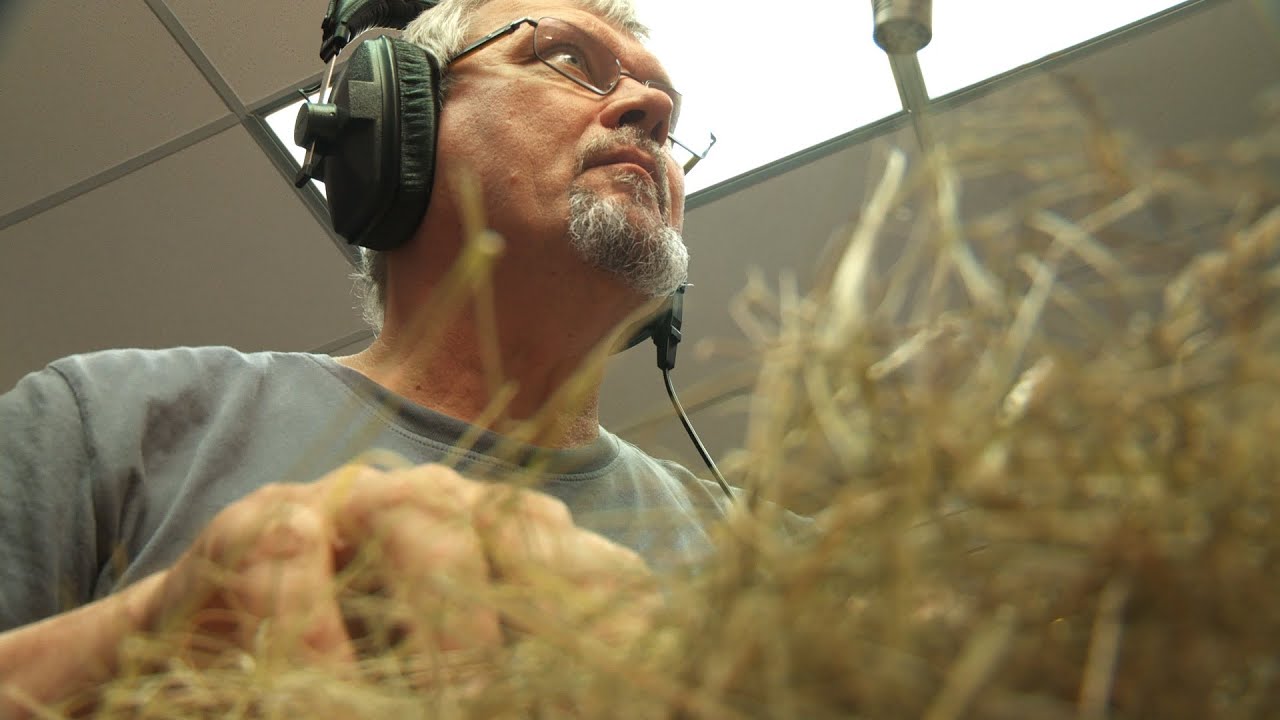
![🎨Diseño de Sonido - #20: Foley [CURSO COMPLETO] - Tutorial Sound Design](https://i.ytimg.com/vi_webp/TcERP3rk1L0/maxresdefault.webp)


To record quality audio on location, follow five key principles: (1) Minimize environmental noise by assessing the location and positioning microphones away from sound sources; (2) Use proper monitoring equipment like closed-back headphones to detect issues in real-time; (3) Select the appropriate microphone for the recording situation, understanding each type's polar pattern and limitations; (4) Position microphones as close as possible to the sound source while avoiding reflective surfaces and keeping them out of shot; (5) Set audio levels to the 'Goldilocks zone' (around -12 dB) to avoid distortion or excessive noise, recording to multiple channels as a safety net.
Location Sound Recording Techniques for Video Production
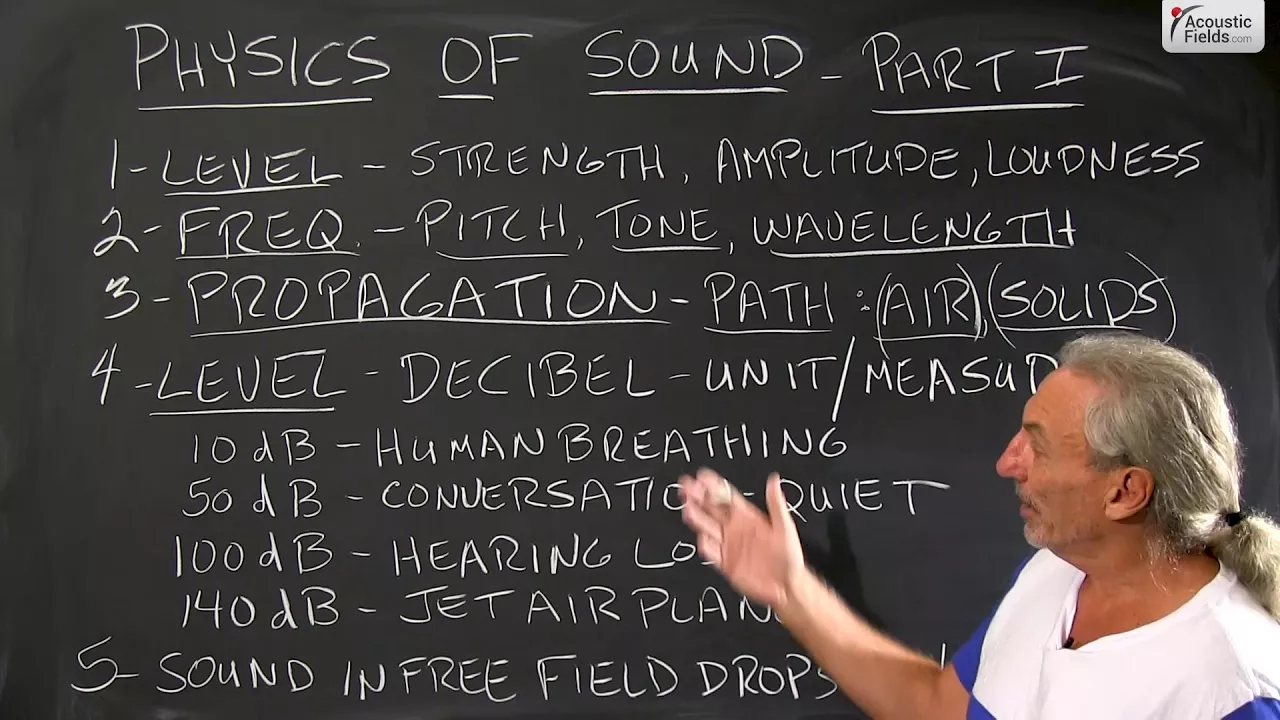
Added:Understanding the basic physics of sound, including concepts like frequency, amplitude, and how sound waves propagate through different mediums.
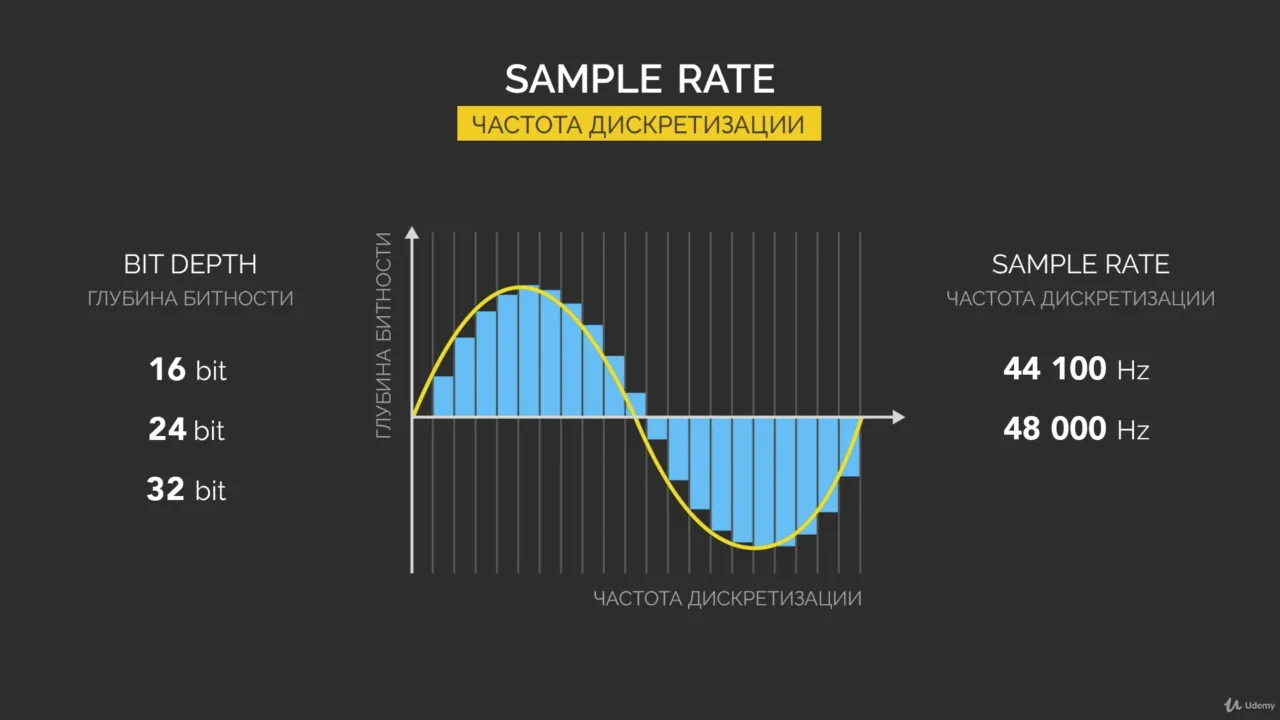
Familiarity with digital audio fundamentals, such as decibels (dB), clipping, sample rate, bit depth, and head room.
Knowledge of basic audio equipment components, including the distinction between microphones, preamps, recorders, and standard connector types like XLR.
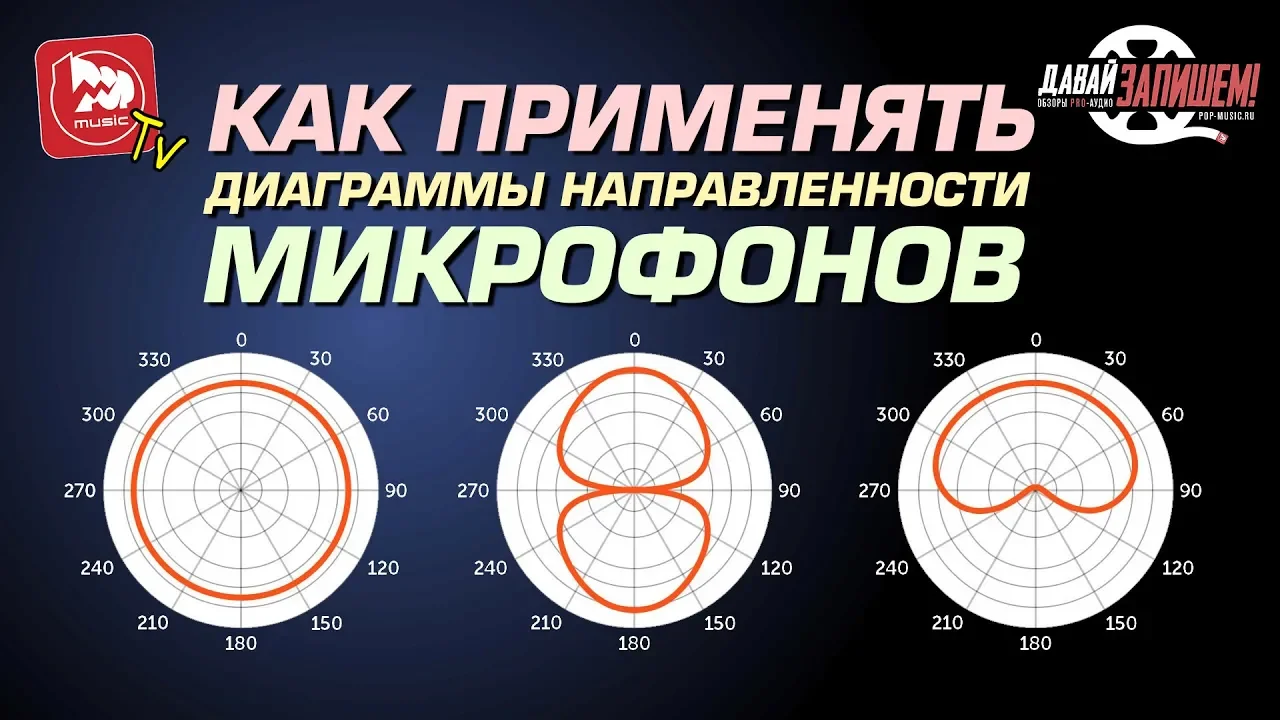
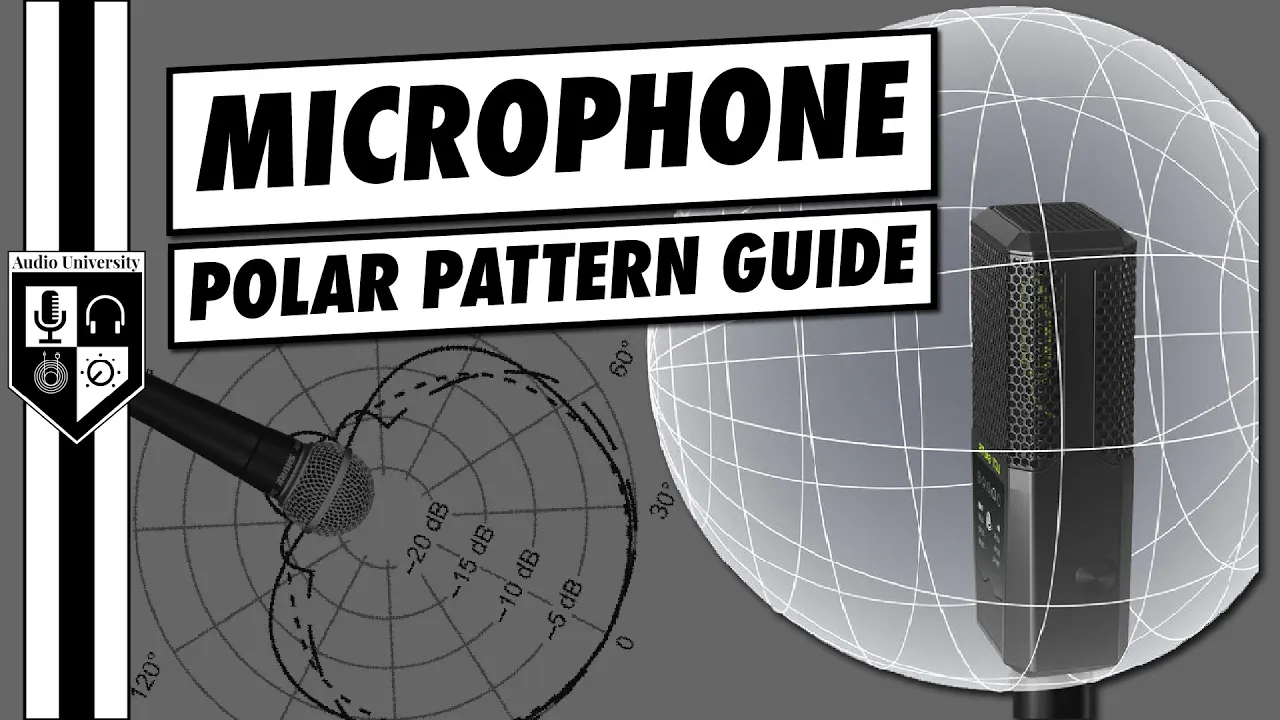
A basic theoretical understanding of microphone polar patterns (e.g., cardioid, omnidirectional, supercardioid) and their general use cases.
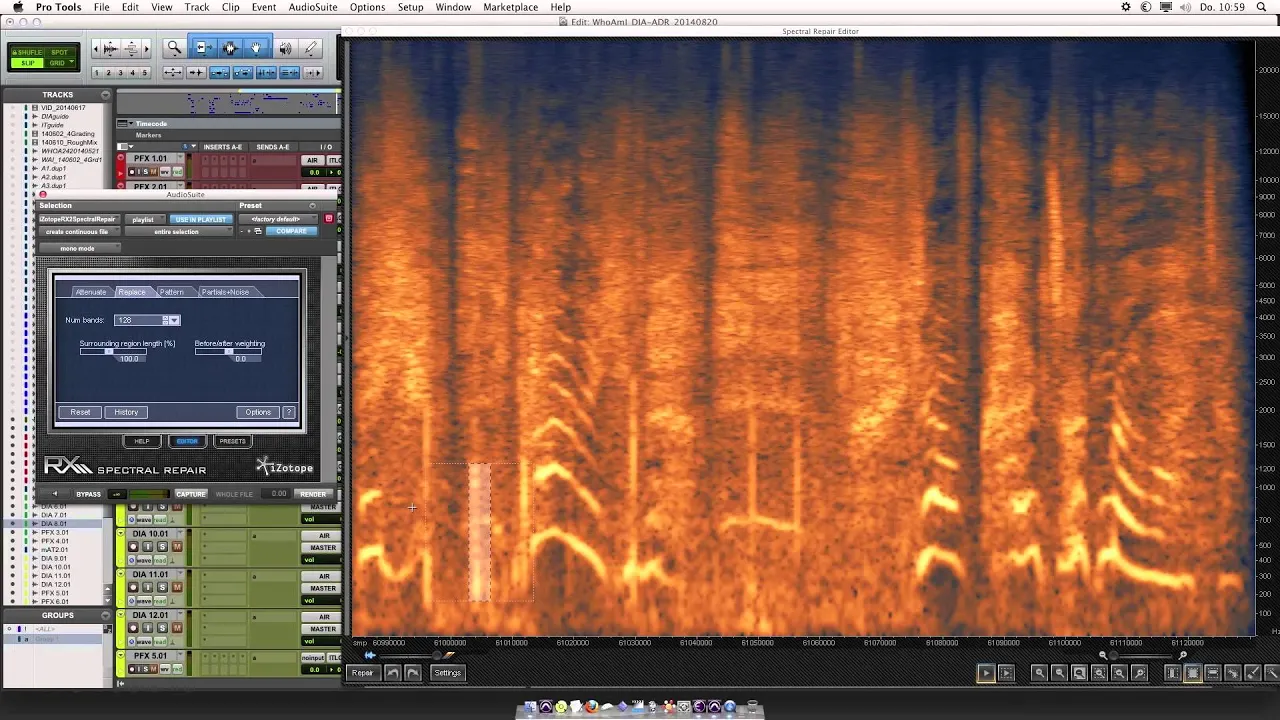
Advanced audio post-production techniques, including dialogue editing, spectral repair/noise reduction, and matching ADR (Automated Dialogue Replacement).
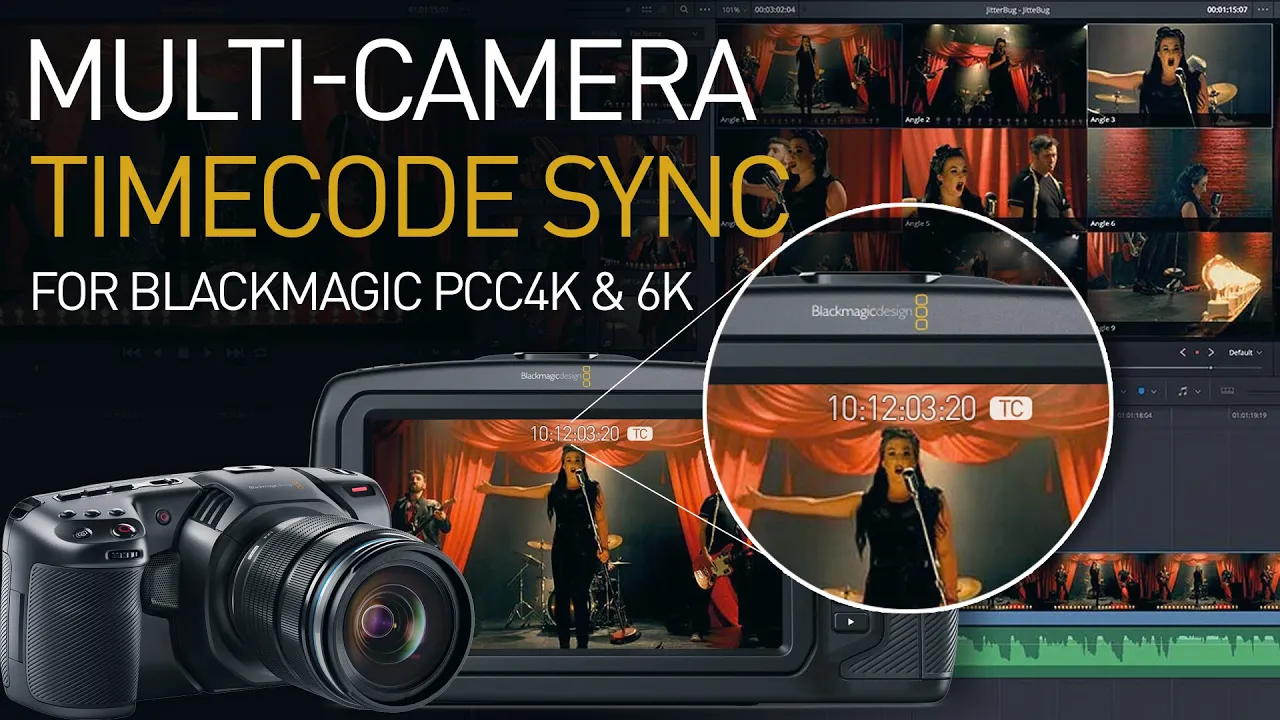
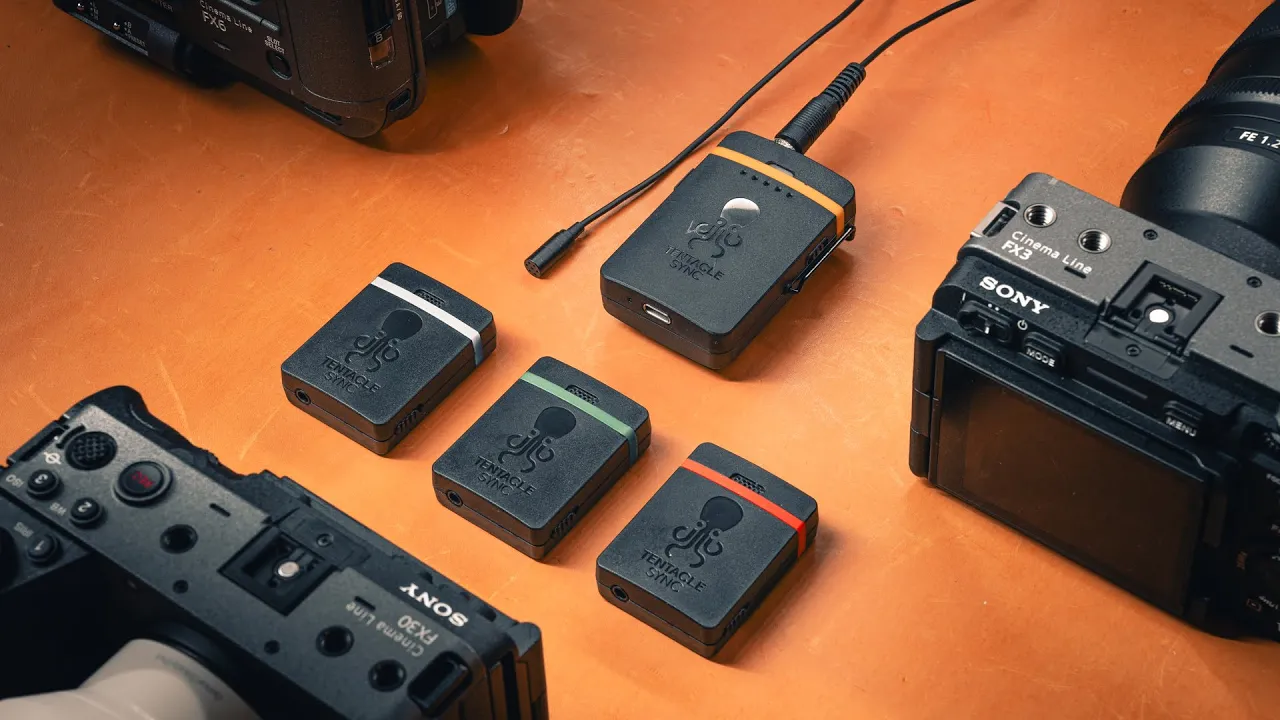
Multi-system synchronization, including the practical application of Timecode (LTC/VITC) and word clock to sync dual-system audio with multi-camera shoots.
RF (Radio Frequency) coordination and management for operating complex multi-channel wireless lavalier systems on location.
The art of sound design, Foley, and ambient field recording to build immersive soundscapes that complement the clean dialogue recorded on set.
114.1K views3Klikes34:57Original Release: 2016-09-14
hello I'm Lizzy now it's often said that sound is half the picture but when it comes to making a film or a video good audio is all too often overlooked with good audio your audience can immerse themselves in your film they won't even notice the sound but if it's bad they certainly will notice and even if your images and your story are amazing they're going to be so distracted by the sound that they may well just switch off so how do you make sure your audio is good well basically you need to get it right at the beginning and that means recording good audio on location when you're filming so I've come down here to the seafront and Aberystwyth to talk to you about how that's done but what is good audio well at a basic level it's quite simple just try and remember the three C's clear clean and consistent clear means that you can clearly hear the sound that you're supposed to be hearing in this case that sound is my voice so you have to make sure that it stands out from the other sounds in the environment and that it's recorded at a good strong volume clean means that there aren't any unwanted or distracting noises and that the quality of the audio is clean and unmodeled and consistent means that the volume and the quality don't keep changing unless prompted to by the story or the visuals to a record quality audio like this there are five principles of good practice that I want to introduce you to they're important wherever you're recording but down here on the sea front we've got quite a challenging sound environment so we're really going to put all of these principles to the test so what's challenging about this environment well as we're outside and in an exposed location it's relatively noisy noise is unwanted sound and minimizing it is the first principle that I want to talk to you about so when you arrive in a location the first thing you need to do is assess the environment and think about how you can go about minimizing the noises so that you get the best signal possible signal beam the sound that you want to capture the sound that you want to pick up so let's find a new location and try this out how about this one now my voice doesn't sound as clear as it did just now does it and all of these noises are pretty distracting but bear with me because we're going to make it better when you assess the environment and if we look around us here it's pretty obvious what one of the main sound issues is going to be it's just food if we're going to listen what else can we hear let's close our eyes because that does have a bit ok those waves I also heard the wind and I heard some sea girls and I also heard some traffic cards going by we don't want to get rid of these down because they give us a sense of place but we also don't want to let them dominate as much as they are doing now my voice has to stand out and sound as clear as possible so let's think of ways without having to move to completely location let's start with one of the worst offenders see now there's nothing much I can do to stop these raids but there is something I can do and that's move away from them I still want to be in the background of my shot but never thought we can't we compose a little bit and find a new position that's going to work for both ourselves and our picture there how about this shot now I'm standing a bit further up the beach so the noise of the waves has put in the background I've also turned my body a little bit the microphone that we're using right now to pick up my voice is actually this little lapel microphone so by toning my body I've now got a barrier between the microphone and the presently seen but by turning my body and I she made another sound issue that we're having worse the wind is now blowing directly onto me so let's talk a little bit about the wind it's actually not that strong today and it doesn't sound like much blowing across my ears we're also not getting any of the noises that might be created by the wind in the environment such as the rustling of leaves or the banging of a rope against the flagpole but I know that what you're hearing is not what I'm hearing because what you're hearing is what's been picked up by this microphone and any kind of breeze blowing across a microphone is going to create this horrid disturbance this is a noise we need to avoid at all costs but apart from moving somewhere more sheltered what can we do about it in a place like this well we're going to have to shelter our microphones and the easiest way to do that is by using something called a wind shield now this is a windshield for a shotgun microphone and I have another windshield in my pocket for this little lapel microphone I'm using here here it is so let's try putting this this windshield on and see if it makes a difference okay well that doesn't make the microphone look a lot more obvious but it's cut out the wind noise and now my sound is much cleaner I recommend you use proper windshields like this whenever you're recording outdoors the thin foam shields that come with most microphones like this one here simply can't stand up to any kind of wind and when it's really windy even these proper wind shields aren't going to be enough in such a situation you probably shouldn't even try recording the same goes for any overly noisy environment such as the machine room in a factory or maybe next to a motorway you should only record in such environments if the noise is an integral part of your story but what about quiet environment such as an office or even a filming studio well there is still lots of noises that could affect the quality of your audio and you need to assess the environment in the same way as you would an outside location white noise is a particular problem things like the low hum of a fridge or computer or the rumble of traffic outside our ears are adept at cutting out this kind of continuous low level noise but a microphone is not so forgiving it's much more obvious in a quiet environment and it muddies the quality of your audio without usually adding any sense of place so you need to do what you can to cut out this kind of low level hum consider turning off the computer or the fridge and look for windows that you can close when you're inside it's also important to think about things like reverb which is the echo of your sound waves bouncing off the walls and other reflective surfaces me verb has a marked effect on the tonal quality of your audio and so unless you're looking for a specific feeling it is best to avoid it if you can you'll have noticed how different interior spaces sound very different so the best way to avoid obvious reverb is to choose the right room if you can look for a room that's medium-sized and carpeted and wherever you are try to keep away from reflective surfaces like the walls one problem we don't have to deal with here is reverb we do have the continuous low level noise of the sea in the background but that's expected in this environment and now that I've moved away from it it's not loud or disturbing so we really don't have to do much more about it but what about the traffic there aren't enough cars to create a low-level continuous Rumble but they are presenting us with another sound challenge and that's occasional noise occasional noise is like a truck going past or something worse like a siren a really horrible because they were in the consistency of your audio and that's going to distract your audience in somewhere like an office you might get the banging of doors or people walking up and down a corridor if you can you really need to take action before you start recording to make sure your audio isn't ruined by things like that so talk to the people around you and tell them what you're doing or maybe hang a sign asking for quiet out here there's nothing much I can do about that truck going past right now and there's nothing much I can do about the seagulls either both are threatening to disturb my sound recording and the only thing you can really do about it is to pay close attention the best way to do that is to use a pair of these and that brings me on to the second principle that I want to talk to you about today when you're recording audio is essential to use a good pair of headphones at all times to monitor what's going on using headphones is just as important as using a viewfinder to look at the images that you're filming without them you'd be recording blind ideally you want a pair of closed back headphones like these because what they do is they cover your ears and they cut out a lot of external noises and that means you can concentrate on what your mics are picking up and that's all you really need to focus on once you've done a more general assessment of your recording environment using your eyes and your ears headphones are a great help when you're trying to monitor things like those seagulls so what do you do when you've heard seagulls or any other kind of noisy disturbance in your audio well you might have to stop and redo the recording it's often quite hard to decide whether you should stop or not it really just depends on what you're recording and how bad the noise was in general if you're not happy with your audio and you can do it again then we record headphones are useful not only when you're recording but also when you're setting up they can help you assess your recording environment because there are things you might not necessarily notice without them on there are also things that you can't hear without your headphones on such as the sound of the wind blowing across your microphone or faulty equipment and what about these things mobile phones can sometimes interfere with your microphones creating a horrible noise like this one now you're only gonna hear a noise like that if you actually got your headphones on to avoid mobile phone interference the only thing you can do is ask everyone to turn their phones off and that's something you should do before you start filming or recording so headphones are essential for monitoring your audio but there wouldn't be anything for you to monitor if you didn't have a microphone at the other end and that's what I want to talk about next because knowing your mics is our third principle of recording good audio there are all sorts of different mics for different recording needs not to mention different budgets it's important to know a bit about them so that you can choose the right mic for the job and of course use it in the right way realistically of course you're always going to be limited by what's available to you but even if you've only got the low quality inbuilt mic on your camera to use knowing a bit about it will help you get the most out of it and that's important because no matter what might you're using you still need to record audio no matter what you're filming so let's look at the different microphones that are available to us today there are four that I want to talk about the first is the inbuilt microphone on our main camera attached to that camera we've also got a shotgun mic or a directional mic which has been held up on a boom pole by our sound man worth our second camera also has a directional mic attached to it and that's sitting right on top of it and finally we've got this small lapel microphone otherwise known as a lavalier which is clipped onto my coat each of these mics produces a different quality of audio recording that's because some of them are simply made better than others but it's also because they're designed to be used in different ways and they pick up sound from different directions where a microphone picks up sound and where it doesn't is usually Illustrated using a graph called a polar pattern and I'm going to use some of these today as we talk about our different mics let's start with the cameras inbuilt microphone we said actually the last mic that I would choose to use if we switch to it now you can hear Y as you can hear speaking up pretty much everything there's no focus on the sound that we want to capture which in this case is my voice that's because it's an omnidirectional mic which means it picks up sound equally from all around as the toilet Patti we've added shows it's also because it's on the camera so it's quite far away from the source of our sound to move closer let's try it as you can hear my horse is beginning to sound clearer compared to all the other noises around me but now of course we've ruined our shot I can't shoot with me right that's a camera like this let's finish back to the audio we had before okay that's much better another limitation of this microphone is the fact that it's part of the camera so that means that it picks up handling noises when you're operating the camera it's also not very good quality and it produces a kind of tinny unnatural sound so this mic is only really good for reference audio or for picking up general background sounds if you do have to use it just remember to get up as close as you can to the source of your sound and avoid touching the camera as much as possible a microphone that does a slightly better job is the video mic Pro which we've got attached to our deer Salar camera so let's go back to our original shot now and switch to the video mic Pro so we can hear what it's picking up that's a cleaner clearer sound than we were getting with the inbuilt mic there are a few reasons for that the video mic Pro is a better quality mic in general it's cradled in a shock mount which helps isolate it from handling noises quite well but most importantly is got this focused super cardioid polar pattern which means it picks up sound from the direction it's pointing and rejects it from the sides I still wouldn't use this mic to record my main audio though let's switch back to our main audio now so you can hear the difference the video mic Pro is better quality than the inbuilt mic but it's still not that good and like the inbuilt mic is limited by its position on top of the camera were also been let down by the poor sound recording capabilities of the DSLR camera itself dear solarz are not designed for video there's no f you to plug in your headphones so you can't monitor your sound there are no audio meters on-screen so you can't keep an eye on volume levels there's only a 3.5 millimeter mini DAC connector so you can't attach professional XLR microphones and the wiring inside the camera adds a disturbing hiss - your audio there are things you can do to overcome some of these issues but really when you're shooting with a DSLR the only way you can get good quality audio is to record onto a separate device having said that if you can't use a separate device or if you're running around shooting from the hip then the video mic Pro is going to be your best option what I'm using it for today is reference sound which will allow me to sync up my dear' Salar footage with my good quality audio when I'm editing it is more than adequate for this job the other mic that I'm using for reference sound is another rode shotgun with a focus super cardioid polar pattern let's bring you into shot now this is the rode ntg-2 it uses professional XLR connectors which is what this is we're using a long XLR cable to connect it to our main camera and that allows us to mount the microphone on a boom pole this boom pole gives the mic clear advantages because we're able to position it close to the source of our sound it's also a better quality mic than the video mic Pro it's more sensitive and it has a greater range so let's return the mic to its proper position now out of shot and switch to the audio that we're getting from it so you can hear what it sounds like as you can hear it's both clean and clear and actually be very happy to use this audio so as well as reference it's also my backup so what am I using to record my main audio well I'm actually using this tiny lapel microphone here so let's switch back to that now this is the røde lavalier we could have it plugged into our main camera because it does have XLR connectors but at the moment we've got it plugged into this audio recorder here using a 3.5 millimeter jack this gives me greater freedom of movement and reduces cable management nightmares like the inbuilt mic on our camera this lab has an omnidirectional polar pattern which means is picking up sound from all around as the diagram shows it's not picking up any sound from behind me though because my body is acting as a buffer so it's not directional and it's not XLR why is it doing better than all the other mics we have with us today well the main reason is because it's so close to my mouth which is the source of the sound that we want to pick up small and discreet and designed to be clipped onto clothing this mic overcomes the problem of positioning that all the other mics face positioning is one of the things I want to talk to you about next because as you may have already figured out you not only need to know your mics you also need to handle them right and that is the fourth principle of recording good audio the key to positioning is to get your mic as close up as possible to the source of your sound that doesn't necessarily mean right up next to the source it means finding the sweet spot let's illustrate with this lapel mic here okay so taking it off makes another thing about handling mics pretty obvious this kind of direct handling is disastrous for your audio and is something you have to be especially careful of with lapel mics there are ways to hide them inside your clothing or even in your hair but in general with this kind of basic clever layer it has to be attached to the outside of your clothing and that's to minimize any rubbing noises we've also got this clip attached to the mic and that does help because it raises it up and away from clothing and that minimizes handling noises once it's attached you have to be careful that nothing is going to brush up against the mic like long hair and the wearer has to be careful not to touch the mic or fiddle with their clothing or somewhere chest because that's going to create unwanted handling noises where you attach a lapel mic is of course limited by what your subject is wearing what you want to aim for is about six inches away from your mouth in the middle of the chest that's where you're going to find the sweet spot to illustrate let's move this mic around now so you can hear how different it sounds in different positions if I was to attach it too far up what your debt is a sound shadow because my chin is in the way and if it was too far down no it's too far away too far to the side now what's happening now is the sound waves created by my voice have dissipated just that little bit more and the background sound noises that sounding much louder than comparison so let's just get it back to the sweet spot and you can hear that's that's much better isn't it what about right up next to the mouth like this now that sounds that sounds pretty bad doesn't it but you've probably seen performers and people on stage wearing these tiny headset mics right up close to the mouth those are special level is designed for that use and it would look pretty weird in this scenario especially with a big fluffy windshield attached as this mic is designed to be attached to clothing it's also too sensitive to be this close to the mouth as you can hear we're picking up a lot of unwanted noises here like the popping sounds that you get when you say P's and T's so let's put it back where it should be make sure the why I was put away okay so what about our shotgun mics for them it's not just position but also direction that's important because of the shape of their polar patterns let's illustrate with our ntg-2 thank you us now I've got this mic in a pistol grip and that's to avoid touching it just like with the laughs if I did touch it directly I'd get unacceptable handling noises this kind of sensitive mic also benefits from being cradled in a shock mount which is what this is this shock mount means that none of the handling noises on the pistol grip itself are transferred to the microphone and also it can be moved around without too much of a problem setup like this I can use this microphone like a reporters mic so let's switch to it now now the mic is pointing directly at my mouth so we're getting very good sound but what if I was to move it closer okay now that's gonna be too loud and what about what about if it's further away my voice very quickly loses prominence and what if I was to move this mic from side to side let's try it as I move it to the side you can hear my voice very quickly fade into the background yep it's picking up the ones down there and hiss this is a sweet spot for my voice and I move it around again and obviously with a directional mic like this one how you position it is very important positioning is also about where you put your microphone in the environment of course this has to be a negotiation between the subject that you're filming and your sound needs as we've already discussed we need to minimize noise so that means you have to position your microphone away from the noise or point it away from the noise and if reverb is a concern you also have to make sure you're not pointing your microphone towards a reflective surface such as a wall another issue to think about is whether it's okay to have your microphones in shot or not in general a microphone in shot is distracting so it's always better to avoid having them there so let's get rid of intt soon now what about our lapel mic well in this scenario it's okay people are used to seeing lapel mics in factual videos like this but it wouldn't work if this was a fictional piece because that would shatter the suspension of disbelief keeping your microphones out of shot is the main reason why we usually have our ntg-2 mounted on a boom pole this allows us to position the mic just out of shot so it's still close but not in the way a microphone on a boom pole is usually held just out of shot above the camera frame pointing downwards that's better than holding it pointing upwards just out of frame because the ground acts as a buffer so it's less noisy it's always pointing upwards it's much easier to pick up environmental noises such as those seagulls handling a boom pole is quite a skill you have to constantly make sure that you're hitting that sweet spot which means following every movement that your subject makes you also have to hold it up for long periods of time and make sure it doesn't get into shot like this get it out right there that's better having a soundman like Russ on your shoot is quite a luxury it's helping us get better sound because he's able to concentrate on it while our cameraman is focusing on the images not only is Russ operating our boom hull he's also monitoring our sound through his headphones we've already talked about how important it is to monitor your sound as a way of minimizing noise but there's another reason as well you need to make sure that your levels are right this is the fifth principle that I want to talk to you about getting your levels right means recording your audio as a volume that neither too low nor - hi we sang a levels on your recording device I'd always recommend you do it manually rather than leaving your device in automatic in automatic your device will often limit your sound levels when it's noisy and boost them when it's quiet though it's not consistent of course sometimes you don't have much choice in the matter and you have to leave your device in automatic like when you're shooting in a run and gun style with a DSLR setting your levels is something you need to do after you've set everything else up and before you start recording the aim is to get it right at the beginning so you don't have to fiddle with your levels in the middle of things of course you also need to monitor what's going on while a recording and make sure you respond to any changes in the volume to show you how to set your levels I'm gonna use a device that I've got right here behind me and this is the zoom h2n it's an audio recorder and we're using it to capture my voice right now now to set our levels we're going to need a pair of headphones these ones we're gonna have to plug them in and we're also gonna have to watch the audio meters that we've got here on the screen so let's get ready put the headphones on okay so all devices that record sound will have meters similar to this one to show you what's happening with your audio levels as you can see if jumping up and down as I taught our aim is to keep it jumping around the minus twelfth decibel level some meters won't have these numbers so what you need to do is aim to have it jumping just right of center if it's a colored meter you need to keep it in the green just write a center and avoid hitting the red let's change the levels now so you can see what happens okay so I'm turning it down now and it's way too quiet and that makes it really hard to hear my voice this is problematic because you're going to have to boost this audio and post-production when you're editing and when you boost quiet audio you have to boost all the sounds so you end up with a lot of noise like this let's turn it up again now okay so it's getting louder as you can hear and now I've actually got it to loud the bars are hitting with top of the meter and these are the boxes of turning black as a warning on a colored meter you'd be in the red and you can hear what's happening to our audio on the loudest bits is this small turn it up some more and everything's distorted this is basically broken audio so let's tell it back down again there's very little you can do to audios its clip like this so you need to avoid doing it at all costs okay so now we've got our levels jumping around the minus 12 decibel market bun this is what I like to call the Goldilocks zone just like in the fairy tale where the right bowl of porridge is neither too hot nor too cold this is neither too loud nor too quiet and has also got enough Headroom to accommodate any sudden changes in volume that when someone laughs you don't have to worry too much if there are occasional moments when these bars are hitting the top of the meter you can always take some kind of minor problem when we're editing but if there's a more general change in the situation we do need to adjust your levels just don't do it all the time or in the middle of a sentence remember consistency was one of the three foods that I told you about at the beginning so don't fiddle with your audio levels in the middle of recording unless you really happen to avoid the urge to fiddle what I often do is record my signal onto two channels at two different levels with one slightly quieter than the other this means I've got a safety net in case the louder won't distort now not all devices will allow you to do this so I'm just going to put this in the way now and bring on this JVC because you can do on this JBC now what you want to do is make sure that your mic is plugged into input one here and on the other side that your channel switch is also on input one what that means is that the signal or the sound from your microphone is going to both channel 1 and channel 2 and if you've got it in manual as we have here all you have to do is adjust these dials and watch the meter on your screen to make sure that one channel is slightly lower than the other just like that that's perfect so those are the five principles of recording good quality audio audio that is clear clean and consistent firstly we need to do what you can to minimize noise both in the recording environment and some things like handling your mics to help you do this you need to make sure you wear a good pair of headphones and monitor what you're recording at all times you need to pick the right mic for the job and use it with an awareness of what it can do and you need to position that mic correctly getting as close as possible to the source of your sound and finally you need to set your levels so that your recording audio that's neither too loud nor too quiet that's the Goldilocks zone and if you can put all five of these principles into practice you'll be recording audio that's golden too
Up Next
23:18
8 Essential Audio Improvement Techniques for Filmmakers
@TomorrowsFilmmakers
333.4K views•2021-06-29

12:54
Triumph of Orthodoxy Icon: Byzantine Art & History Explained
@BenCallan
2.1K views•2024-08-06

9:49
FastAPI vs Flask vs Django: Choosing the Right Python Web Framework
@TechWithTim
302.5K views•2024-05-26

1:42
Game of Thrones Opening Credits: A Cinematic Analysis
@gameofthrones
46.3M views•2011-04-18
Related Study Plans & Knowledge Roadmaps
Structured learning paths in General & Interdisciplinary Studies
general-studies
Elevator Engineering: History, Physics & Cities
01From Hoists to Safety Brakes: The Dawn of Vertical Lift
02Hydraulic vs. Traction: The Engineering Physics of Elevators
03Modern Speed, Safety, and Algorithms
+ 2 more learning modules
12h5 modules
Explore Roadmap
general-studies
Rubber: Material Science, History & Geopolitics
01Origins of Natural Rubber & Mesoamerican History
02The Chemistry of Natural Rubber & Vulcanization
03The Geopolitics of the Rubber Boom & Colonization
+ 2 more learning modules
12h5 modules
Explore Roadmap
general-studies
Containerization: Evolution, Logistics & Trade
01Ancient Trade & Bulk Cargo: Amphorae to Barrels
02The Industrial Revolution & Cardboard Packaging
03The Containerization Revolution: Malcom McLean
+ 2 more learning modules
12h5 modules
Explore Roadmap
general-studies
Textile Tech: Evolution, Labor & Global Impact
01Pre-Industrial Textiles: Handloom & Cottage Industry
02Mechanization: The Spinning Jenny to the Power Loom
03The Factory System & Global Labor Transformation
+ 2 more learning modules
10h5 modules
Explore Roadmap