












![QUAL SENTIDO DA SUA VIDA? - Patrícia Torres [PALESTRA ESPÍRITA]](https://i.ytimg.com/vi/ySUERPKYvQk/maxresdefault.jpg)





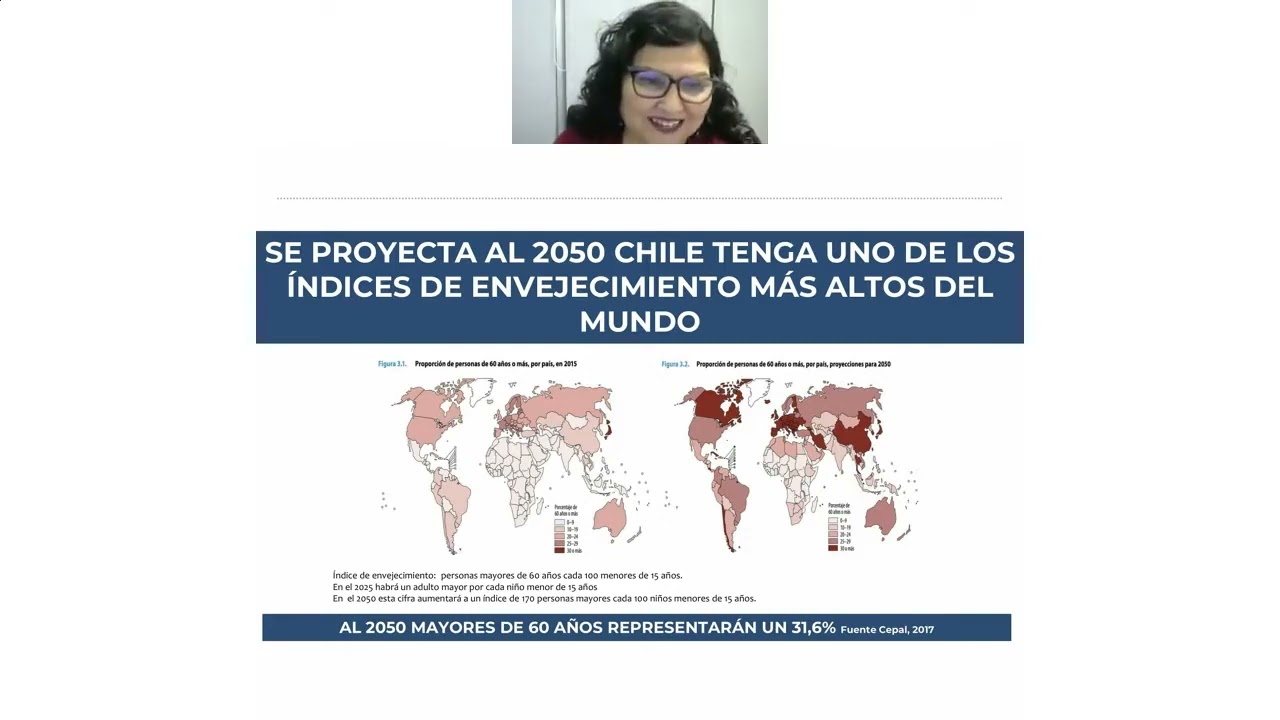

The life course perspective in sociology examines how historical events, individual decisions, and early life experiences interact to shape later life outcomes, emphasizing that aging cannot be understood in isolation but must consider age effects (biological changes from aging), period effects (societal influences like 9/11), and cohort effects (shared experiences of people born around the same time), while also recognizing that societal norms about appropriate ages for life transitions (on-time vs. off-time) significantly influence how individuals experience aging.
Life Course Perspective in Sociology and Aging
Added:Introduction to Sociology: Understanding fundamental sociological concepts, including the relationship between individuals and social structures.
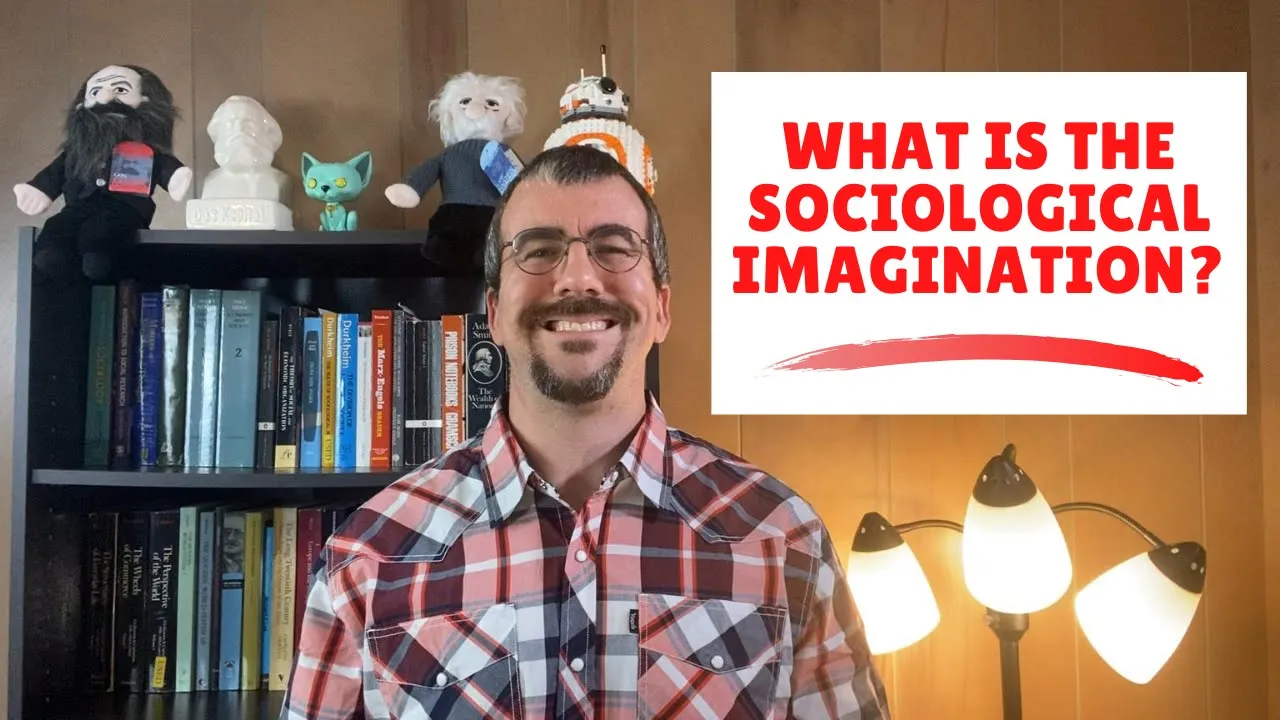
The Sociological Imagination: C. Wright Mills' concept of connecting personal troubles to public issues and historical contexts.
Basic Concepts of Socialization: How individuals learn and internalize social norms, values, and roles throughout different stages of life.
The Agency vs. Structure Debate: The ongoing sociological discussion regarding how much free will individuals have versus the constraints of social institutions.
Cumulative Disadvantage Theory: How early-life inequalities compound over time to create larger disparities in old age.
The Concept of 'Linked Lives': Examining how social networks, family dynamics, and intergenerational relationships shape individual life trajectories.
Cohort Analysis and Historical Effects: Investigating how specific generational cohorts (e.g., Baby Boomers, Millennials) experience aging differently due to historical events.
Social Policy and Aging Populations: Analyzing how governments design pension, healthcare, and social security systems using life course data.
8.3K views70likes15:01Original Release: 2017-09-11
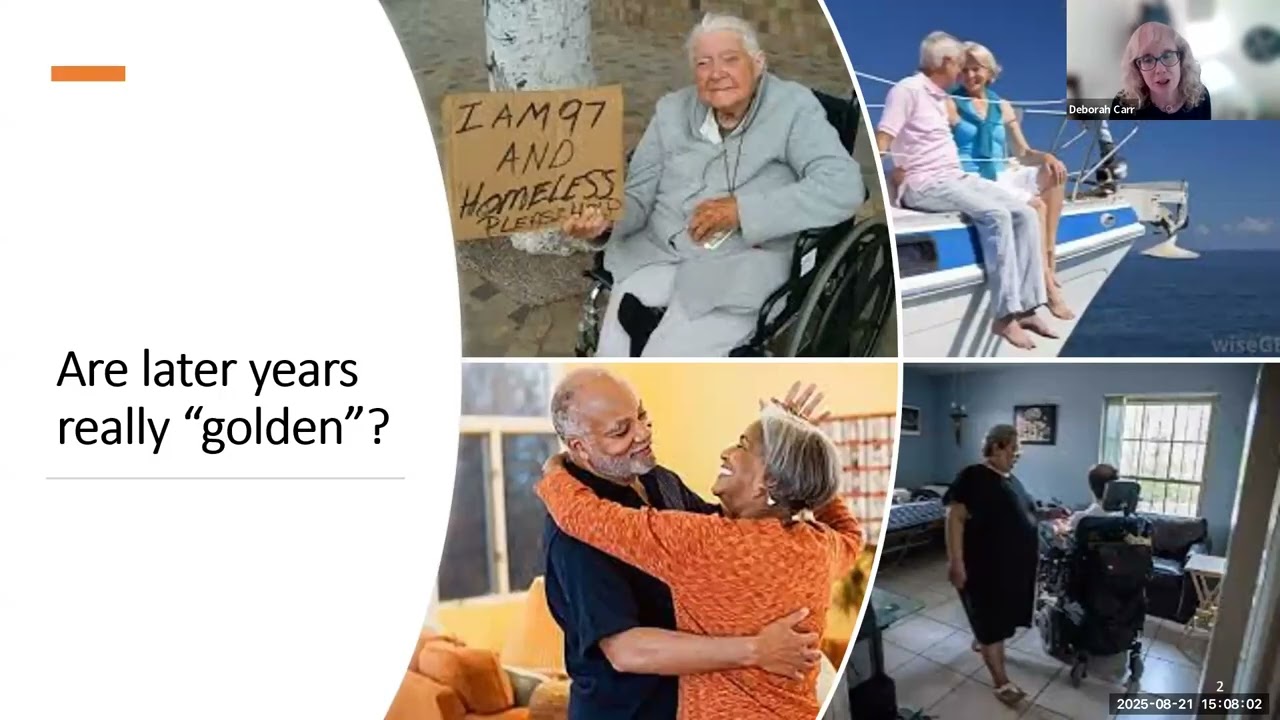
so today we're gonna be talking about the life course perspective for sociology and particularly when it comes to aging it would be really short-sighted to think about what older people are going through today is only because of today we have opportunities and constraints every single age of our lives and how our entire societal outlook about aging has change really makes a difference for how an older person is experiencing aging so I wanted to talk to you about some of the ways that the life course perspective works today so if we look at what the life course framework is remember this is just the interaction of historical events now I'm recording this today on 9/11 there's a great example of an historical event that has definitely shaped our society so we're gonna look at historical events individual decisions and opportunities and the effect of early life experiences these all determine later life outcomes so no person within a society is really living within a bubble where they don't have to consider how society is actually determining what their chances and opportunities are the life course trajectory is simply that pattern that people go in and out of these roles throughout their entire life course so right now a role that you have slid into is the role of being student for some of you this is occurring during what we consider traditional college aged between the ages of 18 and 22 but with an online course we would expect a lot of you to actually be a little later in your life course and would buy that it really is an illustration that not every switch in and out of a role happens the same for everybody in our society when the majority of people establish that they go through a certain transition at a certain age that's considered a normative timing for that role so let's give an example of how well this is structured within our society we're going to college at the beginning of our career time and that's really purposeful so typically one of the goals that we have in our society is to make sure that adults are actually contributing back to society this is such a societal goal that we have free education for everybody leading up to this and then we really push students to receive their higher education so that they can become effective workers so in that way their traditional way that we have looked at the life course from a work perspective is that it starts with education you get all of that out of the way and then you begin your beginning job and you work for a number of years and then you eventually retire that's a very simplistic and somewhat outdated mode of how work happens within the United States I just read that about 40 percent of our workers are not even in traditional jobs they're in piecemeal work where they are short term contractors and so when we look at all the different ways that work as a social institution is changing when we say that what we mean is how are these norms how are these norms changing for people do they have an opportunity to go in and out of the workforce do they have opportunities to go in and out of schooling and as we become more acclimated to that and universities such as Westfield starts developing more tools to allow students to re-enter the students sphere at more points of their life so we actually have a Department of continuing education which is really just that saying older students who already have life experience they may need different skill sets and different supports than what traditional age students have and really this is all expanding our understanding of what it takes to be a worker that falls then into retirement so I want to talk a little bit about three interrelated ways that we study aging and this is really important concepts to understand when someone does not think about these types of concepts you may have a very different understanding of what's happening to someone and blame it on something that's not actually true so your oncologist study older people we know this gerontology is the study of Aging but you can't assume that everything that is happening with an older person is simply because they are older so we can look at actual three different trends that are related and they all need to be considered when we're studying the elderly the first trend is an age effect this is a change that occurs as a result of advancing age I'm gonna give you an example let's say women wearing makeup we know that for a lot of older women they don't wear makeup as much as younger women so we could assume at the most simplest then an older woman is not going to wear as much makeup because of the aging effects on her body and she doesn't like the way it looks as she's older so that's simply an age effect she wore it at one point and then she reached a certain age and she's not wearing it anymore now that's such a sexist and somewhat ridiculous thing to study but it for some reason it was the first thing that came to my mind but if you look at okay what's another thing that's an age effect well we could look at people's political opinions we know that older people a lot more conservative than younger people is it that people as they age become more conservative well if that was the only thing going on that the only factor that would cause someone who's older to be more conservative than someone who is younger would say oh that's an age effect as people get older their political opinion changes most effects are not that clear-cut and because of only because of age so let me talk to you about a couple of other effects namely the period and cohort effect that also really played with this notion a period effect is the impact of an historical event on the entire society said a couple minutes ago that when we look at the effect of 9/11 on our entire society it's a little hard to directly see what's different but when we look at things like cell phone usage cell phone usage and the need for everybody in our society to suddenly have a cell phone really was a direct result of 911 911 was one of the first times that a lot of cell phone towers became well a lot of the cell phone towers that were part of the World Trade Center actually became damaged and destroyed but throughout that entire day and even in the weeks after after 9/11 there were many people who could not communicate with their loved ones because land lines were down and we didn't yet have the technology for cell phones as widespread as we do today so that really from a period effect we see a lot of people directly after 9/11 have cell phones whereas before 9/11 they did not it was starting to trend cell phones were available prior to 9/11 but the majority of people did not find a cell phone a necessity until after that historic event and that's for all people within our society not just a certain um not just a certain age group but across the board people started saying wow you know what I really should be a little safer and more accessible and I should have a cell phone and that can be directly related to that period effect of how 9/11 really impacted our entire society now another effect is a cohort effect and this is a social change that occurs not so much because you aged and that because the entire society is experience something at the same time but because of where you were in your life course when something happened and everybody in your cohort may be experiencing that so let's go back to the makeup it so happens that a lot of baby boomers who were active in the women's right movement we're also staunch supporters of not wearing makeup and so when we look at women across the life course there is an existing hole in consumers for makeup that came of age right at the beginning of the women's movement and we're rejecting makeup as very part of patriarchy and not wanting to follow that trend and so women of a certain age will tend to have very similar patterns on some things because it was very very popular for the age group of women or men during certain time and that norm has carried over time so that would be different from someone saying now that I'm older I'm not gonna wear makeup or hmm since the women's since the women's March and the entire civil rights movement actually those are two separate things and I know that but sometimes it's hard when you're talking nonstop is a lecture it's hard to keep your mind focused so anyway sorry about that I can stop right now and have to redo the whole tape or I could just be like not perfect so there you go but anyway period effect would be something that affected everybody across the board cohort effect is a certain age of people because of where they were within the life course when something happened and cohort effects might be something more similar like what kind of music a certain age group likes so I'm really I really like Pink Floyd you could make a lot of assumptions about Who I am if I like Pink Floyd today but really I grew up with Pink Floyd that was like the first cool band when I was younger and all people my age tend to have a certain liking for that group I would see that more as a cohort effect than anything else um cohort a pure sex if you don't understand the concepts if I haven't explained it in a way that really makes you grasp it let me know I can come up with a lot more examples and I provided a few more in the module for you so these three effects are important I think I kind of just tucked this over but why these three effects are important first of all if we don't study all these various sects concurrently or at least consider that hey this might not just be about aging or this might not just be about when this person was born well then we can end up being erroneous in the conclusions that we draw so the make up example we can come up with completely illogical reasons for why we think social trends are occurring if we don't keep all of these perspectives in check so again our older persons more politically conservative than younger persons we could use that kind of social analysis and really look at it through these lens well we could also say does intelligence to climb with age if you look at things like that we can see that older people do not score as highly on some intelligence tests but the older cohort those who are over the in the oldest old category 85 and older they did not go to school for entire college graduations many people from this court didn't graduate high school so again is that an aging effect or is that a lack of equal access to resources throughout the life that's showing up so we can also look at the timing of life course transitions throughout one's life and the timing is really how well is someone adhering to this schedule that we have rigid in our minds as a society of when it's appropriate to do something and when you're off time so age norms are the cultural expectation of the appropriate approximate age one should be for experiencing a life event this is somewhat trivial but I remember back in I don't know when this movie came out but that we'll be the 40 year old virgin I mean that's a classic play on age norms an entire movie saying hmm this person is too old to not have experienced this yet and it really was just making light of age norms in our society that we have very rigid cultural expectations of when certain things should be done some of these Asian ORMs are lessening but some remain very very strict and it's not only when you're too old to do something but also when you're too young when we look at something like the age to get married we have a lot of age norms on the opposite end that you're not ready for this yet so what an individual goes through a light rite of passage at the same time that most people do we just consider that on time it's so much a part of our culture that we don't say wow looks like you're gonna be going to college on time with the rest of people that you're mostly the same age with and we certainly don't talk like wow you're returning to school that sounds like a real off time event we just don't talk in those ways but from the gerontology field jargon that's what on time and off time simply mean whether or not you're experiencing a rite of passage through your life that is on par with the majority of the population or if you're having a different timing if you are that's off time so some examples of these rites of passage that we look at at parent ologists how old is too old to still be living at home we know that that age has risen and keeps rising
Up Next
11:38
How Ageism Harms Society and Solutions to End It | TED Talk
@TED
343.8K views•2017-08-23
54:57
Contemporary Sociological Theory: Micro, Macro, Integrative
@NaSESYNC
45.7K views•2016-02-17
19:23
How to Analyze Conversations Scientifically | Elizabeth Stokoe | TEDx
@TEDx
1M views•2014-12-04
9:41
What is Sociology? The Sociological Perspective Explained
@crashcourse
4.6M views•2017-03-13
Related Study Plans & Knowledge Roadmaps
Structured learning paths in Sociology
sociology
Celebrity Culture: From Hollywood to TikTok
01Foundations of Celebrity Sociology
02The Rise of Micro-Celebrity & Digital Platforms
03Parasocial Relationships & Algorithmic Intimacy
+ 2 more learning modules
12h5 modules
Explore Roadmap
sociology
Hostile Architecture: Space, Power & Control
01Introduction to the Sociology of Space
02Social Control and Surveillance in the City
03Hostile Architecture and Defensive Design
+ 2 more learning modules
12h5 modules
Explore Roadmap
sociology
Loneliness Epidemic: Third Places & Isolation
01Foundations of Social Capital and Community Cohesion
02The Death of Third Places and Urban Space Erosion
03The Privatization of Leisure and Atomization
+ 2 more learning modules
12h5 modules
Explore Roadmap
sociology
Sociology of Tourism: Gaze, Power & Heritage
01Foundations of the Sociology of Travel and Leisure
02John Urry and the 'Tourist Gaze'
03Staged Authenticity and Cultural Commodification
+ 2 more learning modules
14h5 modules
Explore Roadmap