



















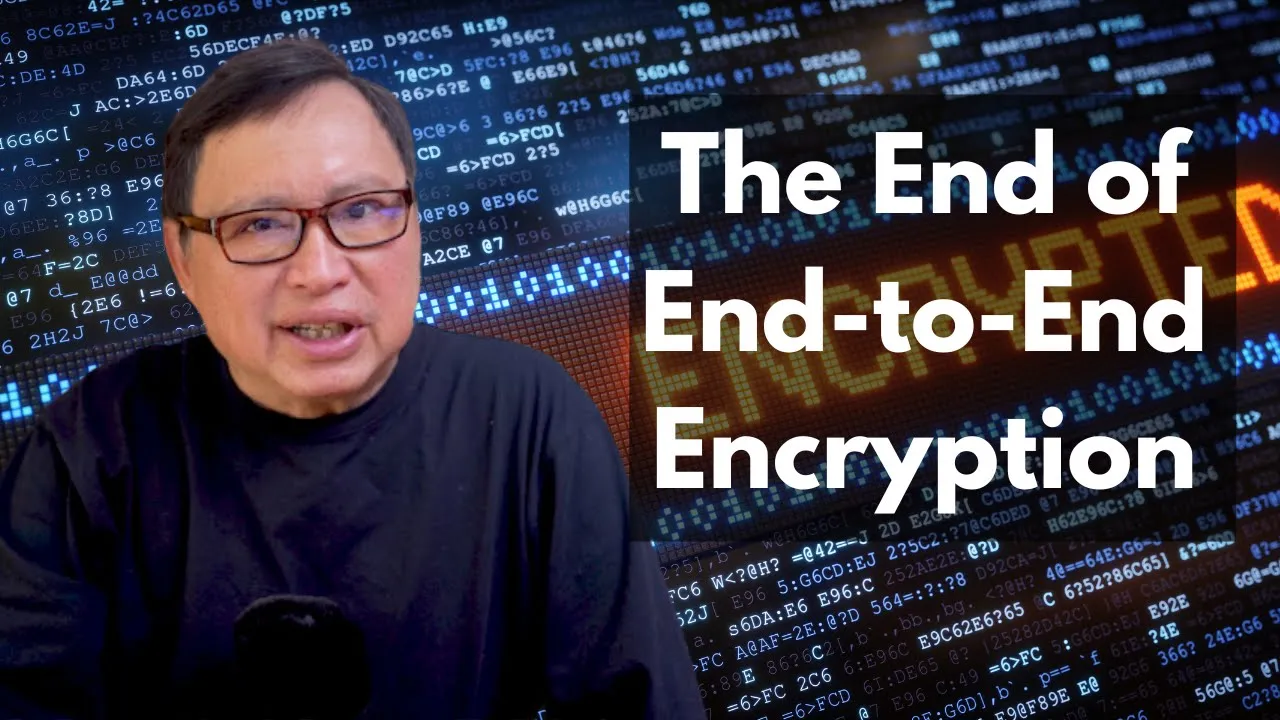

End-to-end encryption (E2EE) is a security technology that ensures only the sender and recipient can read messages by encrypting data on the sender's device and decrypting it only on the recipient's device, using public-key cryptography where the sender uses the recipient's public key to encrypt and the recipient uses their private key to decrypt, thereby preventing service providers, hackers, or anyone else from accessing the content during transmission; however, E2EE has limitations including metadata exposure (who communicated with whom, when, and how often) and potential legal/regulatory challenges.
End-to-End Encryption Explained: How E2EE Protects Data Privacy
Added:Basic concepts of cryptography, including the distinction between plaintext (unencrypted data) and ciphertext (encrypted data).
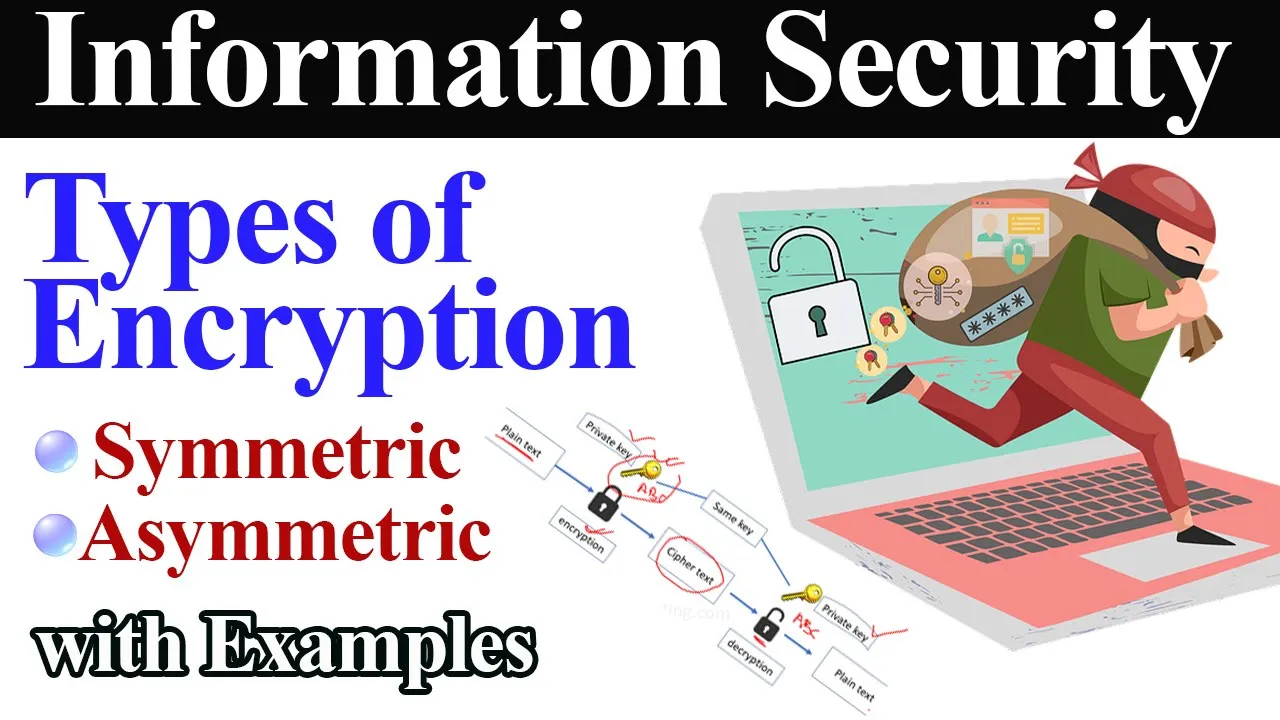
The fundamental difference between symmetric encryption (using a single shared key) and asymmetric encryption (using a public and private key pair).
The client-server architecture, specifically how data travels from a sender's device, through intermediate servers, to a recipient's device.
Common network security threats, such as eavesdropping and Man-in-the-Middle (MitM) attacks.
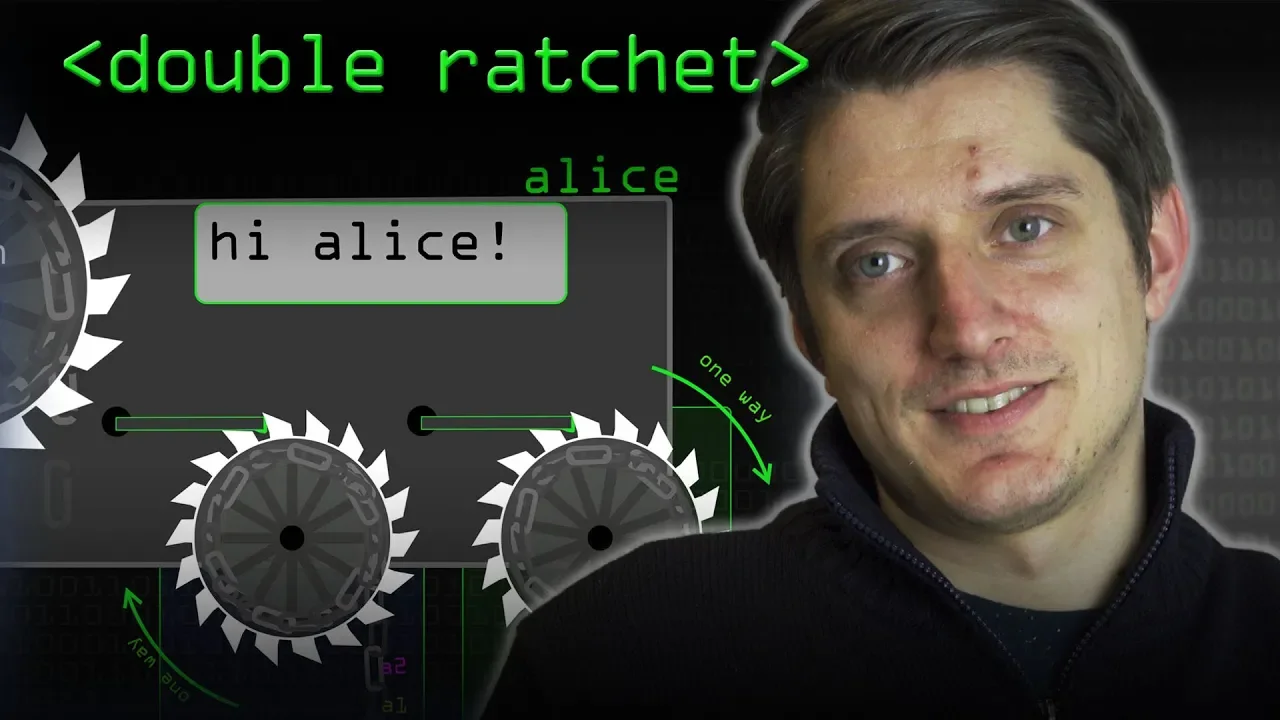
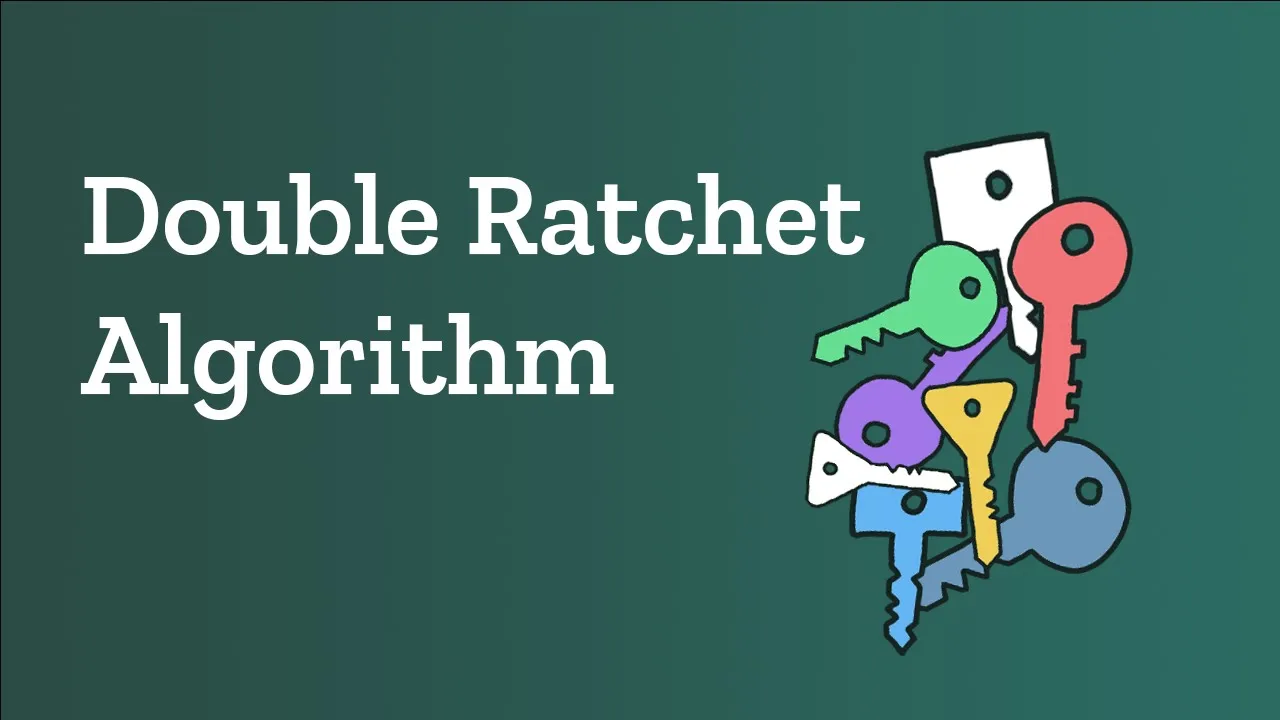
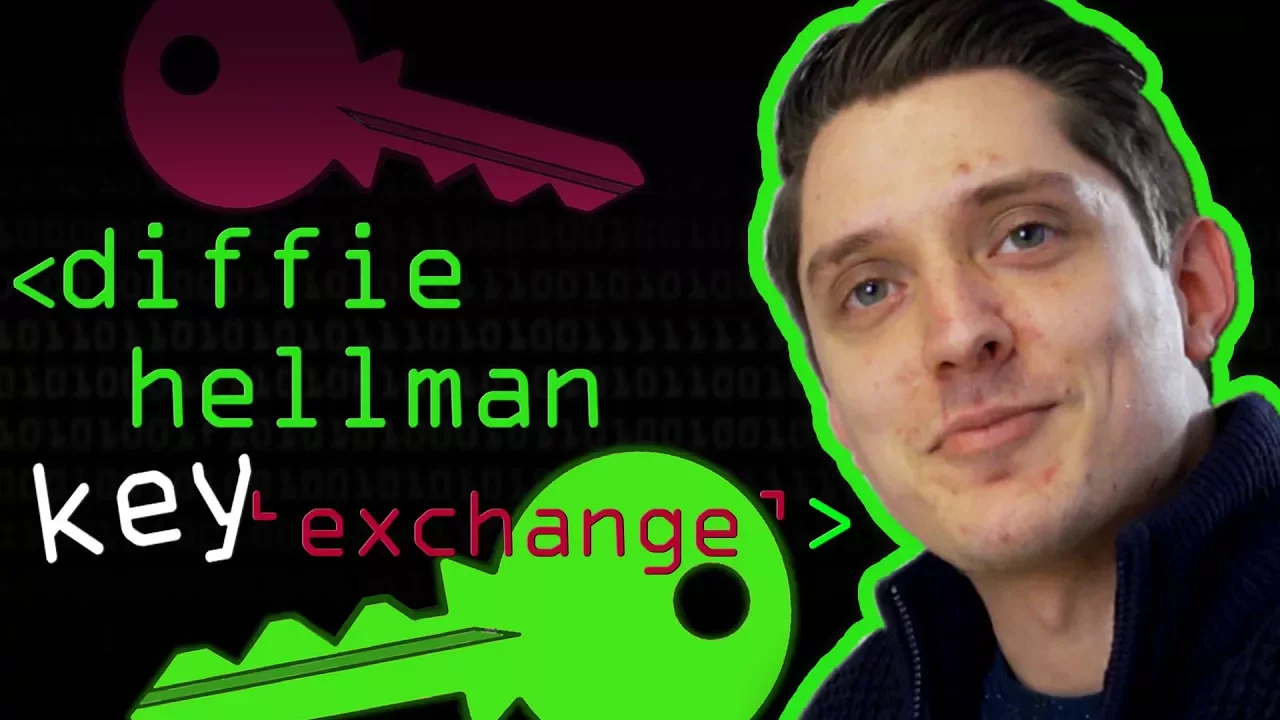
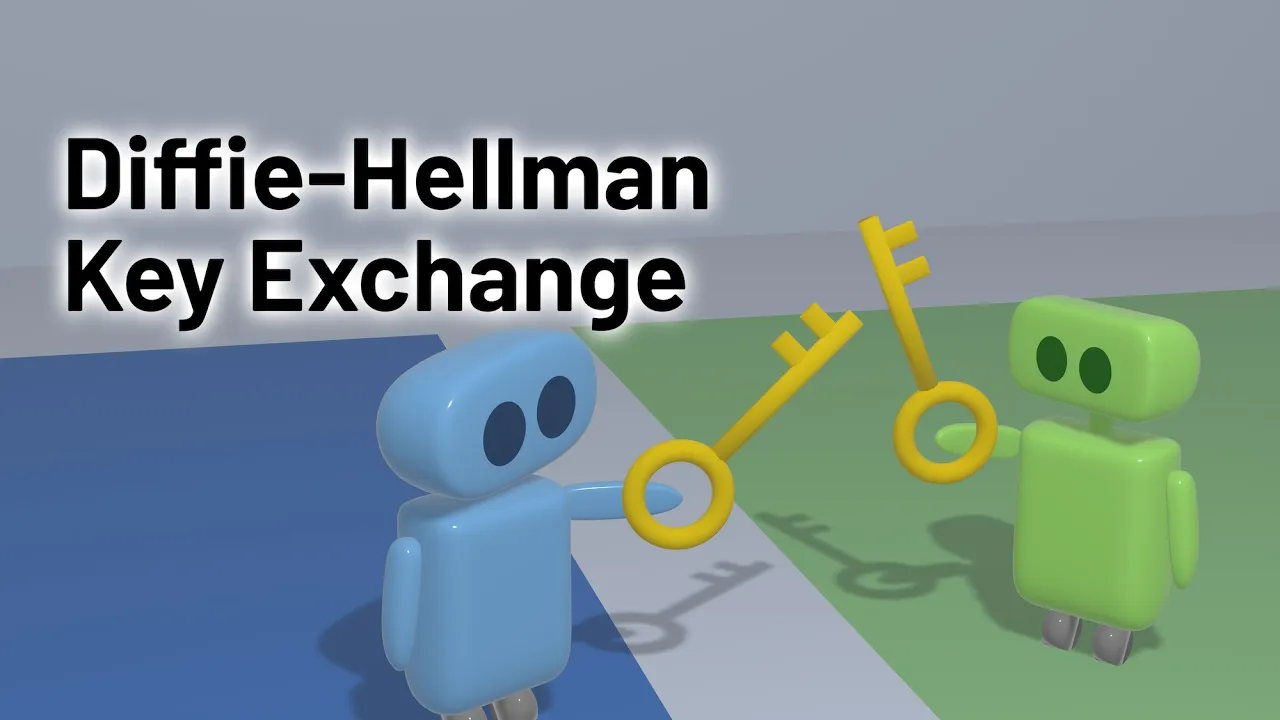
Advanced key exchange protocols, such as the Diffie-Hellman key exchange and the Double Ratchet Algorithm used in secure messaging.
The challenge of metadata privacy, analyzing how E2EE protects message content but still leaves metadata (sender, receiver, timestamp) exposed.
Key management and identity verification mechanisms, such as verifying public key fingerprints (or 'safety numbers') to prevent active interception.
The architecture of Zero-Knowledge storage solutions, where service providers host encrypted data without possessing the keys to decrypt it.
The legal, ethical, and policy debates surrounding E2EE, including government requests for encryption backdoors and client-side scanning.
4K views52likes8:41Original Release: 2024-07-25
hi everyone welcome to Simply Lear have you ever noticed how WhatsApp says every message is end to endend encrypted but do you really know what that means when you send a message on WhatsApp it says it's protected by end to end encryption but what does that actually mean for your privacy we'll find this out in this tutorial and in today's world data security is more important than ever for example did you know that in 2020 or 37 ion records were exposed in data breaches imagine all your private chats emails and files being open for anyone to see scary right that's where end to end encryption or E2 comes in it's a technology that keeps your communication safe from prying eyes even big companies like WhatsApp signal and proton mail use E2 to make sure only you and the person you are talking to can videoo messages in this tutorial we'll dive into what endtoend encryption is how it works and why so crucial for your privacy let's get started and learn how E2 keeps your Digital Life secure craving a career upgrade subscribe like and comment below dive into the link in the description to FastTrack your Ambitions whether you're making a switch or aiming higher simply learn has your back and before we start guys just a quick info for you if you are an aspiring C C security professional looking for online training and certification from the prestigious universities and in collaboration with leading experts to enhance your credibility then search no more simply learns postgraduate program in cyber security from Mi University in collaboration with EC Council should be your right choice for more details you can use the link in the description box and B comment so let's get started so let's get started with what is encryption so encryption is like turning your data into secret code to prevent unauthorized access so imagine you're sending a postcard with a message to a friend and that message could be hello how are you so anyone who handles the post card can read what's written on it or if you're sending a message through a social media messenger app that can also be read but with encryption this message is transformed into something unreadable like the secret code that is shown on the screen so this coded message looks like giberish to anyone who intercepts it only someone with the right key can turn it back into the original message so think of the key as a special decoder ring and without this ring the message remains a jumble of random characters this ensures that even if someone intercepts your data while it's being sent over the Internet they can't understand it an encryption it is used everywhere in emails messaging apps online shopping and banking to keep your personal information safe from prying eyes and it's like sending a postcard inside a loged box that only you and your friend can open so now we will understand what is end to end encryption so end to end encryption or E2 that ensures that only the sender and receiver can read the messages imagine you are sending a secret note to your friend you put the note inside a log box and only you and your friend have the keys to open it as the note travels from you to your friend no one else can unlock the box and read it not even the mailman with end to end encryption your message is encrypted on your device before it sent this means it turns into a code that can't be read by anyone else the encrypted message travels securely over the internet and can only be decrypted by the friend's device which has the right key to unlock it even the service providers like the company that runs the messaging app can't access the encrypted data this way your communication stays private and secure just between you and the person you're talking to so now we'll see how end to end encryption works so end to end encryption uses a system of public and private keys to secure messages so now we'll see the public key encryption so this is when you want to send a message and your device uses the recept an's public key to encrypt it imagine you have a special Lo that anyone can use to lock a box but only you have the key to unlock it the public key is like this lock anyone can use it to encrypt a message but only the intended recipent can decrypted with your private key and then comes the message transmission the encrypted message is now jumble of unreadable characters that is sent over the internet and during transmission even if someone intercepts the message they can't read it because they don't have the private key and now comes the private key decryption so when the message reaches the recipent the device uses the private key to decrypt it the private key is like the unique key that can unlock the box and reveal the original message this process ensures that your communication stays secure from start to finish even the service providers or hackers who intercept the message can't read it without the private key so your message remains private and secure just between you and the recipent so now we'll see some of the examples of end to end encryption services so many popular services use endtoend encryption to secure their communication for example messaging apps like WhatsApp and Signal messenger ensure that only you and the person you are chatting with can read your messages and email providers like proton mail uses end to end encryption to keep your emails private and the cloud storage services like trro protect your files from unauthorized access now we'll see the benefits of end to end encryption end to end encryption provides enhanced privacy and security by protecting your data from hackers and unauthorized access imagine your communication is intercepted by someone with ENT encryption they can't read your messages because they don't have the decryption key this level of security ensures that your personal information stay safe and private Beyond keeping your messages secret and to end encryption protect sensitiv data like financial information personal documents and private photos for example when you use WhatsApp to send a bank account number or password and to an encryption ensures only the intended recipent can see it and in a world with increasing cyber threats and to an encryption acts as a critical sheet maintaining trust and Security in a digital communication and it's a powerful tool that gives you control over your privacy in an Ever connected world now we see the challenges in implementing and to end encryption so implementing end to end encryption comes with several challenges it involves technical complexities that require robust cryptographic algorithms and secure Key Management additionally end to end encryption can impact the performance of services as encrypting and decrypting data requires extra processing power so service providers need to balance strong security measures with a smooth user experience and now we'll have a look on the limitations of end to end encryption so while end to end encryption protects the content of your messages it doesn't protect metadata such as who you are communicating with the time of communication and the frequency of messages this information can still be accessible to service providers and potentially to malicious actors additionally there are legal and Regulatory considerations as some governments and agencies seek access to encrypted Communications for security purposes so it's important to be aware of these limitations when relying on end to end encryption for for privacy so with that guys we have come to the end of this session if you like this session please like share and subscribe and you have any doubts you can comment down in the comment section below till then stay safe and keep learning staying ahead in your career requires continuous learning and upskilling whether you're a student aiming to learn today's top skills or a working professional looking to advance your career we've got you covered explore our impressive catalog of certification programs in cuttingedge domains including data science cloud computing cyber security AI machine learning or digital marketing designed in collaboration with leading universities and top corporations and delivered by industry experts choose any of our programs and set yourself on the path to Career Success click the link in the description to know more hi there if you like this video subscribe to the simply learn YouTube channel and click here to watch similar videos turn ner up and get certified click here
Up Next
32:47
Isolation Forest for Unsupervised Anomaly Detection | PyData London 2018
@PyDataTV
94.9K views•2018-05-28

57:48
Secure Multiparty Computation (MPC): Foundations & Challenges
@SimonsInstitute
7.3K views•2015-05-28
13:03
Bypassing Tor Censorship: Bridges and Pluggable Transport Guide
@Coding_ForEveryone
397 views•2024-06-11
18:41
Neural Networks Explained: Math, Layers, and Learning Fundamentals
@3blue1brown
21.9M views•2017-10-05
Related Study Plans & Knowledge Roadmaps
Structured learning paths in Artificial Intelligence
artificial-intelligence
Aligning LLMs: DPO, TRL & Custom Datasets
01Foundations of Python & Machine Learning
02Transformers and Large Language Models (LLMs)
03Aligning LLMs: SFT and RLHF
+ 3 more learning modules
24h6 modules
Explore Roadmap
artificial-intelligence
Federated Learning: PyTorch, Flower & Privacy
01Python & Machine Learning Foundations
02Deep Learning Basics with PyTorch
03Introduction to Federated Learning
+ 2 more learning modules
35h5 modules
Explore Roadmap
artificial-intelligence
Securing LLMs: Guardrails AI & NeMo Gateway
01Introduction to LLMs, Python, and APIs
02Understanding LLM Vulnerabilities & Threats
03Defending LLMs with Guardrails AI
+ 2 more learning modules
15h5 modules
Explore Roadmap
artificial-intelligence
Building Recommenders: Two-Tower & Vector DBs
01Foundations of Python & Machine Learning Basics
02Introduction to Recommender Systems
03Deep Learning & Representation Learning
+ 3 more learning modules
75h6 modules
Explore Roadmap