




![Can Latent Program Networks Solve Abstract Reasoning? [Clement Bonnet]](https://i.ytimg.com/vi_webp/PHBItVuudbU/maxresdefault.webp)

![[11] Auto Encoder , Stacked AE, Conv AE](https://i.ytimg.com/vi/nrYlr46gm58/maxresdefault.jpg)


![[Concours1] Mesure de similarité: Dice et Jaccard à la rescousse !](https://i.ytimg.com/vi/26mpUDOS_IE/hqdefault.jpg)





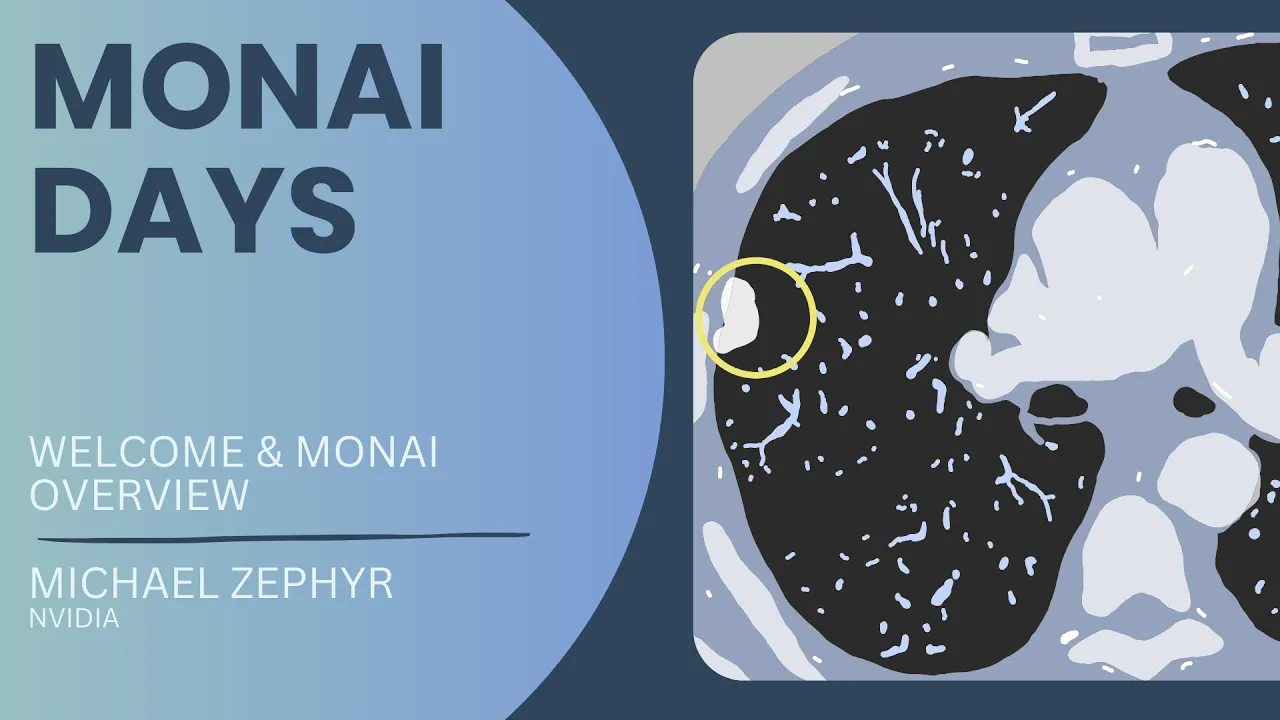

![[Español] explicA.I.: NVIDIA MONAI para Área de la Salud [Temporada #10 - Ep. 02]](https://i.ytimg.com/vi/BnP5vF8qyNs/hqdefault.jpg?sqp=-oaymwEmCOADEOgC8quKqQMa8AEB-AH-CYAC0AWKAgwIABABGHIgPSg9MA8=&rs=AOn4CLB_MZdBTBB49m4eqWLmSjSe802g-g)
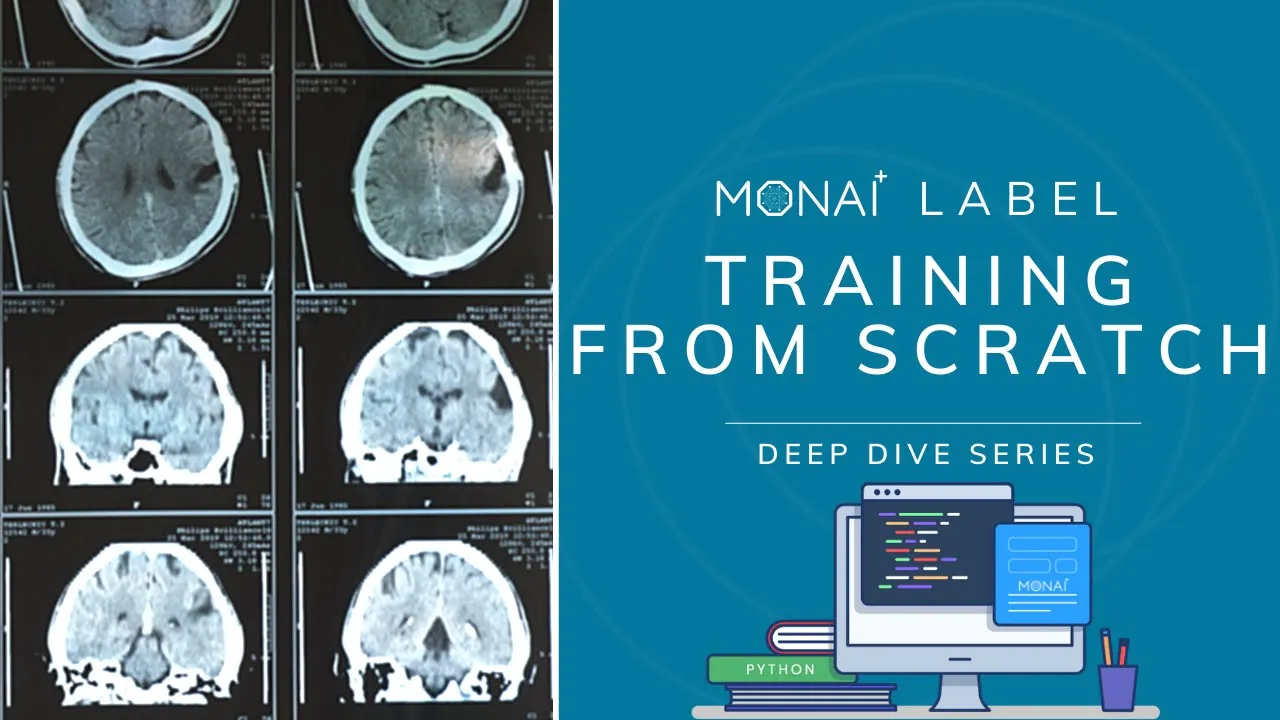
![[Week12 Wed.] Computer Vision Lecture 10: Visual-Image Models 2](https://i.ytimg.com/vi/Qabu0d7hu4Q/maxresdefault.jpg)
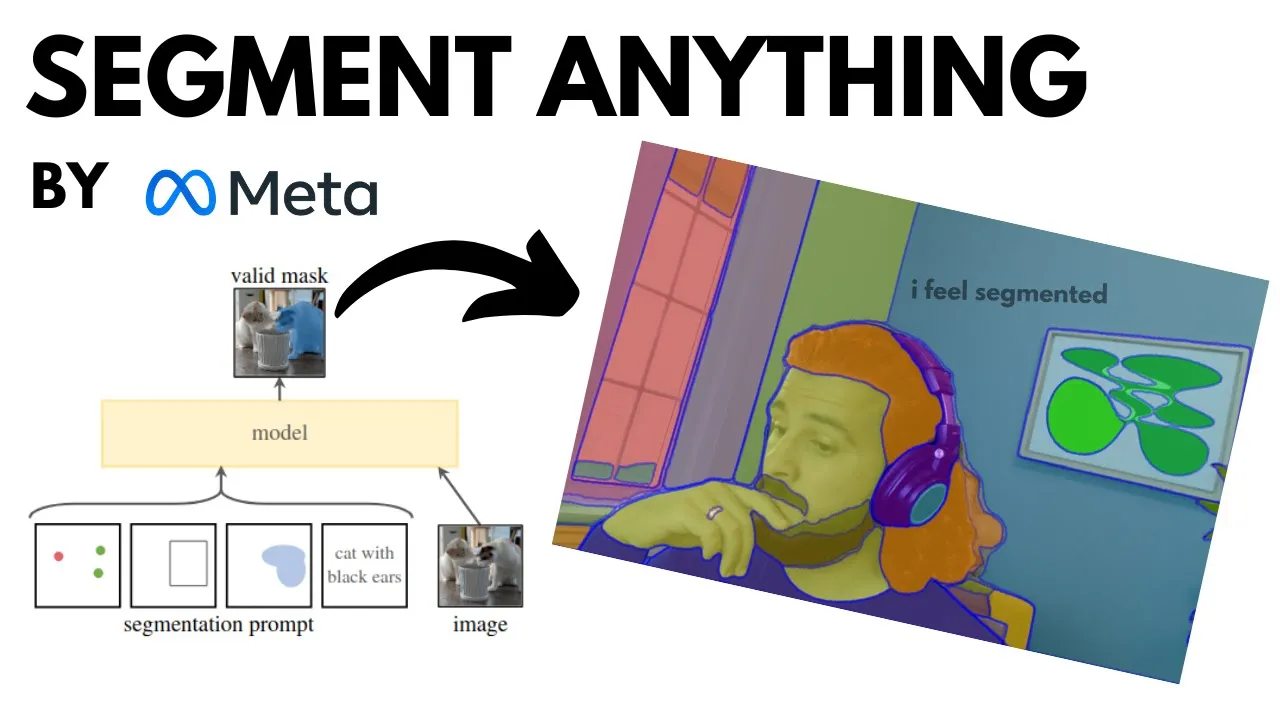

![[Open DMQA Seminar] Lightweight Segment Anything](https://i.ytimg.com/vi/Hkzk4pcr1VQ/maxresdefault.jpg)
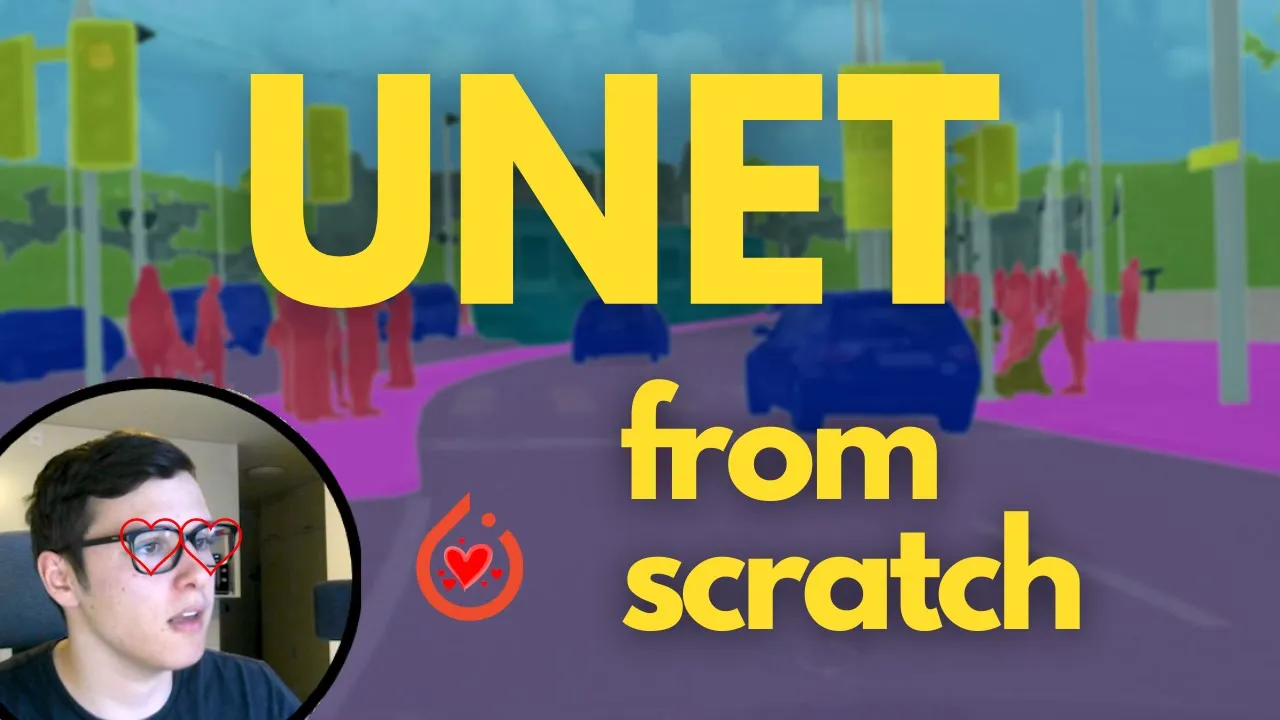
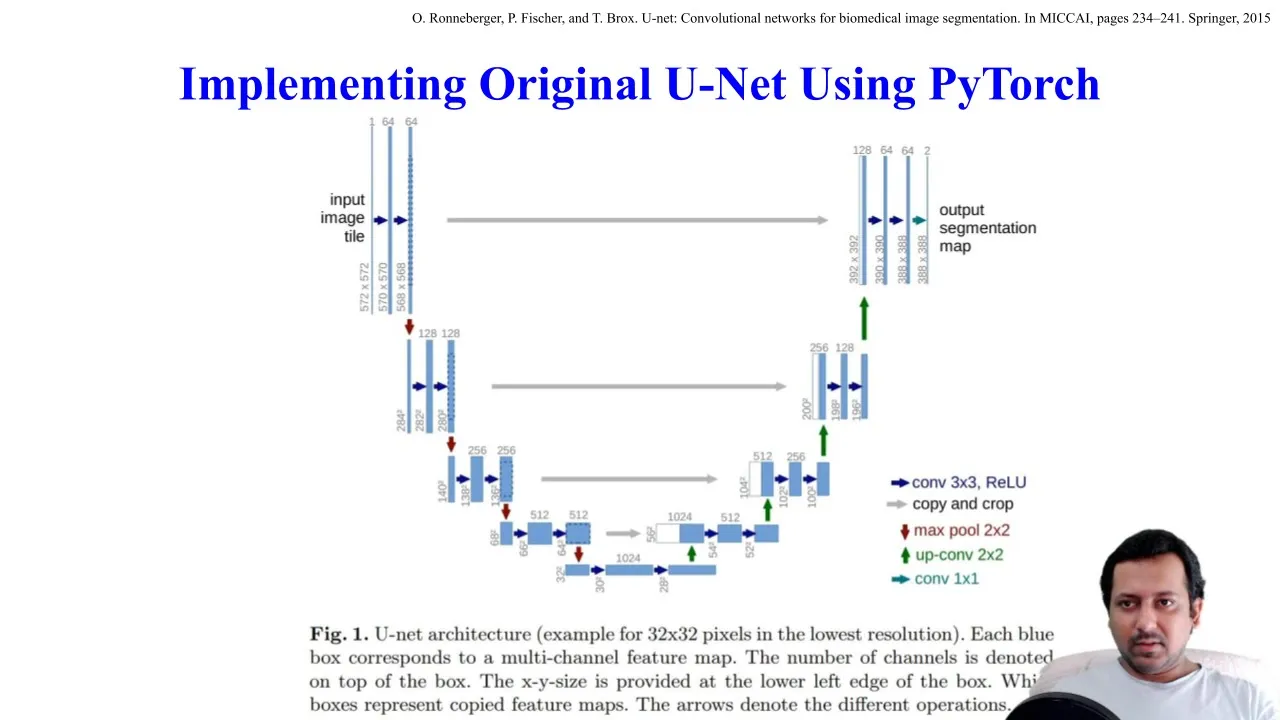
The U-Net is a convolutional neural network architecture consisting of an encoder-decoder structure with skip connections that enables effective image segmentation and generation tasks; the encoder extracts features through repeated convolutional and pooling layers, while the decoder reconstructs spatial resolution through upsampling, with connecting paths preserving spatial information to achieve pixel-perfect outputs.
U-Net Architecture Explained: Encoder-Decoder for Image Segmentation
Added:Foundational understanding of Convolutional Neural Networks (CNNs), including operations like convolution, pooling, and transposed convolution.
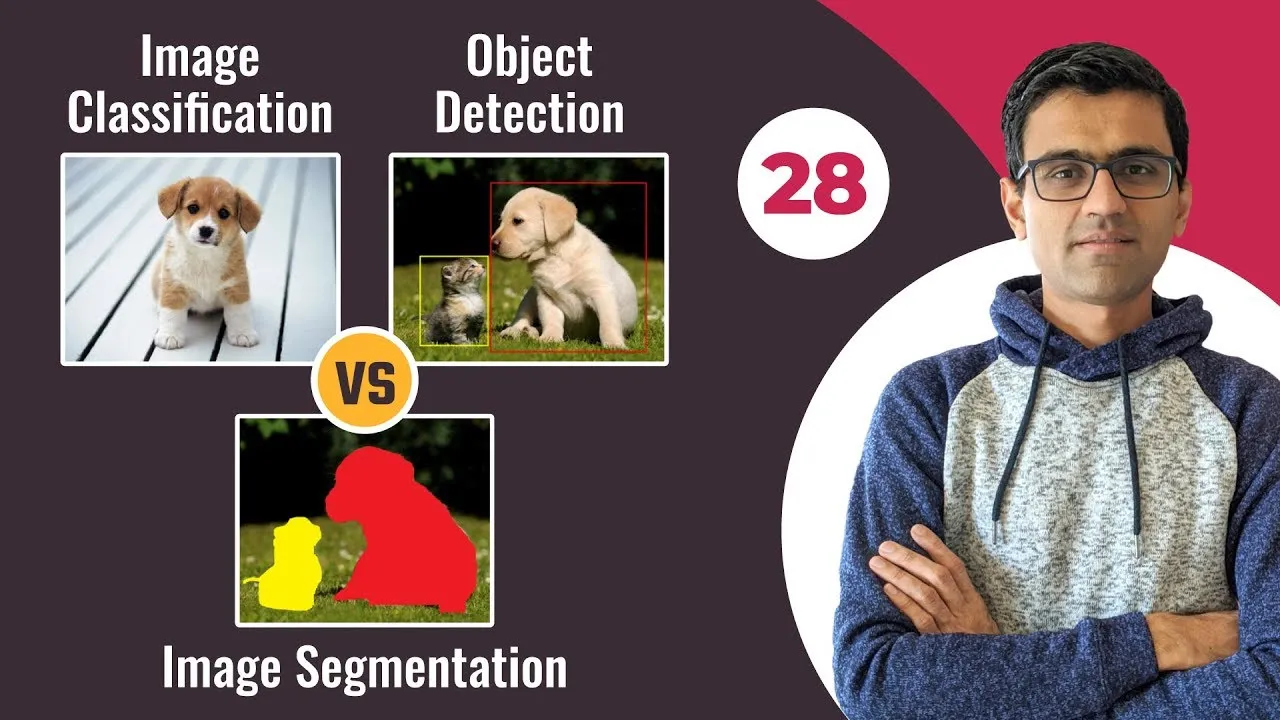
The distinction between image classification, object detection, and semantic image segmentation.
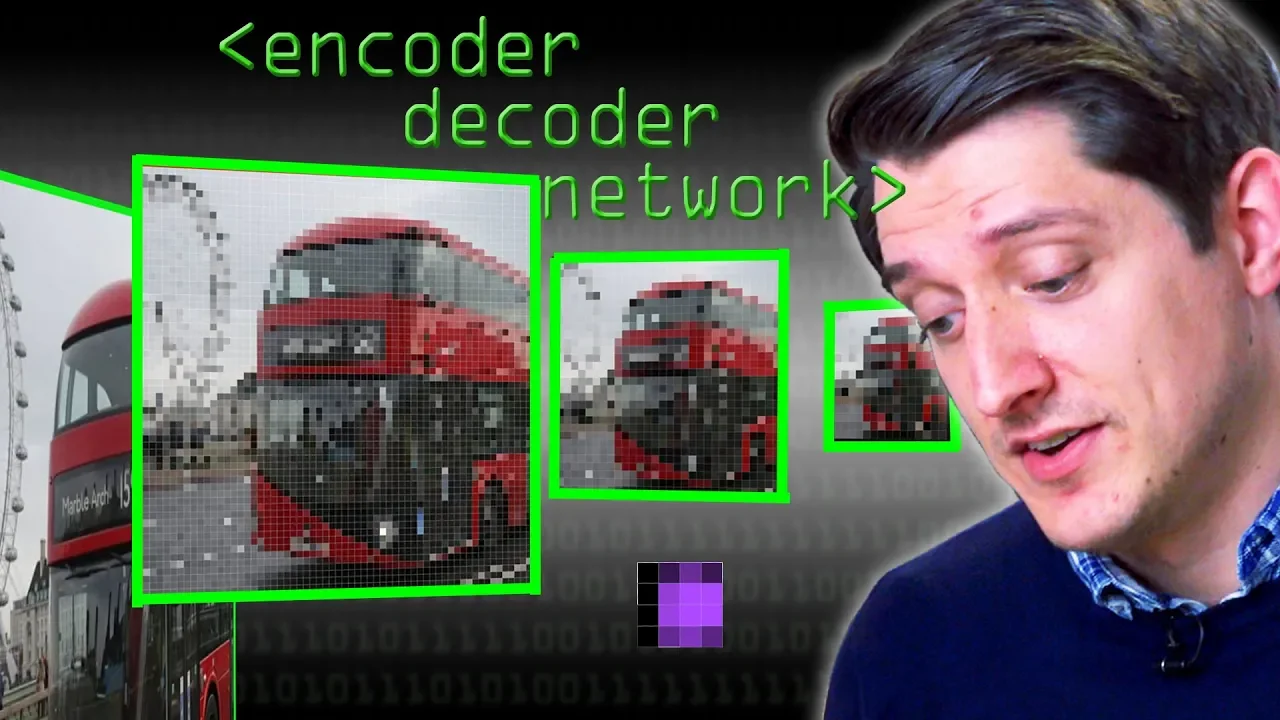
Basic concepts of encoder-decoder neural network architectures and latent space representations.
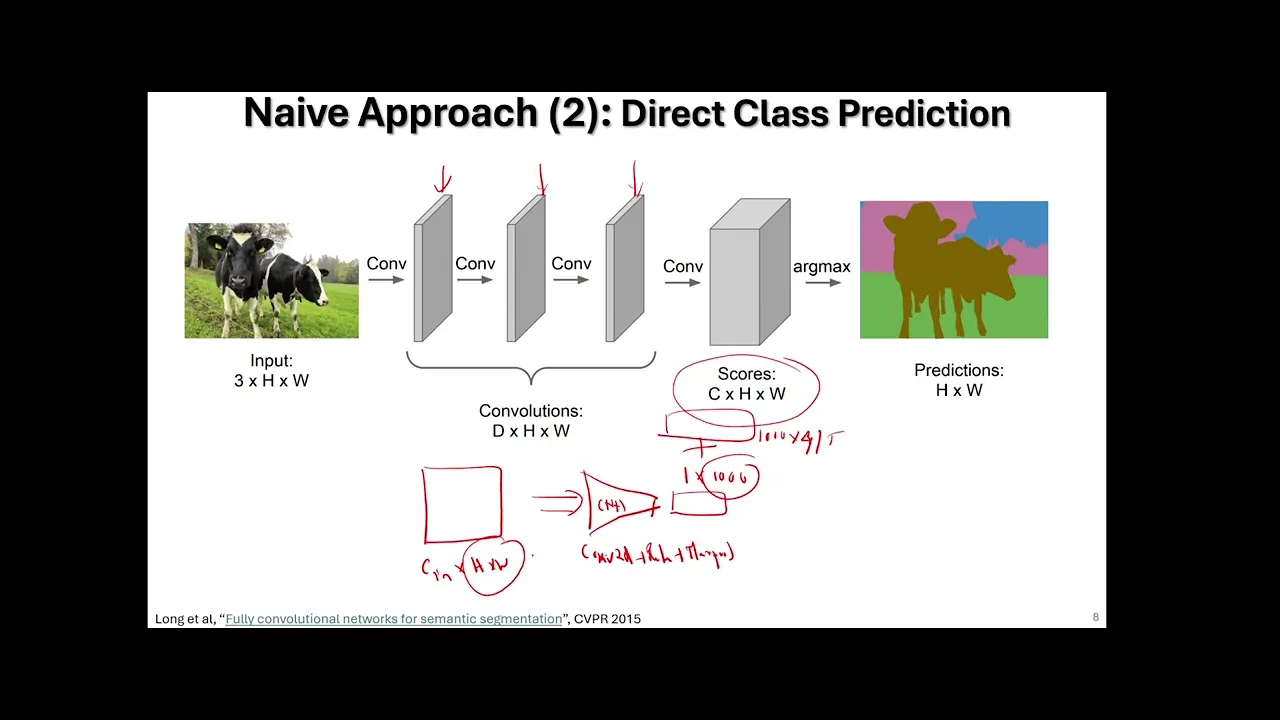
Common evaluation metrics and loss functions used in image segmentation, such as Binary Cross-Entropy and the Dice coefficient.
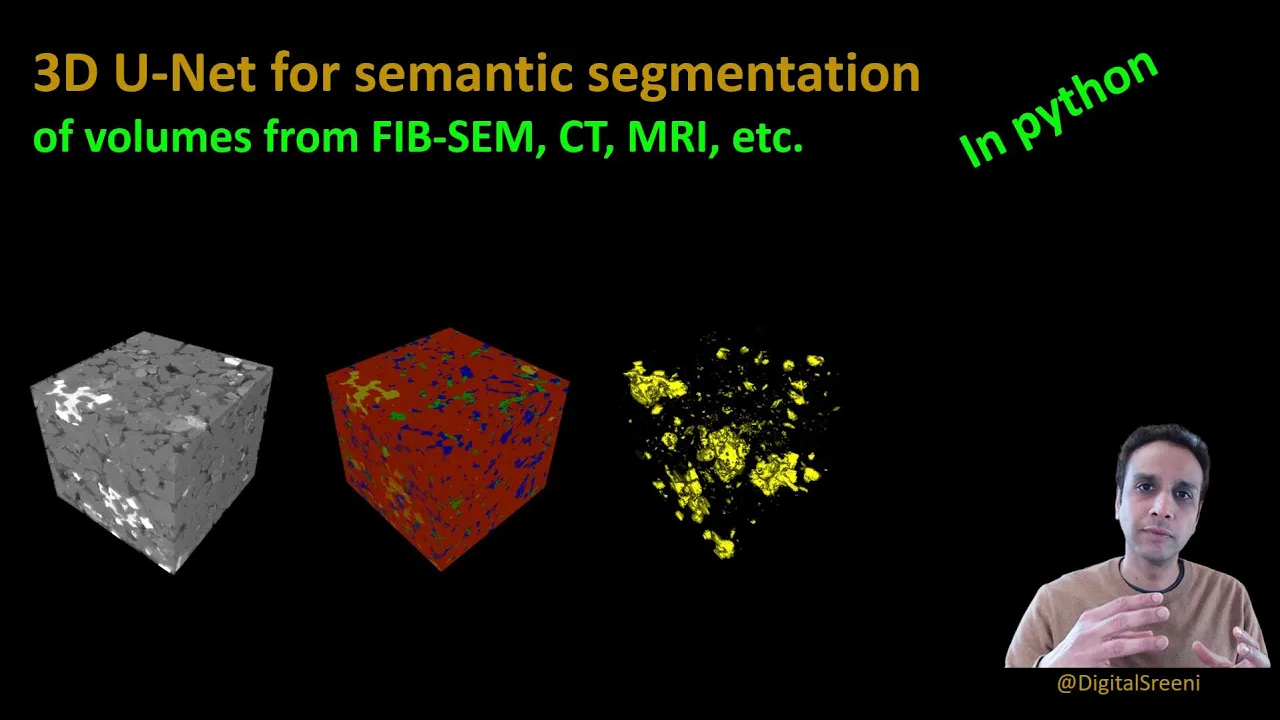
Implementation of advanced U-Net variants such as Attention U-Net, 3D U-Net for volumetric data, and U-Net++.
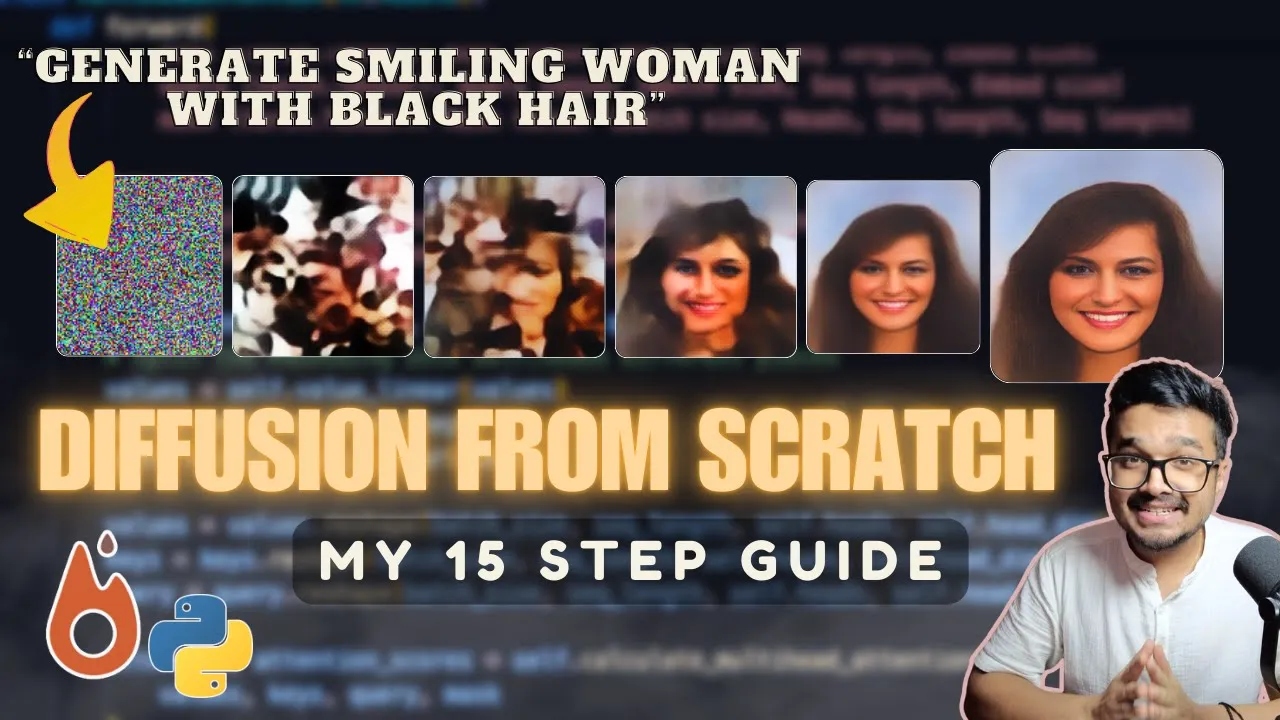
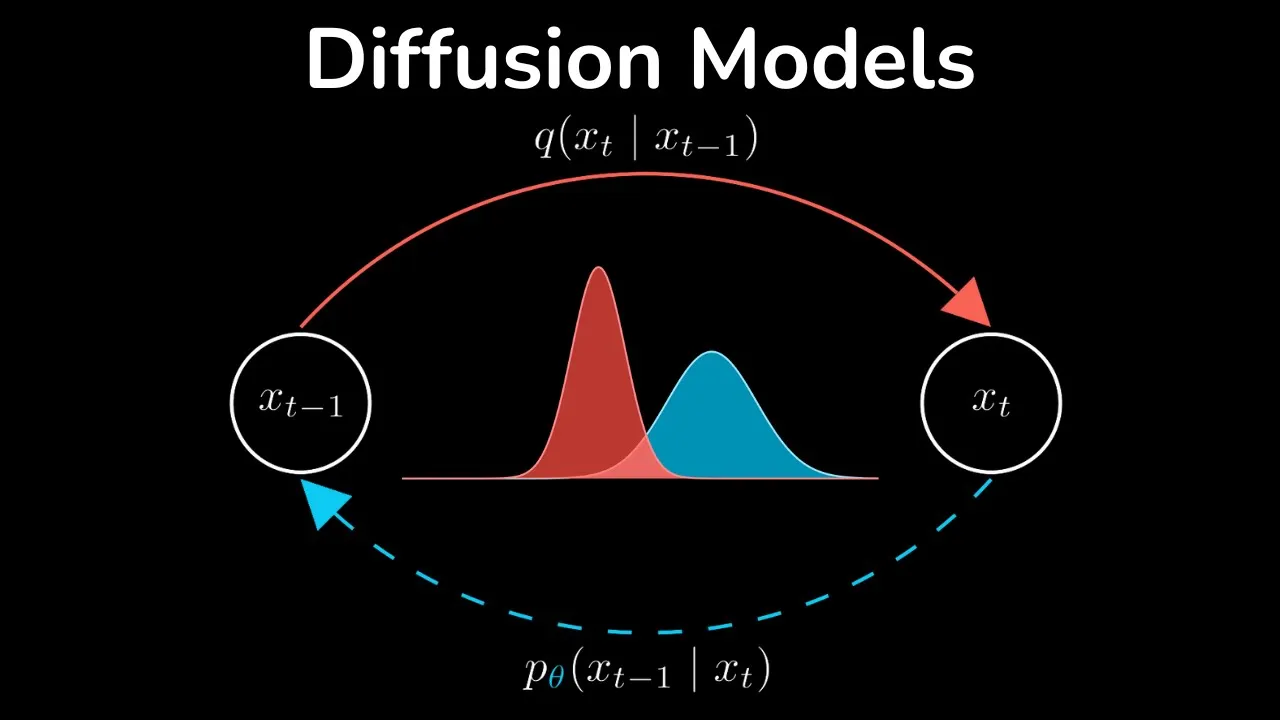
Understanding the role of U-Net as the backbone in generative AI frameworks, specifically Denoising Diffusion Probabilistic Models (DDPMs).
Practical deployment of segmentation models on clinical medical imaging datasets (e.g., MRI, CT scans) using libraries like MONAI.
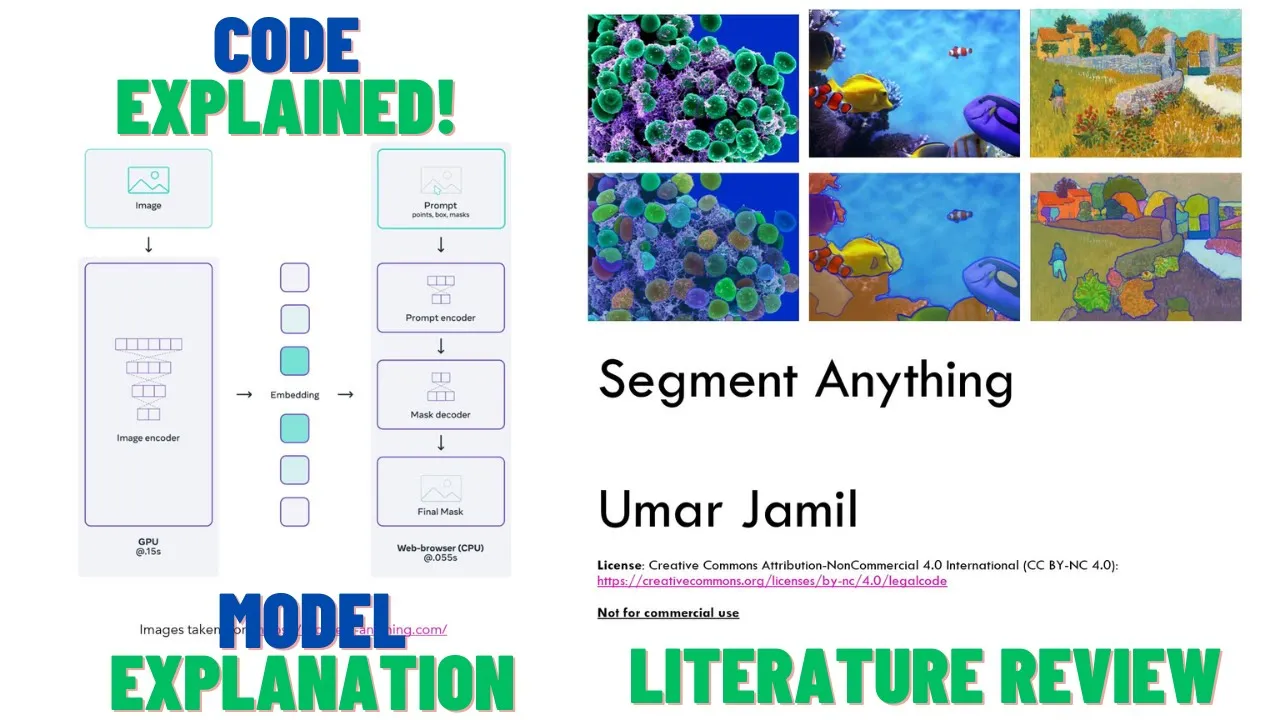
Exploring modern alternatives to CNN-based segmentation, such as Vision Transformers (ViTs), TransUNet, and the Segment Anything Model (SAM).
228.9K views7Klikes10:31Original Release: 2023-05-05
foreign [Music] [Music] [Music] [Music] hello and welcome hello and welcome today we're going to be looking at the unit model architecture since 2015 this has been a go-to architecture for many machine learning tasks but more recently it's gained even more popularity down to its incredible performance in image Generation all of the images in the introduction will occur to see if the Dali 2 diffusion model however almost all of The Cutting Edge generator models whether they be generative adversarial networks or any of the diffuse model variants such as stable diffusion imagine or Dali 2 will be using the unit in one way or another so now you know how radical units are let's have a closer look at them [Music] the unit architecture was initially proposed as a solution to Medical image segmentation problems it was quickly adopted for all sorts of tasks it has a unique structure that makes it particularly effective for tasks with high resolution inputs and outputs that could be tasks such as image segmentation will remapping images to segmentation masks [Music] hip resolution while we're upscaling low resolution to high resolution images or as I've already mentioned diffusion models were transforming gaussian noise to newly generated images well why not try Cascada diffusion where we simply strap three units in a row for even higher resolution generative creations let's rule as you may have noticed all of these tasks taken image's input and produce a new image for example in segmentation we are trying to learn a mapping from the pixels of an image into the pixels of the segmentation mask if we have ground truth data such as hand labeled segmentation masks then we can train a machine learning model such as the unit to predict these masks and hopefully generalize to new unseen images for example with a set of input images and hand-annotated segmentation masks we can train a unit model [Music] by passing in our images to our model we can produce an initial guess at the ground truth mask initially our guess won't be very good however we can still use it to compare against our ground truth label this comparison gives us an error we can use to adjust our model's parameters meaning that the next time we pass in an image we'll have a slightly better prediction so why is this model so effective when working with high resolution inputs and outputs well the unit model consists of an encoder followed by a decoder the encoder is responsible for extracting features from the input image whilst the decoder is responsible for up sampling intermediate features and producing the final output the funky thing about units is that the encoder and the decoder are symmetrical and are connected by paths this design gives the model its namesake the U the unit is known as a convolutional neural network with an encoder decoder type architecture this means we process images such as this man on a bike and attempt to extract useful features such as recognizing these two bike wheels once we have a rough idea that this area probably contains a bike we then decode these features back to their formal resolution in an attempt to get a Pixel Perfect representation of where the bike is in the original image have another look at the architecture and see if it makes a bit more sense let's have a closer look at the encoder the decoder and the connections in between them based upon the original paper features a pass-through and encoder consisting of repeated convolutional layers and Max pooling layers that extract intermediate features these extracted features are then upsampled by a corresponding decoder where saved copies of the encoder's features are concatenated onto the decoders features via connecting parts final layer produces the output for example this could be a segmentation mask you can then simply calculate your loss with respect to a ground shoes mask and back propagate the gradients through the network to improve your model's predictions let's recover what we just learned and go over each of the model components in a little more detail let's check out our first protagonist [Music] the encoder is made up of a series of repeated 3x3 convolutional layers at each of the stages after each convolutional layer the reloot activation function is applied element-wise to each of the features in between the stages a two by two Max pooling operation down samples the features this is a stride of two and is the equivalent depicting the largest value in a non-overlapping window rolled across the image this of course reduces the spatial dimensions of the features and to compensate for this the channels are doubled after each down sampling operation now let's have a look at the next part of the network the decoder the decoder in many ways is the reverse of the encoder it is also made up of a series of 3x3 convolutional layers Each of which is followed by the re-loot activation function instead of down sampling with Max pooling a decoder up samples the current set of features and then applies a 2x2 convolutional layer that halves the number of channels the up sampling operation is used to restore the spatial resolution of the features that were lost during the encoding phase [Music] there are two type of connections between the encoder and the decoder these are known as the bottleneck and the connecting parts first let's look at the connecting pads the connecting paths are simple they simply take a copy of the features from the symmetrical part of the encoder and concatenate them onto their opposing stage in the decoder this simply means Place alongside the decoder's features meaning subsequent convolutional layers can operate over both the decoders and the encoders features the intuition here is that the decoded features might include more semantic information such as this area as a bike whereas the encoded features contain more spatial information such as these are the pixels where the object is when you combine both the decoded and the encoded features together you can see how you can get Pixel Perfect segmentation now let's have a look at the bottleneck the bridge between the intermediary features of the network this is where the encoder switches into the decoder firstly we down sample the features then we pass them through the recognizable convolutional layers [Music] before finally up sampling them again to their previous resolution let's run through an example first we pass our input image through the encoder passing them through the 3X3 convolutional layers and radio functions at each stage we down sample them with a 2x2 Max pooling layer and double the channels before passing them through the convolutional layers for the stage this repeats all the way down to the bottleneck at the bottom neck we down sample pass the features through the convolutional layers and then up sample the features to get back to the corresponding resolution before the bottleneck we now pass the features up the decoder up sampling the features as we go and at each stage we also concatenate the features via the connecting paths this pattern of up sampling passing through convolutional layers and concatenating the features repeats all the way to the final output layer and there you have it that's the overview of the unap machine learning model architecture as we've seen the uni the unit architecture is pretty simple when you break it down into its components it uses ideas similar to that of residual networks where we only need to learn the difference between the input and output pixels since the connecting paths passing copies of the input features it makes it easier to gain Pixel Perfect accuracy for tasks such as segmentation the unit can have impressive performance even on small data sets by applying data augmentation techniques such as flipping rotating color altering and scaling these techniques help create new training examples from existing ones and make the model robust to visual Transformations a bike is still a bike even if I rotate it 30 degrees or flip it in recent work researchers have found great success by trading conditional units for example in the diffusion model framework we can train a unit that has been conditioned on both time and conditioning text this helps us guide a generative process to convert gaussian noise into any image Under the Sun given enough training data the unit model is a powerful tool in computer vision its unique architecture has been shown to be useful across a wide variety of tasks please let me know in the comment section down below if you have found this video useful and understanding the unit and let me know what you'd like to see in the next video thanks for watching and be sure to subscribe if you want to catch the next video
Up Next

18:04
How CLIP Aligns Images and Text for AI Generation
@Computerphile
330.5K views•2024-04-25

57:48
Secure Multiparty Computation (MPC): Foundations & Challenges
@SimonsInstitute
7.3K views•2015-05-28

13:03
Bypassing Tor Censorship: Bridges and Pluggable Transport Guide
@Coding_ForEveryone
397 views•2024-06-11
18:41
Neural Networks Explained: Math, Layers, and Learning Fundamentals
@3blue1brown
21.9M views•2017-10-05
Related Study Plans & Knowledge Roadmaps
Structured learning paths in Artificial Intelligence
artificial-intelligence
Aligning LLMs: DPO, TRL & Custom Datasets
01Foundations of Python & Machine Learning
02Transformers and Large Language Models (LLMs)
03Aligning LLMs: SFT and RLHF
+ 3 more learning modules
24h6 modules
Explore Roadmap
artificial-intelligence
Federated Learning: PyTorch, Flower & Privacy
01Python & Machine Learning Foundations
02Deep Learning Basics with PyTorch
03Introduction to Federated Learning
+ 2 more learning modules
35h5 modules
Explore Roadmap
artificial-intelligence
Securing LLMs: Guardrails AI & NeMo Gateway
01Introduction to LLMs, Python, and APIs
02Understanding LLM Vulnerabilities & Threats
03Defending LLMs with Guardrails AI
+ 2 more learning modules
15h5 modules
Explore Roadmap
artificial-intelligence
Building Recommenders: Two-Tower & Vector DBs
01Foundations of Python & Machine Learning Basics
02Introduction to Recommender Systems
03Deep Learning & Representation Learning
+ 3 more learning modules
75h6 modules
Explore Roadmap