











![[A must-see for those challenging the screenplay competition!] SCN News #9, Saturday, April 4th, ...](https://i.ytimg.com/vi/XKkGgoZeZDg/maxresdefault.jpg)








![[Crimson Curse] 1 Hour of Keg Openings](https://i.ytimg.com/vi/4KW_8DLVZlw/maxresdefault.jpg)


In radio drama scripts, authors use linguistic features such as hedges, discourse markers, and indirect speech to manage face-threatening acts (like delivering bad news), allowing characters to navigate sensitive conversations while maintaining social harmony; for example, in 'When I Lived in Peru,' the character Julian uses phrases like 'I'm afraid' and minimizes the impact of Martin's redundancy through hedging, while Martin employs hedges and humor to avoid direct confrontation, demonstrating how radio drama scripts use language to reveal character attitudes and relationships.
Edexcel LangLit: 'When I Lived in Peru' Text Analysis
Added:Familiarity with A-Level English Language and Literature analytical frameworks, specifically how linguistic choices construct literary meanings.
Understanding of core dramatic conventions, including dialogue structures, characterization, and the function of stage directions.
Basic knowledge of the radio drama medium, particularly how auditory cues (such as sound effects and silence) function in place of visual elements.
Concepts of spoken discourse analysis, such as turn-taking, pauses, and the distinction between natural speech and scripted dialogue.
Comparative analysis of radio drama scripts versus stage plays and screenplays to evaluate how different media affect linguistic and structural choices.
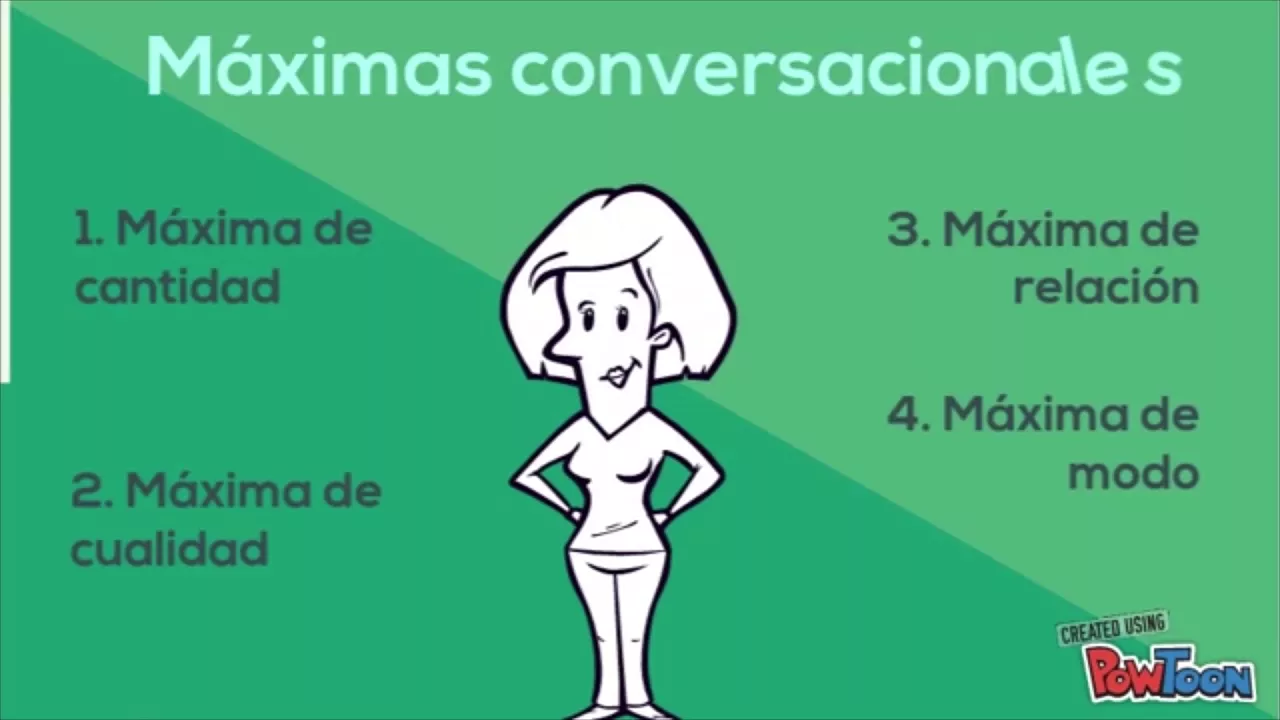
Application of pragmatics theories, such as Grice's Conversational Maxims and Politeness Theory, to deeply analyze character interactions and subtext.
Practical application of these stylistic techniques in creative writing, specifically for drafting original dramatic monologues or dialogue-driven scenes.
Advanced evaluation of thematic constructs in Andrew Viner's work, such as memory, illusion, and reliability in first-person dramatic narratives.
2.5K views41likes9:17Original Release: 2020-09-24
okay uh now we're going to have a look at text 6.2 when i lived in peru by andrew vila let's think about the gap first of all okay so here we've got a radio drama script which is intended for performance and the audience are obviously going to be the performers and technicians initially and then those who listen to radio 4 dramas and potentially fans and followers of andrew reiner as well the author the purpose here is to entertain what we can see initially is that the text is structured into quite short scenes so that that kind of efficiently progresses the actions and they function as microcosms of the world of the play and we've got all the kind of typical genre conventions um of a uh of a drama script here okay so we've got the scene being set we've got the sound effects here which are creating the generic conventions of an office for the listener like the typing and the quiet conversations obviously the sounds are going to be really important because we're listening to it we're not seeing it um so martin who's the main character starts it off i guess the difference is so let's try that again i guess the differences between us could be highlighted by our respective attitudes to our careers so what's happening here is we're getting the characters established for us it's a monologue so this is just martin speaking by himself okay and what that does is it introduces the plot and it lets us know that this is going to be about the difference between him and his partner and their attitudes towards their careers we get this quality hedge initially i guess that's creating quite a conversational tone with the audience and the listeners however it's also him perhaps not taking full responsibility for the truth of his utterance and that kind of reflects the laziness that we see in the attitude that he has towards his career so then we move into the next scene okay which is where he comes in to see his boss um so we start with this fatigue talk which is establishing the role and settings we've also got the kind of adjacency pairs happening that uh that we would normally expect in an interview situation or just in kind of conversation as well so you wanted to see me julian okay um so it's important to notice that julian uh then back channels that oh yes come in martin okay so this is kind of showing us yep i've understood your message i want to see you and it sets up quite a friendly tone which is reinforced by these stage directions okay because what that means is that uh avuncular means to be kind and friendly to a younger person so that's letting the actor know that whilst this uh is making somebody redundant actually julian's going to be doing it in a nice way it's going to be a friendly kind of tone to it the office noise then gets muted okay and what we've got here in the kind of it office the office noise downturn out sorting outsourcing cup costs okay we've got lots of lexus drawn from the world of work and business it's kind of this subject-specific semantic field which helps us to have an understanding of the setting and the context particularly because we can't see it okay um so martin kind of carries on with the fetic talk um if it's about those bugs we'll have a new version out next week so kind of keeping it um slightly informal i suppose no it's not that okay and this is where we get kind of a shift in tone because all of this business lexus starts being used okay and it all becomes very transactional and what we realize is that actually martin's here for something a lot more serious than just a general chat the back channel of martin's here oh shows that he understands okay what's happening but he's also surprised by it he replies i'm kind of settled here in london see this hedge kind of he's avoiding disagreement okay he wants to challenge this point of view that he's going to be made redundant but he's going to do it in a polite way which is what we would expect in terms of the context of talking to a superior then we get the face threatening act which is much more direct no i'm afraid we're making you redundant okay um the negatives here show that julian's in control of the conversation i'm afraid as a discourse marker and in in terms of pragmatic value it's like saying i'm sorry so whilst it's a discourse marker it's actually more similar to a quality hedge so this is julian trying to minimize the fact that this is a face threatening act okay so once it's quite a direct statement and it starts off with this negative no which is establishing control actually julian is trying to be um kinder in the way that they say it this rhetorical question here really shows us martin's shock doesn't it it breaks the quantity maxim redundant he can't believe it uh you've been here for 10 years now right okay this tag question is like a feature of spoken language okay and perhaps suggest an idea to kind of generate conversation maybe be a little bit less formal now that they've kind of delivered the face threatening acts and again quite a short sentence from martin since i graduated okay so this is kind of short um turn at speaking suggests that he's still a little bit shocked and then we get this explanation of what that means so that means your payoff would be around 30 000 pounds a lot of people view this kind of situation and as our opportunity to reassess their lives perhaps retrain to do something they really love so we can tie this into lachoff's research you know what julian's really trying to do here is make martin feel good about himself so again this is some kind of politeness this hedge here perhaps is also an attempt to save face you know you could retrain do something else that you really love that you're really going to enjoy um martin replies but i loved my job okay so we've got this possessive pronoun here which kind of shows his ownership of the job and his desire to hold on to it and then this is some humor that comes in here okay so julian says that your last appraisal you said you found it dull and repetitive and that you felt unstretched and lacking any kind of a challenge and martyr replies that's what i love so this humor really is helping us to kind of see the characterization um that martin is a little bit lazy he doesn't really care about his job okay so let's turn over and what we get is another monologue here so that was my career so more business kind of career lexus down the toilet so we've got a kind of idiom there where colloquialism which is less formal whereas yours okay and the conjunction here is really contrasting and setting up a change in time really emphasizing this juxtaposition between martin and claire now we've got sound effects again here um but this time they're creating a very different kind of atmosphere because it's champagne corks pop two glasses are poured so clearly we're having a celebration here so we start with this exclamation of congratulations which is showing martin's excitement and celebration we've got more fatigue talk um and claire really tries to minimize it's just an acting promotion while they reorganize after the redundancies this is ironic isn't it he's just been made redundant but actually for claire someone else has been made redundant and that's really worked out for her this hedge just kind of she's trying to minimize her success she's trying to be polite london said they'd wait for me and because of the extra project i'll get a raise as soon as i get there martin's positive okay that's brilliant news but what about the stubble and drool every morning okay this is him using some humor to try and make light of the fact that they're going to be separated okay and claire says it's only so again minimizing the impact suggesting they're not going to be apart for long it's only a few months till then i guess so again she's minimizing with a hedge the impact of the separation would just have to make the most of these weekends so they kiss that's letting us know that this is a romantic relationship anyway she uses a discourse marker to show the change in topic what was your work news so martin back channels here oh but this is also really functioning as a filler it shows his hesitation he doesn't want to share his news at this point in time okay nothing really showing this vagueness he's trying to avoid the topic and then he quickly changes it cheers okay and quickly switches it back to the topic of celebration it's obviously he's potentially embarrassed the last thing he wants to say at this point in time is that he himself has been made redundant and then we finish with the glasses chinking together so we finish with the sound effects emphasizing celebration which is particularly ironic when he has just been made redundant
Up Next

18:14
The Origins and Evolution of English: A Historical Overview
@storylearning
46.4K views•2023-09-01
36:52
Constraint Interaction in Optimality Theory: Epenthesis & Deletion
@Vidyamitra
180 views•2018-08-20

8:59
Forensic Linguistics: How Language Solves Crimes | PBS
@pbsstoried
1M views•2024-01-25

21:32
Accent Expert Explains U.S. Regional Dialects | Part 1
@WIRED
9.3M views•2021-01-21
Related Study Plans & Knowledge Roadmaps
Structured learning paths in Linguistics
linguistics
Optimality Theory: Tableaux & Constraints
01Phonological Basics: Sounds, Syllables & Rules
02Foundations of Optimality Theory: GEN, CON, and EVAL
03The Constraint Inventory: Markedness vs. Faithfulness
+ 2 more learning modules
15h5 modules
Explore Roadmap
linguistics
Morphosyntactic Alignment: S, A & P Systems
01Foundations of Syntax: Transitivity and Arguments
02The Linguistic Variables: Mapping S, A, and P
03Nominative-Accusative Alignment
+ 3 more learning modules
12h6 modules
Explore Roadmap
linguistics
Analyzing Sign Language: Phonology & Syntax
01Foundations of Sign Language Linguistics
02Phonology: The Five Parameters of a Sign
03Morphology: Word Formation and Classifiers
+ 2 more learning modules
14h5 modules
Explore Roadmap
linguistics
Pragmatics: Speech Acts, Grice & Politeness
01Introduction to Pragmatics: Meaning in Context
02Grice’s Cooperative Principle & Implicature
03Speech Act Theory
+ 2 more learning modules
14h5 modules
Explore Roadmap