










The English language evolved through centuries of invasions and cultural exchanges, beginning with the Celts and Romans in ancient Britain, followed by Germanic tribes (Angles, Saxons, and Jutes) who established Old English, then significantly transformed by Viking invasions that simplified grammar and added Norse vocabulary, and finally reshaped by the Norman Conquest in 1066 which introduced over 10,000 French and Latin words while relegating English to a commoner's language. This complex history explains why English has irregular spelling, diverse vocabulary from multiple sources, and why it remains the most widely spoken language globally despite its challenging characteristics.
The Origins and Evolution of English: A Historical Overview
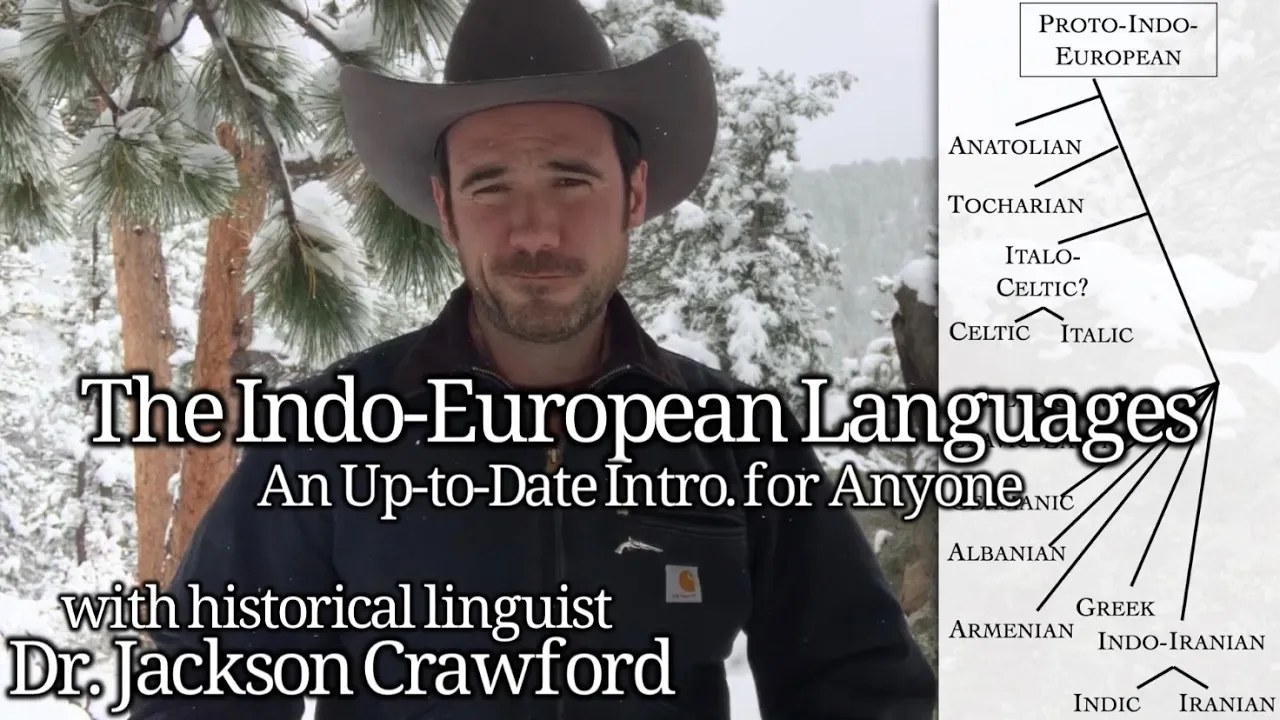
Added:Understanding of the Indo-European language family and the concept of language genealogy.
Basic knowledge of early European history, specifically the migration of Germanic tribes and the Roman presence in Britain.
Familiarity with fundamental linguistic terms such as syntax, phonology, and lexicon.
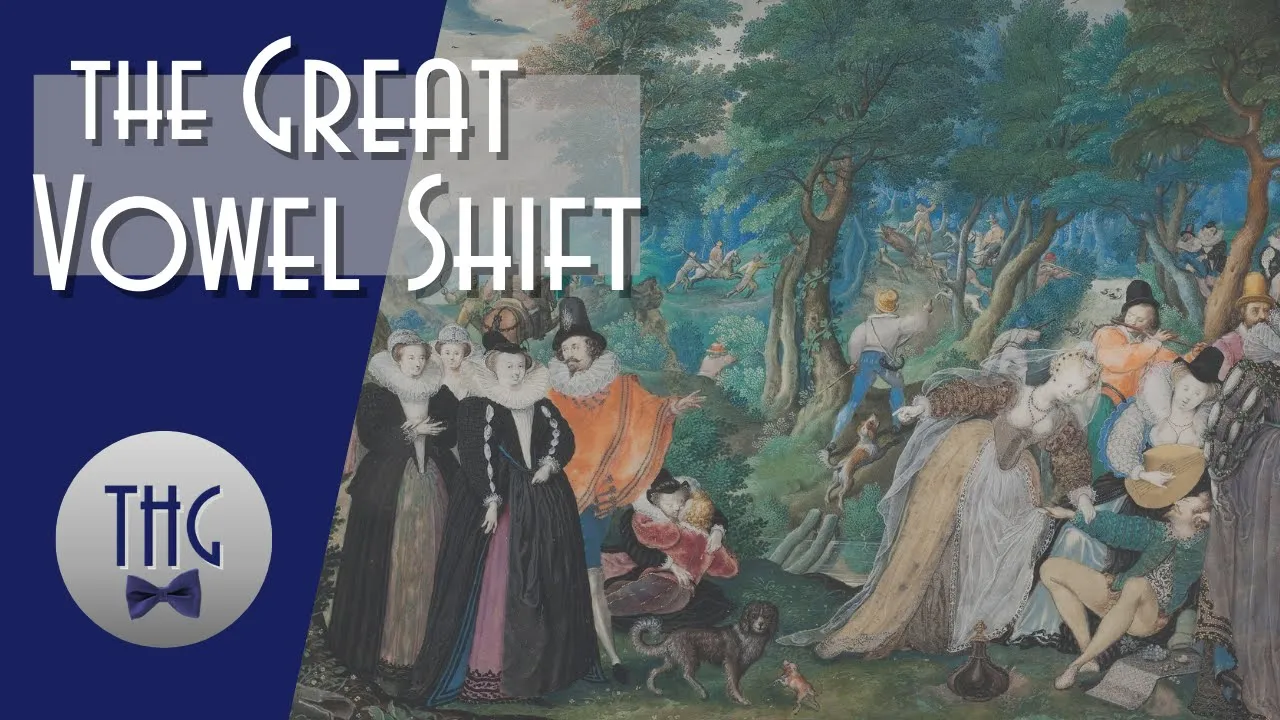
In-depth analysis of the Great Vowel Shift and its impact on modern English spelling and pronunciation.
Study of the Norman Conquest of 1066 and its massive lexical and grammatical influence on Middle English.
Exploration of 'World Englishes' and sociolinguistics, examining how English functions as a global lingua franca and splits into diverse dialects.
Examination of corpus linguistics to track historical changes in vocabulary and grammar using digital databases.
46.4K views2.3Klikes18:14Original Release: 2023-09-01
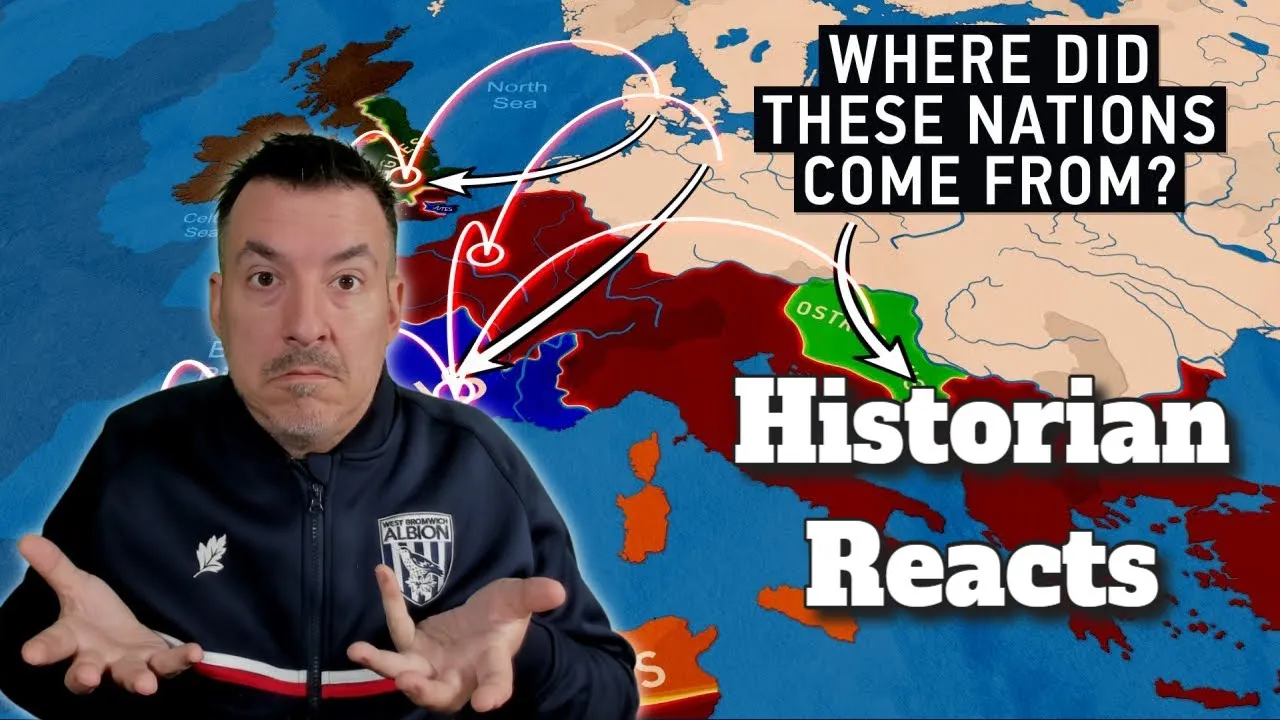
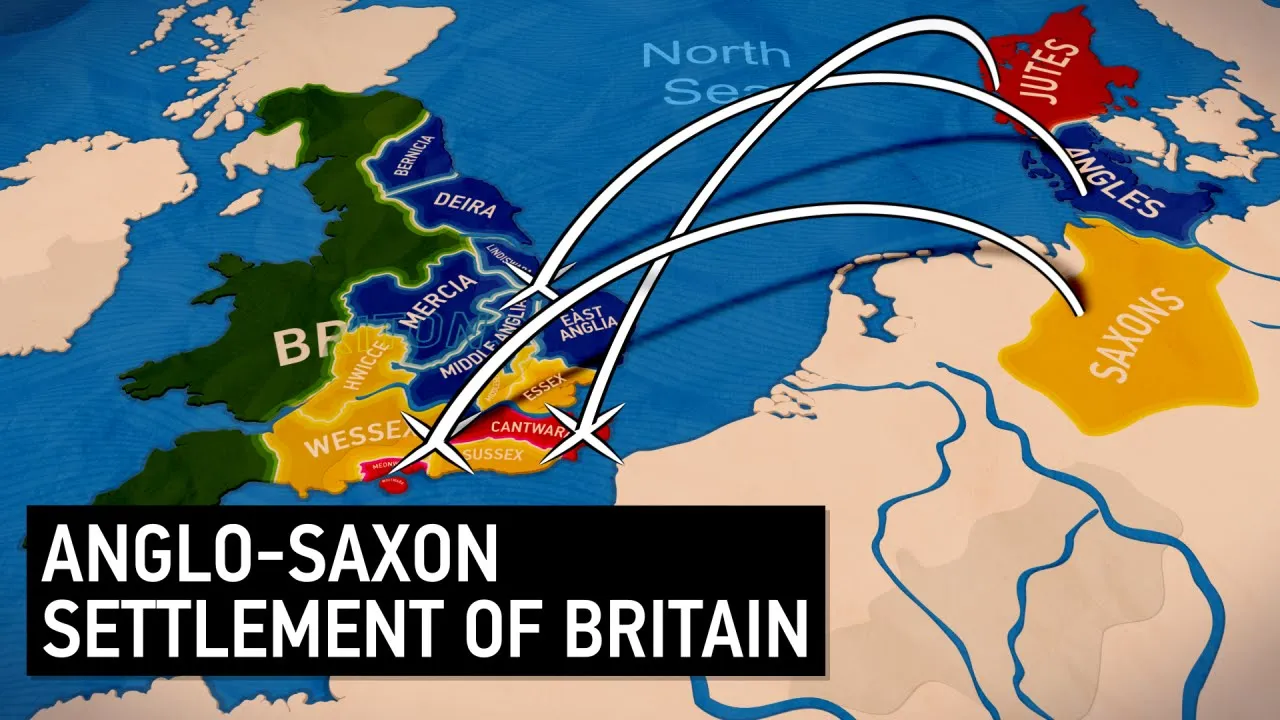
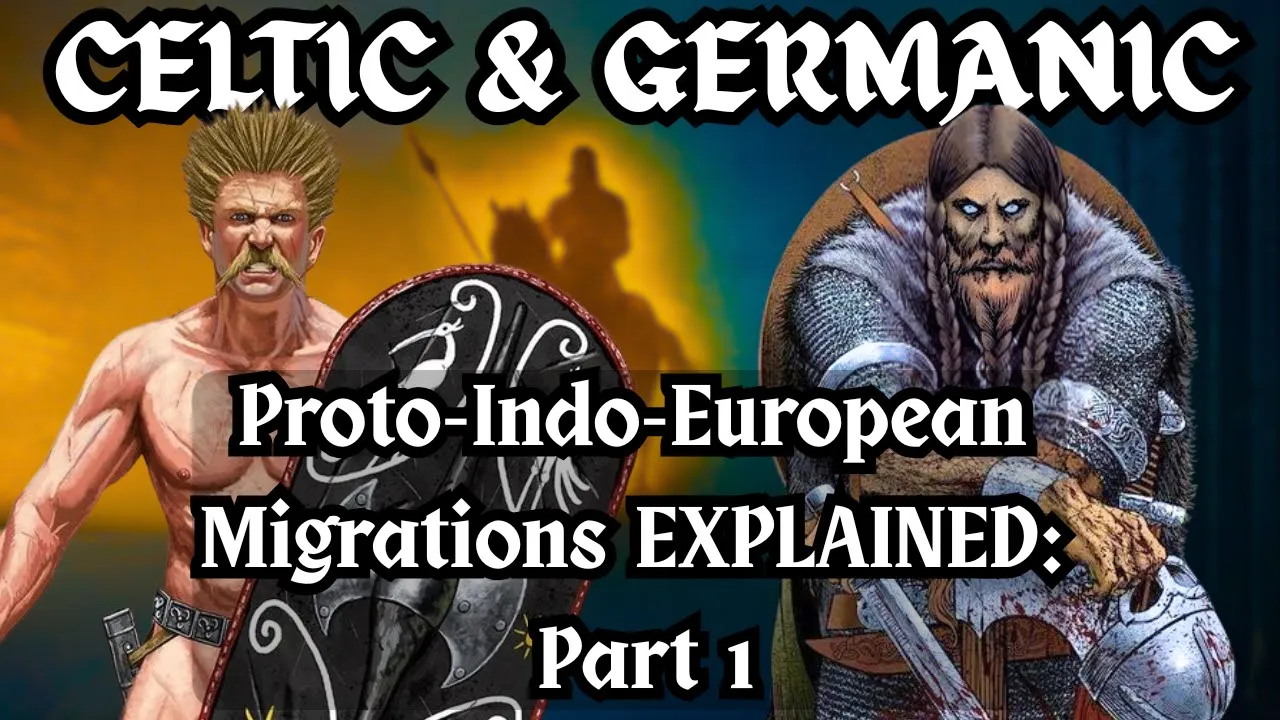
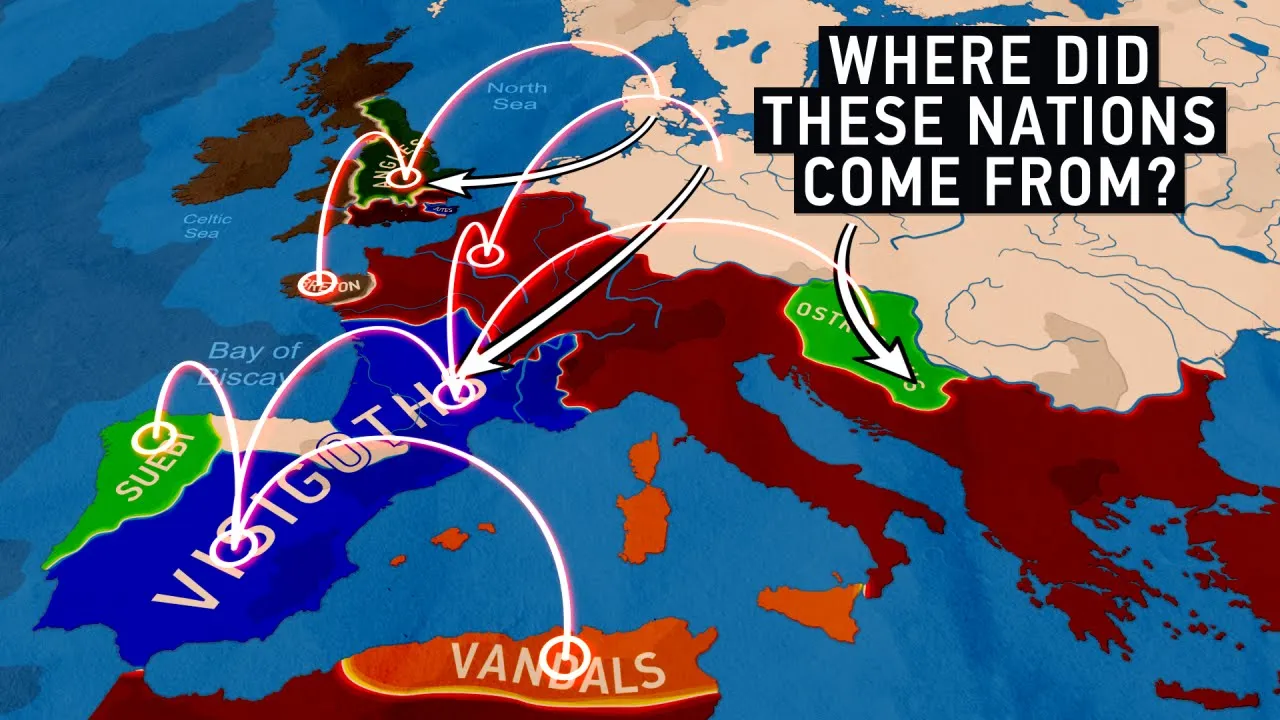
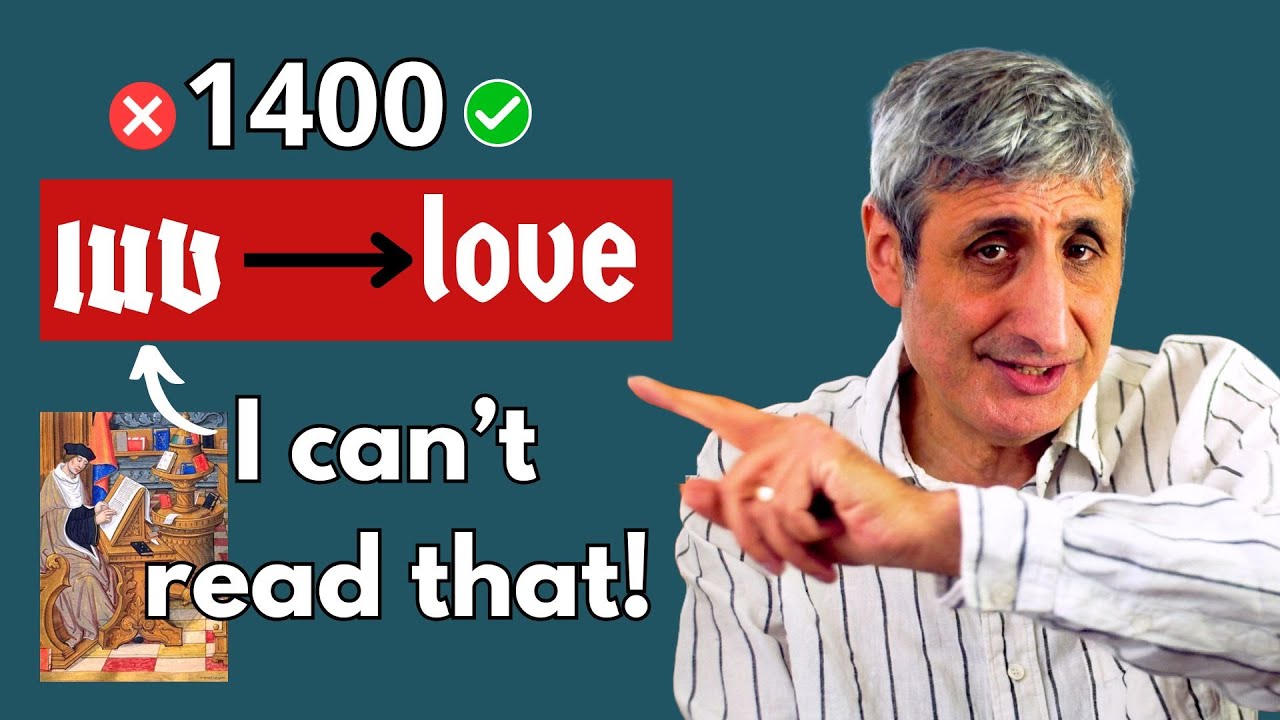
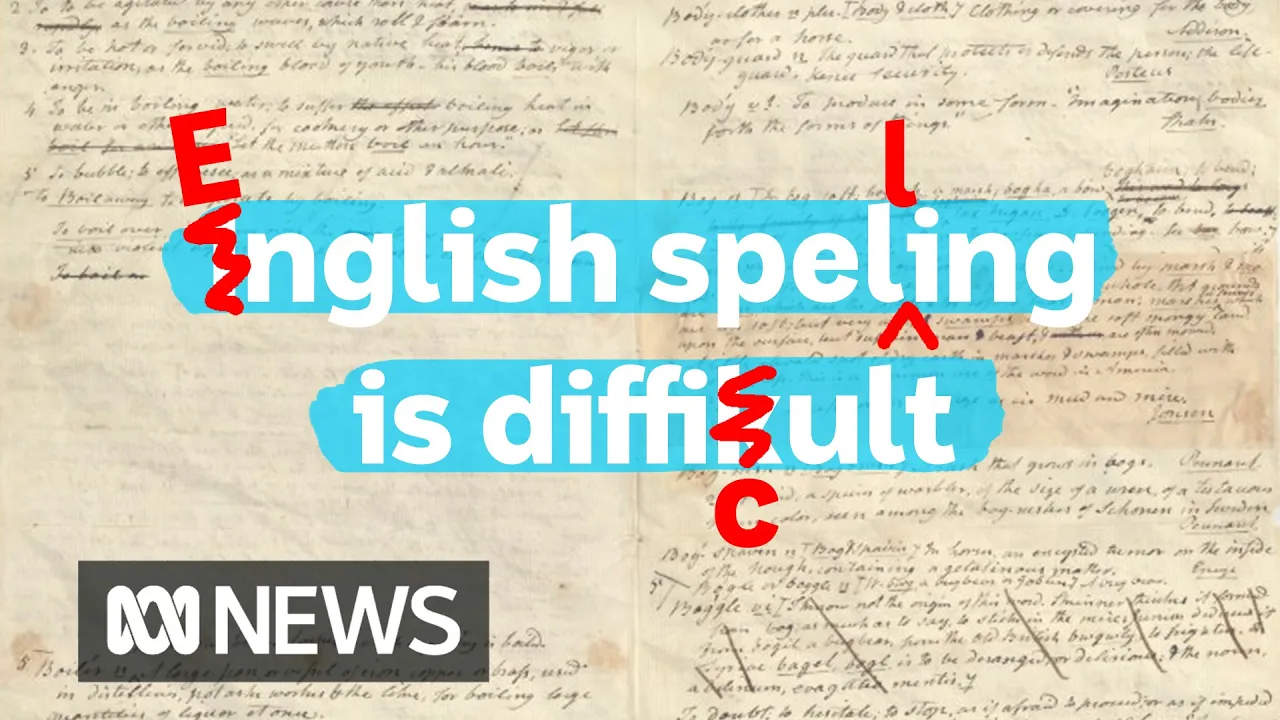
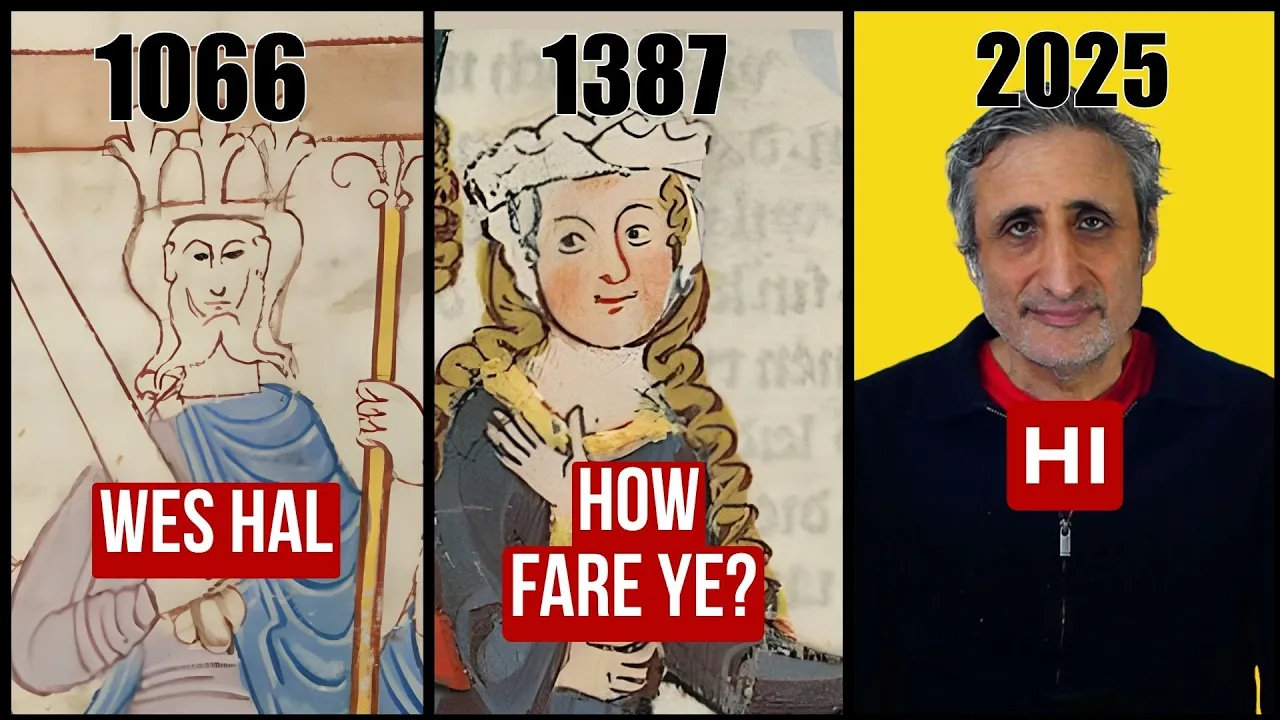
English is the biggest language in the world today but did you know it almost didn't make it in fact the language that you speak today and take for granted almost gonna give you dinner party material for the next 10 years so listen up English is a West Germanic language and the word English even comes from one of the ancient Germanic peoples that migrated to the island of Great Britain they were the angles a West Germanic tribe and speakers of English are called anglophones English is of course the main language of the UK Ireland the USA New Zealand Canada Australia and more and it's used and spoken across the globe by 1.5 billion people in fact English is the official language of 67 countries and if you're watching this I'm counting you foreign the very first speakers of English lived in early medieval England but English didn't entirely originate in England and the Real Story begins way earlier in the late Bronze Age inhabitants of the British Isles spoke the ancestral language called common britonic or britonic and this is the language that Julius Caesar found them speaking when he invaded in 55 BC a near-disaster that lasted only three weeks between the clever Celts and the British weather his plan failed but the Romans wrote the language that they'd heard sounded similar to gaulish interesting sometime later in 43 A.D the Romans invaded again beginning Roman rule of Britain this time they stayed for nearly 400 years and the new culture of the Isles was Roman British so if you ever wondered why most of our words have Latin roots well there is your answer but as you may know the Romans always met their match in the end once the Roman Empire fell Roman Britain was left to fend for itself almost immediately Invaders started raiding towns and Villages across the country more specifically these new Invaders the angles Saxons and jutes came from northern Germany and Denmark they drove the native britons West and North into what is now Scotland Island and Wales now the Jews settled in Kent the Saxons settled in Southwest England and the angles took the rest of the country including Scotland each tribe kept their own land and their own dialect but it was the angles who dominated the land and their language helped create the name England which represented a country of three tribes now do you have a new idea where English got its names for the days of the week I bet you're only going to get part of this right but if you have an idea let me know in the comments [Music] so time went by and the tribal languages became Old English and people who spoke it we call them the Anglo-Saxons but even if English is your native language you would have great difficulty understanding Old English today what do you think does it look hard but when the very first Old English writing appeared more texts were written in the west Saxon dialect they had some strange letters but we'll come back to that a bit later there was something else that played a huge role in getting people literate British Latin see because of the Roman occupation many new words entered English although there wasn't a spelling standard yet so you could spell words any which way you wanted to in fact spelling could give away which part of the country you were from and this is how England ended up with four major dialects from this era up to the 10th Century we have authors who gave us lots of great literature fascinating poems that tell stories of heroic Journeys and wild battles in fact I dare you to confess if you've never heard of this one yes even if you can't quite make sense of the language yet can you hear how it's starting to sound vaguely English it's very cool Beowulf is a story of a fierce struggle between the hero and the bloodthirsty monster called Grendel and it's the longest epic poem that exists in Old English the only one that survived at least and it has about 3 000 words that you won't even recognize today as for the grammar well all English had three grammatical genders it had four case endings in fact it was a lot closer to German than to Modern English here's a longer text you like if you want pause this and have a look at it in the Final Phase late Old English something dark was coming it was the thing that would change the language forever it means whirlwinds flashes of lightning and fiery dragons were seen flying in the air this is what the Anglo-Saxons wrote about the day that the Vikings attacked England at lindispan in 793. I guess it was a bad date but things kept getting worse the real nightmare began in 865 a day new Vikings battled the West Saxons and killed their King his brother Alfred the Great took his place called a truce with the Vikings and named their language English Alfred was a king Who Loved poetry and believed in education and he had many great Latin books translated into English so that people could read them nice guy he was also one of the first English writers and he wrote about what he called the angles sin the race of the English but the invasions from Scandinavia were not over they kept on coming until the 11th century so it's not surprising that eventually English speakers and Vikings understood each other's languages and this is how English got saturated with words from Old Norse what's really funny is that it was the Norseman who caused English to lose its inflectional and endings because they couldn't pronounce various endings of English words now earlier I asked you about the names for days of the week if you place your bet on the Romans will you only partially right Saturday Sunday and Monday are the Roman planetary Gods but Tuesday wodens or Odin's day Thor's day and free as day all came from the Germanic and Scandinavian cultures well there you go it was also the Vikings but they weren't the last kind of Invader to ravage England oh no but let's catch our breath for a moment and see how English writing was coming along if you're enjoying this video by the way Show Your Love by clicking like And subscribe it really does help out the channel on YouTube will then be more likely to show you the sequel to this video which you will not want to miss want to hear the first English sentence ever written down here goes this she-wolf is a reward to My Kinsman it's a runic inscription on a gold medallion that was found in Suffolk yet before we had the Latin alphabet we wrote with runes these were Anglo-Saxon runes and the alphabet had between 26 and 33 letters Blazer some Irish missionaries introduced a type of Latin script called half unchul which was easier to read and write there were a few more changes and spelling came closer to old French spelling that's why we write Queen now for example instead of this the next alphabet we had was the old English Latin alphabet which had 24 letters and took us into the 12th century most of the letters were taken straight from Latin but some old English sounds didn't have an equivalent Roman letter so these two here were modified Latin letters and these two came from the runic alphabet they didn't use q and Z except for in foreign names and K wasn't optional look how cool this is but that's not all old old English had a funny kind of shorthand called Tyrone notes although it disappeared eventually because it was associated with witchcraft but that is a story for another day in the year 1066 7000 Norman infantry and knights sailed in warships across the English Channel their target England home to more than a million people and around the same period of time other groups of Normans were setting forth all across Europe knowing of Adventures that would reverberate throughout that continent's history the Normans were descended of the Vikings who had already invaded France and so they had ancestry and they spoke a French dialect now one night led by William the Conqueror they came across the English Channel and Old English was about to take a dramatic turn Legend says the English king Herald was killed by an arrow to the eye the tribes started splitting and with Norman King's ruling for the next 300 years old French and Latin really kicked English in the teeth suddenly all the fancy people spoke French and the scholars and church people spoke Latin English dropped to a third language that commoners spoke and the amount of dialects was just ridiculous you taking notes Here words that have SK sounds in Swedish developed an sh sound in English there are still some English words with SK like skirt and skull but they're direct borrowings from Old Norse that came after the SK to sh shift ever wondered why English often has totally different words for the same thing well the Anglo-Saxons were hunters and Farmers so it made sense that animal words came from them but the upper class French gave us culinary terms like buff it happened with other kinds of words too like want versus desire in fact Norman French introduced more than 10 000 words into English next thing English word order changed from subject object verb to subject verb object it was a time of enormous grammar changes in English new pronouns new verb constructions even pronunciation was changing as overall this wasn't enough in the 12th century a boatload of words arrived from central France and you know we all complain about language being so hard to learn but back in the day it was really common for professionals to be trilingual and speak three languages on a regular basis in the fourth century English became dominant in Britain again chock full of French Latin and Scandinavian words but still English a writer called Chaucer you may have heard of him was so popular the way that he used English was more or less approved as the right way to do it no joke writing is powerful stuff remember that she also mainly wrote in a London dialect of late Middle English and one of his most famous works is the Canterbury Tales take a look can you work this out foreign school kids had been learning Latin but in 1348 English became the new language in most schools and in 1362 they enforced English in the courts with the statute of pleading no French no Latin only English there was an explosion of interest in English writing and people would write whatever dialect they spoke they had these storytelling contests this is very cool storytelling was the main entertainment of the day and the winner got a crown and a free dinner and maybe I'm old-fashioned but the way I see it if those people loved stories so much and were easily trilingual obviously stories and languages go together like tequila and lime or tea and biscuits and if you don't believe me you might like to take a look at the way we teach languages here at story learning it's called the story learning method for a reasons because we teach languages through stories you can learn a new language very effectively this way and it'll feel like a big breath of fresh air from what you might remember learning at school if you're curious have a look in the video description you'll see a link to my free story learning kit it's a bunch of goodies that show you exactly how this method works and how you you can learn a new language Spanish Japanese French even even Latin with stories it's totally free so check it out now back to it by the year 1400 London was the biggest city in England and the way people spoke was changing rapidly explorers and Traders brought beautiful new words from Spanish Arabic Italian Turkish during the mid-1400s they introduced a standard called Chancery English now The Story Goes that the clerk's working for the Chancery in London spoke fluent Latin and French and it was their job to prepare the court documents so they had a huge influence on how English was actually used and their dialect sounded more like how we speak today Seth and the sage and the Assad were cesared at Troy the Borg brittner and Brent to brondus and ask us the talk that the traumas of treason there rocked was Triad for his treachery the truest on Earth go on tell us how much you understood this is the runes to write anymore although when runes started fading out not everyone was happy about it and they tried to keep them going there is a poem called The Old English Rune poem and each stanza is a riddle to which the name of the Rune is the solution Isn't that cool today what do we have tick tock there was this writer called Thomas Mallory Who Loved stories of King Arthur and Sir Lancelot and he wrote a book in prison with a French title why he was in prison makes for a very long reading list but between prison escapes he changed English how about that see instead of writing in the usual formal style Mallory decided to write this epic story in his own words and what do you know it became the world's first printed bestseller by the time Henry VII was King of England the commoners could finally read in a language they understood and the common dialect spread like wildfire rhymed with dreadath are with our and own with alone you find creators resins you get play and pray and pray and say but then the rhymes with say so wait were all of these actually ye or maybe thee was there what is going on well it was the late 15th century and something strange started happening with the way that people pronounced their vowels and so began something called the Great Vowel Shift it was going to have a profound effect on English you know those pure vowel sounds that many continental languages have he just lost them and this is how early modern English began around the same time the printing press was invented which made it super easy for common English to become mainstream it also meant that they could standardize spelling punctuation and grammar so no more spelling a word any old way that you wanted so which dialect do you think became the standard one it was the dialect of London of course that's where most publishing houses were books became cheaper and more people learned to read they printed and distributed the Bible and the English language grew very very important but someone else was about to take the World by storm who could it be the oppress is wrong the poor man's continually the hands of this prize love the last delay the insolence of office and the spurns that piercing Merit and the Unworthy takes when he himself might his make with a bear barking if you were looking for Shakespeare world you found him the stage was set for the great actor and playwright who would bring us 39 dramatic Works in a whole new kind of English it still wasn't quite the queen's English at least as we know it who was your father my father was King Henry Henry yes I'm King Henry VII's daughter you mean daughter yes daughter they say Elizabeth the first spoke five languages fluently by age 11 and eventually she was quite the polyglot now English had been going through a bit of its own drama it was in contact with all sorts of other languages because of things like war and colonization when the Renaissance from Europe hit England suddenly English was also picking up Greek words and a whole bunch of new Latin root words English was basically swimming in different dialects and accents again it was quite a mess anyway will Shakespeare and his mates found it frustratingly hard to express themselves using normal English so they got creative they stole and modified words from other languages I can just see them having a laugh about this at one of their merry meetings at the Mermaid Tavern but he also came up with other words that never quite caught on probably just as well altogether Shakespeare invented about 1700 words that we still use in 1604 the first English dictionary was published dictionaries remember them the table alphabetical how's that for a name but it was going to take a long time for them to settle on a dictionary that everyone was happy with and there's a real cracker coming up have you ever noticed that English doesn't have an academy like so many other countries and languages do well it's not like they didn't try in 1662 they set up a committee like the French Academy Frances with the idea to improve English but it didn't work later on in 1712 a guy called Jonathan Swift tried again but he failed too the English you see had plans of its own the grammarians started writing books of rules for English meanwhile England had come through chaos with the Civil War and War gets people emotional so the rise of poetry and philosophical writing began in 1755 an absolute Legend of a guy very witty wrote an enormous it was enormous and an enormous English dictionary that assorted out the unruly mess that was spelling and grammar you've got to see some of these entries they are brilliant [Music] he deliberately left out most francophone Words which he hated to this day English still has no formal Academy we probably need one but we don't want to start a war if you think English was done with new vocabulary well think again first the Industrial Revolution happened suddenly there were all these new Concepts in science and technology we needed words for and the scientists and Scholars chose to invent them using Greek and Latin roots well why not right they were there second by 1922 the British Empire covered a quarter of the Earth's surface and that is a lot of new influence on the English language now throw in all the other trading and Imperial Nations that came along it's no wonder we ended up with hundreds of dialects today every subculture of English has its own nuances of vocabulary grammar and pronunciation did you know that many americanisms were originally British preserved in the colonies but lost in Britain and that's the whole other story waiting to be told now in case you somehow didn't ever catch this the 26 letters you write with in English are the Roman or Latin alphabet and the word alphabet comes from the first two letters of the Greek alphabet Alpha and beta as for English spelling one of the most frustrating things is that words with the same vowel structure don't always rhyme you can get seven ways just to spell the sound e watch and listen he believed Caesar could see people seizing the Seas you see that's kind of crazy as if that wasn't bad enough there are nouns and verbs that are spelled the same but pronounced completely differently and did I mention country names oh this is good country names have two meanings that are complete opposites bottom line English spelling is hard but it's also fascinating and tells a story and I'm pretty sure you get it after the Mad history you've just heard thank you the best part about English is it's mind-blowing usefulness no other language comes close to being so widely understood no matter what your accents or even your dialect is you can make yourself understood by pretty much anyone else who speaks English even if it's not their first language which is pretty cool and if you want to test your English listening skills there is a super fun challenge waiting in the next video right over here
Up Next
47:24
The History of Writing: From Pictographs to Alphabets
@NativLang
1.2M views•2015-11-06
36:52
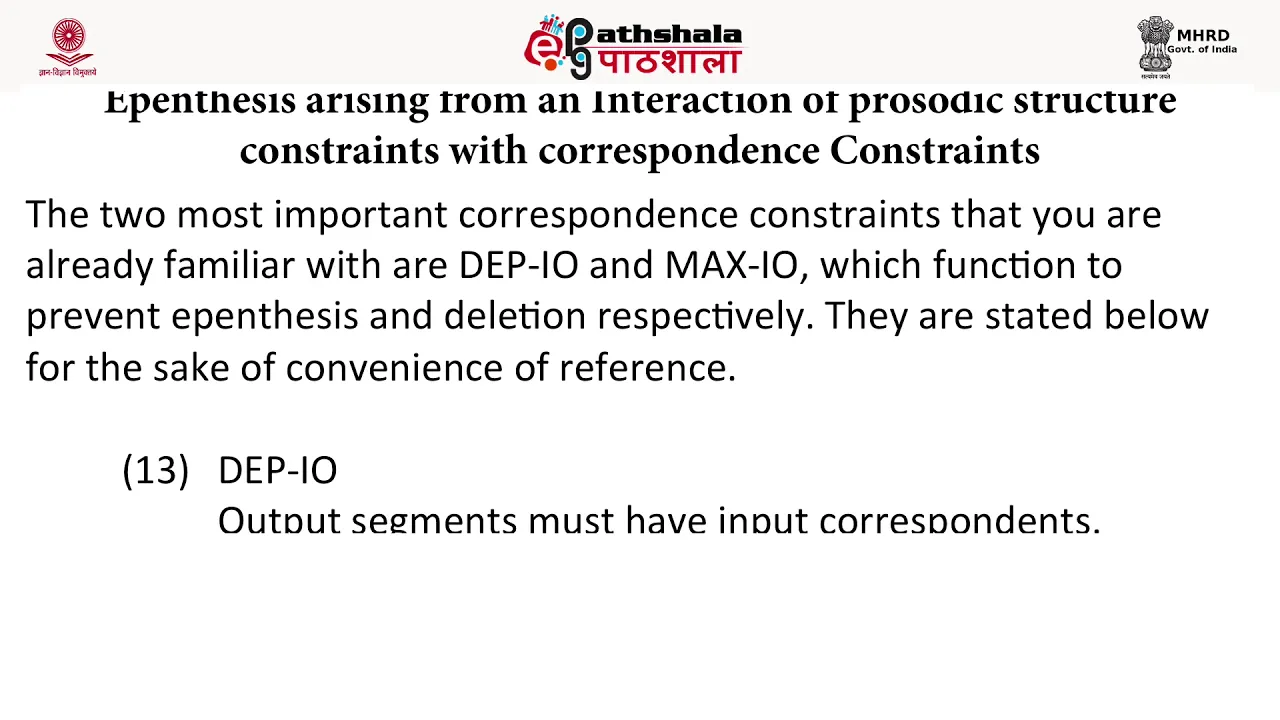
Constraint Interaction in Optimality Theory: Epenthesis & Deletion
@Vidyamitra
180 views•2018-08-20

8:59
Forensic Linguistics: How Language Solves Crimes | PBS
@pbsstoried
1M views•2024-01-25

21:32
Accent Expert Explains U.S. Regional Dialects | Part 1
@WIRED
9.3M views•2021-01-21
Related Study Plans & Knowledge Roadmaps
Structured learning paths in Linguistics
linguistics
Optimality Theory: Tableaux & Constraints
01Phonological Basics: Sounds, Syllables & Rules
02Foundations of Optimality Theory: GEN, CON, and EVAL
03The Constraint Inventory: Markedness vs. Faithfulness
+ 2 more learning modules
15h5 modules
Explore Roadmap
linguistics
Morphosyntactic Alignment: S, A & P Systems
01Foundations of Syntax: Transitivity and Arguments
02The Linguistic Variables: Mapping S, A, and P
03Nominative-Accusative Alignment
+ 3 more learning modules
12h6 modules
Explore Roadmap
linguistics
Analyzing Sign Language: Phonology & Syntax
01Foundations of Sign Language Linguistics
02Phonology: The Five Parameters of a Sign
03Morphology: Word Formation and Classifiers
+ 2 more learning modules
14h5 modules
Explore Roadmap
linguistics
Pragmatics: Speech Acts, Grice & Politeness
01Introduction to Pragmatics: Meaning in Context
02Grice’s Cooperative Principle & Implicature
03Speech Act Theory
+ 2 more learning modules
14h5 modules
Explore Roadmap