













![[71] Hidden Influence of Chinese Characters and Words on Korean Vocabulary and Writing (Zev Handel)](https://i.ytimg.com/vi_webp/1qefSqpEbCk/maxresdefault.webp)






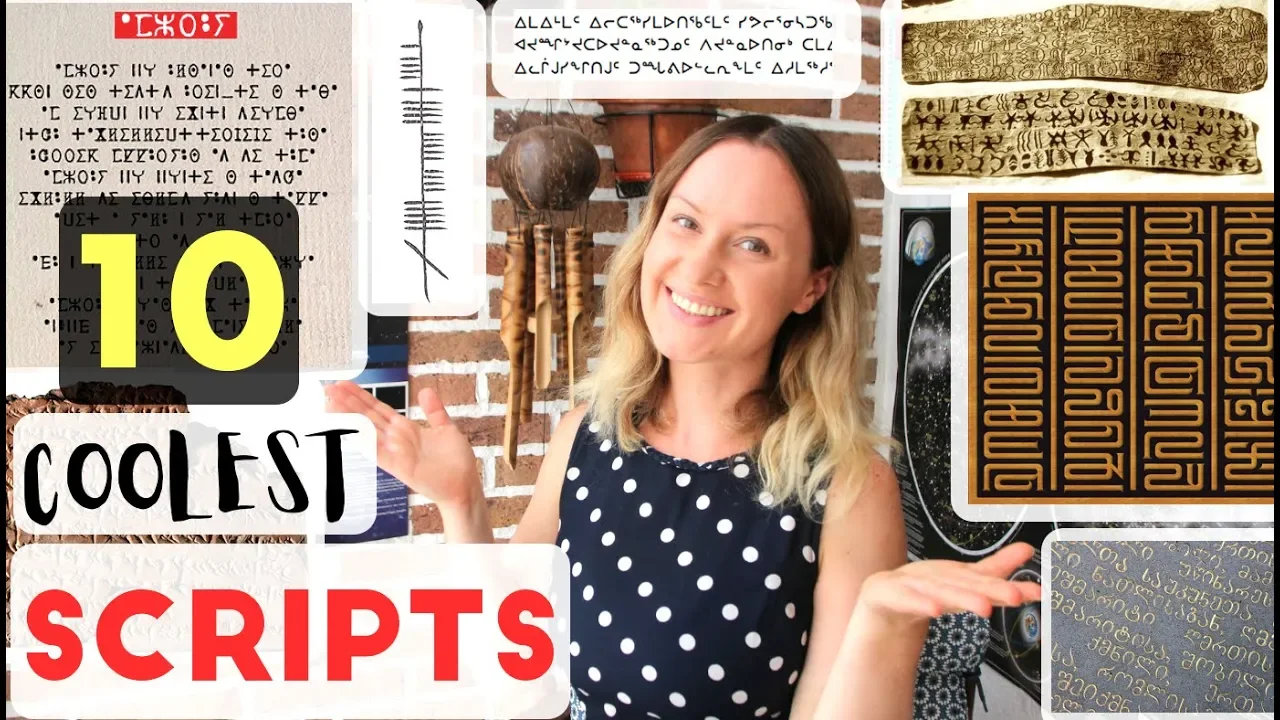
Writing systems evolved through several key stages: pictographs (visual representations of objects), ideographs (symbols for ideas), logographs (symbols representing whole words), rebus writing (using symbols for their sounds), syllabaries (symbols for syllables), abjads (consonant-only alphabets), alphabets (with vowels), alphasyllabaries (combining alphabetic and syllabic features), and featural alphabets (where characters show phonetic properties). This evolution reflects humanity's ongoing tension between representing meaning versus sounds, balancing reader-friendliness with writer-efficiency, and adapting to different linguistic and cultural needs across civilizations.
The History of Writing: From Pictographs to Alphabets
Added:The fundamental distinction between spoken language (which is a natural, biological human faculty) and written language (which is an artificial technological invention).
Basic knowledge of the rise of early civilizations, particularly in Mesopotamia, Egypt, and China, where administrative and economic needs spurred the development of record-keeping.
The concept of symbolic representation, specifically how a visual mark can stand for an physical object, an abstract idea, or a specific spoken sound.
An introductory understanding of basic linguistic units, such as phonemes (individual sounds), syllables (beats of sound), and morphemes (units of meaning).
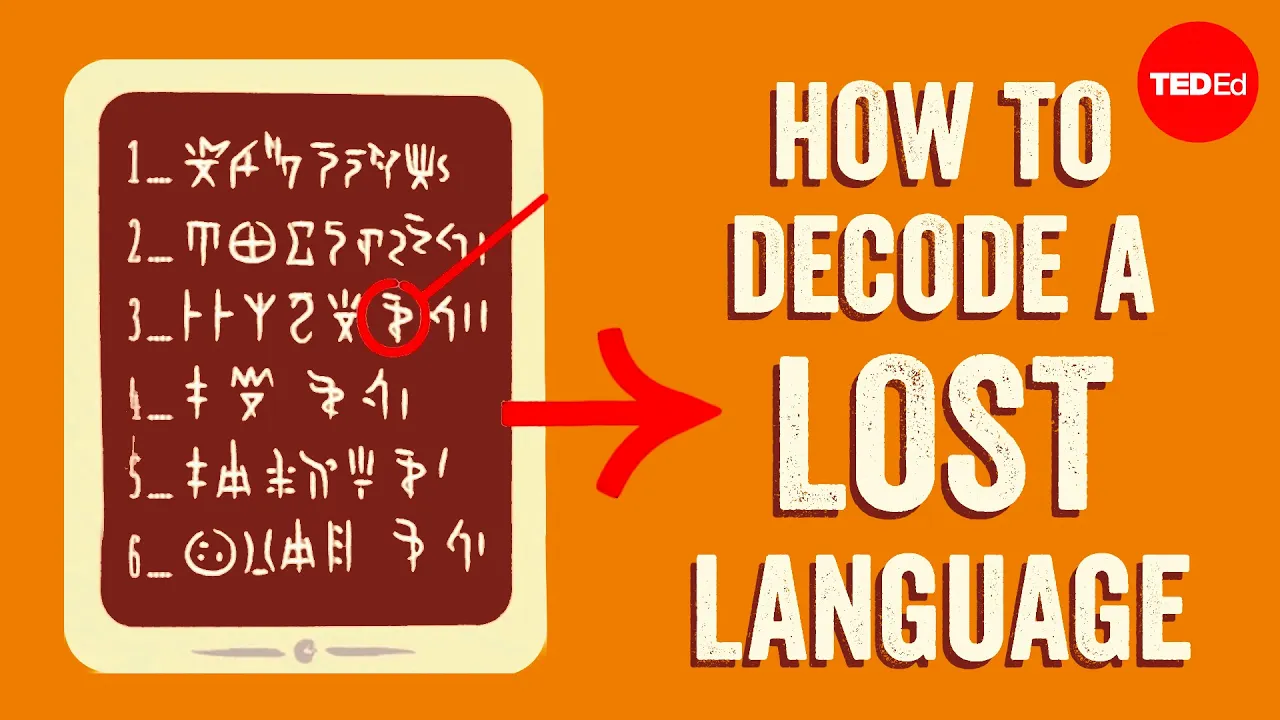
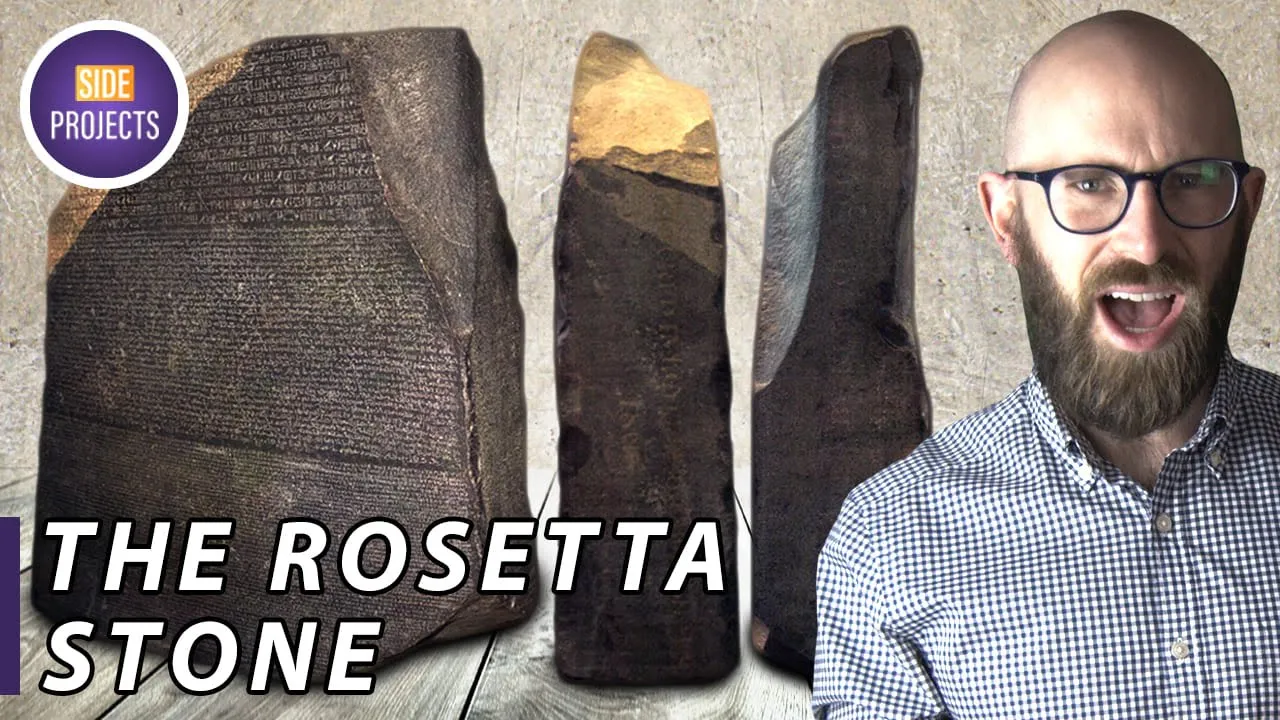
The history and linguistics of decipherment, studying how scholars decoded ancient lost scripts like Egyptian Hieroglyphs using the Rosetta Stone, or Linear B.
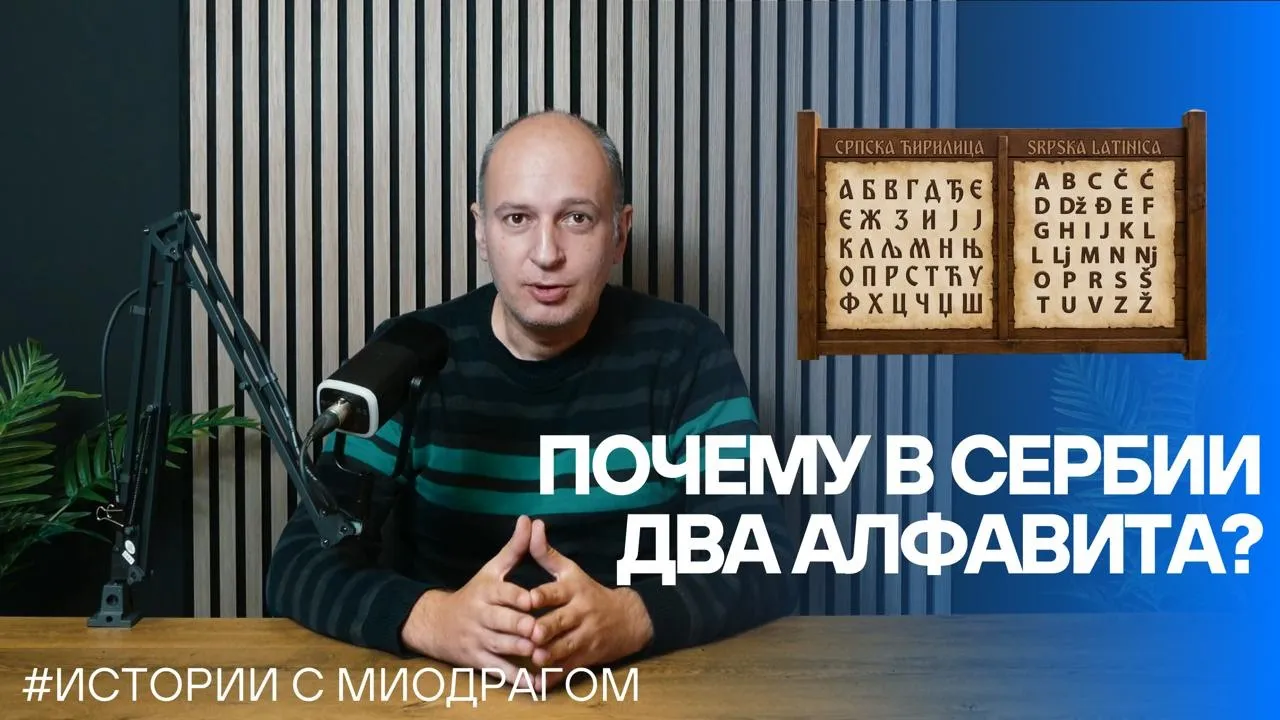
The sociolinguistics of orthography, examining how political, religious, and cultural factors influence script adoption (e.g., the spread of the Cyrillic and Latin alphabets).
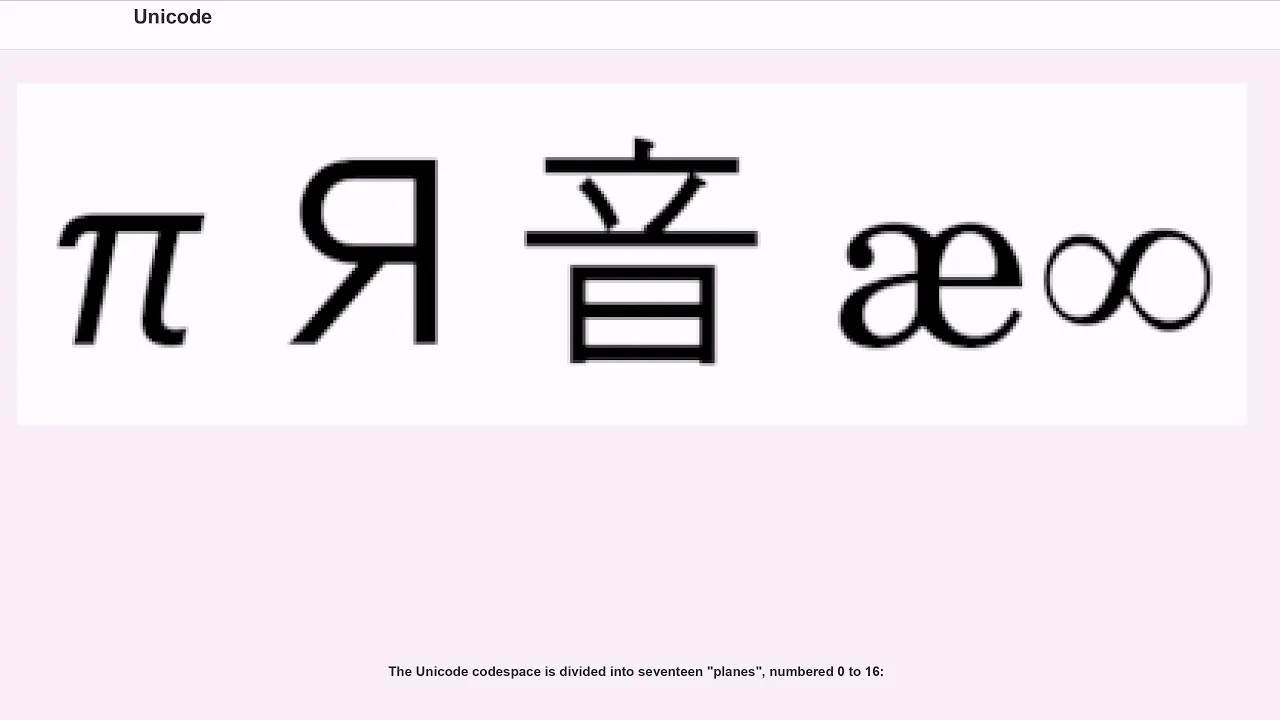
The impact of mechanization and digitization on writing, from the invention of the printing press to the development of the Unicode standard for global character encoding.
The study of constructed scripts (neography), exploring how modern linguists and world-builders design functional writing systems for fictional languages or orthographic reform.
1.2M views29.6Klikes47:24Original Release: 2015-11-06
Writing.
Reading.
Typing.
Texting.
Written language is just one of those things that’s always been around. It’s a natural way for you to use words. It’s a given. But there’s something you’ve forgotten. It’s understandable. After all, it’s been a very long time.
A long time since no one on the planet knew how to write.
Our story starts with a legend: the tale of Thoth and Thamus. No, that’s not a lisp you’re hearing. Thoth and Thamus. Thoth and Thamus. After the Egyptian god Thoth invents writing, he runs to King Thamus to share this discovery. But, to his chagrin, the king isn’t impressed. At all. Looking down his nose, he starts pontificating on the destructive power of this newfangled technology.
“Oh, clever Thoth! This invention will produce forgetfulness in the minds of learners, with the neglect of their memory, because their trust in writing comes from strange external marks and not their own internal recall. The drug you’ve discovered isn’t a memory-enhancer, but a mentioning-enhancer, and you’re offering students pretend wisdom, not truth.” This sounds strange. It’s easy for you - and your world full of writing - to dismiss Thamus.
But hear him out. He brings you back to the early days of writing, when it was the hot new thing. And, like many other inventions, not everyone was on board. Ok, so, let’s say, for the sake of argument, you don’t want writing. What are the alternative technologies?
You could bust out your abacuses. They’ll help with counting and doing complex calculations.
Or maybe you prefer icons, ritualized images that help you relate to culturally significant figures, events and attitudes. The quipu is an amazing Incan information storage system using cords, colors and knots. Oh, and don’t overlook rote memorization - a basic option, sure, but it’s really useful in preliterate societies, where sentences can be memorized and recited by the thousands. Your brain’s bigger than you think.
Perhaps you prefer petroglyphs, rock carvings with major cultural ties that may refer to nearby places or animals. Ooh, watch out, writing - we’re getting uncomfortably close.
All of these inventions helped humans keep track of their thoughts. So what makes writing different? What is Thamus afraid of?
Let’s talk some ‘ness. Embeddedness. These things are all embedded in minds, tasks, rituals, events, cultures. Rip them from those contexts and you rip out their expressive heart.
Thoth’s drug doesn’t come with so many strings attached. It will de-embed you, letting you record any specific thought and letting future generations read it in any context.
So, human. Was Thamus right? Is writing an unnatural intrusion? Or do you want to swallow Thoth’s pill and see for yourself what we actually unleashed when we invented writing?
La France. 17,000 years ago. It’s cold out. And getting colder. Possibly dangerous, too.
This may be France, and this may be the history of writing, but there’s nothing for you here.
Until you take shelter in a nearby cave, and see how creative some of your ancestors really were. Drawing on their enlarging brains and a long prehistory of building ever more complex tools, these early artists took to etching and painting beautiful visual representations of the animals around them. These aren’t words, they’re not stories, they’re pictures.
Early pictures like these start to become very routine, not necessarily depicting the world, but marking and standing for things: a place to hunt… a place to eat. These are pictographs.
The story gets sketchy here, but it’s important to notice that pictographic symbols like these petroglyphs - rock carvings - weren’t words, they weren’t language, but they became more than personal and communal artistic expressions. They became regular and repeatable, possibly mapping to specific things, and, for that, these pictographs earn themselves the fancy label of Proto-Writing.
Many pictographs have an intuitive give-away quality: they look like drawings of the things they represent. Draw me a human: easy. Draw me a horse: sure. A river: there it is. But how do you clearly and simply draw less tangible ideas like “playing around” or “taking it easy” or “don’t even think about it”?
Uh-oh. Watch out for this “Major Moments in the History of Writing”! Meet Metonymy.
This principled fellow lets you represent a general, nebulous idea with a related pictogram or part of a pictogram or a pictogram combo that’s pretty specific and obvious. Ancient stick-human is a regular old pictogram, but if you cut off stick’s legs, you can get across the general idea of… what? Walking or moving. What about a man leaning against a tree? What’s the idea here? Taking it easy. Resting. These are ideographs - symbols for ideas and concepts.
In some sense, all of these drawings express ideas: the concept of a horse, the concept of a human. So they’re all ideographic. But with a little imagination and a lot of time, extended ideographs let you cut and combine basic pictographs to be far more expressive and abstract.
Just when you’re ready to grab that chisel and get your pictographic and ideographic carving on, someone more inventive than you comes along. Your pictures and ideas aren’t enough for her.
Gone are the days of Lascaux. The world outside this cave is changing, she says. Crops, cities, rulers, markets, and she needs a way to keep track of it all. She likes your icons. She can use them for goats and pots, fields and even long walks through the desert. But she has an incredible practical streak. She takes those goats and those pots, and starts to tally the items she’s recording. One goat, she says. Then two goats, three goats, four goats. Notice what she’s done. These aren’t simple depictions anymore. They’re not just ideas. She’s reading one word for each symbol. She’s encoding language.
Let’s slow down here, because it’s hard to overstate the importance of this “Major Moments in the History of Writing”. These goat counts are word-symbols now - logographs.
Pictographs can be visualized. Ideographs can be imagined. But logographs can be directly and consistently read.
Logographic systems emerge and flourish in the early civilizations of Mesopotamia, Egypt, China, and Mexico. Characters for people, animals, land, crops, hundreds - even thousands - of logographs for everything under the sun and moon, including the sun and the moon.
Even after all these millennia, if you squint hard enough you can still pick out the symbols scratched into weathered artifacts bearing the world’s early scripts: a Chinese turtle, an Egyptian house, a Sumerian head, a Sumerian head eating bread, a Mayan jaguar. And, in each of these places, in all of these languages, these were read as words. We know what these logographs mean, and we can put that meaning into words.
The world is now in a race to fill itself with logographs. But which humans started this craze? Well, the Mesoamericans started writing more than 2900 years ago. Some Chinese characters are at least 3200 years old. Writing popped up in Crete 4000 years ago. But the two clear contenders are Egyptian Hieroglyphs and Sumerian Cuneiform, both a whopping 5000 years old! Minimum. It’s common to say that the Egyptians stole the idea of writing from Mesopotamia and just came up with their own glyphs - common, but not demonstrated.
For a while, monogenesis made sense. This is idea that one civilization was king of all the writing, that writing started once in Mesopotamia, where people pressed a stylus into wet clay to make these wedge (cuneus) shapes (forms): Cuneiform. So the monogenesis story goes, everyone else steals Cuneiform and reskins it to fit their needs. It’s not a popular story these days, given what we know about Chinese and especially Mesoamerican writing, along with some very early Egyptian finds.
Whoever’s first, in these early days of writing, all the civilizations start manufacturing hordes of logographs, so many in fact that they unwittingly unleash an epic memory burden on budding logographers, from would-be ancient scribes to beginning students of Mandarin Chinese.
Do they really need this many characters to write? Surely there’s an easier way!
Say hello to this smart rogue, who’s about to solve your problem with an innocent mistake.
His father has been counting sheep. Literally. And he just asked his son to record a measly line in his budget: “10 sheep for uncle”. The son writes the 10, and the logograph for sheep, but uncle? He pauses and scratches his head. Eager to play with his friends, he writes the character for “ankle”. “10 sheep - ankle”. He hurries away without a second thought, but don’t take his invention lightly.
If you’ve ever played fill-in-the-blank or guessing games where you have to sound out picture-words, you’ve seen and used this principle for yourself. But it’s not just for quirky puzzles with funny solutions.
The name for this is another “Major Moments in the History of Writing”. Ahem, the name for this is rebus. This familiar language game lets you look beyond the meaning of a character and use it simply for its sound. Sun sounds like son, and, by extension, perhaps soon and sown. Logographs, like the symbol for “sun”, could already be read as words.
Now, with the rebus principle in your pocket, logographs can also be read as sounds.
This isn’t just useful for getting ancient uncle his ancient sheep. Once Aztec city planners finished building their stunning capital in the middle of a lake, the Venice of the New World, Tenochtitlán, their scribes needed a way to write its name. They’ve been using what amounts to basic picture writing. Since Tenochtitlán has a stone, “te”, and a cactus, “nochtli”, it’s natural to write it with two fairly obvious glyphs. Then these become not just symbols meaning cactus and stone, but symbols for the noises “Tenochtitlán”, making them just as much rebus fun as those puzzles you solved as a kid. And now you know the name for those. You also know why there’s a cactus on top of a stone in Mexico’s flag.
It’s not just for show!
How alike does the sound-alike pronunciation have to be? Which sounds can we chop off?
Pit the Egyptians against the Sumerians one more time. Egyptian hieroglyphs cut off the initial consonant, or, less often, two or three consonants from the original word. Sumerians, on the other hand, with their cuneiform, take whole syllables. These two paths don’t just add some local flavor. Rebusing out consonants doesn’t just impact ancient Egyptian hieroglyphs.
It leaves a legacy for later spinoffs: the mentality that these are either read as logographs or they stand for consonants. Cuneiform leaves a different legacy. Completely unrelated languages will spend thousands of years borrowing and reborrowing cuneiform to write their own words, but, each time, the symbols are read as logographs or as syllables.
Flexibility is key here. Look at this Egyptian hieroglyph. It can be read as a logograph for “mouth” (“re”), or as the consonant “r”. This character could be read as the logograph meaning “house”, or it could stand for the consonants pr, the two consonants in the Egyptian word. Conveniently, in Egyptian, the little slashy below lets you know when it’s a pure logograph.
The rebus discovery brings up a tension between meaning and sound. Is writing phonetic or semantic? Is it about encoding the meaning of words or encoding speech sounds? The old logographs were fundamentally a meaning-writing system. Sure, this sounds like “re” in Egyptian, but what’s crucial is that this is the logograph for the word meaning “mouth”.
Rebus writing takes a big step towards sound-writing: this will come to stand for the consonant “r”, regardless of meaning.
It may come as a surprise, but, once discovered, sound writing doesn’t oust meaning writing.
Not at all!
Indeed, early writers notice that phonetic writing brings up a problem, a problem you probably missed because of your comfort with sound-writing, a problem that meaning-writing can solve. Brace yourself, history, because logographs are about to make a comeback!
Like all of the world’s earliest writing systems, Chinese characters start out as symbols that stand for words. A rice paddy. A person. A tree. These are logographs, and they let you depict specific language pieces - to write what you mean. But instead of requiring different characters for every word, the handy rebus principle lets you write other things that sound like the logograph - to write what you say.
Sure, you could use the rebus “sounds like” principle to write any sound in your language.
But please consider this symbol and answer the question that follows. Does it mean ‘son’, ‘soon’, ’sun’ or ‘sown’? Oh my, did rebus writing get you into a bit of trouble here?
When we see this character, we could read it as a plain old logograph, according to its meaning, or any of these rebus ways, following its pronunciation. Which one should you choose?
Think a bit outside of the jade box here, and take the lead of this Han scribe. His solution is elegant: don’t choose one. Use both systems together!
What’s that behind is back? Is that a… oh, yeah! “Major Moments in the History of Writing”! So, here’s the logograph for “horse”.
But it also sounds the same as the word for “ant”, so the rebus principle lets us write them both with the same glyph. Confusing? Not if you add the logograph for “insect” next to the sound-alike character! This says it’s pronounced like “horse”, which it is, but that its meaning has something to do with “insect”. You don’t read the extra character - it’s a meaning hint, determining how to read the sound character, so it’s called a determinative.
One more Mandarin example. This logograph means “moon”, which happens to be pronounced “yuè”. Using rebus writing, “yuè” also means “amputate your feet”. Incidentally, the word “key” is pronounced the same way. Same problem. But nothing a couple determinatives can’t fix! Add the determinative for “metal” to this character. Add “knife” to that one. And let’s leave the moon be, because that’s already what it means.
Here again, the “sounds like” reading of a character gives you its phonetic component.
This extra logograph clues you into its meaning - its semantic component. Together, they form a unit - a whole character with a clear meaning and a clear pronunciation. Determinatives are very common in Chinese characters, natively called Han characters. In fact, since they hint at the character’s root meaning - its radix - Han determinatives get called radicals.
Bring back the character “sun”. It can be pronounced many ways, true. But add a determinative, a silent helper character, and you can quickly narrow down its meaning. These extra determinatives avoid ambiguous readings. Which one is the “sun” in the sky? Which is a father’s “son”? Which one means “soon”? Too easy.
There’s something else to learn from this quiet scribe. He’s using radicals to clean up some ambiguity, but even he knows that context matters. He won’t spell everything out for you every time. Sometimes this character means “for”, as in “this is for you”, other times it’s the verb “supply”. He’s balancing this tension in the history of writing between what’s easy on the reader, who needs more information to interpret the words, versus what’s easy on the writer, who typically knows what he means when he’s writing it. Plus, hand cramps.
The choice of leaving in or leaving out helpful information isn’t simply about clarity and laziness. It’s aesthetic. Throughout the history of Chinese calligraphy, from oracle bones to the rough cursive script, stylistic choices are made, not just semantic and phonetic choices. Seeing through the calligrapher’s eyes, you can find in the history of writing not only a vision of what words and sounds look like, but where words and sounds go and where they stop.
When it comes to aesthetic choices and Han characters, none is more fundamental than the decision to arrange character components in blocks. Bonus note: this is definitely not the only time in history that writing gets organized in blocks.
So this radical sits on top of this phonetic component in a block, making up one whole character - the character for “flower”. The ideograph man plus tree, a man leaning against a tree, has two components sitting side by side in a block, and they’re the character for “rest”. And here’s one tree in its own block, two trees meaning “woods” and three trees for “forest”.
Aesthetics aside, what would happen if we took this “sounds like“ principle a step further and make writing about the sounds? Isn’t that a better solution to our “soon”, “son”, “sown”, “sun” problem, and one that doesn’t make us memorize tons of characters?
A Maya stoneworker etches elaborate rows of characters onto a stela, a tall stone brought in from far away that’s now standing straight up in the middle of the city. The characters he’s carving look more like detailed pictures than writing, but don’t let that fool you!
Take a look at this block. It means mountain, but it’s not a logograph standing for “mountain”.
It’s not a rebus symbol for “think of a word that rhymes with shmountain”. It’s actually a block of two sound symbols that spell the word “witz”, the Maya word for mountain. That’s great for climbers, but chocolate lovers may instead prefer to sample these three symbols that together spell the word “kakaw”, cocoa! There’s a nifty shortcut here - this bit doesn’t even mean “ka”, it’s actually a syllable multiplier!
Or “iteration mark”, if you want the fancy name.
Shhh. I think you’re being watched. Over there in the jungle. Maybe not. Hmmm, “Major moments in the history of writing”!
Both of these Maya glyphs combine syllable characters into blocks to write words. This is full-fledged sound writing. These aren’t logographs that happen to be read as sounds.
They are sounds. Sounds capable of writing any syllable in the language. In a full syllabary, like the Classical Maya script, there are separate characters for just about every possible syllable in the language. No longer must you invent new word characters. You can make do with a much smaller set of syllable characters.
Nice! But syllable writing comes with its own set of problems. Here’s a glyph that’s quite useful around these parts: “jaguar”. The word is actually “balam”. But, have you noticed something about the Mayan syllabary? Consonant plus vowel, consonant plus vowel, more consonants plus more vowels - all of these syllables end in vowels! How in the world are you supposed to write the -lam in “balam”? Shifty, scripty syllabaries have grappled with this problem and settled on two solutions. One: leave out the final letter.
Just ignore it. The term for this is underspelling…. because…. you’re not fully spelling the word. And it’s a good solution, because, you know, ignoring your problems makes them go away, right? Option two: spell the last letter with an extra syllable, but use a syllable that just repeats the last vowel so that we know we can just ignore the final vowel. This gets called the “echo vowel”. Mayan likes number 2. A lot. So “kakaw” is ka-ka-wa - well, ka-times two-wa. “Witz”, the mountain, is actually wi-tzi. And your new pet “balam” is spelled ba-la-ma. Cross out the echo vowels and the words practically read themselves!
Your new friend pulls you along to show you another project he’s working on - an amate codex. That’s a paper book. Yes, he has paper and yes, books! But that’s not what’s got him excited. He folds open the book he’s working on… maybe to share new ideas? No.
To brag how inventive and potentially efficient his writing system is? No!
For his people, the invention of the new wasn’t about ditching the old. He shows you how creative he’s been with the characters you learned. He shows you a mountain and calls it “witz”.
And then a jaguar and calls it “balam”. Logographs? Wait a second. You stop and ask him, which is the correct way to write “balam”? He writes ba-la-ma. You ask him to write it again. And he writes the logograph, but with a syllable. And again, but he writes the logograph plus two syllables. He smiles mischievously. They’re all “balam”. This is what he’s proud of. He can write the same word - even the same syllable - in different ways and combinations without repeating himself. Creative!
But his use of logographs plus syllables recalls the tension between sound writing and meaning writing. Meaningful determinatives helped us choose the right pronunciation for our rebus character, and Mayan logographs can still do that. But the helping hand goes both ways: the syllabary can also clarify the sounds you should make when you read a logograph.
Here’s the character “jaguar”, but add a couple extra syllable hints and you make it clear that we’re meant to read this glyph as “balama”, minus the echo vowel, so “balam”. These are phonetic complements, pronunciation clues sitting comfortably alongside logographs.
If that’s all too complex, just remember that you can write everything in syllables.
But before you have time to settle into this land of balam and kakaw to practice those syllables, a sandy wind starts blowing in from the East, a familiar reminder from a faraway land where even more dramatic changes are about to shape the future of writing.
Even in these ancient times, Egyptian monuments have been sitting and weathering for thousands of years. On their great murals and pillars, you find rows of little pictures. Sorry, not pictures. Hieroglyphs. Sacred symbols. But, despite appearances, this isn’t some mysterious Pharaonic picture writing.
It’s consonants. One consonant signs! Two consonant signs! Three consonant signs! A wall of consonants!! Plus a sprinkle of logographs for determinatives. It’s not that Egyptian was a harsh, vowelless desert of a tongue. It simply did not write its vowels. Imagine if you wrote this way. Would that work? And then imagine if you could add in logographs to make sure you really got your point across?
Imagine you wrote like that, and you’re thinking with hieroglyphs.
Too difficult? Fine, off to the caves with you, where you toil away with with ancient miners on the Sinai peninsula. You and your fellow miners would find it handy to leave messages for one another. But there’s no time for deep studies of rows of fancy hieroglyphs in here. You need to keep it simple if you want another “Major Moments in the History of Writing”!
Your characters look like scratchy, rushed versions of those glamorous Egyptian symbols, but their meaning doesn’t matter anymore. Nothing but consonants. And the same symbol for the same consonant every time. Take this character. In Egyptian, it means “house”.
These Semitic miners are calling a house a “beth”. Acrophony, or “top sounds”, suggests that you can just take the first letter of a word, like the Egyptians had already been doing with much of their consonant writing. You end up with a letter for your sound “b”.
Do the same thing with “water”, which the Semitic speakers are calling “mem”, and you now have an “m” sound. With a couple dozen elegant simplifications, you create a simple, reliable list of consonants. An alphabet! And you’ve given generations of future children the joy of reciting their ABC’s. Actually, at this point in history, their a-b-g-d’s, sometimes called an abjad or an abgad, because who needs that wishy-washy C when you can just use an S or a K!
After a long hard day of mining and etching, you turn to find that someone’s been watching you this whole time. She’s a trader. A Phoenician merchant who knows a good thing when she sees it. She’s already made major cash in the paper business, where they turn tufty, stalky, swampy Egyptian papyrus into flat, inkable sheets of paper. She rushes back home to Phoenicia and smirks. Think of the advantage she has - keeping track of whatever anyone else tells her just by remembering about as many characters as she has fingers and toes. Old kings can keep their obtuse hieroglyphs and their stone monuments. The future of the Mediterranean will belong to alphabets and paper. Writing is going portable.
She uses this newfound alphabetic leverage to turn a huge profit across the entire Eastern Mediterranean, leaving people inspired to adopt and adapt her alphabet wherever she goes. All this and she doesn’t even write you a thank you card! How hard could it be?
Writing is easier than ever!
It feels universal, like writing’s here to stay, for everyone. But there’s a peculiar quirk that’s easier to spot in hindsight. You and your mining crew were communicating in a Semitic language. Phoenician’s a Semitic language. All of these friendly shades of the Phoenician alphabet were being used for languages that sounded similar and worked much the same way. Even Egyptian, though no Semitic language itself, is at least a distant relative of the Semitic languages, with a similar personality. This consonant alphabet is being tested in easy waters. But history’s shaking things up. Your merchant friend comes back for your help. She needs you to deliver your alphabet to a very different people living along her trade route. What will happen when the alphabet gets leaked outside of the family?
Greece. No, not that Greece. Greece before there was a Parthenon. A stern old man in a trademark sporty toga seems a bit on edge as he glares at the papyrus sheet clutched in his hand. Aakh, you see!? You try to shrug off his outburst, but he can’t let this go. My friend, my friend, he recounts how five hundred years before he was even born, when the walls of Troy still stood, the Greeks had a writing system of their own. It was one of those more elaborate syllabary-plus-logograph types. But that script had come and it had gone. The new Greeks were a people on the rise, but an illiterate people on the rise.
A people looking for something new, something great. And this alphabet thing seems great.
Almost. He calls over his close friends.
The Phoenician consonants are useful, he concedes, but why these extra characters for huffing, coughing and clearing your throat? These are Barbarian sounds. Greeks have no need for them! And what about the voicy noises like aaah and oooh? How to write them, huh? So much extra yet so much missing. What a mess. You try to explain, but they laugh it off.
Here, I fix for you, he says. See, he was going to ditch the… ahem… “barbarian” letters, but he had second thoughts, and it struck him: why not use these un-Greek sounds for vowels? The one you call ‘aleph, ignore the throaty catch at the beginning: it’s “a”. Take that “he” but ditch that hhh, and we’re left with a vowely “e”.
Loosen up that tight “w” in “waw”, and it’s the vowel “u”.
This isn’t just a small correction. This is a powerful “Major Moments in the History of Writing”! He’s fundamentally shifted the way the alphabet functions. It used to be just the consonants suggesting the pronunciation of a word. Once you recognize the word, the job’s done. But Greek spelling isn’t merely about writing recognizable words. It’s about matching letters to sounds. A new principle has just emerged, perhaps even a new goal: one sound, one character.
You suspect that he’s not aware of the impact of his discovery, as he tells you to drop everything and come enjoy some dinner and dancing. The party goes on and on, so long that your new friends don’t even see what’s happening beyond the walls of their city state.
This consonant-vowel alphabet, this pronunciation writing, is spreading, inspiring new alphabets to the East, with flavors like Armenian and Cyrillic popping up. Out West, in Italy, the Tuscans - the Etruscans - borrow it, and they pass it on to the Romans. The Romans burst out and splatter it among Celts and Germanic peoples. And, eventually, the world. Such a visual rainbow of variations, and yet they’ll all stick with the basic principle of writing a character for each sound, consonants and vowels.
Finally, you see your writing system in this story. Your alphabet! All because a handful of Semitic symbols got mistaken for Greek vowels.
But before you get overconfident, know that the history of writing doesn’t stop here.
This isn’t the be-all-end-all. Not even close.
You’re back in old Phoenicia, where it turns out the Greeks aren’t the only ones looking to buy a vowel. Your contact in town is still your merchant frenemy, who reminds you of how she traded your consonant alphabet across the ancient world. That abjad spread to every language with even a passing resemblance to Phoenician. Every town from here to Carthage has some version of her abjad, spot the Egyptians - those stuck-in-their-ways traditionalists.
Initially, these Semitic speakers loved it. They were proud of it. But the days are turning to years, and that love grows cold.
They grumble that they’re stuck with these consonants. Just consonants! Clamoring for vowels, they get desperate and grab a few characters to stand in for a long sound. Take a look. This symbol is originally the stop between a’-a’-a. This one’s a “y”, a /j/ sound. And this is a /w/.
But they’re about to become not these things thanks to “Major Moments in the History of Writing”!
This moment hits you twice, because it brings up both an innovation specific to Semitic scripts and a more general principle that kind of bends the rules of the alphabet game.
First, it’s worth reiterating that abjad writing systems are viable ways to write and read a language. They work. But with one obvious shortcoming: those missing vowels can create ambiguous situations. But what if, instead of writing every vowel, we just had a few helpful hinters that suggested the presence of certain kinds of vowels? Take this letter /w/ - well, actually, they called it “waw”. Wow! Now imagine that we keep using it in words that have the sound “w”, but we also extend its use, placing it between consonants for the similar enough vowel sound /u/. In the old abjad, you’d have to write “soon” and “son” with the same characters: s plus n. Everything else is vowels, and we don’t have those. But suddenly our extended “w” comes in handy: “son” doesn’t have that “oo” sound, so it’s still s+n. But “soon” does, so we add in the “w”. Do the same thing with /j/, which can double as a long “i”, and this quirky catch-in-your-throat pause between uh-oh, ’aleph, which can double as a long /a:/, and you end up with three handy vowel suggesters: the matres lectionis, these helpful “mothers of reading”, that show up in Aramaic, Hebrew, Arabic and Syriac.
But these “mothers” don’t leave their consonant-ness behind. They still double as consonants. The abjad traded the ambiguity of a vowelless existence for a new kind of ambiguity: depending on context, each of these “matres” may be a consonant or it might be a vowel. One character, multiple sounds. This is a huge trend in alphabets - why invent new characters when you can reuse an old one?
Repurposing consonants for vowels here and there won’t satisfy everyone. These bickering scribes aren’t content with matres lectionis. You see, they’re not just trying to tell son apart from soon. The bickering scribes are bickering over how to read of one of their most treasured sayings. One says that it’s such a fine point, you wouldn’t understand unless you were incredibly well versed in his language. But he makes an analogy for you: write the word “news” in a consonant-only alphabet. It’s “n-w-s”. Fine. Now imagine that someone comes along with their fancy consonant/vowel hybrids and spells the word “noose”: “n-w-s”. Hmmm, wait a second.
He shows you a cheat sheet he’s been keeping. “It’s so easy!”, he says, pointing out the little dots and dashes above and below letters to keep his vowels straight. Put them here for an “a”, there for an “e”, you can even add them below one of the long vowel things if you need to distinguish, say, an “i”. Nobody’s confused! That’s it, he won’t tolerate the vagueness any longer! Effective immediately, in all important texts where clear reading matters, everyone’s to use this method. And so for generations, scribes would mark vowels above and below the consonants, writing vowels in what was once a consonant-only alphabet.
But, as much as the pious and students swear by their dotty vowels, modern Arabic and Hebrew speakers stick with the simple consonants plus the extended consonant/vowel mothers.
The optional helper dots get thrown in like a life preserver for struggling learners or careful texts. But grown ups don’t need them anymore.
A spice market in India. The hooded figure in front of you apologizes for the kidnapping.
He needs your help. He explains that his land has taken part in history’s most elaborate and rigorous memorization exercises. Instead of scribes, they had recitations. These weren’t retellings of campfire stories, these were whole libraries of knowledge handed down for generations. He says his name is Ashoka. This is his land, and he’s king. After a bloody and violent war, he had a change of heart, and now has but one singular focus: to spread his message - a law of tolerance and compassion - throughout the land.
But he doesn’t want to use the mouth-to-ear memorization ways of the oral tradition. That’s for old texts and old ideas! No, his vision is to install massive pillars around his empire, each one engraved with his list of edicts. This, he explains, is where you come in. See, he’s been keeping tabs on you as you roamed the land of the Semitic abjads, and he really likes this crazy consonant alphabet idea. He’ll take it.
But he also appreciates the whimsical simplicity of accenting consonants with vowel marks.
Oh, and he doesn’t want to have to write the vowel if it’s just a short “uh”.
His language is full of those. So he’ll write “funnel” something like this, with these built in syllables. But wait, it’s not “funnel-uh”. That final “l” isn’t a separate syllable. He needs a way to write just bare consonants, to tell his past apart from his pasta. How? With a simple “hush” stroke below the letter. Now, he brags to you, his system is complete.
Make sure you don’t miss the step he’s taking here. It’s a “Major Moments in the History of Writing”! Each of the character units fundamentally represents a syllable.
It just so happens that, unless the vowel in that syllable is a short “a”, the vowel gets added onto (or below or beside) the consonant character. On their own, the base characters contain that dummy vowel “uh”, like “puh”, but you can take that “puh” and modify it with any vowel you like. Certain vowels go in certain places - like “ee” to the side or “oo” below. So in India, characters are syllables, but, unlike a full syllabary, you don’t need a completely separate character for each separate syllable. And all characters give consonant plus vowel information, but, unlike a full alphabet, you don’t line up sequences of consonants plus vowels, consonants plus vowels. The hybrid combination nature of this system earns it the name “alphasyllabary”.
Combos are built into this system, paving the way for over a thousand ligatures - commonly linked characters - in the alphasyllabary. Sure, other writing systems develop ligatures in their calligraphy. But the Indic alphasyllabary welcomes them naturally.
As it’s passed all around this entire slice of the world, up to Nepal and Tibet, down the coast to Burma, Thailand, Laos, Cambodia and beyond, this script keeps updating its look but continues to capture consonants and vowels accurately, like an alphabet, and to write those voweled consonants in syllable units, like a syllabary.
Even completely unrelated alphasyllabaries seize on this same idea. This is the Ethiopic symbol for “ma”. This one reads “me”. And this is “mu”. This is “la”, “le” and “lu”. Now that you understand alphasyllabaries, you must answer this next question: if this symbol sounds like “ba”, how do you write “be” and “bu” in Ethiopia? This is your Ge’ez abcd’s, the abugida - looks different, but works much the same way.
Your characters have never looked so different, even after the Greeks and Romans took them over. Maybe it’s this dizzying variety of writing systems. Or maybe Thoth’s pill is starting to wear off.
Another time, another king. This time in a Korean palace. He presents himself as King Sejong. As you get a grip on your surroundings, you begin to tell him of your journeys. Yet, with a sweeping gaze, the king looks right past you.
You’ve been out for a very long time, over 1000 years. The world has come so far, and the scripts you once knew have, too. He reminds you of the old Chinese logographs and sound-meaning combinations. Those are still useful to his court, to a point. You see, Chinese has these nice word units, one after another. But Korean, he boasts, has these elegantly complex words with different pieces and endings. Fitting Chinese writing to Korean grammar hasn’t been easy.
He tells you of a people across the sea who’ve gone through a similar struggle. The Japanese simplified Chinese characters by turning them into a fixed syllabary, which they now use alongside the Chinese characters. So they have these syllable characters and these thousands of Han characters. They use the Han characters for the meaning-heavy components, the vocabulary terms. Then they use the syllabary to write little grammatical words and word pieces or new vocabulary words that don’t historically have their own Chinese logograph. (Such a complicated system, gentlemen!)
The king has an almost puzzled look, like he’s holding back a punchline. He recounts how, in Old Japan, women wrote entire books using only the syllable characters, because writing with the traditional Han characters was seen as the masculine thing to do.
But he knows of another land. He’s heard exotic tales of the West, where people write out all of their sounds logically. He pauses. He can’t quite grasp this himself. You snicker as you think back on how you saw the alphabet develop with your own eyes in your journeys.
You would know. So you sit down and show him how to write every vowel and consonant with the alphabet. A couple dozen shapes and you can write any sound! You smile and think, so simple! But he lets out an unimpressed sigh.
Why do all the characters look so different, so haphazard? I mean, you make “f” and “v” by putting your bottom lip against your top teeth, the only difference is that your throat vibrates when you say “v”. He quizzes you - why do you write “f” and “v”? And he goes on interrogating you - what about “b”? Why does it look that way, when it’s just taking the “v” sound and saying it through smacked lips?
Seems you underestimated the king. He doesn’t want any old alphabet. He wants a writing system that shows the various features of sounds - that the sound is made in your throat, against your teeth, made with your lips, and so on. He puts his brightest scholars to work, giving them the humble name of the Hall of Worthies. In go the experts, and out comes another “Major Moments in the History of Writing”!
They develop Korean Hangul, a featural alphabet. Every syllable gets separated out into its own block. The syllable’s consonants and vowels will be written side-by-side within that block. Each consonant and vowel letter inside that block will be shaped according to its features. So here are the consonants that get pronounced with the lips. See the similar lip shape? Here’s /g/, and here’s /k/. Again, similar sounds, similar shape.
The featural alphabet was so simple and straightforward that one of the king’s historians almost dared people to learn it: “if you’re smart, you can learn it in one morning. If you’re a fool, it’ll take you ten days.” Not everyone’s jumping on the Hangul easytrain. Community-accessible writing bothers traditionalists, who skip out on the innovation and keep using Chinese characters fitted to Korean, Hanja or Han characters, even into the 1900s. Still, for the rest, writing is easier than ever.
It has its first rockstar. It even gets its own holiday!
Oh, writing! You’ve come a long, long way from pictographs in a cave.
The day that Thoth invented writing, Thamus warned him that he’d discovered a drug that would make people lose touch with themselves. If you’re still watching, you took Thoth’s pill and saw for yourself the effects it really had.
It started with visual depictions of the world (pictographs), signs for ideas and thoughts (ideographs), then a transformation from picture writing to true writing with symbols that stand for words (logographs), using those word-symbols to stand for similar-sounding words (rebus), then those sound-alikes became syllable characters (syllabaries), consonant characters (abjads), and then consonant and vowel characters (alphabets), or even consonant and vowel syllables (alphasyllabaries), and if things get really linguistic, savvy alphabets become all featural, characters grouped by their phonetic properties.
Along the way, writing had to deal with tensions and take sides. Should it represent meaning or sounds? Should it benefit the reader or the writer? Contain maximum information about every sound or just enough to recognize the shape of a word? Should it be flexible and creative or rigid and consistent? How do physical techniques shape it? Oh, and who did it first?
Who did it best?
Maybe you’ve learned to make some sense out of the chaotic noise of world writing systems. Maybe you can appreciate some of the problems each one solves, the traditions it captures, the ambiguities it creates. Or perhaps it’s more comfortable just to close your eyes and wake up back at home, looking at your familiar characters of your familiar writing system plastered across your favorite websites. Still, somehow you can’t even look at that the same way. It’s just one invention among many in the long history of this language technology we call writing.
Up Next
6:42
How Maya Hieroglyphs Are Written: A Demonstration by Dr. Mark Van Stone
@markvanstone2012
251K views•2010-09-06
36:52
Constraint Interaction in Optimality Theory: Epenthesis & Deletion
@Vidyamitra
180 views•2018-08-20
4:00
Optimality Theory: Grammar as Ranked Constraints (Linguistics)
@NativLang
48.3K views•2012-10-04

21:32
Accent Expert Explains U.S. Regional Dialects | Part 1
@WIRED
9.3M views•2021-01-21
Related Study Plans & Knowledge Roadmaps
Structured learning paths in Linguistics
linguistics
Optimality Theory: Tableaux & Constraints
01Phonological Basics: Sounds, Syllables & Rules
02Foundations of Optimality Theory: GEN, CON, and EVAL
03The Constraint Inventory: Markedness vs. Faithfulness
+ 2 more learning modules
15h5 modules
Explore Roadmap
linguistics
Morphosyntactic Alignment: S, A & P Systems
01Foundations of Syntax: Transitivity and Arguments
02The Linguistic Variables: Mapping S, A, and P
03Nominative-Accusative Alignment
+ 3 more learning modules
12h6 modules
Explore Roadmap
linguistics
Analyzing Sign Language: Phonology & Syntax
01Foundations of Sign Language Linguistics
02Phonology: The Five Parameters of a Sign
03Morphology: Word Formation and Classifiers
+ 2 more learning modules
14h5 modules
Explore Roadmap
linguistics
Pragmatics: Speech Acts, Grice & Politeness
01Introduction to Pragmatics: Meaning in Context
02Grice’s Cooperative Principle & Implicature
03Speech Act Theory
+ 2 more learning modules
14h5 modules
Explore Roadmap