







![Phonology and Morphology ( chapter 1 ) [ Linguistics ]](https://i.ytimg.com/vi/5vKbC8046iM/maxresdefault.jpg)






Linguistics is the scientific study of language that examines everything related to language apart from what people make with it, including how the brain processes language, how vocal folds create sounds, and how language evolves over time. Unlike prescriptivism (which judges how language should be used), linguistics follows descriptivism, which studies how language is actually used without making value judgments. Linguistics is a multi-disciplinary field that overlaps with life sciences, social sciences, humanities, and AI research, covering areas such as phonetics (the study of speech sounds), morphology (the study of word structure), syntax (the study of sentence structure), semantics (the study of meaning), and pragmatics (the study of context-dependent meaning). Sign languages are also recognized as full languages within linguistics, and the field addresses important questions about what distinguishes human language from animal communication systems.
The Science of Linguistics: Language, Dialects, and Communication Science
Added:[Music] hello and welcome to the sci guys the show where we talk about the crazy weird and wonderful stories from the Science World I'm Corey and as always I'm joined by my co-host Luke Cuthbert alive special guest Tom Scott [Music] this week we are talking about language learning and speaking science but first we have a YouTube comment to go through do we now we do this YouTube comment is from over a year ago and it says it's year 2021 I'm still hopeful there will be an episode with Tom Scott episode on Linguistics would be perfect manifestation yeah I mean congrats to Dio Valenti for uh what for seeing this yeah well done and thank you Tom for joining us well thanks for having me on um this is this is where I put the warning at the start that is it's been what 15 years or more since I graduated from Linguistics so like my knowledge is out of date and I like what I got out of that degree was a few good anecdotes uh this this many years like I said I can't actually remember that much of it so any linguist listening I apologize great so we don't have a single expert here just the way we like it or it's important because the distinction between being an expert in something and having a degree in something yes like a degree that I got 15 years ago and have since then been doing you know I.T stuff and then YouTube stuff I don't want to claim I'm an expert in linguistics I I have some knowledge about Linguistics definitely not an expert oh I get you I get you I did my degree about four years ago and YouTube has pushed almost all of that and all the debt in my brain yeah I don't know but you're really good at optimal Rising titles and thumbnails [Laughter] exactly exactly so I also want to ask a question to everyone which I should have asked before already how many languages do you speak Which languages do you speak answer it down in the comments if you're listening on Apple or on Spotify get to the YouTube comments and answer that please or Japanese dos [Laughter] one Petty Poe de francais but uh you know I've got English I've got American I've got Australian Canadian at a push you know beyond that it's very good it's not great yeah all of the world languages really yeah you know yeah oh my gosh what okay so like you're not entirely wrong there because there is international English which is a kind of limited vocabulary English that is sort of that International Trade standard anything more than that I'd have to go quickly look up but I'm pretty sure there is kind of this International standard subset of English that's like yeah pretty much anywhere in the world if you're talking about Commerce you should be able to get through with this subset of the language super interesting that's amazing like a standardized English yeah and like as as not formally standardized okay there's no there's no like big big group in charge which is like the words that if you're talking International Trade those are the words that got picked okay I have a quick anecdote on this and it infuriates me to no end so in business in what would probably be International or business English there is a phrase called the gray pound and the gray pound is to do with I've got three really inappropriate jokes already carry on so John would you like to share anything you're really inappropriate the audience can fill those in on articles you know the jokes I'm gonna make I'm just we don't need to make them okay well okay well Dirty Jokes Aside um there's this idea called the gray pound right which is which is used to denote old people money basically so like Colin Firth movies are targeting the Greyhound at least they are now like World War II movies are targeting the great battle against Meghan Markle is targeting the gray band yeah yeah actually probably yeah there's probably a subset of tabloid newspapers that are targeting primarily the gray pound anyway but there's also a phrase in business in probably in standard business English called um the pink pound which is for LGBT money and not only is that a massive of sort of misconception preconception that anyone LGBT is identified with effeminate things or with pink things it's also not called the gay pounds the gay pound opens up a whole host of other very dirty jokes I feel like there's a reason that that's been avoided and I'm clearly talking to two uh two people younger than me here because you're not at all offended by the old people being called gray yeah okay yeah fair enough you know what you know what I think we should just move past this so it's not to offend anyone else no but seriously pink actually is used to mean gay in a lot of contexts right like pink is just the gay color now yeah yeah so let's move let's move on he used to be the boy color it did used to be the boy color but things change and speaking of changing we're changing the topic back to Linguistics I mean well back to what I want to talk about in regards to Linguistics I've got a question for both of you I feel like Tom might be more geared to answer this question so look I'm gonna pose it to you first oh okay then what is linguistics I would say Linguistics is the study of um probably verbal communication between Homo sapiens I'm trying to make it sciencey yeah yeah okay so what I've got here is that Linguistics is the study of language is that kind of is that is that about right Tom yeah I've heard it described as the study of everything to do with language apart from what people make with it so it's not the study of literature it's not the study of artworks it's a study of everything from how the brain processes language to how our vocal folds create sounds to everything in between it's everything to do with language apart from the actual what what it's used for you know what Curry it was much better answering that so you were all right and I also hedge my bets by saying I've heard it described as so yeah I'm going to say that before everything I ever say on this podcast yeah what do you think I do uh okay basically apparently you got to use words that just you know separate you from all the things that you say that's one way of getting around someone who's spent way too long on Twitter yeah except my tactic on Twitter is mostly just say really controversial things and then log off yeah I love I love that just so this is this is an example like Linguistics would be how things are phrased how people are defensive on their how it's How the the psychology of it is affected it's not analyzing tweets for Content or it's a use versus appearance distinction so it's not analyzing Shakespeare or analyzing tweets it's analyzing okay well in that case that exclamation mark is doing that that word is structured like this um I think the best example I've got is uh friend of mine who helped write some videos on Linguistics a while back is uh Gretchen McCulloch and she's basically the internet's favorite linguist she wrote the book on internet language it's called because internet and it's it's this wonderful selection of yet this is how people speak on Tumblr this is how people speak on Twitter this is why your grandparents and text messages with really passive aggressive seeming my dad does that all the time it's not just grab it why does he do that do you remember work it's like everything has to be thought about it's roughly equivalent to an accent it's roughly equivalent to how any language changes over time it's just in this case it's it's visual it's the same distinction between um someone a couple of generations older uh might say you know thank you you're welcome someone more or less our age would probably say thank you oh no problem like same kind of expectation change and people from older Generations find no problem more rude than you're welcome generally yeah whereas it's flipped if you're younger yeah exactly so if you're like no problem you're like an older person might be like oh that's quite rude say you're welcome say it properly in the same sense when an older person does an ellipsis or what I hate even more than that is not a full Ellipsis just two dots two full stops that that winds me up because I'm like what are you saying to me what are you trying to imply punctuation yeah yeah I have an American friend whoever you thank him for something he goes yeah and I for even that no but the first thing you're taught if you study Linguistics the very first thing is that you should never put a value judgment on how people use language uh like that can be standard that can be non-standard you know you can you can say oh yeah this is how formal uh academic English is usually written but you don't say that is better ah and that's that's called descriptivism over prescriptivism you say how it is you say not how it should be um as an example I just said you say not how it should be that's not standard do I care about it absolutely not um and then you you get that thing of someone saying yeah thank you yeah and I just there's always that problem going oh I don't like that yeah but for all the descriptors and that gets drilled into you time and time again when you study this there's always going to be something where you go oh I don't like that this is the thing language is obviously just a thing that is constantly evolving right we're when we're studying it we shouldn't be as as you've said Tom we shouldn't be saying this is how language is if you break the rules you're doing language wrong there is no wrong way to do language because it's just how we're communicating with each other obviously it's more complex than that we'll get into it there's a wrong context to use something you know you don't you don't you don't go up to the queen and go hey what's up like there's you know depending on what point in history you did that either you're being thrown out of Bucking Palace or you're losing your head so like there are there are clearly incorrect ways to use language but from a from an analysis perspective you don't put a value judgment on that yeah I once met Prince Charles and we had we spent more time being educated sorry just just to pick up that name that just sorry it's quite a heavy name so you might be able to lift it um we we spent more time being told how to talk to Prince Charles than we actually spent with Prince Charles yet when you came back from meeting Prince Charles the only thing that you could talk about do you remember don't say it don't say it say it it was his big sausage fingers it was like shaking hands with an actual package of sausages I'm never getting an opu no I don't think so I don't think so should we get back to Linguistics sorry so I know I'm enjoying the diversion about Prince shells or sausage fingers I've actually got another anecdote about Prince Charles which I of course I would like to tell you but not on pod I mean more than that like I wonder how you were told to talk to Prince Charles like what's the what's the briefing you get because that means that pretty much everyone Prince Charles talks to has had a briefing on how to interact with it yeah he lives in like a parallel universe where everyone just talks to him like that because he doesn't see the conversation happening yeah yeah it's like living in a it's like it's easily like living in a parallel universe isn't it really interact with someone well it was many years ago but it was basically just to do with um you I think it was to do with like you don't talk to him and he'll until he talks to you um you it was the way the way of referring to him so it's like the first time you said the first time he speaks to you you say I think you say you're you're highness um and then after that you can then not use that um it was yeah stuff like that I can't remember it was many several years ago now but um it was that's sort of briefing of the etiquette basically um and I think it pretty much went out the window as soon as he arrived it's silly though isn't it it's a bit silly you've got to speak to this one person in this very very specific way yeah because it's true of a lot of authority figures that's true of judges in courtrooms that's true of a lot of people that if you if you use the wrong tone with the wrong person it's not going to end well for you yeah it just seems a bit weird when you know it's it's one bloke who's great great great whatever grandfather was chosen by God yeah it's like you know a judge has a job and you have to respect them because of the work that they do a royal yes has a famous parent and you have to respect them because their mummy or Daddy is very famous yeah like Brooklyn Beckham I wasn't gonna say it you have to pay attention to his cooking and his basically book of Instagram pictures because he has a famous daddy why do we have to pay attention to you oh well the parent link in my Wikipedia article is blue immediately disregard immediately disregard so the University of California Los Angeles I think that's what it is UCLA let's say uh they say that Linguistics is the scientific study of language and linguists are experts in linguistics work on specific languages but their primary goal is to understand the nature of language in general by asking questions such as what distinguished what distinguishes human language from other animal communication systems what features are common in all human languages how are modes of linguistic communication speech writing sign language related to each other so that kind of gives you an overview of what Linguistics is right it's it's the study of language I mean Tom put it very succinctly put it very well we don't even need the UCLA I rambled I rambled for a while so it's multi-disciplinary multi-disciplinary Linguistics paper being written right now about exactly why that's difficult to say multi-disciplinary multi-disciplinary there we go I feel like there should be an extra syllable in there right it doesn't sound right right so this is where this is where Linguistics brain goes into action why doesn't it sound right because a lot of discoveries a lot of theories in linguistics have been from moments like this of of a linguist who's had the train we go hang on why is that so you look at the word multi-disciplinary it feels like there should be another one in another settlement though right yeah multi-disciplinary or so I think it's the emphasis like the reaction on that is that the stress feels like it should be in a different place so you've got multi multi emphasis on the mole C1 syllable sorry I'm do I'm doing this in my head now you need to edit this down um all right say it one more time well can I just say what I think it is that you're both yeah you're you're putting the emphasis on the C the emphasis should be on the n so you both said multi-discipline uh just you said basically said scenery yeah it should be multi-disciplinary multi-disciplinary multi-disciplinary no that sounds that sounds but you say discipline discipline and that's the reason that's the reason we did it because you you're used to hearing disa like um if you pulled into a meeting at work to be told off it's a it's a disciplinary right yeah yeah and then you've got to do multi I think you land the emphasis on the second syllable does that feel right multi multi multi multi I say nice it's on the first it's on the first right so multi-discipline hurry discipline so you've got to land on the first and well you gotta land on the first and fifth syllable of a seven syllable word and I think that's just really confusing because you've got that long string of unstressed syllables in the middle it is really difficult I still think it's multi-disciplinary yeah no you're you're not wrong I just find it really difficult to say I would I would say multi-disciplinary multi-disciplinary see I would say it's you got three stresses multi M disciplinary multi-disciplinary see I feel like that's what I'm trying to do and I'm losing it especially because when words are that long I don't read them I just kind of let my brain fill in the blanks this is most I don't know roughly what's there right I'll get it I'll get it and I can't get that one I can't well good job yeah it's it's an emphasis thing so you could probably you could probably get a small Linguistics paper out of that as people try and work out what sounds uh not correct what sounds natural what sounds wrong I again I'm trying to avoid value judgments there but that tripped us up somehow and yeah there's a whole there's a whole analysis to be done on stress patterns and things like that so interesting I'm getting very stressed from this hey interesting this is really really good we've actually done like a little a little a little sort of insight into actual Linguistics through my mess up of one very very difficult word if you're friends with linguists and you stumble repeatedly over a word it will just get dissected for a long while people try and work out you know what I thank goodness none of us are linguists yeah yep [Laughter] no so we've we've got it we know that it's multi-disciplinary there we go but what does that mean what I mean by that is that there's a lot of overlap with other sort of areas of science so you'll see a lot of overlap between uh Linguistics and Life Sciences social sciences Humanities even things like AI research because language is everywhere you cannot Escape it even sort of I I did in high school a look into the Stroop effect do you know what the Stroop effect is either of you well Tom you're not in your head you know what is look do you know what it is yeah I realized that this is a this is an audio podcast I'm nodding my head was entirely useless there do you do you want five minutes on non-verbal communication housing uh Zoom call to affect it over the pandemic because there's a lot of papers about that now there are oh my god there are so many like when I was looking there are so so many papers that I was like oh what can I focus on I could not find something to focus on that gave you a good scope of all of linguistics because it's so Broad and there are so many sort of very individual areas of study it's very hard fascinated with me the bit that fascinated me was actually what we just demonstrated there which is turn taking over a laggy video call if you've got a 200 millisecond that's really interesting the kit sorry hey there we go there's a whole there's a whole set of non-verbal behaviors and uh turn taking things that have evolved since the world moved to using video calls a lot uh sorry stupid fact yeah this is what you end up with as a linguist you end up with a lot of useless anecdotes that break conversations because people start thinking about how they're talking that's right John that's the entire podcast yeah this is perfect maybe we should just make this whole podcast about Linguistics right like that if you want to Gretchen does have a podcast called enthusiasm yes I've heard I've listened to this but you so good yes amazing um Stroop effect is a psycholinguistics thing where uh the the canonical demonstration is you see a word for a color but in a different color yeah and you have to say the color it's in and not the word for example you'll see you know Green written in pink ink and you've got to say pink when you see that yeah and well Brian automatically reads it yeah what you find is that it's really really difficult for people to do that so there's this sort of hesitation this measurable hesitation when someone is asked to read um it's called an incongruent sort of color word where you know Green is written in pink and you've got to say pink whereas if you're just told to read the color that's that's written so you know read green instead of pink that's much easier because your brain is kind of automatically just reading anything that it sees and what feels so interesting about that is that presumably and I I mean you may be able to correct me Tom or Corey um our as far as I remember it our sort of General because because the rate of evolution we haven't changed too much um since we sort of invented written language or since written language became so prevalent and so what's so interesting about that is that we've almost like um we've got an automatic response but that seems like more more like it would be trained response as opposed to an like a response that our brain would naturally do if we weren't able to read I don't know take this with a massive massive grain of salt because this is me trying to remember something I did for a high school project when I was not even 17. so massive grain of salt here from what I remember it is learned but also your brain is very good at adapting to language and because you learn it from such a young age and it's sort of it's it's just very ingrained in your brain and more so than sort of looking at a color and saying what that color is there's I feel like I I'm pretty sure we don't know specifically exactly why we see the effects but we have some solid ideas basically most of science we don't know exactly why but we got some idea you know I mean that's true pretty much everything to do with the brain at this point we do know from studies of brain damaged patients uh that there is definitely a linguistic area or a couple of linguistics areas in the brain there is a language processing Zone that is usually in in the same place as I understand it um more than that I mean at that point you know it is it is literally brain surgery to try and figure out any more than that I guess what I mean is that um we have a so you're saying Tom that we have a Linguistics area of the brain but we don't necessarily have a written words area of the brain I presume that our something in our visual system is turning words into language and then that's being passed the language area of the brain in the same way that we don't have an area of the brain that deals with the icons on a computer we've created computers to to work and interface with our visual systems uh and it almost feels like because written language at least being as prevalent as it is is a fairly no fairly new thing with the image of the printing press and the invention of pens and it wouldn't have been like several like ten thousand twenty thousand thirty thousand years ago I'm pulling numbers out my ass here um that we would have had loads and loads of language it's almost like we saw a written language like writing is a is an evolved way of of using the circuitry that already exists in our brains rather than for example spoken language is is a part of our brain's Hardware like we automatic we would evolve language if left on a we evolve spoken language if left on an island with 20 people we'd come up with a way of communicating we wouldn't necessarily start writing things down to each other um and we wouldn't necessarily invent computers with icons automatically but we would come up with an audible version of language or maybe a sign version of language we could come up with sort of signs to mean certain things but it's when you start getting sort of the grammar and the specific syntax of you know how you put words together and all of them how you build sentences that it then sort of becomes language right I mean you have just described the UNF ethical experiment that every sort of advanced linguist would love to run at some point yeah you know that we we cannot test for things like that barring a real-life disaster where a load of infants get marooned on an island and somehow survive yeah we just can't know that if you think about it this way right if we look at say previous episodes that we've done on how people take sort of become cyborgs right and the you know the guy that had this sort of pad on his back uh that instead of having eyes that saw things and went straight to his brain he had a camera on his head that had this pad on his back that depressed these little these you know these little sort of um they press down on his back in particular ways whenever the camera sort of sends something and through that he then gained sight through a camera on his head yes and a sort of mat of little you know pressure points on his back so what I'm saying here is that your brain is able to adapt to different sort of inputs and when it comes to written language I think and this is just me saying I think I think it's probably something somewhat similar um because obviously from the very start of your life you're just being inundated with all of that information so your brain is probably pretty bloody good at taking that in and understanding it in that particular way in the same sense that if you were to take a kid pop a camera on their head stick a like a mat of sort of you know pressure points attached to the camera on their back they probably start using that as yeah almost um not exactly equal to visual information but it would be it would be pretty up there in terms of you know the kid's brain and it was round to the visual cortex yeah yeah yeah the brain is an incredible pattern matching system uh psycholinguistics is one of the the subfields of linguistics and you'll find time and time again that the people learning new it doesn't even have to be a language like learning Morse code um if you are starting to pick up the really high speed stuff there are still people who do you know competitive Morse code speed trials and things like that and if they're listening at a particular speed they're not hearing dot dash dash and then working that out in the head they're hearing the patterns and just writing down as if you were translating from someone dictating to you and writing it down so the the form doesn't matter um the brain just pattern matches and after a while you get used to hearing okay that I know that's the if someone sends you a word or just nonsense characters an acronyms something like that you might have to slow down think about it for a moment the same as if I suddenly dropped a new flirm into the conversation it'll short circuit ever so slightly while your brain works out what I just said and tries to auto correct it like how I don't have a clue what the letter s is or the letter O is in Morse code but I know that thing from Nokia phones and the war um oh that's smart wow that's smart Okay well like I said I don't have a clue what that's it Morse code and Thomas just live proven that so back to I guess Linguistics we're always talking about Linguistics but back to what I have written down on my my notes oh good luck with that I just want to point out we've kind of touched on this but I want to say explicitly spoken language is not the only sort of area that Linguistics covers sign language is a language too I say sign language is a language too sign languages are languages too and those are also studied by linguists I'm glad you pluralized that because yeah British sign language uh American Sign Language Aslan they're all uh I think they're all mutually incompatible I think they share a few words uh but certainly all the other International sign languages no the one thing I think I know about ASL is that it's designed so that you can spell out the entire alphabet with one hand whereas BSL you need to use both hands to do the alphabet yes um so I'm I feel like I think ASL and BSL you could kind of understand some of it but I don't think I think you're right I don't think you um I don't think someone that's speaking speaking someone that's signing ASL would be able to communicate with someone that's signing BSL there is also I think I'm gonna get the name wrong on this uh something like signed English which is a entirely different thing which is English words and kind of roughly English grammar maps to sign language and that is not British sign language I would imagine that's completely different imagine that was something that was created by hearing people rather than uh I don't know and I know it's a really sensitive subject so I'm going to tread very carefully around it but I know the the grammar of sign languages that are not tagged to other languages can be wildly different like you can I think there is somewhere you can use pronouns uh by place by signing an object or a person and then placing that in 3D space so you essentially use the space in front of you as a stage and you create if there's going to be a conversation between two people and you're reporting what that was you sign one person's name and you put them in space and you sign the other person's name and you put them in space and then you can gesture to those to say how the conversation was as if you're putting on voices there are accents there are Regional variations there are uh signs that have become taboo because it turns out that when the signs for uh certain ethnicities uh were created yeah those signs haven't aged well um wow there's signs that have changed over time because because the community there have gone yeah maybe maybe we shouldn't so just like in spoken languages you end up with words changing over time because of cultural changes it's so interesting I feel like Linguistics I've already said it's multi-disciplinary and said it's multi-disciplinary however you nailed the emphasis on that one that was it I was thinking so hard before I said that all of my brain power was going to that but because it covers so many areas I think it's really interesting to highlight different biases and whatnot that we might have right so for example we're talking about you know sign language changing over or sign language is changing over time the same as any other language we might we might look at which is interesting and surprising but also it shouldn't be because it's a language of of course it should that that makes complete sense but it is surprising to us and it and through that it points out the bias that we have for the information that we receive and you also have spoken languages like French where you have uh LA Academy francaise which is the governor of the language um they they say what the words are and what is acceptable and when something comes along like uh email they say no it's uh I think it's cool yeah electronic or something I'm mispronouncing that wildly but they try to minimize loan words from other languages and come up with official French definitions that must be used for for I think I think it must be used by government and should be used by media I'm not sure but it's certainly still got a lot of weight I think in French Canada is that how you say French Canada I think in Canada where they speak French I think essentially you've got to have company names be translated into French Quebec now has a language law that says you have a right to work in French and a right to be served in a shop in French you can have other languages as well but there is a requirement that uh any business if hiring employees or interacting with the public must give the option for French now that's a really controversial law for many obvious reasons but it's it's this defense of French culture and specifically quebecois French culture in a country that could very easily slip over to default English it is really it again I'm talking about how looking at Linguistics and the study of language highlights all of these other areas because then you come into the sort of political sort of mode of language you've got that there I mean personally you've got it with Scots where there's the idea is Scots a language is it a dialect and you know you've got um Gaelic and Gaelic and how those are sort of um not oppressed but those are sort of like pushed out to the sides and not seen as sort of valid languages in a country that speaks almost entirely English it's just it's really interesting how this this one sort of I guess generally overlooked field of science actually touches literally everything else like it's it's one of my favorite areas of science after having like you know looked into it for this episode it's just so interesting did you see the uh the Scots Wikipedia oh my God the Scott yes yes okay good go for it please please okay I'm gonna let the person who's actually got a connection to this explain this one to Luke I'll get it wrong I mean as far as I'm aware there was a Wikipedia um sort of in Scott right so there's Wikipedia in different languages and obviously Wikipedia is sort of um it it's it's held together by string and every single person who is using Wikipedia and inputting all the entries right it's not um a company that has employees that do sort of that create all of the Wikipedia pages and so someone took it upon themselves to translate a bunch of Wikipedia pages into Scots but they didn't they didn't speak Scots and so they were just kind of making it up by taking the English stuff and kind of changing it to being sort of written in a Scottish accent and made up Scott's words with some real Scots words thrown in there and like look I don't speak Scots I know some Scots because it's in Scotland it's a part of sort of Life there right you know your grandparents will use some Scots yeah exactly right they're like they'll they'll use they'll use Scots here and there and you pick you pick up little little bits here and there and obviously you've got you know your your your poetry and stuff that's in Scots that you do in school and it's just unbelievable to me that someone that someone would do that I mean like I'm gonna make it up like they did it for so long you have to assume that it was somehow done in good faith yeah but oh and then of course like that comes across as a punch line because you know it is kind of funny that's a minority language that's in danger yeah and that might have been that might have caused probably that might have been used to train machine learning models on the Scottish language oh God yeah there's a there's a lot that could go wrong from that and you know there's a lot of languages dying out because there aren't enough speakers anymore because English keeps coming in and going you could just use this instead more people will understand you yeah if you're making a YouTube channel and you're in Iceland you're gonna make an Icelandic you're gonna make it in English well everyone speaks English this is this is what really bothers me I don't speak any other language very well I know some German I can understand some Spanish if I stay there for two weeks and nobody speaks English to me but I don't fully understand or speak any other language other than English and it really bothered is me because in the UK we're very bad at teaching kids languages you know the way that we teach in school is just very poor it's not it's not a good way to teach someone how to understand and speak a language I would love the accent on poor very perfect there's a whole separate area there sorry carrying on my mum's always on to me about how poor poor and poor are the same in English and she's Scottish poor poor and poor wait and what's the third one so you got like a poor of a cat you've got to pause pour something and you've got like poor being poor yeah poor poor and well actually in Scots you can have either poor or poor yeah I mean and there's the pores on their skin as well oh yeah great it's like great language we'll get into this this is what you're talking about before I interrupted You by pointing out a word you said again linguist sorry don't worry don't worry it's all it's all good for the episode right I mean it's it's really interesting the way that you know we we don't really get taught languages in school very well but then we don't need to you can just be lazy as an English person and or an English-speaking person and that bothers me to another degree because then the rest of the world looks at us and like oh you're lazy you don't care you don't bother to learn other languages and yes but also it's really really hard for us to do it unless we take sort of you know unless we take upon ourselves to find a way personally of learning those languages whereas in a ton of other countries you just learn English in school yeah alongside you know your native language it always astounds me in um in other countries where to to have literally like a service job like to work in a cafe which we as a culture don't pay very well we don't reward that kind of work very well um you have to speak like three languages in some countries yeah just to have a like a cafe job or a bar job which we would consider a job which isn't paid well and but you have to have like a wave I wouldn't be able to get that job I would be able to like I do not have the skill set to have that job in another country and yet we've we pay those people so poorly if you're doing any public facing work for the Canadian government I mean come back aside but you've got to be bilingual you go into Canada and you go up to the border the first thing you will hear is hello bonjour or bonjour hello which is kind of this establishing phrase that says I speak both languages which one would you like and the way you'll say either bonjour or hello back and that is kind of the shibboleth that says all right this is what we're going to speak for this interaction that's so interesting I think one of the big differences about whether a country is English by default as a second language is whether they have subtitles or dubbing on their media so good one France everything is translated it's got a rich internal uh media uh that produces television shows and movies and songs there's plenty of French language radio you don't need to speak English to understand the pop culture in that country same with Germany big internal media everything's dubbed same with Italy but you go to the Nordic countries you go to Norway Sweden Finland all subtitled because the market isn't quite big enough you go to Iceland 100 subtitles except for kids media um they just don't have the budget to dub everything so if you want to understand pop culture in that country yeah you might be reading the subtitles but you're going to be hearing the English all the way through I just have a quick anecdote about Iceland which you may may even may not I'm not sure about about translation in Iceland so I have a friend who um is a theater director um and like the bread and butter of his job as he takes um Western probably American and um London shows and puts them on in Iceland and they do in in this case they translate them um and uh he was doing what's the song that's like the Step in Time that is Step in Time for Mary Poppins seven time for Mary Poppins that's it um anyway so one one thing they get when they're when they're doing the the translations is he as the director gets the original English script he gets the translated Iceland script and then he gets the ice unscript translated back to English um just so that he can check the translation right and um he hadn't received this yet and he was doing the rehearsals and I don't think he speaks perfect Icelandic um and so he was rehearsing Mary Poppins um with the cast and he asked them like just before I get the script how is the translation um is it good and all the cast like yeah yeah it's great um and they're doing the song Step in Time and then he finally gets the um he gets the the book of the translations it turns out that they've translated step to Pavement oh because of the step that you take from the road to the papers yeah and the entire cast is singing Pavement in time to Pavement in time and they did not realize and they all that was like several weeks of rehearsals you wouldn't necessarily realize though right if it makes some degree of sense on its own translation is a very difficult thing particularly for for songs and music if you've ever seen uh like Disney Disney translate into so many languages for their kids films like kids media does get translated because I think there's a lot of government push that the kids are not going to grow up just learning English yeah um but translating a song you can change the whole meaning um if you ever see the there's multi-language edits of frozen out there on YouTube yeah the big songs are and the meaning of the big song Let It Go Let It Go is not literally translated in nearly every language because you need a three-syllable phrase that's really catchy and sums up the meaning of what's going on not the exact words you can change all the words of that song as long as the meaning is there I feel like when it comes to songs and that sort of area of translation it's it it really really highlights the the two sort of major ways of translating something either translating something literally and then you have mistakes like this sort of payments yeah or translating the meaning in which case you then potentially lose some of the specific Nuance of right actually you have the concept of of trans translation and transcreation which is the term for just we're making the same thing but a bit different um yeah we're adapting because I I believe again I'm hedging my bets here Spain has gained some new swear words over the last 40 50 years because English media started translating phrases like son of a literally uh word for word amazing so that started appearing in Spanish-speaking media and that curse got picked up I am sure it's more nuanced than that by the way but like that I'm pretty sure that's happened in a couple of languages I'll say this when it comes to Spanish they are I think better at swearing than any other language I I I had so many Spanish friends in uni and they're the way that they are able to swear is just beautiful I would genuinely recommend learning Spanish just to be able to use those naughty words honestly the flip side of that is that every European country understands the f word but just every single European country can just drop an F-bomb into their own language there doesn't seem to be a replacement for us in any other language it's great it's it is the I think it is the perfect swear word I mean I'm sure there are there are plenty of studies on why it is so good but it is I think the perfect just utilitarian swear you can use it for anything in any context you can replace any kind of word with the f word and it works I'd love to know the linguistic study of swear words and boy there's a lovely one called expletive infixation um wow you can say Absa bloody looply oh yeah you can't say absolute blood dope nope it's got to go in that position yeah and everyone knows what position that is yeah despite the fact we've never been we've definitely never got taught that in school that reminds me of this tumblr post that was going around that said you realize there's an order to sort of adjectives there's an order to how you describe something I can't remember the exact order I remember this post and we we all sort of almost innately know that you can say you know that's uh I guess a big Greenhouse or a big blue house or something but a green big house sounds weird wrong it sounds off right and there is an order to all of these things and you can you can change it in sort of certain circumstances but we all know this order but if you say Luke write down the order in which you use these different kinds of adjectives you'd be like Corey what are you where one of the main characters is um not native English speaking and one of the things I enjoy um is thinking about basically um playing with what the word order would be in their native language um and then because that's a really like because there's you know you have characters whose language is like for one of a better example one of a better example is not a good example but Borat right there's a there is a like a syntax to bought the way Borat speaks I don't know that it's actually based on real kazakhstani I somehow doubt it yes well I yeah I think you're probably right but there is a way of changing word orders which sounds like you're speaking from certain parts of the world yeah um and whether that may be completely misconception of those of those languages but that that's one of the ways you can denote someone who's English as a second language is by just very subtly changing um the the word order um not because you're saying they're stupid because it's the second language so it's fine but it because it yeah it just it just adds some flavor to a character well it's like French so this is one that sticks with me when we were in primary school I remember being taught this that in French I think the adjective comes after the noun so you wouldn't say the blue pen you'd say the pen blue which makes some degree of sense because if you're say looking for something I'm looking for my pen blue you're like oh pen that's what you're looking for blue is the description that makes sense that it comes afterwards because that's that's the sort of less important part so if a French person is speaking English they might say oh yeah pen blue I've never heard a French person say that because I usually hear them speak French but you know I'm not sure they would because one of the things that Linguistics studies is that sort of second language errors yeah and there are certain things that are easy and certain things that aren't I feel like in the same way that you would have learned in primary school that it would have been on pen Rouge yeah what the hell's the French word for pan style Rouge um yeah that sounds right um does like the the nothing's right there sorry you say that I have not studied French since genuinely I think high school or primary school and that sounds fine to me but I'm with you Tom I would definitely say Angela Rouge and I wouldn't be able to tell you why but it's just so ingrained that I wouldn't make that mistake um if I even if I spoke well as I do speak incredibly bad French I wouldn't make the mistake that type of word order stuff is so ingrained it's so basic um that it starts where is the stress pattern is something that's way more subtle that you don't get taught in school so um English you can you have this complicated pattern of stress um you know you you say words and they can land in the middle of sentences or syllables and there's this Rhythm to it yeah French the stressed syllable is the one at the end of the utterance that's the rule I mean obviously there are small exceptions and things like that uh but if you want to sound French you put emphasis at the end of what you say I mean only thing I changed there was my stress pattern I didn't put the accent on but it sounded way more French it did because I was distress at the end of what did I say that is that is putting the accent on sorry I would manage to do an accent there uh yeah but that's one of the subtle things you don't get taught and which really would make you sound if you use an English stress pattern in French yeah you you're gonna get like immediately it's you know it's it's the equivalent of the uh the guy from The Great Escape saying good luck you just need to get spotted yeah like neither of you got that reference never mind no no no well [Laughter] no there's a there's a famous actually the reference that would get you uh as the equivalent would be the uh the three from Inglorious Bastards oh yeah okay yeah yeah yeah which is basically the same gag as a uh as a German officer spotting a an escaping British prisoner of war by having a fluent conversation in German him getting away with it and then Jesse turns away he says good luck I mean I just turns around and goes oh thank you and it's basically basically the same guy you know it's like sitting having a conversation in English you know with with someone completely fluently and when they get up to leave they don't slap their they don't slap their uh lap and say well yeah that's it you're done I know I know you're not an English speaker now Ding-A-Ling Ling is that the ad Bell hock the add Bell he does sing he sings for patreon I think if you head over to our patreon at patreon.com forward slash Psy guys you can get a whole host of cool things what can they get look oh blooming they can get so many things there's bonus episodes you can request topics four episodes there's an entire other show called after dark where we discuss sort of philosophical things and just general discussion the kind of stuff that you imagine we talked about after we've finished recording well that is when we do it so that is what we do um and lots of other stuff what else is there you get your name at the end of every single syguise episode you can also vote on topics you get to choose what we do and at the end of the episode that's voted on by our patrons if it's your first month being a patron you get thanked by name by us the Sigh guys isn't that fun that is really fun I'll use my vocal cords to say your name with a 50 probability because Corey says half of them that's very true so head to our patreon at patreon.com forward slash Psy guys okay Linguistics right I wanted to do an overview of the sort of of the study and just yeah good luck what you've got what you've got is a series of short brief amateurs yeah I wanted to do a basic overview so that people could you know understand broadly what Linguistics is and I think that what we've done thus far is probably the best way of showing people what is cool about Linguistics by which I mean you could have several conversations jumping off from just the basic topics of linguistics and you know a lot of this stuff already you just don't know necessarily that it's Linguistics yeah it's an amazing amazing study yeah your first year of a Linguistics degree is going through oh oh I'm just finding out things that you didn't know you knew and then it's drilling down finding the areas that you want to study and you want to take forward uh so I did a lot of syntax and semantics the the the word order how how sentences and and uh thoughts are made up and connected um what I didn't cover was child language acquisition uh what I didn't cover was psychobinguistics I didn't cover um uh vocalizations and and phonetics I didn't cover the wet stuff basically I covered uh sort of computational linguistics and the the analysis and the the diagramming of things uh because that's why my brain works there were other people who were just happily working on child language Acquisitions second language acquisition all the the messy um qualitative stuff where I was I was trying to put numbers on things yeah I wanted to ask Ashley does would Linguistics cover something like eye contact and the meaning behind different eye contacts like almost like that Tick Tock I don't know if you saw that Tick Tock where it's like women describing the two different types of eye contact when they're talking to a man oh yeah one that's like get me out of here and one that's like hey this is going well um and I find that so so fascinating does it cover things like eye contact yeah I think that's paralinguistics right so it's it's sort of sitting on the fringes of like it's absolutely perfect eye contact's a part of it gestures are a part of it um everything to do with tone and body position and languages is all part of of that as well because it comes back to what we were talking about the sort of the changing language around like having to do things like Zoom I know that there are some platforms I know that Apple were developing this at one point where they're trying to use AI to make it so that you look into the lens I think Apple have that and we were having a conversation with Tom before we started the podcast about where do I look so that it feels now do I look into the camera yeah do I look at the screen which which feels natural for you which feels natural for you the viewer yeah there's there's all sorts of ways that can work also I've just realized that when I gestures the camera because this is a webcam my hand looks really big does he spend so much time looking at I'd say Prince Charles's sausage finger Prince Charles's sausage figure if we didn't keep that earlier addict don't you and that's that's going to just be really confusing reference I I love a good chance to talk about Prince Charles's son's fingers it's probably like a health condition I probably should stop being so mean why don't we why don't we talk a little bit about the different sort of types of linguistics or the different sort of areas of study just broadly really quickly so I'll list them off in sort of increasing order of complexity and then we'll go maybe a little bit more and make some enemies here when I say complexity I don't mean that one is more difficult than the other what I mean is the the difference in sort of I guess scope and scale so you'll understand what I mean once I get started you've got phonetics phonology morphology syntax semantics and pragmatics broadly okay very very broadly yeah very very already multiple linguist sangria like if I if I wasn't comfortable with making many scientists angry I would have stopped this podcast a long long time ago they want to be angry they should have invented better words so phonetics and phonology often get grouped together that is uh the sounds and how they're produced um it's not usually how they're it can be how they're heard there's a little bit of that that sort of goes more into psycholinguistics um but this is the this is the the flapping meat that you talk with and yeah yeah this is how you get noises out of your body through the air to other people a quick example of this um if you uh just touch your your throat just here to the sides of people listening this is going to be just each side of your windpipe and if you make a sound a what sound oh nothing happening there right now make a um you feel that vibration yeah so that's called voicing and it's the difference between fine and Vine or sign and sign that's not a word but Zine if you just keep your fingers there while you're talking you'll feel that vibration turn on and off and on and off all the time as you speak and that's you like that's your very basic phonetics is how all those Flappy bits of gristle yeah combine to make this thing that you're hearing yeah I'm sorry it's a really gross subject right you get shown videos of of uh singers and uh and orators who've had cameras just positioned at just the right place so you can see stuff flapping about and it's disgusting we were talking about this I mean we talk about this a lot how it's so strange that we just flap some meat together by breathing out through it yeah and suddenly you know I can I can spin a wonderful tale that can make you laugh or cry by flapping my neck Meats yeah slap some neck Meats flaps and mouth meets and you're oh gosh look You're Gonna Fly sobbing and a pile of my own tears yeah yeah just quickly on phonetics and phonology so what I meant was that these are sort of the smallest units right like in in as the individual sounds and I wanted to quickly touch on the IPA chart so the international um phonetic alphabet because what you were just talking about there Tom now I see what now I see what you mean by complexity you're building up from the smallest units exactly yeah so complexity in terms of you know um you know building up from say like uh at subatomic particles to atoms yeah you know like the chemicals all that sort of stuff phoneticians work with uh like waveform analysis software they'll be looking at pictures and formants and and all the sounds to try and work out work out what's going on at a very very close in level so yes you're absolutely right you're talking about about the the atoms of language exactly this incidentally phonemes and this this is how something like like Siri works is it um detects individual phonemes and then the order of the different phonemes and builds up an idea of what you're saying these days it's magic artificial intelligence you're right now it won't be that maybe I should say as well there's a difference between a phone and a phoneme I I'm saying this because I learned what I'm saying this because I learned it today and I want design smart I'm by a phone you don't mean a phone no I don't mean like a telephone so because obviously there's a difference between a phoneme and a telephone yes absolutely look there's definitely a difference between those two things although the word Roots come from the same thing so a phoneme would be a sort of the sound that differentiates two different I guess words from each other as far as I'm aware that's my understanding and a phone is just any of the individual sounds so you know like uh schwa do you know what a schwa is the schwa I was told it was schwa ironically because you're ending it with it with a schwa um it's the uh sound it is the minimum possible vowel if you speak English English I'm specifically not saying Welsh or Scottish or Northern like if you speak English English um then you will generally reduce as many vowels as possible to schwa I've realized that as soon as I start talking about it I don't I start enunciating and I start really emphasizing but if you just kind of speak like this uh pretty much every vowel will just we'll just become a schwa is it it's it's uh it's supposedly the most common sound in English or English English and I actually have I have a demonstration of it for you not from myself but from iphr.com and this is linked below it's so much fun it's it shows the whole chart and you can just click on them and it makes the sounds so here we go here it is [Music] [Laughter] everything's kind of at rest it's one of the easiest things if you just kind of keep your mouth slack and make a noise of it uh I would say the easiest way to understand this is think about a teenager talking that is the sound that they use the most often teenagers speak almost exclusively with this me when my mum asks me to clean my room so you have in that sense all the unstressed vowels tend to reduce down to schwa if they can so you said mom like that's mum it's tells me me can't no What You Say You Say Me Tell Me needs to be in there mean he's got a bit of stress in it but two you can say me to clean my room you said me to clean I just completely yeah it wasn't even necessary might not even be might even get reduced further you might say me too is there is because in English it's really difficult yeah and room becomes it's not it's not one but yes it's more than less than room right it's interesting because you know between different accents as well there are different you know obviously we stress different vowels and different accents so what you're going to what yours is going to sort of I mean deconstruct into is not the same as what my accent is I've often talked about how I feel like um one of the things that denies between English and Scottish is that it's almost like English versus Scottish swap some of the vowels and it's probably not the vowels it's probably the schwa so what I what I found is that I always have people saying oh you're American they meet me they think oh you're an American person I'm not I'm not American I'm a Scottish person that's been living in England for about seven or eight years and English people made fun of me and so I had to change my accent and what that meant was changing the vowel sounds um you know to being more English but keeping all of the sort of more consonanty sounds Stills kind of Scottish and when you do that you mix English when you mix sort of um English vowel sounds with I guess the sort of rhotic Scottish R and other sort of sounds there you get an American sounding accent you know know so English people would wouldn't say car like I would like a car what you would say but you add the r that I have to the end of that and you have like an American car like it sounds a little bit more American and it as soon as I figured that out it made so much sense as to why everyone always reads me as American for seemingly no reason and that's why bullying is wrong it turns Scottish people into Americans yeah but it also turns Luke into what he is today so maybe wow oh my God I'm so sorry no no that's fine it's amazingly accurate actually I can be the byline of my autobiography subtitles and now therapy with curry Tommy's not good at it but we're doing it anyway so quickly moving past that we've done uh phonology and phonetics we've touched on that so I then mentioned morphology yeah so you put the phonemes together you get more themes which are the minimum unit of meaning so a phoneme is is kind of the minimum unit of speech and morpheme is the minimum unit of meaning so you can say uh colder and cold is a morpheme and ER is a morpheme they can get split down further into the sounds but you if you take apart Co and the meaning evaporates away so it's kind of like the study of what from what I've read people were saying it's kind of like the study of words and when you break down words the individual constituents of meaning that make those up and sort of the relationships between them and how they're formed so is the ER and colder a morpheme and a schwa yeah it's a schwa in English English it's gonna be yeah you you will add a roti car on the end of it Corey I'm guessing yeah cool though so if I say colder that that does it that sounds like that's like I'm saying call like there's not even a thing I can't think of a single word that ends like that you know the canonical example for more themes would be anti-disestablishmentarianism yeah very good which is one of those stupid long words very rarely I think it's the longest word that actually sees occasional academic use but you can take that apart you've got anti and diss you've got establishment which is in itself established and meant and then Aryan and then ISM so all those morphemes come together and that is actually an academic word because there were uh establishment there were disestablishmentarians and then there was an anti-group to them and then it gets an ism on the end the establishmentarians right I know it's that's the reason that's the reason this horribly complicated academic word became this example but all those different morphemes have a use but you can't take an off the front of it you can't split up yeah that's a morphine this kind of is I guess tangentially related to two so there's this TV show called Young Justice it's a DC cartoon I'm gonna it's gonna it's gonna be relevant I promise and a big theme throughout that for some reason is taking words like disaster and taking you're basically taking off that sort of um seeming suffix of you know Diss and then saying oh feel the aster because disaster is something that's bad this as a sort of prefix rather uh this is a prefix means sort of you know the opposite so if um uh anti-disestablishmentarianism the dis sort of negates the establishmentarianism right a lot of the comedy in the office us is like some of the comedy is like uh just um taking like taking the the first part of a word off and then making that into a joke yeah yeah but in this case you've got words like disaster and stuff where they sound like they should like Astor should be yeah sort of the the root word and so Pastor should mean really good or like overwhelmed yeah oh I'm overwhelmed so if I'm whelmed that I'm feeling good no whelmed actually means the same as overwhelmed yeah that's a perfect example of the office thing as well like Michael Scott would be interviewed I don't think this is an example necessarily but it's a good example of the kind of thing Michael Scott might be interviewed and he would say some people say that this afternoon was a disaster but actually I like to look at it as an aster yeah all right and it's I think it's really interesting because why isn't that the case I mean if you look into it it's because the root word is not it's sort of Aster it's something else but that's that's usually the case but it's it's still really interesting to see how you know words can almost through convergent evolution become you know become very similar to each other just by having completely different Origins you know I mean Britain has been invaded so many times over so many centuries and had so many other languages appear that yeah we've got we've got words that feel like they should be related but just aren't was it not a Terry Pratchett quote um or something similar wherein I'm going to paraphrase here you know English it doesn't have a grammar system of its own English it sits in a sort of dark alley waiting for languages to come past steals a straight rampant from his pockets yep I love that I love that I love that so I think that's um that's morphology do we understand that yeah yeah um then syntax uh syntax I think is sentences right and Tom you said that was sort of your yeah that was that was the area I went into so syntax uh so semantics is meaning that's that's your big picture stuff syntax is like that example of how uh of the order words can go in it's how words can fit together and frequently how they can't fit together you know a linguist will work out well hang on why why can't you do that what's the rule there what does that say about the brain what does that say about how we teach computers to to speak um why do we have these rules where have they come from what do they do I think that's really interesting because we don't think about where those rules come from I feel like when we're taught English in school we're taught languages in school we're taught the rules here are the rules of this language who made up those rules because people at some point started talking to each other and doing paintings on a wall and then you know like you know many years later you've got people sitting in an English class learning English who made up the rules you know why do those rules exist and they're also they're also different rules in different languages it's very it's very weird to think that there are such strong rules and not a single person has sat down and just made them up it just kind of fallen into them very good area of study I thought so yeah I don't remember any of it 15 years later so then we've got sort of semantics and pragmatics and I want to kind of group those together because as you said semantics is the study of meaning and that as far as I'm aware is more sort of literal meaning so not looking into sort of metaphor and the social content yeah that's literature and apparently pragmatics is the sort of I guess then more complex you know version of semantics wherein you're taking semantics that sort of literal thing and then you're taking into account sort of social context and metaphor and I'm not entirely sure you know um you know what what linguists are doing in in that sort of area what sort of separates it from as you say sort of like literature I've got a quote here and it it says it is sometimes defined in contrast with linguistic semantics this is obviously talking about pragmatics um it's sometimes defined in contrast with linguistic semantics which can be described as the study of the rule systems that determine the literal meanings of linguistic Expressions pragmatics is then the study of how both literal and non-literal aspects of communicated linguistic meaning are determined by principles that refer to the physical or social context in which language is right oh sorry that was me doing the exact example yeah no sorry that was just I I did so well that we were terrified that is the canonical example of it is uh is a linguist saying a mechanical example of it is a speaker saying you know there's there's no language in which a double negative can mean a positive a positive or something like that yeah right because you've got two words that both agree but the the tone yeah the way it's spoken everything like that it's clear there is an additional level of meaning there and that's your pragmatics I felt like I just got an insight into what I'd be like to fall out with Tom Scott didn't like it I didn't like it at all it wasn't fast quite triggering like I have a like a past life where we argued what you're saying there is it reminds me of something that I see cropping up so often it's the yeah no and no yeah every now and then someone will say oh you know what normal people say yes and no people from my area that I'm from say no yeah and yeah no where no yeah means yeah and yeah no means no and every now and then someone will think that that is unique to their their sort of area that they've grown up in like people in Colorado say this people across the world say that and they speak English this is just a very normal part of English language for some reason I'm not certain whether this is an example of it but you know when you're like worried about a conversation you have to have so you rehearse it in your brain yeah yeah yeah you'll have this sometimes um anyway so uh one of the I was rehearsing is Sean I think Nathan Fielder show about that but I was having this experience and um the phrase that kept coming up on my head was was um it's not untrue that is that an example of this yeah because it's a double effect it's a double negative to say it's a way of saying it is true that this thing but the meaning is very difficult it is a very different meaning yeah because it's almost like it's almost like um if I was to assert something to be true then it has to be true to to quite a large threshold whereas if something's not untrue it's the threshold feels smaller for that thing to be true you are grudgingly accepting that the thing is true yeah it's not untrue that and also that only works written down out loud that sounds like you're doing a really formal debate it doesn't really work I was going to say that's every conversation I have Tom very one-sided but you know with myself mostly yes but I think time's over seeing all the different outcomes yeah yeah yeah I find that politicians and scientists are the two kinds of people I think that are most Adept at using that kind of language where they say something that sounds as though oh yeah it's not untrue that you know so therefore it is true that but it that's not what they're saying there's a brilliant word in uh Norwegian called Husker technique I don't know if you've heard of this before it might fall under Linguistics maybe not but no no it probably isn't Linguistics in which case I apologize but it's great anyway so I wanted to bring up so hasker technique is um basically strategies for winning an argument that have nothing to do with you being correct and the reason it came up is because you were talking about I think this word for that is diplomacy but it translates to domination tactics um which is basically like so so Tom if I if I and you were having a conversation um and you cited some book um say for example you start you cited the encyclopedia or the dictionary um as as grounds for you being correct because you're because I'm using a word in a in a wrong way and then I would for example a Husker technique I could I could use um which is actually was actually called out in my specific uh the the way that I found out about this was called out by the author of the book hasker technique in Norway I could go but Tom have you read the entire dictionary and you would go well no no one's read like you don't read the entire and I go oh okay we have a similar Concept in English fine I guess don't worry and then but then somebody and in this case um that this was a boring legislative book with loads of examples there's a reference text that no one would ever read the entirety of and then the the author of the book hasker technique happened to be present for this conversation and then stepped in and went have you read the book and the person having this argument was like no actually I haven't and and and the Husker technique was dismantled it sounds like very similar to the concept of just a fallacy in English when it comes to debate you know there's all of these different fallacies that you can use so there's the slippery slope fallacy that's when people use often it's like well first the gays are marrying then what they marry dogs and toasters and then next thing you know the Earth is marrying the Sun and we're all dead like the Earth is already married to the sun let's be honest it's a Nepali relationship yes absolutely [Laughter] there are so many ways it's it there are so many ways of just using language to be correct without having to actually be correct and that is I think a Cornerstone of debate which is why it winds me up to almost no end that people will constantly be like oh you disagree with this debate that's not a weight there's no way to prove who's right it's a way to prove who's very good at debating and who is less good at debating I mean if you're both equally good then it can prove who's right but debate isn't you know this this sort of I mean this perfect tool of finding truth because it's based upon language which can be sort of played with and manipulated you know upload this as a YouTube shot called Cory dismantles Western democracy in 30 seconds I've already uploaded this exact chart to my other channels okay we kind of covered I'm not going to say all of linguistics or a lot of linguistics like we've barely even scratched the surface but I feel like we've done a very good sort of wrong I have a degree now great fantastic good for you well done so does Tom Tom as a second degree Tom is now a doctor of linguistics well done congratulations I want to kind of quickly touch on one main question and either of you can answer this I don't know the answer so you know go for it what is a language it's a dialect with an army and a Navy oh are you kidding me I literally have this exact quote and I'm literally quoting it back at you because it's the best example I've ever found oh my gosh that's brilliant do you want to explain what you mean by that or what Max weinreich means by that yeah so there are a lot of languages that are very close to each other and there are a lot of dialects that honestly it's really difficult to have mutual intelligibility and it's basically down to does a government describe this as a language rather than as a dialect of another it's a really fuzzy distinction between the two which is super interesting if you look at sort of uh Chinese so we think of Chinese as a language but actually Mandarin and Cantonese you can't really understand they have the same sort of I think writing system but someone speaking Cantonese cannot necessarily understand someone that's speaking Mandarin because they they just don't they don't interact that way they're not sort of mutually intelligible you can't understand one while speaking the other that's so interesting actually because when you were talking about the stuff about France about like France um compelling certain words and certain uses of words and compelling government to use certain words that to me sounded almost like nationalistic like trying to impose the the continuation of a culture rather than letting culture just naturally evolve but but by that definition that sort of actually part of the definition of a of a of a language is is it's almost uh relative to a government ordaining it as a language and so it's not too much of a step to sort of start imposing certain aspects of a language if you're a government with an army you say that though and I've just got back from the US and in the South especially of the US there is so much Spanish it's it's basically bilingual right and in some places I've seen signs that are just in Spanish and there's not there's not anything in English so this was sort of California Texas all of those States down there and yet I don't think the US has an official language right it doesn't have an official official language but if it were to have an official language by the standards of you know the number of people that speak it and the the number of signs and whatnot are in Spanish and English the US is essentially a bilingual country but they don't have an official language so they're not officially bilingual but they essentially are right and it's it's weird because we usually think of the United States of America being an English-speaking country when in reality if you actually go there and you interact with people that live there that's not really necessarily the case yeah similar with I just went to Brussels in Belgium yeah Belgium and it has three official languages and three different areas of the country that speak different languages and the the guy was with um who was uh sort of touring me around Brussels was telling me that they sort of operate like close they could they could become three different countries um if if there wasn't this unifying thing keeping them together they don't really get on they don't really like each other they speak different languages they could sort of become part of I think Germany and France I forget where Belgium is on the map um but Brussels could sort of be one thing and then these two other sections can could basically be part they could either be their own countries or or merge into now there may be people in Belgium who completely disagree with me but this was this was sort of the idea like it's not something that we have in Britain where we actually are three or four countries um sort of joined together in in a union and we are officially separate countries but we sort of operate as one country well these are officially one country begrudgingly to a certain extent operating as different countries because they have different languages and depending on where you are you have to speak a different language oh I mean we operate as one country in the UK begrudgingly oh wow well some of us do some of yeah not officially officially the majority does not delivering absolutely absolutely into dangerous territory but but language is political Linguistics is political because every everything that we do has to be described somewhere so even if you're talking about what are meant to be the dry Parts about computational Linguistics about syntax things like that at some point you're gonna start talking about political stuff because you're going to start talking about real people it's it's not like you're going to be studying physics and deep atomic structures that that don't affect most people's everyday lives we all use language so ultimately you study in linguistics you're studying everyone wow I think that is the best place to end that absolutely very good and so now you've done this before and so now it seems that it would be time for a quick fire quiz Linguistics Edition very good oh boy I'm in trouble you're in less trouble than me Tom so the rules for the quick fire quiz are the same as always I will ask one question that's one question between the two of you the first person to buzz in with the correct answer after I finish asking the question wins and what do they win Luke nothing at all your gosh darned right so look what is your buzzer very good and Tom what is your buzzer ah solid that's amazing amazing so the question for you is what is the most common sound in English English ah yes Luke ah yes Luke yes congrats Tom if you want a bonus Point can you name the sound that Luke just made that's that's a schwa we talked about it earlier exactly all around everybody wins nothing well done okay well thank you very much for joining us Tom is there anywhere that anyone can find you uh yes laughs yeah I'm ending on the crisis Maxim joke there you go good luck that's all you get okay well before we go we would like to thank all of our patrons with a very special thank you to executive producers donito and glitch rabbit and thank you for watching you can find the full references for this episode in the description subscribe for new episodes every Sunday and why don't leave us a nice week comment you can support the part at patreon.com Twitter Facebook Instagram and YouTube and it's psychos on Tick Tock too or you can send us an email at so I guess part gmail.com that's siguespod gmail.com you can follow me at Luke cut fourth everywhere I thought I thought you were done sorry I was just adding the scream to end the end of the show never mind you can find Tom you can find Toms oh you can yeah you can goodbye goodbye [Music]
Up Next

Conversational Implicature: Definition & Examples | Semantics & Pragmatics
@chrispotts5563
11.6K views•2015-11-11
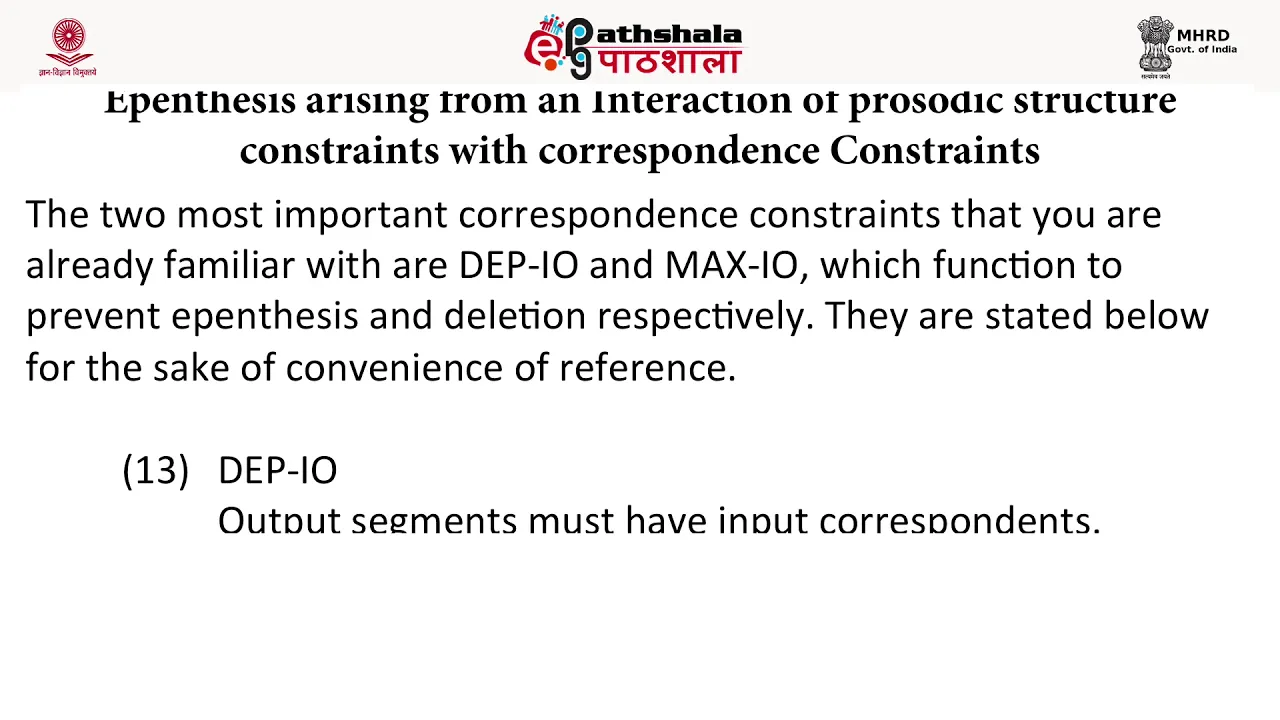
Constraint Interaction in Optimality Theory: Epenthesis & Deletion
@Vidyamitra
180 views•2018-08-20

Forensic Linguistics: How Language Solves Crimes | PBS
@pbsstoried
1M views•2024-01-25

Accent Expert Explains U.S. Regional Dialects | Part 1
@WIRED
9.3M views•2021-01-21
Related Study Plans & Knowledge Roadmaps
Structured learning paths in Linguistics