![A. François – [#2] Les familles linguistiques – cours “Linguistique historique et Typologie”](https://i.ytimg.com/vi/6l1NcT1tMDk/sddefault.jpg)







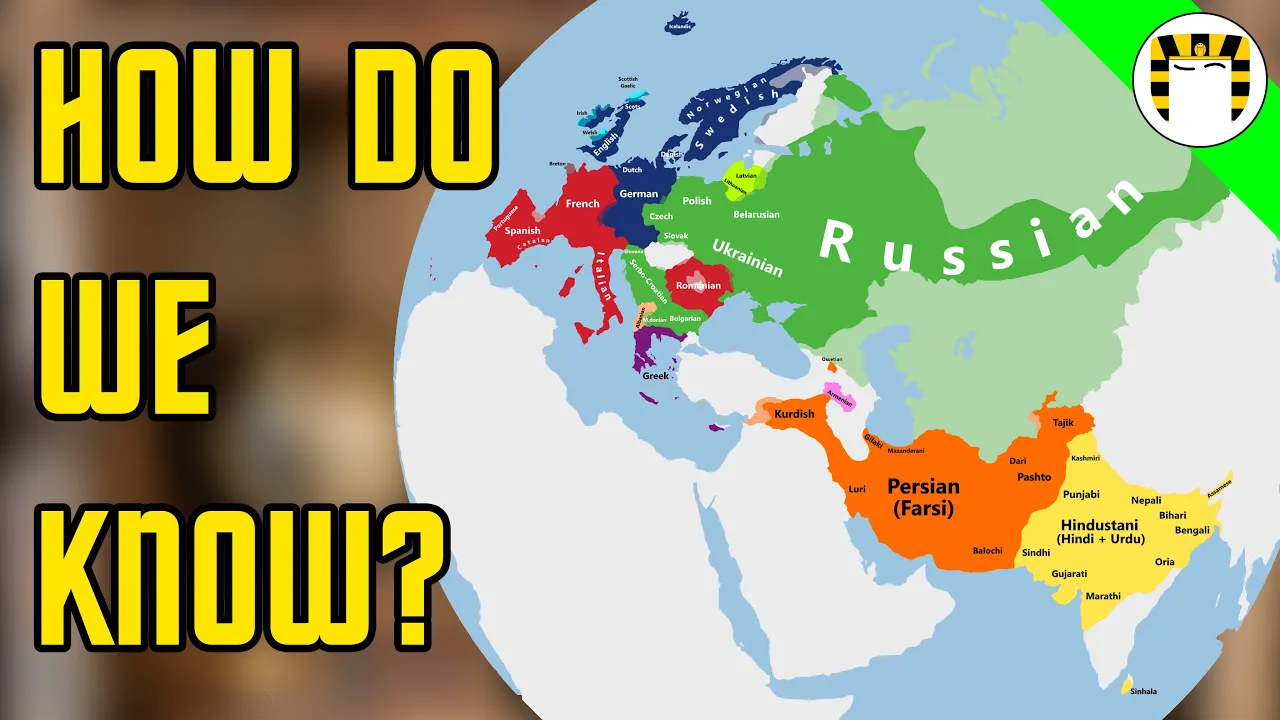

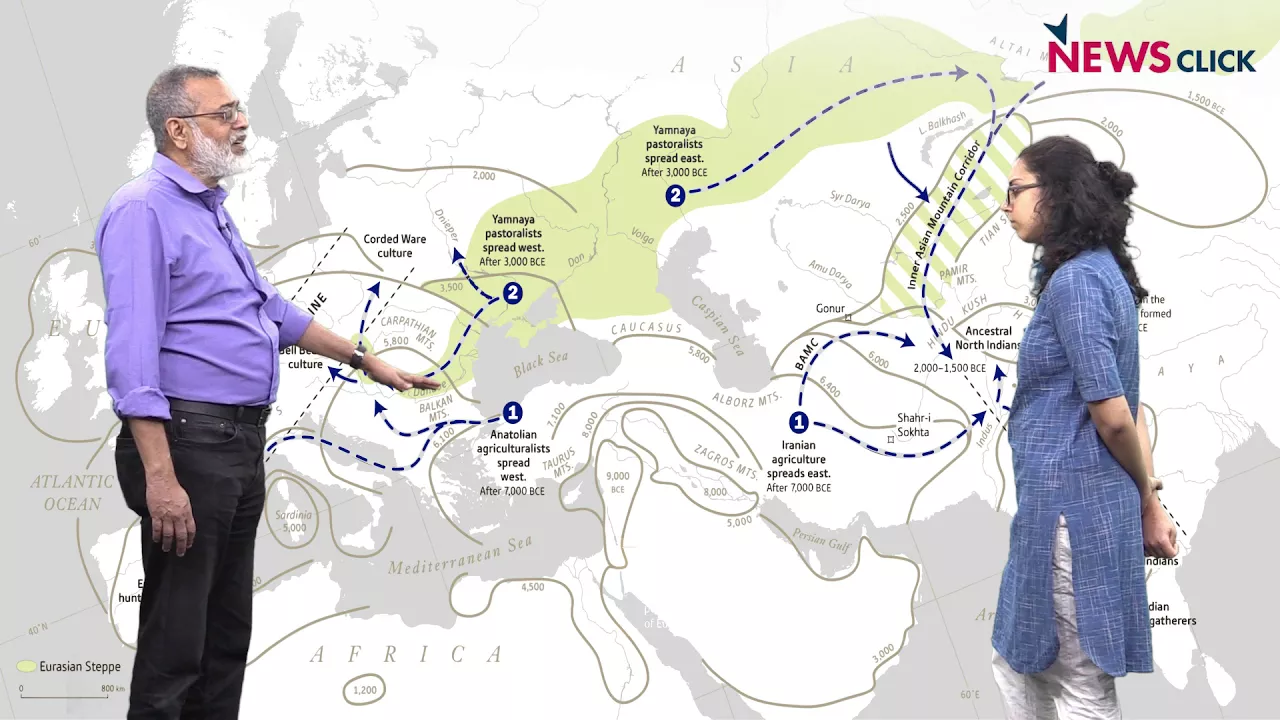

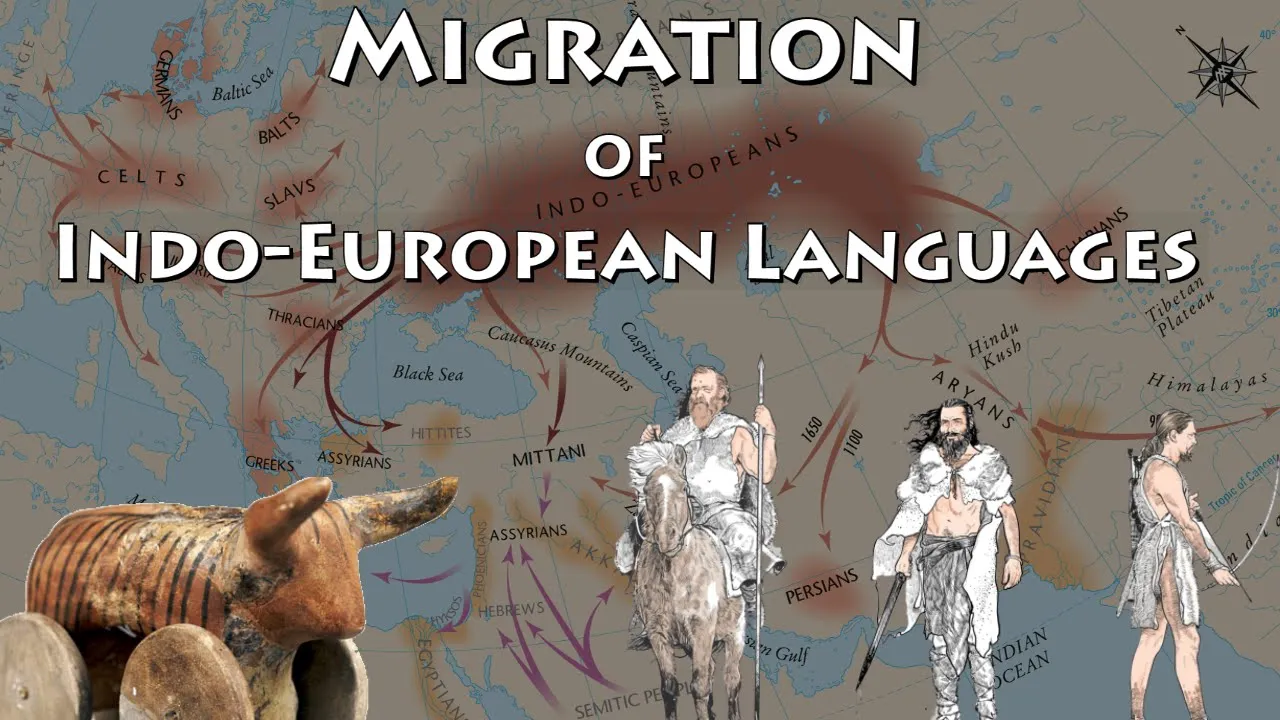
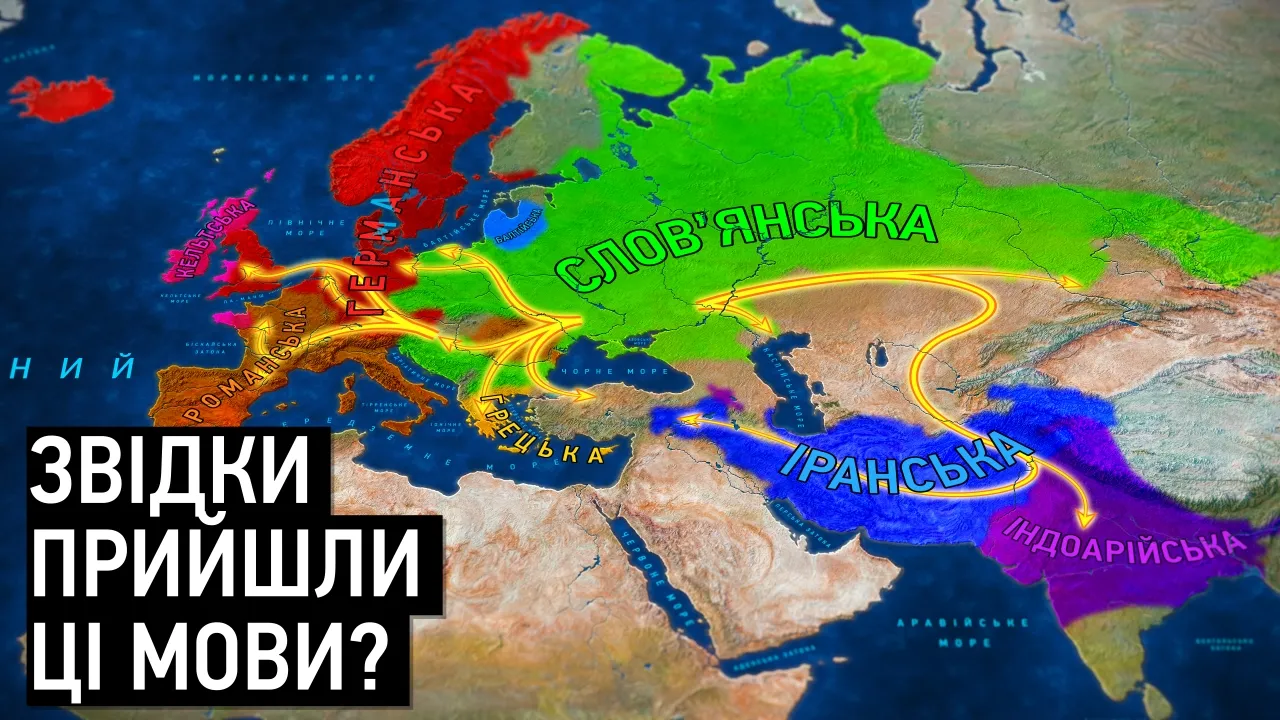

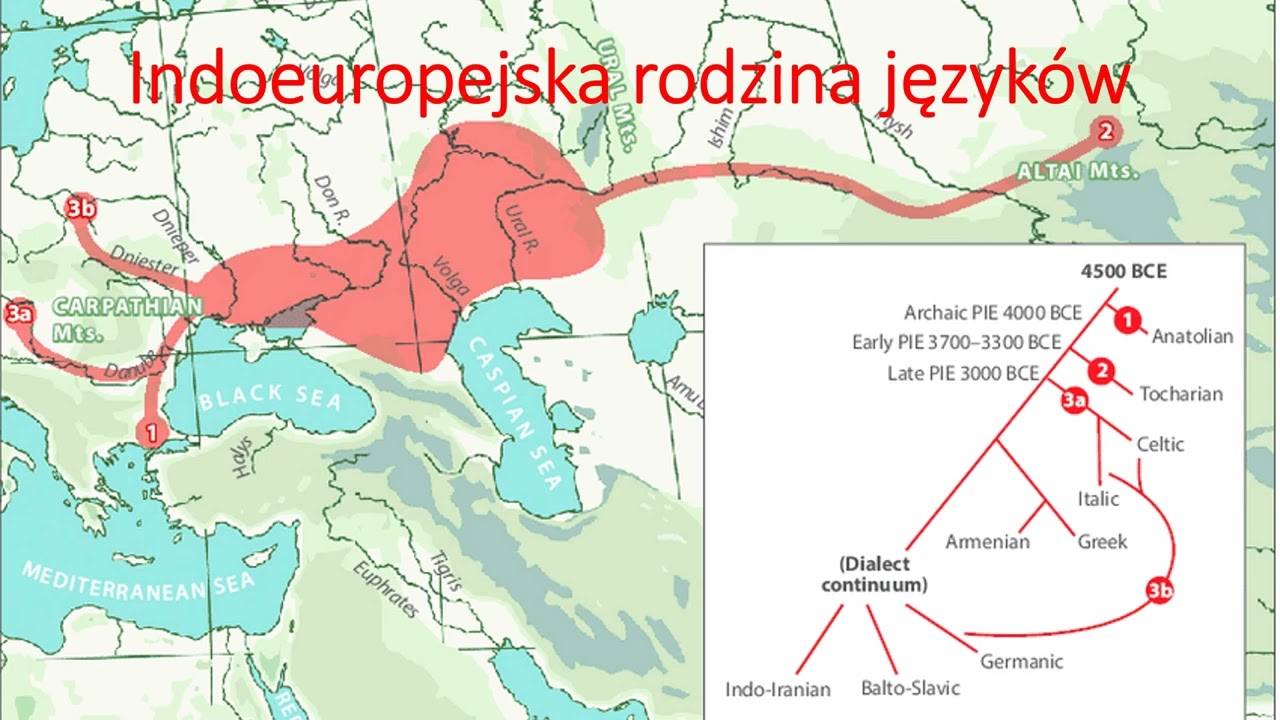






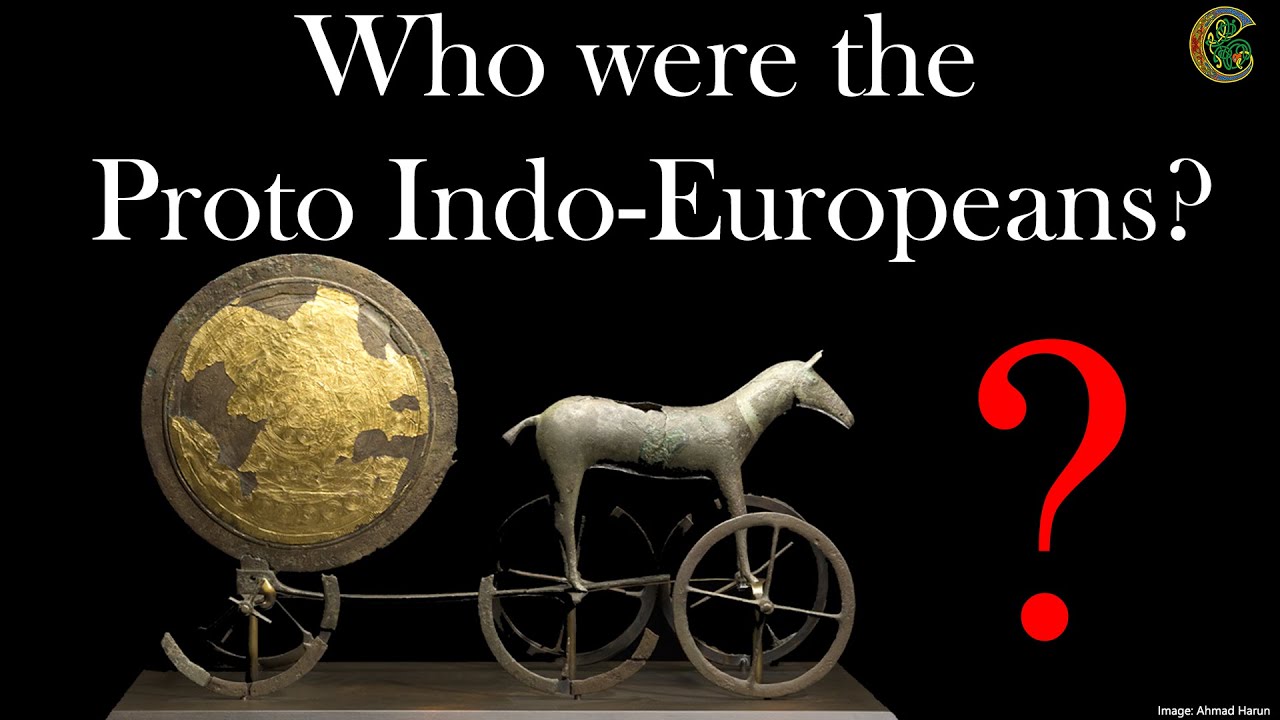

The Indo-European language family, which includes languages like English, Spanish, Hindi, and Russian, is determined through systematic comparison of vocabulary showing regular sound correspondences across languages, such as the p-f-t-th shifts described in Grimm's Law, allowing linguists to reconstruct the ancestral Proto-Indo-European language spoken approximately 5000 years ago and trace how different branches (Anatolian, Indo-Iranian, Greek, Italic, Celtic, Germanic, Baltic-Slavic, Armenian, Albanian, and Tocharian) developed from this common ancestor.
Indo-European Languages Explained: Origins & Branches
Added:Basic concepts of historical linguistics, particularly how languages evolve, split, and change over time.
The definition of a 'language family' and the concept of genetic relationships between different languages.
Familiarity with the comparative method, which linguists use to compare cognates in sister languages to identify common origins.
A general understanding of Eurasian geography and major historical migration patterns from the Neolithic to the Bronze Age.
The Kurgan hypothesis versus the Anatolian hypothesis regarding the archaeological 'Urheimat' (homeland) of Proto-Indo-European speakers.
Grimm's Law and Verner's Law, which detail the systematic consonant shifts that distinguished the Germanic branch from other Indo-European languages.
The linguistic reconstruction of Proto-Indo-European (PIE) phonology, grammar, and its complex nominal and verbal systems.
Comparative mythology and paleolinguistics, exploring how reconstructed vocabulary reveals the culture, technology, and worldview of PIE society.
311.2K views13.3Klikes37:49Original Release: 2020-09-16
hi i'm old norse specialist dr jackson crawford to begin with my qualifications for talking to you about the indo-european languages are fundamentally academic i completed a master's degree in indo-european historical linguistics at the university of georgia and then i did my phd specifically focusing on the history of the scandinavian languages at the university of wisconsin i have taught historical linguistics at many universities including ucla berkeley and colorado and so what i want to do is just give you an overview of what the inter-european languages are which languages are included and which aren't and why and a little bit about their history what we know about that right now kind of give you an up-to-date overview of the subject [Music] all right so to begin with how do we know what languages are related if you take any two languages from anywhere in the world and you compare their vocabulary systematically one word to another always finding two words that mean as close as possible to the same thing you're gonna get some false positives no matter what the human mouth can only make so many sounds which means there's only so many combinations of syllables that are possible so inevitably with any two languages no matter what you're going to get some words that that sound very like and that means something very similar often times this is because of onomatopoeia meaning that many languages have imitated this a particular sound associated with something one of the best examples of this that i kind of love is in many languages the word for raven or crow has the syllable kha in it somewhere or once did and of course that's explainable by reference to the sound uh that these birds make and even when it's not ca you can find many languages that have a an automatopic word for this bird for instance polish kruk now there's also baby talk universals one of the most famous justifiably is so many languages all around the world related to each other or not have a word from mother that has ma in it somewhere and of course it's because babies uh the first things that they can sounds like to make their mouths that sound a little bit like language uh involve just both lips smacking and so uh that becomes interpreted as a word from mother in many of the world's languages so if you look at kind of what we could call kind of facile language books facile history books on the shelves of a barnes and noble back when that existed or on on amazon search results you'll find people who are comparing two languages that have nothing to do with each other and just being astonished by the fact that you know the word for chicken is similar or something that doesn't really mean much what means something is when there's a regular systematic correspondence if language a always has a p at the beginning of words which meaning the same thing always have f and language b that's a systematic relationship that couldn't possibly have arisen by chance that actually indicates that there's a real relationship there even if superficially at a first glance the languages don't look like they're very closely related now with the indo-european languages we can actually establish just such correspondences in the early 19th century german scholar jacob grim and danish scholar rasmus christian rask simultaneously more or less noticed that there were systematic consonant correspondences between the languages of europe and india often the version of this that describes what the consonants are in the germanic languages a sub-branch of indo-european that we'll talk about in more detail in a minute uh but that includes german english and the scandinavian languages uh often so in describing the consonants of the germanic languages versus the other into european languages this is called grimm's law grimm's law describes for example how when there's a p in other indo-european languages at least in the earliest stages the germanic languages have an f in the same words so that is why for example you have greek pater latin pater but english father laden pisk but english fish greek pater but english feather and another aspect of grimm's law says that where there's a t in these other european languages you have the th sound in uh english and the earlier stages of the other germanic languages so for example pater versus father pater versus feather grimsel has many other uh characteristics that it that it describes but beyond just p and f and t and thumb if you want more information about that if you're on youtube in 2020 you can check out a video that i'll put in the card in the top right there but suffice it to say that regular correspondences like those described in grimm's law exist for all of the indo-european languages and as strange as it sounds as long as you account for the presence of borrowed words especially as languages develop later in later stages and you remove those borrowed words from consideration if you take just the native vocabulary the so-called native vocabulary that is words that have descended from an earlier stage of the language and not been borrowed from another language uh you can actually predict the form of words in english from the form they have in sanskrit thousands of miles and thousands of years away or vice versa that's because these languages are descended by means of regular predictable sound changes from an earlier ancestry language proto-indo-european now after a brief word from my sponsor i'll come back and tell you a little bit more about this language and the languages ascended from [Music] [Music] one last word about that native vocabulary one of the places you really need to look for that is basic numbers your 1 through 10 numbers basic kinship terms immediate family mother father brother sister that kind of thing basic verbs for everyday life give take walk that kind of thing and basic personal pronouns i me we those kinds of words surprisingly you especially plural you can be highly variable as it is within the germanic languages uh all right so once you have gotten the oldest attested written form of a language that you can get your hands on for example you want to look at old english you don't want to look at modern english you want to look at homeric greek you don't want to look at byzantine greek you want to look at vedic sanskrit you don't want to look at a late prakrit you will notice that the oldest forms of all of these into european languages look more like one another than their descendant languages right sanskrit and old english are more common than english and begali do and if you keep rolling back the changes that have distinguished them from the ancestor you can eventually reconstruct the ancestor and get at least a solid theoretical basis for estimating what that ancestor looked like and that ancestors language we call proto-indo-european now where and when would proto-indo-european have been spoken this isn't an open shut question because proto-indo-european was not written actually you may note that in all of the descendant into european language branches the word for writing is different implying that they're not descended from a single word that was in the proto-language because the proto-language didn't have a word for writing right so english write latin scriber a greek graphene these are all from different roots into european usually referring to something like scratching anyway protein european itself was not written so we have to base our understanding of where and when it was spoken on other clues one clue was in the reconstructible vocabulary itself if we construct if we can reconstruct words for something in the proto-language that implies that it was there in the proto-environment so we can reconstruct proto-indo-european words for beaver snow and a fish of the salmon or trout kind all of that implies that protein european was not spoken too far south there are also uh archaeological hints in the in the reconstructible vocabulary we can reconstruct a word for wheel many words surrounding the domestication of horses that would date the proto-language to about 3 500 bc or later we can also reconstruct a word for copper but not for iron which would place the proto-language somewhere between 5000 1000 bc approximately based on when the archaeological record says those metals were first exploited by humans archaeologists archaeologists working with the linguistic evidence have concluded that at least as of right now the most likely candidate for the speakers of the proto-indo-european language were the yamna culture north of the black and caspian seas these people match the archaeological record of a civilization we'd expect speaking uh proto-indo-european and the vocabulary we can reconstruct for it and they're also positioned in the perfect place to expand westward to europe and southeast to india and iran just as we know the indo-european language family later did now the end of european languages can be broken down into depending on how you're counting 10 or 12 major branches i'm going to go through those in chronological order of when we first find written attestations of them not necessarily the physical remains of writing but how old the language is in the earliest attested writing the difference here is that you can write down a much earlier form of a language later on right people have been memorizing uh phrases like till death do us part for hundreds of years even though that's not normal english anymore right in modern normal english it would be until death parts us but poetic formulae especially and even very long poems can be remembered in a version of a language that's even thousands of years old especially if there's some sacred significance to it and so for example vedic sanskrit avestin and iran and even on a smaller time scale the poems of the eddas in old norse reflect language that's actually much older than uh was actually spoken at the time when they were first written down all right so in a chronological order the first branch of the into european languages that we have attested in writing is anatolium and so the very first into european language we have uncontested written evidence of is old hittite starting in about the 1600s bc there's also a middle and late hittite other anatolian languages and anatolia by the way it's just an old-fashioned term for asian minor which is another old-fashioned term for the area that's present-day turkey other languages in this group include luvian lycian and lydian and luvien as a fun little trivia fact is the only language of which there is written evidence occurring in the city that the greeks called troy so most likely this is if you will trojan then there is endic this is one half of the indo-iranian super branch indic and iranian share enough characteristics that they clearly had some common development together before they split further into indica and iranian the first written evidence of indic actually doesn't come from india itself but from the near east where we find the metani texts these preserve some terms for horse colors and terms around horse racing and the the terms even though this is written down about 1500 bc are very very similar to the terms in vedic sanskrit for the same things the language of the rig veda and its hymns dates from about 1200 bc even though the vedas were actually not written down until much much later then there is classical sanskrit which is more the language of about 500 bc and then spoken alongside classical sanskrit which by the way is still taught as a very important liturgical and traditional language in india today or the prakrits or spoken vernaculars and it's from the practice that modern indict languages which are very great a number and include for example hindi urdu bengali are descended then we have iranian the earliest of the iranian languages that we have any attestation of is avestan even though the first documents physically written down on investing come from about 1200 a.d the actual oral composition of these poems is probably about 2 000 years earlier aveson is in some respects even more archaic than vedic sanskrit unfortunately there is less of it so we don't have the same richness of literary attestation for it avesin is an eastern iranian language as is pashto spoken in afghanistan western iranian languages include the ancient old persian attested for example in inscriptions by king darius and also of course modern farsi or persian known as dari in afghanistan and kurdish i tested from about the same time as greek which constitutes its own branch mycenean greek is the first attested kind of greek starting with texts in the linear b syllabary attested already from about 1400 bc this celebrate goes out of use it's not the ancestor of the greek alphabet that we know from greek and fraternity houses today the first attestation of that alphabet the greek alphabet which is derived from the phoenician outfit or abjad comes from the 700 specie possibly the oldest inscription in the greek outfit that's known today is nestor's cup from probably about 740 bc that would also be about the same time that the homeric poems iliad and the odyssey were being composed orally although of course our written texts of those come from much later if you study greek in school you're studying classical greek that's the greek of about 400 bc from athens so-called attic greek that later developed into the coin a or uh common common trade language greek this is the greek of the new testament and that is ancestral to byzantine greek and later to all of the modern varieties of greek except for zirconium which is descended from uh the spartan or laconian variety in the peloponnese then we've got italic that includes not just latin but also some long extinct allied languages such as felician oscar umbrian the earliest attestations of latin are in archaic latin so we have for example the duanos inscription by the way that is an early form of the word bonus good so you can see how much latin still had to change before the classical adam that we know from uh school books join us instructions from about 600 bc again strikingly different from the classical latin of about 500 years later the latin of say a cicero classical latin however already uh diverged into a spoken informal form called the folger latin during the roman empire and it is from that vulgar latin that the romance languages of today are descended the romance languages of course include spanish french italian portuguese these are all fairly famous there's also some smaller languages such as sardinian which is surprisingly conservative and not technically a kind of italian and then sometimes people are surprised to learn that romanian is a romance language that's in fact quite closely related to italian at a deep level um you can have romanian actresses playing italians right it's it's kind of funny how how similar the accent kind of is even though they're so geographically separated from each other romania actually is not really part of any or romania isn't a part of the roman empire classically speaking probably the romanian speakers came up from the south at some point in the middle then we've got celtic today that's associated with the british isles however in the bc years bc centuries after the breakup of into european but before the spread of the roman empire celtic was spread all over europe and even into anatolia where there was a celtic speaking population called the galatians which you may recognize from the epistle there too we have inscriptions from the the late centuries bc in gaulish in france in chaos iberian in spain and portugal and then in galatian from anatolia which is actually pretty similar to gaulish then there is some old welsh poetry that probably dates back to the 600s ad and we have old irish written in a unique alphabet called owem dating even from the very early centuries a.d before irish began to be written in the roman alphabet a few centuries later the languages of britain and ireland are extremely different from the languages of the continent there were some massive phonological changes that occurred in the uh the languages on the islands and by the way modern day scots gaelic and monks to the extent that mox exists anymore are from old irish and bratan and cornish are from um a communist sister with old welsh these so-called britonic celtic languages then we have germanic this does not mean german or from germany this is just named for the uh germany the roman term for these tribes to their north the germanic languages can be divided into east west and north the eastern germanic languages are the ones that we have the oldest long-ridden attestations of uh in the translations of parts of the bible by bishop wolfila into gothic around uh 350.
and uh this is a language that is surprisingly distinct from the other germanic languages that we know and how archaic it is there are no vowel mutation or so-called phenomena in gothic and from the attestations of a flemish diplomat named busbeck who was in constant constantinople in the 1500s we know that some form of gothic survived probably in crimea into the 1500s at least however it is extinct now the north and west germanic languages which are the ones that survive today share more in common with one another than either does with east germanic languages such as gothic and even more obscure members like vandalic and burgundy the north and west dramatic languages uh share certain characteristics that we call umlaut vowel mutations uh which are uh the ultimate reason for such alternations in english as singular man plural men which are reflected in the other north and west germanic languages too the earliest written attestations of north or west germanic languages are in runes the runes are an alphabet derived somehow from the greek and or roman alphabets and or some other related outfit from the south mediterranean region and the earliest confirmed inscription in a runic alphabet is in uh vemos of denmark from about 160 a.d this is the vemos a comb which says haria on it which probably means comb most of the old runa conscriptions are just that simple it's difficult to tell north from west germanic apart for the next few centuries except by geography they're very very similar for a long time until they start to diverge somewhere probably about halfway through the first millennium and then we find after the abandonment or during the abandonment of runes old english and old high german in southern germany began to be written in the roman alphabet in the 700's a.d a little bit later old saxon which is ancestral to modern day low german i.e northern german and then much lighter than that old frisian which is the closest relative to old english modern english as well as modern scots which most languages consider a separate language from english are descended from old english modern frisian from old frisian modern dutch comes from old low franconian which is very poorly attested is a little bit of tested but it's not very much of it back there and of course modern german and yiddish and the many many dialects of modern high german such as swiss german austrian german come from old high german then you have north germanic starting about 700 a.d the language undergoes a massive shift a lot of vowel mutations are so-called umlaut phenomena and the alphabet in which it's ridden changes as well from the elder fudark runes into the younger fruit arc which is then in use throughout the viking age during the viking age this old north germanic language or we can just call it what people call it old norse divides into a western dialect area and an eastern dialect area the western will give rise to icelandic faraways norn an extinct scandinavian language of shetland and orkney and to the western dialects of norwegian as well as the midland dialects eastern what we can call old east norse gives rise to danish swedish gutenisch on the island of goltland which is quite distinct from swedish in the middle ages and is at least halfway responsible for the eastern norwegian dialects norwegian the the line between west and east really runs uh between say the midland valleys of norway and the eastern part of norway more than between norway and sweden then we have it can get a little bit hard to organize all the branches chronologically from here because this kind of competing when some of these are tested but probably the next one you would mention is armenian we have written armenian starting in the 400s armenian undergoes a lot of very distinctive sound changes but we can tell that at a very deep level it is closely related to greek and a little bit more distantly to phrygian and the indo-iranian languages the armenian language is heavily influenced by iranian language that it comes into contact with so you have a big problem of separating out the lone vocabulary from the native vocabulary but when you do break it down to the native vocabulary the relationship to greek becomes more obvious as long as you can roll back the predictable but strange sound changes that distinguish it from its close relative greek then there is uh the slavic branch which forms a super branch with baltic tested much later the soviet languages are broken in to south east and west south includes macedonian serbo croatian uh slovene and bulgarian among other languages the oldest version of bulgarian that's written down old bulgarian you can call it is better known as old church slavic still an important liturgical language throughout the slavic speaking world in the orthodox churches old church slavic has originally written in an alphabet called glycolytic of unknown origin but later written in the cyrillic alphabet which comes to be used throughout much of the soviet-speaking world and is derived from the greek alphabet the western slavic languages include czech slovak polish and some extinct or nearly extinct varieties like sorbian and then east soviet you have for example russian belarus and ukrainian and some other small regional languages such as rusin the closely related baltic i'll mention with slavic even though it's attested much later includes lithuanian and latvian among living languages as well as old prussian once spoken in what is now parts of northeastern germany and far western poland but now extinct lithuanian is often considered the language still being passed down to children today that is closest in structure to proto and european that ought not to be taken too far right don't go thinking that lithuanian is put into european or that i'm saying that all these languages come from lithuanian that's not what i'm saying but it is the most conservative in its structure a lithuanian will probably have the easiest time learning to speak protein to european if there were reason to learn how to speak proto-indo-european of uh anybody speaking any modern and european language today uh it's all the sadder then that the first attestation of lithuanian only comes from some prayers written down in 1503 since it is so archaic even today surely its early history must have been fascinating if we could know it if it had been written down we also can't ignore tucharian this is a little-known pair of languages to carry an a into carrying b some people think there's a third one too that was spoken in east turkestan around 1 000 years ago and survives in the translations of some hindu and buddhist texts made around that time but now extinct turkish languages are spoken in the area now then we have albanian the first written attestations of albanian come from only 1462 in a baptismal formula however the fact that these earliest writings already have very standardized spelling suggests that the albanian language had been written for longer we just haven't seen uh any earlier uh written uh texts in it i have two broad dialect groups gag in the north toast in the south and uh both are important for reconstructing proto-indo-european even though unfortunately our written attestations of them only come from pretty late there is a widespread notion that albanian might be the modern-day descendant of an ancient language called illyrian illyrian was um a language spoken to the north of greece in the ancient period uh and the illyrians included some very important men constantine uh wasn't illyrian for example um but there's so little illyrian written down that we just cannot tell there's just not enough of it to conclusively say that it is the ancestral form of albanian it might be a related but not ancestral language to albanian it's certainly into european uh but there's just so few words in it that we can't conclusively say that it's uh early albanian i also ought to mention phrygian which was spoken in anatolia long long ago during the ancient period king midas was a phrygian this language is well tested it's certainly under european but we can't conclusively put it into any of these subgroups potentially it just belongs to its own subgroup although as you would expect from its geographical location it is uh certainly uh at least related on some higher level to greek probably it's part of the kind of lobe of the indo-european family that includes greek armenian and indo-iranian languages that share a couple common innovations that suggest that that southern group split off and developed in common for a while before further splitting into those smaller subgroups now a couple ancillary points to discussions of into european could end european be further related to other languages elsewhere in the world other language families yes it certainly could be but we have never conclusively proven that there is a popular idea that began in the soviet union that indo-european is part of a wider language family called nostratic joining with many other languages of of eurasia but there is no conclusive demonstration of regular sound correspondences like there are within the indo-european family to make linguists agree to consider nostrada a thing there's also probably i would say if you could go back far enough and maybe someday someone will demonstrate enough regular correspondences to make me say more than probably that there's a connection to uralic the uralic language family includes finnish the closer related estonian the more distantly related hungarian and the many languages in siberia there are a lot of reasons to suspect that uralic and indo-european ultimately constitute one super family for example the root for water and both language families contains some of the same peculiarities and one of the things you really look for in establishing that languages might be related is shared peculiarities remember that i mentioned that english and the other germanic languages have common uh vowel mutation phenomena that's another good hint that languages are related so the fact that you have some irregularities shared between uralic and into european makes a lot of linguists think there's a deeper connection there although the details have never been established and we don't have regular sound correspondences established yet possibly uh some scholar will conclusively demonstrate that sometime in the next century there may also be a deep connection to the afro-asiatic language family because of some similar grammatical things uh the afro-asiatic family includes uh for example ancient egyptian as well as the semitic languages acadian or old babylonian hebrew arabic and aramaic etc now another point to make is that writing is not a reflection of language relation um if you look at languages written in the same alphabet and conclude that they must be related you're looking at a black gmc truck and a black subaru outback and concluding that they are made by the same manufacturer they're not the alphabet is really just the paint on the outer surface of the car that is the language you could write english in the cyrillic alphabet the outfit used to write russian and it would still be english you can write russian and the roman outfit the outfit used to write english and it's still russian now there are often some interesting historical connections behind why one language is written in one alphabet and not another right you can tell that this relic outfit for example in europe is often associated with countries that were or are largely orthodox and the roman alphabet is associated with countries that largely were or are catholic nowhere is this more obvious than comparing croatian and serbian but uh that doesn't mean that a language written in the roman outfit is more closely related to another language just because it's written in the roman alphabet in fact what language is what alphabet there i made the same mistake myself what alphabet is more widespread in the world than the roman outfit but it's been used to write so many languages that have nothing to do with each other at a deeper level so don't judge just by the alphabet i also ought to mention that languages are spread by tongues and not by genes there are some very old ideas sometimes strangely new ideas about there being some kind of genetic relationship inherent between people who speak similar languages but all it takes is realizing that anybody can adopt any kid from anywhere to realize that there's not going to be any necessary genetic component to what language you learn or speak populations can learn to speak a language from a neighboring population that's not genetically related to them closely at all and there's no you know there's no genetic predisposition to one language or another languages change pretty fast relative to organisms right if you look at protein european you're talking about maybe 5 000 years ago uh the human species has been around for i mean it depends on how you define it but something like a million years right proton to european comes from something older there's nothing in the genes of an indo-european speaker that you know cries out for proto-indo-european language structure because 5000 years before proto-indo-european that structure was something completely different languages change pretty fast pretty radically if you look at them over thousands of years so associating gene pools with languages is kind of farcical really now languages can tell you interesting things about the history of a population as long as you are conservative in applying that data for example the fact that madagascar has an austronesian language malagasy a language that's actually related to languages in indonesia rather than languages in africa tells you something pretty interesting about how that language was how that island was populated but you have to keep in mind that languages and genes can travel quite separately and not try to draw conclusions about one from the other unless you're talking about highly isolated populations and uh basically there are no highly isolated populations in the last few thousand years people have been moving around a lot for a long time languages however can help us tell that story and we have to remember that that story is pretty complicated right people people often have this assumption that the past is simple and the present or the future is complex the past is as complex as the president of the future and uh if anything things are maybe getting simpler as the diversity of languages in the world gets lower but that probably won't stay the same most likely some event in the future will cause even today's mega languages like english to to lose their dominance and start splitting again although what that feature looks like historical linguistics cannot tell us well i hope this has been a reasonable introduction to the end european languages for you into historical linguistics in general i have many other videos on this channel about historical linguistics and especially specifically about the scandinavian languages and about the mythology written about in them such as the myths of odin thor and loki and the other norse gods i've put some cards in the top right connecting to other videos on my channel about this stuff i'll also put some in the end screen here and if you have an interest in old norse language and myth i also hope you'll check out my books and if you want to help me make videos like this for free beautiful places in my rocky mountain homeland of wyoming colorado i hope you'll check out my patreon which is the only thing that keeps us going all right well folks for now from beautiful colorado uh in the middle of a landscape that 36 hours ago was 100 degrees fahrenheit i'm wishing you all the best [Music] uh [Music] you
Up Next
20:45
Tracing English to Its Proto-Indo-European Roots
@RobWords
1.6M views•2024-07-13
36:52
Constraint Interaction in Optimality Theory: Epenthesis & Deletion
@Vidyamitra
180 views•2018-08-20
19:28
Writing Proto-Indo-European: *gʷr̥h₃-dʰh₁-o- & More | Etymology
@JacksonCrawford
22.5K views•2023-12-01

21:32
Accent Expert Explains U.S. Regional Dialects | Part 1
@WIRED
9.3M views•2021-01-21
Related Study Plans & Knowledge Roadmaps
Structured learning paths in Linguistics
linguistics
Optimality Theory: Tableaux & Constraints
01Phonological Basics: Sounds, Syllables & Rules
02Foundations of Optimality Theory: GEN, CON, and EVAL
03The Constraint Inventory: Markedness vs. Faithfulness
+ 2 more learning modules
15h5 modules
Explore Roadmap
linguistics
Morphosyntactic Alignment: S, A & P Systems
01Foundations of Syntax: Transitivity and Arguments
02The Linguistic Variables: Mapping S, A, and P
03Nominative-Accusative Alignment
+ 3 more learning modules
12h6 modules
Explore Roadmap
linguistics
Analyzing Sign Language: Phonology & Syntax
01Foundations of Sign Language Linguistics
02Phonology: The Five Parameters of a Sign
03Morphology: Word Formation and Classifiers
+ 2 more learning modules
14h5 modules
Explore Roadmap
linguistics
Pragmatics: Speech Acts, Grice & Politeness
01Introduction to Pragmatics: Meaning in Context
02Grice’s Cooperative Principle & Implicature
03Speech Act Theory
+ 2 more learning modules
14h5 modules
Explore Roadmap