

![A. François – [#2] Les familles linguistiques – cours “Linguistique historique et Typologie”](https://i.ytimg.com/vi/6l1NcT1tMDk/sddefault.jpg)


















The Indo-European language family, spoken by approximately 46% of the world's population, originated from Proto-Indo-European around 6,500 years ago on the Eurasian Steppe; through comparative linguistics, we can identify cognates (words born together) like 'bear/carry' (bhar in Sanskrit, pher in Greek, fer in Latin, bair in Gothic, ber in Old English) and recognize two major classifications—Centum and Satem languages—based on sound shifts, such as the transformation of the Proto-Indo-European word for '100' (kmtom) into 'centum' in Latin and 'satam' in Sanskrit, demonstrating how all these diverse languages share common roots despite their apparent differences.
Indo-European Languages: Origins and Connections Explained
Added:Basic concepts of historical linguistics, including how languages evolve and branch over time.
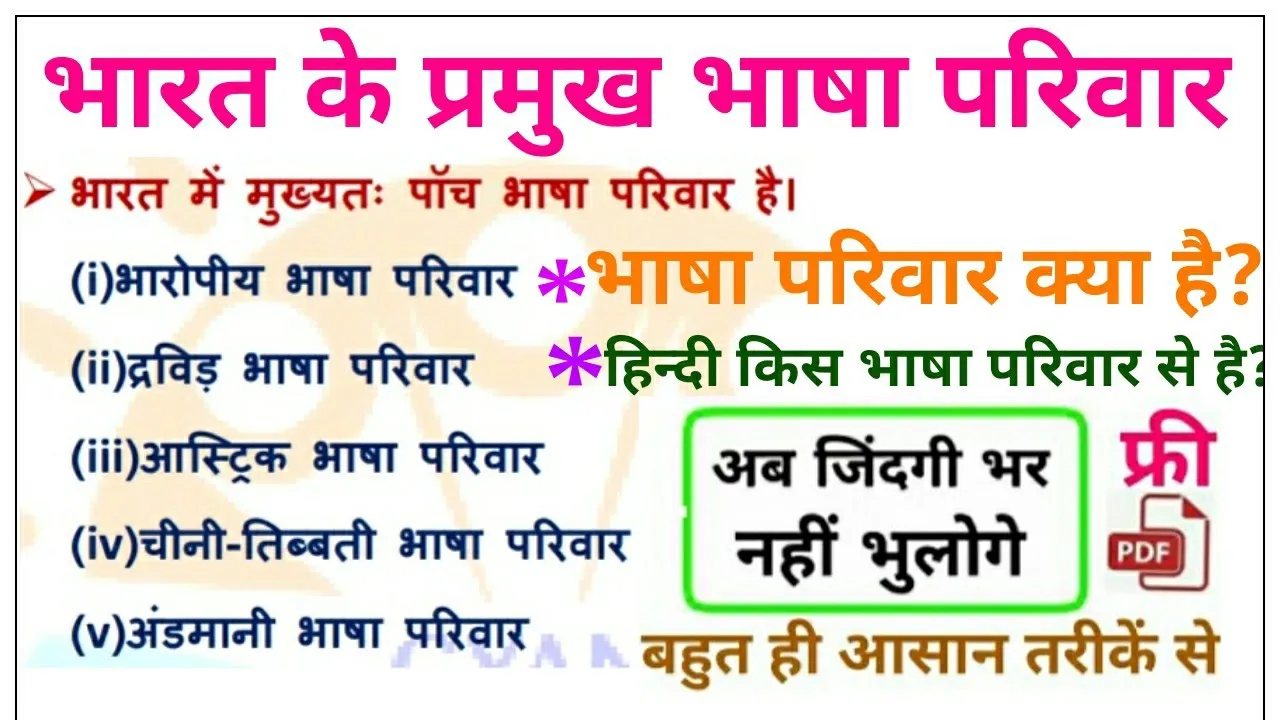
The definition of a language family and how linguists group related languages.
The concept of a 'proto-language' and the comparative method used to reconstruct extinct tongues.
A general understanding of Eurasian geography and major migration patterns in ancient history.
Deep dive into specific sound laws, such as Grimm's Law and Verner's Law, which explain phonetic shifts.
The archaeological debate surrounding the Proto-Indo-European homeland (e.g., the Kurgan hypothesis vs. the Anatolian hypothesis).
Comparative mythology and reconstruction of the cultural, social, and religious practices of Proto-Indo-European speakers.
Studies of non-Indo-European language families (like Uralic, Basque, or Dravidian) to understand linguistic boundaries and contact zones.
1.8M views60.7Klikes10:11Original Release: 2017-03-08
Hello, everyone. My name is Paul, and I'm from Canada. Oh sh*t... Hello, everyone welcome to the Langfocus channel, and my name is Paul. Today we'll be going way back to see how we're all connected...Well, not all of us But about half of us, around 46% of the people on Earth, speak an Indo-European language as their native language Throughout Europe, South Asia, the Americas and beyond. The Indo-European language family contains languages as diverse as English, Hindi Persian, Russian, Armenian, and Greek - languages, which on the surface may seem to have nothing in common, but they actually do.
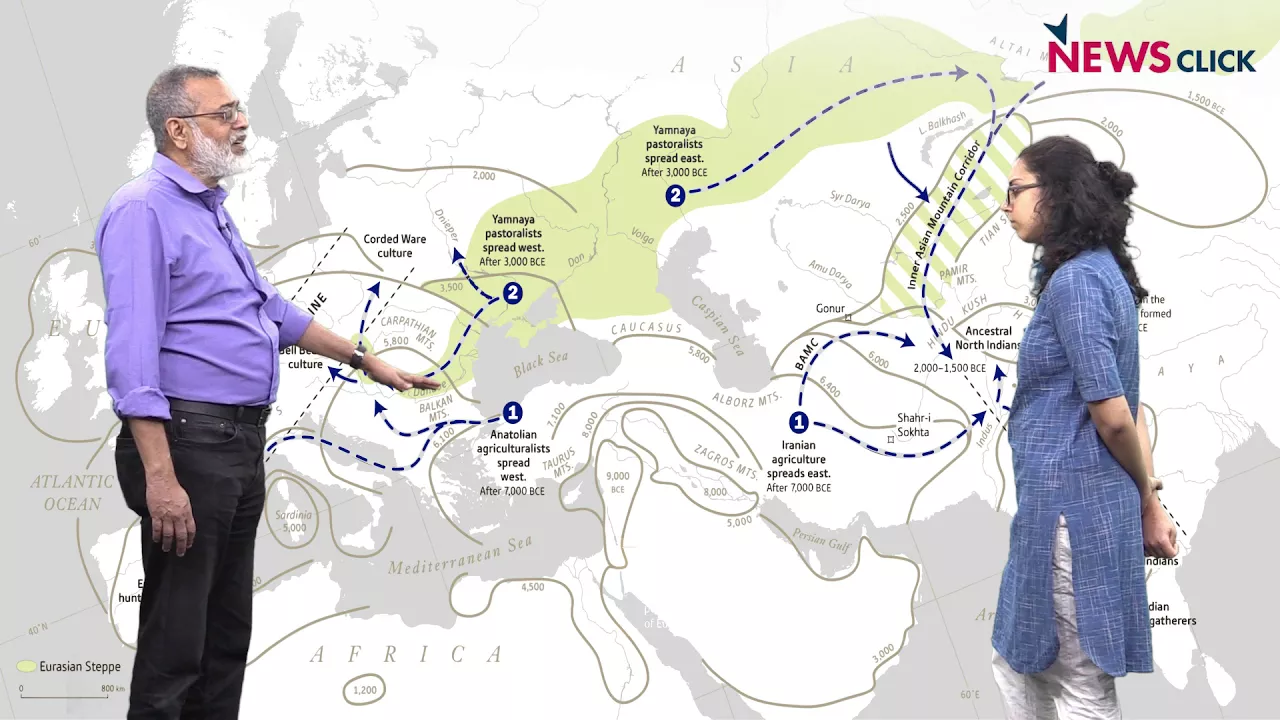
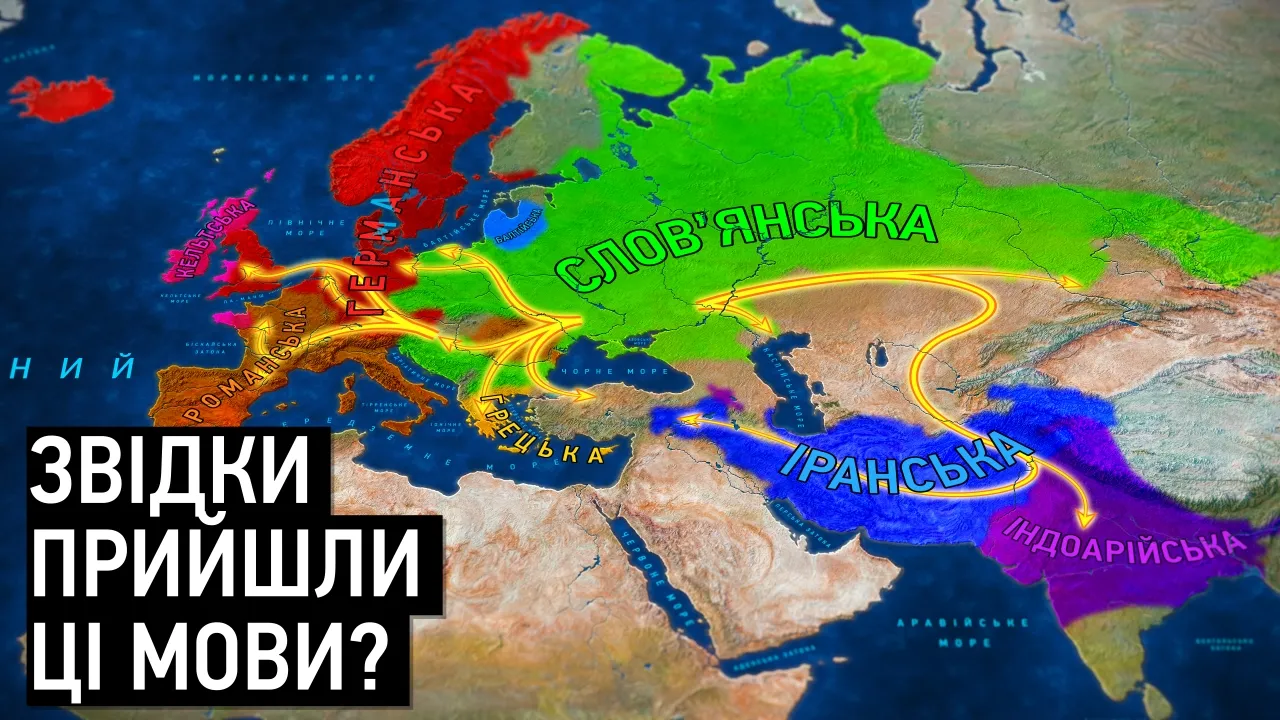
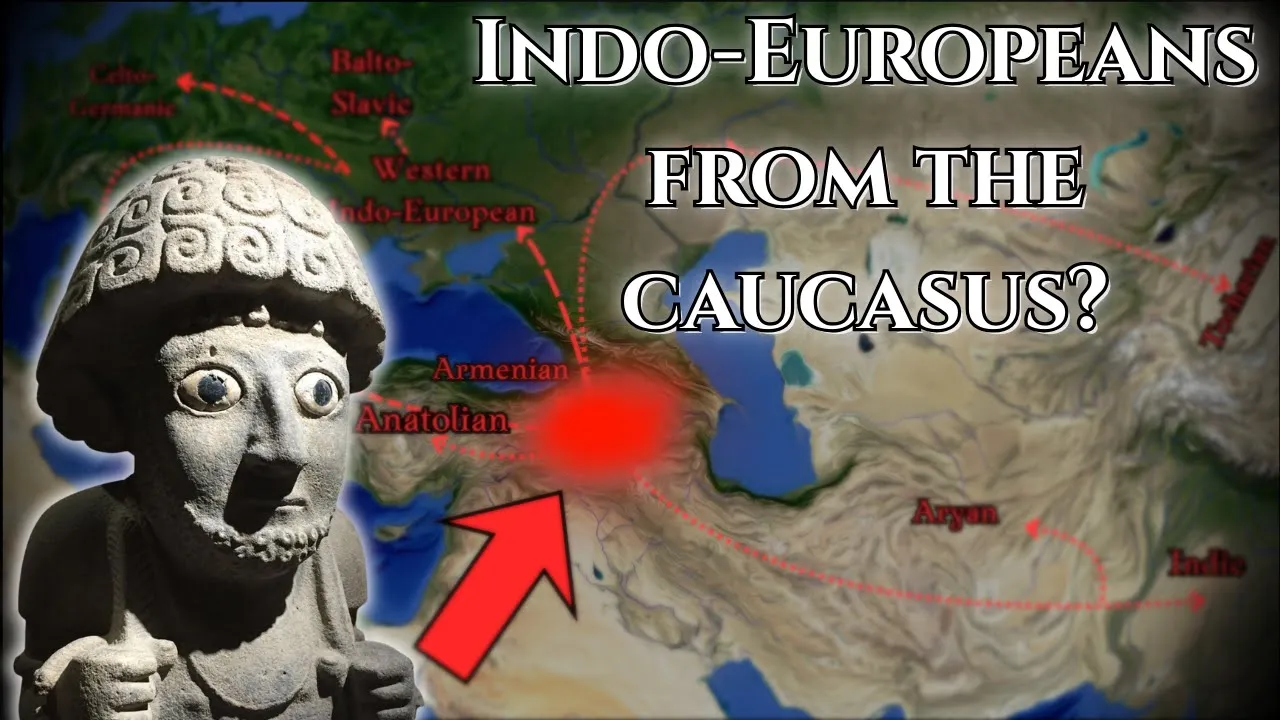
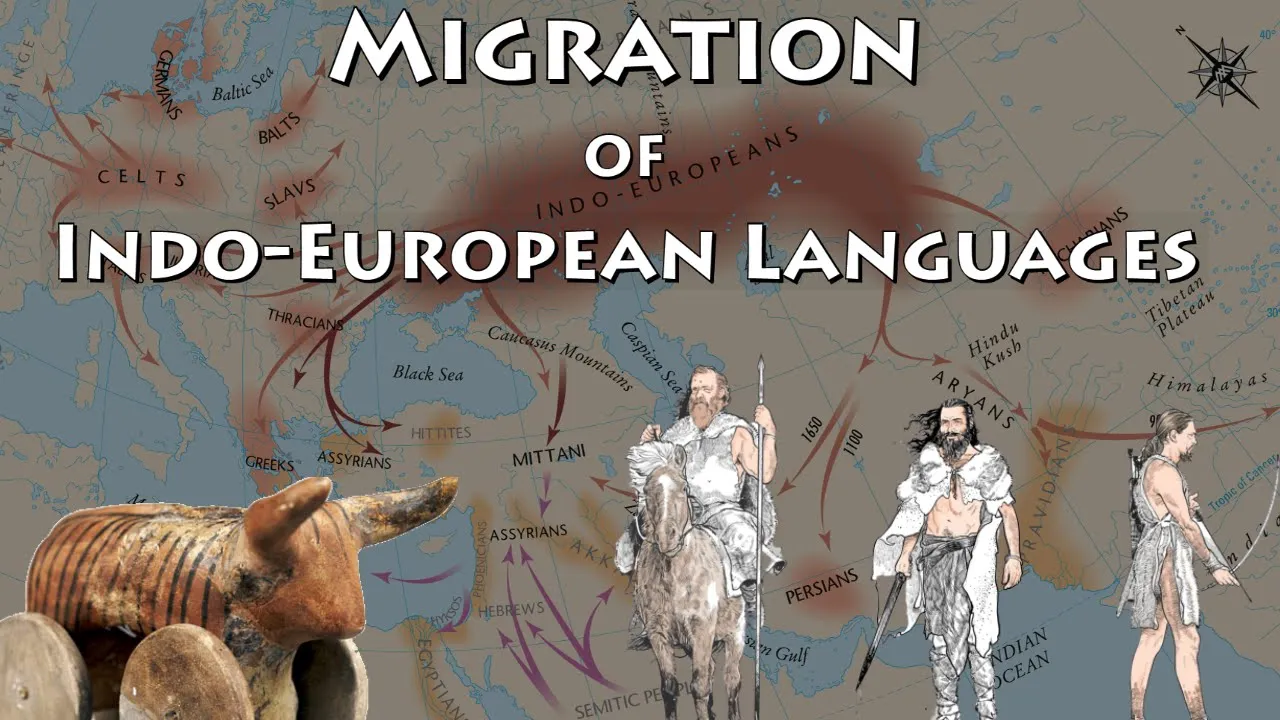
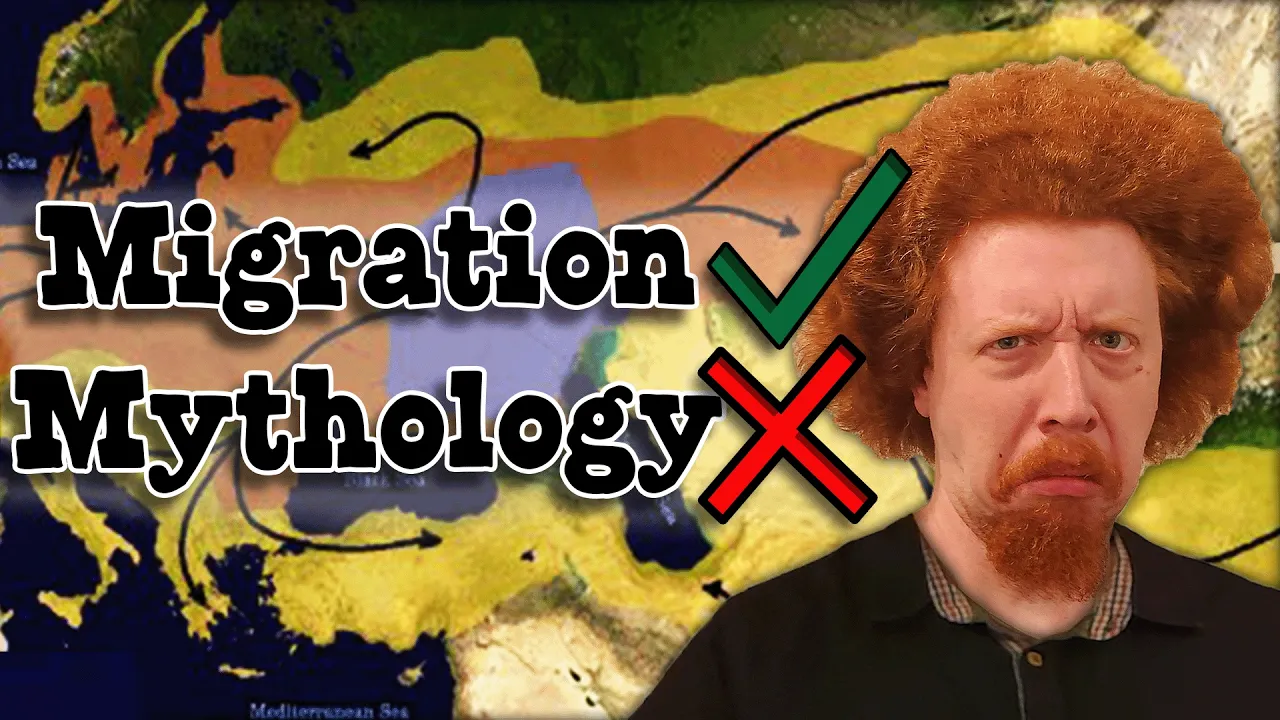
All Indo-European languages developed from Proto-Indo-European, According to the most widely accepted theory, Proto-Indo-European was spoken around [6500] Years ago on the Eurasian Steppe of Eastern Ukraine Southern Russia and the Caucasus the Indo-Europeans were the first, or among the first people to domesticate horses which greatly increase their ability to travel and migrate Over the following three millennia Indo-European people migrated far and wide conquering new lands on horseback and bringing their language with them as it developed into different varieties which eventually grew into different branches [of] the indo-European language family.
The Indo-Europeans first migrated into Europe, Anatolia and Central Asia then later into Northern India and Iran as migration continued deeper into Europe and Central Asia There's an alternate theory based more on archaeological evidence that suggests that the Indo-European languages began in Anatolia several thousand years earlier and spread with the expansion of agriculture There are no written records of Proto-indo-European and it's early offshoots, so the best we can do is to theorize and imagine however they happen to take place during these migrations Proto-indo-European split into numerous different languages which would gradually develop into entire branches of the Indo-European language family Those branches are Anatolian which is now extinct Tocharian, which is also extinct Italic and Celtic which may share a common, Italo-Celtic ancestor, Armenian and Albanian which each consists of just one language as far as we know Hellenic, Germanic, Balto- Slavic which split into the Baltic and Slavic branches and Indo-Iranian which split into the Iranic and Indic branches All of these branches and their individual languages have been developing in different regions with different Influences for thousands of years so they are now very different from each other, but through comparative study We can see that indo-european languages share a common word stock as well as some phonetic and historically speaking some grammatical tendencies. There are a significant number of cognate words in Indo-European languages. By the way the word cognate comes from Latin co+gnatus, which means born together These words were indeed born together in Proto Indo-european [and] if we're aware of the sound changes that have taken place we can identify cognates, for instance the word meaning bear or carry in Sanskrit, [it's] bhar, in Greek it's pher. In Modern Greek this might be pronounced like an f sound, but in ancient Greek It was actually an aspirated [ph] sound In Latin it's fer, in Gothic it's bair, in Old English. it's ber. They all come from Proto-indo-European bher, and my pronunciation of these different languages is probably not perfect, but I'm just giving it a shot myself I should point out that the Proto-Indo-European words are theoretical reconstruction and that there's no way of knowing for sure what they sounded like but these words here are fairly recognizable Some are a little less recognizable. In English we have the word work which comes from Old English [wyrcan] in Modern Greek the word for work is ergo which was [ergon] in Ancient Greek and in some texts there was an alternate form, wergon. They both stem from the proto-indo-European wergom Indo-European languages can be divided into two classes the Centum languages and the Satem languages Satem is the word for 100 in Avestan ancient Iranian language Centum is the word for 100 in Latin These two words illustrate a sound shift that occurred in Indo European languages Proto-Indo-European had a palatalized [k] sound that was distinct from the regular velar k sound. A palatalized consonant sounds kind of like it's followed by a [y] sound like kill as opposed to cut. In the Satem languages this palatalized sound remained a separate phoneme from [cup] and it became a sibilant sound like a suh or a shuh so the Proto-Indo-European word for 100 [kmtom] became satam in Sanskrit simtas in Lithuanian and in many Slavic languages, [it's] sto. These words have all developed [and] diverged quite a bit but if you're aware of the sound shift from a k sound to an s sound you can recognize these cognates more easily. In the centum languages the 2 k sounds merged together or in the case of the Germanic branch shifted to an h sound so kmtom became centum in Latin and hekaton in Greek cant in Welsh and hund in Old English So let's take a look at these two words in English [hundred] and [cent] We usually think of hundred as a native Germanic word and cent as a loanword from Latin, but these are actually cognates. First let's take away the ending of the word -red which comes from a suffix meaning count or number. Then let's change the h back to a [k] and now you can kind of see the resemblance see the resemblance Remember that the C in cent was originally pronounced like a [k] in Latin Also, remember that d is the voiced equivalent of t, so you can often see these sounds alternating in related languages?
Some core words have been preserved in many or even all Indo-european languages. These include some animals for example Proto-indo-European ekwos: this means horse- you know that equestrian animal. In Latin It's equus, in ancient Greek it was hippos, in Sanskrit, it's ashvaha and in persian it's asb. The Latin and Greek examples are centum examples, but in Greek It seems that the k sound Assimilated to the p sound next to it. The Sanskrit and Persian Examples are satem examples since you can see that the k sound became shuh and suh. It also seems that the w sound Shifted to a V sound in Sanskrit and to a B sound in Persian And those are sound changes that take place Frequently in various different languages Other frequent cognates include the numbers from 1 [to] 10 words referring to family members agricultural words and various natural phenomena like the words for tree and wood. In proto-indo-European [doru] or [dreu-] in old English treo, in Gothic triu, in ancient Greek [doru] Which actually meant spear in Sanskrit [Daru] in old church slavonic drevo, in Armenian dzar.
This shared vocabulary might be hard to spot when you're not looking for it But when you start to notice [the] sounds that commonly alternate in those cognates for example the voiceless t and the voiced d, Then cognates start to be more [obvious] Indo-European languages have developed so far from proto-indo-European that grammatically they are very diverse and they have many features [that] other indo-european languages don't share, but because Proto-indo-European was a highly inflected language all of its descendants are inflected languages to some extent By inflection I mean that words change form to reflect Grammatical functions like number person tense mood case One example is the verb endings we find in various Indo-European languages. In proto-indo-European the reconstructed singular forms for the verb to bear are bhero or bheremi, bheresi, bhereti. And in Sanskrit bharami, bharasi, bharati In Latin fero, fers, fert In Old English beru or bero, biris, birith In many languages including English these inflections have been lost to a large extent in Modern English we only retained the third-person Inflection he bears or she bears but English still had the second person inflection until the early modern English period So if you read a King James Bible You'll see this sentence - thou barest record of thyself. This is the second person form and thou means you cases proto-indo-European nouns had inflections for [8] grammatical cases Sanskrit maintained all eight cases and so did the ancient Iranian language Avestan Latin retained six cases and Old English had four Modern English nouns Do not have case endings And that's also true for many other indo-european Languages like most of the romance languages When languages no longer have case Inflections the function of nouns is indicated more by word order and by the use [of] prepositions But many modern indo-european languages do have numerous cases like most Balto Slavic languages which have six to eight cases German and Icelandic which have four cases and Modern Greek which also has four So the connection between the modern indo-european languages may not be obvious But when we look back [historically] at how those languages have developed in the different stages of those languages, we can find more connections The question of the day: if you speak an indo-European Language did you discover any new connections between your language and others during this video Let us know in the comments down below?
Be sure to follow langfocus on Facebook Twitter and Instagram, and thank you to all of my fantastic patreon supporters Especially these wonderful people right here on the screen. Thank you for watching and have a nice day
Up Next
6:01
IPA Place of Articulation Explained | Linguistics Guide Part 1
@Artifexian
342.2K views•2015-05-04
36:52
Constraint Interaction in Optimality Theory: Epenthesis & Deletion
@Vidyamitra
180 views•2018-08-20
15:23
Tok Pisin: An English-Based Creole Language of Papua New Guinea
@Langfocus
272K views•2019-09-03

21:32
Accent Expert Explains U.S. Regional Dialects | Part 1
@WIRED
9.3M views•2021-01-21
Related Study Plans & Knowledge Roadmaps
Structured learning paths in Linguistics
linguistics
Optimality Theory: Tableaux & Constraints
01Phonological Basics: Sounds, Syllables & Rules
02Foundations of Optimality Theory: GEN, CON, and EVAL
03The Constraint Inventory: Markedness vs. Faithfulness
+ 2 more learning modules
15h5 modules
Explore Roadmap
linguistics
Morphosyntactic Alignment: S, A & P Systems
01Foundations of Syntax: Transitivity and Arguments
02The Linguistic Variables: Mapping S, A, and P
03Nominative-Accusative Alignment
+ 3 more learning modules
12h6 modules
Explore Roadmap
linguistics
Analyzing Sign Language: Phonology & Syntax
01Foundations of Sign Language Linguistics
02Phonology: The Five Parameters of a Sign
03Morphology: Word Formation and Classifiers
+ 2 more learning modules
14h5 modules
Explore Roadmap
linguistics
Pragmatics: Speech Acts, Grice & Politeness
01Introduction to Pragmatics: Meaning in Context
02Grice’s Cooperative Principle & Implicature
03Speech Act Theory
+ 2 more learning modules
14h5 modules
Explore Roadmap