













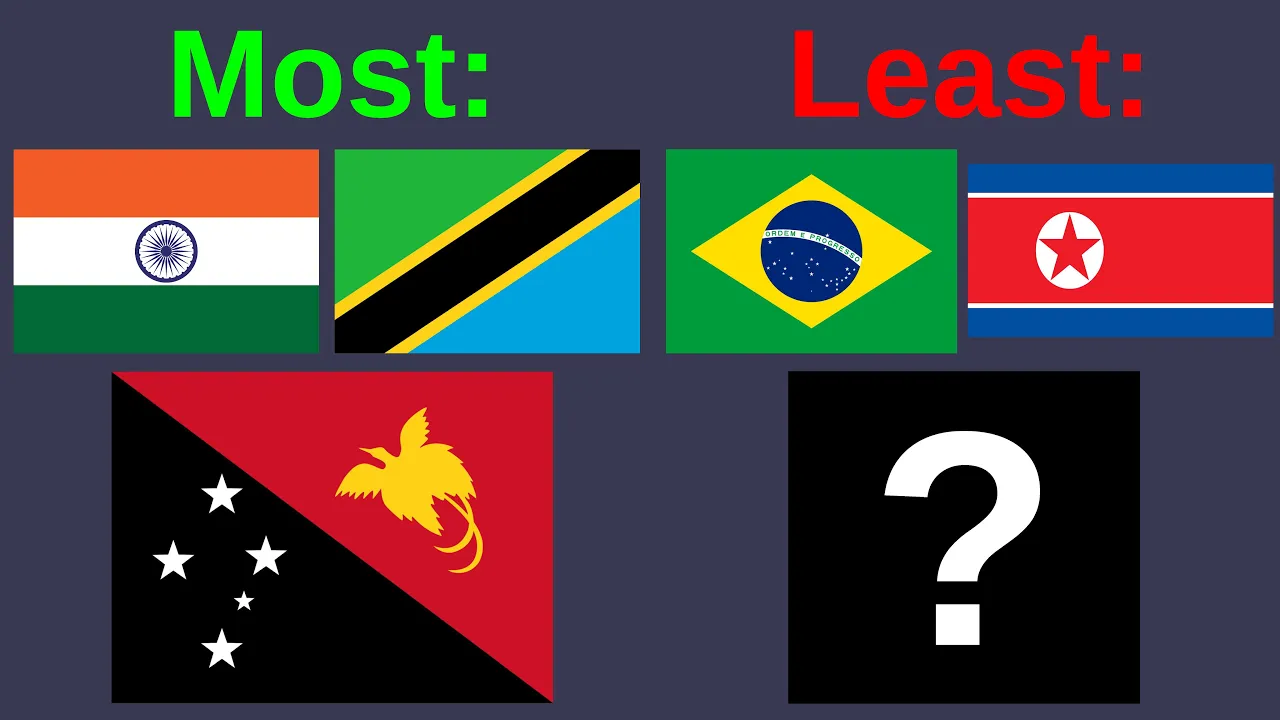







Tok Pisin is an English-based creole language that serves as the lingua franca of Papua New Guinea, the world's most linguistically diverse nation with over 800 languages. Originating from plantation-era pidgin languages developed between 1880-1914 when laborers from Solomon Islands and Vanuatu brought their English-based pidgin to German Samoa, Tok Pisin evolved through creolization to become a native language. While its vocabulary primarily derives from English, it follows Austronesian grammar patterns, uses different meanings for English loanwords (e.g., 'plus' means village, 'devil' means soul), and incorporates elements from German, Malay, and Portuguese. Key grammatical features include predicate markers (e), transitive verb markers (im), prepositions (long, belong), and an adjective marker (pela). The language has no articles and uses aspect markers like 'bin' for past tense rather than verb conjugation.
Tok Pisin: An English-Based Creole Language of Papua New Guinea
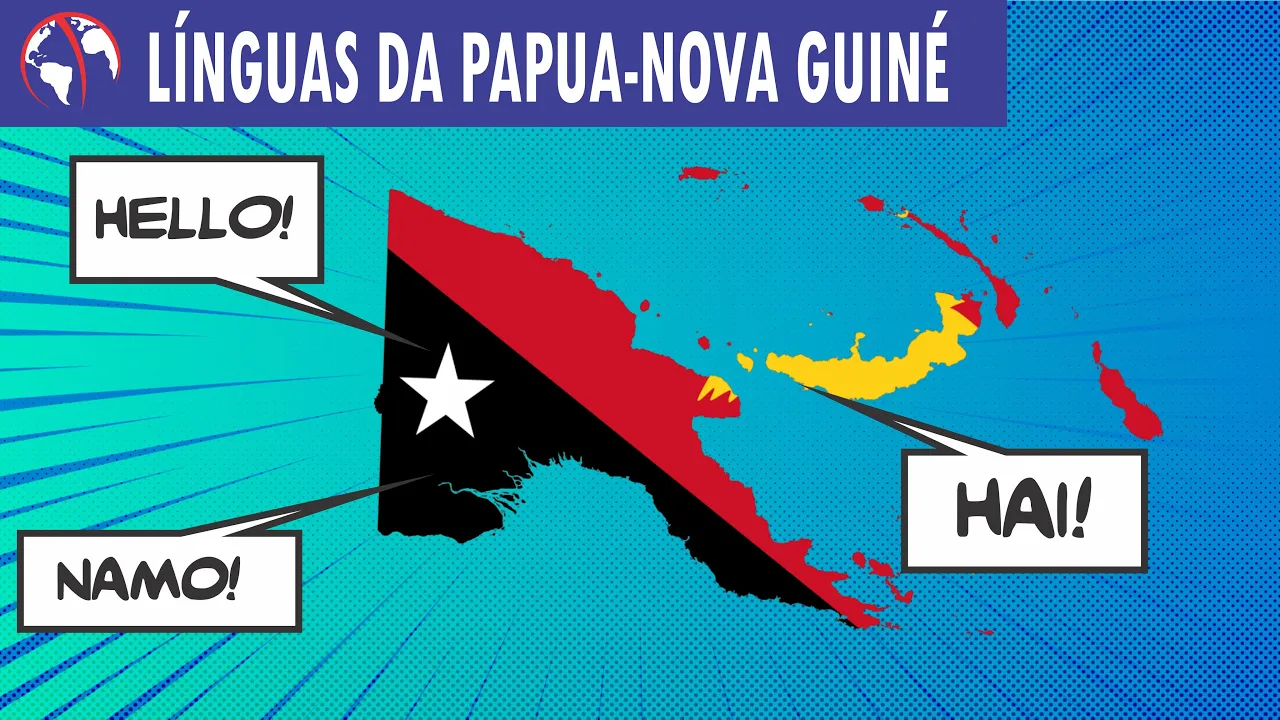
Added:hello everyone welcome to the langfocus channel and my name is paul today we're going to talk about a language that partially descended from english but is not actually english the language is tok pisin an english-based creole language sometimes referred to as pidgin or pidgin english tok pisin is one of the official languages of papua new guinea which is located in the southwestern pacific ocean just north of australia its other official languages are english which is not spoken by most of the population and hirimotu but talk pisin serves as the most common lingua franca and a lingua franca is certainly useful in papua new guinea because it's the most linguistically diverse country on the planet okay it's the most linguistically diverse country in the whole universe over 800 languages are spoken in papua new guinea a country of just around 8 million people with so much linguistic diversity talk piecing is frequently used for communication between people of different linguistic backgrounds look at the name of the language tok pisin tok means language but it comes from the english word talk it also means talk speech word message news etc the majority of talk pissing words come from english but are used with different meanings or with a wider range of meanings this word pisin comes from pidgin but probably developed from the english word business not in talk piecing but rather in a chinese language tok pisin has also sometimes been called talk boy boy comes from boy but actually refers to someone who was an indentured laborer servant or slave of colonial europeans because their bosses or masters referred to them as boy talk pissing began as a pidgin language on the plantations of german samoa between 1880 and 1914 when laborers from new guinea were brought over an english-based creole in a german territory why well labourers from the solomon islands and from vanuatu had already been working on plantations in the queensland colony in present-day australia and they had already developed an english-based pigeon language in short they needed a common language for work so they adopted a small english vocabulary and use the grammar of their melanesian languages to connect the words together in this way a melanesian english-based pigeon language arose in queensland some of these pigeon speakers from vanuatu and solomon islands later worked in german samoa alongside the new guinean laborers using their pigeon as a lingua franca people from all of these places brought the pidgin language home with them where it became widely used as a lingua franca and became creolized meaning that it became spoken as a native language by some and became used for all aspects of life not only for the limited functions of the pidgin language till this day the forms of pidgins spoken in papua new guinea the solomon islands and vanuatu are all quite similar though they have definitely diverged into their own distinct varieties after pidgin languages become creole languages they are technically no longer pidgin languages but they are still referred to as pidgin in all three countries now let's examine tok pisin and see what it's like vocabulary as an english-based creole language talk piecing got most of its vocabulary from english but words of english origin are usually pronounced quite differently following phonological rules inherited from austronesian languages of melanesia for example brother is pronounced before shark shack stand or stand up sun up words of english origin are also generally used differently than they are in english for example plus from the english word place in talk pisin this means village or hometown area or region from the english word devil means soul shadow reflection or image close to from english close to means close to but also nearly or almost christmas from the english word christmas this means christmas but in tok pisin your age is also measured in the number of christmases you have been alive for for example you got hamas christmas this means how old are you and me got 10 christmas this means i'm 10 years old since talk piecing vocabulary stems from a small english vocabulary often times one simple word is used to cover a whole set of synonyms in english or a category of items for example got from english got or have got this means to have or to possess in tok pisin there's just this one word colos from english clothes this means clothes but also blouse or dress cross this means angry or annoyed or cross in english cross means mildly annoyed and many north americans might be unfamiliar with that word but in talk pissing it's the common word for all degrees of anger or annoyance from english too much this means very or very much or greatly or too much and some words have expanded beyond synonyms to cover a wider range of meanings stop from english stop this means to be located somewhere to remain to stay to rest or to be in progress with this word it might be a bit harder to wrap your head around its different meanings if you stop somewhere then you are there at that place you are remaining there you are staying there you are situated there the meaning of to be in progress stems from the meaning of remaining because the action is remaining in progress for example pen belong me stop long one m hop this means where is my pen pen of me is located at what place not all talk piecing vocabulary comes from english some words come from german since samoa was under german control and parts of new guinea were under german control when new guineans returned well sim this means to remove or to get rid of this comes from german house meaning out gumi this means rubber and comes from the german word gummy musky this means it doesn't matter and comes from the german mahdit which means the same thing some vocabulary comes from malay because of contact with bahasa indonesia on the island of new guinea and contact with regional malay languages meaning milk this comes from the malay word susu some words also come from portuguese because of early portuguese contact with melanesia as early as the 16th century for example this means to know to understand to know how to to be able to to be cognizant with or to be accustomed to this comes from portuguese saber which means to know which means child or baby comes from portuguese pekinino which means little and there are also words from many austronesian languages grammar while the vocabulary of talk picin mainly comes from english the grammar largely reflects the austronesian languages spoken by early pigeon speakers on the plantations let's look at a few examples here and later we'll see more grammatical features in context the predicate marker all third person sentences contain a predicate marker e plus inogat the village doesn't have any water word for word this sentence is village predicate marker no have water the word e tells us that what comes next is the predicate the part of the sentence telling us something about the subject and normally contains a verb in a language with simple vocabulary and grammar it would be easy to hear the predicate as part of the subject if there were no predicate marker placenogat whata could be understood as the village that doesn't have any water which would leave the listener waiting for a predicate to follow because that whole phrase sounds like the subject next the transitive verb marker im when verbs are transitive in other words when they are followed by an object the suffix im is attached this means i really like beer i like really beer like him consists of like from english like with the transitive suffix this means yesterday i saw you on the street yesterday i see you on street lukim consists of look from english look with the transitive suffix im this sentence also contains an interesting word long which brings me to the next point prepositions tokpisin basically has two main prepositions one of them is long which comes from english along it's used to cover a wide range of english prepositions in by on with from to and at have a look at this example this means they went by road on monday to lay they preposition marker go by road on monday to lay that's the name of a city the word ol comes from english all but one of its uses is the third person plural pronoun the other main preposition is belong which comes from english belong it covers the meanings of and for and is often used to indicate possession for example dispeller emica bilombrata belong me this is my brother's car this it predicate marker car of brother of me next the adjective marker pela the suffix pela is normally added to single syllable adjectives when they appear before nouns so a big tree is big bella d y bic comes from english big and then the adjective suffix is attached to it d y is a word from one of talk piecing's austronesian substratum languages it's also worth pointing out that this phrase has no indefinite article tok pisin has no definite article and no indefinite article in other words no equivalent of the or ah but for clarity one pella meaning one can be used so this phrase could be one pillar big pillar diy one big tree notice that one pellet comes from the english word one with the adjective suffix attached to it okay we've seen some of its key features so now let's look at a couple more talk piecing sentences and break them down suppose mipla no got enough money long bomb house mipela can walk in house to seoul this means if we don't have enough money to buy a house we can just build a house word for word it's if we know have enough money to buy house we can build house just suppose comes from english suppose and is used to mean if mipella comes from english me which on its own would mean i but the suffix pella indicates that it's the plural form we belong is used here to mean for baim comes from english by and has the transitive verb suffix wokim comes from english work but means to make build or repair tasol means just or only and comes from english that's all and one more example maybe spark no go through long sing sing this means he got really drunk at the party or she got really drunk at the party he or she predicate marker past tense marker be drunk badly really at party m comes from english him but is used for both male and female and for subjects and objects in toc piscine bin comes from english bin and is used as an aspect marker to show completion of an action effectively indicating past tense in this sentence spock comes from english spark and means to be drunk nogut comes from english no good true comes from english true and is used as an adjective or as an adverb like truly or really long refers to the location of the action and sing sing is a reduplication of the english word sing and is used to mean sing or song but also for a ceremony involving dancing and singing or for a party let's think about bean again for a minute talk pisin verbs are basically not conjugated and the verb form is the same for all persons and numbers and times to indicate time you can use a time word like asde meaning yesterday tomorrow etc or you can use an auxiliary verb that shows aspect like bin which shows completion another option is to place pinis from english finnish after the verb for the future you can use like which has the sense of is about to for things a little farther in the future you can use the word by or by by for example by me come back i shall return by and bye bye come from the old-fashioned english expression by and by meaning after a short time these words indicating an action's relation to time are not normally necessary if the time is clear from the context and the adverbs of the sentence hopefully this video and the language samples within it have given you a sense of what toc piecing is like the english roots of much of its vocabulary are obvious but it's also quite obvious that tocpisin is not english its grammar is very different and even its english-based vocabulary is used quite differently tokpisin is a language in its own right it's used in the parliament of papua new guinea in tv and radio broadcasts and it's used every day as a lingua franca throughout the country though there are books written in talk piecing it's currently not used much as a literary language though some people think that it can and should fulfill that role as well but with english also being an official language and the language of schooling other people think that english alone should remain the formal and literary language the question of the day to native speakers of tonkin for some people it's hard to imagine how talk piecing's vocabulary is sufficient for all parts of life do you find that talk pissing is sufficient to say everything you want to say are there times when it's not and for other people if you want to hear some more talk piecing i will put a link to a talk pc news broadcast in the description below listen to that clip and let us know in the comments what you think can you understand any of it does it sound like english if you enjoyed this video be sure to check out lang focus on the various social media platforms like facebook youtube instagram and twitter and once again i want to say a special thanks to all of my patreon supporters especially these ones right here on the screen they are my top tier patreon supporters many extra special thanks to them and to everyone thank you for watching and have a nice [Music] day [Music] you
Up Next
Pidgins & Creoles: Theories of Origin | World Englishes
@thevirtualuniversityofpakistan
2.3K views•2019-01-18
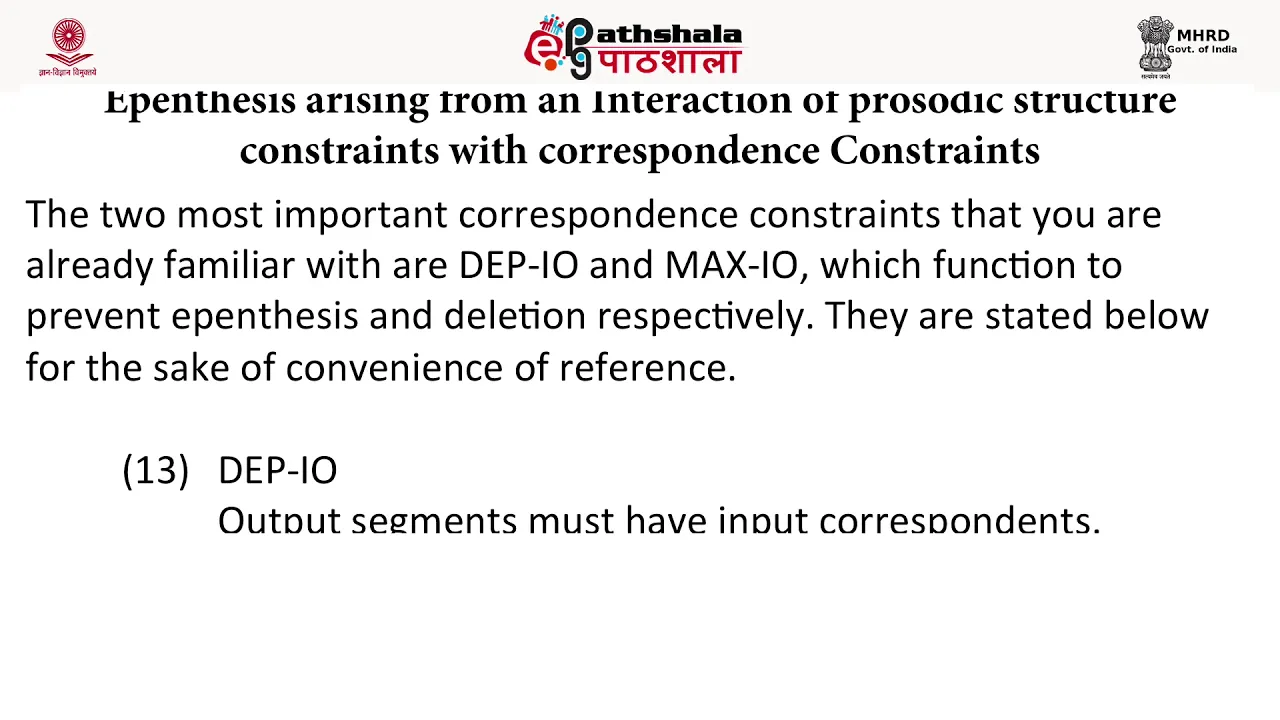
Constraint Interaction in Optimality Theory: Epenthesis & Deletion
@Vidyamitra
180 views•2018-08-20
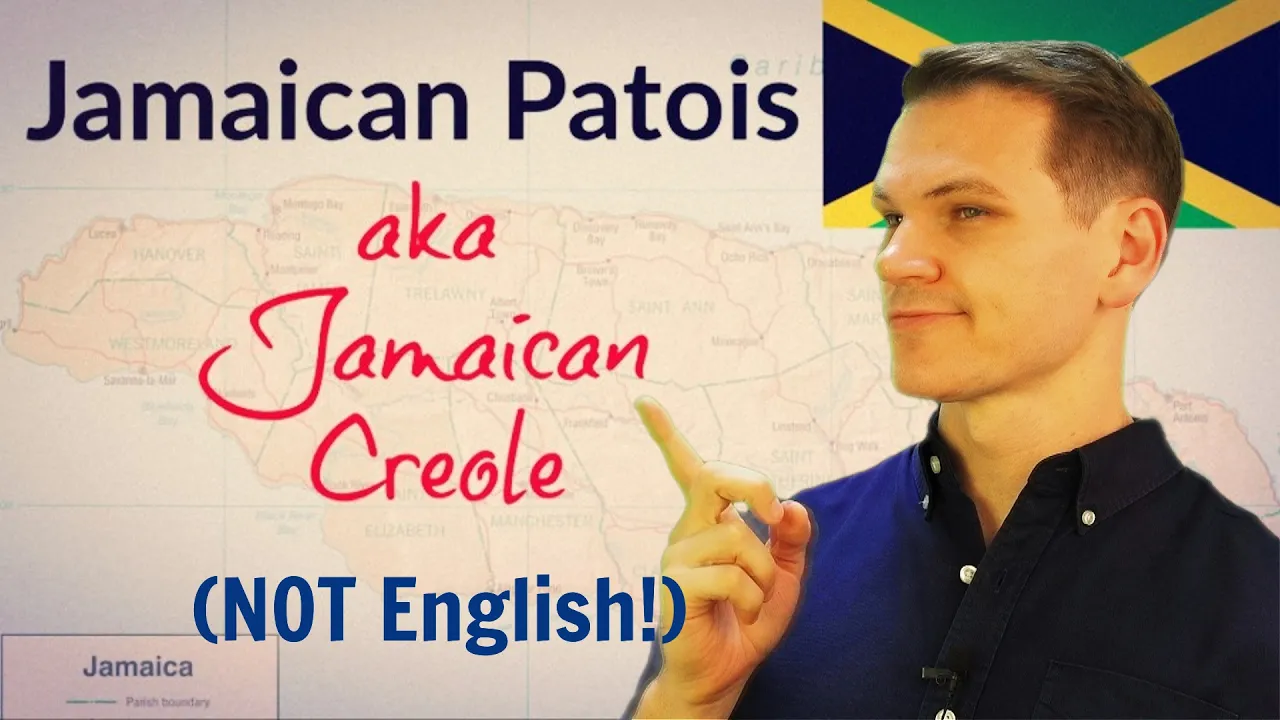
Jamaican Patois: Creole Language Origins, Grammar, and Usage
@Langfocus
2.5M views•2019-07-14

Accent Expert Explains U.S. Regional Dialects | Part 1
@WIRED
9.3M views•2021-01-21
Related Study Plans & Knowledge Roadmaps
Structured learning paths in Linguistics