














Language contact occurs when speakers of different languages interact, leading to mutual influence through several mechanisms: borrowing (adopting words, sounds, and structures), calques (translating phrases morpheme-by-morpheme), combining forms (using morphemes as building blocks), and ultimately the development of new languages like pidgins (simplified contact languages) and creoles (when pidgins become native languages to children). The resulting outcomes range from vocabulary enrichment to the emergence of entirely new languages, with the post-creole continuum showing variation from varieties closest to the source language to those most divergent.
Language Contact: Borrowing, Pidgins, and Creoles
Added:Basic concepts in sociolinguistics, specifically how language variation relates to social identity and speech communities.
An understanding of core linguistic levels, particularly lexicon (vocabulary), morphology (word structure), and syntax (sentence structure).
The concept of genetic relationship in historical linguistics (how languages descend from a common ancestor) to contrast with contact-induced change.
Theories of Creole Genesis, such as the Language Bioprogram Hypothesis versus substrate and superstrate influence models.
The study of Code-Switching and Translanguaging in multilingual communities.
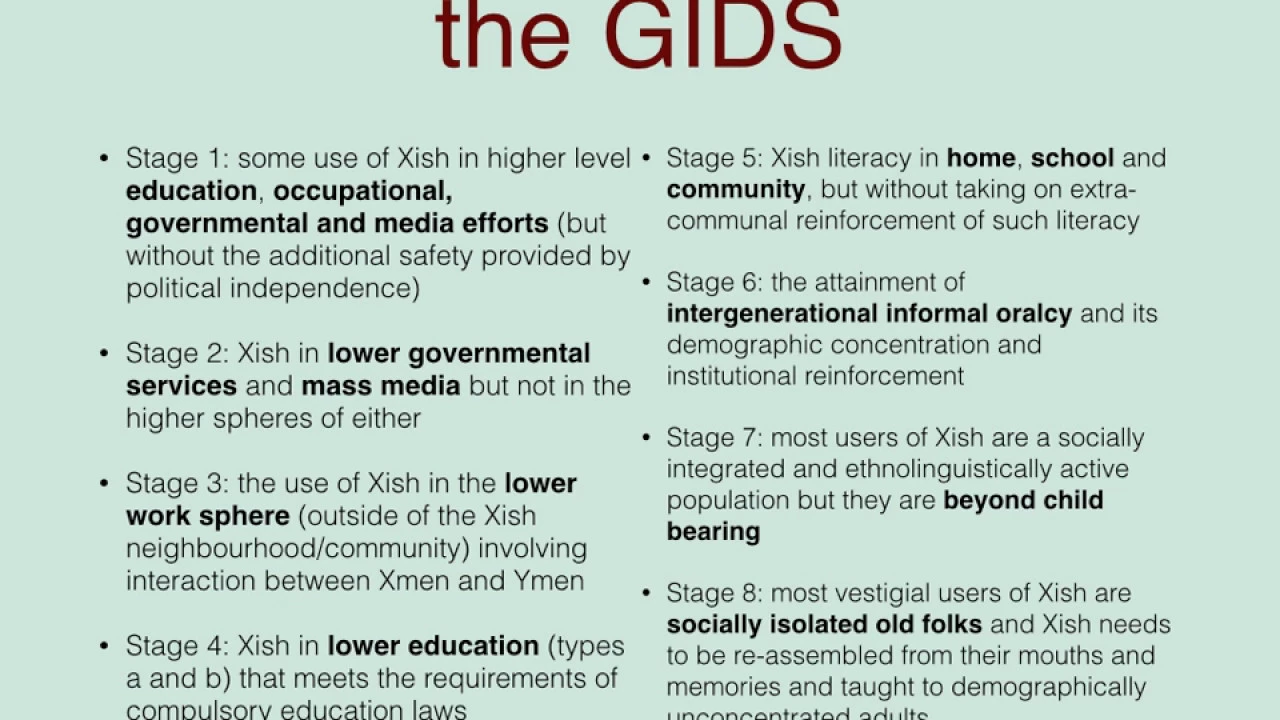
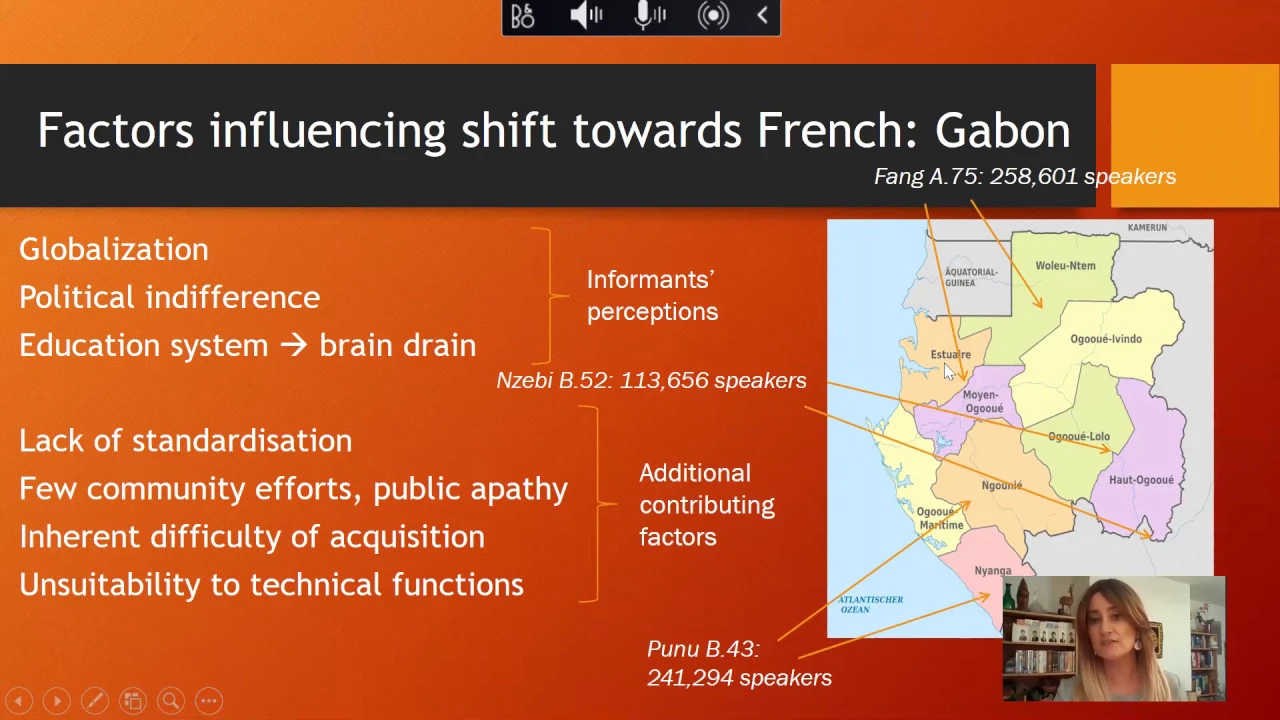
Language shift, attrition, and endangerment as long-term consequences of intense language contact.
Language policy and planning, particularly the challenges of standardizing and teaching creole languages in formal education.
30.1K views438likes16:35Original Release: 2012-12-03
when speakers of different languages interact closely it is typical for their languages to influence each other languages normally develop by gradually accumulating internal differences until one parent language splits into daughter languages this phenomenon of language contact is responsible for the world's vast linguistic diversity the following forms of language contact constitute the focus of this election first we will deal with several aspects of borrowing we will then turn our attention to the principles of multilingualism and diglossia and will eventually look at pidgins and creoles typical contact languages let us start with borrowing now when languages come into contact they tend to take words from one another and make them part of their own vocabulary these words are known as long words and the process is referred to as linguistic borrowing the situation during the Middle English period from 1100 to 1500 is a good example where numerous French words entered the English language by the way the term borrowing is a curious one isn't it neither does the lending or donor language lose the borrowed word in the process nor does the borrowing or recipient language intend to give it back so a more appropriate label would be copying wouldn't it but it is referred to as borrowing so we stick to that term by the way not only words can be borrowed but any linguistic material sounds syntactic patterns discourse strategies and so on and so forth so borrowing is one of the most common ways of acquiring new words across languages as I said English for example has borrowed numerous French words surely after the Norman invasion here are some examples they come from the areas of titles the area of religion science and last but not least words that belong to the word field of food the integration of borrowed items involves their remodeling to fit the follow logical and morphological structure of the recipient language let us illustrate this take the word email and the past participle emailed in the form he has emailed now try to form the past participle of the word in your own language in my mother tongue German the noun is email and the past participle is the email or give mailed and this matches the German principles of final divorcing gamete and its system of verbal inflection gimme it and last but not least the vowel is no longer a diphthong but amid hi front vowel some types of words are borrowed more readily than others for example we have nouns that are relatively frequent examples of borrowings whereas numerals or determiners or function words or simple verbs color items and so on and so forth to mention a few examples occur less frequently in the system of borrowing another way of exploiting the resources of the donor language is the so-called calc now calc also refer to as long translation or semantic loan describes new words or phrases formed by taking a foreign word as a model and translating it morphing by Morphy take the German word Schwarz marked where Schwarz means black and marked means market well if the result is black market in present-day English a further way of exploiting foreign languages extracts morphemes from their vocabularies and imports them into the recipient language where they serve as building blocks for new words these building blocks are called combining forms English makes use of this strategy on a massive scale in order to create scientific and technical terms from Greek and Latin in fact some combining forms have become so familiar to speakers that they attach them to a wide range of item including native English words take the prefix mega as an example where you have things like mega event megaphone mega star which are now common present-day English words one situation of language contact relatively rare today involves contact between relatively small groups leading to extensive multilingualism and diffusion of both vocabulary and grammar across there languages examples include areas from Papua New Guinea the Amazon basin and the Australian desert other situations involve geographical proximity between different language communities with only slow spread of features across languages creating so-called Spratt bond or linguistic areas an example is the Balkan sprach bond where speakers of typologically distinct languages like Greek Albanian Romanian Bulgarian and so on have adopted features from each other over the centuries language contact may also involve the use of distinct languages within the same community by bilingual or multilingual speakers this can lead to a high degree of convergence between very different languages of it occurred with languages like all do Canada or Marathi in India in other communities the ability to manipulate two codes can lead to very intricate patterns of cold alternation and cold mixture some communities have highly regular patterns of code switching according to the setting or context of speech resulting in what is called diglossia where one code is used in informal context such as the home neighborhood etc while the other is used in more formal settings such as school church government and the like an example of such a situation of the Algeria where Arabic French and Temasek are used in different settings in other communities a high degree of code mixture may be preferred perhaps because it reflects a sharing of identities when groups perceive each other as different either in terms of power relationships or ethnic and cultural identity language boundaries then become more like borders which what must be defended as it happened with French and English in Canada among the most interesting cases of language contact are those which came about as a result of trade or of colonial expansion this has led to varying kinds of linguistic compromise for the purpose of exchanging goods the simplest form of such a contact language is the lingua franca that is a special-purpose language for example when the European tradesmen extended their market to other countries it often occurred that a simplified form of their mother tongue was used as business language between tradesmen with different tribal and linguistic backgrounds here illustrated by two African flags such a special-purpose language is referred to as lingua franca now when the Europeans left the native citizens continue to use this lingua franca refer to as pigeon the term pigeon itself is generally agreed to derive from business some pigeons involve more mixture of vocabulary than others for example Russell norsk used in trade between Russians and Norwegians up to the 19th century employed vocabulary from both languages pigeons show varying degrees of elaboration in both vocabulary and grammar if their range of function extends beyond the confines of the original context of use some pigeons achieve such a high degree of elaboration in this way that there are in principle no longer pigeons but fully developed natural languages examples include languages like bees llama the official language of Vanuatu an island in the Pacific Ocean that descended from an earlier Pacific trade pigeon let us listen to biz llama as an example now here is this biz llama version of the story the north wind and the Sun win with them centralized approach Lavina motsi una in most Rome and then one man you walk about the camo everyone course or evil eye yeah creepy Kenya way even in Manya Monte Mackenzie Manya eat caramel custard blue hem and now we must wrong well okay this illustrates that is llama is a language in its own right now when what originated as a pigeon becomes the native language of a group of people the Creole has developed this typically occurs when the speakers of a pigeon have children their children grow up with the pigeon as their first language which is now referred to as Creole as soon as this situation stabilizes the pigeon now the creole increases in complexity eventually becoming a full-fledged language in its own right depending on the contact with its source language the Creole and the source may become mutually unintelligible the continuum between the source language and the Creole is referred to as post Creole continuum now most Creole languages such as for example Jamaican Creole consist of a spectrum of varieties between those most and those least similar to the superstrut language in the case of Jamaican Creole of course English due to social political and economic factors a creole language can decrease towards one of the languages from which it's descended now so it decree Eliza's going into this direction and by decree lysing it aligns its morphology its phonology and its syntax to the local standard of the dominant language but two different degrees depending on a speaker status the following terms are used to define the so called post Creole continuum on the one hand we have the so called Accra licked that is the Creole form closest to the superstrut language this can be contrasted with the buzz elect the form that is most remote from the superstrut language and somewhere in the middle an intermediate form of the krill is called the mezzo lect most speakers of a Creole have a command of a range in the continuum and depending on their social position occupation etc they can implement the different levels with various levels of skill now here are some examples of Jamaican Creole to exemplify the differences between a buzz elect and it's corresponding mezzo licked and accredit forms the superstrut of the versions we are now going to present is of course present-day English so let's listen to it in its received pronunciation British English standard form the north wind and the Sun were disputing which was the stronger when a traveller came along wrapped in a warm cloak okay typical RP version pronounced by a former colleague of mine let us now listen to some versions of Jamaican Creole on the basis of the post Creole continuum the first one is an acrylic version here it is the north wind and the Sun were disputing which was the stronger when a traveller came along wrapped in a warm cloak okay so this was the acrylic version we can relatively easily understand that it's if you wish Jamaican English now the remaining two versions are a little bit more complicated and I have support here now to my left is Andre Sharia under each area comes from Kingston Jamaica and he will do the buzz elect and the mez elect version first so Andre Andre welcome first thank you for having me would you like to introduce yourself yes my name is Anja shreya and it's a pleasure to be here helping with this session okay okay thank you Andre now can we start with the mezzo lake version can you read that for us the notch breeze and the sauna argue about ultron garden ooh when one traveler come wrap up in our sweater okay thank you very much that sounds relatively remote from english but there are some things which we can understand relatively well and now the basilic version please do not win under sun did our cause but which one of them trongo when I'm Swamp man come well wrap up NOAA's signal I look like a winter look I didn't understand it at all I must admit and this is then really unintelligible to me and thus a language in its own right so thank you very much Andre for this demonstration thank you for having me okay let's now summarize in this lecture we have discussed several types of language contact ranging from borrowing to the emergence of new languages such as Creoles but we should be aware of the fact that it's not languages that come into contact with each other but that it is always the speakers of the languages who are in contact their attitudes towards each other will by a large effect the way they speak if you want to find out more about contact languages and about all those languages that have influenced each other I recommend consulting our new language index where you can examine a large corpus of audio-supported language samples and if you wish contribute with an entry of your own thank you very much
Up Next

26:38
Pidgin and Creole: Key Concepts in Language Contact
@nptel-nociitm9240
1.1K views•2022-10-11
36:52
Constraint Interaction in Optimality Theory: Epenthesis & Deletion
@Vidyamitra
180 views•2018-08-20
19:54
Understanding Grammatical Case: A Cross-Linguistic Study
@oer-vlc
13K views•2012-10-30

21:32
Accent Expert Explains U.S. Regional Dialects | Part 1
@WIRED
9.3M views•2021-01-21
Related Study Plans & Knowledge Roadmaps
Structured learning paths in Linguistics
linguistics
Optimality Theory: Tableaux & Constraints
01Phonological Basics: Sounds, Syllables & Rules
02Foundations of Optimality Theory: GEN, CON, and EVAL
03The Constraint Inventory: Markedness vs. Faithfulness
+ 2 more learning modules
15h5 modules
Explore Roadmap
linguistics
Morphosyntactic Alignment: S, A & P Systems
01Foundations of Syntax: Transitivity and Arguments
02The Linguistic Variables: Mapping S, A, and P
03Nominative-Accusative Alignment
+ 3 more learning modules
12h6 modules
Explore Roadmap
linguistics
Analyzing Sign Language: Phonology & Syntax
01Foundations of Sign Language Linguistics
02Phonology: The Five Parameters of a Sign
03Morphology: Word Formation and Classifiers
+ 2 more learning modules
14h5 modules
Explore Roadmap
linguistics
Pragmatics: Speech Acts, Grice & Politeness
01Introduction to Pragmatics: Meaning in Context
02Grice’s Cooperative Principle & Implicature
03Speech Act Theory
+ 2 more learning modules
14h5 modules
Explore Roadmap