
![[REPASO UNFV] - Lenguaje](https://i.ytimg.com/vi/tvSD3d5EUX8/maxresdefault.jpg)

















![[Syntax] Case Theory](https://i.ytimg.com/vi_webp/7X7V8wpjaGI/maxresdefault.webp)





![[Шесть лекций о лингвистике] Грамматическая система и грамматикализация](https://i.ytimg.com/vi_webp/gxFF42YyQgE/maxresdefault.webp)
Case systems in languages can be categorized into direct (syntactic) cases, which mark grammatical functions like subject and object, and oblique (semantic) cases, which express relationships like location and direction; languages vary dramatically in their case complexity, from highly inflected systems like Finnish with numerous case endings to languages like Mandarin Chinese with minimal case marking, and this variation affects word order flexibility, as seen in English's historical case syncretism that reduced its case system and consequently increased reliance on word order for grammatical clarity.
Understanding Grammatical Case: A Cross-Linguistic Study
Added:Basic syntactic roles, such as subject, direct object, and indirect object, and how they function within a sentence.
The concept of morphological inflection, specifically how nouns and pronouns change form to reflect grammatical categories.
An introduction to morphological typology, including the difference between analytical, fusional, and agglutinative languages.
Familiarity with fundamental grammatical terminology, particularly parts of speech like nouns, pronouns, adjectives, and prepositions.
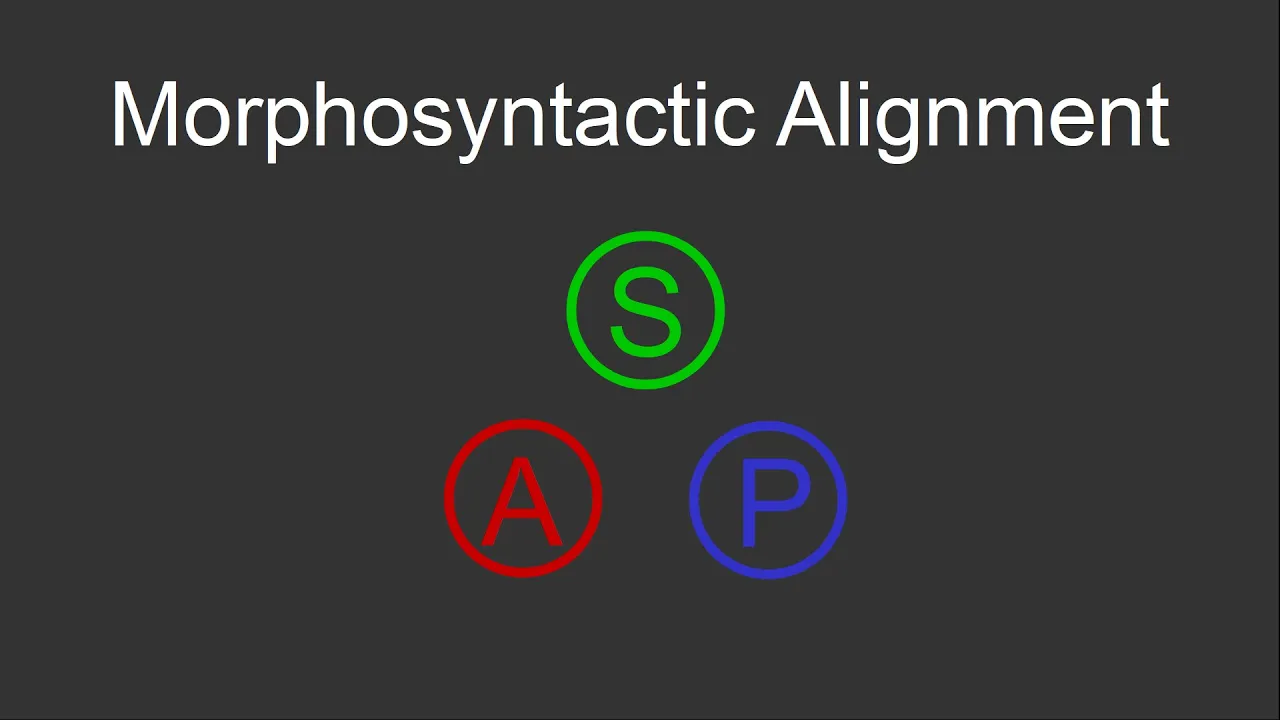
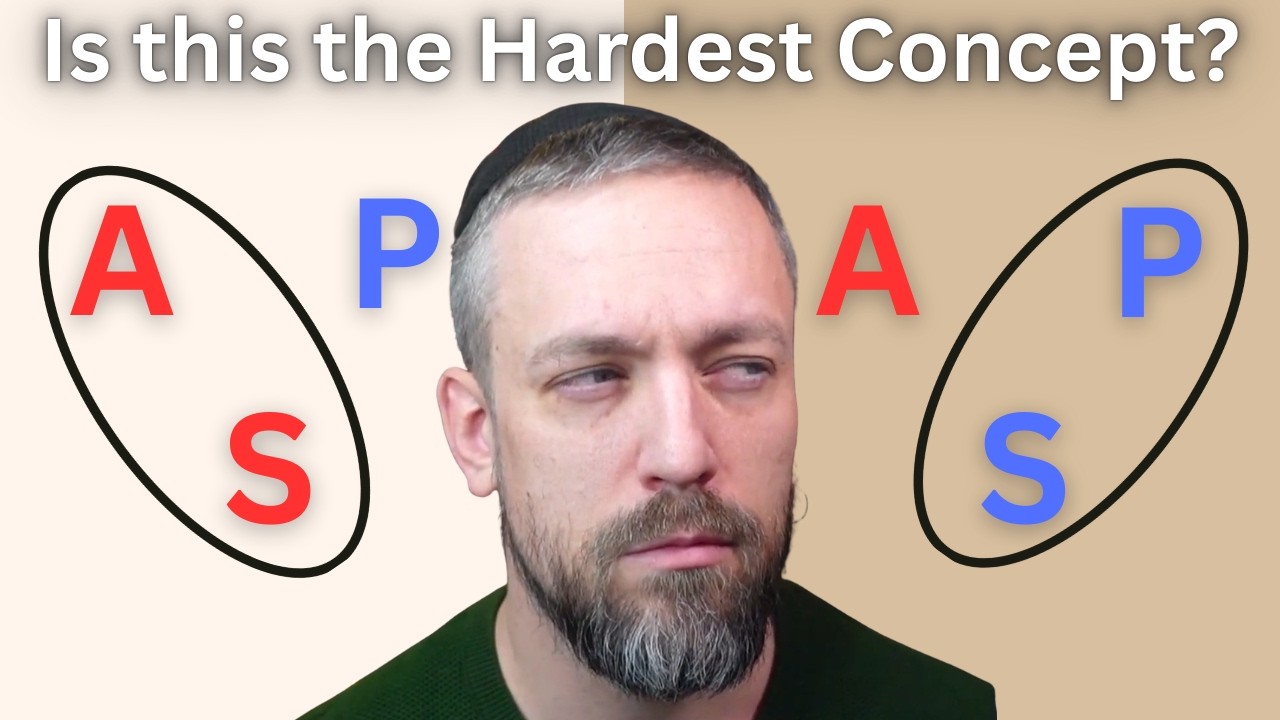
Morphological alignment systems, specifically comparing Nominative-Accusative systems with Ergative-Absolutive and Split-Ergative systems.
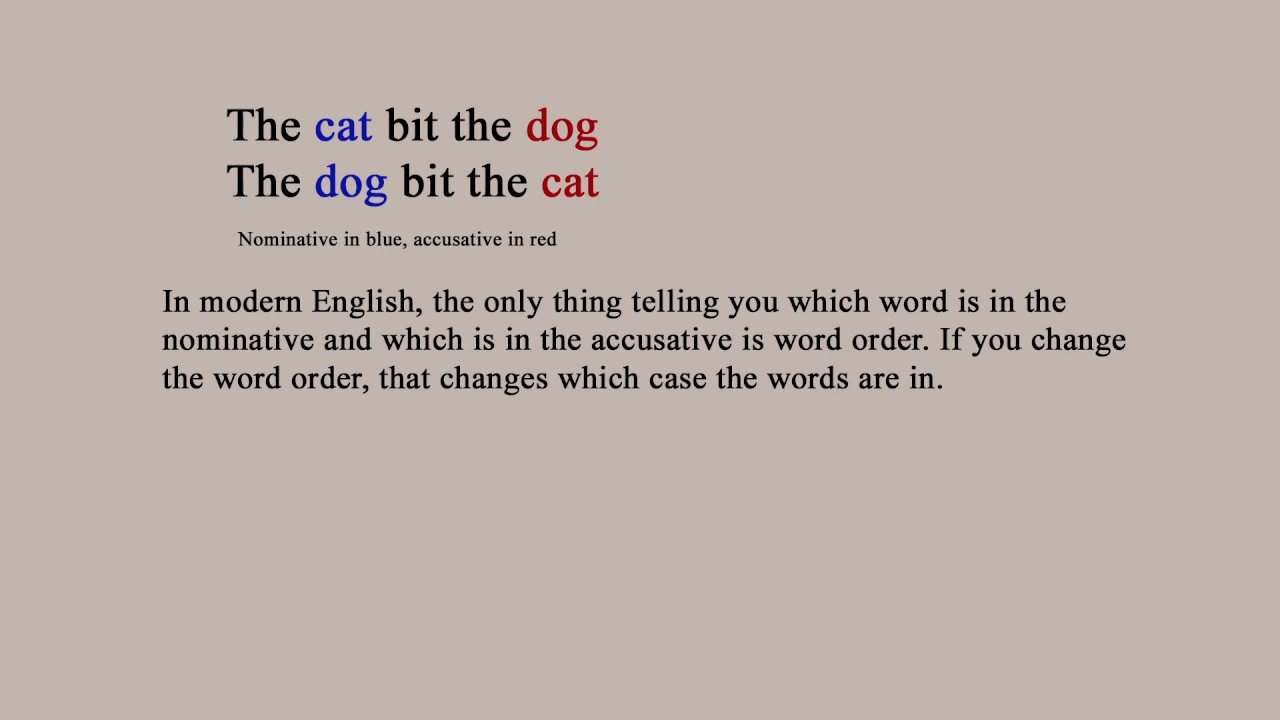
The historical evolution of case systems, such as the transition from Old English's rich morphological case to Modern English's reliance on word order.
Abstract Case Theory in generative grammar, including Chomsky's Case Filter and how structural versus inherent case is assigned in syntax.
In-depth studies of highly complex locative and spatial case systems in non-Indo-European languages, such as Hungarian, Tsez, or Basque.
13K views136likes19:54Original Release: 2012-10-30
this lecture introduces the central properties of case in a cross-linguistic fashion using examples from a variety of languages in particular we will exemplify the notion of case using examples from several languages we will draw a distinction between direct and oblique case and we will define some aspects of what is known as case syncretism the term case latin castle's is a name for the entire class of relational categories applicable to now inflection or declension reflecting the roles played by nouns in sentences and languages differ enormous lis concerning the complexity of their case systems let us illustrate this on the basis of the morphosyntactic part of some entries from the VLC language index at one extreme we have languages such as Finnish Uralic language and this language is well known for its elaborate case system now here are our examples the woman is sleeping 9 and nuchal and we're interested in the form of the item woman our second example yes knocking eysan the man sees the woman and here is example number 3 yes Anton I select Korean the man gives to the woman the book the man gives the woman the book and in each example we have a morphologically different form of the Finnish equivalent of woman 9 and in the nominative case marked as a subject niacin in the genitive case marked as an object and nice Allah marked in the allative case which is something like 2 woman thus in summary a very complex case system and this case system is even more complex if we take cases that not only define syntactic functions but semantic relationships such as the partitive for example chorion ought own I fix the car is first of all the genitive as we know now if we compare that with Cori on out wah I fix some car here we have the party give a different morphological structure and he is in the car is marked as the in Esav some sort of locative relationship and finally out of star he's getting out of the car the so called allative case and I could go on with all the other examples that you can find here if you consult the language index entry finish you can access all these examples so finish is extremely complex as far as its case system is concerned other languages for example the sino-tibetan languages have relatively little or no case marking at all here is an example from mandarin chinese well again the woman is sleeping Ujjain sweet young now compare that with the man sees the woman nyan kindly anujan and finally the last example the man gives the woman the book nyan UAE basil well and in all three cases in all three examples human female the Chinese equivalent of woman does not undergo any morphological alternation so there is no case marking in Mandarin Chinese well in what about English well English has only retained few cases from a formerly very complex case system which is illustrated over here so these are the two cases that are generally left in present-day English for some pronouns a maximum of three cases can be defined the nominative case the genitive case and a case form that is used if these pronouns occur in object positions so let's call it the object case well an in standard nouns as you all know we have just two cases left the genitive case again well and an unmarked case we might want to call it common case or oblique case there are several terms around the common case is that simply the form that is used when the genitive is not used despite the slightly more complex case system for pronouns one could perhaps with some care define English as a language without case distinctions at all but with a special form often in a sort of periphrastic that is complex phrasal form used to express relationships such as the possessive positive etc you know the genitive having exemplified variants of case let us now look at the classification of case in general the notion of case can be subdivided into two central categories direct case or grammatical or syntactic case and the oblique case that is also referred to as semantic case let us start with the treatment of the oblique or semantic case now the oblique case as I said also refer to as semantic case can be expressed in many ways here are two examples from present day English in the car versus into the car and the difference as you may know is a difference between a location and a direction how do we express that in present day English well the semantic relationship is expressed via specific prepositions this can be contrasted again with finish where case endings do the same thing out to sour versus auto on and then we have split systems in German for example this semantic relationship is expressed via a proposition however the preposition is identical for both semantic relations in deme auto in the south or to draw a distinction case inherent in the determiners takes over in dem auto the dative case which marks the locative relationship in the auto where thus is the accusative case could also be the nominative case but here accusative and it marks a directional relationship oblique cases denote a semantic content that is not dependent on structural roles here is a collection of the semantic relationships expressed by the languages in the world either by means of prepositions or postpositions or by means of case we have the positive relationship something like some car the cognitive relationship something like with a car the instrumental relationship something like by again with by means of and then we have locative and directional relationships such as the translated into the car the a lotof out of the car the illative into again and the allative too another object and also we have special relationships such as the Esav which means as a car the abbe Esav without and the instructive with and the ad SF relationship which means on having discussed the variants of the realization of the oblique case let us now turn our attention to the discussion of direct case now direct case as I said already also refer to us grammatical or syntactic case is used to mark the basic syntactic functions subject direct object and indirect object cross-linguistically six direct cases can be identified for subjects and direct objects we find the nominative the accusative the absolutive and the argot of cases and for indirect objects we have cases such as the dative and the genitive case for the marking of these cases two possible systems can be distinguished the accusative case system and the purgative case system now in the accusative case system or case marking system to be precise subjects are generally marked by the nominative and objects of transitive verbs by the accusative case this system can be found in most of the indo-european languages usually the nominative is the base form of a noun and the accusative an inflected variant let us look at the main variants of the accusative case system here is the first one a language with formal direct case distinction and the example I chose from the VLC language index is Russian again I have the three sentences the woman is sleeping the man sees the woman and the man gives the woman the book let's listen first gentian Apsara machine rigid range machine a diode range McNichol and as you can see we have three forms gen scheana is in Chino and Jin China so clearly a formal case distinction a direct case distinction in terms of different suffixes the next variant exhibits a language with partial formal direct case distinction and the example I chose here is German and since I'm a native speaker of German I can produce these sentences myself again same sentences there munch lifts D froze it Damon and the foul gift the mandus puh the man is sleeping the woman sees the man and the woman gives the man the book now what is happening here if you look at the noun itself man man there is no distinction at all but here case is expressive expressed by the inherent marking of the determiner dear the nominative Dean accusative and deem the dative case well and finally there are languages with no formal direct case distinction of the example of course we all know is present-day English so a quick look at it may suffice the man sleeps the woman sees the man the woman gives the man the book so in each case we have the man with no case marking at all let's now contrast this with the ERG ative system of direct case marking well this system draws a distinction between the case marking of the subjects of intransitive and transitive verbs the Caucasian and the Australian Aboriginal languages typically use the ERG ative case marking system here is an example from Georgian now let's first of all listen and again we have the two sentences the man is sleeping and the man sees the woman that's genius quite interesting arts scene us and arts involves an objective consonant the typical feature of Georgian and if you contrast that with the second sentence the man sees the woman at sea I douse cows we have artsy and clearly we have a special case for the subject in the transitive context C is a transitive verb mono transitive and sleep is used in transitively in Georgian so clearly the base form the absolutive form is used in the intransitive context and the ERG ative case is used in transitive contexts having defined the various types of case let us now discuss the question what happens if a language has little or no case marking vs. languages with very elaborate case systems as far as the syntax is concerned and this leads me to the discussion of case syncretism as you may know English underwent several changes from its early period Old English until today one change was the weakening of the case system technically referred to as case syncretism that is a mechanism of merging formerly distinct case forms in Old English for example the period from 600 to 1100 after Christ there were four cases for morphological cases here we have the example of the noun tail talu Tala Tala and Tala Tala Tala for different forms in the singular the syntactic cases talu and Tyler were clearly distinguished in the plural the nominative and the accusative forms had already merged later these forms were leveled to two cases in present-day English the genitive case and the unmarked or common or oblique case now the levelling of cases brought about a tendency towards a more rigid word order why is this so what has word order got to do with case systems well let us illustrate the necessity of fixing the world order where you have fewer cases using an example from German here it is the example is quite simple dear man z10 hunt the man sees the dog and deer man is clearly marked as a subject by means of the presence of a nominative marked determinate there and the in hunt is clearly the object because we have an accusative marked determiner Dean well and this means we can easily change the sentence to something like in one C termini and the situation is the same irrespective of the word order we can interpret this sentence as a sentence where their money is a subject and Dean hunt is the object so what order does not play a role but what about if we take names Marya Z Powell Mary C's Paul now here we just have the known we don't have a determiner well in this case we have a problem if we take powell into the first position then powell clearly becomes the subject whereas maria becomes the object so as soon as we drop the case marking possibilities word order takes over the first item becomes the subject and the item that follows the verb becomes the object so without case marking without case mark determiners in german the only way of interpreting noun phrases or subjects or object is word order with case marking word order is no longer necessary as the key factor let us summarize in this lecture we saw that all languages have to express syntactic as well as semantic relations some languages like Finnish use case to do all this others apply a combination of adpositions that's the head term for prepositions and post positions and word order we also found out that case systems can be defined as direct or syntactic on the one hand and as oblique or semantic on the other yet as we saw some of the direct cases can serve oblique functions as well thus the term syntactic and semantic case are misleading to some extent as we saw German for example marks prepositional phrases with the accusative dative or even the genitive case I didn't give you an example with the genitive case he one vegan minor cooks Mattson because of my headache and so all this depends on semantic factors but all these cases are used as direct cases too and finally I hope to have briefly illustrated the effect of case syncretism that is a mechanism that has affected the English language from its origins until the present day the mechanisms that underlie case syncretism have not been mentioned in this election to find out these mechanisms I recommend you to consult our language typology a lecture types of language change part one
Up Next

15:55
Grammatical Case: Definition, Types & Examples in Linguistics
@LexisLang
3.8K views•2023-03-12
36:52
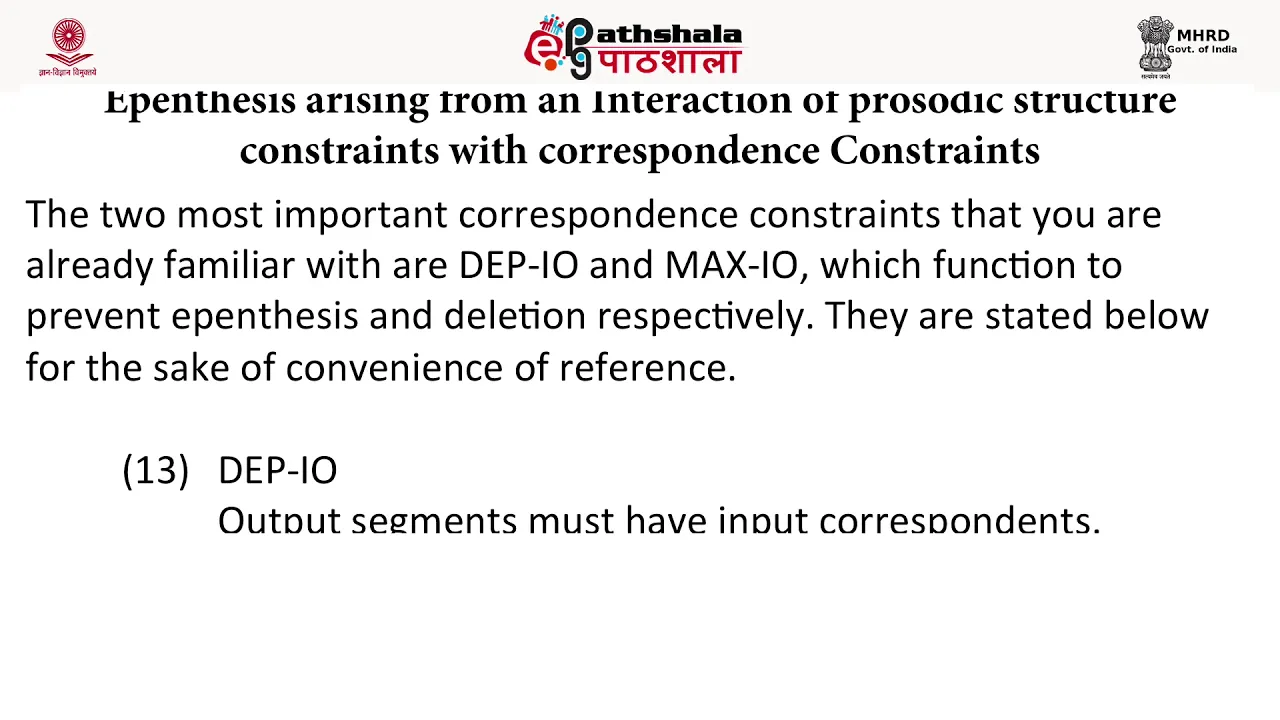
Constraint Interaction in Optimality Theory: Epenthesis & Deletion
@Vidyamitra
180 views•2018-08-20
14:28
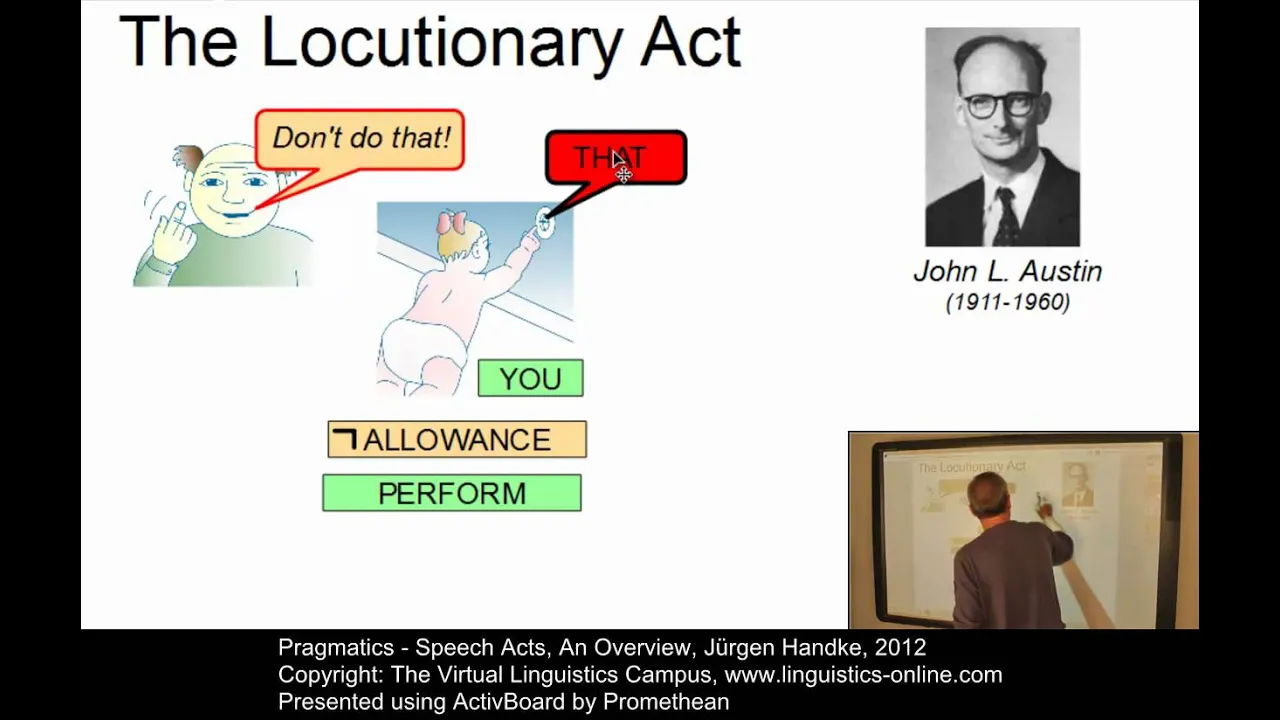
Speech Acts Overview | Pragmatics & Language Use
@oer-vlc
213.8K views•2012-09-16

21:32
Accent Expert Explains U.S. Regional Dialects | Part 1
@WIRED
9.3M views•2021-01-21
Related Study Plans & Knowledge Roadmaps
Structured learning paths in Linguistics
linguistics
Optimality Theory: Tableaux & Constraints
01Phonological Basics: Sounds, Syllables & Rules
02Foundations of Optimality Theory: GEN, CON, and EVAL
03The Constraint Inventory: Markedness vs. Faithfulness
+ 2 more learning modules
15h5 modules
Explore Roadmap
linguistics
Morphosyntactic Alignment: S, A & P Systems
01Foundations of Syntax: Transitivity and Arguments
02The Linguistic Variables: Mapping S, A, and P
03Nominative-Accusative Alignment
+ 3 more learning modules
12h6 modules
Explore Roadmap
linguistics
Analyzing Sign Language: Phonology & Syntax
01Foundations of Sign Language Linguistics
02Phonology: The Five Parameters of a Sign
03Morphology: Word Formation and Classifiers
+ 2 more learning modules
14h5 modules
Explore Roadmap
linguistics
Pragmatics: Speech Acts, Grice & Politeness
01Introduction to Pragmatics: Meaning in Context
02Grice’s Cooperative Principle & Implicature
03Speech Act Theory
+ 2 more learning modules
14h5 modules
Explore Roadmap