![Semantics: Intro to Linguistics [video 8]](https://i.ytimg.com/vi/ycWDuU5eYv0/maxresdefault.jpg)











![اللقاء العلمي: [232] "لسانيات الأحكام القضائية: أسسها المعرفية ووظائفها التدوالية"](https://i.ytimg.com/vi/wQD4bR4AZ30/maxresdefault.jpg)


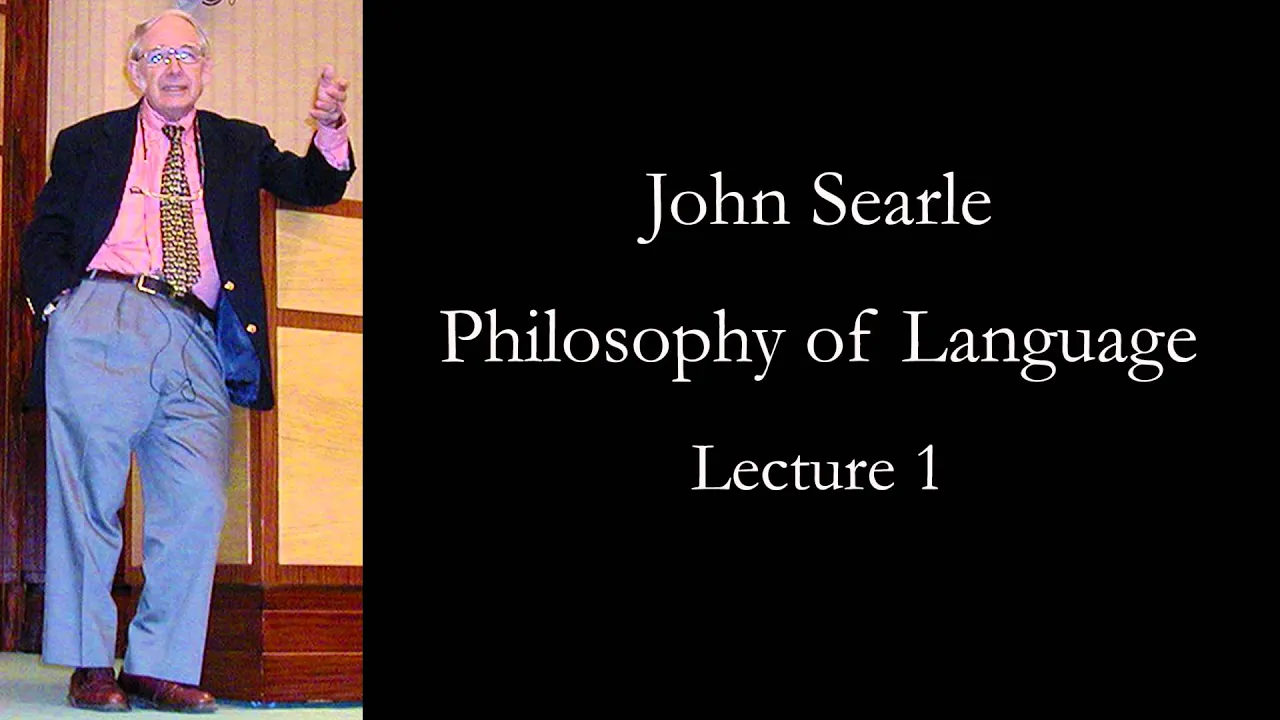
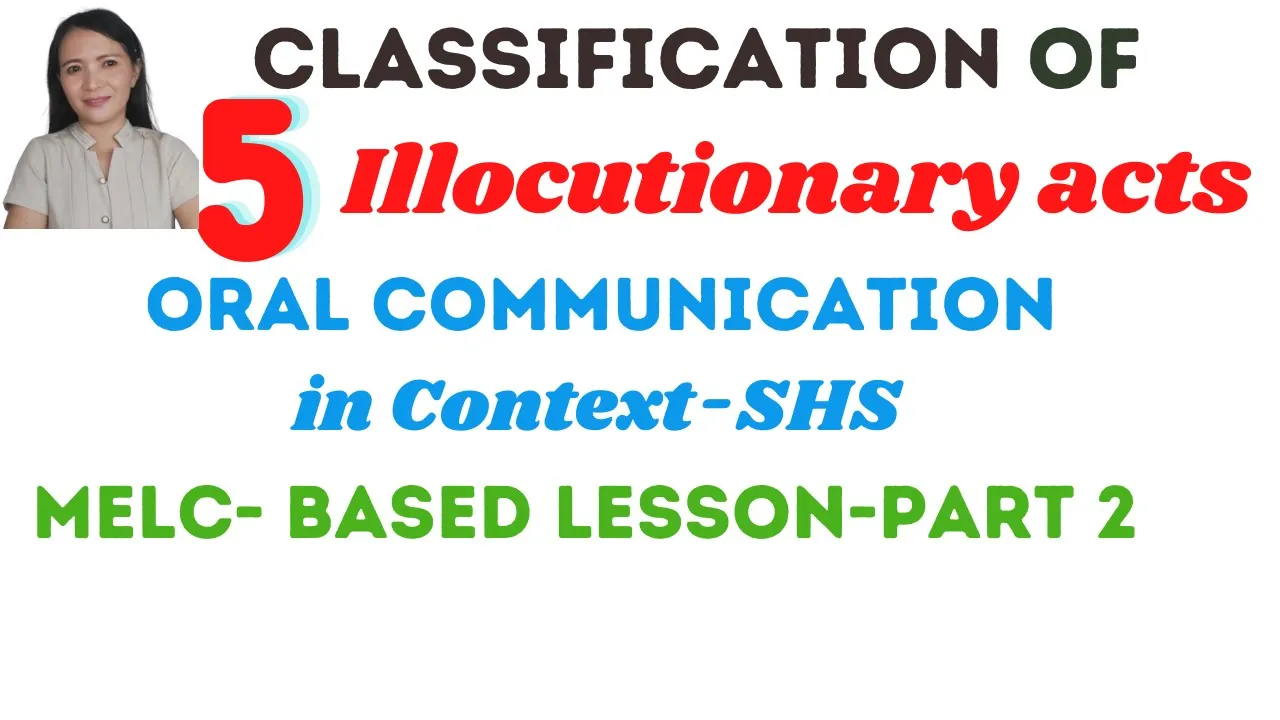
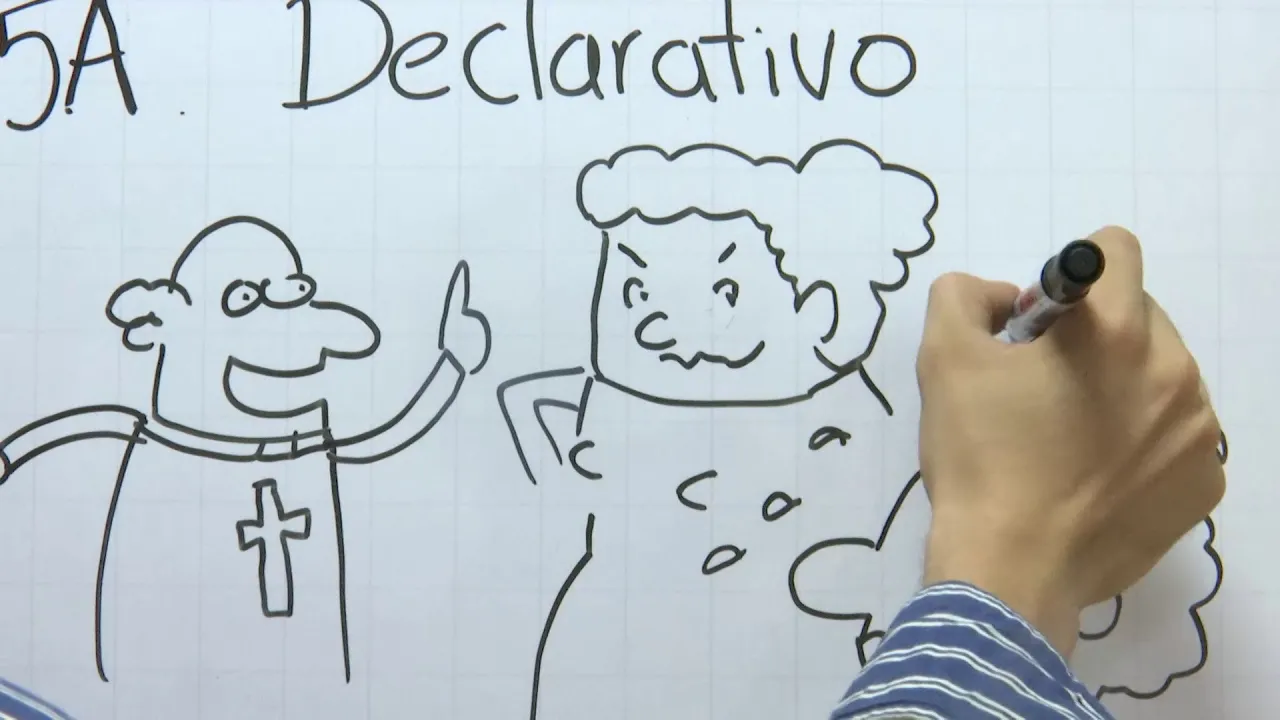
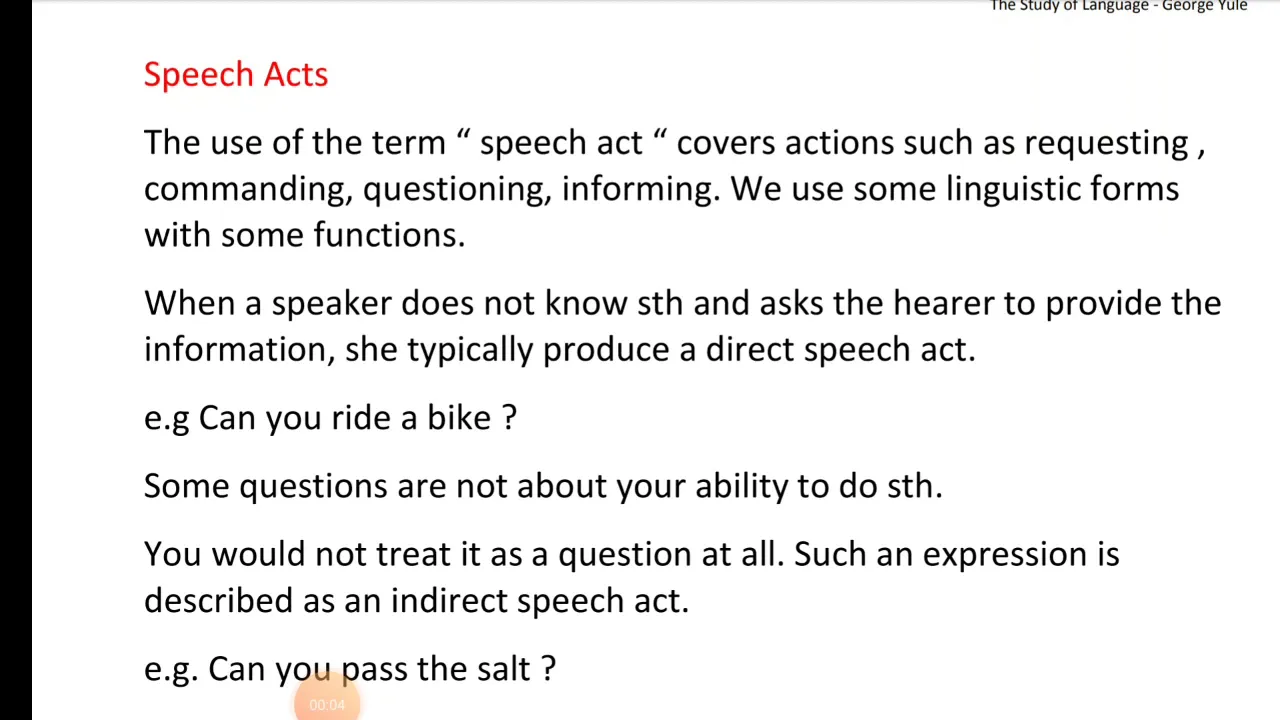
Pragmatics examines how language achieves effects beyond literal meaning by distinguishing between sentence meaning (the abstract, truth-conditional content of words and sentences) and utterance meaning (the contextualized use of language in specific situations). Speech act theory, developed by John Austin and refined by John Searle, identifies three types of speech acts: locutionary acts (the act of uttering a sentence with its meaning), illocutionary acts (the action performed by uttering, such as commanding, promising, or warning), and perlocutionary acts (the effects produced on the listener). Searle further categorizes illocutionary acts into five main types: representatives (statements), directives (commands), commissives (promises), expressives (emotional responses), and declarations (statements that change the world). These acts must satisfy felicity conditions to be recognized as intended, including requirements about the speaker's identity, context, and the relationship between the utterance and the world.
Speech Acts Overview | Pragmatics & Language Use
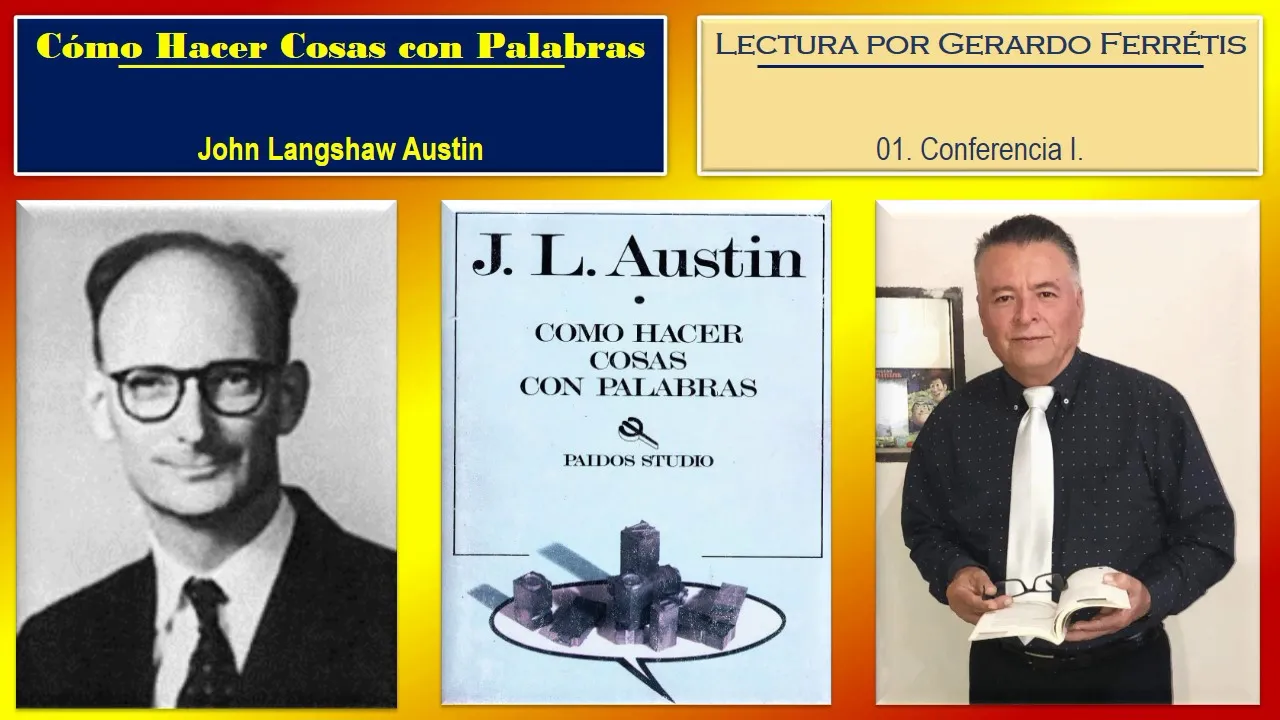
Added:any semantic Theory must give an account of word and sentence meaning explaining their nature and the relations between them yet such a semantic theory has little to say about any structures other than standard declarative sentences or about semantic aspects involved in conversation look at the following anomalies come there please well here the adverb there is illegal in this context rather it should be come here please that is from an external position to the position of the interlocutor or take this one I hereby run to the station well here the adverbial hereby requires a so-called performative verb that is a verb that performs a certain action such as promise declare but run is is not such a b or what do you think about this one here I promise I'll come to your party that's not really me Is It Anyway the term promise normally involves that the address C wants the promise to be realized is that the case here do you really want me to turn up at your party I don't know well here is my final example the table is under the ashtray here we have a problem of perspective small objects are mentioned first if they're related to larger objects thus the table is under the ashtra is only acceptable in this situation if the ashre is at least as big as the table maybe in a fair retail world the goal of pragmatics is to Define these and other nontruth functional aspects of meaning hence a more General approach to meaning the modern use of the term pragmatics goes back to the American philosopher Charles William Morris who defined pragmatics as the study of the relation of signs to interpreters thus we need to make a distinction between the usual meaning of a word or a sentence and the meaning it has in specific circumstances that is we need to differentiate between meaning and use here is an example imagine someone says it's fairly hot in here which is the case because there are all the lamps around me now what does this utterance mean well it probably means that you could say some unknown person notices that the temperature at the location of the speaker is currently above average that's the plain meaning and what about the use well the use could be something like this someone is intended to open the window now this dichotomy between semantics the meaning on the one hand and pragmatics the use is controversial among linguists perhaps the most useful distinction is made in terms of sentence meaning versus utterance meaning where the latter includes all secondary aspects of meaning two Fields constitute the core of linguistic pragmatics the analysis of utterances and the analyses of conversation we will focus on utterances in this e-lecture in a now famous little book entitled how to do things with words which was postumus published in 1962 John langshaw Austin pointed out that a large number of utterances are part of an action that is they are performative for example I hereby name this ship HMS Titanic this utterance is clearly in action as soon as it is uttered by the person who is entitled to utter it the ship will have been named a accordingly thus uttering this sentence is an action of baptism oh here's another one there's a dog in the field well this utterance is likely to be understood as a warning well and how do you understand this don't do that well maybe as an order or a request the peculiar thing about these sentences is that they are not used to state things things that is they're not just conative but rather actively do things furthermore such utterances cannot be assessed as true or false but only as appropriate or inappropriate how this is done has been manifested in speech act Theory now besides the Insight that utterances are used to perform actions speech act Theory assumes that speakers are simultaneously involved in three different speech acts when uttering a sentence let us analyze these acts using our utterance don't do that the first of these acts is the so-called locutionary act this is the act of uttering a sentence with its meaning comprising phonetic and syntactic aspect effects corresponding to any meaningful utterance what does don't do that mean well it first of all addresses an unknown person you the covered subject the address C of the speech act then don't well that's the opposite of allowance this is the symbol for negation in l so someone is not allowed to well to perform something so you're not allowed to perform something what is it that you're not allowed to perform well it's the overt object probably this object here this socket the object of the sentence meaning an unknown entity well as I said in this case the socket so the locutionary ACT is related to the basic linguistic analysis of an utterance Central to speech act theory is the elocutionary act it describes what the speaker does by uttering a sentence that is in performing the locutionary act for example commanding promising threatening warning and so on and so forth the intended effect of an utterance used to perform a a certain elocutionary Act is known as elocutionary Force most elocutionary acts are implicit that is they lack a particular performative verb signaling the act so don't do that is an implicit order however we can easily make an implicit act explicit and locutionary Act is explicit if the utterance contains a performative verb that is a verb that denotes the act the optional adverb hereby can be inserted into such a performative utterance to stress its performative nature well here is the explicit elocutionary act now such an explicit tionary act or performative utterance follows a specific linguistic formula it always has a subject which must occur in the first person singular then we have the optional adverbial hereby and a verb and the verb quite interestingly must be used in the simple present tense now compare the following if I said I am hereby ordering this would not be an order at all it would be an explanation of what I'm doing at a particular time so it must occur in the simple present tense and then of course we have an optional object which if we use it must occur in the second person singular or plural there are some cases where the object could occur in the third person for example in the act of baptizing um I hereby name this ship for example even if you use performative utterances the interpretation might not necessarily be clear my father and I remember this very well often said to me my dear son I promise if you do that again I will it was a warning wasn't it shall I tell you the whole story well I'd better not let's finally look at the perlocutionary act the perlocutionary ACT denotes the effects on the listener by means of Performing the illocutionary act the effects are special to the situation and may or may not be what the speaker intended don't do that well what is the intention well either the speaker succeeds in preventing The Listener from touching the dangerous object or not all speech acts have to follow certain Felicity conditions I love that word an alternative would be appropriacy conditions now these conditions have to be satisfied for the performance of a speech act to be recognized as intended there are cases where the performance of a speech act will be infelicitous or if you prefer inappropriate if the speaker is not a specific person in a specific context here are some examples of declarations I declare open the Olympic Games well can I do it certainly not I'm not the person who is entitled to do so so I have just violated one Felicity condition I sentence you to six months in prison again I can't do that or could you say something like I hereby finish my oral exam you'd love to but you can't because it's your examiner who is entitled to do that so you see declarations just like the other elocutionary acts such as promising or threaten threatening they have to follow certain conditions Austin's approach identifies several such conditions ranging from prep reparatory conditions that is the necessary condition for a speech act such as the correct person who performs it to propositional conditions where an act needs to say certain things about the world which are in line with the speech act these conditions will be discussed in a separate e- lecture about speech acts now many efforts have aimed at categorizations of the types of speech acts possible in language in fact some acts are so Universal and fundamental that they are grammaticalized into the same basic sentence types in most languages so for example into statements into questions into orders however this typology only Associates sentence types with their most literal unmarked elocutionary Force generally the set of speech acts recognized by the speakers of a language is much more diverse and more finely grained a more sophisticated scheme was proposed by John S who was born in 1932 he suggested that all speech acts fall into five main categories Representatives things such as boasting or bragging I'm an excellent footballer would be such an an act directives or commands commissives such as promising well we've heard about some examples here expressive emotional responses something like oh please forgive me and of course declarations with this e-lecture you should now have some basic understanding of the fact that you can actually do something with language and that you can achieve particular effects so pragmatics is more than a mere analysis of language it is the examination of language and its effects you can achieve with it this e- lecture concentrated on the effects you can achieve with utterances a follow-up e- lecture will add the central principles of conversation so see you then
Up Next
Pragmatic Stylistics in Discourse Analysis: Turn-Taking & Implicature
@drkhurram
3.3K views•2022-10-19
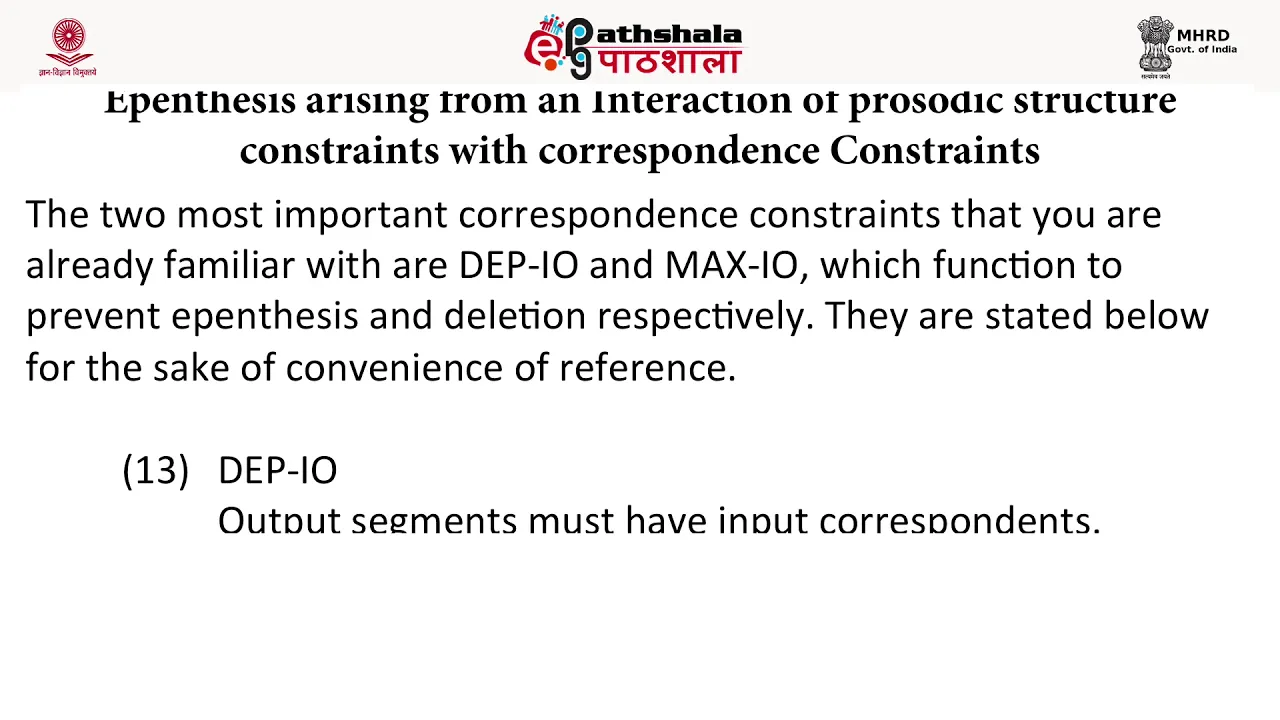
Constraint Interaction in Optimality Theory: Epenthesis & Deletion
@Vidyamitra
180 views•2018-08-20
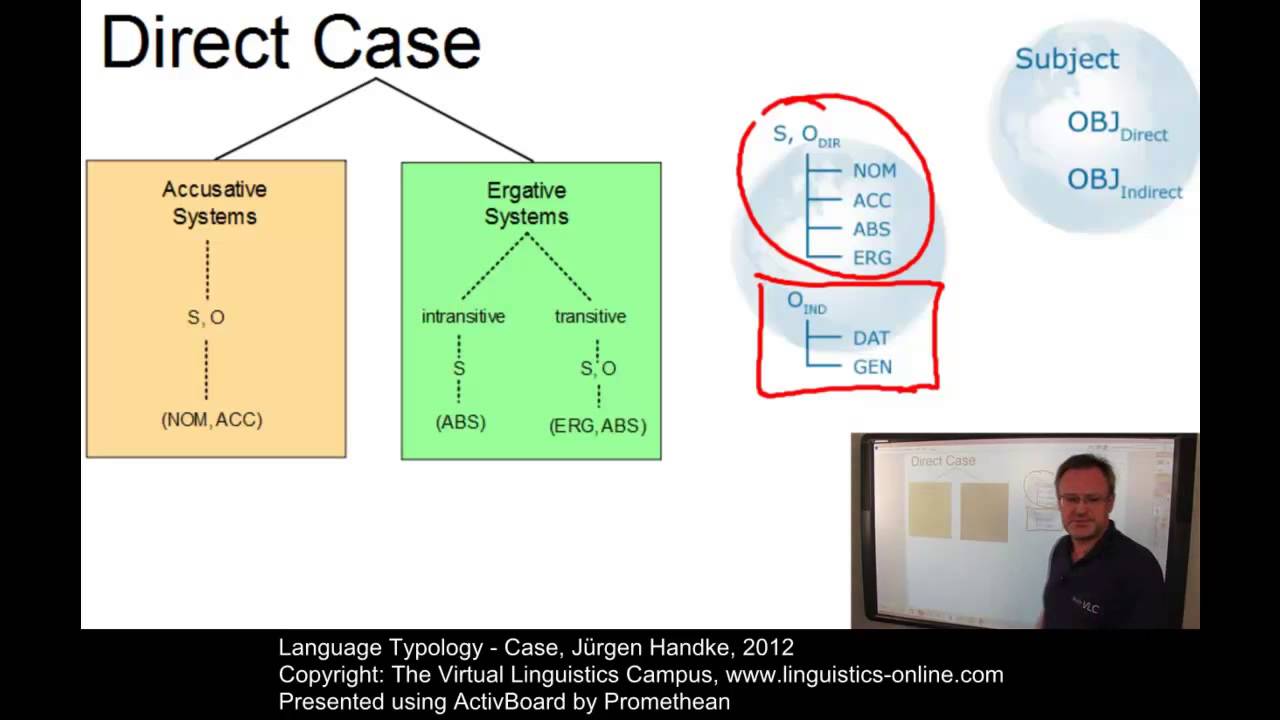
Understanding Grammatical Case: A Cross-Linguistic Study
@oer-vlc
13K views•2012-10-30

Accent Expert Explains U.S. Regional Dialects | Part 1
@WIRED
9.3M views•2021-01-21
Related Study Plans & Knowledge Roadmaps
Structured learning paths in Linguistics