
![PHILOSOPHY - Language: Gricean Pragmatics [HD]](https://i.ytimg.com/vi_webp/we6uSVf4qss/maxresdefault.webp)
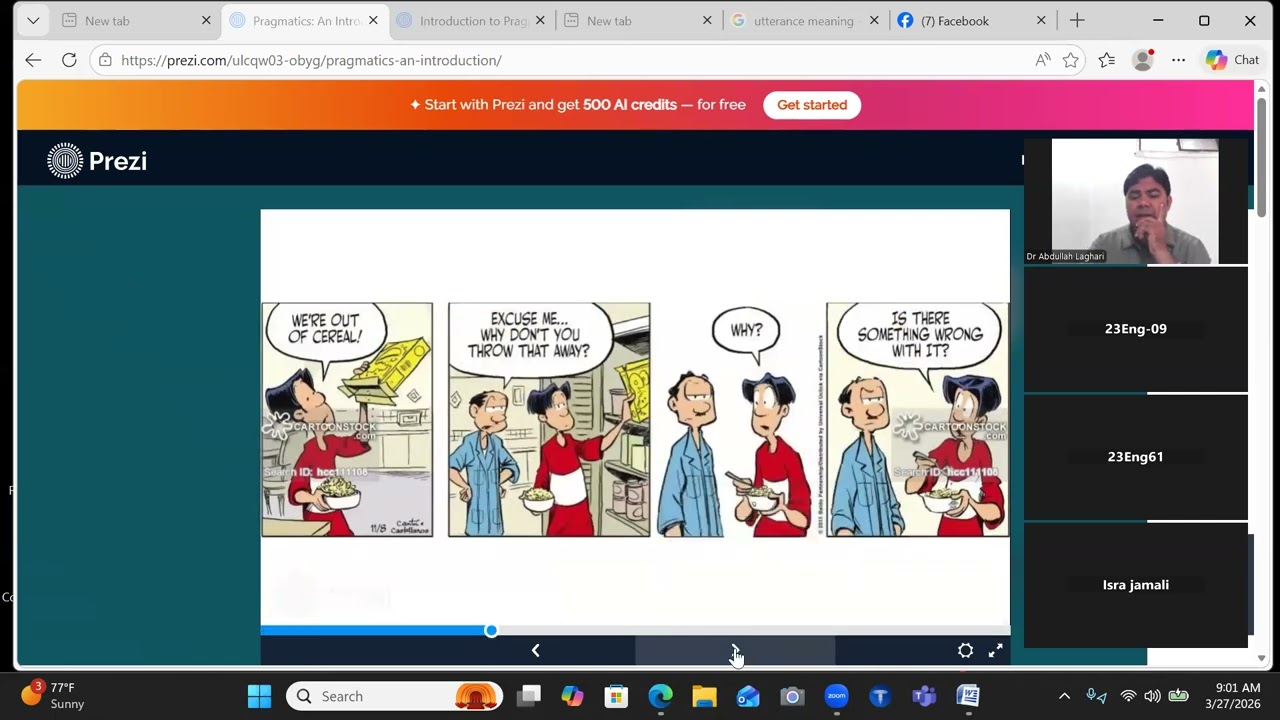

















Pragmatic stylistics applies pragmatic tools like conversation analysis, maxims, presupposition, and implicature to analyze texts at multiple discourse levels beyond just linguistic features on the page. Unlike traditional stylistics which focused only on literary devices in poems, pragmatic stylistics examines how characters interact through dialogue, revealing power dynamics, relationship tensions, and implied meanings that require readers to interpret based on social context and conversational norms. Key concepts include turn-taking showing power structures, adjacency pairs (preferred vs dispreferred responses) indicating relationship quality, and Grice's maxims (quality, quantity, relevance, manner) that speakers often flout or violate for rhetorical effect, enabling stylisticians to understand authorial style and character dynamics through contextual language analysis.
Pragmatic Stylistics in Discourse Analysis: Turn-Taking & Implicature
Added:today I am going to talk about pragmatics and Stylistics up till now we have covered reader response Theory we have talked about effective Stylistics and today we are going to talk about pragmatic Stylistics again we should remember that Stylistics when it came out of formalism new criticism or structuralism it was focusing on words on the page it was focusing on properties of language so properties of language usually we find on the page that how poem is composed what kind of literary devices have been used by the author so all these literary or linguistic devices they are in the form of language and they are there on the page so basically it means that we are doing the stylistic analysis at just one discourse level there are other levels of discourse as well since Stylistics it was focusing on poems in the beginning so poems were usually short and teachers were manipulating those poems in the classroom to teach language to make people understand that how the concept of defamiliarization it works in literature how the concept of deviation and parallelism they work in literature how language is foregrounded how deviation is foregrounded so usually that analysis was at one level of discourse but when we read today fiction when we read today novel we see that there are various levels of discourse and at various levels multiple analyzes multiple meanings multiple interpretations can be created for example in poem the author is producing a text is producing a poem for the readers but when we talk about fiction or novel we see that there is an author who is producing the text for the reader and then there is a narrator who is telling the story to the narrative for example in the novel the Heart of Darkness we see the narrator sitting on the deck he is there on a boat and narrates they are sitting also there on the deck of the boat and narrator is telling the story to the narrative so that is another level of analysis where multiple interpretations will be made where multiple meanings will be created then when the narrator is telling the story to the narrative there are many characters and these characters are interacting with one another and when they are interacting with one another they are using language they are using language in the form of dialogues so we should remember that discourse has got multiple levels so stylistic analysis at multiple levels is required therefore Stylistics came into being and since therefore pragmatics came into being and since Stylistics takes ideas critical tools from various subjects from various disciplines it gets data in the form of words okay and we are supposed to give the interpretation we are supposed to see how the author is making use of language and he or she is producing his or her distinctive Style so we will have to see how interaction is working on how interaction is going on between different characters what kind of language they are using how they are producing the discourse so Stylistics brings in conversation analysis Stylistics takes ideas critical tools from conversational analysis from discourse analysis in conversation analysis which I have already uploaded my video you can watch that video in detail I have talked about conversation analysis but here to some extent I will be talking about conversation analysis again because characters are involved in the Drama characters are involved in the novel and they are producing talk they are producing discourse so Stylistics takes helps from conversation analysis and garfinkel and Goffman in 1970s when they were working and using ethno methodological analysis they took the data from the conversation of the people and they analyzed the conversation basically it was a telephonic data which was transcribed and then analyzed so stylisticians they bring in the ideas of conversation analysis and they use it in Stylistics so we have seen stylisticians like Burton and mandala and they have demonstrated that how structures are apparent in fictional dialogue showing conversation analysis to be an analytical method which is appropriate for stylistic analysis so there are many things in conversation like opening conversation closing of conversation feedback in conversation turn taking in conversation I cannot discuss all of them here they are there in another video that is conversation analysis but some of the ideas as I have told you will be discussed here so one of those ideas is the idea of turn taking how people they take turns and in turn taking we have got constructional units and we have got turn allocational units when one speaker is speaking the other is listening and then the one speaker either he or she nominates the other person or the other person who is The Listener right now grabs the turn takes the turn takes the floor and then he or she gives the answer replies back so when we are talking about turns what we see that turn sometimes it is given to the other person willingly and sometimes the other person he takes it from the first person or sometimes the person who is taking long terms making long speeches creating long sentences and grabbing the floor it means that he is a powerful person he she is a powerful person so even in you know pragmatic analysis we are looking at the power structures that how they work so sometimes uh uh you know the person is weak physically he is short in stature and the other person is quite tall in stature bird the kind of role that this short man is having in the society it is very important that is why he grabs the floor for a longer period of time and speaks and speaks and speaks and the other person is on waiting so it means that here the power is residing with that person who is a short statured but because of his role he is very dominant in the conversation so we should also understand here the concept of Aegis and C pairs when one person speaks the other person gives the answer so we get two parts of the pair first pair part and second pair part in Urdu we have assalamu alaikum and the other person answers so in this way we have got AJ Sensi pair first pair part assalamu alaikum and second pair part Salaam so it has made agency pair and when the speaker is speaking he has certain ideas about the person and he has certain expectations that what kind of answer is going to come from the other person you know we have got the concept of presupposition in pragmatics so when we are speaking with the other person we know the background of the person we know the context in which we are talking we know the setting in which we are talking we know our role we know the role of the other person we know what are our expectations from the other person we know what he is going to understand and what kind of answer he is going to give sometimes we have presupposition and we know that this is the expected answer and sometimes there are certain unexpected answers as well or there is no answer at all as well I don't want to make a long video so I will not be covering each and everything related to pragmatics here but some of the ideas and then I'll make another video of pragmatics and Stylistics so presuppositions concept is being discussed taking into consideration the context taking into consideration the knowledge of the World Knowledge of the person with whom we are talking so then accordingly we speak I know from whom I can ask for money I know with whom I can share my personal ideas I know with whom I will have to be at a distance I should not cross my space or his space so it it all depends on the kind of relationship that I am enjoying with that person I was talking about turn taking I was talking about Aegis ncpear so here the author talks about good morning of course the second pair part will be good morning but if one person says good morning and the other person says off look at the kind of Expressions that I have given off it means the person is not happy the person is not going to say good morning in response so it is a dispreferred AJ Sensi pair it is a dispreferred second pair part which is uttered by The Listener who was the speaker then instead of answering saying good morning he said off and same is the case if I say assalamu alaikum and the person is angry with me and he does not want to talk to me so he says I don't want to talk to you though it is not a preferred second pair part it is a disreferred second pair part which is uttered by the person but it gives us the idea there is an implicature which is implied here it tells us it tells the reader that the relationship between these two characters is not good so interpretation the role of interpretation has to be there interpretation has to be carried out now pragmatically we understand that these two people are not on good terms so one is saying good morning the other is saying off one is saying assalamu alaikum they are saying so second pair part is not preferred it means that author has not written all these things there are only dialogues there is only text so pragmatic analysis at the level of another another level of discourse is required So pragmatically speaking we understand it means that these two people are not on good terms we understand that there is something bad in them that is why they are not talking the way they should talk the author has given the example from Dennis Potter's television drama Pennies from Heaven so there are two characters John and Arthur John is very late today these two people are married they are in their mid-30s Arthur is going back home and it is late night time John is asleep but when Arthur enters the room of John and Arthur John gets up now John speaks and she says have you been drinking Arthur now Arthur was not expecting this question maybe he was tired maybe he was having some issue maybe he could not come on time because he was on duty so he mimics he copies the sentence of his wife and he says have you begin drinking Arthur look at my facial expressions look at the way I have copied this sentence so author is not telling us that what is going on between them pragmatic interpretation is required at another discourse level the reader understands because reader is also part of the society so you should also understand that this is how discourse is produced that this is how dialogue goes on between husband and wife so maybe right now they are in angry mood so interpretation is required you will have to add you will have to write you will have to see the situation you will have to understand the cognitive context in which John was and the way Arthur copied the sentence of John have you been drinking Arthur so multiple interpretations can be made so in conversation analysis from conversation analysis stylisticians they bring in their tools for analyzing the data which is given there in the form of dialogues if they are novels or if they are dramas but we can apply the ideas of conversation analysis on dialogues and of course when there is conversation there is context there is setting there is presupposition there is implicature that how do we imply meaning for example there is another example given in the text two friends they are talking friend one says a says what about going to the cinema so it is an indirect question he is not directly asking you that you should accompany him to cinema but he has of course asked you indirectly and politely that if you could accompany him so the answer which is coming from the speaker B is well the word well itself is telling the story that the person is not going to say yes it means that some other negative dispreferred unexpected response is going to come well uh I have got an essay to write so he has used dispreferred Fair part and in this way this is again AJ Sensi pair so in this preferred pair part it could be preferred as well it is up to you that how you interpret how you have gone through the whole situation but right now it looks to me that this is dispreferred pair part because he was not expecting this answer so the answer has come well uh I've got an essay to write so he has refused to go with that person to the cinema and this is what we do in our day-to-day conversation in our day-to-day life when we are interacting with our friends we know with whom we are going to make a request and with whom I will catch him grab him from the hand and I will say you you will have to accompany me let's move you cannot say no to me so it depends the kind of relationship that you are enjoying with that person so pragmatics which means that how language is used in context it helps stylisticians to carry out the stylistic analysis of a novel of a dialogue of a dialogue which is there in the drama and even in prose and I have talked about presupposition as well so there is conversational implicature as well so sometimes there is you know conversational implicature we talk about Grace Grace maxims maxim of quality quantity relevance and manner so quality says that we should be truthful but there are people they are Masters they will tell the LIE sometimes there is flouting when you do not tell Li you use metaphors and similes you exaggerate the situation but you want the listener should be able to understand that you are flouting your intention is not to deceive The Listener then you are floating but when your intention is to deceive The Listener then you are violating so in all kinds of contexts in all kinds of dialogues in all kinds of text we see that people do not follow these four maxims that Grace has given in pragmatics maximum of quality tell the truth if you have evidence for something then say it otherwise don't say it and say whatever is required do not say more do not say less quantity do not add further examples or further things in Urdu we call it Mirchi masala do not add milk Masala do not go for exaggeration and then we have got relation give a relevant answer somebody is saying what time is it tell him or her the exact time or the plane landed at six o'clock maybe the plane landed at six four but you are saying at six o'clock so you are not telling the exact time and then manner your style how do you say it you should not have ambiguity in it you should not create okay ambiguity multiple meanings this is what Grace says when Grace talks about you know maxims four maxims but all these people all these texts all these discourses they do not follow Grace maxims you will find Mirchi Masala you will find that people they are adding that people they are exaggerating that people are not telling the truth they are lying so examples have been given in the book as well again from politicians okay that usually they do not tell the truth okay and they are very clever sometimes they even do not give the answer when they do not give the answer that is called opting out that you do not give the answer you say no you you don't even say no but then implicature is implied you will have to make the inference that what kind of discourse is being produced what kind of meanings are there I don't want to read these examples okay these examples are there but we have our cultural restraints and constraints so if we give I give you the examples from our politicians okay uh you ask them a question how did you get all these okay plots and money and so many other resources so sometimes they they become quiet and they they do not give the answer and they say go ahead some some other answer give some other question so when you do not give the answer this means opting out okay in Stylistics so in dialogues you will find that people opt out for certain at certain places at certain times they do not give the answer so not only do they you know violate and flout the maxims but sometimes they do not even give the answer so this is the first part of pragmatic Stylistics that I have talked about I have been asked that I should not make longer videos so I will be making another video because there are many other concepts of pragmatics that we will be discussing later on but today I have talked about that how language is used in context what is the role of pragmatics in Stylistics and how pragmatic analysis helps the stylisticians and they can come to know about the style of the author of the text producer and some of the ideas like presupposition implicature flouting or violation of the maxims and turn taking we have talked about today thank you very much
Up Next
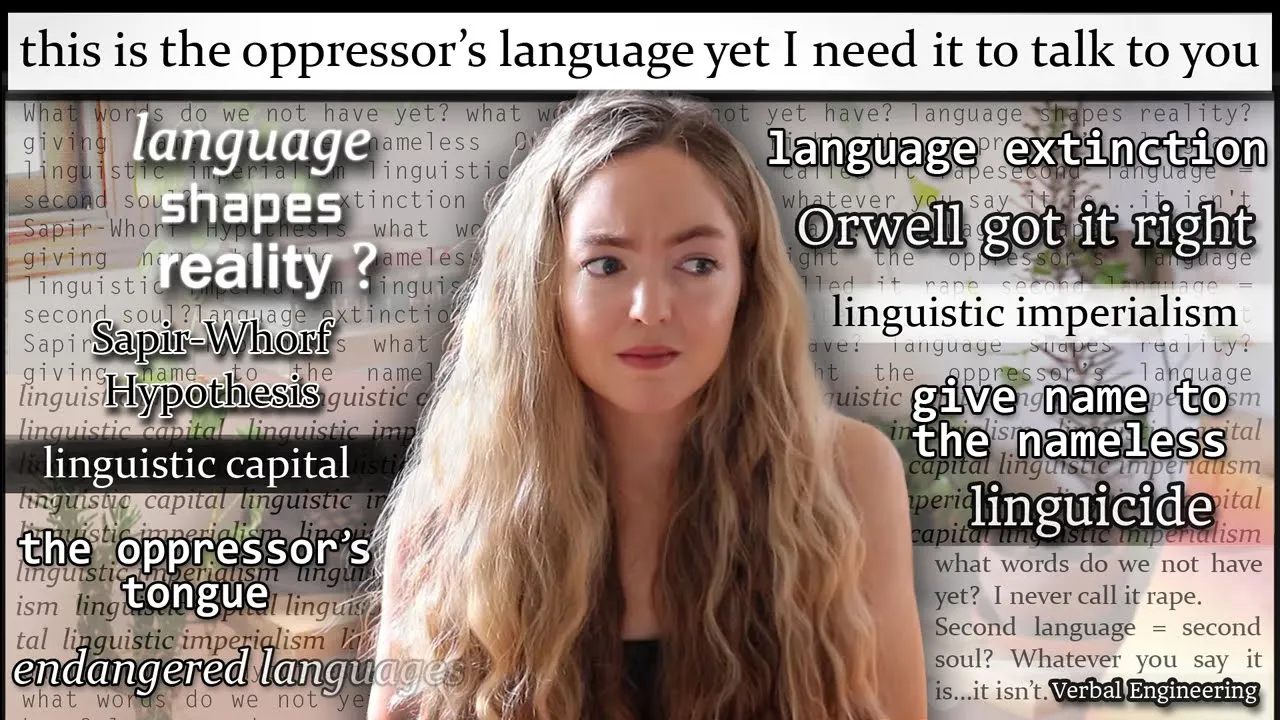
How Language Shapes Reality: Oppression and Liberation
@Kathrin_yt
13.6K views•2025-01-30
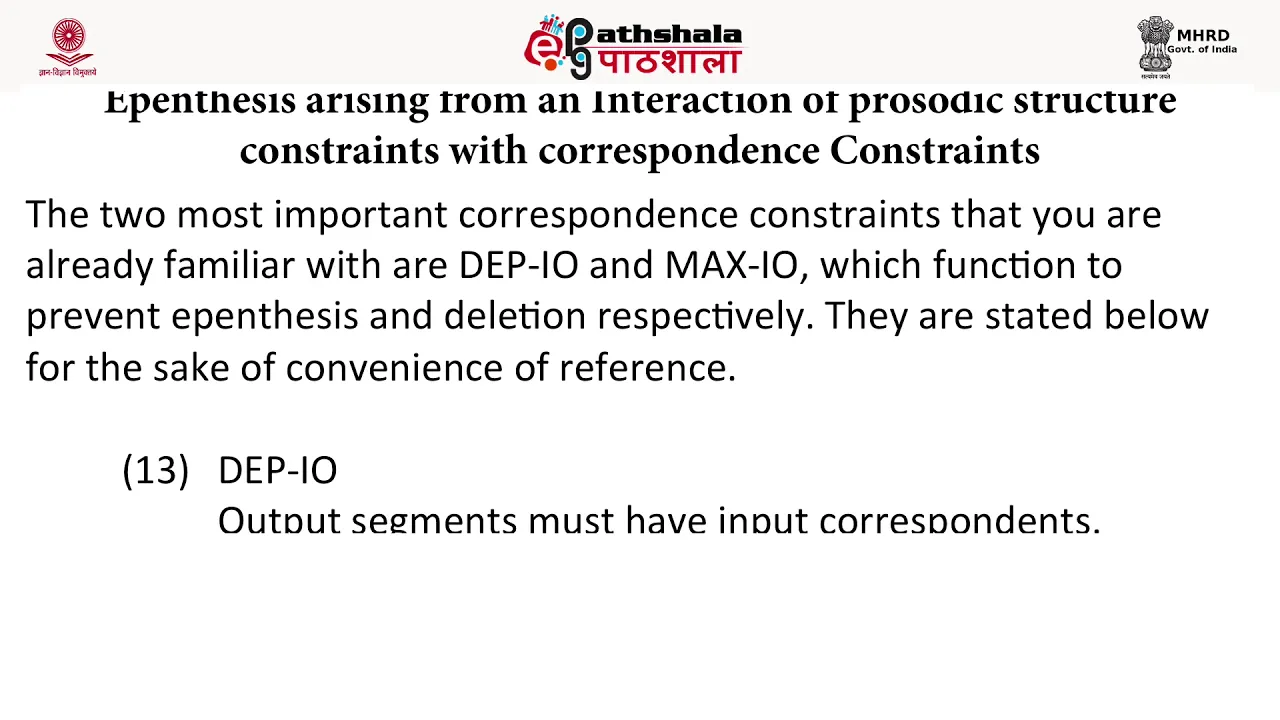
Constraint Interaction in Optimality Theory: Epenthesis & Deletion
@Vidyamitra
180 views•2018-08-20

Forensic Linguistics: How Language Solves Crimes | PBS
@pbsstoried
1M views•2024-01-25

Accent Expert Explains U.S. Regional Dialects | Part 1
@WIRED
9.3M views•2021-01-21
Related Study Plans & Knowledge Roadmaps
Structured learning paths in Linguistics