










![Powell Is About To F*CK Crypto Over At Jackson Hole! [Arthur Hayes]](https://i.ytimg.com/vi/xbWP_yon90Q/maxresdefault.jpg)







Human civilization is created by repeated applications of status function declarations—speech acts that make something the case by representing it as being the case—which generate institutional facts (money, property, government, marriage) that possess deontic powers (rights, duties, obligations) independent of individual inclinations, thereby explaining how humans differ from other animal societies despite sharing biological continuity.
John Searle: The Logical Structure of Human Civilization | Social Ontology Explained
Added:The distinction between 'brute facts' (physical realities like gravity) and 'social facts' (human-constructed realities like currency).
Basic concepts in the philosophy of language, particularly J.L. Austin's work on performative utterances and Speech Act Theory.
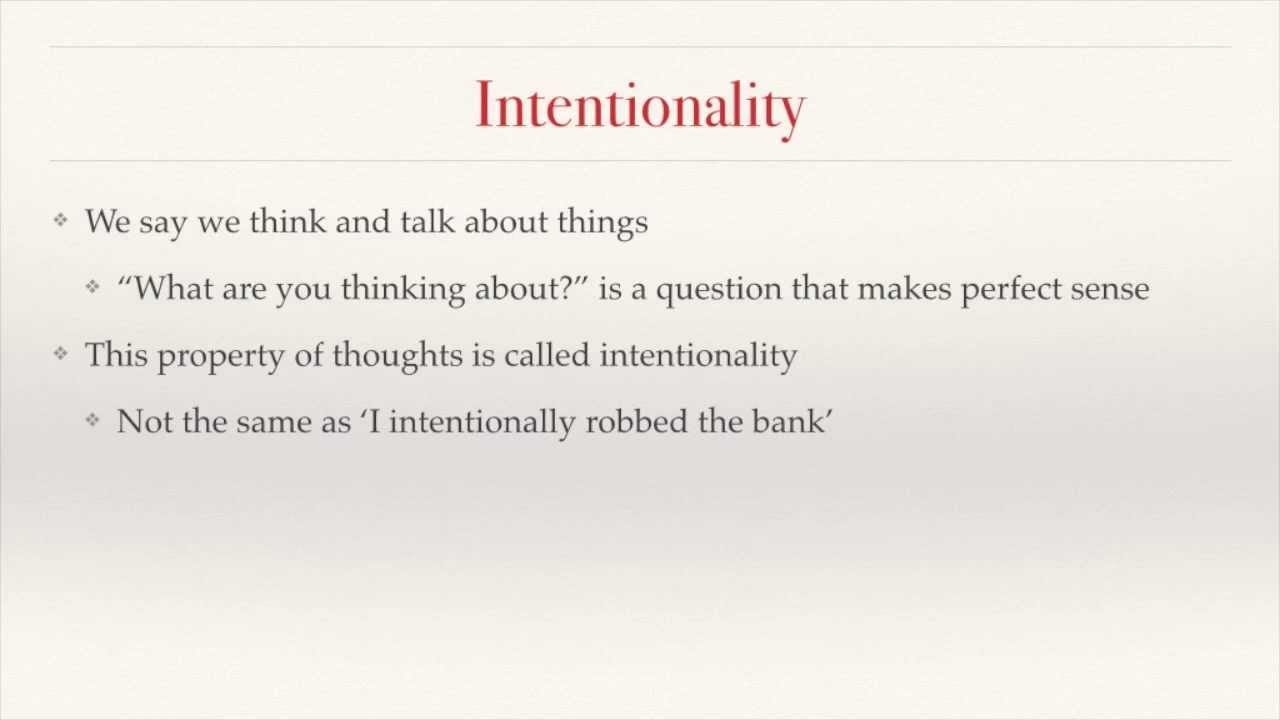
The concept of 'intentionality' in philosophy of mind, specifically how mental states can represent or be about things in the world.
An introductory understanding of ontology, the branch of metaphysics that studies the nature of being, existence, and reality.
Exploring advanced debates in collective intentionality and social action (e.g., the work of Margaret Gilbert and Michael Bratman).
Applying status function theory to modern digital phenomena, such as cryptocurrency, NFTs, and virtual economies.
Analyzing the role of institutional decay and how social institutions lose their collective acceptance and cease to function.
Investigating critical social theories to examine how Searle's ontology accounts for power imbalances, systemic inequality, and marginalized social identities.
201.4K views4.4Klikes1:14:32Original Release: 2022-07-27
all right the question that i'm going to talk about is i think the largest question in contemporary philosophy today and in a way it's the largest uh question in intellectual life and the question is how do we give an account of ourselves that is consistent with what we know about how the world is anyhow you see the central fact about knowledge is it grows and we know a lot more than we did 100 or 300 years ago and we have a pretty good idea about the basic structure of the universe roughly speaking it's a matter of physical particles in fields of force particles probably the wrong word maybe there's strings or points of mass energy but anyway i leave that i'm paying the physicist to sort that out okay but now if the that's how what the universe consists in is physical particles those physical particles are mindless and meaningless and yet we think that we have lives that are full of consciousness rationality intelligence language ethics aesthetics politics and all sorts of other things now how do we reconcile the basic physical structure of the universe with our conception of ourselves as conscious rational free agents now maybe we won't succeed in reconciling it maybe we'll have to give up on certain things like free will but at any rate we should start out assuming that our self-conception is more or less accurate and that we that what we've learned from the natural sciences is accurate how do we reconcile the two and it's not enough that they should be consistent you've got to show how the human reality is a natural outcome of the more basic reality you've got to show how once you got protons you're going to get presidents and once you've got electrons you're going to get elections the one has to be a natural consequence of the other okay now last time i talked about one aspect of that problem and that was consciousness and i think that the big mistake in our history is one i pointed out last time and that is the effort to deny that we live in one world the effort to say well really there are two worlds that we live in a physical world as described by science and a spiritual world and i think that is a deep mistake i'm going to resist that that i'm going to say we live in one world and i now have to show you how the things that we think are distinctive of human civilization are part of that one world and they're a natural consequence of the more basic reality so i'm going to be talking about uh what uh you could call to use a fancy jargon social ontology the mode of existence of such social phenomena as money and property and government and marriage and universities and universities and income tax deductions and so on there's a huge range of the social ontology now philosophers like paradoxes and i'm going to start with a paradox all of this human reality is created by human consciousness by created by subjective consciousness and yet it's an objective fact it's an objective fact uh that i'm a citizen in the united states that the piece of paper in my wallet is a 20 bill and so on how can there be an objective reality created by human subjectivity now those of you who came tuesday know the answer to that the ontological subjectivity the domain does not prevent us from having an epistemically objective account of that domain it's true human consciousness has to create institutional reality but once created we can then state objective facts about it it's an objective fact that i'm a professor in berkeley a citizen in the united states that i owe a lot of credit card debts and all this kind of nonsense that we all live with all right now how does it actually work what is the nature of the existence of this reality and how do the here we are you see i like to think of our history we are as far as we can tell i darwinian natural selection has suited us just fine for a hunter gatherer existence and we apparently haven't had much change in our gene pool in the past 30 000 years but we've had an enormous difference in the mode of existence of human life in those 30 000 years and i want to talk about what the structure of that is and i'm going to begin by contrasting us with other animals it's it's a good idea uh and a good beginning point to think that we are continuous with other animals we know enough about biology to see the commonality between us and other animals especially us and the primates all the same with all the commonality there is a whole range of terrific differences between us and any other animals known to me my dog my favorite example here is very intelligent but he's not worried about what he's gonna do for christmas vacation or how how he's going to handle the income tax this year he just does not have that kind of worry now what's the matter with him is he uh is he being irresponsible uh well no i think we have an apparatus that gives us a kind of power that he doesn't have and the first notion i want to introduce is the notion of an institutional fact we have the capacity to create institutional facts facts that presuppose human institutions facts like the fact that you are students and faculty members of the university of indiana or that your citizens of the united states and we need to contrast institutional facts with brute facts and the question is how do you get from a world of brute facts facts that don't presuppose any institutions facts like the fact that hydrogen atoms have one electron and the earth is 93 million miles from the sun how do you get from those brute facts to facts about uh money and citizenship and property and marriage and it seemed to me there was a rather simple answer to that question and i'm going to give you that answer it doesn't quite work but it's pretty good and then i'm going to improve on it it seemed to me it's rather simple you need just three things to get from brute reality to institutional reality first of all you need this remarkable capacity that humans and many other species have to cooperate uh there's a piece of jargon that that we use to describe this you need a capacity for collective intentionality for the ability to cooperate with other people okay so you got now these beasts running around the woods and they're able to cooperate with each other what else do you need well humans have a remarkable capacity that some animals have but not all animals and that is they can impose functions on objects they can take an object and give it a function so i'm sorry to give these sorted examples but my pockets are full of objects that will perform various sorted functions like combing my hair or writing on paper or things that are too unmentionable to describe but all of these are functional objects now notice an interesting thing they perform their functions in virtue of their physical structure so i can write with this damn thing but i can't comb my hair with it and i'll i'll show you a thing that i can comb my hair with but i can't write with it all right so far so good but then humans in their in their ingenuity have invented a great idea and it is really the origin of civilization here it is you can assign functions to objects and people where the function is not performed in virtue of the physical structure or not solely in virtue of the physical structure but in virtue of the fact that we have assigned a status to the person or the object and with that status a function that can only be performed in virtue of the collective acceptance of that status by the community or at least a sizable number of the members of the community and that's the first basic idea i want to introduce is a notion of a status function all functions are observer relative it only has the function because we have assigned it the function but status functions are remarkable because the status function doesn't perform the function in virtue of its physical structure but in virtue of what well in virtue of the beginning we can say the fact that people accept it as having a certain status and now show off even more sordid objects i carry around with me here is another object that performs a function it's a five dollar bill but unlike that other stuff i showed you it doesn't perform the function in virtue of its physical structure it performs the function and virtual effect that we accept or recognize or agree it's in virtue of our attitudes that it performs the function of the five dollar bill not in virtue of its physical structure so the question we have to ask is how does that work that's an amazing phenomenon and for a long time it seemed to me that the key to understanding this was that there are certain kind of rules which i call constitutive rules to distinguish them from regulative rules regulative rules regulate uh previously existing or independently existing forms of behavior drive on the right hand side of the road that's a regulative rule but not all rules are like that some rules constitute the very behavior that they regulate because performing the behavior consists in acting in accordance with the rules or at least with a big enough subset of the rules the philosopher's favorite example is always chess it was not the case that a whole lot of people were pushing bits of wood around on boards and some genius said fellas we got to get some rules because you're always banging into my bishop with your knight no it's not like that rather playing chess consists in acting in accordance with these rules and system typically these rules come in system the rules of chess are the rules of football or a much more powerful example the united states constitution it's a set of constitutive rules now what do they look like these constitutive rules where they have a peculiar structure they have the structure where something counts as something that it so to speak isn't intrinsically x counts as y in context c so to take our chess example such and such a position counts as a legal night move such and such a position counts as you being in check such and such a form of check counts as you being in checkmate getting a majority of votes in the electoral college accounts as being president-elect and being sworn in by the chief justice of the supreme court counts as becoming president of the united states you build this structure up where you count something as something else and it seemed to me that's how we do it we build civilization by repeated application of constitutive rules now you might think well that's too pathetic an apparatus you can't build civilization with that it looks too fragile but it has two formal properties that are remarkable one formal property is it iterates upward indefinitely so watch i make noises through my mouth they count as sentences of english some of those utterances of sentences count as the making of promises some promises count as undertaking a legal contract now watch what's happening in this case we have x1 counts as y1 but y1 equals x2 and that counts as y2 and we keep going up so in the case of a marriage in the case of the contract making the noise counts as making a promise making that promise makes as counts as performing creating a certain kind of contract and certain kinds of contract count as getting married now in the state of california when you get married all hell breaks loose from an institutional point of view you're entitled to spousal benefits and pregnancy leaves even if you're a male you can get a pregnancy leave and i don't know what theory they have but in any case there are all these things that go on when you get this institutional status so you have the status whereby you are married that's an institutional fact and that gives you a set of status functions you have certain rights duties and obligations okay another remarkable feature of this apparatus this x counts as y and c is it interlocks with other status functions so i don't just have money but i have money in my bank account at the bank of america on telegraph avenue in berkeley california it's put there by my employers the regions of the university and i use it to pay my state and federal income tax my credit card debts and a whole lot of other things now notice just about every noun i use there with a possible exception of telegraph avenue named a status function it named some institutional thing the bank of america my employers the university of california so one institution functions only by locking into a whole lot of other institutions so it looks like a pretty good beginning to a theory we're able to account for status functions by saying they arrive they arise as a result of application of constitutive rules and the constitutive rules look more powerful are more powerful than they look on the surface because they keep going up indefinitely you can keep creating new institutional facts and they interlock with each other nice theory but philosophers will give you some counter examples and i want to tell you what's wrong with it and then i'm going to improve on it okay so how we doing i hope i'm not going too fast because my natural temptation is i want to get to the part that most interests me but in any case i think everybody looks like they're following me so far all right here are some interesting problems with this some i thought of myself but some my friendly colleagues in philosophy thought of they're called counter examples here's a difficulty i thought of myself often you don't need a rule to create an institutional fact a bunch of kids can uh just decide that somebody's gonna be the captain of the softball team they don't have to have a constitution uh to appeal to that they just do it they just haul off and and uh count this guy as the captain of the softball team but furthermore and this is more troublesome sometimes you don't even need an x term you can create an institutional effect out of thin air and my favorite example was always money and i like to haul out a twenty dollar bill and show it off but the fact is most money has no physical existence at all there is no x that counts as a twenty dollar uh bill in my bank account you see i'm very naive and i think if i give these guys the money and it's my bank account there ought to be a drawer with my name on it where they keep my money and i want to go and see my money in the bank well that's not how it works it's very disconcerting your money has no physical existence at all there are magnetic traces on computer disks in the bowels of the bank but those magnetic traces haven't got any money glued to them they are representations of money now here's a remarkable fact in the case of money which after all is very powerful you don't need any actual object to bear the status function just the representation will do and we could buy and sell just by exchanging representations and that's what we're moving toward with a debit card with a debit card you don't actually have any cash any currency that backs up the exchange you just exchange the numerical value you change the numerical value in your account for a numerical value in somebody else's account this is mind-boggling for philosophers as i told you last time to be a philosopher you got to allow yourself to be astounded by what any sane person takes for granted okay now i am astounded by this fact about money that there is no actual currency here's an even more astounding fact and that is in their ingenuity humans have invented whole institutions that do not require any physical reality at all and the most famous example is the limited liability corporation now there's a wonderful research assistant i have called google and if i look up on google the law for creating corporations in the state of california it just says you you create a corporation by saying you're creating a corporation that's all i have to do as it says you file articles of incorporation what's going on in these cases how can there be a powerful institution corporations that have no physical existence at all see that corporation may have a building which is its office but that's not the corporation that's just the building the actual corporation is purely abstract so what's going on okay now i want to start the second part of the lecture where i'm going to try to show how to assimilate this account that i gave you into a much more general account and to do that i need to tell you a little bit about how language works because my essential message is going to be that human civilization is created by a certain very specific type of speech act by a very specific type of language act and we're not all that smart that we can do new and original things every time we apply the same thing over and over again that's what i'm gonna that's the bottom line of my discussion but i want to have to work up to that okay so how we doing i'm gonna take a drink of water and catch my breath and go into the next part now human beings have another remarkable trait language now we're familiar uh with the idea that there are signaling systems among animals and some of them are rich enough i think to be called a language i think the b language probably qualifies as a language not you know there's not going to be any proofs uh uh in the among the bees but it's clearly a signaling system that represents information in a complex fashion and one of the things i like about it it's clear that it's not just a matter of stimulus and response my favorite experiment was this one they took a a boatload of flowers and carted it out in the middle of a lake and then the bee went out in the middle of the lake found this boatload of flowers and she went back to the hive and told all our sisters they're all females in the society told her sisters they're all these great flowers out there in the middle of the lake they didn't show any interest at all they just didn't believe it that there were all these flowers to be found in the middle of the lake now i think that's very human of them i like that okay so now i i don't know how what you're going to do with a b language but i know the things you can do with human language that you cannot do with any others and i want to tell you about how that works human speech acts typically have this kind of structure you have a certain force what austin called illocusionary force and a propositional content so i can predict that you will leave the room i can order that you will leave the room i can ask whether you will leave the room in each case the same proposition as a different kind of speech act a different kind of what often called illocusionary acts now if you look at that you wonder how many of those kinds of things are there and one of the ways of dis distinguishing among them is distinguish ways they relate to reality so the philosopher's favorite the statement is supposed to be true or false and it's true whether or not if the if the uh statement up here matches the reality down here and i think in simple metaphors think of that as having a fit where the word is supposed to fit the world that's the word to world direction of fit and the simplest mark for whether a speech act has that direction of fit is can you literally say that it's true or false these are true or false but of course not all speech acts are like that sometimes you give somebody an order or you make a promise and there you're supposed to change reality if it's a promise or the the person given the order is supposed to change reality to match the content of the speech act is supposed to change the world to match the words so this kind over here has the world to word direction of fit the world is supposed to change the match the world and you'd admit the world and the word sorry and you don't call those true or false the order is said to be obeyed or disobeyed the promise is said to be kept or broken so you got these two basic ways that language has of relating to reality you represent how things are that's the word to world true false direction of it or you try to change reality so it matches how things are in the representation and that's orders and promises now sometimes you get cases where the fit is taken for granted when i apologize for stepping on your foot i'm not trying to get your foot stepped on and not claiming that i stepped on it i'm just expressing my regret so there we just take the fit for granted so we've got different classes of speech acts though corresponding to these we have an assertive class the aim of which is to tell us how things are in reality and that includes statements and descriptions all the philosopher's favorites are in these assertives then you have the directive class and that includes orders and commands these at these have this direction of fit the directives have this direction of fit directives are orders and commands as well as well as suggestions and requirements okay but now there's another class where you commit yourself to doing something and those i call commissives the commissive class and the philosopher's favorite is the promise where you promise vow threat pledge and thus create reasons for doing something i'm going through this fast but i want you to get the basic idea language has different ways of relating to reality and the two favorite ways are this way where you try to say how things are in the world and this way which comes breaks into two kinds hearer based the directive and speaker base the commissive the directive you're trying to get somebody to do something in the commission you're committing yourself to doing something now there is this weird class the expressives where you apologize thank congratulate and those i i just call expressives where the aim is not to fit reality but to express an attitude but now here is the amazing thing there is an amazing group of speech acts that i call declarations and those are the cases where you make something the case by just saying that it's the case the chairman can adjourn the meeting by saying the meeting is adjourned i and you can fire an employee just by saying you're fired you can hire somebody just by saying you're hired or you can pronounce a couple husband and wife if you're duly authorized by saying i pronounce you husband and wife now what's going on in these cases what i'm going on what is going on i'm going to put very simply by saying in these cases you get a double direction of fit you get a world-to-word direction of fit when you say the meeting is adjourned because the world changes it's now adjourned the meeting is now adjourned but the way it became adjourned is you represented it as being adjourned that is to say you achieved the world to word direction of it by way of the word to world direction of fit you perform not two speech acts you didn't make a statement that the meetings adjourn and then given order that it be adjourned you made one speech act that included both that's a stunning fact now how do those work well the favorite examples are austin's examples of performatives uh where you make an order by saying i order you to leave the room you make a promise by saying i promise to come and see you you adjourn the meeting by saying the meeting is adjourned you've given bequeath your watch to your nephew by saying i give and bequeath my watch to my nephew all of those cases you have a verb or verb phrase such as promise or order or adjourn but you don't always need a special sentence to do that you can do it a special kind of sentence you can do it with any sentence provided it's understood in the right way and again my favorite example is in my wallet and again it's another case of being astounded by the obvious there are stunning philosophical claims made on this sheet of paper it says this note is legal tender for all debts public and private now we're all epistemologists and our natural inclination is to say how the hell do they know has there been a study has there been a survey they say arrogantly it's legal tender for all debts public and private what's the evidence that it's legal tender and the answer of course is they don't discover that it's legal tender they make it legal tender by declaring it to be legal tender that's a declaration so the declaration there this nodal legal tender looks like an ordinary statement of fact but it's not it isn't that they did a serious survey and discovered yep really is legal tender no they made it legal tender by declaration now this is a remarkable fact that human beings have the capacity to create a reality simply by declaring it to exist performatives to repeat are the favorite example but it needn't be a a performative verb there needn't be a special verb that you use as in i i hereby adjourn the meeting or i hereby order you to leave the room you can just make a statement and if it's accepted uh as generally creating the reality that it describes then you have successfully performed a declaration now i want to make the strongest claim of the whole lecture and that's this all of human institutional reality uh money property government marriage universities cocktail parties summer vacations uh and all the rest of it that is created by i have to put this carefully representations that have the logical form of the speech act of declaration it needn't be explicit you don't have to come out and say explicitly you're the boss or we hereby make you the boss that would be an explicit declaration but you can make somebody the boss just by treating her as the boss just by always referring to her as the boss by by representing her as being the boss you can make it the case that she is the boss so what happens in all of these phenomena i is that you create an institutional fact by representing that institutional fact as existing and that has the logical form of the declaration so the shorthand is simply to say all of human institutional reality unless all of what is distinctive about human societies how we differ from other animal societies is created by repeated applications of the same type of speech act the declaration now just to have a name for those i want to tie that into what i said earlier about how we have the capacity to uh assign functions through collective intentionality and some of these functions are status functions and the thesis that i'm now advancing is this all status functions are created by declaration they're all created by the same type of speech act i have to qualify that and say by representations that have the logical form of the declaration because you needn't do it explicitly you can do it just by accepting something or recognizing it but there has to be a representation that enables you to to do that to create the institutional fact okay but now you've got a whole lot of interesting questions if i'm right so far that this is the distinctive feature of human civilization it looks like we get an interesting set of equations and the equations come out as this status functions where you have a a a function that is performed in virtue of the collective acceptance of a status status functions are co-extensive with institutional facts uh institutional facts are created for the purpose of creating these status functions what's the point why do we create all these status functions why do we make somebody chairman of the department pronounce somebody husband and wife make somebody present in the united states create money and private property and government and marriage marriage and the answer is all of those are status functions yes but what's the function what's the point of the function and the answer to that is we do it for power all of those create power structures all institutional reality is a matter of creating power structures so if you have a five dollar bill you have a power that you don't have if you don't have that money if you're a chairman of the philosophy department you have power that you don't have if you're not german a lot of the powers are negative powers so as a professor in berkeley i have a positive power uh to get a parking permit that won't give me a parking space but at least i have a permit i'm getting a right to get me out right to look for a parking space but i also have negative powers i'm under an obligation to show up and teach my students on such and such a day so status functions are institutional facts institutional facts without exception create powers but the powers are of a very peculiar kind they're what i call deontic powers and i call them that because the names of these types of powers would include rights duties obligations authorizations permissions requirements and others in that family now this again is a remarkable fact about human beings as far as i know a pack of dogs does not create a system of obligations and rights and duties uh within the system within the pack they may create a hierarchy where there's an alpha male and an alpha female but they do not create deontic powers with institutional facts and status functions the reason that it's such a big deal that status functions create are institutional facts they're created by this constitutive operation they're all created by status function declarations and the reason that's such a big deal is that these well i put in here status function declarations because the speech acts in question that create the status functions have the logical form of the declarations and so i call them status function declarations and they create in creating institutional reality they create a system of deontic powers and deonic powers are remarkable in this respect they lock into human rationality they lock in the human rationality in such a way that they give you reasons for acting that are independent of your inclinations so if you recognize an obligation as a binding obligation you recognize that you have a desire independent reason for acting on that obligation i'll give you a real life example uh a nice guy invited me to go to bloomington indiana and give some lectures it seemed like a great idea many months away but then a day comes when you've got to get up early in the morning and make your way to san francisco airport and then it's just well you know what it's like you got to stand in line you got to take your shoes off and you got to eat airplane food and you don't even get much of that anymore and then worst of all you gotta try to put your elbow where some other guy's trying to put his elbow and so on so nobody does it for fun on the other hand there was no question i had made a promise i had created an institutional fact and that is my promising that institutional fact had created a reason for acting that was independent of my inclination i had a reason for a a coming and here i am i gave this example once in chicago to a famous seminar uh occupied by a very uh a conservative economist to put it charitably and they don't think anybody ever did anything for a desire independent reason and they said you just came to chicago because you were worried about what we would think of you if you didn't come to chicago i didn't have the heart to tell them i don't give a damn what you guys think i didn't have the heart to tell them that anyway i made it there i got out of there alive anyway so here is the uh the thesis that i am advancing we live in a sea of status functions yeah they the marvelous thing is they're almost totally invisible because you take them for granted uh the clothes on my back are my private property i am a citizen of the united states a possessor of a valid california driver's license uh the uh hour of money on my uh various credit cards and so on the list is huge a lot many status functions of the kind that i described to you are codified it's easy to make a law about these and laws naturally tend to proliferate why because the status function only exists if it's represented as existing and if you've got the representation then it's relatively easy to codify the representation there are some status functions that are not codified and would suffer if they were codified i think of cocktail parties love affairs and friendship now all of those are status functions the test is is there a set of obligations and other deontic powers that go with inviting people to a cocktail party or having a friend are there obligations of friendship or obligation of a love affair and the answer seems to me in every case yes but you don't want to try to codify it because the partly you're inventing it as you go along you're inventing the structure of the institutional fact if it's a friendship or a love affair and if it gets codified you get serious then it then it becomes much more flexible now you will suffer from problems when you go to other countries where they have maybe a different conception of a love affair a different conception of friendship and you can get in a lot of trouble i won't even go through into the details about that about the different conceptions okay but now another result that comes out of this out of this discussion is that language unlike my earlier view is not just one system of status functions among others it's the basic human institution in this sense all other human institutions that i mentioned like a government and private property and universities all of them presuppose language you can have a society that has a language but doesn't have money or private property or in government but you can't have the converse you could not have if an anthropologist comes back from the amazon basin and says her tribe has language has language but they don't have private property and they don't have a government that makes sense but if she comes back and says they have private property government marriage uh and money but they do not have a language we know that couldn't be right because language is the fundamental human institution in that all others presuppose language but then now there's an interesting asymmetry i originally got this idea of the constitutive rule x counts as y as a way of describing the operation of language as the performance of the speech act uttering the sentence snow is white in english counts as making the statement that snow is white but now it turns out there's a big asymmetry between the operation of the constitutive rules with language and their operation with so to speak non-linguistic institutional facts like money and private property the asymmetry is this in the case of the status functions and the deonic powers that are non-linguistic for example when we make somebody president of the united states we use language to create power that goes beyond the power of language so we use language to say uh by the authority vested in my i hereby pronounce you president of the united states the guy then has powers that go beyond the powers of language but when we just use a sentence to make a statement there are no powers that go beyond the powers of language so the way as a speaker of english my knowledge of english enables me to have the power to make the statement that snow is white by uttering the sentence snow is white that's a case where the semantics is all the power there is the powers are just the semantic powers but when you make somebody chairman of the philosophy department or you admit them to graduate school or you award somebody a prize or you pronounce somebody husband and wife or you borrow money from the bank or you buy a house uh in bloomington all of those are cases where you create institutional facts and thus create deontic powers and you use language to do that but the powers that you create go beyond semantic powers so all of of barack obama's powers derive from semantics he has to be created as president and and treated as president represented as president but the powers go beyond semantics the power to command american troops in battle goes far beyond the semantics even though the initial origin of the power is on the basis of the semantics the semantics creates powers that are not semantic so it turns out that language is not only the fundamental human social institution the one that all others derive from all others depend on but it's fundamentally different in its operation because it just as far as the meanings of the sentences are concerned all you have when you know the language is the power to perform speech acts with those sentences but when you're locked into a system of institutional facts and status functions and deionic powers when you're buying and selling stocks on the stock market or you're passing legislation in congress or you're uh a judge adjudicating cases all of those cases involve the use of language but they use language to create powers that go beyond language okay how am i doing for time well maybe i'll try and summarize so we'll have plenty of time for discussion now there are a few things i want to say of a theoretical kind before i throw it open for discussion one is it seems to me if you think along these lines as i'm suggesting you get a different conception of many traditional questions in the social science in the social sciences and in political philosophy if you look at our tradition in political and social theory there is a an endemic flaw that goes back to the greeks and that is roughly speaking they had an impoverished theory of language they took language for granted the social contract theorists are the worst because they assume that we're running around the woods speaking a language and then some genius says let's make a social contract and then you get together and have a society but what the implication what i'm saying is if you've got a language you've already got an implicit social contract because you have the possibility of creating a status functions now how do we get away with it you see what's amazing uh is we get away with it and the short answer to that is you get away with it if people accept it and the most amazing creation of a status function by declaration were by guys who wrote as if they had read my book they used the very terminology they call it the declaration of independence now now there's nothing you see there's nothing in their status functions prior to that moment that gives them the power to do this these are let us not forget british subjects they're not citizens of anything they're s they're subjects of king george the third where in a british crown colony philadelphia it's a crown colony it's a got a status function it's entirely under the government of the of the uh uh of the royal family in london and they just got together and performed a collective speech act they said we uh declare ourselves to be an independent nation now they got away with it how did they get away with it well the short answer is they got people to accept it and we're here because people accept it and we accept it uh the long answer is they had to fight a war to get the acceptance uh and it wasn't really until cornwallis was defeated at yorktown that they were free and clear and by the way something americans tend to forget we couldn't have won the war without the help of the french the french were essential in the creation of our uh of our country uh uh so remember that when the french complain about us and we complain about them which is a common domestic conversation uh so here are these guys who created an institutional reality of enormous power however it doesn't always work a bunch of people i guess in richmond tried to do the same stunt you know they had a good model they created the confederate states of america and it didn't work they did not again it took a war to settle the issue but the issue was settled but the remarkable thing is uh that your life is entirely structured within a series of complex families of status functions they're all created by the same simple logical linguistic operation applied over and over the status function declaration see we're not smart enough to do something new and original every time we we have this device for creating status functions it's the status function declaration and we apply it over and over now i think as i said a lot of traditional issues are clarified if you adopt the approach that's implicit in what i've been saying let me conclude with one thought there are a huge debates that go on in this country and internationally about human rights about universal human rights uh and uh the question is what is the ontology of the human rights and there are a class of philosophers who are very skeptical like jeremy bentham and aleister mcintyre they think talk of human rights is nonsense what are you talking about but i think in fact the talk can be made legitimate once you recognize what's actually going on you don't have human rights the way you have thumbs the human right is a status function what's different about human rights and other rights is that other rights typically arise within a pre-existing institution as a citizen i have certain rights as a husband i have certain rights as a professor i have certain rights but somebody in the 18th century i don't know who it was or maybe it was 17th century but it's in the enlightenment somebody or some group of people got an idea of genius just being a human being is a why status function they didn't have the right terminology for saying that but but that's what they were trying to say just being a human being is a wise status function and as such it carries deontic powers it carries universal human rights and i think that can be made intellectually legitimate right you recognize that status that human rights are universal status functions are created and maintained by a certain type of speech act and that speech act is the status function declaration now another claim i haven't really had time to develop is that the institutional facts are not only created in their initial form by the status function declaration but that's how they maintained over a period of time you maintain the system in power by constantly representing it as the power structure that it is so one of the ways to see this is to see that way that revolutionary movements want to change the vocabulary at the time of the russian revolution the revolutionaries were very anxious that people not use the traditional forms of address of traditional russia they wanted everybody to be called comrade why because that marked an equality of status function which calling somebody a lord or a duke or whatever would not accept so they were insistent on changing the vocabulary and more recently uh the feminists in the early days of feminism were anxious that we not use the traditional vocabulary of ladies and gentlemen because that marked status functions that they were anxious to overcome now i don't know how these things develop it's quite interesting if you and somebody in moscow today i think if you address him as comrade it'll be a joke i mean because the system that was created that has become undermined but even this is going on as we speak if you look at older american laws the word spinster occurs commonly now i once asked my class how many of you are spinsters please raise your hand one middle-aged woman had a courage to raise her hand i wanted to give her an a on the spot because this is a a term that is becoming obsolete it did mark a status function and i think bachelor may be coming obsolete what with a change in in what with hesitation i call marital practices uh but with a relation of the sexes we may be going for all sorts of new vocabularies but the vocabulary is crucial because the vocabulary is the articulation of the assignment of a status function so i think that i have only really begun a a subject but what i want to suggest and i'll conclude with this is that when i use this somewhat uh provocative title the logical structure of human civilization unfortunately most people think i i mean logical as opposed to illogical that's not the point the point is that it has a propositional structure the propositional structure is the assignment of a status function according to the the speech act of declaration that makes something the case by representing it as being the case and wherever you have propositional structures you have logical relations that's why i call it the logical structure of human civilization but this i think is how we differ from other social animals there are lots of social animals lots of them have power structures and hierarchies where they're alpha males and alpha females but they do not have this remarkably rich stable system of status functions that we have i visited mike tomasello at his primate lab in leipzig and he's got all these primates that are busy fighting it out every day who's going to be the alpha male today and the alpha male has to find allies among other males to fight off other alpha males now that's not how it works in the white house barack obama does not get up and think today i gotta beat everybody in arm wrestling or whatever it might be no he's got an accepted system of status functions and that persists through time and this is a feature both of good institutions and bad institutions but i'm convinced that it is that key to understanding the ontology of human civilization thank you [Applause] questions okay guy on the left questions i didn't give you a lecture on speech as questions are species of directive every question is a request it's a request for an answer i and indeed there's a remarkable thing about questions in english that the form of the question determines the form of the answer so if if i answer do you have any bananas and you say yes that doesn't mean yes it's going to rain tomorrow it means yes we have bananas and and they the one exception to this is the peculiar english modal auxiliary verbs so if i ask you shall i marry a republican the correct answer is not yes you shall or or no you sh shall not but rather yes do or no don't it asks for advice but that modal auxiliaries are hard to think about anyway but go ahead questions are directives yes that sort of was my question oh okay yeah okay all right well well i was trying to think in the in the sense of anything from satisfying curiosity to questioning authority like who do you think you are what do you think you're doing okay now i i resist the temptation of electron questions our fascinating subject and one interesting class are rhetorical questions uh when the guy in the republican national convention says do we want four more years of incompetent government he doesn't want people to think about it oh i don't know do we or don't we i guess we do uh no it's not the form of the question so rhetorical questions are interesting in that the rhetorical question makes a statement by assuming that the answer the question is known it's as soon as the answer is known uh consequently you use the rhetorical question to make a statement so questions are fascinating a lot to be said but in any case the short answer is real honest and john questions like how do i find my way to bloomington that is a direct directive where you're asking for information yes oh no yeah let's go over here first and then we'll come back to you yeah i want to i agree with most of what you say but i want to draw watch out when somebody says that because he's now going to tell us what he disagrees with i want to draw attention to an important fact namely you for example have a california driving license yeah now suppose i were visiting california i didn't bring my driver's license you couldn't say roy that's all right just take mine yeah on the other hand i have also a lunch coupon for lunch tomorrow yeah i could give that coupon to somebody else yeah and that person could eat lunch instead of me so it's important that the driver's license is unique to you yeah and when a policeman stops you he wants to know that it's john and not week whereas on the other hand when it comes to comes to lunch it doesn't matter who is eating the lunch because they want to make sure that the number of coupons equals the number of people who paid yes no there are some important properties about these certificates of power no that's that's absolutely right and i'm grateful for the contribution i want to say a little bit more about it many status function attached to specific individuals named individuals so you're named in the driver's license or on the marriage license you can't prove you're married by borrowing my marriage license okay i mean uh it is specific the beauty of money is it's fungible anybody with the money can use it to buy something with but all sorts of other things are not in that way exchangeable now there's another topic i didn't have a chance to go into but i want to use this occasion to mention it and that is that often we need indicators you need status function indicators so the policeman wears a uniform and the actual license that i have is not the status function it's an indicator that i'm able to drive it's a state what i call a status function indicator and these wedding rings uniforms driver's licenses all of these are status function indicators and their primary function is epistemic they prove that i have the status that i claim to have now they can acquire kind of life of their own so the driver's license in california is used for all kinds of things that have nothing to do with driving you can't buy a beer if you haven't got a driver's license because you can't prove that you're over 21.
i and so they they sometimes the status uh indicators will acquire a kind of separate life of their own but the basic idea is that for many status functions you use you need to indicate that you have the status function by some epistemic device when i first got to berkeley you could tell who the professors were they were the guys with ties on uh ties and jackets then in the 60s you could tell the professors they were the ones with shoes on because dressing habits had changed by then um so you get these and part of the problem in my old university oxford is when i was a student there you could identify who was a member of the university buy their clothing they wore well the kind of stuff i got on roughly speaking they had on worsted flannel slacks and usually tweed jackets this wouldn't qualify but in any case they there was no question about improper people wandering in the university they would be immediately identified by their style of dress now everybody wears blue jeans they imitate the americans so you can't do that anymore and people have now started locking their doors you have to lock your door in auction the way you didn't used to because it was all members of the upper class and they were readily identifiable by their address okay did you finish yeah i'm sorry thanks for the question okay you're on in the beginning of your talk you talked about physical particles like protons and electrons but you haven't said a word about how you get from protons and electrons to human beings or to civilization okay let me answer that question unfortunately i only had two lectures to give here one was about consciousness so let me give you the short answer to begin with i'm i'm not sure they're particles maybe um points of mass energy or strings but that's not what i'm paying the physicist to do to settle on the basic the ontology of the basic entities okay those are organized in the systems now on our little earth some of those particles are organized into large molecules containing lots of carbon with hydrogen nitrogen and oxygen and some of those systems of carbon-based molecules became alive now to this day we don't know when and how and where that happened but it did happen it's an amazing fact and some of those living organic systems some of those living organic systems continue to evolve and they were now talking about millions of years continue to evolve until they became animals and some animals evolved consciousness and now that's what i talked about last time is how the brain creates consciousness uh and we still don't understand that we don't know how exactly the brain creates consciousness or how exactly it functions in the brain but we know that it does now this lecture was the next step where once you've got length once you've got consciousness then you can get language and i didn't discuss the structures of language i just talked about some of the uses and now once you have language you have the possibility of creating society human society and human civilization so the pattern goes from the basic physical reality of physical particles to the beginnings of life in carbon-based molecules and then the developmental of life through evolution and then the development of evolutionary mechanisms through the development of animals and conscious animals and then the development of language and then us and then all the stuff we got that's the picture i should spell that out but that's how you get from protons to presidents you get from having the basic system of the physical particles some of those become alive a stunning fact i and some of those living systems evolve over long periods of evolutionary time and then over that long period of time you eventually reach folks like us now we ought not to be arrogant about our special situation as i mentioned before we are a very small solar system in a big galaxy and there are a hundred billion stars in our galaxy i don't know how many of them can support life or or planets like as ours do but uh our galaxy with its 100 billion stars it's one of a hundred billion galaxies so it seems to me unlikely that we're the only uh conscious beasts in the universe i don't suppose that other beasts in the universe look like us why should they i mean we're uh freaks of a certain kind of evolution and if uh if they could see us no reason why they have the ability to see but if they can see us we probably look as freakish to them as they do to us so we can't assume that we're the only possible reasonable way for life to come about but it's what we got it's what we have to live with now that's the good news there are only 100 billion uh stars in our galaxy and only 100 billion galaxies i've been telling my students this for years here's the bad news i only discovered this my physics fans frequently the story i told you only covers four percent of the universe oh yeah what about the other 96 percent i paid to hear about that well the other 96 is dark matter and dark energy and what's dark about it is epistemic darkness that damn physicists haven't figured it out they they have pretty good reasons for believing in it i mean here's the thing they say that always drives me crazy the universe is expanding what's it expanding in you know if i say we've decided to expand the kitchen okay well then it's got to expand into the backyard but if we say oh and by the way we're going to expand the kitchen and expand the universe what do i expand the universe in well there is an answer to that but it they've been misleading us and the answer is to say the universe is expanding is to say the galaxies are getting farther apart and they are what's the force that's driving them farther apart well there's dark energy as well as a dark matter so we're i mean we really are very ignorant of the most of all some of the most fundamental facts about the nature of ourselves and the nature of the universe we really don't know much about how the universe works and in a way worse yet we don't know much about how we work we don't know how our brain creates consciousness uh we don't know how life began we do know that it did begin and it did evolve and we have some conception of those mechanisms but we're still ignorant of a whole lot of areas well that's what makes philosophy fun is we've got a lot to work on okay who's next i think you're you this guy's next okay you're on uh you've you've been talking about some of the implications of of the performative for social power and even social change the subtitle of jared diamond's book collapse is how societies choose to succeed or fail uh would you give us some hints about how we might avoid catastrophic collapse and whether whether uh exactly whether whether there might be any in can any performative incantation that would help in that task well that's what i love easy questions uh you know i don't have a general theory of society or social uh collapse uh so i really i'm the wrong guy to ask this question of i've if if i got a a good characterization of social ontology the mode of existence uh then i i you i can go on from there but i haven't gone on from there the question would be well what makes a good institution is a bad institution and there it seems to me you have to ask questions about well what constitutes human flourishing and what sorts of healthy societies will facilitate human flourishing and it seems to me there are lots of them in the world today that are not very healthy but americans love to criticize themselves i think we're pretty well off compared with let's say what's happening in syria i'm sure there are lots of joys to be had in syria but right now i'd rather be in indiana and a whole lot of other areas of the world that that's true so i don't have an answer to your question but what i provide i hope is a framework for for an ontology for posing the questions okay you're on oh okay this one's a doozy all right um and it's been bothering me for a while um what what the hell is an institution and what the hell is a society i mean you the institution is more important because you've been using the word a lot an institution what is that yeah as i've told you an institution is a system of constitutive rules within those systems of constitutive rules you create institutional facts all institutional facts are created by the application of a same type of speech act or the same type of linguistic representation a status function declaration now there are immediate objections to that because some of the things we think of as institutions are not institutional facts on my account so the christian calendar is not an institution because uh being such and such a date doesn't carry a deontology the test is does it carry a deontology christmas day is an institutional fact because it care i have obligations and rights on christmas day uh i have i am obligated to give my children presents and i have a right to a day off that marks it as an institutional fact that's a status function so there are tests for status functions does it carry deontology but the short answer is institutions are systems of constitutive rules uh they enable the creation of institutional facts by state dysfunction declarations status function declarations without exception create deontic powers and deonic powers are the glue that holds human civilization together because they give us reason for acting that are independent of our immediate inclinations okay that's the i mean that's a summary of the lecture yeah okay you brought this up towards the end concerning conflict yeah the degree to which uh declarations must be accepted on mass for them to have causative effect but then it seems that this propositional logical structure doesn't have very much prescriptive power most of the things you can prove from this logical structure are actually descriptive i look at my set of axioms which are the result of having already fought wars and then i draw the facts from there so my predecessor on this side asked for could you avert society simply by describing society as a iterative process of declarations but my have a more basic question does this actually give you any dis sorry prescriptive proof based power at all or do you throw it out there and then see who wins might makes right style yeah well okay that's a larger question than i'll really be able to answer but i would say there are lots of institutions that are so obviously uh useful to all of us that they really are not subject to challenge as institutions the most obvious is language if you think that private property is a bad idea okay you can argue against private property but how would you argue against language you'd have to use language to argue against language and i don't i mean it's just pretty hard to see language being challenged as an institution now some institutions are inherently evil slavery seems to me a slavery of human being seems to me inherently evil but then that's something you can argue for that's something you can within institutional structures you can make that out there are some as i said institutions that are so obviously beneficial to everybody that it's very hard to see how anybody could argue against them and language is the most obvious case but there are others how about money money is an institution is it beneficial i think on balance it is it's famously the root of all evil but it's the root of an awful lot of good too i i try to imagine what your life would be like if you had no possibility of buying and selling or being paid or being paid for your work or anything like that it's very hard to imagine how you would organize a decent life so there are lots of institutions that are very pervasive that are effectively harmless now how about private property well i think private property again benefits just about everybody but we now have in the united states such a disproportionate concentration of private property and the famous one percent the wealth is so disproportionately concentrated that it seems to me very unhealthy it's just not a healthy way to run a society to have so much power so much deonic power in the hands of so few people for one thing it gives them a disproportionate amount of political power and these are real problems that we're going to have to face so i think if you want to ask about a given institution is this institution a good one or a bad one you have to tell me more about the institution and what it does how it functions in human life yeah i'd like to follow up on a question that was asked on this side a little earlier when you were asked to spell out a little bit more about the way that you get from molecules to presidents and so forth and what i'm going to ask you some people would object to the treatment of things like precedence and elections on the same ontological plane as molecules and particles i wonder if you could say a little bit more about the logic that allows from a material materialist conception of the world is reducible to material how things emerge from that and can exist in any way on a different level okay now that's a very good question one of the things i hope is some implicit in what i've said is that the traditional distinctions between the material and the mental or the material and the ideal i i think those are all obsolete i mean we live in one world it's basic structure is that of physical particles uh among the physical features of the world is consciousness but i mean real honest to john consciousness all with all its subjectivity touchy feely uh features and then organize systems of consciousness through collective intentionality create human civilization that's the story about how you get from the protons to the presidents uh of course there are several steps in that story we just don't understand we don't understand how life got started it did we don't understand how uh consciousness got started and we really don't understand how human languages took off and we may never really understand that because there's no fossil evidence you can't look at the fossils and see whether or not these guys had a subject a verb language or a language where the verb came first you can't look at that look at the skull and discover that so we may never have a full understanding of how these things develop but they did develop we did evolve from a universe in which the or a solar system at least in which there were no living beings we evolved into us i and we did evolve culturally into something that's far more complicated and far more interesting i think than a hunter-gatherer existence we're no longer just running around the woods trying to find enough food to get through the rest of the day any other questions i've answered every question yeah thank you you
Up Next

5:11
Wittgenstein's Picture Theory of Language Explained | Tractatus
@echoofanecho
877 views•2024-09-22

164:01
John of Damascus on Holy Images: A Theological Defense
@BannedBooks
139 views•2026-04-25

42:34
Wittgenstein's Philosophy | Searle & Magee (1987)
@Philosophy_Overdose
81.6K views•2023-08-25
4:57
The Myth of Sisyphus: A Greek Legend of Eternal Punishment
@TEDEd
8.6M views•2018-11-13
Related Study Plans & Knowledge Roadmaps
Structured learning paths in Philosophy
philosophy
Frankfurt School: Critical Theory & Culture
01Foundations of the Frankfurt School and Critical Theory
02Horkheimer & Adorno: The Critique of Instrumental Reason
03The Culture Industry and Mass Deception
+ 2 more learning modules
12h5 modules
Explore Roadmap
philosophy
Philosophy of Language: From Frege to Austin
01The Linguistic Turn: An Introduction to Language in Philosophy
02Gottlob Frege: Sense and Reference
03Early Wittgenstein: The Picture Theory of Meaning
+ 3 more learning modules
15h6 modules
Explore Roadmap
philosophy
Feminist Epistemology: Standpoint & Injustice
01Introduction to Epistemology and Feminist Critiques
02Sandra Harding and Standpoint Theory
03Donna Haraway and Situated Knowledges
+ 2 more learning modules
12h5 modules
Explore Roadmap
philosophy
Environmental Philosophy: Ethics & Deep Ecology
01Foundations of Environmental Ethics & Anthropocentrism
02Biocentric Individualism and Animal Liberation
03Ecocentric Holism and Deep Ecology
+ 1 more learning modules
10h4 modules
Explore Roadmap