





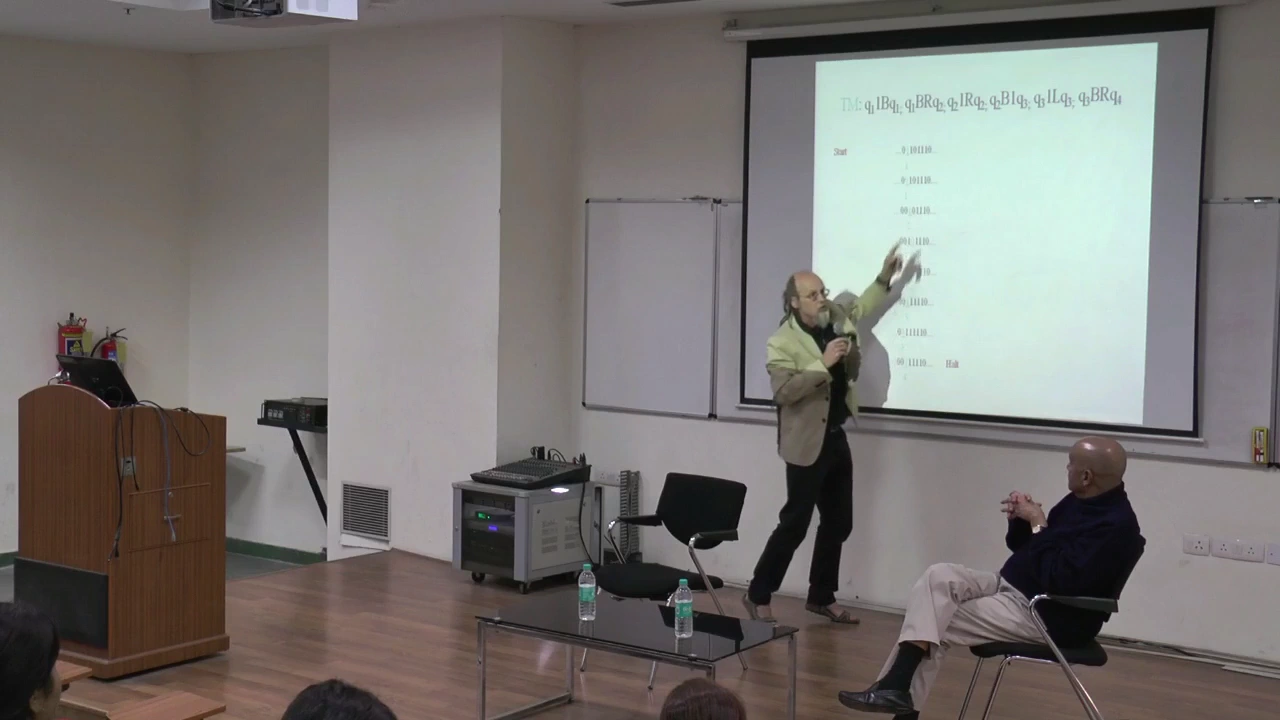
![Semantics: Intro to Linguistics [video 8]](https://i.ytimg.com/vi/ycWDuU5eYv0/maxresdefault.jpg)



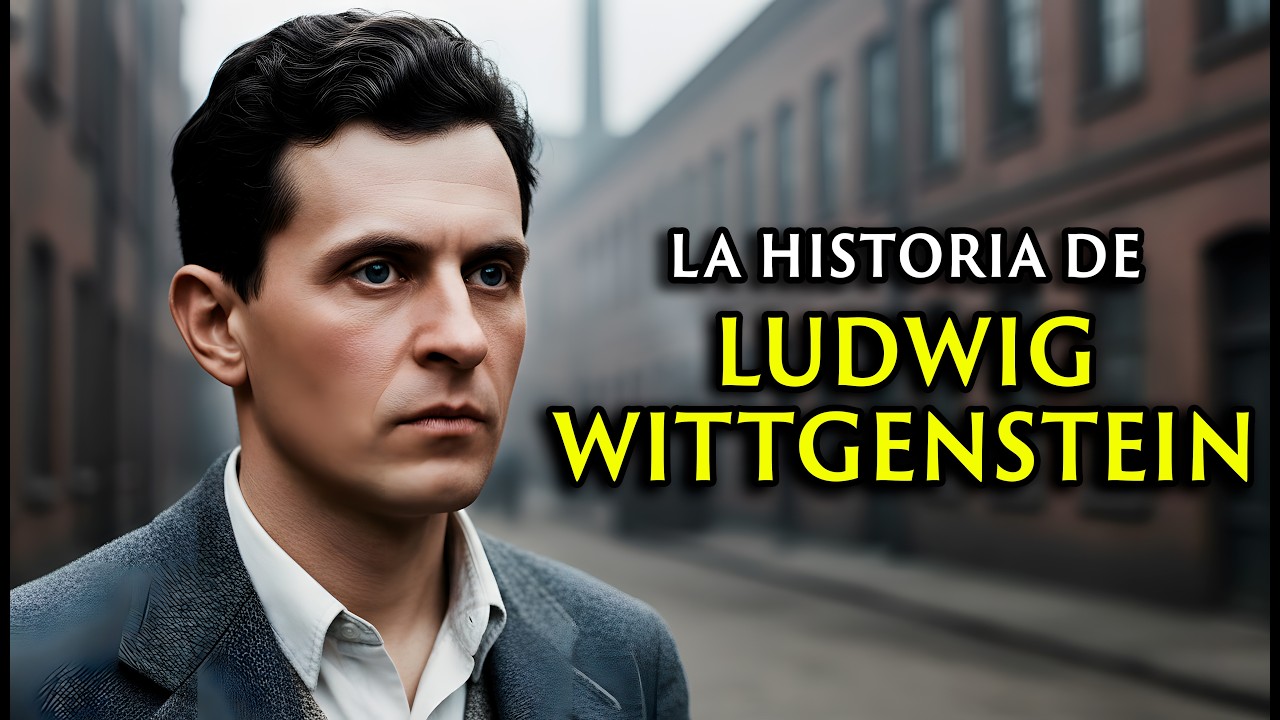








Wittgenstein's Picture Theory proposes that language functions as a picture or model of reality, where propositions mirror possible states of affairs by preserving the logical structure of how things relate to each other, similar to how maps represent terrain relationships or blueprints represent building arrangements; this theory suggests that the limits of language define the limits of what can be meaningfully thought or discussed.
Wittgenstein's Picture Theory of Language Explained | Tractatus
Added:The philosophical transition known as the 'Linguistic Turn' and the early 20th-century focus on language as the central problem of philosophy.
Basic principles of formal logic, particularly the work of Gottlob Frege and Bertrand Russell on truth-functional propositions.
The distinction between syntax (the formal structure of language) and semantics (the meaning and reference of language).
The philosophical concept of metaphysical realism—the idea that an objective, structured external reality exists independently of human thought.
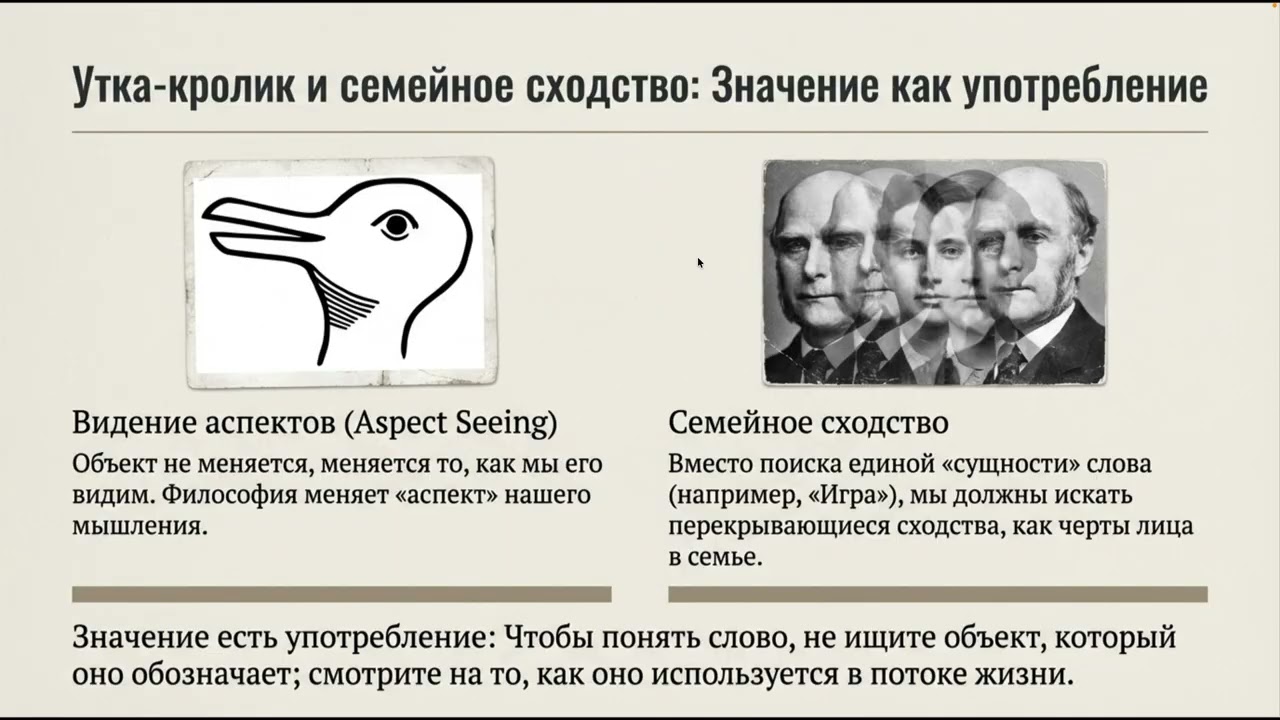
Wittgenstein's transition to his later philosophy in 'Philosophical Investigations', specifically his rejection of the Picture Theory in favor of 'Language Games'.
Logical Positivism and the Vienna Circle, exploring how they adopted and adapted Wittgenstein's ideas into the verification principle.
The Tractarian distinction between what can be logically 'said' versus what can only be 'shown' (such as ethics, aesthetics, and the mystical).
The implications of the Picture Theory on contemporary Philosophy of Mind, particularly computational and representational theories of mental processes.
877 views16likes5:11Original Release: 2024-09-22
[Music] hello everyone Welcome to our animated philosophy Series where we explore Timeless Concepts in a modern context today we're going to dive into one of the most fascinating early ideas from Ludwick wienstein his picture theory of meaning is outlined in his first major work tractatus logico philosophicus this theory is part of witkin's attempt to Grapple with a big question how does language connect with reality how is it that when we say something it corresponds to Something Real in the world for wienstein language wasn't just about words and grammar it was a way of modeling or representing reality itself let's break this down by starting with the key idea wigen Stein's picture Theory suggests that the propositions we form in language are like pictures of the facts in the world when we describe something with words we are essentially creating a kind of mental picture that mirrors a potential State of Affairs out there in reality this is the heart of the theory language and reality are structured in similar ways allowing us to represent the latter through the former now when we talk about a picture we don't mean something literal like a photograph or a painting instead wienstein is using the idea of a picture metaphorically think of it as a way to map the structure of the world using symbols and rules just as a picture of a house captures the relationships between the walls the roof and the doors a sentence does the same thing it captures the Rel relationships between objects actions and properties in the real world one way to understand this is to think about a map a map represents the terrain but it doesn't need to look exactly like the landscape it represents the important thing is that it preserves the relationships between different places one city is to the north of another or two roads intersect the map structure corresponds to the structure of the terrain in the same way wienstein argued a sentence or proposition has a structure that corresponds to the structure of a situation in the world to make this clearer let's think about a blueprint of a building the blueprint isn't the building itself but it represents the building in a detailed and structured way it tells you where each room window and door will be placed similarly a proposition in language is a blueprint for a possible State of Affairs in the world it lays out how things could be arranged and helps us understand the logical form behind what we see in experience now let's apply this concept to something more modern computer languages in programming we use logical structures to represent actions and objects think about how a software program uses code to tell a computer to perform specific actions when you write code each line corresponds to a set of instructions and these instructions in turn reflect certain logical possibilities for instance when a program displays an image on the screen the code pictures the relationships between pixels colors and coordinates this logic maps onto what actually happens on the computer screen witgen Stein's idea of language as a picture Works in much the same way it's about using symbols whether words or code to model possible realities but Wicken Stein's Theory goes even deeper he believed that every proposition in language can be broken down into Elementary propositions which correspond to the most basic indivisible facts in the world just as a complex picture can be broken down into smaller elements sentences can be reduced to simpler components that reflect the simplest possible states of Affairs it's important to note that wienstein theory was more than just an explanation of how language works it was also a way of framing how we think about reality itself to him the limits of our language were the limits of our world if something couldn't be pictured in language it couldn't be meaningfully thought or talked about this is why wienstein was so concerned with the logical structure of language he wanted to show that our capacity to represent the world is tied directly to the way our language is built however it's also worth noting that wienstein later revised many of these ideas in his later work philosophical investigations he came to believe that language is much more fluid and multifaceted than the rigid structure he initially proposed but his early theory in the tractatus remains an essential milestone in understanding the connection between language thought and reality Witkin Stein's picture theory of meaning proposes that propositions in language are like pictures or models of reality each sentence mirrors a possible State of Affairs in the the World by preserving The Logical structure of how things relate to each other this groundbreaking idea helps us understand not only how language works but also how we as human beings grasp the world through language think about this the next time you look at a map a blueprint or even a line of computer code each of these things is a model a picture of something real in the same way when you speak or write you are creating a picture of the world using the logical structure of language to represent how things could be or are thank you for learning with us don't forget to like subscribe and hit the notification Bell for more insights into similar echoes [Music]
Up Next

13:49
Wittgenstein: Language and Reality Explained | Philosophy
@TrueSageJourney
352.4K views•2025-01-19

164:01
John of Damascus on Holy Images: A Theological Defense
@BannedBooks
139 views•2026-04-25

68:32
Should We Destroy the Machines? Big Tech Surveillance Critique
@TheStoriesWeTell303
167.9K views•2025-11-30
4:57
The Myth of Sisyphus: A Greek Legend of Eternal Punishment
@TEDEd
8.6M views•2018-11-13
Related Study Plans & Knowledge Roadmaps
Structured learning paths in Philosophy
philosophy
Frankfurt School: Critical Theory & Culture
01Foundations of the Frankfurt School and Critical Theory
02Horkheimer & Adorno: The Critique of Instrumental Reason
03The Culture Industry and Mass Deception
+ 2 more learning modules
12h5 modules
Explore Roadmap
philosophy
Philosophy of Language: From Frege to Austin
01The Linguistic Turn: An Introduction to Language in Philosophy
02Gottlob Frege: Sense and Reference
03Early Wittgenstein: The Picture Theory of Meaning
+ 3 more learning modules
15h6 modules
Explore Roadmap
philosophy
Feminist Epistemology: Standpoint & Injustice
01Introduction to Epistemology and Feminist Critiques
02Sandra Harding and Standpoint Theory
03Donna Haraway and Situated Knowledges
+ 2 more learning modules
12h5 modules
Explore Roadmap
philosophy
Environmental Philosophy: Ethics & Deep Ecology
01Foundations of Environmental Ethics & Anthropocentrism
02Biocentric Individualism and Animal Liberation
03Ecocentric Holism and Deep Ecology
+ 1 more learning modules
10h4 modules
Explore Roadmap