


![LENGUAJE 📚 REALIDAD LINGÜISTICA DEL PERÚ ✉️ [CICLO FREE]](https://i.ytimg.com/vi/SOla_cqPEok/maxresdefault.jpg)




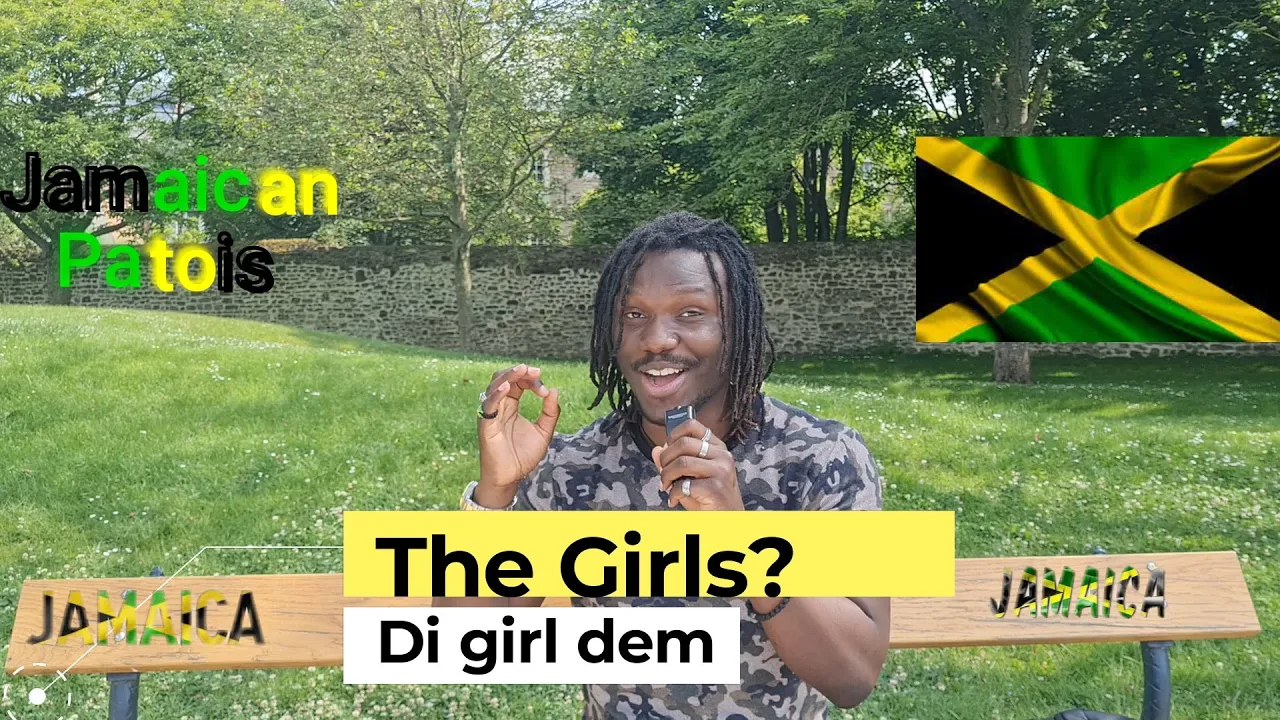




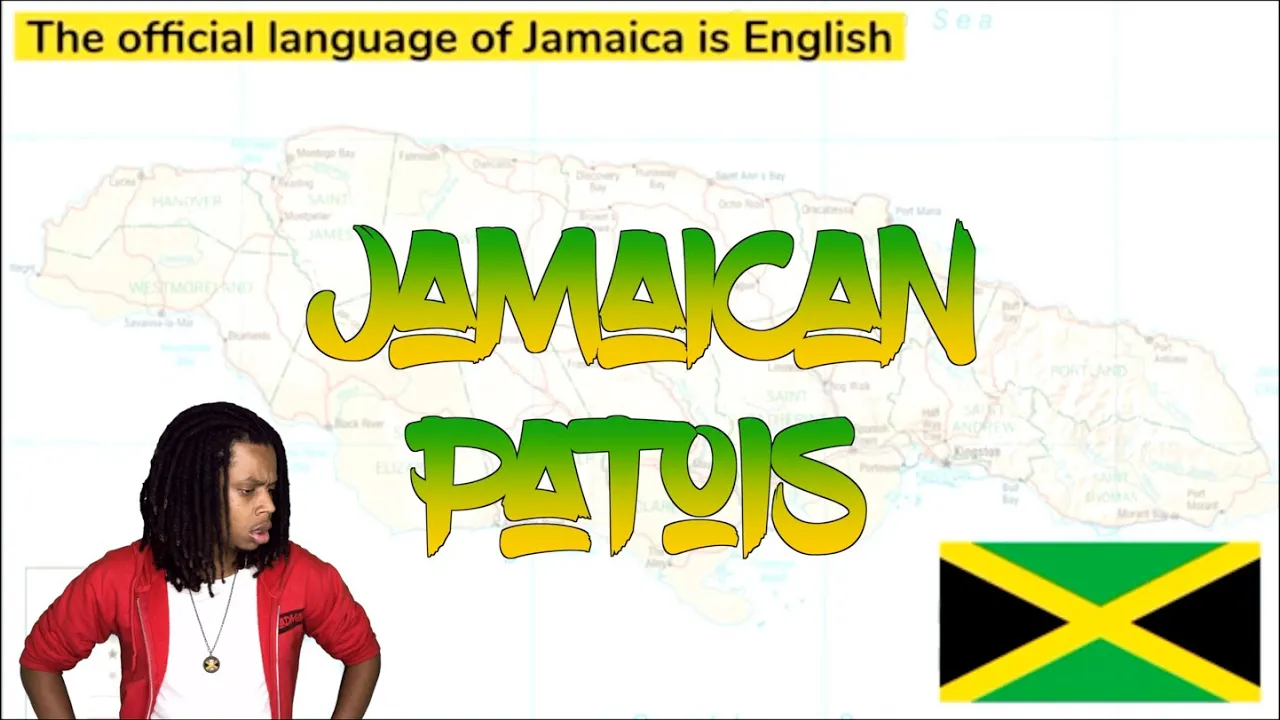
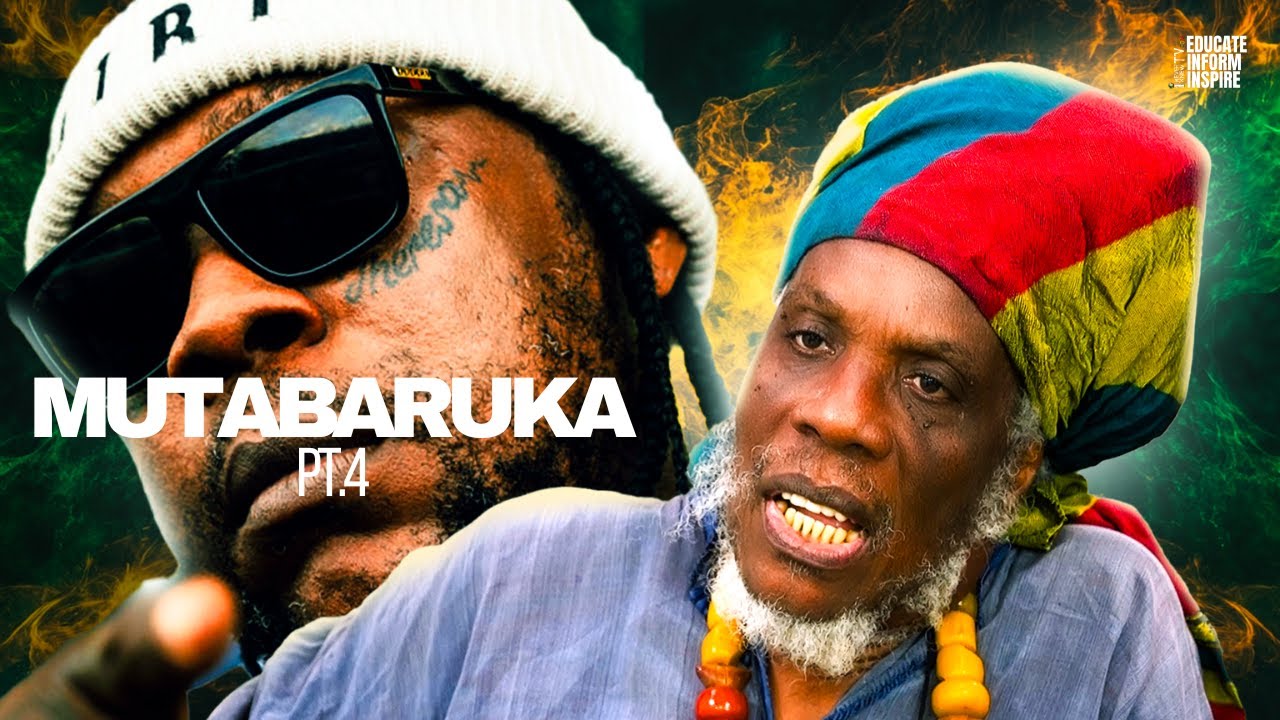



Jamaican Patois is an English-based creole language that developed in Jamaica during the 17th and 18th centuries through contact between African slaves and English-speaking slave owners; it exists on a continuum with Standard Jamaican English, featuring distinct grammatical structures such as minimal verb conjugation, two copulas (ah and day), and reduplication for emphasis, along with vocabulary that combines English words with African and other linguistic influences.
Jamaican Patois: Creole Language Origins, Grammar, and Usage
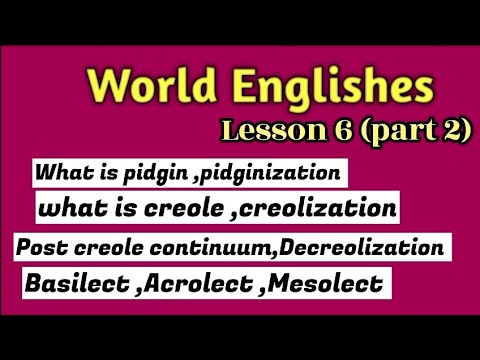
Added:The linguistic distinction between a pidgin and a creole language, including the process of creolization.
Basic sociolinguistic concepts such as 'diglossia', 'linguistic prestige', and how social factors influence language variation.
The historical context of the transatlantic slave trade and British colonization in the Caribbean, which facilitated language contact.
Fundamental English grammar concepts, particularly syntax and tense/aspect marking, to serve as a comparative baseline.
The 'post-creole continuum' model, specifically analyzing the social and linguistic dynamics of basilect, mesolect, and acrolect varieties.
The socio-political debates surrounding language planning, formal standardization, and bilingual education policies in Jamaica.
Comparative creolistics, exploring structural similarities and differences between Jamaican Patois and other Atlantic creoles like Gullah, Krio, or Haitian Creole.
The global cultural and lexical influence of Jamaican Patois through Rastafarian terminology, Reggae, and Dancehall music.
2.5M views67.1Klikes16:38Original Release: 2019-07-14
[Music] hello everyone welcome to the Laing focused Channel and my name is Paul today's topic is Jamaican Creole also known as patois Jamaica is an island nation in the Caribbean with a population of only around 3 million people but it's made a cultural impact around the world because of its art forms such as reggae and dancehall music as well as dub poetry many English speakers have had the experience of hearing someone from Jamaica speak and understanding a little bit of it but not most of it I mean ah why them people are really really pious tickle-tickle when I flew in on I'm out Ellis a yeah luckily me lick me I tell us my Seraphina lip it me god no that's because patois partly descended from English but not entirely it's an english-based creole language that developed in the 17th and 18th centuries through contact between African slaves and english-speaking slave owners the island of Jamaica was first colonized by the Spanish who brought the first African slaves there and enslaved the native tyno people until they were wiped out by violence and disease but it was after the island was taken over by Britain in the year 1655 that the African population rapidly grew as the British brought slaves from West Africa to work on sugar cane plantations these Africans were intentionally separated from others who spoke the same language as them so they wouldn't be able to communicate in secret and plan a rebellion with no common language they did their best under harsh conditions to use the English dialects spoken by their slave masters they didn't learn the language formally and they had to learn the language very quickly which resulted in the development of a pidgin language they adopted a basic vocabulary of English words and strung them together using a simplified form of the grammar of their native languages eventually when they had children those children learned the simple pidgin language as their native language but expanded its features and use making it a living language used for all parts of life that was when the pidgin language became a creole language the term patois comes from French and can be used generally to refer to any kind of non-standard speech but it's also how Jamaicans refer to their creole language not altered in Padua is the same there are various regional and local varieties around the island one reason is that the slave owners spoke various different dialects of English another reason is the mountainous terrain and isolation of the different plantations and communities from each other when a pidgin language becomes a Creole it becomes more complex and new features arise to make the language sufficient for everyday use that means that in communities isolated from each other the new features might have been different also the official language of Jamaica is not patois but English and patois has spoken on a continuum with standard Jamaican English that means that in some situations some speakers will essentially be speaking standard English with a characteristically Jamaican accent while in other situations some speakers will mix English with varying degrees of patois and at a very casual end of the spectrum speakers might use Jamaican Patois exclusively in technical terms pure patois is the Basile act while standard English is the acro left and in the middle lies the mezzo lect the acro elect standard english is the prestige language and the language of social mobility while patois is sometimes considered to be incorrect English or improper speech but patois is a distinct language with its own phonology grammar and vocabulary distinctions there's also another form of patois called crow Monty or deep patois which was used by the Maroons descendants of slaves who escaped from the Spanish when the British invaded Jamaica and set up communities deep in the mountains this form of patois is more heavily based in the akan language than other forms of patois deep patois is now used as a ritual language in maroon communities but not as a daily spoken language vocabulary the majority of patois vocabulary comes from English but with pronunciation that has diverged widely from English there's technically no standard way to write patois only general tendencies but those differences from English are usually reflected in patois spelling for example somebody somebody something Sultan money money market market here ear open open this this with wit notice that the Sun and the sounds of English th don't exist in Jamaican Patois while these spellings may look strange to people who know standard English they're actually phonetic representations of speech unlike English spelling which was basically frozen in time several hundred years ago and sometimes doesn't reflect current pronunciation sometimes words that have a final consonant cluster in English lose a consonant in patois for example respect respect you'll notice that the words are often used differently love from English enough means many or much not respect this means much respect chut is used as the general word for speak or talk make from English make is used generally for causative meaning like both make and let in English let me tell you something meaning let me tell you something and notice here there's a different variant of the word meaning something there are also lots of words that are created by compounding other simple words no azole literally no soul this means nostril on middle literally hand middle this means the palm of your hand Yatta literally I water this means tear already I literally read I this means envious or covetous this is actually a lone translation of a phrase in the akan language of West Africa an ebay day and that brings us to words that come from languages other than English for example the word for eat yum this word comes from a West African language perhaps willeth the word for ghost dopey this comes from a con the word for spider Anansi this also comes from a con the word for clumsy or awkward boffin and there's a sprinkling of words from other languages for example the word meaning child Pitney which comes from the Portuguese word bikini no a diminutive form of the word Pokeno meaning small variations of this particular word appear in numerous creole languages around the world grammar the basic word order of patois is similar to that of standard English for example lechuck patois this means I speak patois the word order is subject verb object as it is in standard English M&M the Kea he is eating the cake again this is SVO let's add a little more information here M&M the Kea Guam maybe he is eating the cake that I this relative Clause is introduced by a relative pronoun wah which is the question word meaning what in English it would be strange to use what in this context but we might use which notice that there's a definite article before the word cake D this is the equivalent of the in English there's also an indefinite article ah which is the obvious equivalent of standard English ah this word here ah looks like the indefinite article but it's not it's the equivalent of English is in English is before a present participle indicates the present progressive that an action is ongoing ah functions the same way in patois placing it before a verb makes it progressive instead of ah another word day can also be used in the NAM the kicks this also means he's eating the cake day comes from the Igbo language from the word d meaning to be ah and they are both used as the copula as well though slightly differently from each other ah is used for equative sentences Amada doctor he's the doctor day is used with allocative meaning in other words indicating location as in this sentence them the Arkenstone they're in Kingston hear the word ah is not a copula but rather a preposition meaning in or ant with adjectives a copula isn't needed this are bokya all this sentence doesn't have the copula are the equivalent of is in the standard English translation also notice the demonstrative pronoun D SIA which comes from this here just this is also possible we also see yah after book it means here another similar sentence is this are WA or book meaning this is an old book in the first sentence the adjective is the predicate so the copula isn't needed but if the adjective is part of a noun phrase then a copula is used one the number one can also function like an indefinite article in this case it would be strange to have ah the copula followed by the indefinite article ah one seems a better fit here pronouns you may have already noticed some personal pronouns that kind of resemble English ones the main ones are me you him note that in be either masculine or feminine we know them the most interesting pronoun here is uno because it doesn't come from English it comes from the Igbo pronoun who knew note that there is no difference between the subject pronouns and object pronouns in patois so for example me is the equivalent of both I and me in English there are also no separate forms for possessive adjectives my car is McKey are you simply place the same personal pronoun before the noun for possessive pronouns like mine in English the preposition fee fee which means 2 or 4 is used before the pronoun not the key are often Lea word-for-word that their car is to me but in natural English that car is mine the preposition fee is also used before verbs like 2 in English in love with big or in self he loves to boast big up is a phrasal verb meaning to give someone a thumbs up or show respect to someone fee is not always used before a verb where you would have an infinitive in English it seems to depend on the verb that comes before and in some cases it seems to be optional and since we're on the topic of verbs there are basically no verb conjugations in Jamaican Patois with the exception of some words like phoebe meaning to be in english which has a different conjugated form but still it's only 1 conjugated form ah so present tense verbs have just one form regardless of the subject we read em read as we saw before the present progressive can be expressed by adding ah before the verb or de emery the book he's reading a book the past tense is sometimes not indicated and needs to be inferred from the context but it can be indicated with one of three markers when did or been in the read a book in we read these sentences mean he read a book in the simple past the progressive marker are can also be used with the past tense to express the past progressive in when I read a book he was reading a book Ben is more like a present perfect progressive marker in Ben readable this means he has been reading a book the future is normally expressed using the verb goal as in English the margherita book they are going to read the book aggo is like are going to in English and the future is also often expressed using we like will in English then we read the book they will read the book and a different sentence since I'm tired of talking about people reading books John will sleep on the bed John will sleep on that bed John will sleep on the bed notice here at the preposition pun which means on or upon the word it descended from also notice that day that they literally that there which we saw before notice that that day can be split by the noun with that coming before and they're coming after questions yes or no questions are simple in patois you simply raise your intonation you in raw beach did you go to the beach we're forward it's you past tense marker go to beach notice that there's no question in version or use of did as there is in English it's no different from the sentence meaning you went to the beach except that it has rising intonation and again here we see the word ah used as a preposition showing movement towards something like two in English for open questions many of the interrogative pronouns in other words question words resemble English ones with some phonological changes whoa no I do what are you doing where you are go where are you going of the book who has the book but there are some differences too like the way to ask why while make from English what make Rama keema ball why is she crying notice the word ball which in English means to cry loudly or uncontrollably but in patois it just means to cry now that we've had a look at some of the basic features of Jamaican Patois let's look at a couple more sentences and see what we discover because I don't know where my wife is I have to go cook dinner for myself chumina know I know wife they may offer myself what forward it because I know know where my wife is located I have to go cook dinner for myself the first word true means because and indicates the reason for something me means I because it's the subject in this sentence know is the basic way of expressing a negative as in English in the simple present in other words for habitual action or states no is used by itself but with other tenses or aspects it can combine with the tensor aspect marker the present progressive negator is nah a combination of no and ah the progressive aspect marker this is also used to express negation in the future and also neva neva is used for the past like never in English in the phrase me wife me functions as a possessive adjective like my remember that day is the copula that is used for locative meaning indicating location huffy means have to a combination of half and fie meaning to Dina means dinner and fee meself means for myself with fee meaning two or four and one final sentence so I'm gonna like them people in chatty chatty this means I don't like those people they talk too much word for words I know like those people they excessively chatty in the sentence we can see them twice but used in different ways the first dem is a demonstrative adjectives like those in English in the second instance it's the subject pronoun they dem is also used in a different context as a plural marker with them coming after the noun the post boom means the cats the ears them means my ears notice that ears from English ears is normally singular in patois to be made plural it's followed by dem after that chatty chatty chopped it Shakti this is a redo plication of the word chatty which means chatty reduplicating is common in Jamaican Patois sometimes to intensify an adjective like in this case as you can see Jamaican Patois is quite similar to English in many ways and with that sliding scale between full-on patois on the one hand and standard English on the other certain speakers patois is more mixed with English than others that leads some people to believe that patois is nothing but English spoken with a Jamaican accent with a little bit of slang thrown in but the full-on patois Baz elect has its own grammatical features its own vocabulary and its own phonological features that make it quite distinct from standard English the question of the day to anyone from Jamaica or Jamaicans living abroad to what extent do you use patois and to what extent do you use standard English does it depend on the situation and two speakers of English native speakers or otherwise what do you think of Jamaican Patois how much of it are you able to understand I'll add some links in the description of this video so you can hear some more real-life samples of patois if you enjoyed this video check out the different lengths okis social media accounts like Facebook YouTube Twitter Instagram etc and as always I want to give a very special thanks to my patreon supporters especially my top tier patreon supporters whose names appear right here on the screen many special thanks to them and to everyone thank you for watching and have a nice day [Music]
Up Next
15:23
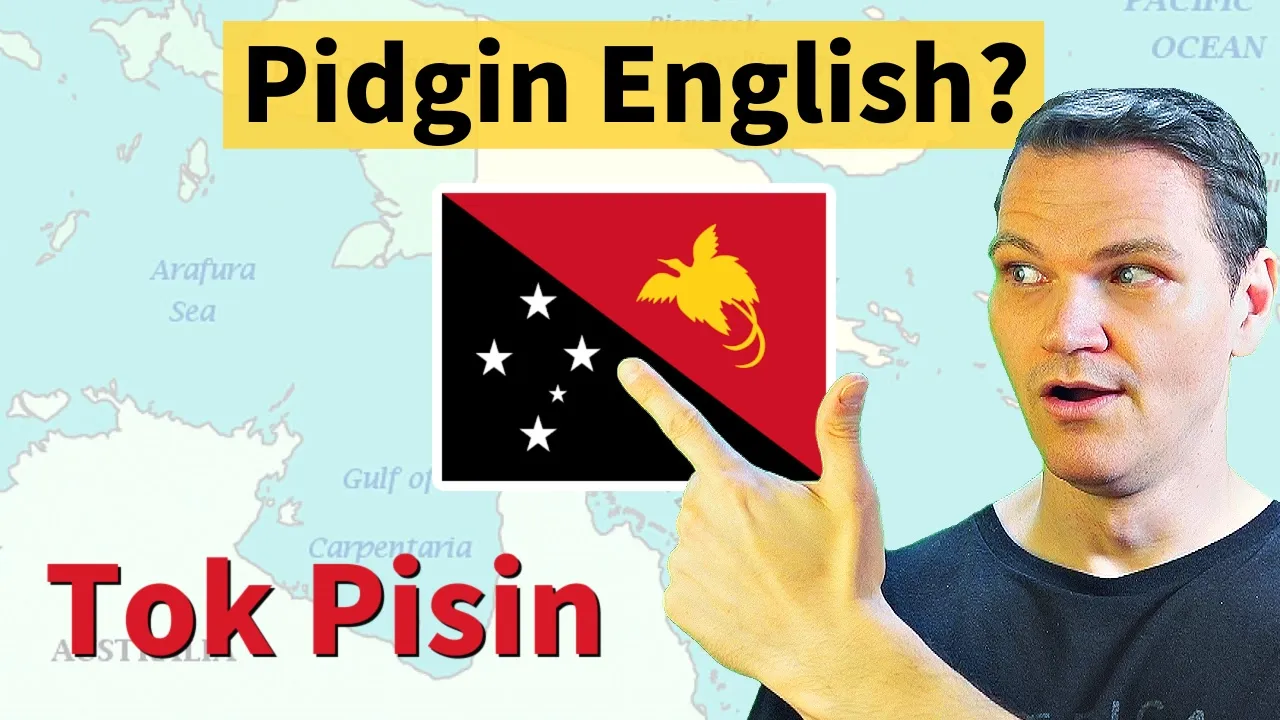
Tok Pisin: An English-Based Creole Language of Papua New Guinea
@Langfocus
272K views•2019-09-03
36:52
Constraint Interaction in Optimality Theory: Epenthesis & Deletion
@Vidyamitra
180 views•2018-08-20
14:24
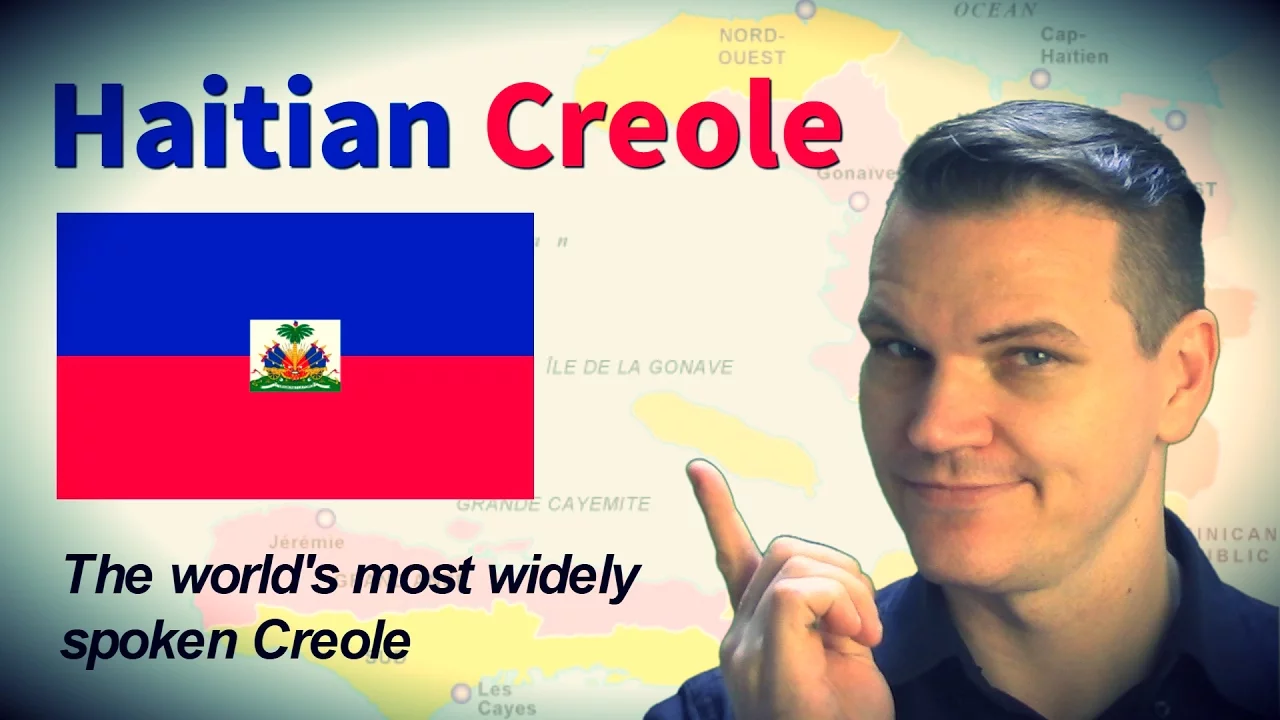
Haitian Creole: History, Grammar, and Global Significance
@Langfocus
762.9K views•2017-05-04

21:32
Accent Expert Explains U.S. Regional Dialects | Part 1
@WIRED
9.3M views•2021-01-21
Related Study Plans & Knowledge Roadmaps
Structured learning paths in Linguistics
linguistics
Optimality Theory: Tableaux & Constraints
01Phonological Basics: Sounds, Syllables & Rules
02Foundations of Optimality Theory: GEN, CON, and EVAL
03The Constraint Inventory: Markedness vs. Faithfulness
+ 2 more learning modules
15h5 modules
Explore Roadmap
linguistics
Morphosyntactic Alignment: S, A & P Systems
01Foundations of Syntax: Transitivity and Arguments
02The Linguistic Variables: Mapping S, A, and P
03Nominative-Accusative Alignment
+ 3 more learning modules
12h6 modules
Explore Roadmap
linguistics
Analyzing Sign Language: Phonology & Syntax
01Foundations of Sign Language Linguistics
02Phonology: The Five Parameters of a Sign
03Morphology: Word Formation and Classifiers
+ 2 more learning modules
14h5 modules
Explore Roadmap
linguistics
Pragmatics: Speech Acts, Grice & Politeness
01Introduction to Pragmatics: Meaning in Context
02Grice’s Cooperative Principle & Implicature
03Speech Act Theory
+ 2 more learning modules
14h5 modules
Explore Roadmap