















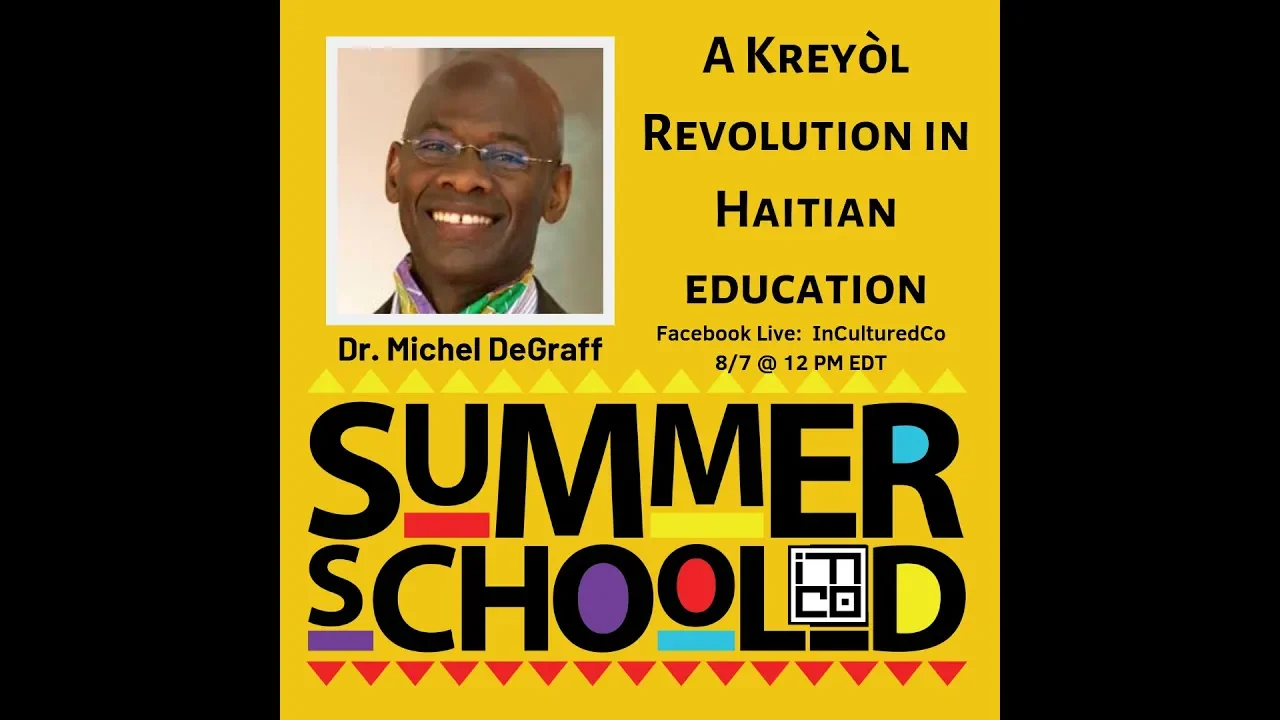

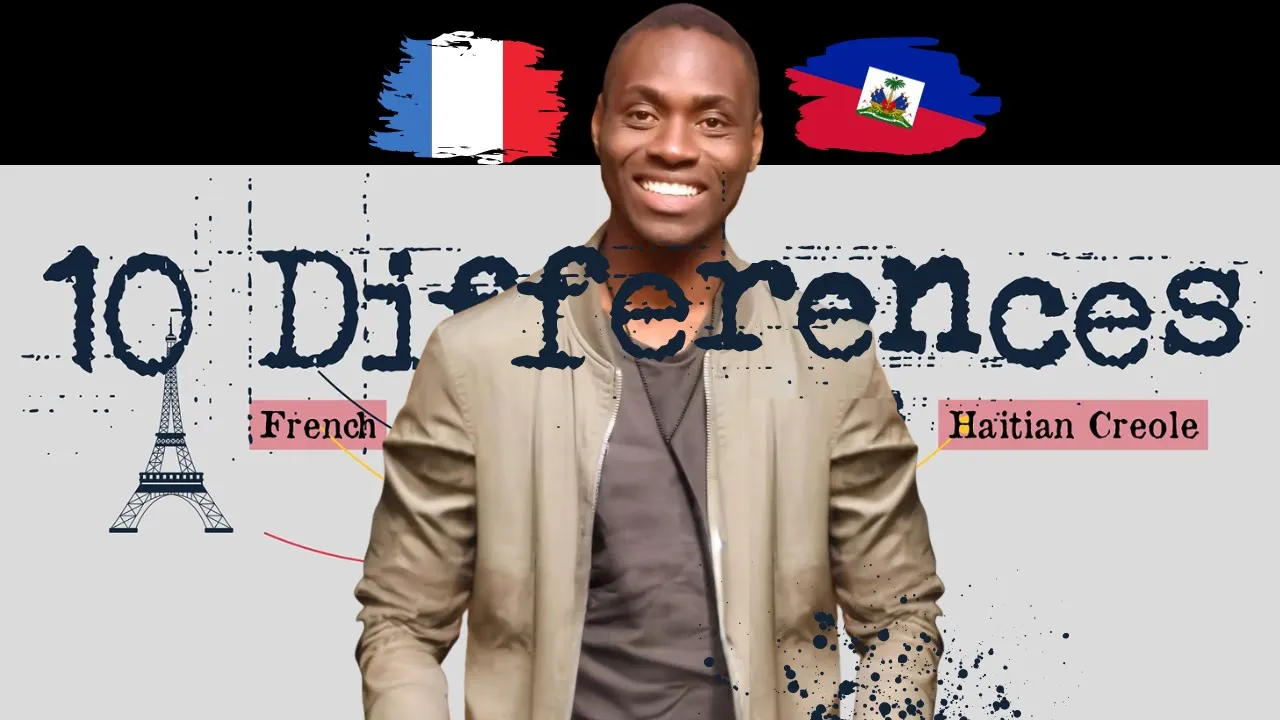


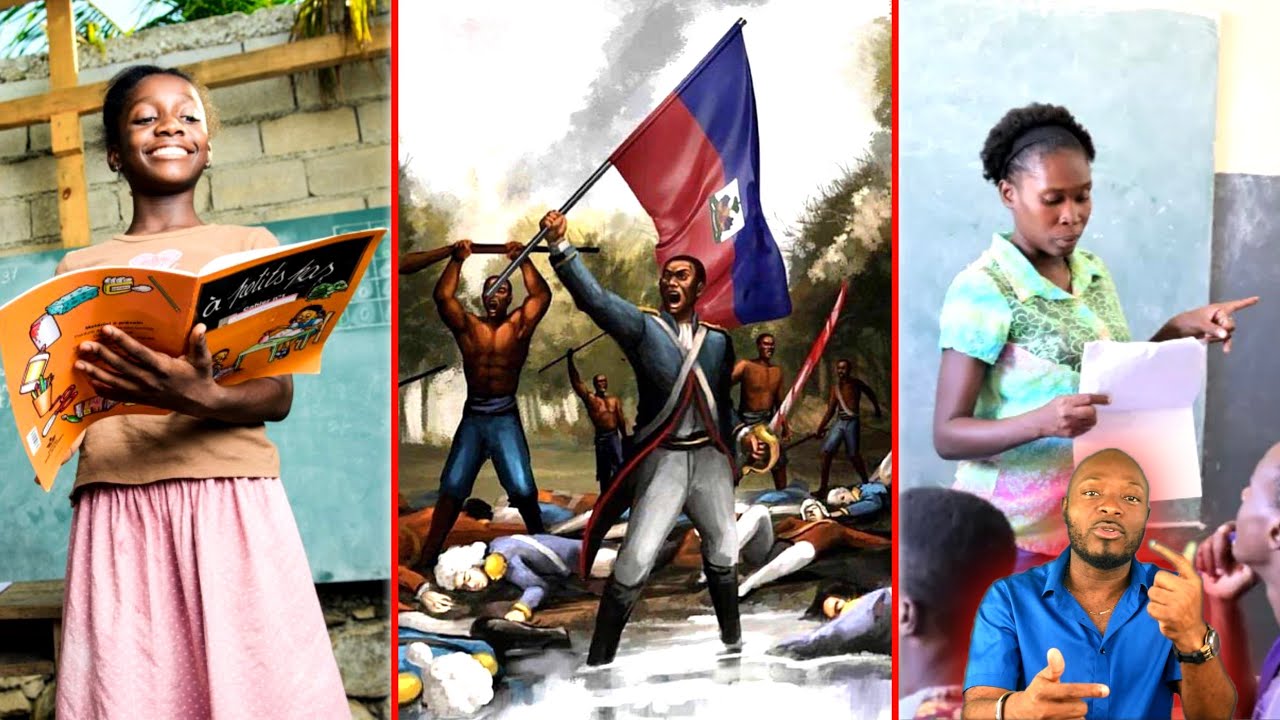


Haitian Creole is the most widely spoken Creole language in the world, with approximately 12 million speakers, primarily in Haiti and among Haitian diaspora communities in the United States, Canada, France, and the Caribbean; it developed in the 17th and 18th centuries as a French-based creole language (with about 90% French vocabulary) but with grammar rooted in West African languages, emerging from communication attempts between French colonists and enslaved Africans who couldn't understand each other; despite being historically stigmatized as a 'corrupted' form of French, it was officially recognized as a national language alongside French in 1987, and it features unique linguistic characteristics including no verb conjugations, tense markers before verbs, and post-nominal possessive pronouns.
Haitian Creole: History, Grammar, and Global Significance
Added:follow Lang focus on Facebook Twitter and Instagram hello everyone welcome to the Lang Focus Channel and my name is Paul today's topic is Haitian Creole the most widely spoken Creole language in the world Haitian Creole is the main language of Haiti mainly in the western 1-ir of the island of Hispanola with the rest of the island belonging to the Dominican Republic It's spoken by somewhere around 12 million people including the 10.6 million people of Haiti and Haitian immigrants living in the United States and Canada France and various Caribbean countries Haitian Creole is a young language that developed in the 17th and 18th centuries it's a french-based creole language meaning that the vast majority of its vocabulary around 90% of it comes from French but its grammar is mainly rooted in West African languages its sentence structure is said to be very similar to the phone language of Benin how did did this combination of elements take place well a French colony in part of what is now Haiti the island of Tortuga was founded in 1660 and a few years later the French West India company took control of the colony and France claimed authority over the western part of Hispanola in 1697 Spain which had previously controlled the entire Island seeded the Western portion of the island to France in exchange for French promises to suppress acts of piracy against Spanish ships and towns the Pirates were were a lawless community of French Dutch and Englishmen called the Buccaneers they attacked Spanish ships and towns with the support of rival European powers these people were the real Pirates of the Caribbean but I digress in the French Colony settlers founded tobacco cotton and cacao farms and African slaves were imported to work them almost all of hadi's present-day population descended from such slaves the French colonialists spoke various non-standard dialects of French while the slaves spoke various West African languages it's thought that the gay languages a branch of the Niger Congo language family were spoken by a large proportion of the slaves with slaves very often unable to communicate with each other or with their slave masters they tried to learn French but without formal training or education they developed a french-based pigeon language a pigeon language is a simplified form of communication that arises when people with no common language attempt to communicate pigeon languages have no native speakers when a pigeon language begins to spoken as a native language by people born in that environment it becomes a creole language whereas pigeons are simplified forms of communication and may be limited in function when they become Creole languages they increase in complexity and can be used for all functions of Life Haitian creol is a fully functional language if you want to learn more about pigeons and Creoles and how they develop check out my video on the subject right here there are also other influences on Haitian Creole aside from French dialects and African languages contact with other Europeans brought some Spanish Portuguese and English words into the language there were also frequent slave revolts and slaves escaping into the mountains encountered the native tyo people this contact introduced some tyo words into Haitian Creole Haiti gained independence from France in 1804 but French remained The Prestige language for the next 200 years the government conducted business in French and French was officially the only language of Education until fairly recently Haitian Creole was considered a corrupted form of French a language of low prestige a language of the poor but that stigma didn't stop Haitian Creole from developing as a living language at the end of the 1800s literature in Haitian Creole was already being written even though there was no standard way of writing the words in the 1940s the president of Haiti made an attempt to standardize Haitian Creole orthography with a kind of phonetic spelling system but this met with a lot of resistance because some people supported orthography that was more based on the way French is written in 1979 Haitian Creole was finally standardized using a compromise between those two approaches Haitian Creole finally became a national language alongside French in 1987 before that school instruction had always been in French which was basically a foreign language for most of the students when Haitian Creole became a national language it was allowed to be used as a tool of Education in schools alongside French which was still officially the language of instruction I guess this change allowed schools to switch between French and Haitian Creole whenever that made instruction easier French used to be the language of official radio and TV broadcasts but in the years since Haitian Creole became a national language both languages are used the major newspapers are all in French but it seems that nobody really reads them except people from the upper class in Haiti there seem to be two main linguistic communities the bilingual upper classes and the masses who mostly speak only Haitian cre though maybe they understand some French as well because of their schooling so what is Haitian Creole like as a french-based creole its connection to French is immediately obvious when you look at a Haitian Creole sentence most of the words are of French origin but they're spelled quite differently than they are in French the French word a is a in Haitian Creole D is D is Ash is Ash Mery is m is bons so you can see that Haitian Creole uses simpler largely phonetic spelling of French words meaning I work is the subject pronoun here is interesting because the Haitian Creole word for I comes from the French disjunctive pronoun MAA rather than the subject pronoun in haian Creole there is no distinction between the subject object and disjunctive pronouns it's just when except for a short form we'll see a bit later here's another example of how French words are often used differently in Haitian Creole this means I know how to cook word for word it's I know make food comes from M comes from comes from and comes from French in French it would be very different first of all in French there are two verbs meaning to know and means to know in the sense of being acquainted with someone or something while Sav is used when you know how to do something or know something by heart in the French sentence Sav is used but in the Haitian Creole sentence the word K deriving from is used means to eat in Haitian Creole but it also means food Fe means to make food or cook in French you could say which means to make food with meaning food M doesn't mean food in French these kinds of changes in meaning or usage of French words are common in Haitian Creole personal pronouns before we saw the pronoun M which means I or me the other personal pronouns are similarly of French origin but are a little different from their French equivalent y notice that new is used for we but also for you in the plural form which is distinct from French which uses Vu not Nu yo means they and this one may not look like a French pronoun but it comes from the French disjunctive pronoun all of these pronouns stay the same whether they are used as subject pronouns or object pronouns this means I like them this means they like me there are however short forms of the pronouns which are used in certain situations possession to show possession you simply place the personal pronoun after the noun Leu this means your book with the first word leave meaning book and U Is the personal pronoun for you in the singular word order the basic word order of Haitian Creole is SVO similar to an English or in French meaning I drive a car here's the subject the ver verb and the object and yon is the indefinite article adjectives are usually placed after the noun this means I drive a red car but there is a limited number of adjectives that come before the noun verbs now let's see what happens to this verb when we change the subject of the sentence nothing happens there are no verb conjugations in Haitian Creole the verb doesn't change based on gender person or number what about tenses verb tenses are indicated by adding a tense marker before the verb up is the present continuous marker T is the past marker to is the past continuous marker a is the future tense marker is the near or definite future marker and is the conditional marker this means we go to the store nap mag this means we are going to the store and notice here that the personal pronoun is the short form the short forms of the personal pronouns are generally interchangeable with the long forms but before up and a the short form is normally used this means we're going to the store in the sense of a near or definite future [Music] action this means we went to the store and so on it's really that simple you just stick the tense marker before the verb definite articles let's take a look at this word for a moment this is a definite article which always comes after the noun it modifies but this is not the only definite article the definite article changes depending on the final syllable of the noun that precedes it if the noun ends with any of these combinations of letters or a nasal vowel like this one in magazen the article is ah if the noun ends in an oral consonant that is preceded by an oral vowel the article is for example the book If the noun ends in an oral consonant preceded by a nasal vowel the article is La like Bank the bank if the noun ends in an oral vowel preceded by an oral consonant the article is a for example the country if the noun ends in a nasal consonant the article is n or La for example Tel the telephone questions yes or no questions can be formed by using Rising intonation or you can place Es at the beginning es es comes from French es open-ended questions can be made by placing a question word at the beginning before the subject this means what are you eating Kissa means what the first piece key means which and is combined with a second piece the pronoun for this or that other question words are also formed with ke this means where do you live or more literally where are you living because up indicates present continuous means where and comes from which plus place this means who are you Kim means Who and the two pieces are which plus person a couple more sentences this means that is my brother's dog and this is my dog word for word it's this or that is dog brother my and this or that is dog my the word sa means either this or that so in this case we have two different dogs the meaning of this or that would depend on which dog you gesture towards say is the copular verb like to be and you can see how possession is shown means my brother because I comes after brother and then this whole phrase comes after the word for dog so it's my brother's dog this means the thing I need is the key please give it to me word for word it's thing that I need the is key the please give me it here you can see that the word K creates a relative Clause the thing that I need the definite article modifies the entire preceding phrase thing that I need here B is one of the only Haitian Creole verbs that has conjugations but there are only two forms B and ba here you can see that the indirect object comes right after the verb and the direct object Lee comes after the indirect object as you can see Haitian Creole is a very fun and interesting language and if you already know some French then it will probably be quite interesting to examine Haitian Creole and see how it's similar and different to French and that brings me to the question of the day to Haitian Creole speakers does your knowledge of Creole help you understand French and to French speakers does your knowledge of French help you understand Creole and everyone else leave your impressions about this video and about Haitian Creole in the comments down below be sure to follow Lang focus on Facebook Twitter and Instagram and as always I want to say thank you to my amazing patreon supporters especially these people right here on the screen thank you for watching and have a nice [Music] day
Up Next
Jamaican Patois: Creole Language Origins, Grammar, and Usage
@Langfocus
2.5M views•2019-07-14
Constraint Interaction in Optimality Theory: Epenthesis & Deletion
@Vidyamitra
180 views•2018-08-20
Tok Pisin: An English-Based Creole Language of Papua New Guinea
@Langfocus
272K views•2019-09-03

Accent Expert Explains U.S. Regional Dialects | Part 1
@WIRED
9.3M views•2021-01-21
Related Study Plans & Knowledge Roadmaps
Structured learning paths in Linguistics