




![가시고기 가시와 인간 다리가 같은 유전자였다?! 진화는 어떻게 '적자'를 만들어냈을까? 유전자 스위치를 조절하는 '인핸서'가 그 열쇠?!(2/2) [대한시리즈]](https://i.ytimg.com/vi/niwBJnPNOYs/maxresdefault.jpg)










![[Conférence] - J. KORBEL - From Genomic Variation to Molecular Mechanism - Académie des sciences](https://i.ytimg.com/vi/8ovnz23Tglg/hqdefault.jpg)

![Transkriptionsfaktoren - Enhancer / Silencer [Genregulation Eukaryoten] - [Biologie, Oberstufe]](https://i.ytimg.com/vi/ni2F06tFWNY/hqdefault.jpg)
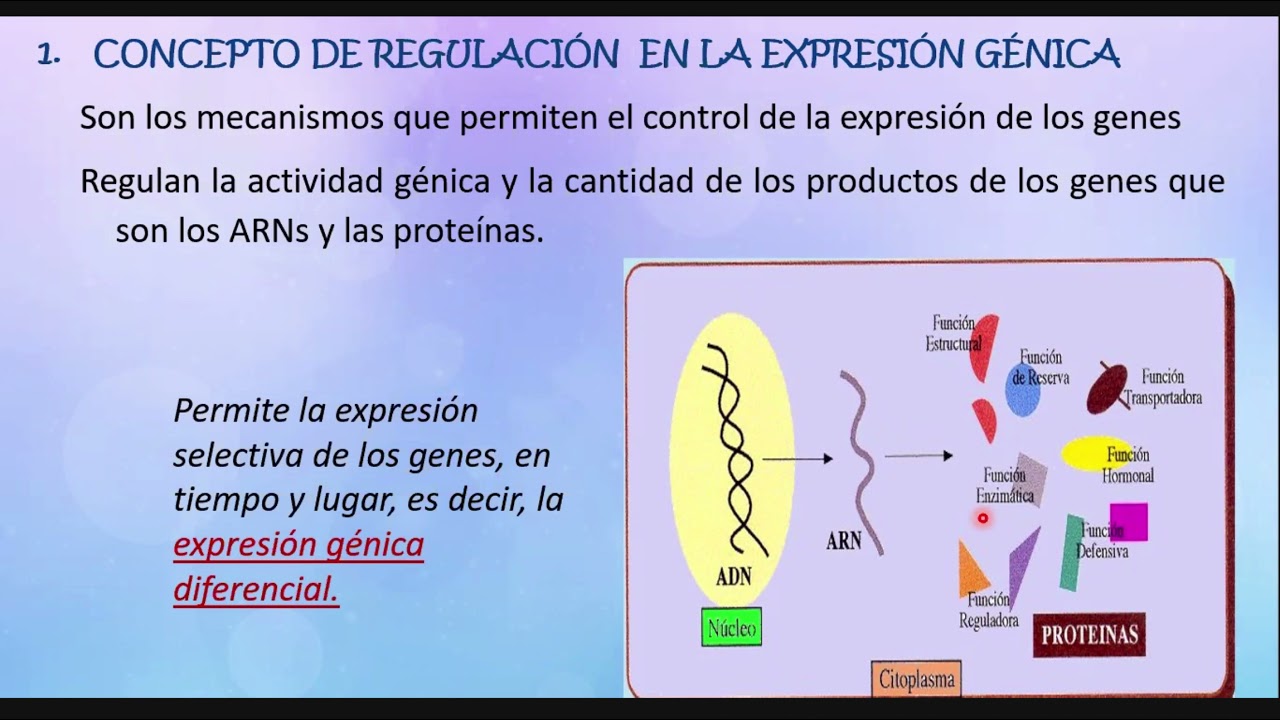
Transcriptional regulation of gene expression involves multiple DNA regions working together: the promoter region (where RNA polymerase binds to initiate transcription), enhancer regions (which bind activator proteins to positively regulate transcription), silencer regions (which bind repressor proteins to negatively regulate transcription), and insulator regions (which protect genes from inappropriate regulatory influences by blocking enhancer/silencer effects on promoters); transcription factors are proteins with DNA-binding domains and protein-interaction domains that coordinate these regulatory elements to control when, where, and how much a gene is expressed.
Transcription Factors: Promoter, Enhancer, Silencer, Insulator | Molecular Biology
Added:The Central Dogma of Molecular Biology, specifically the step-by-step mechanism of transcription (how RNA polymerase synthesizes RNA from a DNA template).
Basic DNA structure and anatomy of a gene, including the distinction between coding sequences and non-coding regulatory regions.
The fundamental concept of gene regulation and differential gene expression (how different cells express different sets of genes despite having the same genome).
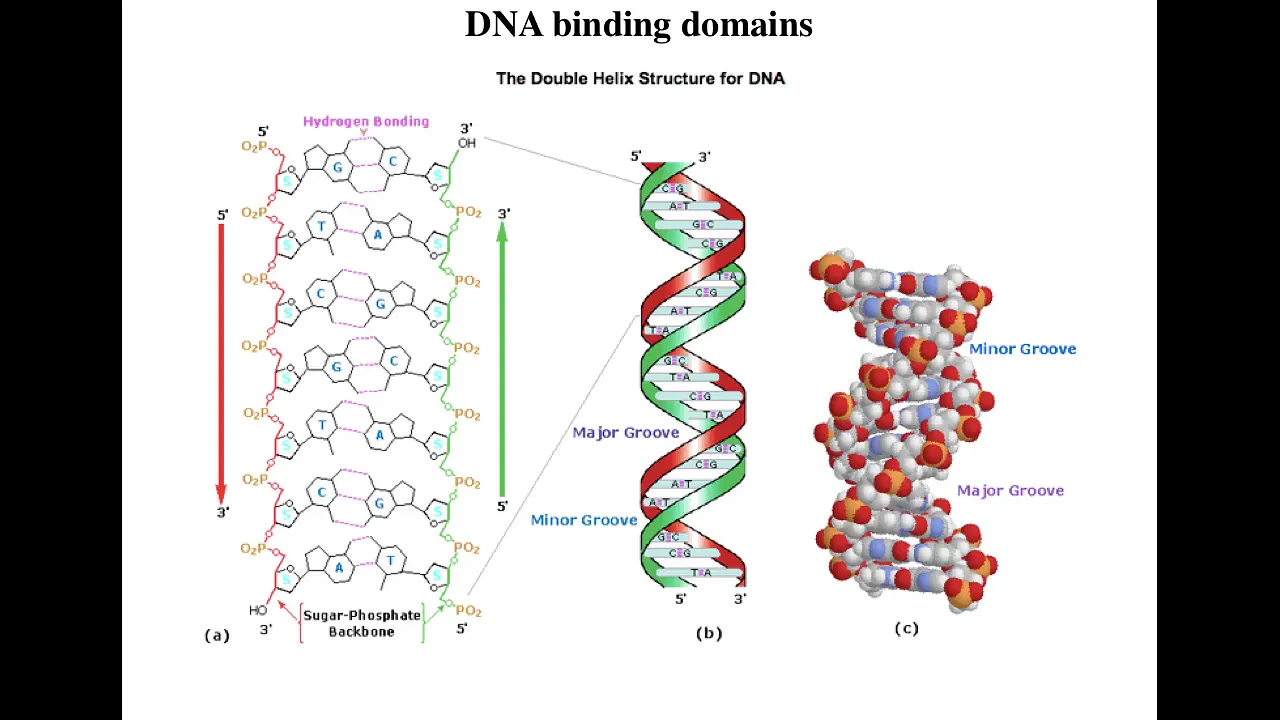
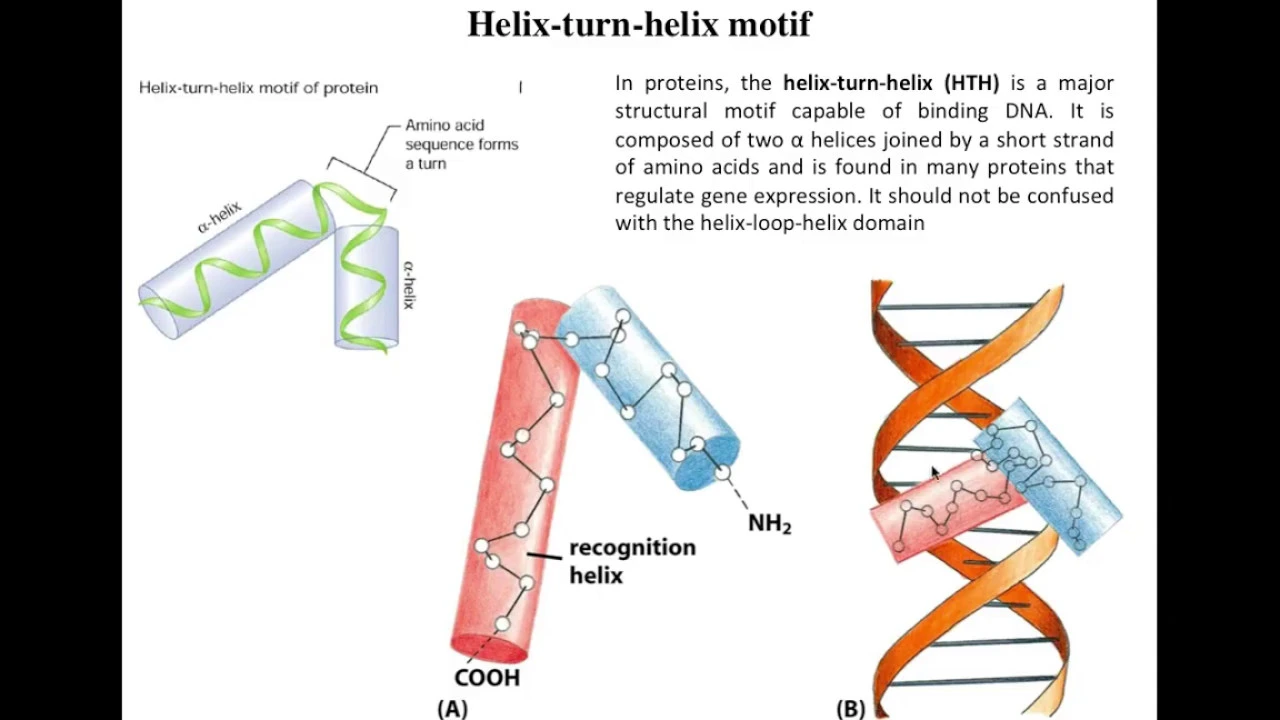
The basics of protein-DNA interactions, specifically how DNA-binding domains of proteins recognize specific nucleotide sequences.
Epigenetic mechanisms and chromatin remodeling, including how histone modifications and DNA methylation affect the accessibility of regulatory elements.
Higher-order chromatin architecture, such as Topologically Associating Domains (TADs) and the physical looping of DNA to bring distant enhancers to promoters.
The biomedical implications of regulatory mutations, such as 'enhancer hijacking' in cancer or other genetic diseases (enhanceropathies).
Advanced gene-editing technologies, such as utilizing CRISPR activation (CRISPRa) and interference (CRISPRi) to target and modulate specific enhancers or silencers.
120K views1.8Klikes19:37Original Release: 2018-04-09
what is for motor region box or region then if you are interest rate we can talk about enhancers and the honkers region then we can talk about silencer regions then we'll talk about yes insulator DNA regions and there are some other two and we'll talk about activator factors activators of transcription and we'll also talk about suppressor love repression or suppressor repressors yes the pressures of repression factors depresses but before I go to that I will come back to this for a while you just trust me what I'm talking about that they act over the promoter region they bind which enzyme there RNA polymerase and then for transcription start now these transcriptional factor they have multi units there multiple domain one domain is DNA binding one domain is for other protein interaction right so transcriptional factors are basically proteins which must have one domain for DNA binding and other domains they're how they're activated or suppressed and how they attach with other Co proteins for example once the elk is phosphorylated this is on zai Matic action but I'll contract with srf this is protein protein interaction and when these two are interacting with DNA this is protein DNA interactions what is this protein DNA interactions and when RN is being formed right that is transcription now let's come back what are these regions I will briefly explain here right of course this is not now I'm not taking this area as a site o Sole I'm just showing you generally a very basic I am NOT going to detail of these things very basic concept let's suppose this is DNA right and in this we'll draw all the regions this was your door for the entry what was it promoter box what binds over here generalized transcription factor right and they can initiate the transcription at what enzyme is hanging over here RNA pol II Marez pol - right no promoter box no gene function right no gene transcription and here is your gene here is your let's pose Jane now we know promoter region and we know general transcriptional factor now what are enhancers what are enhancers what are silencers what are insulators let's take an analogy this promoter box is like the father right it helps you to start your functions to launch you in the society right and it is the primary helper or PEM primary initiator right but you know if your father is helping you right your father is helping you to learn about the life and start what is this social activity and professional activity father is sportive right but there are some uncles there are some uncles which are very sportive there are some uncles which are very sportive actually those uncles can be called enhancer uncles they are enhancer uncle and there are some other uncles which are not supportive rather try to depress you right what are this uncle's silencer uncles and then there is mother there which protect you from the uncles effect so that no much over action from the uncles right what is that insulators that's so simple let me show you what is this this is the gene and if transcription is going on how the gene expressed how much express when it express how often it express it all depend that how the promoter box is working how that was difficult factors are stimulating the promoter box how long and how often RNA polymerase binds here and stays here and completes the transcription cycles isn't right this is a primary function of the basic function of promoter but then there are some let's suppose there are some proteins which are able to bend the DNA let's suppose DNA's bent like this now here is the what is this this is the happy end curl what is this happy uncurl what is this in the handsome region of DNA what is it in the handsome region of DNA now what is the function of this happy uncle this is a sequence of DNA it is sequence of nucleotide DNA and when it is bound with special type of proteins right it can influence the role of promoter bars you are understanding now this part of the DNA this part of the DNA is called what is this called this part of the DNA is called enhancer sequence what is it called an answer sequence and what was this sequence for a mortal sequence and what is this sequence enhancer sequence right so were transcriptional regulation depends on how primarily depends on how the promoter box is working is for motor box having a right kind of transcriptional factors which are helping the RNA polymerase to bind here but then there are other DNA sequences which can influence the total action of transcription one of them is enhancer regions what are these enhancer regions now enhancer region of DNA bind with certain proteins you see these proteins these proteins which bind with the enhancer region and also bind another side with the proteins in de and DN in the promoter region and positively and enhance the function of that these proteins are called activators transcriptional activators so you will see enhancers regions can complex with the activators and then DNA will bend and influence the activity of promoter box so this is a good ankle then you always know that in the family there are some anchors which are not very good and there are sort of depressors and they're always disturbing right in that case what are those things those things are actually here another DNA sequence another DNA sequence right and here is the angry uncle here is a angry it is always trying to bother right it also bind with certain types of proteins and through that it may interact with the promoter region to reduce its activity to reduce the activity here now these this is called which region silencer region silenced region and these factors are card repressor repressed repressors because one silencer region bind with the repressors together they repress the transcription so enhancer then hasta transcription first of all for motor boxes also DNA sequence what is this enhancer regions are also DNA sequences cell and further also DNA sequences is it clear the further differences for motor boxes always near the gene and promoter boxes always upstream of the gene is there right enhancer may be upstream the gene or may be downstream the gene or enhancer may be within the gene and the introns right or an enhancer will be very very far off the gene but DNA Brendon come here and now we believe enhancer of one gene may be present on other chromosome for example there are some genes which is present on chromosome number three but their enhancer might be present on chromosome number five less commonly right so genes are not allowed just all the time Express they are very well regulated transcription mechanism is the right so here is the dad here is good uncle and here is bad ankle so bad is so what is happening that your dad is trying to promote you promoter box what Dad is doing to promote you promoter boss all the time all good dads are trying to promote then the good uncle solution has the promotion activity and there are other bad and girls which are trying to suppress or repress the the sale answer your activity is it difficult to understand everyone has such uncouth and then there's another type of DNA sequence which is like mother which act as an insulator insulated DNA sequences come into action when they don't want that uncle the activity affect you too much like mother if uncle's are doing a lot of naughty things in the family and around who will first come to protect you from the uncles mother so there are motherly DNA regions the isolator the isolate insulators insulate yes from the effects of enhancers and effect of silencer right and those genes for example this gene sequence is here and this gene sequence let's suppose this is what is this and this is in so later insulator now how this insulator is going to work when this gene segment doesn't want that this gene should be activated it will fold it will fold here and block the access of enhances silencer to the promoter you know mother when she wants to protect the child first of all she pretend to the father firm then first off uncle it's very natural isolated servo home system father want to go to uncle here and there but mothers are you trying to grab them the right so isolate earth some mothers are very clever insulator sorry insulator trial it is a note isolator actually it's truly isolator about anyway in the books they say insulator because some women love to isolate their husband and children from specially other uncles is that right so some DNA regions are like that that they intervene plug themselves between the silencer and the promoter and enhancer and the promoter so there should not be undue over activity or under activity in the relevant gene or promoter region is that clear so we can say now I will make a simple diagram here now you will tell me what is this promoter region it is the dead right this was a gene now you come here what is this doing okay I will make it more simple here now it is stimulating enhancer and this is inhibiting silencer and there's one region here sometimes it remains like that and does not allow them to interfere so what is this insulator now I will give it to the color yes what is it promoter what binds here general transcriptional factor I'm not going into detail then yes this is the father and then this is the stimulator what is this enhancer right which are the positive influence here right and what binds with it activator factor we call them also transcription factors some transcription factor binds with promoter some transcription factor binds with enhancers we such are called activators then there is the no T uncle what does this silencer write which loves to inhibit whole activity here is their right and what is this which comes in between insulator okay now you understand let's come here okay some of you come all three of you you also come okay let's suppose this is the gene this is the gene and sir please come here so this gene is controlled by this promoter box yes come near hold hands they are very near to each other this is the dad and this is the son right what is this promoter box right and now we want some transcription factor any one of you can come okay you so he is transfer RNA polymerase you raise your hands like this these RNA polymerase if he allows only then he will come over here interact with that I'll lead to the formation of messenger RNA T right so this is RNA polymerase so you stick with him here okay now we have the promoter here RNA polymerase and gene now if someone comes tell me what is my rule if I come and I add further activity on the promoter I'm behaving as an enhancer okay you come here you will become enhancer now they are in the polymerase should be somewhere in between you come little down little exercise little down little down yeah okay sit down okay promoter box and the gene and RNA polymerase is going to work he has a positive influence what is this enhancer and you come over here come over here and he has negative influence to him no okay enhancer enhancer let it be their enhancer is the positive inference and what is this negative inference silencer right again we repeat if this is gene and here mind the transcription factor what is it for a motor of Bach and that binds the activator the enhancers action of promoters what is that enhancer region and that binds certain suppressor or repressor factors and inhibit the promoter what is that silencer and then look at my action I come over here and do like this all of them away what is this insulator what is the need of insulator that isn't being in DNA sometimes out of 1,000 genes let's suppose of one chromosome has suppose 1,000 genes and 10 genes to be transcribed not other so actually insulator come and protect 990 genes so that remaining can continue direction or you imagine if there are 10 genes and transcription factor and whole activity come and it has to activate the two two genes then the rest of the eight genes will be protected from unwanted action from different in ha activated enhancers and silencers by the insulators it is its layer have a seat please of course at molecular level these things are very complex but very simple right I will repeat it if this is the gene what is here primarily attacked for motor box and if someone is stimulating the promoter box and enhancers someone inhibiting promoter box silencer and someone protecting the promoter balls from other enhancers and silencers insulator clear
Up Next
12:34
DNA Structure and Replication: Crash Course Biology
@crashcourse
10.3M views•2012-04-02
50:12
Bacterial Communication: Quorum Sensing and Biofilm Formation Explained
@JHUAAP
12.6K views•2011-06-28
89:06
Cell Membrane Transport Mechanisms Explained | Cell Biology
@DoctorNajeeb
393.7K views•2021-03-18
7:08
Bacteriophages: Earth's Deadliest Killers and Future Antibiotics
@kurzgesagt
34.6M views•2018-05-13
Related Study Plans & Knowledge Roadmaps
Structured learning paths in Biology
biology
RNAi: Biogenesis, RISC & Gene Silencing
01Molecular Biology Foundations: DNA to Protein
02Introduction to RNA Interference (RNAi)
03Molecular Biogenesis of miRNA and siRNA
+ 2 more learning modules
10h5 modules
Explore Roadmap
biology
Mycorrhizae: Signaling, Biophysics & Ecology
01Foundations of Mycorrhizal Symbiosis
02Molecular Signaling and Root Colonization
03Biophysics and Bioenergetics of Nutrient Exchange
+ 1 more learning modules
11h4 modules
Explore Roadmap
biology
Circadian Clocks: TTFL, SCN & Periphery
01Foundations of Molecular Biology & Gene Expression
02Introduction to Chronobiology and Actograms
03The Core TTFL: Molecular Architecture of the Clock
+ 3 more learning modules
14h6 modules
Explore Roadmap
biology
Population Genetics: Math, Drift & Selection
01Genetic & Probability Foundations
02The Hardy-Weinberg Principle and Baseline Models
03Mathematical Modeling of Natural Selection
+ 3 more learning modules
18h6 modules
Explore Roadmap