

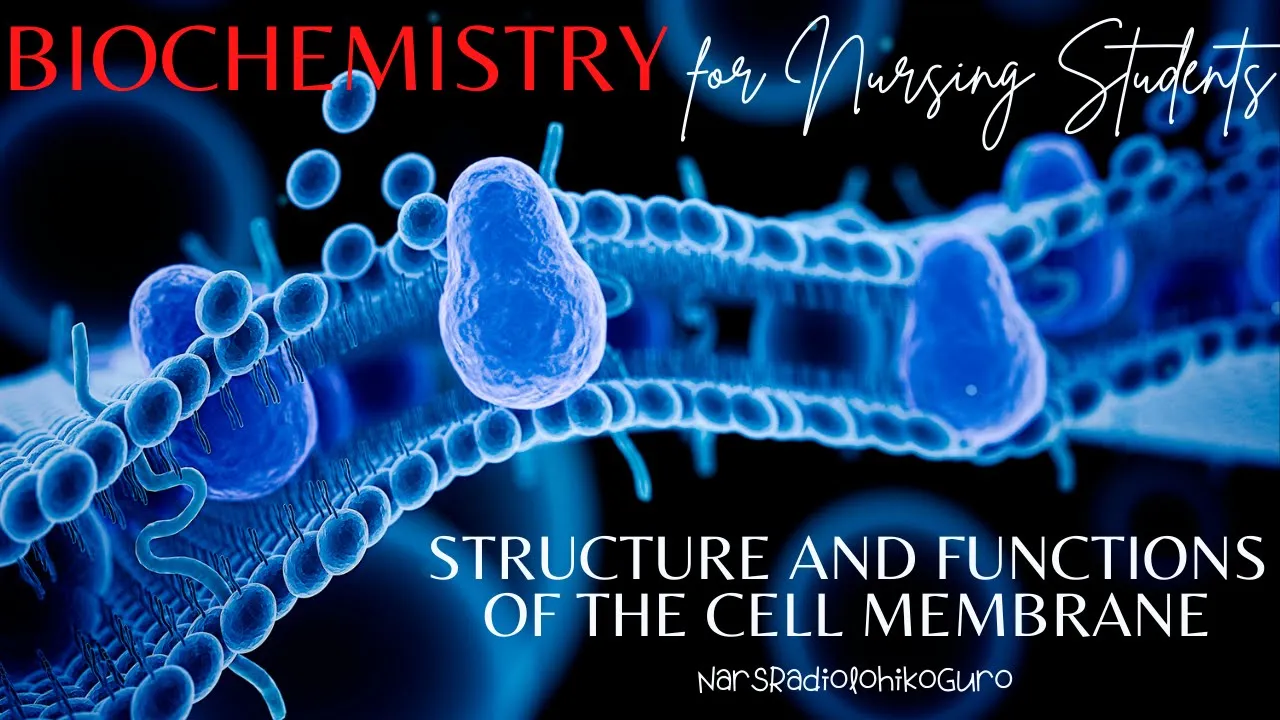













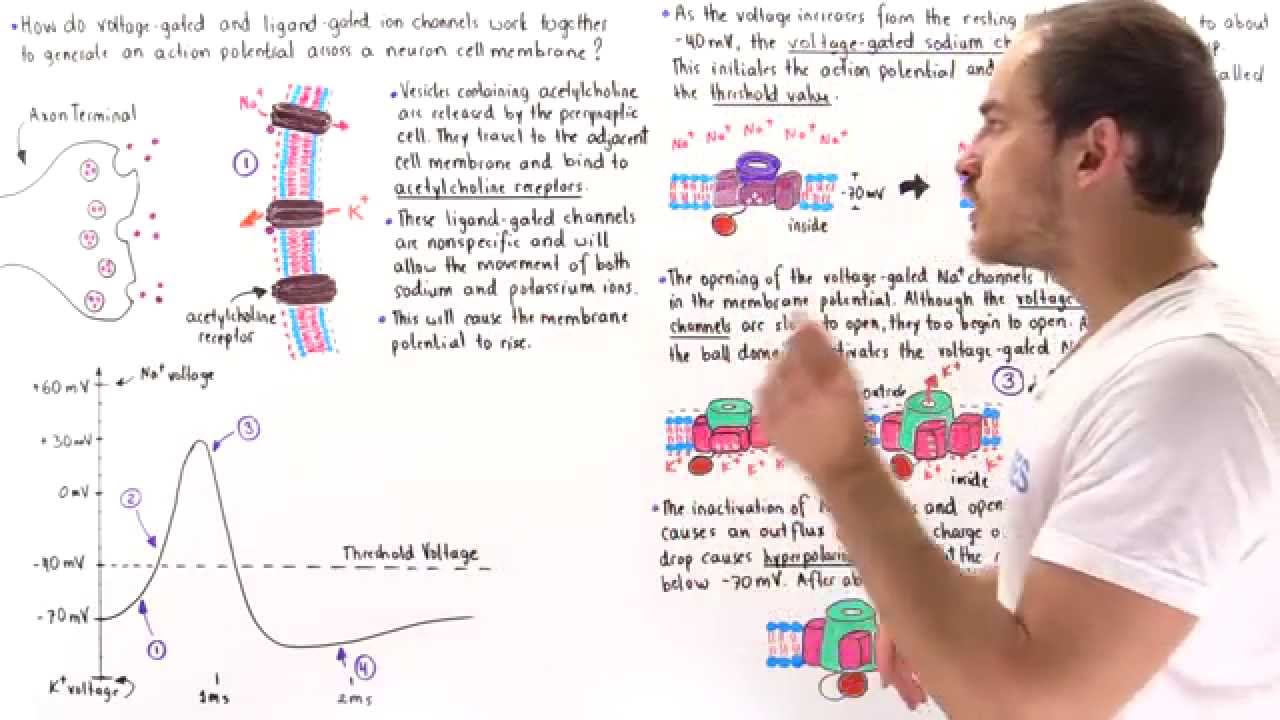





The cell membrane regulates substance movement through four main transport mechanisms: (1) Simple diffusion, where small, lipid-soluble molecules move passively from high to low concentration; (2) Facilitated diffusion, where larger or polar molecules use carrier proteins or channels to cross the membrane without energy input; (3) Primary active transport, where ATP energy directly powers movement against concentration gradients (e.g., sodium-potassium pump); and (4) Secondary active transport, where substances move against gradients using energy stored in existing ion gradients (e.g., sodium-glucose co-transporter). Additionally, vesicular transport includes endocytosis (pinocytosis, phagocytosis, receptor-mediated) for bringing materials into cells and exocytosis for secreting materials out.
Cell Membrane Transport Mechanisms Explained | Cell Biology
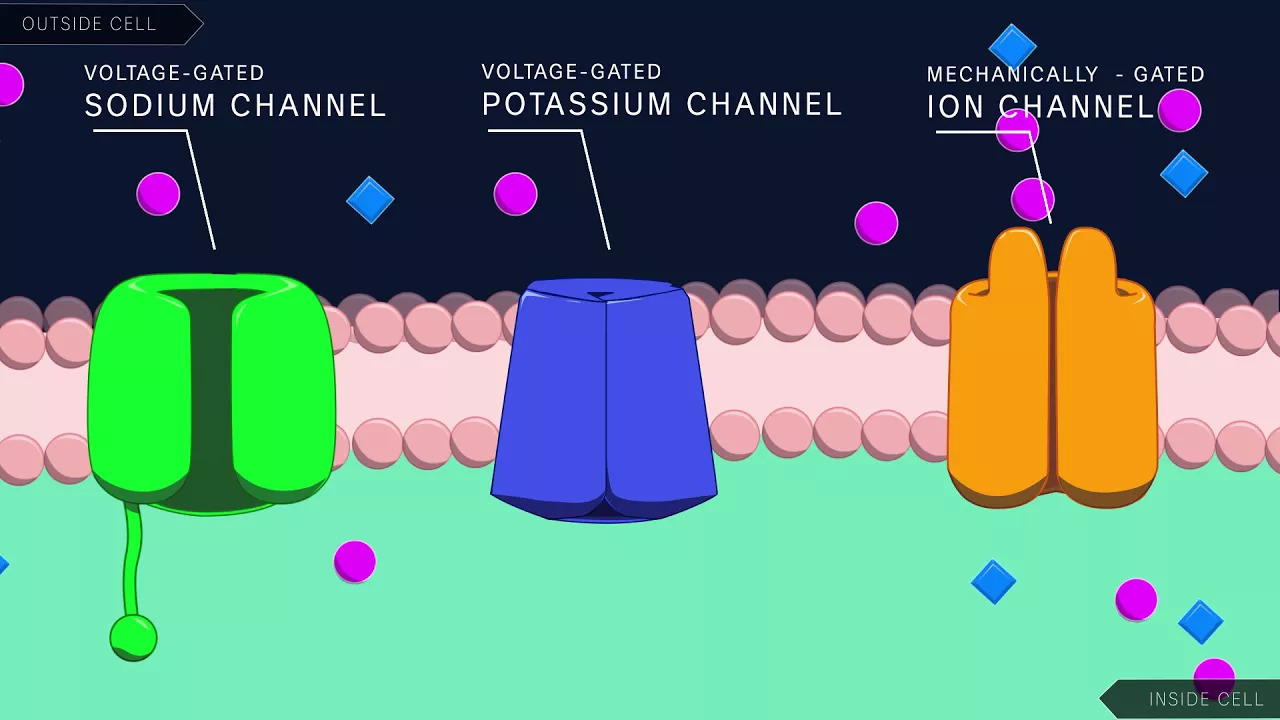
Added:today we are going to talk about one of the very important function of the cell membrane as we have discussed previously that cell membrane is made of lipid by a layer with associated proteins and it act as a semi permeable membrane now let's suppose here is a cell and let's suppose here is the cell and this is its cell membrane now all those substances which are required by the cell they need to cross the membrane and enter into cell for example oxygen need to be transported in right amino acids need to be transported in glucose needs to be transported in even some hormones like thyroid hormone they do enter into cell and many other substances they need to enter into cell right it means they need to be transported from extra cellular environment to the intracellular environment at the same time many cells synthesize many substances for example if this is a glandular cell it will synthesize some hormone right or some secretions and those secretions which are produced in the cell they need to be secreted out or they need to be transported from inside the cell to the outside the cell so what i am talking about that all those substances which are required by the cells they need to be transported from extracellular environment to the intracellular environment and cells synthesize and secrete many substances or release waste metabolic products they need to be transported outside the cell and one of the major function of the cell membrane is that it controls the transport of different molecules and substances across the cell membrane let's see what are the different transport mechanisms which are used by the different substances to cross the cell membrane we will start with a very simple mechanism and gradually we go to the more and more complex transport mechanism the simplest mechanism for the substances to move across the membrane is simple diffusion that is simple diffusion now this concept is very simple everyone knows that substances diffuse from high concentration to the low concentration so if there is a substance which need to be transported let's suppose these are the molecules of oxygen right as you know oxygen is constantly utilized within the cell so it means oxygen concentration within the cell will be low but in extracellular environment oxygen concentration is high so it means oxygen need to be transported from extracellular environment to the intracellular environment but because oxygen is soluble within the lipid bilayer because oxygen can dissolve into cell membrane so it can easily transfer across a membrane right but simply oxygen from higher concentration is moving towards the low concentration and cell membrane does not uh produces lot of resistance because oxygen molecule are very small and they are lipid soluble and they will dissolve into lipid bilayer right for ox for transfer of oxygen from exo solar environment to the intracellular environment we do not need any special mechanism then you know when cells are metabolically active they are producing carbon dioxide so carbon dioxide concentration is high within the cell right carbon dioxide concentration is high within the cell and it is low outside the cell it means carbon dioxide need to be transported from the intracellular environment to the extra cellular environment again you know carbon dioxide is soluble within the lipid bilayer because carbon dioxide can dissolve so we into membrane so from high concentration it can move to the low concentration outside the cell without much resistance so such substances like oxygen or carbon dioxide or other lipids lipids soluble molecules or very small molecules which can easily dissolve into cell membrane they can move across the membrane in a simple diffusion method is that right so this is the simplest you can say transport mechanism across the membrane which is called simple diffusion what is simple diffusion diffusion the mechanism in which molecules move from high concentration to the low concentration and which substances can easily diffuse across the membrane those substances which are very small molecular weight or which are highly lipid soluble is that right so this is basic about the diffusion now diffusion depends the rate of diffusion depends on which factors what are the factors which determine that how fast a substance will be diffusing from across the membrane number one rate of diffusion for example the rate of diffusion is directly proportional number one to the concentration gradient if concentration gradient across the membrane is very high substances will diffuse more rapidly but if concentration of a substance across the membrane is similar right diffusion will be very slow is that right so number one factor which determines the rate of diffusion is your concentration gradient then another mechanism another factor which determines that diffusion is yes who will tell me surface area of the membrane the surface area of the membrane is very big diffusion will be easy and fast but if surface area of the membrane is less diffusion will be slow so surface area also determines the diffusion then another factor which determine the diffusion of a substance across a membrane is solubility of substance within the cell membrane substances which are more lipid soluble they will be diffusing more efficiently and substances which are less lipid soluble they will be diffusing less efficiently so another factor is solubility of a given substance within the lipid bilayer right so we can say the rate of diffusion of a particular substance across the membrane is directly proportional to the concentration gradient directly proportional to the surface area of the membrane available for diffusion and directly proportional to the solubility of substance in the lipid bilayer but it is inversely proportional to the thickness of the membrane if membrane become more and more thick then diffusion rate will become slow and secondly this is also inversely proportional to the molecular weight of a substance of course as molecular weight of substance increases then rate of diffusion across the membrane will become less right so these were few words about the most simple transport mechanism across the membrane right now let's come to a little more complex mechanism we have discussed only diffusion across the membrane and diffusion mechanism simple diffusion is utilized by those molecules which are very small and which are lipid soluble right carbon dioxide like oxygen right now we come to some other substances for example glucose right glucose molecules or let's suppose there is sodium right this is an iron or there is calcium if these substances have to cross the membrane how they will cross now understand clearly sodium or calcium they are having charges on their surface they are ions they are charged molecules because they are charged and polar can they dissolve into lipid no if this cannot dissolve into lipid they cannot cross the membrane by simple diffusion right in the same way glucose is a larger molecule can it simply dissolve into membrane and cross answer is no so now we are we have to think that these are some examples some substances which have to cross the membrane but these substances have a trouble the trouble with these substances is that they cannot dissolve into lipid bilayer due to their larger molecular size or due to their polar nature or charge nature so simple diffusion will not help so how we can move these substances right now for that purpose in the cell membrane there are special type of protein molecules right and those protein molecules act facilitate the diffusion right how for example let me tell you about the glucose diffusion across the membrane it cannot simply diffuse it need its diffusion of glucose from high concentration to the low concentration cannot be a simple process because it cannot cross the membrane we have to facilitate this diffusion by some special mechanism what is that special mechanism you must be knowing that insulin have you heard of insulin insulin stimulate the cell and then glucose entry into cell increases it mean insulin increases the uptake of glucose by the cells who knows the mechanism how insulin increases the uptake of glucose by the cells anyone okay insulin will come here and say hey cell please take glucose i'm here i request you what insulin will do yeah insulin has receptors then yeah something will happen let me tell you a little bit little detail big detail we'll study in videos of receptors actually let's suppose first of all let's suppose this is the molecule of insulin right insulin is uh large peptide molecule it is made of lot of amino acids can insulin go into cell no it's a large molecule right and so what will happen insulin will bind with the receptor on the surface of the cell on the surface of the cell right now this is insulin receptor you will discuss insulin receptor and its mechanisms in detail in the lectures and receptors here i'm giving you a very brief example that insulin come to our target cell cells which are responsive to insulin must express insulin receptors on their surface is that right when insulin bind with the receptor this this insulin receptor has extra cellular domain and yes intracellular domain when insulin bind with the extracellular domain right it alters the structure of this receptor right and intracellular domain of the receptor is activated you will learn later that it undergoes autophosphorylation but i'm just making it brief that intracellular part of the receptor right gives signals multiple molecular signals and these signals do many intracellular activities one of the activity is that within the cell within the cell there are special type of vesicles what are these membrane bound vesicles cells which are insulin responsive they are having pre-formed intracellular membrane-bound vesicles in these vesicles these are the membranes right lipid bilayer membrane and in them there are glucose channels what are these glucose channels so what is happening that cells which are responsive to insulin these cells are having intracellular vesicles and these intracellular vesicles which are made of the membrane they are having special protein channels and these channels are basically channeled for glucose these channels allow the movement of glucose until these vesicles and their associated glucose channels or we call them glucose transporters until they are present within the cell they cannot be utilized for the transport of glucose right and when insulin comes and binds with this receptor it gives multiple intracellular signaling pathways and these pathways will for force these vesicles to move towards the surface and when these vesicles will travel towards the surface what will happen these vesicles will touch the surface here is that right and then vesicular membrane and cell membrane will fuse with each other right and these are your glucose transporters and what will happen when multiple vesicle move towards the cell membrane fuse with the cell membrane cell membrane expand there and suppose this is now vesicular membrane this is a patch of membrane which is from the vesicles this is a pi patch of the membrane actually these are three vesicles fused here and here and of course they were having what glucose transporters so what insulin has done that insulin bound with its receptor and insulin receptor initiated intracellular molecular events which transported the glucose transporters to the cell membrane and immediately cell membrane permeability for the glucoses increased now glucose can permeate through the membrane because now membrane is having glucose transporter proteins is that right and now glucose will be able to cross and of course glucose will move from high concentration to low concentration if you have eaten a lot of carbohydrates and glucose level in your blood is high then insulin level will go up and they will go to the different cells like liver cells muscle cells fat cells and their insulin receptors will be activated and then intracellular glucose transporters will appear on the surface and main parts of the membrane become highly permeable to glucose and now glucose will move again from high concentration to low concentration because glucose is moving from high concentration to the low concentration this mechanism is still called diffusion but this diffusion of glucose has been facilitated by the presence of glucose transporter proteins so this type of uh diffusion across the membrane is called facilitated diffusion that it has been facilitated by presence of certain protein molecules here those protein molecules are glucose transporters so i will write it here first of all we discussed simple diffusion and now we are talking about yes facilitated diffusion what is facilitated diffusion in facilitated diffusion of course substances diffuse from high concentration to low concentration but because these substances are either polar or these substances are larger molecular weight so they don't dissolve into simple in the lipid bilayer of the membrane so presence of certain carrier protein or channels facilitate the movement of those substances and such movement of substances from high concentration to low concentration is called yes facilitated the furion let me tell you another example of facilitated diffusion we were talking about calcium and sodium do you think sodium is present more inside the cell or outside the cells yes sodium is more present outside the cell and calcium is more present normally yes calcium is also present in higher concentration outside the cells right calcium sodium and calcium are in higher concentration outside the cells and potassium is in high concentration inside the cells you can just think of that cells are the bag of potassium floating into sea of sodium and calcium is that right cells are the bag of potassium why sodium is more outside and potassium is more inside we will learn after few minutes that every cell has a special transporter we'll discuss later which is called sodium potassium atpase these transporters are present in every cell membrane and they continuously keep on throwing the sodium out of cell and accumulating yes potassium inside the cell so due to the presence of sodium potassium atpases in almost every cell membrane every cell membrane is throwing sodium out of the cell and accumulating potassium into the cell is that right now as we know that sodium is in higher concentration yes outside the cell and it is inside the cell in low concentration if sodium needs to move from outside the cell to the inside of the cell of course then sodium will be moving from higher concentration to low concentration so it will be a type of diffusion but we know that sodium cannot dissolve into lipid bilayer so movement of sodium from high concentration to low concentration cannot be simple diffusion because sodium cannot dissolve into lipid bilayer so for this purpose sodium diffusion from extra cellular environment to the intracellular fluid has to be facilitated by some special mechanism nature has provided our cells with special type of channels right these channels act as sodium right sodium channels what are these channels these channels are again special type of proteins right let me make a channel here actually let's suppose this is one peptide chain right this is another peptide chain here is another peptide chain and now what happened i'm showing in this diagram one two three four five these are five peptide chain if they are put together right if they are clumped together they will convert into a yes channel they will convert into a channel and this channel is made of multiple peptide chains and in the channel suppose one two three four and five these are the peptides which are put together and they are now making a channel in the center of the channel there is water filled tunnel right this is so it means this is a protein channel and in the center of the channel there is water filled tunnel and now sodium can pass through the water it cannot pass through the lipid but it can pass through the water so those cells which allow the sodium to move across the membrane or those cells which allow the calcium to move across the membrane or those cells which allow the potassium to move across the membrane they are having sodium or calcium or potassium channels right now let's suppose we put here a sodium channel now in this sodium channel what is happening it will allow the movement of sodium from extracellular environment to the intracellular environment is that right so it means these the presence of these channels in active state facilitate the movement of sodium from high concentration to low concentration so movement of sodium through the sodium channels is an example of facilitated diffusion this is another example of facilitated diffusion right here i would it's worth mentioning that different channels are operated in a different way some channels are open all the time for example every cell has potash some potassium channels and these potassium channels are open all the time they are unregulated channel they are open all the time and from every cell some potassium all the time keep on leaking outward these are called potassium leaky channel what are they called potassium leaky channel so some channels like potassium leaky channels they remain open all the time right opposite to that there are other channels which are well regulated by special mechanism they only open under special circumstances for example there are voltage-gated sodium channels there are some sodium channels that normally cells are having resting membrane potential you will study it later that when cells are resting many cells have are electrically negative minus 90 millivolt inside as compared to the outside right we call it resting membrane potential suppose normal cell has resting membrane potential of minus 90 millivolt many sodium channels at this potential remain closed these sodium channels remain yes closed captioning not but many available channels are having special peptide gates and these gates are voltage sensitive at minus 90 they are closed but if you alter that potential within the cell rather than minus 90 millivolt if you make it minus 60 millivolt at this voltage this protein moves away and if this peptide component moves away right channel will open such channels which are sensitive to the voltage changes and they open at a specific voltage or the close at a specific voltage such channels are called voltage gated channels so some of the sodium channels are voltage gated channels so at a very specific voltage voltage gated sodium channels may open and then part of the membrane become highly permeable to sodium and then sodium will move from high concentration to the low concentration right and that will be an example of what facilitated diffusion am i really clear i think right now it's worth worth mentioning there are other types of sodium channels also these different types of sodium channels are present in different tissues there's another type of sodium channel they are not regulated by the voltage rather these are funny they are having a peptide here right now this this particular point is not sensitive to voltage this is sensitive to some neurotransmitter or hormone for example if acetyl have you heard of acetylcholine acetylcholine when acetylcholine comes and bind with the sodium channel this channel will open are you understanding this channel will open right so there are some sodium channels which are not voltage-gated channels they are gated by or controlled by or sensitive to certain specific binding substance this binding substance may be neurotransmitter like acetylcholine or it may be a hormone is that right so such channels which open or close in the presence of a specific neurotransmitter or in the presence of a specific hormone right such channels are called yes they are not called voltage-gated channels they are called ligand operated channels ligand mean a specific substance which bind to a specific protein so acetylcholine is ligand right if some other substance bind here that is ligand for this protein molecular channel so such channels are called yes ligand operated channel ligand gated channels or ligand-operated channels right so as you will study at advanced level medical sciences you will come to know there are many channels in the membrane right and there they are altering their function under different stimulus some are like potassium leaky channels they are unregulated channels they are open all the time then there are voltage sensitive or voltage-gated sodium channels as well as there are voltage-gated calcium channels the voltage-gated potassium channels also so there can be potassium leaky channels alpha as well as there can be potassium voltage gated right in the same way there can be ligand gated channels ligand means any specific neurotransmitter or any specific hormone or any other substance which specifically bind with a specific protein right so ligand operated channels some of the sodium channels the ligand operated some of the potassium channels are ligand operated some of the calcium channels are ligand operated is the right but all these channels either they are a voltage operated or ligand operated or they are leaky all of them when they are active they increase the membrane permeability to a specific ion and let the iron diffuse across the membrane and all of them are examples of what type of diffusion is it simple diffusion no what is this diffusion facilitated diffusion is that right so what we learned up to now that facilitated diffusion is an example of protein mediated cell membrane transport mechanism because these are proteins so glucose transport was also an example of glucose transport was also an example of facilitated diffusion ions transport across the membrane is also an example of facilitated diffusion do you have any question here there is no question now let's go to another transport mechanism if you don't have any question up to this up to now we have discussed simple diffusion where substances are moving from high concentration to low concentration and simple diffusion does not require any type of energy input do you think we need energy input to move the substances downhill no when substances are moving from high concentration to low concentration we say substances are moving downhill so simple diffusion does not require any input of energy then we talk about yes facilitated diffusion diffusion and facilitated diffusion again substances are moving from high concentration to low concentration right only presence of special transporter the channel facilitates the diffusion is that right because substances are again moving from high concentration to the low concentration so again we do not need to utilize some sort of energy so it means simple diffusion and facilitated diffusion can occur across the membrane from high concentration of the substances to the low concentration of the substances without any input of energy and such transportation mechanism in which energy is not invested we call them passive transport so these two transport mechanisms are what type of transport mechanisms yes please passive transport mechanisms do you have any question up to this yes please is there any question there's no now we'll come to another type of transport across the cell membrane in which we will utilize energy as we discussed earlier that extra cellular environment is rich in sodium an intracellular environment is rich in potassium is that right and we discuss why it happens i was telling you that every cell membrane is rich in special type of transporter proteins and these proteins are called yes sodium potassium 80 pages now what is the speciality of these proteins these proteins the special type of carrier proteins right they are having three pockets here and they are having two pockets here now in this pocket it will bind sodium sodium and sodium and here it will bind yes please potassium so what really happens this is a very special type of protein which is inserted in the membranes of all cell right what is the special point related with this protein that it has three three domains on one side and two domains on other side the three domain are usually hanging inside the cell and they love to bind sodium they love to bind sodium and these domains which are hanging outside the cell they love to bind yes potassium these are potassium binding domains usually it binds to potassium and these three are yes sodium binding domains usually they bind three molecules of sodium when this molecule is loaded like this it opens a special pocket here in this pocket once this is loaded this is loaded it open a special pocket and in this pocket what will fit in atp molecule now this domain of the molecule has capability to break down down the atp into adp and phosphate and the molecule will be energized when you break down the atp into adp and phosphate so what really happens we can say it will bind atp and release out adp and inorganic phosphate and of course during this process what will be released energy will be released by the breakdown of atp that energy will be utilized by this special molecular motor or special protein molecule under the face of that energy this will flip and when it will flip it will move like this twist like this so what will happen sodium domains will go out and potassium domains will come yes n so the new configuration of the molecule will be like this that now sodium domains are outside and potassium domains have flipped inside as soon as sodium domains are outside they open and they release sodium so three sodium will be transferred from intracellular environment and pumped into extracellular environment and these domains will also open and what will come out to potassium right so what really happened this is a very special type of integral protein in the cell membranes it is so universally present that this protein is present in every cell membrane is that right what is the function of it that it is responsible to take the sodium pump the sodium out of the cell and pump the potassium into cell we already know the sodium concentration outside the cell is very high and we know that potassium concentration is already present inside the cell in higher concentration so what does it mean that this molecule has to pump the sodium from low concentration to high concentration so it is pumping the molecules downhill or uphill uphill and if you want to pull anything uphill you need to invest energy you are experienced right so this molecule or this transporter is transporting the ions against the concentration gradient that sodium from intracellular environment is continuously being pumped to extrasolar environment from low sodium concentration to high sodium concentration at the same time when three sodium that pumped out two potassiums are pumped from extracellular environment to the intracellular environment again against the concentration gradient of potassium so we can say that this sodium potassium pump or we call it sodium potassium atpase because it has capability to break down the atp so you call this enzyme this component is enzymatic we call it this is working like an enzyme to break the atp so we also call it sodium potassium atpase right so this sodium potassium atpase or sodium potassium transporter is present in every cell and continuously throwing the sodium out of the cell and pumping the potassium into the cell so that it is responsible to maintain the high extracellular sodium concentration and high intracellular potassium concentration is that right am i clear and these sodium pressure methods as i told you they are present in every cell they utilize a large portion of your atp is that right so this is one example now because substances are moved against the concentration gradient so this is an example of active transport it cannot be passive transport and secondly in any transport mechanism when energy is utilized that transport mechanism is said to be active transport you know simple diffusion was passive transport facilitated diffusion was passive transport because in simple diffusion and passive diffu facilitated diffusion substances are moving from higher concentration to low concentration but when we are talking about example of sodium potassium it passes they are moving the ions against the concentration gradient right so they have to utilize energy in the form of atp so sodium potassium atpase and transfer of sodium to the outside of the cell and potassium into the cell is an example of active transport now in this active transport mechanism we are using the atp directly at the transport site atp energy is utilized directly at the transport molecule or transport site so we say input of energy is in there is a direct input of energy in transporting mechanism and whenever biological energy is directly utilized in transporting mechanisms or transporting proteins we say that this is this is primary active transport again let me tell you whenever we move substances against the electrochemical gradient we say there is a mechanism of active transport in active transport we need to use energy if energy is utilized directly at the site of transport then we say there is primary active transport so this is not only an active transport but energy is utilized at the site of transportation activity so this should be called what type of what type of active transport yes primary active transport is that right any question up to this another example of primary active transport is you may be knowing that within the cells there is a network of tubes which is called endoplasmic reticulum now if there is a lot of calcium in the cytoplasm calcium should be pumped actively into endoplasmic reticulum endoplasmic reticulum is a network of tubes right within the cell cytoplasm right and actually they are very rich these tubes are full of calcium whenever calcium go goes out of endoplasmic reticulum this calcium should be pumped back and if calcium has to be pumped from cytosol back to endoplasmic reticulum calcium is moving against the concentration gradient so it has to be passive passive transport or active transport active transport and there's a calcium transporter here there's a pump here which loves to move the calcium and this pump whenever it moves the calcium it breaks down the atp into adp and inorganic phosphate so this is also having an enzyme activity of atp now this calcium transporter is pumping the calcium from cytosol to the endoplasmic reticulum from low concentration of calcium to the high concentration of the calcium so transportation of calcium is against the concentration gradient so it must be considered active transport and in this active transport because energy biological energy is utilized by the transporting molecules directly so it should be called prime reactive transport and what should be the name of this protein calcium atpase as this was sodium potassium atpase is that right what is this this calcium atpase is that right so these are two examples of what type of transport primary active transport i think now it's important that we should talk about secondary active transport anyone is confused after this no one is confused anyone sleepy okay now we talk about what is secondary active transport in secondary active transport substances are transported across the membrane against the concentration gradient but energy is not utilized directly at that very point there is indirect utilization of energy i think you don't understand anything let me take a help of a diagram there what is secondary active transport let's suppose there is lot of glucose here glucose molecules are here we need to move these glucose molecules from this point up to this point right okay i will give you a very simple example let's suppose this is your gastrointestinal system git it is your git not anything else please don't get confused this is a cell right you have taken some coca-cola and i hope lot of glucose has gone in right now you want to take all this glucose inside the cell and you don't want to leave any glucose in the lumen so when you will keep when this cell will keep on taking up the glucose glucose concentration in the cell may become high but still it should keep on taking up the glucose it means in the end it is taking the glucose against the concentration gradient it means glucose eventually need to be pumped against the concentration gradient is that right now how it really happen let's suppose this cell i put here actually in this cell this is called luminal side of the membrane this is on the lumen and this is the basal side of the cell here are your friends who are these sodium potassium 80 pages and these are the site of what activity primary active transporter secondary active transport primary active transport let me make it more clear i'm making one cell of git here right this is luminal side and this is basolateral side right of course there are many cells not one cell now i said that on this side of the cell what are these yes please sodium potassium 80 pages they are taking the sodium against the concentration gradient outside and they are bringing the potassium inside is that right am i clear the function of this sodium potassium at phases is to keep the sodium concentration in the cell very high or very low low and here sodium concentration very high is that right now we remove the cell at this level now this is your what is this luminal membrane and this is your basolateral and because this pump is working here it is keeping the intracellular sodium level very low is that right now from here it has to take whatever glucose now there are very special type of transporters present on this side i will draw these transporters here these are very special type of transporters which are responsible to transport the glucose let me make one transporter big here let's suppose this transporter is here right now this transporter protein has two pockets in one pocket it can bind glucose in one pocket it can bind glucose and in other pocket it can bind sodium if listen if only glucose bind this transporter will not work if only sodium bind it does not work this transporter protein can only be active when sodium binding domain and glucose binding domain both of them are appropriately loaded is that right if both of them are loaded this protein will flip inside right its next configuration will be like this right so sodium will be released in as well as yes glucose will be also released inside now what we have seen that this is a protein which can transport sodium and glucose together this is an example of core transporter this type of transporters are called co transporter it is sodium glucose co transporter or some people simply call such type of transporter sim port sim port or go or core transporters so there are many types of co-transporters here i have given an example of sodium and glucose co-transporter now this co-transporter can take the sodium and glucose from the extracellular environment and bring them to intracellular environment now in this example sodium is going down the concentration gradient from high concentration to low and glucose is moving yes from low concentration to high concentration even if you have accumulated lot of glucose here still it will keep on pumping the glucosamine now glucose is moving from low concentration to high concentration because last molecule of glucose will be also sucked up so is it an active transport or passive transport is it a glucose is transported against the concentration gradient or with the concentration gradient it is against the concentration gradient glucose is transported downhill or uphill up here so it is passive transport or active transport active transport it is active transport of glucose it is active transport of glucose is that right but it is facilitated diffusion of sodium sodium is moving from high concentration to low concentration so this concept is little bit complex but i hope your complex mind will understand it right that same transporter is moving once from substance down the concentration gradient and other substance up the concentration gradient so the substance which is going down the concentration gradient is sodium and presence of this carrier has facilitated the moving movement of the fuel and sodium from high concentration to low concentration so we will say sodium glucose co transporter is transporting the sodium as an example of facilitated diffusion and transporting the glucose an example of active transport but do you think any direct energy is utilized here atp no because atp is not utilized here so it is not primary active transport but from where the energy comes for transportation of glucose now this is a very important question because glucose is trans being transported from low concentration to high concentration so it is active transport there must be some input of energy but atp is not directly utilized there so it cannot be primary active transport so what kind of transport is it let me tell you actually this transporter will keep on working until inside the cell sodium concentration is low sodium gradient outside the cell should be high and sodium concentration inside the cell should be low so this sodium gradient right is produced by utilization of atp by this pump this pump was whatever sodium is coming in it is this pump is actively throwing out so this pump is utilizing the energy sodium potassium 80 pages are utilizing the energy to keep the intracellular sodium concentration very low and when sodium diffuse from high concentration to low concentration energy which is released is utilized by this transporter protein to drag the glucose from low concentration to high concentration the classical example to prove that this mechanism is using the energy of this is that scientists this made this channel this transporter dysfunctional there is a substance called obeying a toxic substance called obein the exposed the celt exposed to the cells to obey obeying well especially made this part dysfunctional and as soon as this the cell will be exposed to the obeying sodium potassium atpases stop working stop utilizing the atp and intracellular sodium level will start going up and when internal cellular sodium levels will go up this sodium will not come in and if the sodium cannot come in this glucose cannot also come in so this was a excellent proof that energy which is primarily used here right is actually utilized to keep the intracellular sodium down this energy is indirectly responsible right to actively transport the glucose right so this sodium glucose transporter or co transporter is moving the glucose from low concentration to high concentration as active transport mechanism but this active transport mechanism is not having the biological energy input directly into this transport mechanism biological energy is utilized somewhere else so it is having indirect energy utilization so we call it secondary secondary active transport mechanism am i clear what is this secondary active transport mechanism another example of secondary active transport mechanism is that there are some other type of transporters present here on one side they can bind sodium and on other pocket they can bind amino acids and when both of them are loaded it will flip in sodium will go down the concentration gradient and minus it will go up the concentration gradient so it means in the gastrointestinal system sodium and glucose co transportation or sodium and amino acid co transportation are example of secondary active transport am i clear any question up to this so is there any you are clear what is simple diffusion simple diffusion does not utilize any proteins facilitated diffusion is from high concentration to low concentration but utilization of special protein but no energy utilized right in facilitated diffusion there were carrier proteins transporters or there were channels you know glucose transporters were there and iron channels were there then we were talking about primary active transporters where energy is utilized in moving the substances of molecules against the concentration gradient is that right and in primary active transport the transporting mechanisms are utilizing the atp directly at the site of transporting mechanism in secondary active transport substances are moved from low concentration to high concentration but they are transported in association with another molecule which is going down the concentration gradient is that right the classical example of secondary active transport is glucose sodium co transportation are sodium and amino acid co co-transportation there are some other cells in the body they also utilize similar mechanism i will show you those cells are having some transporter and on one side these transporter can bind sodium and but inside the cell they can bind proton now listen carefully this is another transporter but it has it is different than those two these transporters were having sodium and glucose both of them were taken from outside and transported inside so this was example of co transportation but this transporter has two domain one extra cellular domain another intracellular domain extracellular domain binds sodium intracellular domain binds proton and then sodium comes down its concentration gradient right and when it will flip what will move out what will move out proton will move out and even if there is high concentration of proton outside still this will keep on pumping the proton out until sodium can move in this is another example of what type of transport protons are moved against the concentration gradient so this is an example of active transport but atp is not directly utilized here so what is this secondary active transport another important thing can it be co transport no in co transport two things should move in the same direction here the two molecules are moving in opposite direction these are called counter transport what is it called this is an example of counter transport or such molecules are called nt ports anti ports these co transporters were sim ports you remember they were sim ports and these are anti ports so secondary active transport mechanisms are those mechanisms in which two molecules are moved across the membrane and energy is utilized indirectly right if both molecules are moving in the same direction then these mechanisms are called sim ports or co transporters if both molecules are moving in opposite direction these are called counter transports or nt ports am i really clear let's have a break right so let's have a little review what we have done up to now there's a test if a substance is simply diffusing through the membrane moving from high concentration to the low concentration this is an example of simple diffusion if a substance is moving from high concentration to the low concentration across the membrane but for its movement it requires special type of protein which may be channels or which may be carrier proteins that is an example of facilitated diffusion if a substance is moved across the membrane from low concentration to the high concentration whenever substances the movie moved from low concentration to high concentration they moved against the concentration gradient that will be an example of active transport and if active transporter proteins are directly utilizing the energy then that is an example of primary active transport if substances are moved against the concentration gradient right but transporting mechanisms are not utilizing the energy directly that is an example of secondary active transport in secondary active transport if two molecules are moving in the same direction that is an example of co co transport or symport if during the secondary active transport to molecule the moving against the direction of each other through the membrane that is an example of counter transport or antibody no problem after this now what we have learned that simple diffusion does not require any carrier protein right so simple diffusion is not protein mediated transport simple diffusion but other example we discussed about yes what was that facilitated diffusion and in facilitated diffusion we needed the protein molecules plus in case of second primary active transport in case of primary active transport we also used protein molecules and in case of secondary active transport secondary active transport we also used protein molecules it means these three mechanisms facilitated diffusion are primary active transport or secondary active transport all of them are protein-mediated transportations across the membrane or they can also be said that there are carrier mediated carrier mediated transport mechanisms carrier protein mediated transport mechanism now such transport mechanisms which use the proteins as carrier have some special specificities for example i told you there is there were the glucose transporters you remember this is an example of facilitated glucose transport or there were sodium and glucose transportation do you remember that was secondary active glucose transportation now both of them are carrier mediated proteins are involved is that right now such type of transport mechanisms have some characteristics one characteristic is that such transport mechanisms show stereo specificity stereo specificity now what is meant by this let me tell you actually these transport mechanisms are specified if this is glucose transporter right it will transport only glucose not amino acid even it will be so specific that glucose is of two type there is d glucose and there is l glucose you know there is d glucose which is dextroatric glucose and there is l or liberatory glucose actually in our body the glucose transporters are specific for d-glucose and if l-glucose bind there they will not transport so it means these transport mechanisms are specific if there is sodium glucose transporter this same protein cannot transport sodium and amino acid for the transportation of sodium and amino acid we need a different carrier is am i clear to all of you so this concept that carrier proteins which are utilized in facilitated diffusion of primary active transport or secondary active transport they display the phenomenon of stereo specificity that they are specific for example sodium potassium atpase does transfer the sodium and potassium but it cannot transfer magnesium and calcium so it's clear to you this is one characteristic of carrier mediated transportation second is that these mechanisms are showing the phenomenon of saturation i will tell you what is saturation phenomenon of saturation actually let's suppose that in this membrane there are multiple glucose transporters now if glucose concentration is very low it will rapidly transfer but if you keep on increasing the glucose concentration here more and more carrier proteins will be utilized and if you increase the glucose concentration very high all the carrier will be saturated then further increase in glucose concentration will not further increase the transporting activity again let me tell you for example if there is a special carrier protein here and the substance which is being transported by the carrier if you keep on increasing the concentration of that particular substance then more with progressively increasing the concentration of the substance there will be progressively increased utilization of the carrier a time will come when concentration of substance may reach so high all carriers are utilized then further increase in the concentration of substance will not further increase the transportation am i clear we can show it by the graph let's suppose here we are increasing the subs concentration of glucose here we are showing the transport of glucose initially as you are increasing the concentration of glucose right transport of glucose is progressively increasing a time come when all the transporters are saturated when you further increase glucose concentration transportation will not increase and it becomes straight line so initially when you increase the concentration of substance in the very beginning all the all the transporters are available so this is very good transportation rapid increase in transportation but as you keep on increasing the concentration of the substance a time come when all the transporter become saturated then further increase in concentration will not further increase the transport velocity am i clear we say that at this point transport maximum has been reached am i clear the classical example of this is in your kidney let's suppose this is your blood circulatory system and this is one of the nephron of kidney in the kidney there are cells here which have transport mechanisms for glucose so glucose filter from your blood glucose filter from your blood into this nephron tube and from here these cells transport glucose back to the blood so normally right right now from blood glucose is filtering into this space and all the glucose is reabsorbed and in your urine right now there is no glucose but if i keep on increasing the glucose concentration in your blood if i keep on increasing the glucose concentration in your blood then glucose delivery here will become progressively more and then more and more glucose will be reabsorbed a time will come when glucose concentration in blood is very high and so much glucose is loaded here that all the transporters are fully saturated and extra glucose spills into urine this is what happened in diabetes biliters that when you don't have you have relative deficiency of insulin and glucose cannot be utilized by the cells so glucose levels in the blood goes very high and so much glucose come into nephrons then nephrons cannot reabsorb all the glucose so extra glucose spilled into urine am i clear no problem after this so these carrier mediated transport mechanisms which are facilitated if you know primary active transport or secondary active transport all of them show certain phenomena phenomena number one is that they show these proteins show stereo specificity that these carriers are specific for their transporting substance number two that they show the phenomenon of saturation and transport maximum is that right and third phenomenon is that they show the concept of computation computation for example glucose is being absorbed from here another molecule which is very similar to glucose is galactose galactose right in the gastrointestinal system if you provide lot of galactose then these channels will start using the galactose and glucose absorption will be transport will be reduced so we say galactose is competing with the the competition between the galactose and glucose for the same transporter and carrier protein am i clear right so again let me repeat it that facilitated diffusion primary active transport and secondary active transport these are carrier proteins mediated transport mechanisms all these mechanisms are specific for a given substance to be transported number one number two as you keep on increasing the concentration of substance to be transported then these mechanisms become fully saturated is that right and then their further increase in transportation is not seen thirdly that these proteins or carrier protein transportation mechanisms display the phenomenon of competition that if they are transporting one substance if other substances is very similar to one and other substance also is available then between the first and the second substance there will be competition to use the carrier proteins for the transportation purpose am i clear no problem up to this having said all of this now i will come to another very special type and the last type of transportation mechanisms and the last type of transportation mechanisms which i am going to discuss you they are given a very special name and that is called vesicular transportation let me tell you what is vesicular transportation transport mechanisms vesicular transport mechanisms in these mechanisms what really happens that substances are transferred across the membrane by utilizing special membrane bound vesicles right for example let me tell you membrane bound vesicles are that this is lipid bilayer membrane and the substance which is present in the substance may be transported from outside to inside by making the formation of vesicle or this may be transported from inside to outside so i will discuss this when through the vesicular mechanisms cells are taking up extracellular material inside we say this is endo cytosis what is this mechanism called endocytosis if cells make vesicles and capture extracellular material and take it in we say there is a phenomenon of endocytosis and if there is some substance which is present within the cell that substance is loaded in a vesicle then vesicle come and fuse with the membrane and throw the substance out then that is called yes very good exo cy2 cells now let me go into little more detail there are three types of endocytosis one type of endocytosis is very common in many cells their membranes make small indentations and then these indentations become deeper and then they become more and more deep and then this detaches and in this small indentation or depression just few a little amount of extracellular water is water is captured with some soluble substances so what is here only little extra cellular water with some soluble substances there is no special particle captured we say cell is drinking extra cellular water cell is drinking extracellular water so what happens in many cells normally cell membranes make a small depression and in that depression some small amount of extra solar fluid is trapped and then membrane flows around that make a vesicle which moves away and some extracellular fluid is captured in the vesicle and taken into cell transported from extracellular environment into intracellular environment and in that extracellular solution there may be some proteins which are present in dissolved state but there is no particle not well defined particulate matter this type of endocytosis is called yes please very good this type of endocytosis is called pino cells psychosis what is pinocytosis this is a special type of endocytosis in which cell is drinking extracellular fluid and whatever is dissolved in the fluid is that right then there is another type of endocytosis in which cell will trap a special type of particle let's suppose there is a bacteria here there is a bacteria here and cell membranes especially this is displayed by the white blood cells neutrophils the macrophages cell membranes move around this bacteria you are understanding me right and then the cell membranes move around the bacteria and then fuse at that end you progressively move to each other and eventually they fuse here and here right and then this point has pushed paint off and now this vesicle along with the unfortunate unhappy bacteria is trapped in this is not drinking it is eating because uh a special particulate matter has been taken special particle the particle may be bacteria it may be some fungus it may be some small foreign body this particle may be some piece of a dead cell or this particle may be just carbon particle this process is not drinking it is this process called eating by the cell and this is called oh yeah i think all of you are interested in eating all of you know this is called phagocytosis the special thing in phagocytosis is that you know to capture bacteria or particle is not easy and i think this vesicle become really very heavy to move this and pull it in special type of protein molecules special type of protein molecules make polymerized these are special protein molecules which are specially arranged around it to pull it in these protein molecules are called yes what are they called these are called actin filaments actin protein so in the process of phagocytosis the intracellular actin molecule reorganize themselves to pull that vesicle in you have noted that in pinocytosis there was no involvement of actin molecules but in phagocytosis there is rearrangement of the actin molecules is that right then i come to another type of endocytosis for example liver cell liver cells are of course in the liver they are called hepatocytes right liver cells love to take the cholesterol from the blood into their cytoplasm and cholesterol is taken in the form of ldl you know ldl low density lipoprotein they're rich in cholesterol if this is a liver cell then this cell should express special type of my god this color is very bad it's difficult determination can do anything this is a receptor for ldl what are these this is ldl receptor ldl is the cargo for ldl transporting and this is what is this ldl molecule what is that ldl low density lipoprotein molecule now in the liver cell membrane right they within the membrane there are special areas which are expressing high concentration of ldl receptors when ldl receptors become loaded with the ldl when ldl receptors become loaded with the ldl then these receptors give signals inside the cell and when they give the signals inside the cell a special type of protein molecules come and bind to this part of membrane these protein molecules they are like pinching machines these are pinching molecules they pinch the piece of membrane and pull it in because membrane will be pulled in so what really happens that you will find that this piece of the membrane has become like this these were receptors for yes ldl and here is ldl and now whatever these these receptors are loaded in area as soon as the receptor become loaded special proteins appear and bind under the surface of this membrane to the cytoplasmic phase these proteins are called cleftrains leth rinse right these proteins move like molecular motors and drag the piece of membrane inside right these are called clathrin coated fit pit letherin coated pits right these electron coated pits progressively move inside eventually they convert into collecting coated what vesicles you know later in coated vertical then in this vesicles what is trapped ldl molecule along with their receptors right and clethrin will keep on pulling them in until these two points will fuse with each other and then a very special type of enzyme will come and pinch it off and this will move in and now this has become clathrin coated vesicle of course in the cyto plasm right and now of course you know your friends are trapped over here the name of your friend is ld l and then what will happen there are some other vesicles which are loaded with enzyme these enzyme loaded vesicles these enzymes are having special cutters these vesicle and this vesicle will fuse together and these enzymes will remove the ldl and remove the cholesterol and what are these receptors will go back to bring more ldl in so this is an example where ldl is being endocytosed right but this endocytosis of ldl is dependent on the presence of its receptors so this is called receptor mediated endo cytosis receptor mediated endo cytosis right and this endocytosis is classically having involvement of kleptons so how many endocytosis there is three types of endocytosis one is inocytosis it is not dependent on actin and it is not dependent on clathrin then there is phagocytosis which is dependent on rearrangement of actin then there is a receptor-mediated endocytosis which is classically dependent on clathrin is there any problem there is no problem now we come to this was the vesicular mediated transport of substances from the extracellular environment to the intracellular area is that right which is called endocytosis a few words about exocytosis exocytosis is displayed when cell is synthesized and stored a substance within the vesicle let us suppose this cell has synthesized a hormone you know beta cell of pancreas synthesized insulin right and suppose these are insulin molecules let's suppose these are insulin molecules and these insulin molecules are stored into this vesicle is that right when beta cells of pancreas are stimulated then calcium in flux occurs special type of calcium channel open and calcium comes in beta beta cell the pancreas are stimulated calcium and flux occur and calcium mediated or calcium dependent exocytosis start because when calcium come in calcium interact with certain proteins here these are also collateral and these vesicles will move towards the yes they will move towards the surface right and what will jump out insulin so this is an example where there is exocytosis of intracellular intravascular substances right here what we have released there's calcium dependent exocytosis releasing insulin so many endocrine glands when they synthesize and store the hormones hormones are released by the process of exocytosis and this exocytosis is usually calcium dependent another example of calcium dependent exocytosis is release of neurotransmitters for example this is one neuron and this is another neuron for example this neuron has vesicle with acetylcholine it is having vesicle loaded with acetylcholine when calcium will go in these vesicle will move to the surface fuse here and they will release which substance acetyl choline so this is an example of calcium dependent exocytosis of neuro transmitter may be depending upon if this neuron was storing epinephrine or norepinephrine or scrotanine or dopamine or histamine or acetylcholine whatever it was storing calcium dependent exocytosis will lead to the release of its neurotransmitter substance so in the central of system neurotransmitters are released from the nerve endings by the process of exocytosis from many endocrine glands secretions are released into blood by the process of exocytosis is that clear so these were all different type of transport mechanisms i will just take a quick test and then we will finish the class sodium is being transported against the concentration gradient it's active transport passive transport sodium is being transported across the membrane against the concentration gradient it is active transport transporter is using energy primary active transport sodium is being transported across the membrane right across the membrane along the concentration gradient through its channel this is an example of facilitated diffusion glucose is transported across the membrane through its through its transporters along the concentration gradient is moving across the membrane along the concentration gradient through glucose transporter this is an example of yes facilitated transport of glucose diffusion of glucose is being transported across the membrane along with the sodium against the concentration gradient and energy is not directly utilized this is secondary active transport for the glucose cell is making some vesicles on the surface and vesicles are going from the cell membrane to the cytoplasm no reorganization of actin no clathrin involved pinocytosis cell membrane is making vesicles and they are moving from the surface to the cytoplasm and they are loaded with the clathrins receptor mediated endocytosis from cell membrane physical the pinching of going to the cytosol cytoplasm and there's reorganization of actin involved processes phagocytosis right some vesicles from the cytoplasm move towards the cell membrane and fuse there and release their content in extra cellular environment processes exocytosis is that right some substance are moving across the membrane along the concentration gradient along the concentration gradient no energy involved no transporter involved simple and lecture simply finishes classes
Up Next

Sodium-Potassium Pump (ATPase): Mechanism & Function Explained
@EngineerClearly
99.1K views•2011-10-31
Bacterial Communication: Quorum Sensing and Biofilm Formation Explained
@JHUAAP
12.6K views•2011-06-28
Retina Anatomy: Key Points on Rods, Cones & RPE Functions
@DoctorNajeeb
275.9K views•2015-12-16
Bacteriophages: Earth's Deadliest Killers and Future Antibiotics
@kurzgesagt
34.6M views•2018-05-13
Related Study Plans & Knowledge Roadmaps
Structured learning paths in Biology