








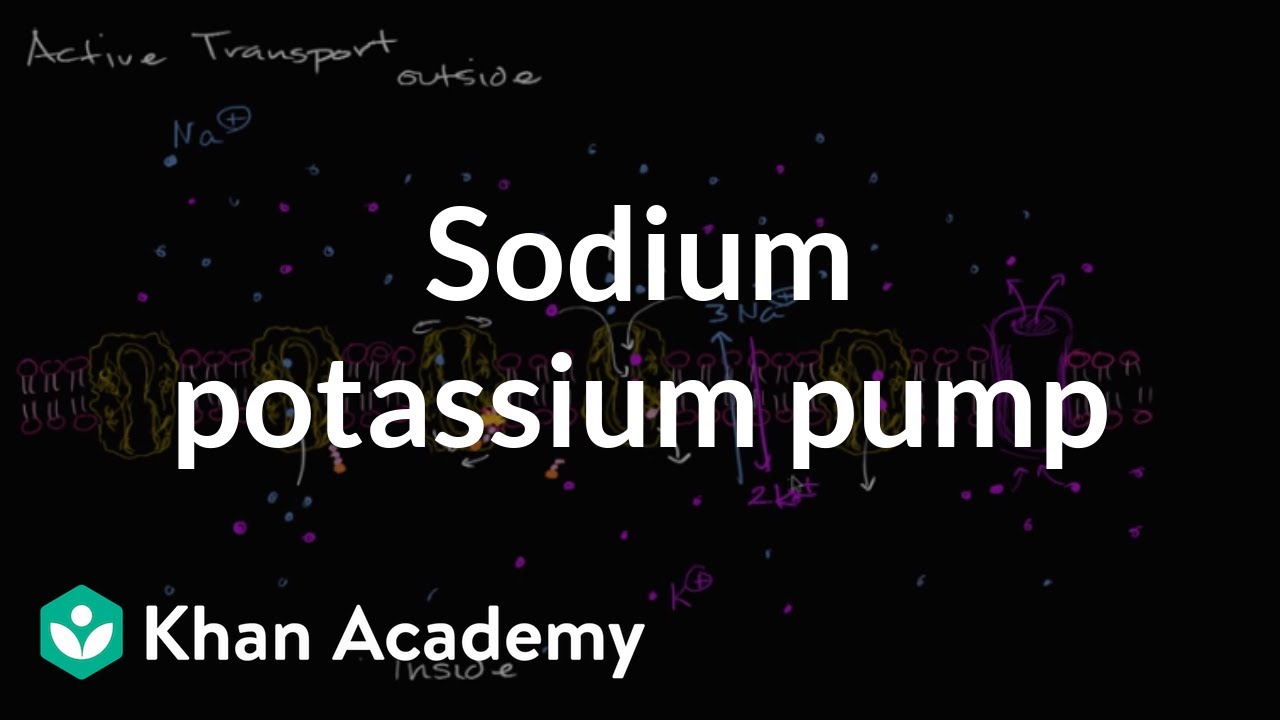


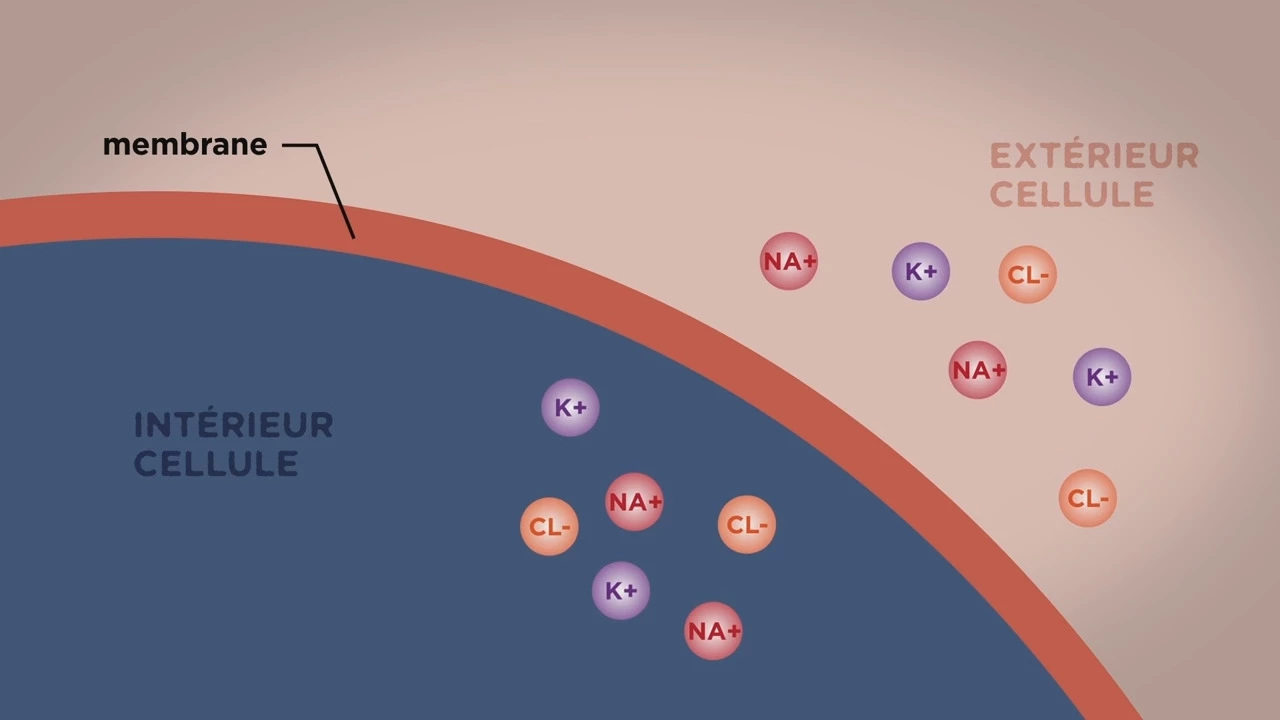





The sodium-potassium pump (Na+/K+ ATPase) is an active transport protein that uses ATP energy to move 3 sodium ions out of the cell and 2 potassium ions into the cell against their concentration gradients, creating an electrochemical gradient essential for cellular functions; the pump works by having sodium ions (smaller) bind first, triggering ATP hydrolysis which attaches a phosphate group causing a conformational change that releases sodium and allows potassium ions (larger) to bind, then the phosphate detaches causing another conformational change that releases potassium, repeating this cycle to generate a slight positive charge across the membrane.
Sodium-Potassium Pump (ATPase): Mechanism & Function Explained
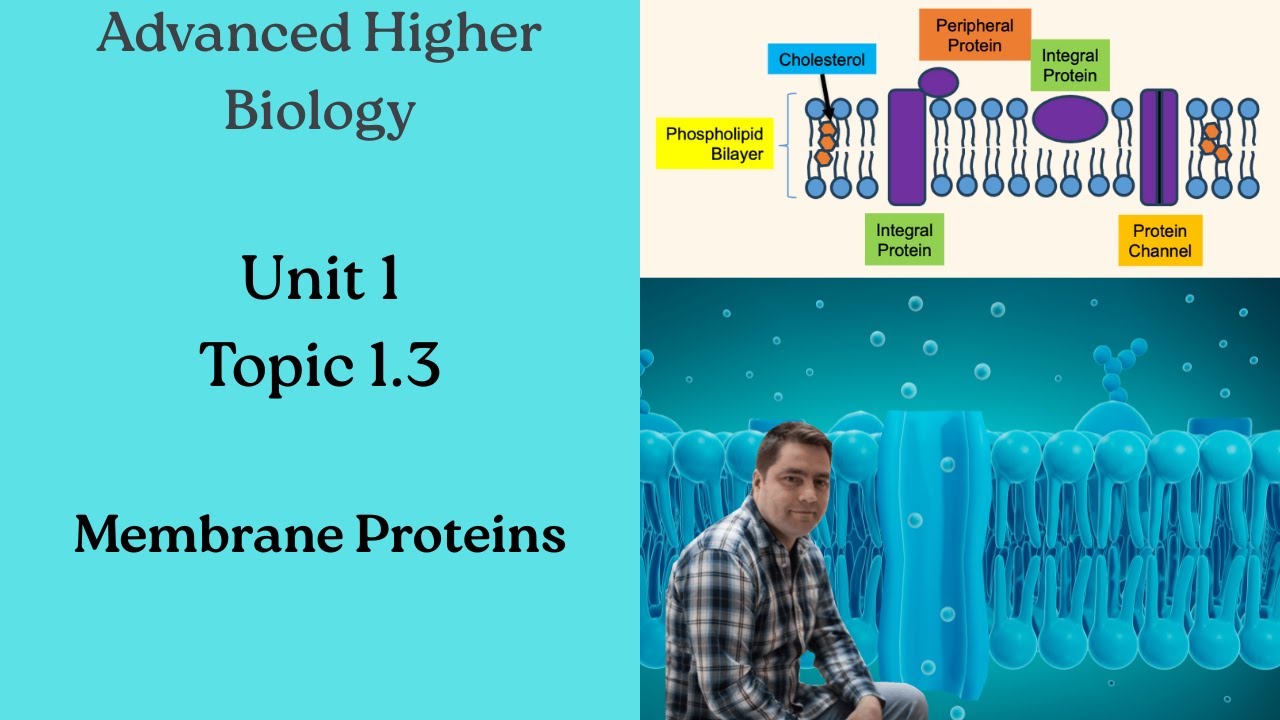
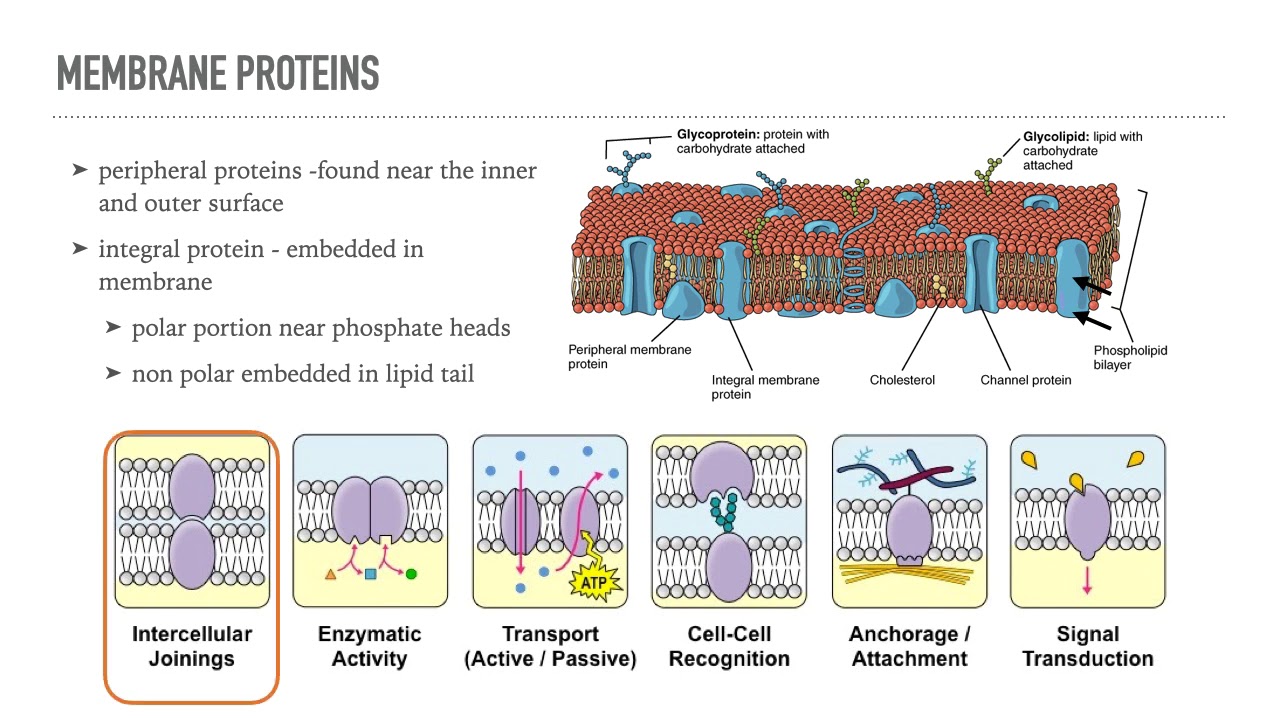
Added:Structure of the cell membrane, specifically the lipid bilayer and the role of integral membrane proteins.
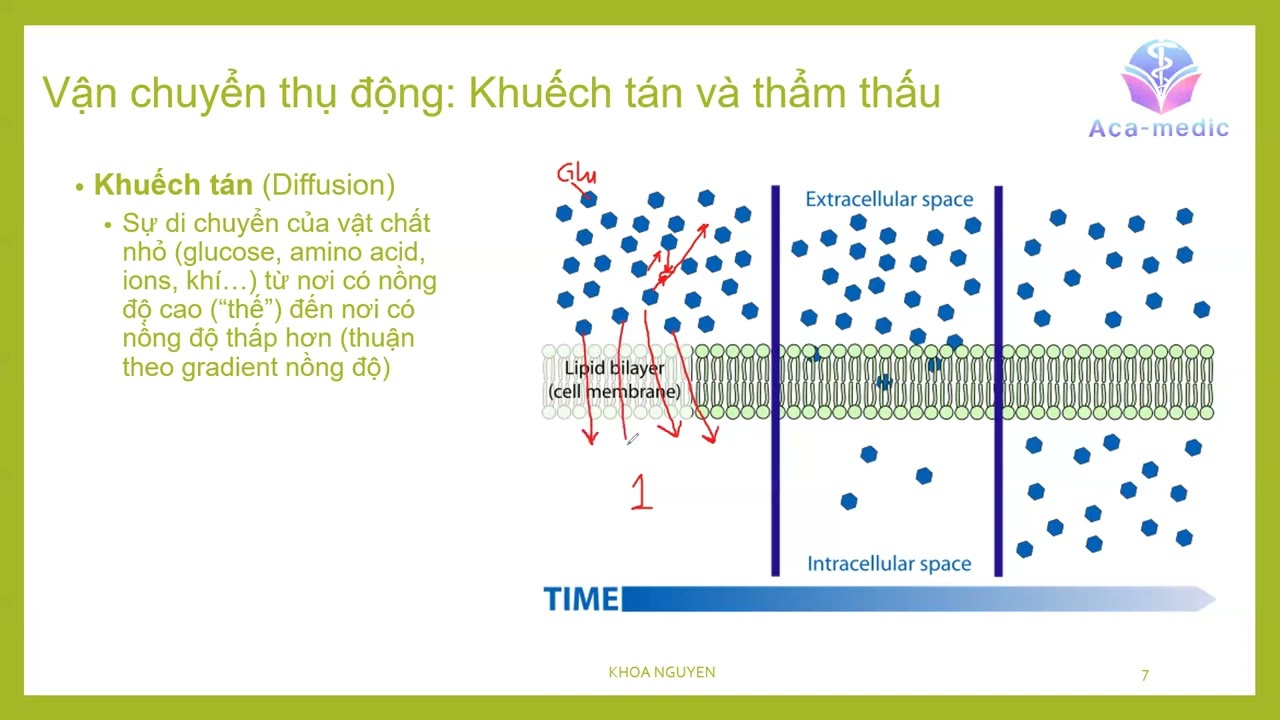
The difference between passive transport (simple and facilitated diffusion) and active transport against concentration gradients.
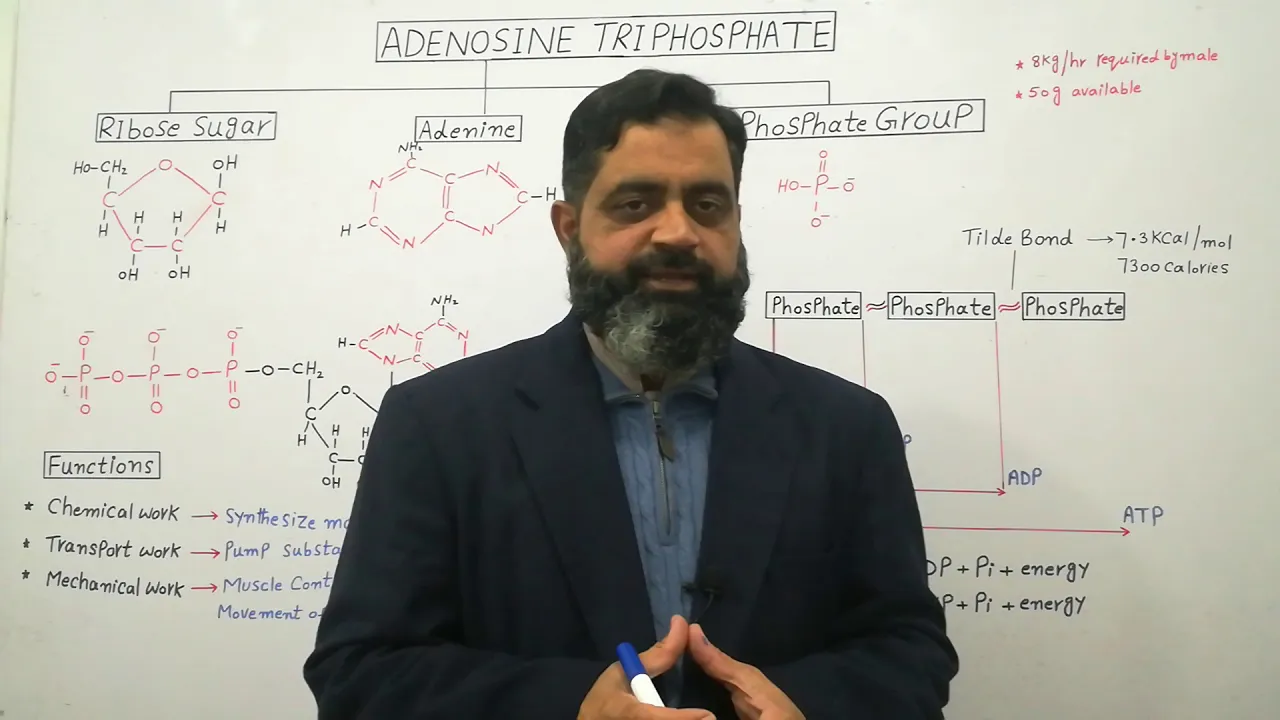
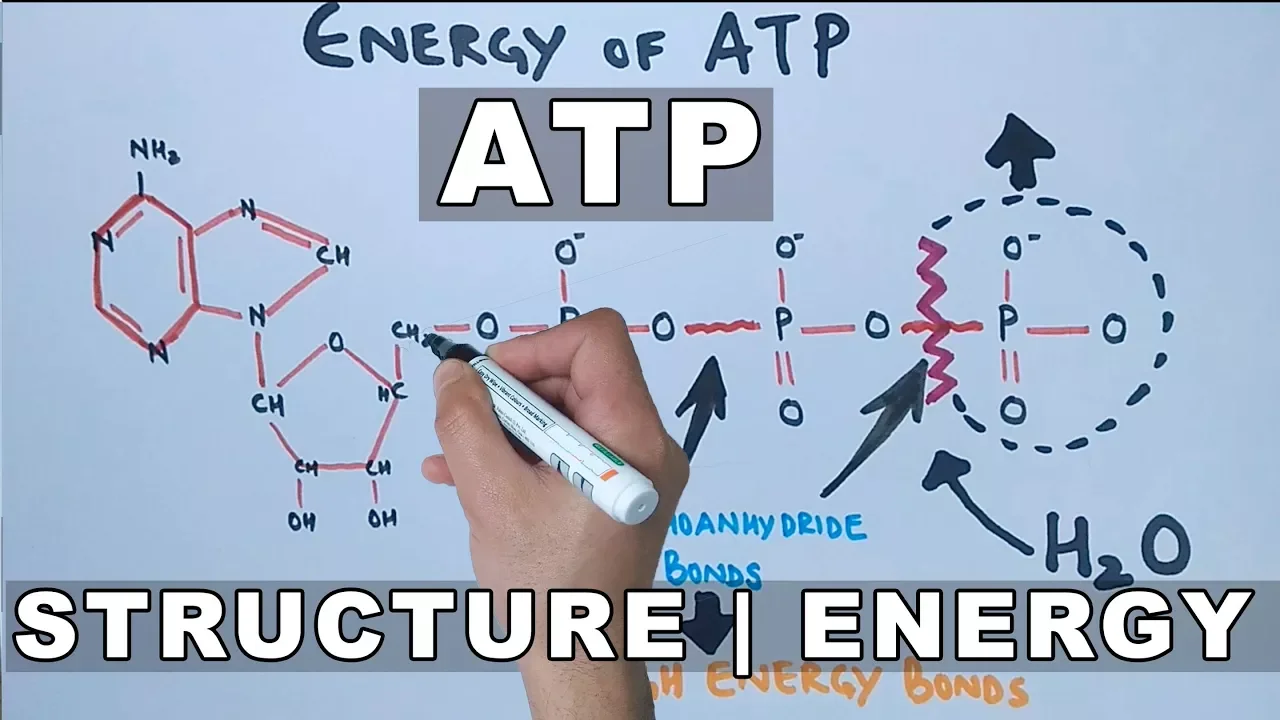
The chemical structure and role of ATP (Adenosine Triphosphate) as the primary energy currency of the cell.
Basic properties of ions, including electrical charge, concentration gradients, and the concept of hydration shells.
How the sodium-potassium pump establishes and maintains the resting membrane potential in animal cells.
The role of the established electrochemical gradient in generating and propagating action potentials in neurons and muscle cells.
Secondary active transport mechanisms, such as sodium-glucose cotransport (symport), which rely on the sodium gradient.
The physiological and clinical impacts of pump inhibition, such as the effects of cardiac glycosides (e.g., digoxin) on heart muscle contraction.
99.1K views501likes9:11Original Release: 2011-10-31
this is a quick video over the sodium-potassium ATPase it's also known as has the sodium potassium pump pump so we've before we get started let's say we're going to say our little green guy right here he is sodium he's a cation and this little kind of a big blue guy is actually potassium and he's also a cation the thing that you need to really know is that potassium is about 30% bigger it's 30% bigger than that that size is really important because these both are positively charged ions so the only way to tell the difference between them is for a cell is just the size difference there's no way no way a cell can tell the difference so if we were to randomly throw some of these up just throw some sodium's around just floating and also some potassium and they were just randomly moving all of them just randomly moving because that it's at 25 degrees or 30 degrees Celsius they're just randomly moving around they're bumping into different things on that so they're just moving and a couple may even move into this opening and our pump this is the ATPase are the sodium potassium ATPase our pump and when that happens there's one really important thing to notice is that the sodium can actually fit right here whoops let the color I was using can actually fit right here here and here so once three things just randomly float in something unique happens a little thing on the side of the pump that right here allows for ATP to bind a phosphate group to it so you have ATP come by so ATP and it turns into a DP and when that occurs a phosphate group is attached the moment a phosphate group is attached this whole thing was to change shape so you can kind of think it as ATP providing energy so it's just going to change its shape and it's going to actually turn into this and when this occurs there's a conformational change and we notice one really important thing and that is that our sodium ions can't fit into these little holes anymore so they just flowed out now something also important is you see these other holes right here the sodium ion is too small to stay to stay in there so they just they just randomly float on out just float on out so at after they have after they have diffused on out well we can now see that a potassium ion can actually come floating by and it actually fits perfectly into these so our potassium ions can just diffuse on right into there and the moment that protect the potassium ions diffuse into year this phosphate group doesn't want to be there anymore so it pops off and just becomes an organic inorganic phosphate so it just pops right on off and the moment it doesn't have that that phosphate group in here it doesn't want to be in this this shape anymore it was to convert back to its original shape which was this and when that occurs our potassium ions we had two of them they can no longer fit into fit into these little holes they're much much too big they can't fit there so they're there for stuff they're squeezed out and they just diffuse on out and then the entire process can repeat itself where then you have sodium ions come back and diffuse back into these little pockets that hold the sodium very well also another important thing to note is that the sodium does not fit too well or it fits in there but doesn't stay in there the sodium is too small so it just kind of might bounce in there but it's not going to cause the shell the the pump to change or the protein to change in shapes it'll just go in there and bounce right back out so it's all about the different the size difference between sodium and potassium so let's just go over what happens so when we do have this we actually have the sodium diffuses in here connect and the moment connect a phosphate group is attached it turns into ADP the ATP turns into ADP so we have a transfer of two of three sodium ions and here we have the transfer of two potassium ions so here we have two potassium ions trade straight across so overall we have ATP consumed and it turns into ADP plus inorganic phosphate we also have have three sodium ions transferred from inside to the outside of the cell outside and from the outside we have and that's different from that from the outside we have two two potassium ions transferred from the outside to the inside so overall every time we use ATP we get a positive charge across the membrane so if there is a membrane here they TP never crosses the membrane it's always inside if there is a membrane here you would have the three sodium's pass and two potassium to come across so what happens is we actually get a slight positive charge on this side that we're taking three positive ions and moving them this way and only returning two positive ions so we get a slight positive charge and that's all I want to discuss about the sodium potassium pump is that it's all about the differences and size of the sodium potassium remember the sodium will just randomly diffuse in the potassium is too big to fit here or here so it's forced out so it doesn't want to go in there but the sodium will fit in there nice and snugly and the moment it's the moment that the these three sodium ions attach to this that's when HP is allowed to attach this phosphate group this phosphate group cannot attach until all of these these three sodium ions are attached and the moment we have as always our phosphate group there at the moment we have these two these two are these two potassium spots filled this phosphate group wants to pop off and become inorganic phosphate and the moment this phosphate group pops off it doesn't want to be in this shape anymore it wants to convert back to its original shape which is this and that's a really important thing it's it's this phosphate group that causes this change and the only time it will ever be in this shape is when it doesn't have a phosphate group attached when it has a phosphate group attached it will be in this shape so it's a phosphate group that causes the that the conformational change in the protein and I guess that's all I have to say just remember it's ATP is the energy source and it provides the phosphate group
Up Next

6:09
Introduction to Getting Up to Speed in Biology | MIT OCW
@mitocw
52.7K views•2020-08-21
50:12
Bacterial Communication: Quorum Sensing and Biofilm Formation Explained
@JHUAAP
12.6K views•2011-06-28

5:35
Enteric Nervous System Explained: The Gut's Brain | Neurobiology Lecture
@alumniu6029
438 views•2018-09-12
7:08
Bacteriophages: Earth's Deadliest Killers and Future Antibiotics
@kurzgesagt
34.6M views•2018-05-13
Related Study Plans & Knowledge Roadmaps
Structured learning paths in Biology
biology
RNAi: Biogenesis, RISC & Gene Silencing
01Molecular Biology Foundations: DNA to Protein
02Introduction to RNA Interference (RNAi)
03Molecular Biogenesis of miRNA and siRNA
+ 2 more learning modules
10h5 modules
Explore Roadmap
biology
Mycorrhizae: Signaling, Biophysics & Ecology
01Foundations of Mycorrhizal Symbiosis
02Molecular Signaling and Root Colonization
03Biophysics and Bioenergetics of Nutrient Exchange
+ 1 more learning modules
11h4 modules
Explore Roadmap
biology
Circadian Clocks: TTFL, SCN & Periphery
01Foundations of Molecular Biology & Gene Expression
02Introduction to Chronobiology and Actograms
03The Core TTFL: Molecular Architecture of the Clock
+ 3 more learning modules
14h6 modules
Explore Roadmap
biology
Population Genetics: Math, Drift & Selection
01Genetic & Probability Foundations
02The Hardy-Weinberg Principle and Baseline Models
03Mathematical Modeling of Natural Selection
+ 3 more learning modules
18h6 modules
Explore Roadmap