





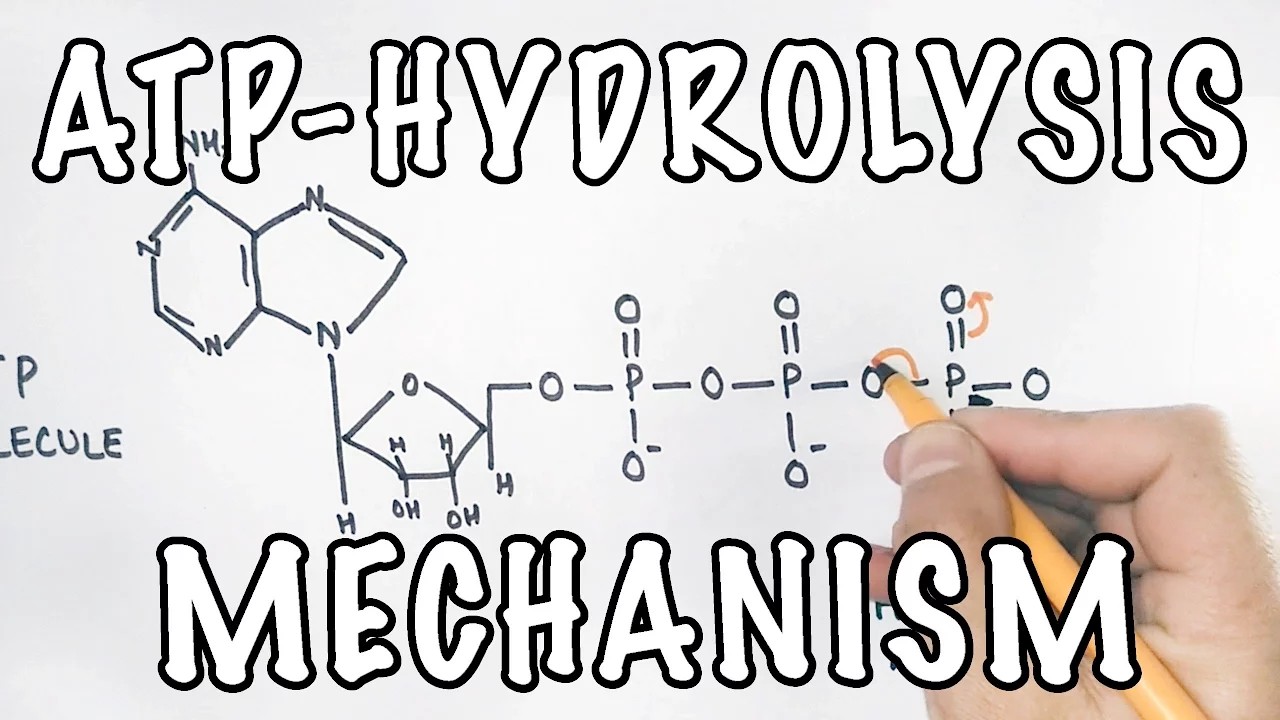













ATP (adenosine triphosphate) serves as the cell's primary energy currency due to its unique molecular structure consisting of adenine, ribose sugar, and three phosphate groups attached in a linear chain; the high-energy phosphoanhydride bonds between the phosphate groups, particularly between the beta and gamma phosphates, store significant energy that is released when the terminal phosphate is hydrolyzed by water, producing ADP, inorganic phosphate, and usable energy for cellular processes, with the instability caused by electrostatic repulsion between the negatively charged phosphate groups facilitating this energy release.
ATP Structure and Hydrolysis: Cellular Energy Release Explained
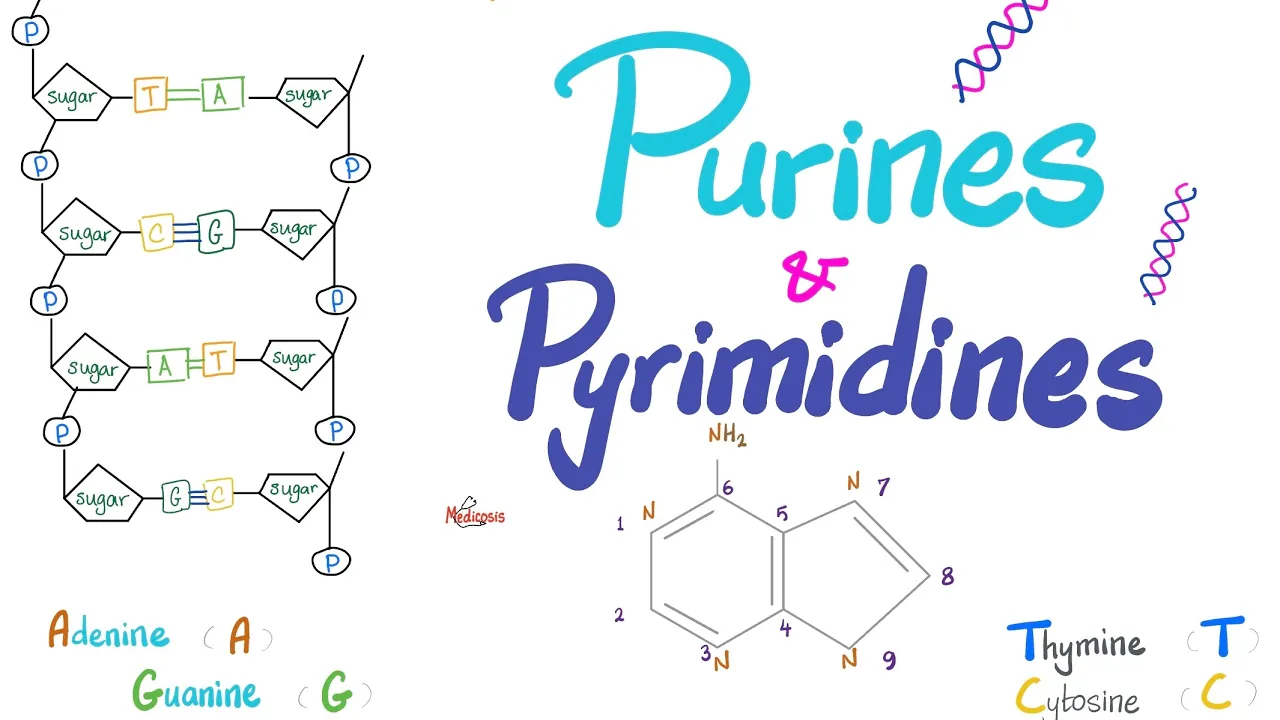
Added:Familiarity with the basic structure of nucleotides, including the components of a pentose sugar, a nitrogenous base, and phosphate groups.
Fundamental concepts of chemical thermodynamics, specifically the difference between endergonic (energy-absorbing) and exergonic (energy-releasing) reactions, and the concept of Gibbs free energy (ΔG).
Understanding the chemical process of hydrolysis, where a water molecule is utilized to break down chemical bonds in organic compounds.
The concept of electrostatic repulsion, particularly how negatively charged oxygen atoms in adjacent phosphate groups affect molecular stability.
Energy coupling, exploring how cells physically link the exergonic hydrolysis of ATP to drive endergonic, thermodynamically unfavorable metabolic pathways.
The biochemical pathways of cellular respiration (glycolysis, the citric acid cycle, and oxidative phosphorylation) to learn how the cell regenerates ATP from ADP.
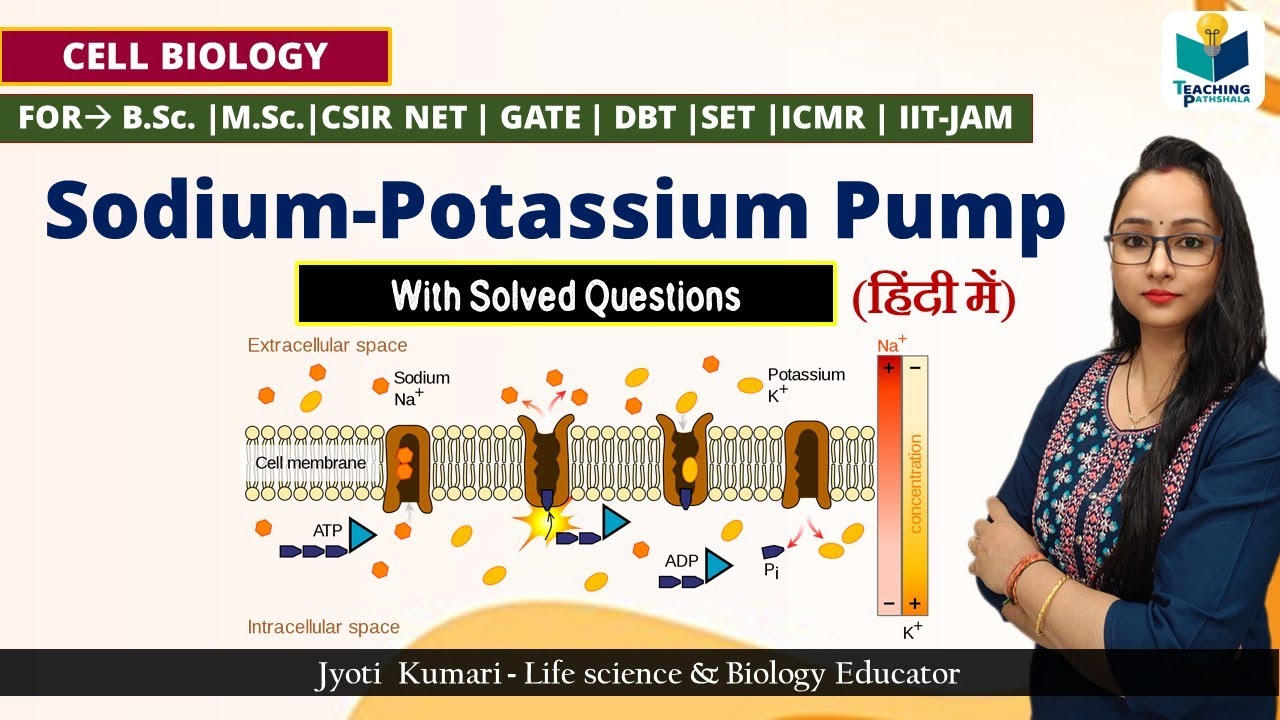
Active transport mechanisms across biological membranes, such as the sodium-potassium pump (Na+/K+-ATPase), which directly rely on ATP hydrolysis.
The role of ATP in mechanical cellular work, including muscle contraction via myosin-actin interactions and eukaryotic flagellar movement.
80.9K views1.4Klikes4:44Original Release: 2018-02-18
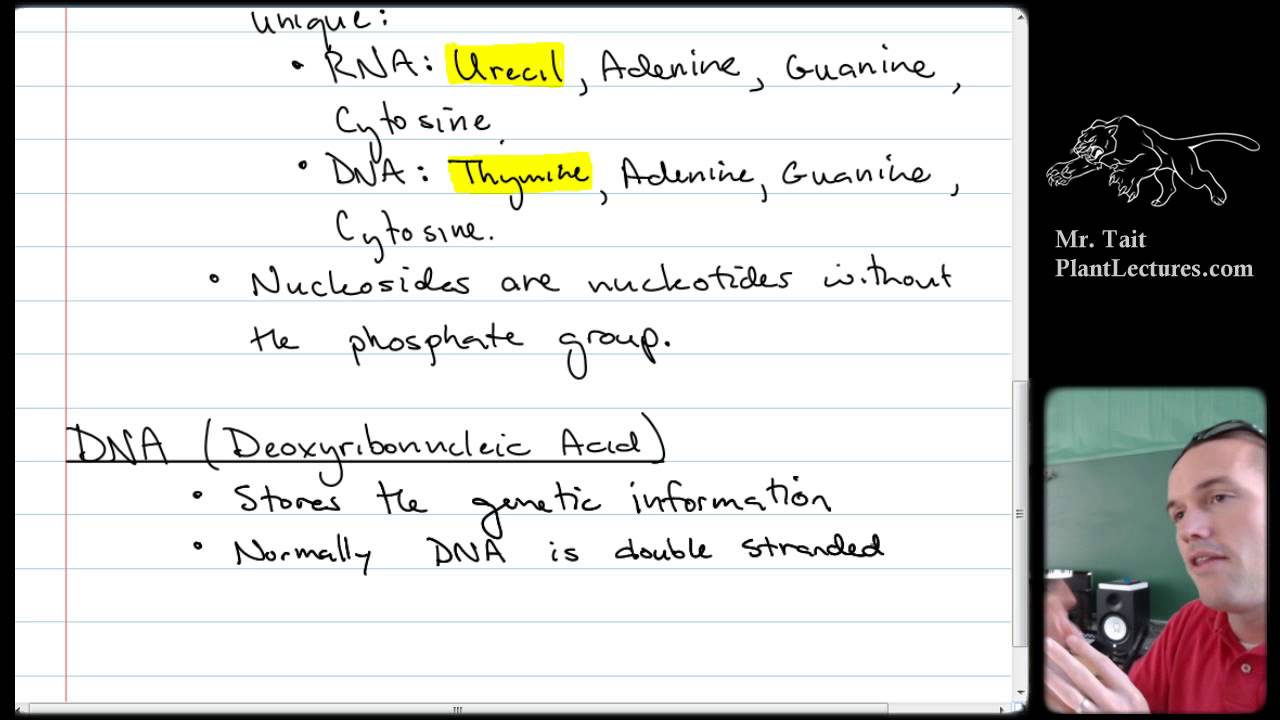
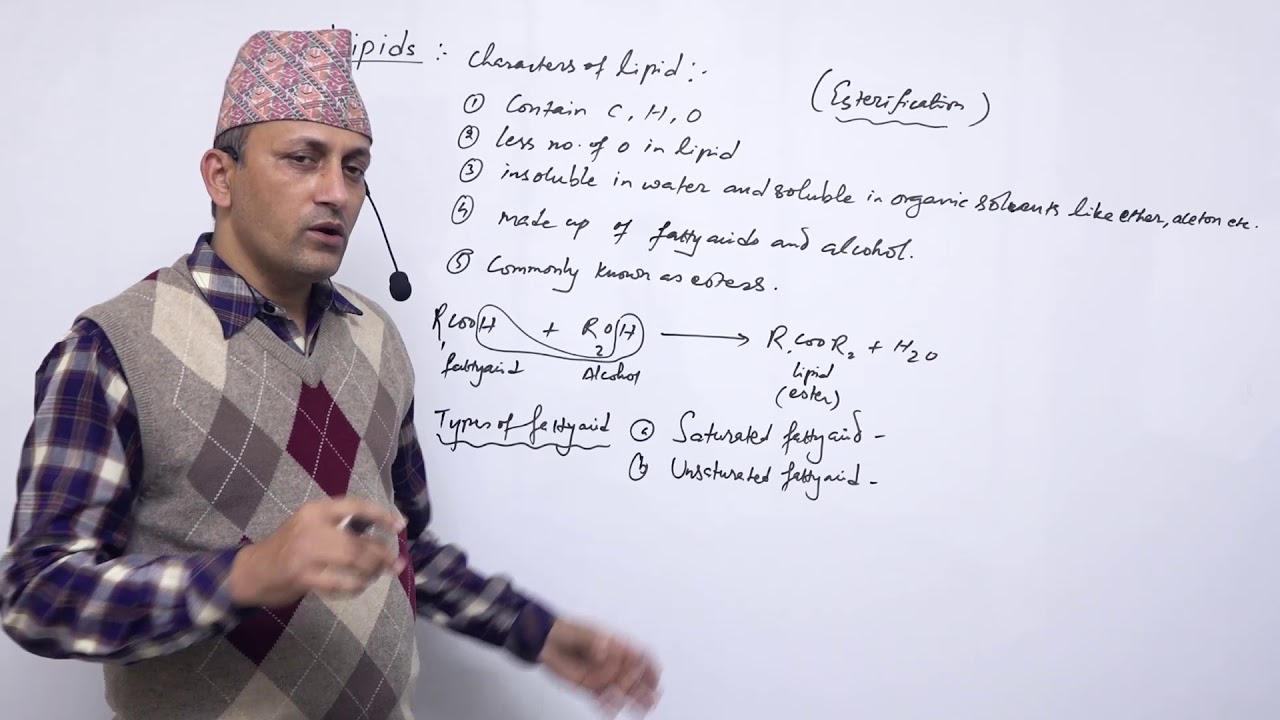
oh you all are aware about adenosine triphosphate or simply ATP molecule when we are dealing with the biochemical reactions we always lay on this molecule for the purpose of energy as it's also called the energy currency of the cell so here in this video we'll be discussing its structure first then we will try to understand why and how the ATP gives out the energy in biochemical reactions as I have already determined this molecule as the energy currency of the cell so all the reactions in our body relay on this molecule in order to drive the reactions first of all let's see the structure of ATP molecule when we draw the structure of ATP molecule we have nucleoside part first that's adenine nitrogenous base plus ribose sugar so this problem is the nucleoside part then to this nucleoside part at tri prosperities attached' 3 phosphates in a linear fashion and Pinal result comes out to be nucleotide that's nucleoside bound to phosphates so ATP molecule is basically the nucleotide molecule to distinguish between nucleoside and nucleotide have a look at this diagram nucleoside is a combination of nitrogenous base plus ribose sugar while as the nucleotide is the combination of nitrogenous base plus ribose sugar plus phosphates attached to the molecule so this is the molecular structure of ADP molecule plus we're also differentiated the nucleoside with nucleotide now let's see where from the ATP molecule release energy and how it releases energy in the biochemical reactions first of all keep this thing in mind it's not the whole ATP molecule which gives of the energy but it's actually the bonds that releases the energy where we see the structure of ATP molecule we have got 3 phosphates attached to the nucleoside and there are three possible energized bonds between these molecules but the phosphoanhydride bonds between beta and gamma phosphate delivers the energy reactions these phosphoanhydride bonds are very high energy bonds and it's when the world from all and hydrolyze the terminal phosphate the bond is broken and we get the energy poor cellular processes so it is the ATP hydrolysis that gives the total energy in that direction we get inorganic phosphate also plus ADP molecule along with the energy released from the bond in the hydrolysis reaction the ATP is hydrolyzed by water molecule and in this reaction we get the products in the form of ADP plus we get terminal phosphate in the form of inorganic phosphate and also we get the energy and this energy comes from the bone which is broken between oxygen and phosphate that's possible and right born if we go further ATP molecule is further hydrolyzed spotted second prospect releasing the energy again we get the EMP that time that's ad nauseum mono phosphate as its beta and gamma prospects have been removed now getting back to the frustration we see in this reaction the ADP plus inorganic phosphate recycles back to ATP in the ADP ATP cycle which we have already discussed the ATP adp cycle the link slides in for that video it must be noted that hydrolysis of phosphate groups in ATP's especially exergonic process because the resulting ortho phosphate group is correctly stabilized by multiple resonance structures making the products ADP and inorganic phosphate much lower in energy than the reactants while making up ATP molecule from ADP plus inorganic phosphate that emits endergonic reaction but at the end we get the total energy gain because the energy needed to break the bone in ATP is always lesser than the energy released by the molecule and also remember this ATP molecule is not a stable molecule and it always tends to kick off the terminal phosphate the high negative charge density associated with three adjacent phosphate units of ATP also dis stabilizes their molecule making it higher in energy hydrolysis relieves some of these electrostatic repulsion liberating useful energy in the process by causing conformational changes in a teepee structure and that's why 80 people to lose terminal prospect on hydrolysis easily so this is all about the structure of ATP molecule and how it leads energy and why it needs energy I hope you like the video if you liked it give it a thumbs up and make sure to subscribe this channel Thanks
Up Next

14:20
Mitochondria Structure and Function | Cellular Biology | Khan Academy
@khanacademy
640.4K views•2015-07-27
50:12
Bacterial Communication: Quorum Sensing and Biofilm Formation Explained
@JHUAAP
12.6K views•2011-06-28
3:29
Autophagy and Mitophagy: Pathway and Mechanisms Explained
@hussainbiology
102.1K views•2020-03-11
7:08
Bacteriophages: Earth's Deadliest Killers and Future Antibiotics
@kurzgesagt
34.6M views•2018-05-13
Related Study Plans & Knowledge Roadmaps
Structured learning paths in Biology
biology
RNAi: Biogenesis, RISC & Gene Silencing
01Molecular Biology Foundations: DNA to Protein
02Introduction to RNA Interference (RNAi)
03Molecular Biogenesis of miRNA and siRNA
+ 2 more learning modules
10h5 modules
Explore Roadmap
biology
Mycorrhizae: Signaling, Biophysics & Ecology
01Foundations of Mycorrhizal Symbiosis
02Molecular Signaling and Root Colonization
03Biophysics and Bioenergetics of Nutrient Exchange
+ 1 more learning modules
11h4 modules
Explore Roadmap
biology
Circadian Clocks: TTFL, SCN & Periphery
01Foundations of Molecular Biology & Gene Expression
02Introduction to Chronobiology and Actograms
03The Core TTFL: Molecular Architecture of the Clock
+ 3 more learning modules
14h6 modules
Explore Roadmap
biology
Population Genetics: Math, Drift & Selection
01Genetic & Probability Foundations
02The Hardy-Weinberg Principle and Baseline Models
03Mathematical Modeling of Natural Selection
+ 3 more learning modules
18h6 modules
Explore Roadmap