![[CPSC 340] Fundamentals of Learning](https://i.ytimg.com/vi/dPm-KTrJlFU/hqdefault.jpg)



















![[Wassila Ouerdane] IA en santé : interprétabilité et explicabilité](https://i.ytimg.com/vi/fBhchla5GoY/sddefault.jpg)


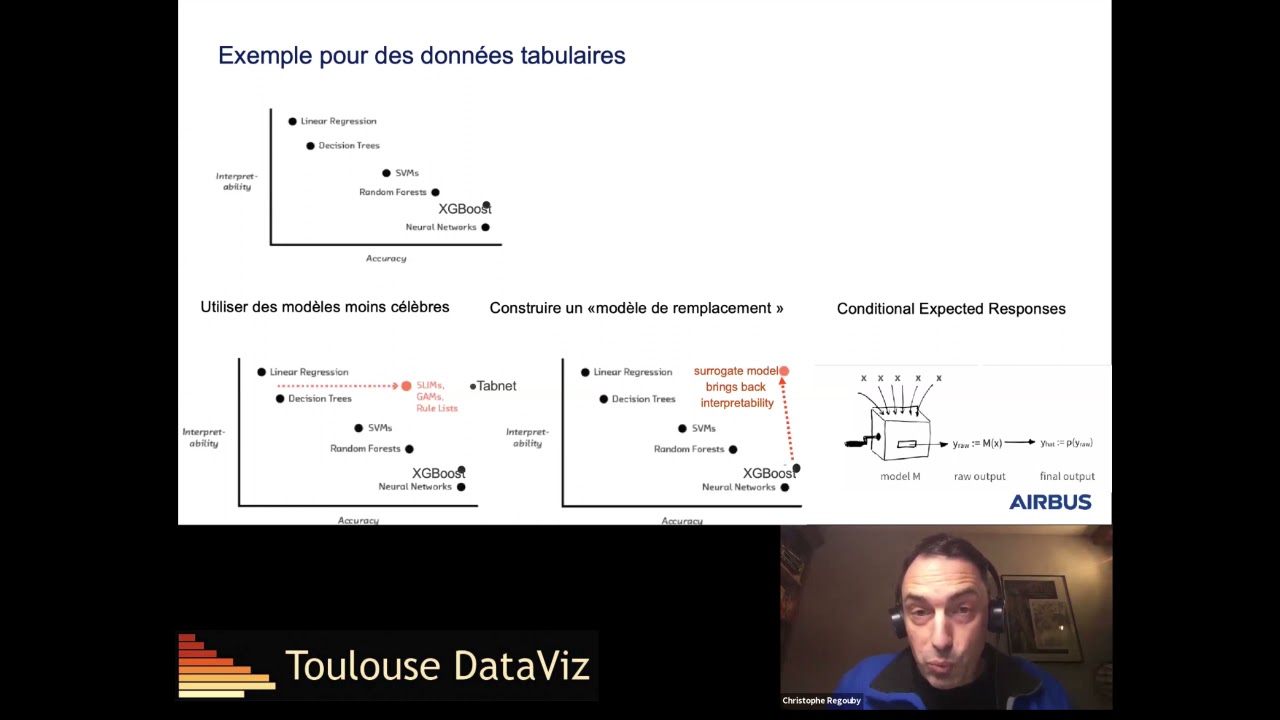
Explainable AI (XAI) is a research field that addresses the 'black box' problem in machine learning, where complex models like neural networks with millions of parameters become incomprehensible even to experts; XAI provides techniques to understand, validate, and explain how machine learning models make decisions, balancing the trade-off between model performance and human interpretability through methods categorized as model-agnostic or model-specific, global or local, and using approaches like feature importance analysis, surrogate models, or counterfactual explanations.
Explainable AI Explained: Introduction to XAI & Interpretable Models
Added:Fundamental understanding of supervised machine learning concepts, including model training, validation, and overfitting.
Familiarity with basic machine learning models, distinguishing between simple algorithms (like linear regression and decision trees) and complex ones (like ensemble methods and deep neural networks).
Basic knowledge of standard model evaluation metrics, such as accuracy, precision, recall, and mean squared error.
Awareness of the inherent trade-off in machine learning between model predictive performance and model interpretability.
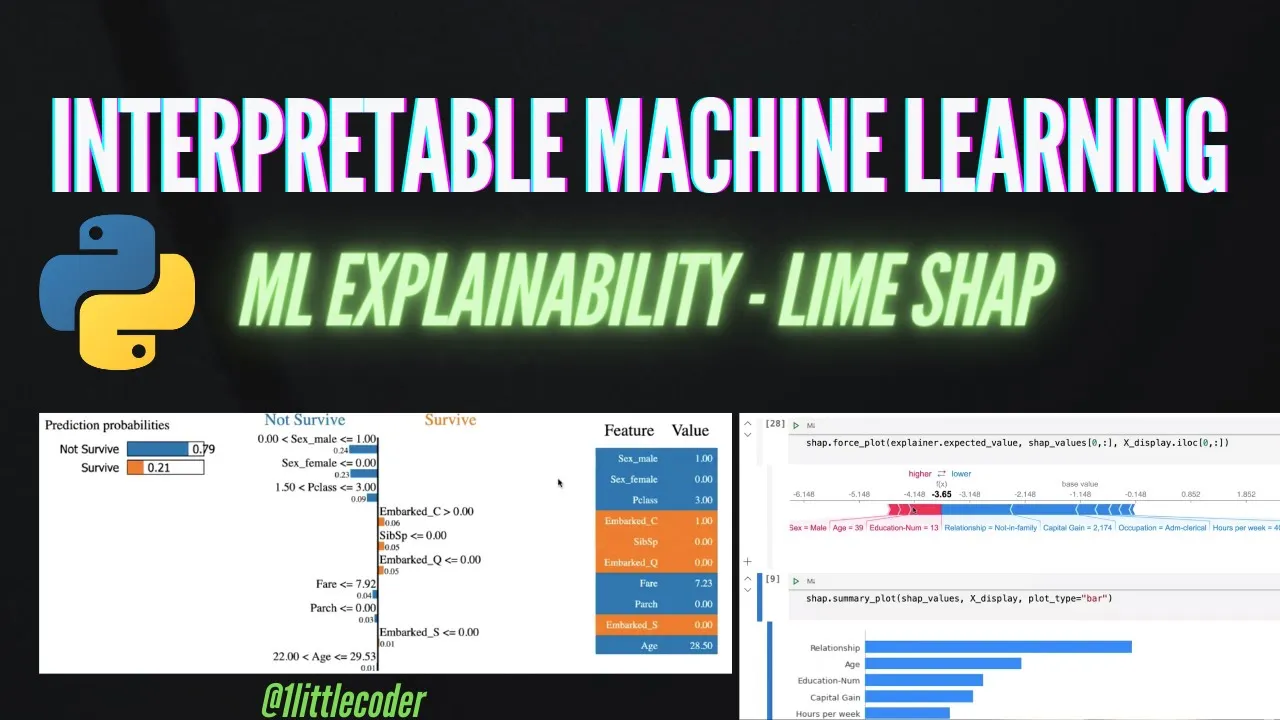
Practical implementation of popular model-agnostic local explanation frameworks, specifically LIME and SHAP.
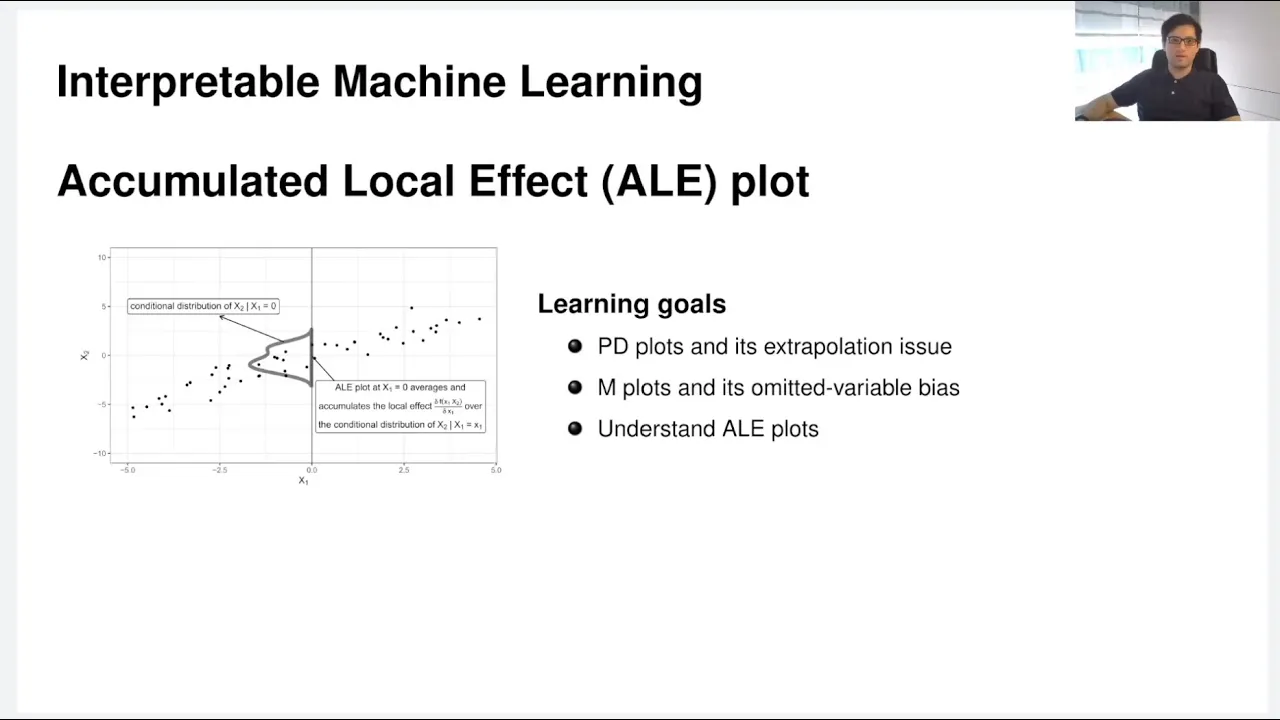
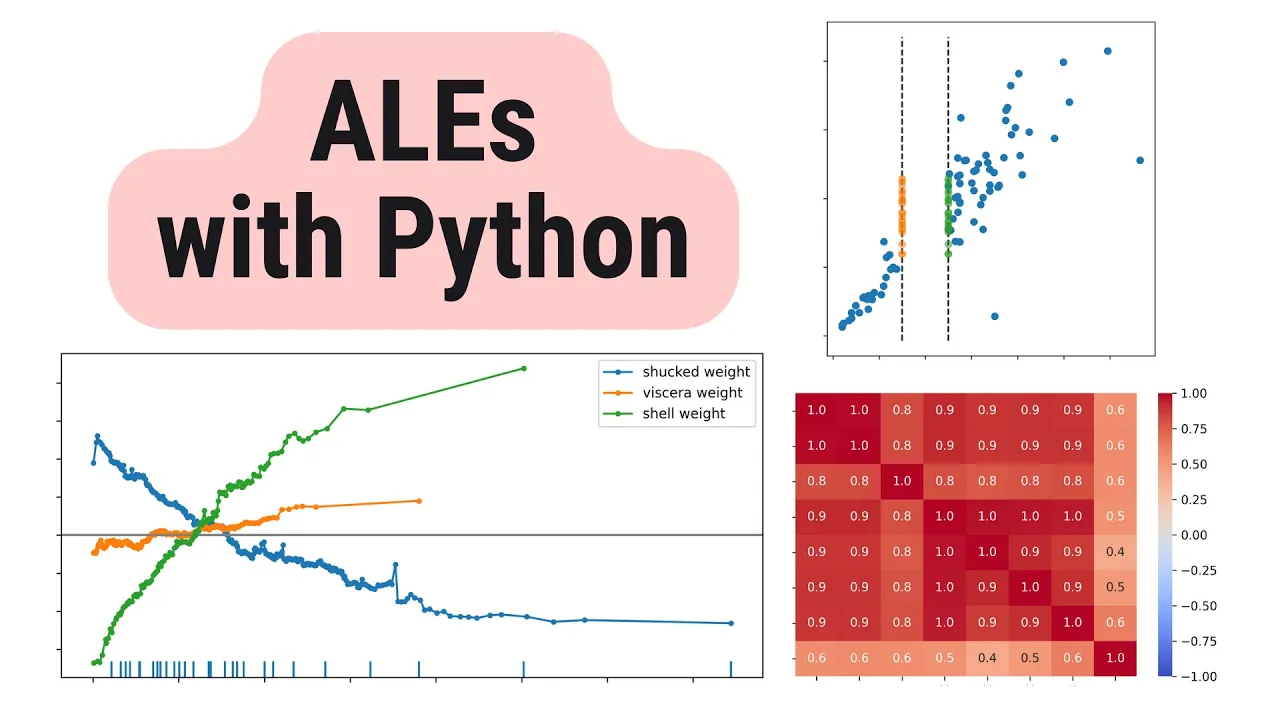
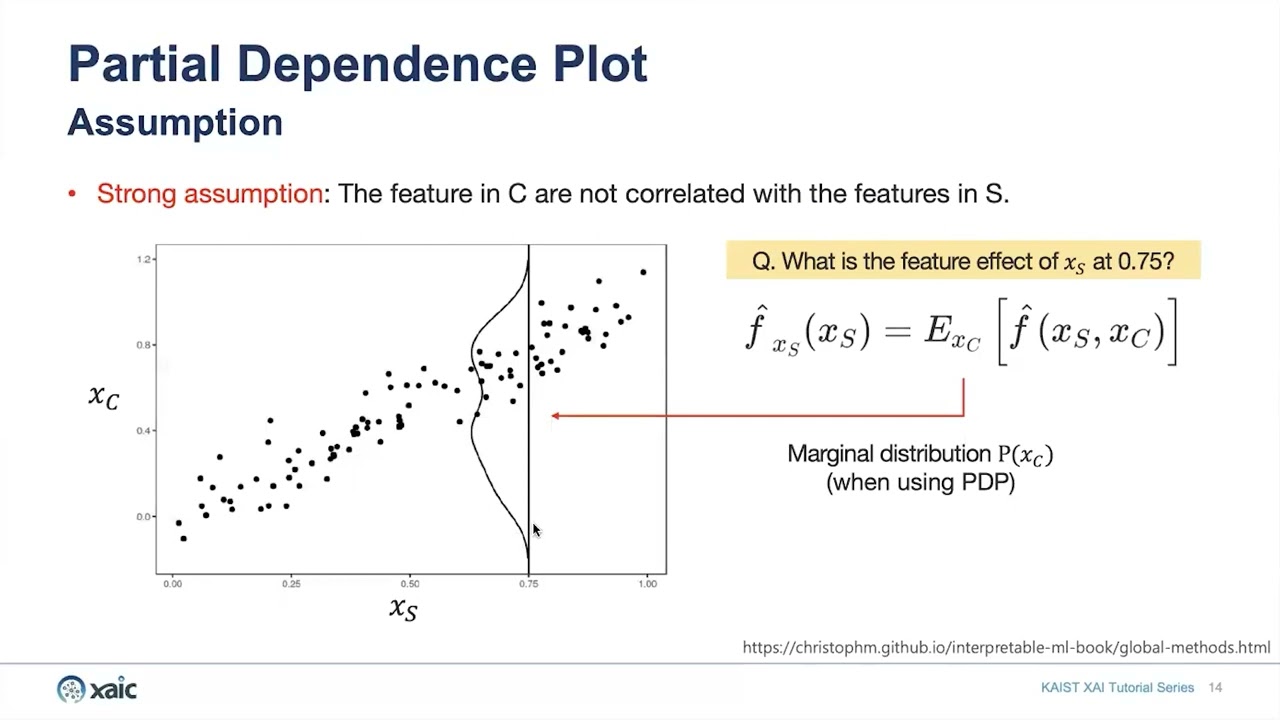
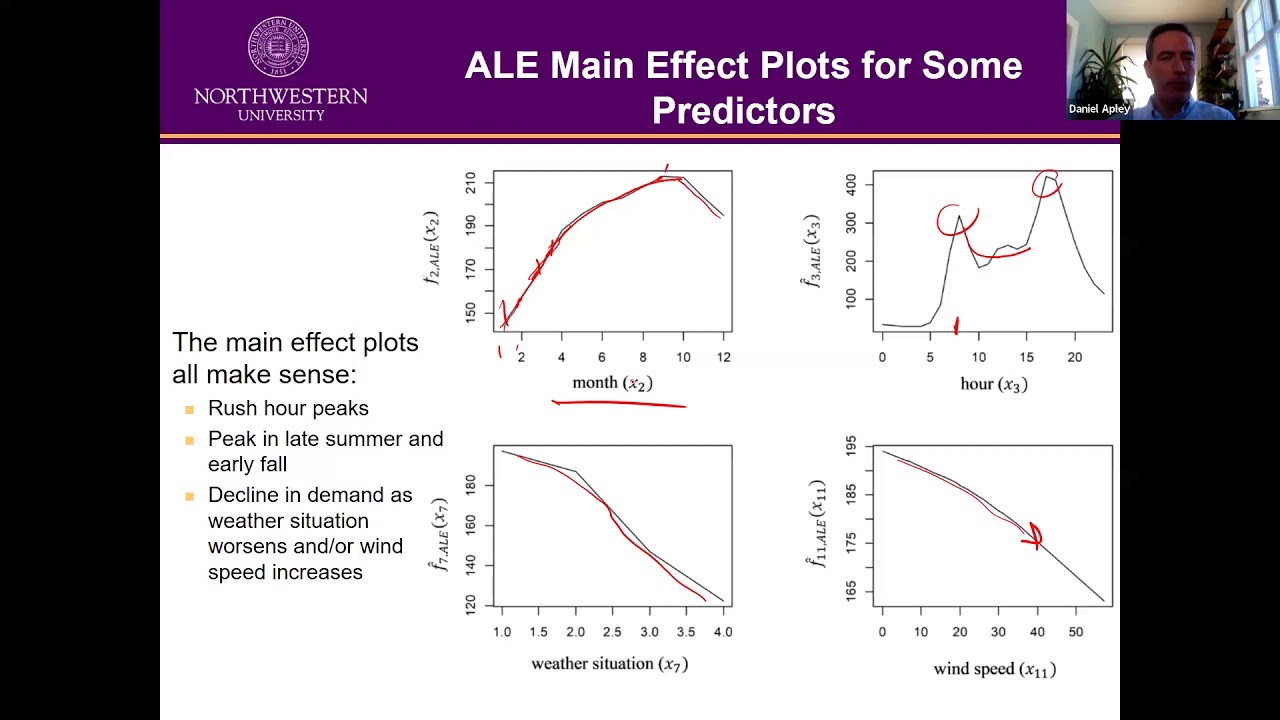
Exploration of global interpretability techniques, such as Partial Dependence Plots (PDP) and Accumulated Local Effects (ALE) curves.
Study of specialized neural network visualization methods, including saliency maps, Integrated Gradients, and Grad-CAM for computer vision.
Integration of explainability into AI ethics, focusing on bias detection, fairness metrics, and regulatory compliance (e.g., GDPR's 'right to explanation').
89.1K views1.5Klikes6:52Original Release: 2021-02-08
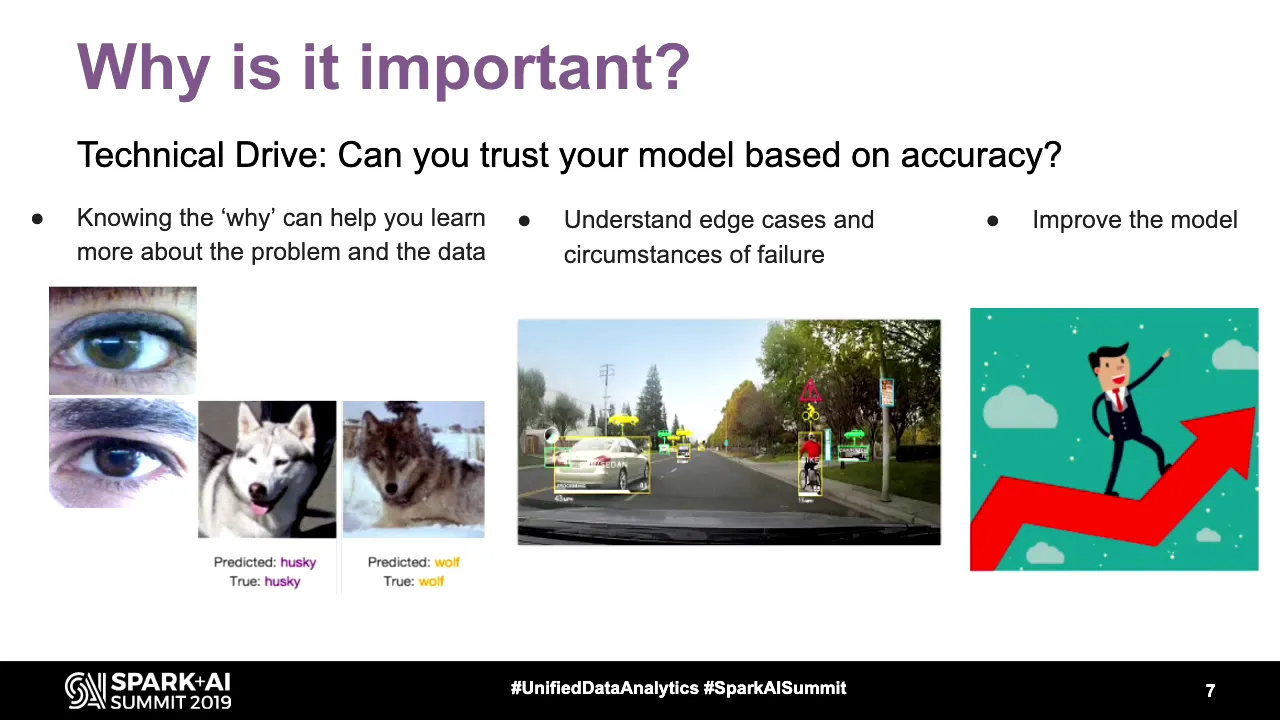
[Music] hello and welcome to this new series which is called explainable ai explained in the next couple of videos i will explain and talk about how we can better understand machine learning models using different methods from the research field explainable ai these are things like what is our model learning which part of the input is most important for a prediction or also how do we ensure our model is robust ai systems and machine learning algorithms are widespread in many areas nowadays data is used almost everywhere to solve problems and help humans a large factor for this success is the progress in the deep learning area but also generally the development of new and creative ways how we can use data as a consequence the complexity of these systems becomes incomprehensible even for ai experts that's why the models are usually also referred to as black boxes however machine learning is also applied in safety and health critical environments such as autonomous driving or the healthcare sector therefore humans simply need to understand what is going on inside their algorithms and that's exactly where explainable ai comes into play this research field often also called interpretable machine learning provides techniques to better understand and validate how our machine learning models work as this google trends graph shows the interest in this field has increased over the last couple of years understanding the models is not only relevant for data scientists to build them but especially also the end users that expect explanations why certain decisions are made transparency and interpretability can therefore be even seen as some sort of user experience all of this might sound a bit abstract now but we will soon see a real example in the series for which we will come to appreciate the help of explainable ai usually when building models from data a trade-off can be observed either we have simple linear models that can be easily interpreted by humans but might not lead to superb predictions for complex problems or we build highly non-linear models that provide a better performance on most tasks but are simply too complex for humans to understand neural networks for instance often have millions of parameters which simply exceeds the human capabilities therefore we generally have two options either we ensure that the trained machine learning algorithm can be interpreted or we need to derive human understandable explanations of a complex trained model in the literature this is usually called model based or post hoc post hoc methods can be further divided into black box approaches in white box approaches black box approaches means we don't know anything about the model we only use the relationship between inputs and outputs so the response function to derive explanations for white box approaches however we have access to the model internals that means for instance we can access gradients or weights of a neural network the field explainable ai entails the whole psychology area about what makes good explanations and which explanation types are the best for humans but we won't really talk about this in the next videos but rather the different algorithms that exist there's a github project called awesome machine learning interoperability that includes this nice overview on different explainable ai methods further down you also find a lot of python in our packages with the corresponding implementations so before you start coding make sure to check this out let's quickly talk about the terminology used in this research field the different types of methods can be distinguished according to a couple of properties first of all we can differentiate between model agnostic and model specific explainable ai methods model agnostic means the explainable ai algorithm can be applied on any kind of model so random forest neural network or support vector machine model specific on the other hand means that the method was designed for a specific type of machine learning model such as only for neural networks regarding the scope of the provided explanations we can categorize the methods into global and local approaches this refers to either aiming to explain the whole model or just parts of the model so for instance individual predictions to explain this a little bit further recall that the decision boundary of a complex model can be highly non-linear for instance here we have a classification problem and only this complex function on the left can separate the two classes sometimes it just doesn't make sense to provide explanations for the global model and instead many approaches zoom into a local area then they explain the individual predictions made at that decision boundary we will talk about this in more detail when we have a look at lime which is a local explainability approach besides agnosticity and the scope of a method we can further differentiate according to data type a method can handle not all explainability algorithms can work with all data types finally the models produce different sorts of explanations starting with correlation plots or other visual methods we can also obtain the information about the feature importance this is sometimes also called feature summary other methods return even data points that help us to better understand the model finally there exist also approaches that build a simple model around the complex one that simple model can then be used to derive explanations these models are usually called surrogates so this is just to give you an overview on the variety of methods that have already been developed for this series i decided to talk about four explainable ai algorithms and before that also about the possibility of working with by design interpretable machine learning models a lot of the content comes from the book interpretable machine learning by christoph mulner it's an extensive summary of methods and extremely well written so if you're interested in further details please go and check it out after talking about interpretable machine learning models in the first video we will have a look at two of the most popular methods lime and chap in video four we will have a closer look at what counterfactual explanations are and also quickly talk about adversarial attacks the last video introduces slayer-wise relevance propagation which is a method specifically designed for neural networks these videos are independent of each other so you can also only watch the ones you're interested in one important thing i want to mention is that there exists also a field called causal reasoning which is not explicitly captured in the series causality is a higher degree of interpretability and other methods are used in this field we will only quickly talk about this in the counterfactuals video so that's it for this introduction see you in the next video where i will also introduce the practical example for this series
Up Next

92:50
Interpreting Black Box Models in Machine Learning: A Guide
@Liora_io
687 views•2023-04-29

57:48
Secure Multiparty Computation (MPC): Foundations & Challenges
@SimonsInstitute
7.3K views•2015-05-28

13:58
Explainable AI: LIME for Model Interpretability
@DeepFindr
82.8K views•2021-02-25
18:41
Neural Networks Explained: Math, Layers, and Learning Fundamentals
@3blue1brown
21.9M views•2017-10-05
Related Study Plans & Knowledge Roadmaps
Structured learning paths in Artificial Intelligence
artificial-intelligence
Aligning LLMs: DPO, TRL & Custom Datasets
01Foundations of Python & Machine Learning
02Transformers and Large Language Models (LLMs)
03Aligning LLMs: SFT and RLHF
+ 3 more learning modules
24h6 modules
Explore Roadmap
artificial-intelligence
Federated Learning: PyTorch, Flower & Privacy
01Python & Machine Learning Foundations
02Deep Learning Basics with PyTorch
03Introduction to Federated Learning
+ 2 more learning modules
35h5 modules
Explore Roadmap
artificial-intelligence
Securing LLMs: Guardrails AI & NeMo Gateway
01Introduction to LLMs, Python, and APIs
02Understanding LLM Vulnerabilities & Threats
03Defending LLMs with Guardrails AI
+ 2 more learning modules
15h5 modules
Explore Roadmap
artificial-intelligence
Building Recommenders: Two-Tower & Vector DBs
01Foundations of Python & Machine Learning Basics
02Introduction to Recommender Systems
03Deep Learning & Representation Learning
+ 3 more learning modules
75h6 modules
Explore Roadmap