











![Книжный клуб. Глава 57. [Форрест Гамп. Уинстон Грум]](https://i.ytimg.com/vi/oujP4aB8f1g/maxresdefault.jpg)
![O marinheiro | Análise literária [Unicamp] - Brasil Escola](https://i.ytimg.com/vi/R6Ub82jjmA0/maxresdefault.jpg)




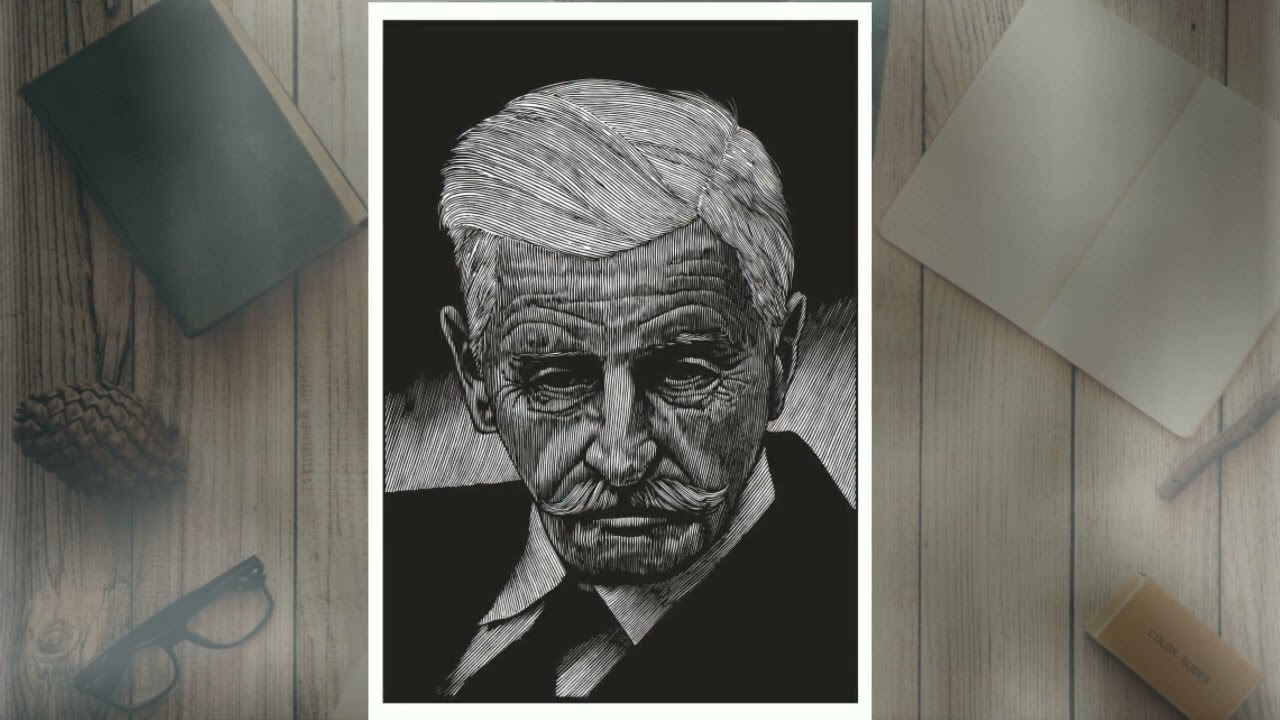









In Chapter One of William Faulkner's The Sound and the Fury, Benji Compson narrates through associative thinking—a stream-of-consciousness style where sensory triggers (sights, sounds, smells) cause his mind to jump between memories without linear progression, creating a fragmented narrative that reveals subjective truth rather than objective facts; this technique requires readers to piece together events across multiple timelines (approximately 1890-1928) to understand the Compson family's decline, with Benji's limited cognitive perspective serving as a powerful literary device to explore how personal experience shapes perception of reality.
Sound and the Fury Ch.1: Benjy's Narration Explained
Added:Familiarity with the plot and main characters of William Faulkner's 'The Sound and the Fury', particularly the Compson family dynamics.
An understanding of the 'Stream of Consciousness' literary technique and how authors represent interior monologues.
The concept of the 'Unreliable Narrator' and how a narrator's cognitive or emotional state affects the delivery of a story.
The distinction between linear (chronological) and non-linear narrative structures in Modernist literature.
Analysis of Quentin and Jason Compson's narrative sections to compare different modes of subjective truth within the novel.
An exploration of Henri Bergson's theories of time and memory ('duration') and how they apply to Faulkner's representation of past and present.
An investigation into the character of Caddy Compson as a central, silent figure constructed entirely through the subjective perceptions of her brothers.
A comparative study of narrative fragmentation in other Modernist masterpieces, such as James Joyce's 'Ulysses' or Virginia Woolf's 'Mrs. Dalloway'.
An examination of how the Compson family's decline reflects the historical and socio-economic decay of the American South post-Civil War.
26.8K views770likes35:32Original Release: 2020-08-11
all right welcome to the codex cantina where i am una crypto [Music] you like my fury oh is that your fear i heard some sound i didn't know it was furious yeah that's fury like mr furious today we are going to go heavy into detail on the sound and the fury by william faulkner chapter one this is our in-depth series where we're really gonna break down what actually happened in chapter one because not everyone agrees on exactly what happened i'm gonna read a quote from andre blekistein who recommends that benji could be an epilogue more so than faulkner's recommendation as a prologue and as a guy who has gone through this several times i can completely understand and it's all about how these connected meanings interlace and that only gets really pulled out through future chapters yeah i had to read it twice and then go over your notes before i was able to start pulling out some information i would say the story is as muddied as caddy's drawers at this point i got that joke so let's talk about the narrator and if you haven't please make sure you start with our before you read the sound and the theory because we're going to give a lot more context and some of the background behind this book we're really just going to be focusing on chapter one in this video so chapter one is narrated by benjamin thompson aka maury thompson for those that were confused he was born mori in 1895 but in 1900 when he was five they changed his name to benji so this is also a device to show chime changing throughout and it's very very subtle and sometimes hard to pick up but they would use the his different names benji and mori to denote the different times that he's talking about or remembering in his life now the narration style with benji is very unique and the fact that mr faulkner calls him an idiot has a very specific meaning see our before video we'll read the macbeth reference but i have a quote from his letter to gene stein where he says i had already begun to tell it through the eyes of the idiot child since i felt that it would be more effective told by someone capable only of knowing what happened but not why so the story starts off on benji's 33rd birthday but this actually doesn't mean anything to him whatsoever and that kind of comes to play throughout you reading the first chapter time is something that he's just going to play with through the whole book but benji is the most difficult yeah i know that i was able to finally enjoy the second time through after reading it once looking at your notes and then reading a second time and realizing that benji is experiencing everything through sensations and that was one of the key aspects i think of understanding and enjoying the first chapter would you say the story is sensational let's start with the opening line through the fence between the curling flower spaces i could see them hitting they were coming toward where the flag was and i went along the fence luster was hunting in the grass by the flower tree they took the flag out and they were hitting then they put the flag back and they went to the table and he hit and the other hit now if you hadn't read through this first chapter that first paragraph is like what's going on are they fighting what's this what do you mean they put it on a table what's this flag thing it's completely without context right are they playing tag is this baseball what it what are they having a picnic you would be very lost and even the word caddy why why does he pay attention or moan when they yell the word cat yeah that was definitely something that you have to not only have context but i think that through the whole chapter you finally start picking up on why that is so important to benji well get this here is the april 7 1928 manuscript opening line okay benji thompson tended by tp a year younger than himself and a member of the gibson family employed by the compsons watches the golfers playing on what had once been the pasture he loved yeah so it makes a lot more sense you get the context you get that this was a pastor that he loves you get that there's golfers happening there you even get the the families that there's this gibson family that's being paid by the compsons so you immediately know that copsons are more upper class compared to before he gave you so much more context what is the what but not the y or the connections behind it i'm going to tell you point a i'm going to tell you point b but i'm not going to tell you how we got from point a to point i believe this is genius and i think this is what makes faulkner such a literary giant and great one of the best of all time is because if you look at that it is how a child would describe golfing and not understanding what was going on and there's some masterclass level symbolism here where benji is completely restricted he has stopped growing we learn at a certain point in his time mentally right yeah and you have the fence what does the fence do it restricts your movement you have luster looking after him the caretaker what does he do he restricts benji's and then caddy and caddy being referenced to his sister as well where a caddy moves things from one place to another and he can't move from one place to another he's stuck in this one time of all time he he can't change so let's make sense of the story and make sure we all are aware of what happened we may not all agree of what times things happened i will point out that i've read that there's anywhere from 13 to 19 stories depending on which expert you asks and each expert also might disagree on what whether the order that these events happen to so we're going to give you a timeline but you know just be aware that there's going to be some people that disagree and that's okay this is just one of those stories that it's going to bring out some meaning to you and that's what matters maybe the fact that we don't all agree on what actually happened is the most brilliant part about this as you go through this whole book you're going to learn that there is an objective structural thing that happens what mr faulkner is doing with benji is he's giving you a stream of conscious experiential view of what's happened and that's the truth for you the reader right now for for benji right now but maybe the way that we're gonna see once we get to chapter two with quentin or chapter three with jason maybe we have a different meaning and subjectivity of truth becomes part of the story here which is the brilliance of this all right so chapter one the sound and the fury what the heck just happened right we actually only have one day that elapses and only one narrator explains what happens and only one family the compson family is really explored so why with such a simplistic setup are we so confused after what happened let's first start on the day of april 7th 1928 upon which this title is named right and it's not a lie that's the only day that's actually happened and i'll prove it to you as we go through this i believe you so april 7th 1928 luster gibson age 17 or 18 watches benji thompson age 33 near a golf course he's hidden and what's funny too is if you go to the appendix faulkner claims that luster was 14 which is actually not possible based on some other timelines of when apparently luster was playing at a younger age so there's just going to be some weirdness when it comes to dates to begin with this but benji howls when the golfers yell caddy a role in golf and caddy is his sister but we don't know that yet luster gives benji some flowers and jimson weed to calm him down they soon head down to the branch aka that's a stream to look for luster's missing quarter because luster is looking for a quarter to go to a show and he needs it for admission now at the stream they play in the water with other kids the boys depart and talk about seeing each other later they later encounter miss quentin and a man sitting on a swing turns out that man is a member of one of the performing show that evening luster begs to sell him a golf ball in exchange for admission but doesn't work out benji and luster return home where dilsey gibson has prepared benji's birthday cake benji burns himself on the candles when they're distracted jason thompson returns home and he has an argument with miss clinton miss clinton says that they should send benji to jackson aka the insane asylum for all his moaning miss quentin takes off after giving luster a quarter and that's that's what happens on this date there's nothing else that happens in the story besides these events on this day so why are we so confused is the question yeah because a lot more actually takes place in the chapter than just those events right so now we need to talk about associative thinking this is what benji's going through we're not actually time traveling we're not actually having flashbacks per se we're in benji's mind and he gets distracted with this free associative thinking an easy way of kind of thinking of that is benji doesn't understand the construct of time so associative thinking is a relatively uncontrolled cognitive activity in which the mind wanders without specific direction among elements based on their connections associations with one another as occurs during revery daydreaming or free association so let's say i say a word and that triggers a thought in your mind and you go off and start thinking about something else that's kind of a way of thinking of associative thinking this is another way of a fancy way of saying distracted by a key memory or or thought or feeling that i've seen right trouble focusing it on one thought at a time so that's how all these transitions happen with benji let's look at the branch okay so luster and benji are being splashed in the stream by local boys in 1928 while looking for luster's quarter we have the sentence now get in that water and play and see can you stop that slobbering and moaning i hushed and i got in the water and this is a full sentence i hushed and got in the water and rusk and ruskas came and said to come to supper and caddy said in mid-sentence all of a sudden these italics start and the italics are a good hint that the time period is probably changing okay so we switched suddenly in mid-sentence when he when benji thinks how he hushed and got in the water and then remembers and roscos came and said to come to supper and caddy said it's not supper time yet i'm not going she was wet we were playing in the branch so all the red sudden he jumps back three decades ago and as we're calling when he was playing in the branch with his siblings caddie specifically and that's hard to pick up on unless you specifically know that those italics have given you a clue that we've shifted in his brain right so the kids go on and we have the line hush now she said i'm not going to run away so i hushed caddy smelled like trees in the rain and all of a sudden we have the italic shift again and we switch back to 1928.
what is the matter with you luster said so immediately hearing the word luster you should know luster wasn't with the kids three decades ago he wasn't born were suddenly back in 1928. can't you get done with the moaning and play in the branch like folks so benji's moaning this whole time that they were playing in the branch you can think of benji as moaning making all this noise as commotion and everyone in the present tense is thinking why is he making this noise well we are in benji's mind in this story and benji is having this associative thinking moment where he's going back to 1898 when he remembers his sister five i believe at the time when he was three splashing in the water and it was all triggered by that deja vu type experience so another example that i want to go to so that's a very simple one in and out right what makes the story really complex is when you go to a a different memory from within a memory right and that's where people tend to get lost with this story so in 1928 luster and benji are at the golf course and soon it will be benji's 33rd birthday and they're crawling past this fence and he gets he gets his i think shirt or something snagged on a a nail can't you never crawl through here without snagging on that nail and boom the thought of being snagged on a nail is what makes him jump to the 1902-1903-ish christmas time where caddy uncaught me and we crawled through and now it's christmas time and caddy's uncatching him from the nail and that's what made him jump to this moment they keep going on through this storyline and katie kind of tells benji keep your hands out of your pockets caddy said or they'll get froze you don't want your hands froze on christmas do you okay so now hands in the pocket that makes him jump to two days earlier where we have it's too cold out there vers said so he has the memory two days previously and again some critics will disagree and say that this is a different year but this is when caddy's coming home and caddy says oh did you miss me you know with christmas coming up most people think it's couple days before some people will argue it's a different year but the idea is that now we've shifted back to this different time frame and now they kind of send them out for a different time and we we hear that we have the quote caddy smelled like trees and like when she says we were asleep and that's what makes us jump back to 1928 where in order for luster to get him to kind of stop moaning and stop making noises he gives him the the flowers and the gym weed to chew on and that's what kind of calms him down because those flowers and that gym weed you're going to see is a big theme that the trees and flowers kind of remind benji of caddy and that's why those individual little moments whether it's a sight a smell a sound it makes benji's mind jump back to these memories and a lot of times in the present tense he's moaning and making these noise and it's not until something kind of triggers him back to the present that we actually return as readers with benji to the present of 1928.
clear as mud so far clear as mud i think the problem is that many people may not understand this because they don't experience life like benji does through pearson's sensations or if they do experience a sensation it doesn't take them back as immersed in their own memories as it does him like when you have a smell or a sound or a taste it can remind you but it doesn't transport you like it does benji so what are the major milestones that benji jumps between and again i'm going to point out that critics don't all agree on this but in 1890 we can all agree quentin is born 1892 caddy is born 1894 jason and the youngest benji named maury at the time in 1895 is born now those scenes with caddy climbing up the tree with the moody in the parlor's funeral and the dad saying they need to go to bed early that's all 1898 and it is 100 percent definitional for this family and i'm gonna make that argument coming up next next in 1890 we have caroline renames maury to benjamin because they found out that he was cognitively disabled and i will point you to a video by jack from the rambling recon tour who will go into more detail about this rename and a reference to the bible that i think is rather interesting i'll put the link in the description below but in 1902 an 03 some people argue 08 is uncle maury and mrs patterson's letter where basically his uncle is trying to woo this neighbor mrs patterson and he's having the kids deliver the love letters to them i love it it's crafty it's good [Laughter] now in 1905 christmas time caddy wears perfume and we know that's the year because of the age because the ages are given now later on caddy makes out with charlie at the swing set if you remember them walking up at that swing set and benji got upset and katie had to come kind of calm him down and bring him back home and we'll learn more details about that in future chapters yeah i figured that was probably going to be a pivotal moment and that the other characters are going to have their own interpretation of went down there because i don't know i don't know if i trust uh old benji's recollection here well what makes benji happy is caddy he just wanted to have caddy around and i have some quotes about when charlie approaches and how he increases his moaning later but yes there's definitely some different interpretations and impacts later so 1908 benji sleeps alone and we know that's the year because the ages is given in 1909 quentin prepares to go to harvard and in 1910 april caddy gets married and benji and tp get drunk on sarsaparilla i don't know how that's possible but now 1910 summer benji harasses the burgess girls and uh that's the gate scene when they're talking about the gate being unlocked yeah this one is this one's kind of tough to digest too i could see somebody getting a little bit upset at this one well we're not sure exactly what happens and i think even critics have different interpretations here interestingly enough but later we have benji is castrated as a result of that scene and miss clinton is uh caddy's daughter and mr thompson brings her home to live at the the thompson house in 1912 mr thompson dies later roscos dies and there's a cemetery visit now in some letters from william faulkner after the fact uh we have him claiming that this happened in 1913 the cemetery visit but that as we know is completely unreliable with mr faulkner he's the he's the worst of them all right he's the worst narrator of them all he really is so in 1928 we have benji's 33rd birthday and luster searching for his golf balls that's the timeline more or less people will disagree maybe on some of these dates and that's okay but i think that adds to the fuel of this book being about a subjective form of truth as opposed to an objective form of truth dang you benji so let's jump into innocence lost and i wasn't really sure how to define innocence first non-innocence i i couldn't come up with a new i couldn't come up with the right word so i just called it spoiled okay so let's go through some examples here and then i'm gonna and they're gonna seem weird at first but then i'm gonna make the argument for why that is okay so innocent catty is the caddy that splashes with siblings in the stream and spoiled cabbie is the caddy who has soiled her drawers muddy drawers if you will as she climbs up the tree to look at the moody okay does that sound that sounds a little strange a little doesn't sound like opposites but they are no i get it caddy cares for benji is innocent catty but caddy is married or gone is spoiled catty or non-innocent candy whatever the word we want to use here yeah the abandonment okay that makes sense innocent catty is caddy kisses benji spoiled caddy is caddy kisses charles we saw that at that scene yep innocent caddy is caddy smells like trees or woods spoiled caddy is catty smells like perfume okay so i think most readers get that's what happens and that's part of the brilliance of william faulkner's narration here is he gave you the what happened but now the question is why did it happen that way and that's where us as readers and quentin and jason and the narrator aka dilsey kind of ish later on will bring out some more of these details but looking at it just from a benji point of view i have a little bit of a nuanced view that i want us to look at this with so i'm going to go into this last section which is the compson world okay and inside the compson world on the left hand side we've got benji quentin and jason and on the right hand side is the outside world okay so in order for the clemson world to intersect with the outside world we must have caddy is one of the arguments that i would make for particularly the benji section though to appoint the others as well so as we kind of brought up in our before video caddy is going to be instrumental for how each of these main thompson boys interpret the world so she's her she is the eyes for the boys so if you remember this story started from a short story with caddy climbing up into a tree to see her grandmother's funeral as the three comps and boys were down below and look up and see caddy has muddied drawers that's the story that this story that this was a short story to start with from benji's point of view and this blossomed into this novel so let's think about this okay so they were playing in the branch earlier right and remember caddy got wet that was one of the earlier touch points that we talked about so she got her drawers muddied kind of took her skirt off mom's going to be mad at you she's soiled at this point in time from from from the drawers perspective she's climbing up in this tree and she's she's the one that's looking into the parlor to see her grandma's funeral kind of a loss of innocence at this point in time from her perspective none of the three comps and boys saw this they all would you see caddy they experience it through her but what is their view as this is happening so for dirty underwear as caddy loses her innocence they're looking up at their sister's muddy drawers okay in a sense and this is pivotal for all three of them for the rest of their lives that they they now almost experience life through caddy just like this scene and i think that you could say that all of their experiences are soiled as well exactly exactly now the stream of consciousness for this book like i said the first three chapters the three compsons our stream of conscious and that allows us to have this very subjective view and very constant centric view of this world the the issues that these three kind of bring up it's compelling it's complex and it's compson and then comes like dilsey in the outside world in in in the fourth section and you kind of realize it's not as big of a deal as a compson may think it is so the narration was absolutely necessary in order to make it did it have to be this confusing hey ball that's up to you but i'm going to bring up some interesting dual storytelling techniques that the confusion actually made work that in a traditional narrative i don't think would have been as interesting oh for sure no i think if it'd been just very mundane we wouldn't be taught this would not be the legacy book that it is okay so for benji specifically and to an extent quentin and jason compson world good outside world just like this diagram right and if you go back through this first chapter you will see that i think this lines up for every single interaction with benji what's interesting is the dual storytelling technique that faulkner pulls off with this so i'm going to bring up a couple of examples here we have caddy climbing the tree to see de moody like we talked about and at the same time we have her being married off so in 1910 when caddy is marrying off to someone outside of the compson world that's a perversion to benji right she's leaving him she's leaving the compson world that's bad right okay so he's he's lost her and in the same way if if what's happening is it's bouncing back and forth with this demoody scene where where he's watching her lose her innocence at the exact same time so at the exact same time he's watching her lose his her innocence he's also in this wedding losing her to the outside world as part of this dual storytelling technique with benji we have a quote from froni franny not sure how to pronounce it she says what are you seeing franny whispered and that's when the transition so we we have the italics flip at this point in time and we have i saw them then i saw caddy with flowers in her hair and a long veil like shining wind catty caddy so we flipped from being at the tree and the the transition was was the visuals what did you see the flowers right what were you yeah yeah what were you seeing and then boom we flipped to caddy at the exact exact moment of her marriage right going off and perverting to the outside world from benji's with the flowers like you said it's subtle and it i think that your first read-through you're going to miss that and just be confused but it's drastically important to understand benji and how he is interpreting the world all right let's talk about the perfume and gait scene because i think this one was really interesting too so we have this flipping back and forth between the perfume and when benji kind of goes out from the gate we don't like perfume ourselves caddy said she smelled like trees what are your thoughts on this part so i feel like this is the the smell is a distinction for a memory and a lot of times we're always going to have a positive or negative and i feel like benji is associating his childhood with when they were just frolicking and playing and that sense of that tree pine smell maybe is something that is positive for him and growing into adulthood is when you start to mask yourself of who we truly aren't because when you're a kid you're free and you just kind of do what you want and then as adult you have responsibilities and you are masking who you are with this smell and he doesn't like that and as being you know somebody that is not able to grasp higher thinking because of his limitations he's stuck in that child mentality of just that smell nice i'm gonna ask you this and this will be a very big nuance who didn't like the perfumes the boys no what the quote was we don't like perfume ourselves this is caddy associating with benji as a group she is the one that is in the compson world as opposed to the outside world it is only with her that benji is complete and i'm going to say complete in the sense of also don't we also have those scenes where she would hug benji and when they're hugging they're one now compare that to when she saw charlie yeah we have that quote it was two now and then one in the swing caddy came fast so there were there was one and then there were two right the idea that when you're hugging or when you're connecting with someone you are one person and that's explored in that perfume scene with we don't like the perfume ourselves right okay yeah that's subtle i miss that the the wii is huge there then okay that makes a lot more sense well it's super complex because we have things like go away charlie he doesn't like you charlie went away and i hushed i pulled caddy's dress charlie comes back and he starts crying again so here's where we see that spherical influence where benji starts to reject the anything non-compson anything that spoils caddy or pulls caddy away from the compson world he starts to get frustrated with right and i and i guess one of the ways that we're experiencing that is the reader is the moaning but we don't understand that because all the other people don't understand the moaning some critics argue that the perfume was covering up her her innocence um there is going to be more talk about virginity and you know sexuality coming of age in future chapters i will save more of that conversation for that chapter but here's my challenge to that from a benji view just just from benji's view okay i agree we'll we'll revisit this from from jason and quentin's view but from benji's view he sees point a he sees point b he doesn't understand how point a gets to point b he doesn't understand the connection there's no way he would understand himself i feel like the coming of age the sexuality what the perfume meant to caddy he just sees perfume he sees caddy only thing he sees is perversion if a caddy doesn't smell like trees and she isn't a compson then he gets upset so i don't think i i would bring in the sexuality conversation for this scene i 100 agree with that yeah i don't i don't think benji understands sexuality and and anything of that nature so let's go back to the gate scene and the perfume scene okay so he's worried about caddy being lost right and it's at this point in time when she's leaving okay when she's getting married and going off we also have this gait scene not too long after where he's i think dealing with the loss of his sister and he goes up and scares these girls right yeah i think it's his way of lashing out for what he feels is abandonment i think he's trying to yeah he lost his other half right the two the one now became two if you will from from benji's point of view and what's interesting is it may not be clear now but it's coming it's there do you know why benji is crying when he's looking in the mirror i'm guessing that they are they look similar maybe they have similar hair color or i don't know if it's something deeper than that okay i won't spoil it because i feel like this is important for because it's not totally clear the first time read through okay but for the people who have read it before people know what happened to benji right what was taken from benji as a result of him approaching the burgess girl who were not exactly sure what happened in a benji specific world in the same way that he lost caddy in his connection to the outside world with what happened and was taken from benji is very symbolic here too that the loss of that is symbolic of that of him losing caddy not in a incestuous way but so much as and that's his that's his view into the funeral right his where his view into the world is through the soiled view of his sister that makes sense now you got me excited too do i want to get this in chapter two give me a hint oh yeah oh yeah you definitely find out in chapter two yeah i'm excited to start reading that tomorrow then so i think i have a lot more topics i want to cover about time and death but for sure i think we're going to hit that pretty hard in the quentin chapters so i think let's save some of the benji commentary for chapter two we'll cover that and then i know i want to cover some more of the old south new south stuff in with the jason section comparing it with quentin yeah but let's wrap this up with with one more idea okay okay does sensational reporting what benji's stream of conscious is this is what i felt this is what i sensed this is what i saw in some views right like like if a cop's interviewing for you for a crime just tell me what happened just give me the facts ma'am right like is that a quote from some from some dragnet show or something like that yeah i think so does sensational reporting represent the truth from a certain point of view i think it does to benji it does and i think that's what benji's chapter is the argument for because we're gonna find that there's a different version of truth for quentin and a different version of truth for jason and i think that's what the story is really exploring at the heart is just this stream of consciousness is such an interesting way to make you the character right because the actions aren't what mattered in a stream of consciousness the the results aren't what mattered it's the relationship between those of how i interpret those my how my heart feels about them that's why benji's section is really fascinating beyond just the fun what time frame am i in now like it's kind of like an adventure to try and figure out what you're doing here some people don't like that and hopefully this talk kind of brought that out for you but that is what mr faulkner i think was going for with this chapter and i think he did a really interesting job i hated it the first time i read this section i'm with you if you read this one time i was you if you hated it that was me only through multiple readings that i really unlock what the subjective truth was or why i was supposed to be looking at it the first time reading through it i just it's just a weird place in this novel and i get it i get it you gotta push past it i promise you each chapter after this gets easier to read yeah i was i was trying to put my thoughts together on this and i was talking my wife a little bit about it i guess benzie's truth is truth to him and truth is in the eye of the beholder and if you think of something simple like colors we don't all see colors the same but we can all agree that that is green or that is red and that is a sensation and how do you know my truth is the same as your truth are you lying to me about that just so we can agree upon it or what about taste you know oh this tastes good this tastes bad so it really is what you think and this is what benji thinks well even within that that sphere of truth even within one person i've dealt with kids that have had autism and having too much stimulation for them can can kind of overload them depending on the individual and even if you have a truth for what those colors are when you put too many of those colors together it really changes their experience and interpretation of those colors as well and your truth can change itself too yeah over time right yeah i um when i was little i was told we had we had these crayons and we had to color them what color they were so we had to color the blue blue red red green green and you took it home and you studied it this was preschool i mixed my pink and my purple and they didn't tell me that so i went home and memorized that pink was purple and purple was pink because i had flipped them and no one told me that i practiced it it took me probably until high school to re-flip my brain to you know i'd tell someone hey look at that girl in the pink over there i'll say a girl on pink because she was wearing purple and i had them flip for years it took me a while to rewire my brain so so the truth is just such an interesting thing and the way faulkner explores it within the mind it's really brilliant it is i have to give it to him yeah and it's an interesting way to start the book as well to start it off with such a a struggle and to start it off with such a compelling character such as benji i've never read anything like this before as if it was written by you know somebody that was of benji's stature status that that's kind of cool i think that that is something that's just literary genius and you you can't replicate something like that all right guys stay tuned for quentin we're going to get that out uh make sure you've checked out our before video i hopefully will push that out soon if not already by the time this video comes out uh we're going to cover some more about time uh some more about the feelings that quentin has like stay tuned you're going to read it and you're going to be like okay i got this come back i didn't get it you're right i didn't get it clinton's an interesting character we're gonna talk about them so all right guys thank you so much for checking out our video today hopefully you had some fun with this hopefully if you were struggling hopefully we were able to bring some more joy to this this really is an interesting book when you put more into it i wish i had done more the first read through but but i got there finally after these four four rounds with me and mr benjo so if you are down for literature discussions like we've had today please hit that subscribe button to join us on the journey una out peace
Up Next

93:30
How to Read William Faulkner's The Sound and the Fury
@BenjaminMcEvoy
40K views•2025-04-06

13:43
Formalism in Literary Criticism: An Academic Lecture Overview
@mattalberhasky9952
39.1K views•2015-08-05

22:19
A Good Man Is Hard to Find: Summary, Analysis & Review
@TheCodeXCantina
18K views•2020-01-16

15:25
1984: Orwell's Dystopian World and the Mechanisms of Totalitarianism
@AlternateHistoryHub
7M views•2017-03-04
Related Study Plans & Knowledge Roadmaps
Structured learning paths in Literature
literature
Graphic Memoirs: Visual Art, Trauma & History
01Foundations of Sequential Art and Visual Language
02Autographics and Processing Historical Trauma
03Visualizing Personal Trauma, Grief, and Graphic Medicine
+ 2 more learning modules
14h5 modules
Explore Roadmap
literature
Campus Novels: Evolution, Themes & Critique
01Introduction to the Campus Novel Genre
02Mid-Century Satire and the Post-War Academy
03Dark Academia and the Critique of Privilege
+ 2 more learning modules
14h5 modules
Explore Roadmap
literature
Theater of the Absurd: Philosophy & Plays
01Postwar Existentialism & Historical Roots
02Dismantling Narrative: Esslin & Absurdist Conventions
03Samuel Beckett and Tragicomic Existentialism
+ 2 more learning modules
12h5 modules
Explore Roadmap
literature
Revenge Tragedy: Justice, Madness & State
01Foundations of Early Modern English Theatre
02Anatomy of Revenge: Structural Conventions
03Psychological Complexity: Madness and Melancholy
+ 2 more learning modules
15h5 modules
Explore Roadmap