



















When pitching to major retailers like Walmart, founders must prepare comprehensive decks covering founder story, brand mission, target demographics, product differentiation, performance data, marketing strategy, and pricing/margin structures; successful retail partnerships require understanding retailer-specific requirements, demonstrating pent-up demand through existing sales data, and being flexible in negotiations while maintaining healthy gross margins above 50%.
Developing Retail Pitch Decks: A CEO's Guide to Major Buyers
Added:Understanding of fundamental pricing models, including Cost of Goods Sold (COGS), wholesale pricing, suggested retail price (MSRP), and gross margin calculations.
Basic knowledge of B2B sales principles and how the value proposition of a product changes when selling to a distributor/retailer versus an end consumer.
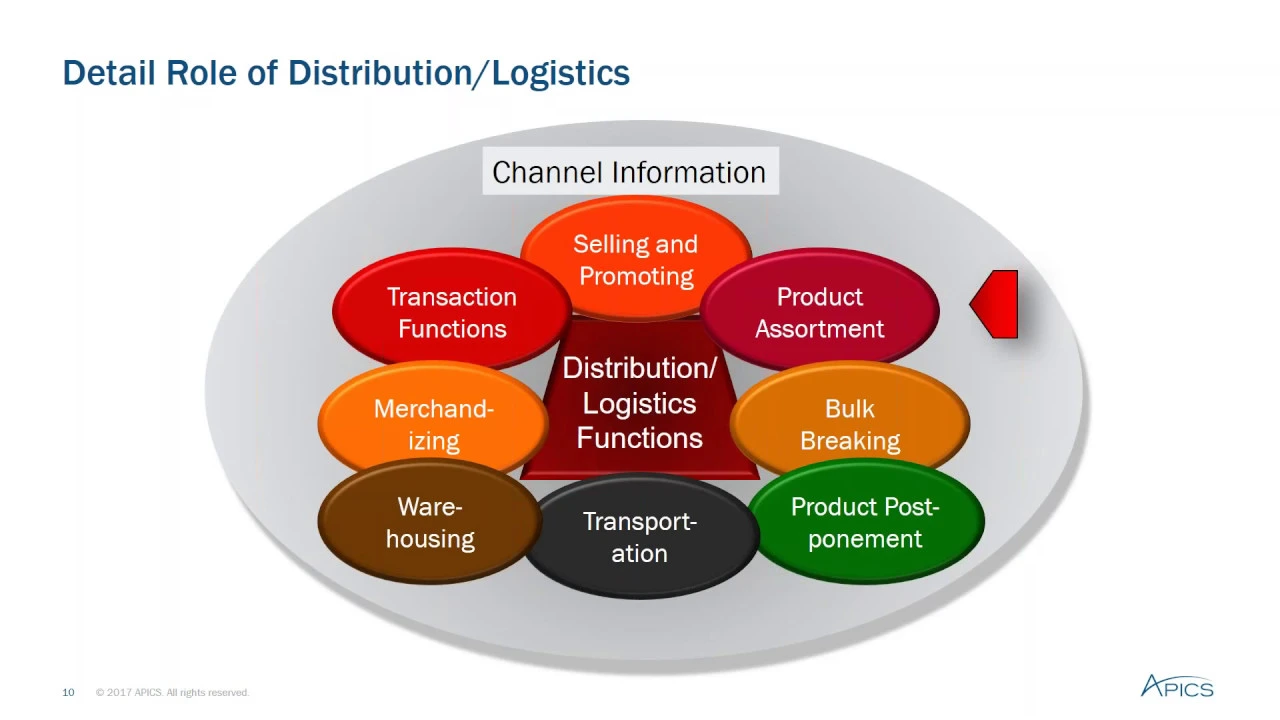
Familiarity with standard supply chain and retail distribution channels, including the roles of brokers, distributors, and logistics partners.
A foundational grasp of retail terminology, such as SKU (Stock Keeping Unit), sell-through rate, and inventory turnover.
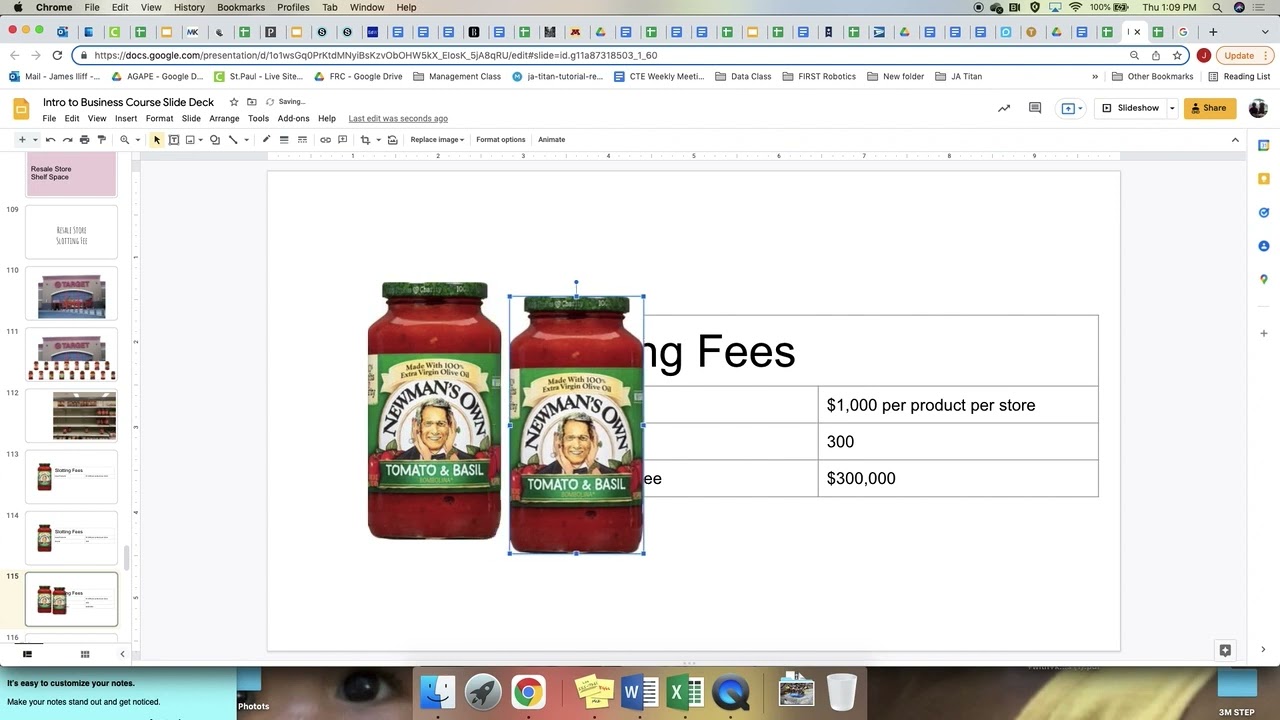
Advanced negotiation strategies for retail contracts, including slotting fees, payment terms (e.g., Net 60/90), and markdown allowances.
Category management and planogram design, focusing on how major retailers optimize shelf-space allocation and product placement.
Logistical and operational onboarding requirements, such as Electronic Data Interchange (EDI) compliance and strict retail packaging standards.
Designing and managing trade spend and co-op marketing budgets to drive consumer demand once the product is on the shelves.
9.1K views339likes36:34Original Release: 2025-11-17
Welcome to another episode of the YouTube building the brand day in the life of a CEO. This one. So wanted to start with talking about this thing, this hat. This has been one of the most requested, talked about things that we have done. And we don't even sell clothing. We don't even sell hats. Super excited to announce that Black Friday subscribers and certain customers over a certain value will get a free hat. We haven't made many of them. Not only that, guys, we decided to go less on the codes and the discount this time and give away things each day for 10 days that are going to help you with your training, whatever it may be. One of them being, hold on, this treadmill.
Unbelievable.
I use this a lot. Nordic Track. We're going to be giving away one of these amongst a bunch of other things such as Zift trainers, um, watches, devices, whoops, uh, normate.
Yes, you can get the hats. Yes, we're going to be giving away stuff. It's going to be a great episode. We're talking a lot about a day in the life, talking about retail. We're talking about how to build a deck for retail.
And the most important person, my little son. There he is.
Hey, boy. Who's your boy? He doesn't like this weather.
I know George has a dog very similar. I want them to be best friends.
Hey, George. Mr. P, be my friend.
>> Good morning. We are about to jump on with Walmart.
and um excited for this call. Full call thinking about expansion, thinking about next steps. So yeah, let's get into it.
So we've just gone through the meeting with Walmart Canada. We then went into a meeting with another retailer, Academy, and then another meeting with uh sorry, forget it. Giant Eagle. So coming off the back of that, a couple things that I need to now prepare. You know, it's funny like every meeting creates more work. Um like you get on excited, you present, they've tried it, they haven't tried it, and then off the back of that you have to go and do a lot of work. So I always try and provide like I'll go meeting meeting and then I try and have a couple hours gap to get some of that work done. So let's take the example of Walmart Canada. Honestly, this buyer was incredible. um totally understood it, totally aligned with the mission, understood the brand, provided a lot of data and information about what he's seeing in the category. And um you know, when you can find a retail buyer that understands brand building, understands what you're doing, will be patient with you as you ramp up, is going to take a bet on you, get behind you, you want to lean in. And this individual was awesome. Uh, I won't say his name because I don't want to put him on blast in a good way, but one of the best meetings I've had. Uh, great great guy. So, off the back of that, he's asked for a couple things.
One is samples. Uh, so we're going to ship over our samples. Obviously, we have a variety of cans, a variety of sachets and gels. We've kind of identified, let's really focus on the can. Um, so we're going to ship them over all of our flavors, our cola, our cream soda, melon berry, our watermelon mjito, and our melon berry. Did I say that? I don't know. And probably ask for some data on like, okay, I know we want to do them all, but what flavors are you seeing perform in the category? So, you know, cream soda as an example, like, does that even perform well in Canada?
You know, there's flavors like root beer that in the UK are not performing well.
So, we're not going to try and launch something that doesn't work. So, here's a list of our flavors. help us understand which ones you think will perform best cuz you know your customer the best. The second thing we have to do is price pack architecture. So what that means is let's take cola as an example.
Uh we got single can and we have a fourpack can. So generally speaking you should get fourpack for cheaper than a single per can. So, for example, if a single is $279, it's not just $279* 4. You're probably getting a discount cuz you're buying bulk. And it may be $250* 4, which obviously equals $10 for the fourpack, $279 for the single, etc., etc. So, we're going to go and present now on email a delivered pricing to them, and we'll come back to what that means with our current skew offering.
skews our product offering. In addition to that, the price he would have to buy from me and the price we recommend he sells at or they sell at, giving them that 40% margin. So, let's take a look at that right now. I think through the Canada opportunity, he has mentioned that we need to be sub $10 uh on Chef. So, let's take that as a $9.98 for a fourpack.
So that's the price he's identified is going to perform well at. And you know, listen, you might want to sell it at $12, but you might want to sell it at $11. The point of this is that he has seen that the highest probability of success within the category. So you take all the drinks, all the brands, brand X, brand Y, brand zed, um, and, uh, and brand zero. He's saying on average the ones that are priced at this are performing well. Anything that's maybe at like a 12 isn't performing as well.
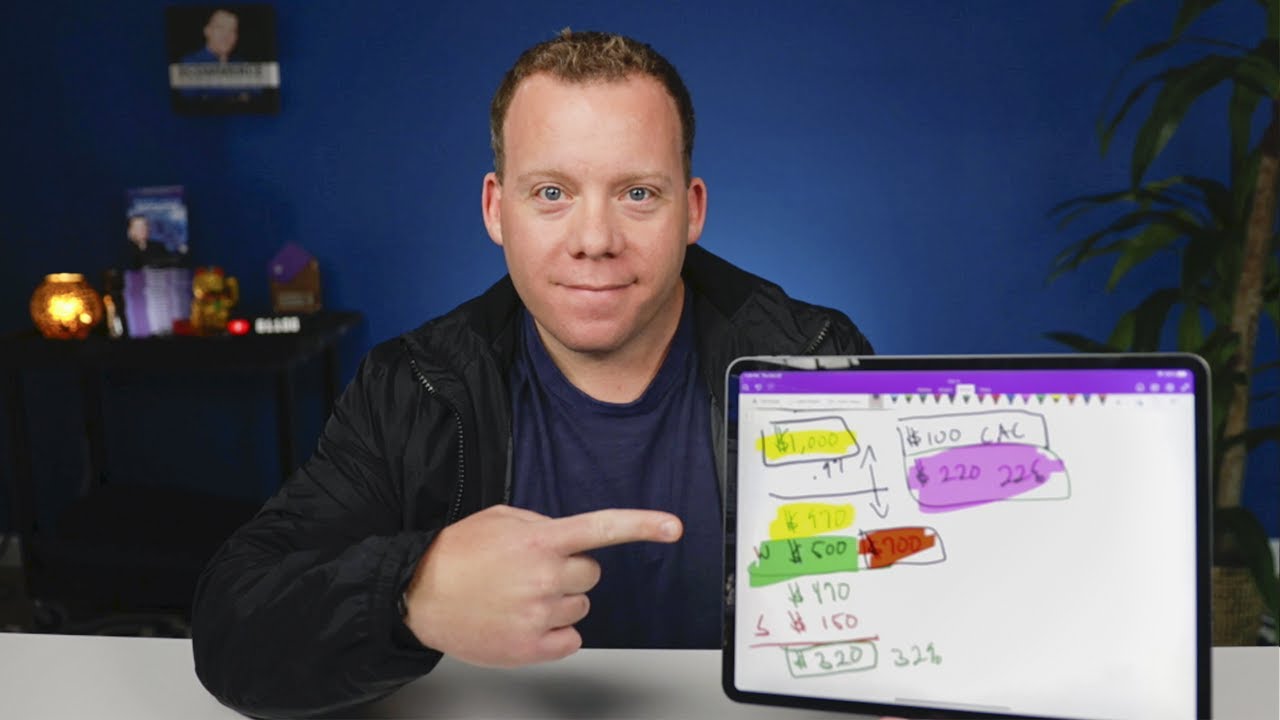
So he's going to tell us, listen, if you can get there, we think you can perform really well and have high velocity. So when we have to go back and say, okay, can we support that price? Let's say they want a 40 to 45% margin. So, we're going to sell in for this price minus that, which is how I work this out, um, is what I do is if they want a 45% margin, so they keep 45% of retail price, I'm doing my wholesale price and that is equal to my retail price times 1 minus margin. So retail price $9.98 * 1 minus margin. So $9.98 *.55.
So effectively $548.
That is what I need to sell in at. So now there's two different routes in. You can either go direct or you can go through a distributor. Your distributor is going to take 25% margin. So you'd have to also subtract 25% margin there for distributor opportunity or if it's direct obviously it's just your cost which is X and that is your gross margin. If it's through a distributor it's working back again 25% off of this.
Yeah. 25% off of 548 is 412 if I've done the math right. So the difference here is pretty substantial.
You know, close to $1.50 per case. Um but if they want to go through a distributor, you got to be able to afford to sell in at 412. And none of this really should be under 50% gross margin. So I know this is an absolute shambles but this whole rasmatas is a supply chain to get here you know it's not as simple as just costing for this selling for this no you got to work through distributor or you got to go direct this is the price they want to buy it in at so can cadence afford for the price we make it at either to make money here or make money here and of course that's not including freight cost which is a whole other discussion. So, I'm going to do some math here. I'm going to see if we can afford it. I'm going to go in with a presentation, make sure we can uphold this 998 price, and then make sure we can uphold the margin requirements we need to have a really great business, to lean in on marketing, and uh and go from there. So, that's the last thing I'll say is all this is great, but you also have to have the ability to reinvest in a retailer and say, "Okay, I'm going to take some of that gross margin that I've benefited from and I'm going to lean in. I'm going to go and spend on influence. I'm going to spend on trade. I'm going to spend on marketing. I'm going to spend on whatever you think the right opportunity is for that retailer to really blow it off the shelf because again like the last video I said, no one wants a product on shelf that isn't turning well. So, a lot of work to do. We had a number of other meetings with two other retailers and the similar outcome. They love the product. They love the liquid.
They love the positioning. Let's get a presentation over to them. Let's show them what we think we can do. Let's work within their margin requirements and let's get launches going. And then I got to call the team and tell them we got to hurry up some production. Got to increase the can orders. We got to go from there. And uh it's about 10:00 a.m.
Insane day so far. Black Friday coming up.
>> Doing some ads. Got Tyler on deck.
Here we go.
This where the magic happens. Oh yeah.
Yeah, teased this hat. Where is it? This one. I never wear hats. Teased this yesterday on um on story.
Wild feedback was insane. I always say this. Everyone's like, "Oh, we dropped merch." I'm like, "Never." Obviously, I'm repping the Cadence Muscle Tank, Cadence hat. See me in the Cadence hoodie. We'll never sell these. We make a point of it. George said, "If you can never be the best at something, don't do it. Let other people do it and focus on what you can be the best at."
So, we can be the best at making this stuff in the background, but never going to be the best at clothing. We're not interested in that. We got enough amazing friends and partners who do clothing and apparel and hats and uh hopefully one day we can do collaborations with them. But in the meantime, we made a couple for the community, a couple for the team, and uh yeah, we will be giving them away on Black Friday with first thousand orders, which if I was to bet on it, won't last very long in the UK and the US for those asking. So yeah, um in between retail meetings, I still got to film ads.
um something we've just tested. You know, it works in consumer, it works in CPG, it works on uh DDC brands, and uh you know, I'll do anything it takes to make this brand a success. So, sometimes it means getting out from the laptop and uh filming some content. So, Kyle just arrived at the house. We try and do this every Friday. Take like an hour or two in between work and in between spending time with the family to bang out some content, bang out some ads. obviously YouTube. Um hopefully do one of these whiteboard sessions.
So yeah, ads, Black Friday ads and whatever else uh the team have written for us. So yeah, they just turned up with the old sache.
All right, let me look at that a second.
Little bit of clumping. We experienced a little bit of clumping in our product.
So what we've done over the last few months is improve them. New sache, new foil. Shake that for me. There we go. This one. Nothing. So, better foil, anti-clumping, easy tear, continuous improvement always. And this is rolled out across all Oh, all of the products. So, we got it in the orange.
Look at this. Beautiful.
Insane. Same. best products in the world, but improved the packaging. So, normally after a full day of work, 3:30, it's 3:26 right now. I try for the best part take my daughter Bloom to the park. So, recently got uh Th's running stroller. She's enjoying running in it.
Um well, I'm I'm running. She's sitting in it and I'm pushing it. But I'm going to go meet a good buddy of mine. He's got a young son. Going to head a little two, three miles, take her to the park.
Um, you know, I'm a new dad. Things have changed for me. Um, but priorities every single day when possible, unless it's like a high high priority, I take her to the park. So 3:30 to 5, give my wife Anna a little break because from 7 till 7:00 she is on and uh it's the least I can do considering how much she takes care of my incredible daughter. So we call this dad hours. I'm excited. Going to go had a little run. Had an amazing day. Obviously had all the retail meetings. Got a little session in leading to London on Sunday. And uh this is the moment where I can actually do something for my daughter, for my wife, and for myself cuz I love it. It was definitely a learning curve for me. The first year of being a father was was was tough. Um, you know, no violins, that's not what I mean by it. But for me, it was a whole new learning curve because up until now, I've only have ever had to care about what I have and what I want to do in my time. So, um, even when I started dating Anna, I was always very honest and transparent about the fact that, you know, I train a lot on the weekends. Don't think I'm going to be lying in having breakfast in bed. No, I'm going to be up. I'm going to be training for 2 hours. And when I had my daughter, my time did change. So, it's amazing to see the community, all of the young fathers out there who are doing everything they can to be better for themselves and their family. You know, training earlier than normal, getting up, early dads, and uh yeah, so going to go have a little run and hopefully she enjoys it. And hopefully this rain stops because LA right now, guys, it's not for me. Not for me at all.
>> Also, this has now become my playlist.
>> Gone is Drake. Gone is going to is just bingo.
>> And then this little guy comes around.
>> Everything changes.
>> Hey, baby.
>> Yeah. I'm I'm a good >> coming.
>> That's what you need.
Uhoh.
>> And they get to make buddies.
>> Yeah, we got some buddies. Got some friendships being built. Getting the miles in.
>> Basketball.
I don't know where you see a basketball.
>> Yeah, man.
>> And then I think like I'm going back.
>> How are you, dude? Good to meet you.
Welcome to the spot.
>> This is going to be your spot.
>> My spot.
>> This is your spot.
>> So, it's called the one crack. Okay. So, it's a it's a scored game. Your goal is to crack the can without denting it. So, using on the table makes it easy. So, you got to like pop it up and then That was like an amazing one. But, see how I kind of missed the lid? I'd be docked for that. So you're really just going for perfection. So see no dents camera.
There's no dents. That was a good one.
79. So you kind of know what you're going up against.
>> We'll do another two examples so you can see again.
>> Just pick it up and crack. You think it's easy. You're going to dent it. See, everyone talks of dent. I would I would lower your >> You won't you won't be able to dent this can because of the carbonation.
>> Is that still water?
>> Everyone says that. Everyone says that.
>> Everybody says it. The moment gets too big, Gary Vee said the same thing. He's like, "I'm not going to dent it."
Highest score ever. He got like a one two. It was ridiculous. The highest score is a 96.
Tyler Babin.
>> That's the highest one. That's what you got to beat. But I mean, this is perfect. Look at this. I'll be conscious about this during the show.
>> This looks great.
>> I'm so excited to [ __ ] try this.
>> Have you tried one yet?
>> Nope.
>> Bro, they're pretty good.
>> This is raw reaction.
>> Have you tried?
>> Oh, with Cadence.
>> Oh, yeah. This is it. This is Cadence.
This is the melon berry. Oh my god. And I didn't dent it.
>> He's talking a big game in the corner about not denting the first. They all do. Oh, wait. Wait. You can't put >> Go. You can't finger.
>> Start with your lid on the trigger. So, you got to lift it up. Otherwise, it's too easy. And then you got to go crack it. So, watch here. Show you again.
Boom.
>> He's not very good at it. So, just don't do that. Oh, >> not bad. Oh, but the these hands crack.
>> Start like this.
>> Okay. Correct. Yes. Let's go. Boom.
Okay. You ready?
>> Yeah, I'm ready. Mhm.
And he said he wouldn't dent it. I told you.
49 Ross, welcome to the show, baby.
>> 49 >> control. And then there's this other side where it's like, if I want to reach this crazy goal, I want to have a billion dollar brand. I want to sit with the Goliaths of this category. It's something that probably most people have to do to get capital, >> consume the product, and no one's ever done that before, for example. So that's how we think about the category. That's how we think of the positioning.
branding was sketched on a notepad by myself. I love branding. I love creative. Um don't get to spend as much time in it dayto-day because we have a team executing on it now. But um I think the only real moat you have as a CPG business and you can claim IP and we have IP and we formulate everything oursel is the brand. It's the community and it's the brand. Community is a buzz word and everyone's talking about it now. But um Mo is the brand. It's the packaging. It's the liquid. Of course, a lot of brands are white labeled. We don't do any white labeling. We don't just pick a product off the shelf and put it in our branded packaging, but for the most part, that is a good solution when you're earlier in business, but this little white can is your marketing.
The CMO of Coca-Cola said, "The best for marketing is the red can." And we think about that the same. So, when we see it, we see tag pictures, everyone's holding it down. It's like a trophy.
>> When in the process does branding come into play, are you first like, "I have this idea for the beverage. Let's get the actual product down, then we can figure out branding or is it >> branding is pretty [ __ ] awesome and like fun to work on. So, are you working on those simultane simultaneously?
>> Like the deck come first and then the formulation?
>> No, it's funny to work on like the logo and the tagline, but ultimately you know um it's a great question and in the past I was more like let's build the brand out and then let's find the formulation and so on. Um, my wife has a business and I always tell her, "Get your liquid right or get your product right first because the brand's going to iterate so much when your contract manufacturer tells you you cannot do X." So, for our argument sake, we want to do a zerocalorie, zero sugar hydration drink that's super sporty and then you go to your manufacturer like we can't do that.
It needs to have sugar in it. I don't know. Give you an example. So, therefore, the brand's going to change.
So, they have to work. That's basically my thesis.
>> I love it. This has been such a fun episode. Ladies and gentlemen, this has been episode 183 with Ross McKay. If you're still here, please hit the subscribe button, drop us a comment, leave us a like, and we'll see you guys all next week. Peace.
>> [ __ ] yeah, >> dude. That was epic.
>> That was amazing. Let's go, bro.
>> Thank you, man.
>> That was fun as [ __ ] >> Like well researched, understood what I did, like listen to watch my YouTube.
>> There's nothing worse than getting on a podcast and like >> they're like ask the same questions as everyone else asked. You're like, you could have just watched the other video.
I want to go on add value that I've not answered before. So, chances are like I get the same 10 questions and I hadn't had any of those questions. So, dude, it was fun. I enjoyed it. Um, let's see. I don't know when it comes out, but I think for any founder that's kind of like at that early stage, it's not like starting a company. It's probably a little bit further on than that. But for anyone who's kind of in that like 1 to 10 million a year trying to grow the business, go through life cycles of fundraising, hopefully we can add some value. So, that's ultimately why we do this, right?
>> So, weird seeing this stuff.
It's so funny. I get like, look at my mug. Um, so yeah, we were at the 505 podcast and then we just dived into like my backstory, uh, the business, kind of the ambition for the business, a lot of like tactical questions like strategy and price and margin and like I respect the questions a lot because they clearly had an understanding of business themsel and consumer in the consumer world and um, at the same time they clearly done like homework on me and you know my YouTube and my family and what was important to me. So, yeah, I uh it was fun. I actually really enjoyed it. Didn't look at my phone for 2 hours and now I'm just like, "Oh shit." Um but yeah, honestly, great day. Fly to New York tomorrow for a day and then fly to London on Sunday.
So, hopefully uh that will be incredible. We got a pop-up in London.
We're doing some runs in London. We got a couple of events, couple of retailer meetings, and uh yeah, we talked a lot about just like how the business is growing and how fast it's growing. I have to say the feedback from the last YouTube which was nearly all handheld other than the stuff that your boy Tyler shot was very wellreceived. It's performing actually my second best YouTube right now. So just going to continue to lean into that. We're strategizing a little bit. Road to Target, Road to Walmart innovation, maybe create some micro series. So a lot of you have a lot of specific questions about business and raising money and operations. We're going to continue to lean into all that. So yeah, man. It's 12:00 Tuesday. Back to the grind.
>> I'll film it. So, this brand's crushing right now.
Incredible founder. The guy is an absolute He's probably the best operator in the country right now. I'm not even joking you.
Neutrops. These are um neutropic gummies, dude. Wired right now. I would like to go for a run.
I don't know if it's like a good pre-workout. Mushrooms, cortiseps, lion's mane, rishi, chaga. I'll take one of these and a coffee.
I'll go all day. So, coming to the end of the day, done a ton of meetings.
Typical day in the life. Probably trained in the morning. This morning I went for a swim at 5:30 a.m.
and then um pretty much finishing my day. What are we going to go for? We got a little maciato. We got a little coffee set up. I'm looking for some good coffee beans.
My dream is to have a llam is it lumber?
What do you call lam? So you know guys, if you're watching, come on, hook your boy up. I'll do some paid ads for you.
We're golden. All right. So, just had a retail meeting. Most of the feedback on YouTube has been like, "Okay, help me understand what my presentation to a retailer should look like." So, I'm literally going to share with you what I use from Cadence when I'm pitching to a retailer. And it's going to vary depending on the opportunity of course, but generally speaking, let's run through it. So, I'm going to show you my deck.
This is the cadence presentation.
Literally showing you behind the scenes.
Nice cover image. The next is going to be the founding story. So, page one is a cover image and your logo. Super simple, but I'm going to just go through everything.
Second one, people want to know who they're talking to. Give me your story.
Like, why did you create this? For me and George, it was a combination of our backgrounds in fashion, of course, in consumer, and the story of being out there as a consumer and not being able to find what we wanted and why we created Cadence. So don't just read it off the screen, but give a nice image and some bullet points of the why and who you are and you know anything else that you think is important in your experience. So if you're creating a electrolyte drink, are you did you have grow playing sport? Like tell them about it. Did you have a medical condition?
Tell them about it and let them believe that you are the founder to make sure this product is going to be successful.
So I got a nice image of me and George here. A little bit of background and again a little bit of the why we created this.
Why is calling me? What is it?
All right. So, slide one, slide two, slide three, I like to talk a little bit about who Cadence or who the brand is for. So, we do a little slide here on target, consumer, and demographics.
and uh for me who is gender values lifestyle. So it's a little bit of a profile build you know identifying to the retail buyer who you're speaking to like who you're going after and hopefully of course that retailer is focused on that type of consumer. So again who age, gender, the values, other brands they admire, other brands they use. give them this consumer identification and demographic and that should be slide three.
Slide four, I dive into the mission. I dive into what the business is about. So slide three is demo and target market.
Site four, let's get into the brand.
Okay. Mission of the brand.
Slide five. I like to talk a little bit about what's happening in the category you play at. So, let's take a 100,000 ft approach. For us, it's sports drinks.
It's hydration. And we give a little bit about what's been happening in the space to date. So, for us, sports drinks are outdated and they're not cutting it. And we give a little spiel there. Let me talk a little bit about what's been happening over the last couple years. So it's a little bit of an us versus them.
So maybe a little graph, us them, you know, there's sugar in the drink, not proper formulation, there's, you know, price point, whatever it may be that identifies what's been wrong with the category today and how you are better, which leads nicely into the next slide. One of the most important is your products. So, first thing I like to do is show an overview of all your products with some key points. If this is the only slide you ever have, this is the one pager that shows a full representation of your portfolio, gives a nutritional label, and has key points for us. Key electrolytes, nothing artificial, zero preservatives, no sugar, and our formulation. This is the beautiful swag. This is what we're proud to present. And again, this can be one minute or you can spend 10 minutes on this. And you talk through it. Again, like I just said, we look at us versus the category really to show the buyer, wow, you're different and how are you different?
And then once we've gone through product, we talk about what's been happening for the brand up until now. So if you have data ideally in other supermarkets how you're performing for us we don't have a lot yet cuz we're only really primarily in direct consumer with a little bit of retail. So we talk a lot about how the brand has created such excitement up to now. So again, DTOC sales growth for us. We've grown 200% since the beginning of the year.
Probably grow an additional 500% next year. And I'm able to show the buyer, look, Bob, since January to September, we have grown 200%. We are selling this many cans a month on our website. Now, it's time for me to take some of that demand and put them in your retailer.
So, showing the retail buyer that you have this pent-up demand and of course that retailer gets excited. You've been selling out. You've been selling a million cans a week, a million cans a month, 10 cans a month, whatever it may be. Show them this exciting data and get them ready to now stock your product.
So, for us again, DDC subscription growth. Look at that graph and momentum is building. Here's how our distribution looks today. We're showing that retail buyer. Here's what we sell today. Here's how we're performing. And if you don't sell anywhere today, it's a little bit of a harder story. You can have these slides. But again, I think if you are listening to this and you sell online, looking to move into a retailer, show them that data. Show them how well and how um important your customers have seen you to be today. Show them your subscription rate. Show them your lifetime value. Any other data that you're measuring and get that excited that buyer excited to stock your product.
This again shows our performance in retail today and then we move into what the retailer wants to see. So we've talked about mission, we've talked about how we differentiate from the category, we've talked about our product and we've talked about performance.
I always apologize because my handwriting is such a mess. But next thing, let's talk about marketing.
So we say, you know, we've been creating this bus for us. You've seen us at Run Claus. has been a band there. We've done work with 247. Stevens has on his podcast. We do a little bit of an overview because of course that retail buyer is saying, "Okay, you're a new brand. You're going up against these conglomerates who are spending millions of dollars in your retail store. How are you going to create excitement? How are people going to know about this? What are you going to do?" So, a little bit of a plan, experiential marketing, whether that's field activation, sampling, run clubs, digital, are you investing into digital? Are you doing paid ads? Are you doing social email?
Are you doing media partnerships, podcast, sponsorships?
And then shopper. What are you able to offer the retailer in store? What are you able to invest into in store? So for us, this is a little bit of what this looks like. Here's our launch support.
Here's some of the activations you've done. Here's how we can offer you custom fridges in your store, for example.
Again, we're not showing this, but it's really important. After that, you have your basis pricing and your margin info.
So we talked a little bit about that earlier. What is the recommended retail price that you expect the retailer to position it? So for us, we recommend the cadence can is about let's say 278 to you know 250 250 to 278 for a single. Then the retailer is going to expect its margin 40 to 45%, again depending on the category. So you're going to sell it in for X. So retailer wants to talk through that. Again, if you're coming on and saying, I expect to sell the can for $5.
That's going to be a problem potentially in my category. So it's really important you have a really good understanding of your expected retail price.
Understanding and asking questions. Hey retailer, you know what margin are you looking for? Ask those questions. What are you expecting to sell a week, a month in that retailer? So you can understand what expectations are. Don't just go in blind. These retailers want to work with you. They're not robots. My buddy um Greg over at Bloom, he talked about this. He just posted a really good video. He's like, "These people are not robots. They want to win." Also, this buyer is responsible for their category.
that buyer is promoted, is given bonuses, is demoted depending on how their category performs. They want to work with you. So, don't be afraid to say, "Hey, buyer, you know, um, can we work on a different margin? Right now, my cost is a little bit higher. Um, can we work on a smaller margin?" They may say no. Can we be a bit more aggressive on promotion? Can we actually roll with um, can we get three SKs in rather than two SKs in? Help me build the set a little bit bigger. So, these retailers want to work with you, but make sure you have a really strong understanding of your pricing structure and what you can offer that retailer from a margin perspective because if you don't, you only get in front of these buyers once.
You want to have every piece of information possible. This is a complete mess. We really need to work on the handwriting and then a thank you note.
Of course, you don't want to just present. You want to have a conversation. You want to be able to ask these questions. But generally speaking, again, founder story, your mission, how you differentiate from the category. Go to that shelf. Don't just go in with brands that that retailer does not sell.
Every retailer has different brands.
It's not generic. So, if they don't stock brand X at Target, don't compare yourself to brands they do not sell. So, make sure the us versus them is specific to the retailer you're talking to. And then again, talk about your product.
Show them off. Why are they so special?
Any reviews. We've had 5 million fivestar reviews. Performance, what's been happening with the business today?
And then again, how we're going to make sure this is the best brand and become the most relevant brand in your retailer. Simple, 8 to 10 slides. Don't make it longer than that. Retailers generally don't have a lot of time. Make it to the point. ask you questions and that's what we do. If you want to see this, I'm happy to share a version with anyone um with with you know with with respect to the fact that I can't share everything but that's generally what I do. This is the actual deck I use to lock down Target, Walmart, CVS, Walgreens, any retail I'm in today. This is the deck I have. So hopefully that was super super uh helpful.
So, we are off. We're off to London. Um, about to start packing, leave tonight. Um, quite a late flight.
And then I ran I can't even speak.
Arrive into London late at night and it's just like a full week of things.
I'm meeting uh a bunch of investors. I'm meeting all of the guys, you know, all the team are there. Um going to be heading down to our popup on Thursday night. Super excited to see you all there. We've invited our top I think 50 customers in the UK plus a bunch of our network, our team, etc. Herk's done an incredible job of organizing that. Um but yeah, I hope this YouTube was helpful. You know, it's not as glitzy, it's not as glammy as some of the stuff in the past, but I'm trying to be methodical. I'm trying to teach everyone what I have learned along the journey.
So, with that being said, please like, please subscribe. I'm trying to get the follow followers up um so I can keep investing in this awesome YouTube
Up Next

56:50
Retail Buyer Pitching Strategy: A Guide for Founders
@WeStockOfficial
7.4K views•2020-07-22
66:41
Web3 Social Decentralization: Farcaster Co-Founder on Crypto Social Networks
@levychain
1.5K views•2022-10-18

15:23
Decoy Effect: How Pricing Psychology Influences Consumer Spending
@bobinvestsUS
90K views•2026-01-05

17:30
The Planned Obsolescence of Light Bulbs and Tech
@veritasium
25.3M views•2021-03-26
Related Study Plans & Knowledge Roadmaps
Structured learning paths in Business
business
CPG Retail Strategy: Pitching & Trade Spend
01Foundations of the CPG and Grocery Ecosystem
02Retail Math and Designing the Pitch
03Securing Shelf Space & Category Reviews
+ 2 more learning modules
12h5 modules
Explore Roadmap
business
Pop-Up Retail: Strategy, Design & Execution
01Introduction to Pop-Up Retail & Strategic Goal Setting
02Budgeting, Site Selection, and Legal Essentials
03Experiential Retail Design & Visual Merchandising
+ 2 more learning modules
15h5 modules
Explore Roadmap
business
Reg CF: Startup Funding, Marketing & Launch
01Introduction to Equity Crowdfunding & Reg CF
02Platform Selection & Legal Preparation
03Crafting High-Converting Campaign Assets
+ 2 more learning modules
14h5 modules
Explore Roadmap
business
Productized Services: Scaling Solo Freelance
01Foundations of Productized Services
02Packaging and Scope Definition
03Pricing and Subscription Models
+ 2 more learning modules
15h5 modules
Explore Roadmap