









![[สังคมศึกษา] EP.2 | วิทยากร : ดร.ณัทธนัทธ์ เลี่ยวไพโรจน์ | ออกอากาศ 5 ส.ค. 66](https://i.ytimg.com/vi/IH3M6v2IQOc/maxresdefault.jpg)








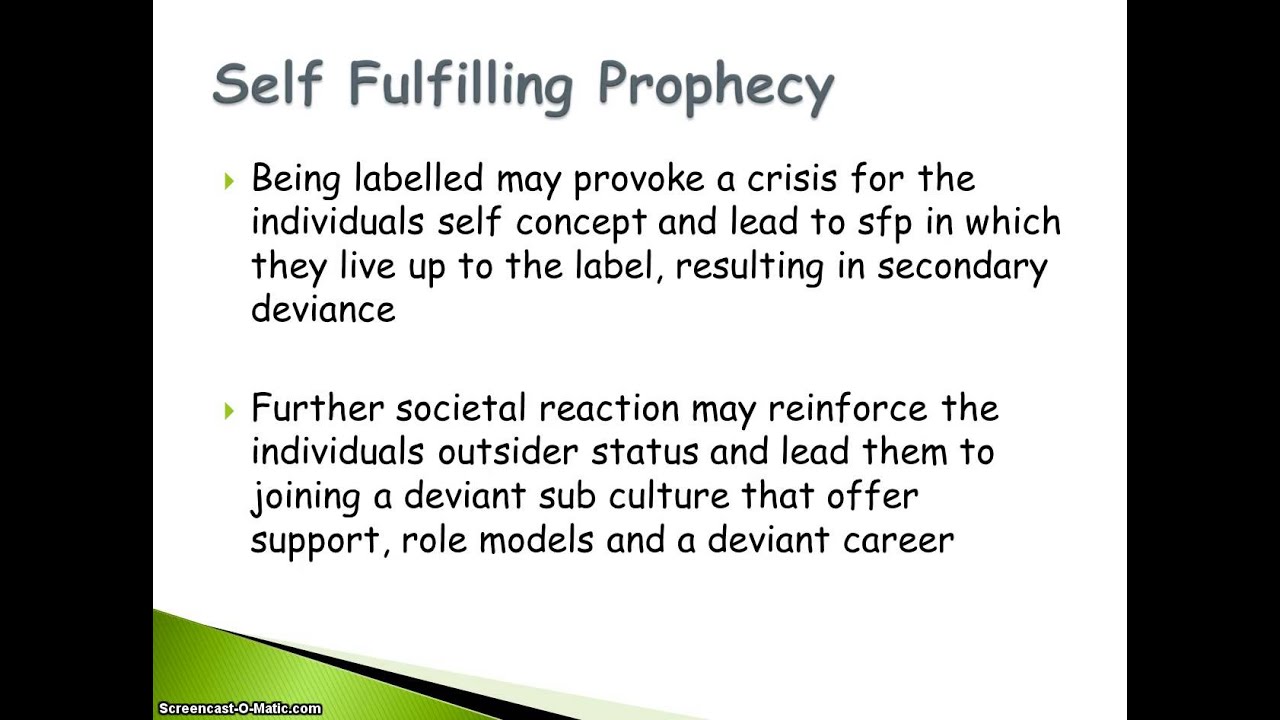




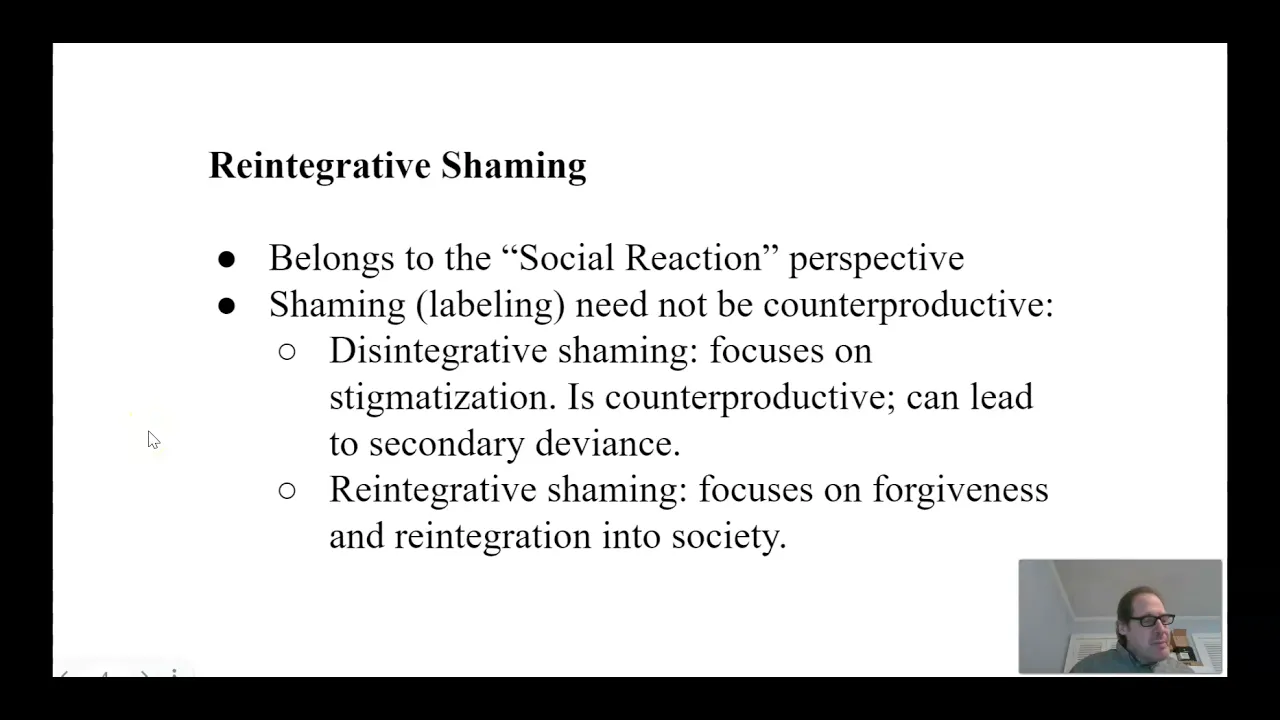
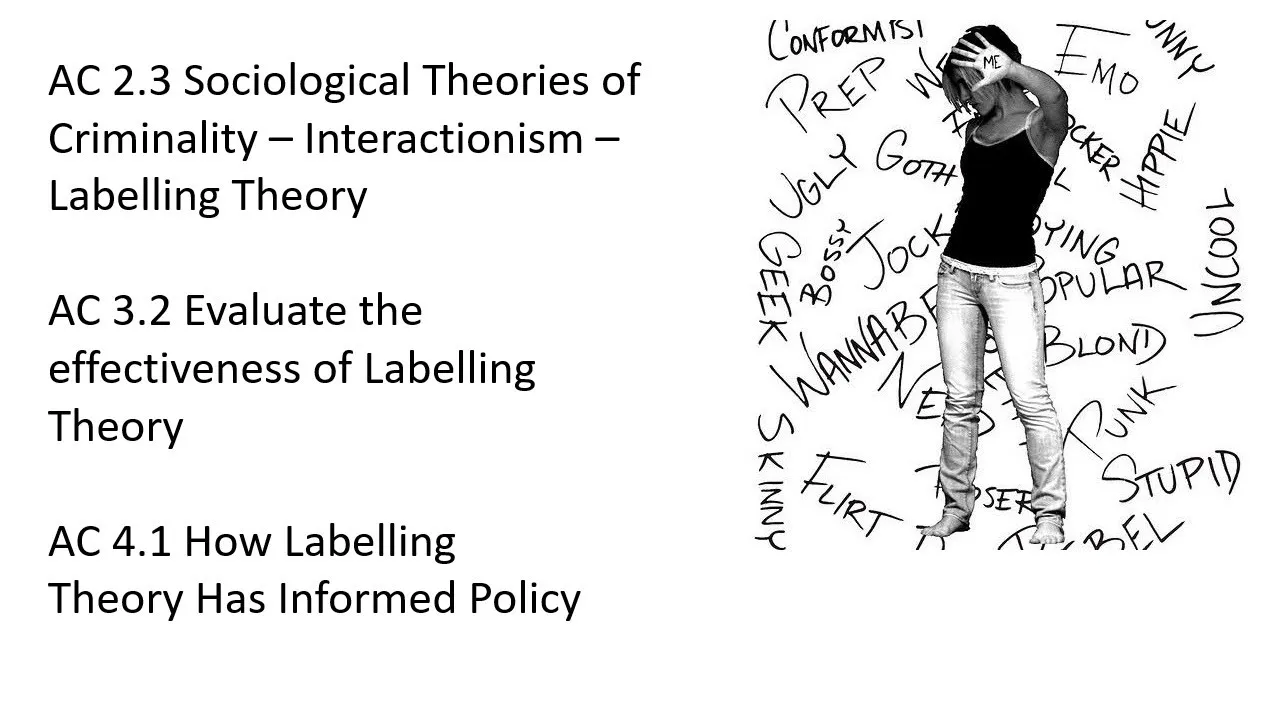










Labeling theory, derived from symbolic interactionism, posits that deviance is not inherent in behavior but is constructed through society's reactions; primary deviance involves norm violations without long-term consequences, while secondary deviance occurs when individuals internalize society's deviant labels, altering their self-concept and potentially becoming trapped in a master status that follows them throughout life, as illustrated by how medical marijuana use is legally and socially labeled differently across U.S. states.
Labeling Theory: Society's Reaction and Deviance Explained | Sociology
Added:Basic understanding of sociological perspectives on deviance, particularly how society defines 'normal' versus 'deviant' behavior.
Familiarity with Symbolic Interactionism, the sociological paradigm that emphasizes subjective meanings and face-to-face interactions.
Knowledge of social norms, social control, and the difference between formal and informal sanctions.
An understanding of the social construction of reality—how social categories and meanings are created and maintained by human interaction.
The concept of Stigma and Identity Management, specifically Erving Goffman's work on how individuals cope with 'spoiled' identities.
John Braithwaite's theory of Reintegrative Shaming, comparing shame that reintegrates individuals into society versus shame that isolates them.
Real-world policy implications of labeling theory, such as juvenile diversion programs, decriminalization efforts, and the 'ban the box' movement.
The psychological and behavioral impacts of the Self-Fulfilling Prophecy, explaining how individuals internalize societal labels over time.
An analysis of institutionalization and how total institutions (like prisons or mental health facilities) can reinforce a deviant master status.
351.4K views2.1Klikes4:57Original Release: 2015-11-06
labels labels labels we give people a number of labels based on who we think they are which is based on what Society tells us is important the labels we give to a person determine how we interact with them this includes what we believe is deviant and criminal stemming from symbolic interactionism labeling Theory focuses not on the Deviant or criminal Behavior itself but by society's reaction to the deviant Behavior how we respond to the behavior determines whether something or someone is deviant let's discuss an example of deviant that is not so clear in society medical marijuana for decades marijuana has been listed as a schedule one drug which means that it is just as dangerous as heroin or ecstasy so for the longest time medical marijuana was not even something to consider in treating certain illnesses but perception and time time have changed and so have medical marijuana laws in the US medical marijuana laws vary by state and as of the making of this video some states have not legalized medical marijuana so how can we relate this to deviants let's say there's a woman we'll call her Sarah and she has found out she has cancer she knows that using medical marijuana will help relieve the nausea and pain induced by Cancer Treatments simply by being in a state where medical marijuana is legal can determine whether Sarah receives a deviant label if Sarah is living in Colorado where it is legal Sarah can apply for a medical marijuana card and make an appropriate doctor approved transaction now let's say Sarah lives in a state where medical marijuana is not legal Iowa for example but she believes that the benefits would help her through the treatment process since it's illegal in Iowa and there are no locations to obtain marijuana Sarah would have to get it illegally she still wants it although she would have to make the transaction in secret and the price is pretty steep if her friends and family found out they may label her as deviant if police caught her she would be arrested and society would definitely label as a deviant then why in Iowa it is illegal to grow distribute or consume in any way in Colorado marijuana is legal doctor approved and there are socially acceptable places to purchase marijuana so Sarah isn't likely to be labeled as deviant the only real difference is location but society's reaction to her behavior is very different it's the same person buying the same substance but in different locations there's also something we call primary and secondary deviant primary deviant is a violation of norms that does not result in any long-term consequences and does not hurt a person's self-image if Sarah lives in Iowa and buys marijuana illegally one time without getting caught she doesn't experience any long-term consequences and her self-image is intact if she continues to do it and is arrested or even if Society knows she continues to buy it but she's never caught she very likely will receive a label as deviant this is secondary deviant this happens when a person's self-concept changes due to the Label Society gives that person one deviant act may not change the way Society reacts or the way a person sees them eles in fact we all likely recall when we have engaged in some type of deviant act but when Society puts a label on us our self-concept begins to change Sarah starts to see herself as deviant even though she believes there is a good reason for her to buy marijuana she adopts the label and in essence she begins to live that label even if deep down she knows it isn't who she truly is when someone is labeled as deviant or a criminal it tends to become their Master status a master stat status is a chief characteristic of an individual when people are labeled a criminal it's hard for them to change that status and it follows them everywhere when someone has committed a felony they are labeled a felon and must report it when they apply for a job they can't serve on a jury or vote in many states therefore the master status of felon follows them in everything they do so what is one personal experience where you have either been the person labeling or the person labeled because an action was seen as deviant how did the person respond to the label or how did you respond what is one action that Society defines as deviant and has a strong reaction to What labels does society give those that are labeled as deviant and how does what is deviant change based on what community and culture you are in
Up Next

12:20
Deviance and Social Control: Sociology Lecture Part 1
@PacificLutheranUniversity1890
3.6K views•2020-05-28
54:57
Contemporary Sociological Theory: Micro, Macro, Integrative
@NaSESYNC
45.7K views•2016-02-17
5:29
Cultural Capital Explained: Bourdieu's Theory of Social Inequality
@sociologylive4343
481.5K views•2015-11-17
9:41
What is Sociology? The Sociological Perspective Explained
@crashcourse
4.6M views•2017-03-13
Related Study Plans & Knowledge Roadmaps
Structured learning paths in Sociology
sociology
Celebrity Culture: From Hollywood to TikTok
01Foundations of Celebrity Sociology
02The Rise of Micro-Celebrity & Digital Platforms
03Parasocial Relationships & Algorithmic Intimacy
+ 2 more learning modules
12h5 modules
Explore Roadmap
sociology
Hostile Architecture: Space, Power & Control
01Introduction to the Sociology of Space
02Social Control and Surveillance in the City
03Hostile Architecture and Defensive Design
+ 2 more learning modules
12h5 modules
Explore Roadmap
sociology
Loneliness Epidemic: Third Places & Isolation
01Foundations of Social Capital and Community Cohesion
02The Death of Third Places and Urban Space Erosion
03The Privatization of Leisure and Atomization
+ 2 more learning modules
12h5 modules
Explore Roadmap
sociology
Sociology of Tourism: Gaze, Power & Heritage
01Foundations of the Sociology of Travel and Leisure
02John Urry and the 'Tourist Gaze'
03Staged Authenticity and Cultural Commodification
+ 2 more learning modules
14h5 modules
Explore Roadmap