


















To maximize LinkedIn reach without paid promotion, content creators must understand the algorithm's four-stage process: (1) initial content analysis for offensive language, (2) limited audience testing in the first 30-60 minutes, (3) engagement-based expansion if positive signals are received, and (4) human editor review for viral potential. Key success factors include building a large first-degree network, posting during optimal times (7-8 AM, 11-11:30 AM, 1-2 PM, or 5-6 PM), avoiding external links in posts, using conversational tone with white space, starting with attention-grabbing openings, incorporating emojis, encouraging comments for lead magnets, using relevant hashtags, sharing personal stories, networking strategically, and asking for engagement at the end.
Optimizing LinkedIn Content for Enhanced Reach and Engagement
Added:hi everyone today we're gonna talk about how to post on linkedin and reach thousands of people without having to pay a single dollar [Music] we've been creating content for more than three years on linkedin and in this video we will share six linkedin algorithm tips and insights and 11 actionable content tips that you can start using today to get the maximum amount of engagement and opportunities out of linkedin so my name is nicholas from growforce and we help businesses with group marketing advice implementation and education so if you have a b2b company on a tight budget or you just want to explore all the possibilities of linkedin then this video is definitely for you and i would advise you to stick to the end we're gonna start with some algorithm tips first because algorithm tips are super super important they really affect the total reach that you can have with your linkedin posts why is this algorithm so important well linkedin has an algorithm that determines who see which posts it will make sure that you only see posts that are interesting for you so we want to make sure that the algorithm identifies our post as interesting so it will be shown to way more people first step to score with the algorithm is to have a lot of personal connections because on linkedin traditionally when you post something only the people in your first degree network will see the things that you post on linkedin if these people start engaging with your content yeah then their network will get notified and if they start engaging then their network will be notified so the bigger your first degree network the bigger the potential of reaching a lot of people on a on linkedin so that's a very important one um second tip interest relevance so it might be that you see posts on linkedin that from people you've never interacted with this is because linkedin can see which kind of things that interest you maybe you're part of some linkedin groups maybe you follow some hashtags and based on these specific interests that you have linkedin will identify posts put them in your feed so that you can see these posts that are definitely uh valuable and interesting for you third tip engagement probability so it will see based on things you did in the past based on things you like based on things you commented linkedin will try to put posts in your feed where it thinks that you will be most likely engaging with so also interesting to think about the linking algorithm really bases itself on the actions you do in the past then a thing that is very important as a content creator that you have to keep in mind is that the first 30 to 60 minutes of your content are very crucial in this 30 60 minutes linkedin will determine if this content is going to be shown to thousands of people or just a handful of people who saw your posts initially so how does this linkedin algorithm how does this work in these first 60 minutes first step just the linkedin the linkedin will just analyze it based on just some some things that are in there do you use offensive words do you use things that linkedin doesn't want you to push there it's just a very raw mechanical um analytics that they do to determine will we show this to people normally your posts will be clear there if you're not using a lot of offensive languages language or things that you that's not allowed on linkedin don't worry about about that one what it then will do is that it will show this this piece of content to a limited amount of people it would really test drive your content it will show it to some people and they will see how will they engage with this content if you get a lot of comments and likes and the algorithm will say okay this is nice this is good we will show it we will start showing it to more people if in these first minutes it's not really good then linkedin will stop pushing it in the feed not a lot of more people will see it so then linkedin after these 30 60 minutes they will analyze how did your post do did a lot of people like it did a lot of people comment on it or did you get some negative signals for example that people hide your post the people flag your post and the moment that that happens yeah your reach is also of course they will also limit your reach so that these first 30 to 60 minutes are very important um if at some point you reach thousands of people that are liking and commenting your post yeah you have a post that has the potential to go viral and then also human editors will come in they will analyze your posts and see what is happening why is this going well if you're gaming the system doing things that are not legit they will stop it immediately your reach is stopped it will not be shown to more people if you're doing good things yeah they will see that you're doing good things and they will start pushing it to even more people so these are the four stages that your linkedin post goes through important to really get these things and to really know that these first 30 minutes are super super important the fifth tip that we want to give you is to post on the right time it's important to post on a moment where you know that you will get the maximum engagement in those first 30 to 60 minutes so really think about the moment that your audience might be online the moment that they might check linkedin they might engage with your content and like with your content um they've did some research and they said that the both best moments to post on linkedin are quarter to eight a quarter to eleven quarter to eleven a quarter to one and a quarter to six uh personally for me my best moment to uh to push content on linkedin is around noon so between 12 and 1 this is just because of my personal experience this is how my network reacts so i would definitely take these numbers that you see online with a grain of salt definitely test drive it with your own audience see what works for you numbers would suggest that for b2b brands wednesday would be the best solution followed by tuesday for b2c brands they would say monday and wednesday but again please test this yourself check how does my audience resonate with my content when is the best moment for me to push this content on linkedin the sixth step super important one and actually a beginner mistake that i see a lot of people make on linkedin don't include links in your posts people want to put links to their blogs they want to put links to their website but don't do that because the linkedin algorithm hates it when you put links there to go to an external website linkedin wants to become a content platform they want you to produce content on the platform stay on the platform and don't go to any external website so please don't include links to your post if you want to do that you can always put it in the link in the first comment and then we'll people will be able to see it people will be able to click through but please please please don't share a link in a regular linkedin post the that were my tips my very simple tips to increase the way you post on linkedin if you're thinking about the linkedin algorithm if you're already doing these things you will see you will have really an increase in in in reach and now i'm going to give you 11 posting tips to get maximum engagement so let's take it to the next let's take it to the next level all these 11 tips you see here are actually things that we tested out with our team these are the learnings that our growth force team gathered and we want to share it here with you today in this cool video first step try to write in a conversational rhythm and film nobody likes boring text people don't like that and that's something people tend to write very business-like on linkedin but that's not really what works very well on linkedin it's better to really have a try to form a conversation try to have that conversational tone in your writing and understand the harmony between long and short sentences it almost has to feel like you're writing to a friend it really needs to feel like you're writing that you're talking just talking to someone it's really really really important we will here include an example of gary provost where he explains the importance of flow pause this video read it through it's very interesting to see how long and short sentences can be in harmony and this is a technique that you can definitely use in linkedin second tip use simple words um you don't have to be cute and clever you need to be clear try to really be simple right as if a nine-year-old would be able to understand it really be clear never indicate when you can show or obtain when you can get or eliminate what you can get rid of it's really important to use these simple words make it super easy for your reader to follow along and understand the things that you're saying third one use the power of white space a thing if you want to post a lot of content on linkedin you will put all these sentences just underneath each other it will feel like a very heavy chunk of a piece of text so what you want is that between each sentence you will put some white space just a simple enter just press the enter button two times on your keyboard include some white space in there that makes it a lot easier for your reader to read it through it feels lighter and definitely on mobile it will make a huge huge difference super super important to have that white space to increase the readability fourth tip when you want to write a successful linkedin post always start with an attention grabber because if you write a long post only the two sentences the first two sentences will be shown and then there will be the read more button if you're not able to captivate the attention of your audience in the first two sentences you're lost so people will just scroll through and they will just go to the next linkedin post and they will not read what you're what you're writing so make sure that you have something that grabs the attention that they are super interested and that they just want to read the rest of the post step five use emojis for a fluent reading experience so we use it in two different ways one in our attention grabber at the end we include an emoji why is this this is just a simple pattern interruption if people are scrolling through their feet and they see an emoji they might stop for half a second read their first two sentences if they think it's interesting press the read more button and read our entire post so that's definitely something that works for us the other way we use it is to use it as clever ways of bringing some extra structure within your linkedin posts for example if i use lists like five things i will put like a finger emoji that points to these five different things just to add some extra structure within my linkedin post sixth one what we often do is we give away stuff on linkedin and if they want to get it they need to put a comment below my post this is something that works very well for us because you're if you remember the beginning of this video we talked about the algorithm the importance of these first 30-60 minutes well if you do this tactic then people are going to respond in the comments because only if they put something in the comments they will get the lead magnets that you have for them so by doing this the algorithm really identifies this post as something super super valuable and you will keep on ranking you will keep on being displayed within within defeat so the seventh tip is to add related hashtags and tech people to increase engagement so this is also something interesting if people are now signing up for linkedin they will be asked to select a couple of hashtags to follow if then people are posting content within this hashtag they will get a notification and this will also be shown within their uh within their feed if i now produce content with a certain hashtag for example hashtag linkedin and then in the future someone else would make a piece of content with that hashtag that's now trending i will also get a notification from that so those hashtags allow you to reach people that you're not yet connected with and at this point i don't think that linkedin reached the maximum potential they have for hashtags yet and i strongly believe that in the second part of 2020 and 2021 onwards i think hashtags will play a bigger role than they are playing today the eight tip is to get personal people on linkedin are also just people and people like people so be personal try to talk about stories that revolve around yourself try to talk about personal things don't always try to be a brand that no one can relate to be that guy that they can relate to share personal experience and be human on linkedin tip nine plant your seeds so it's important to connect with the right people and maybe in the beginning you will not get clients of it but by connecting with these people connecting with influencers connecting with people that you look up to connecting with those ones will allow you to make a relationship with them to make sure that they see what you're posting you see what they're posting and start engaging with their comment content start commenting on their posts liking their posts engage with them and you will see those seeds that you're planting now maybe there will be nice trees in a couple of years so really invest in a in that the 10th tip is learn how to tell a story a lot of posts on leighton are super super boring but people love stories and they hate self-promotion so if you want to become a thought leader and if you want to include some interesting things on linkedin that you know that people will read then storytelling is definitely a skill that you need to master and there are actually only five simple steps that you need to follow to write a story using the hero's journey framework the first phase is a trial phase here you talk about a certain challenge a problem that your hero has then in the second phase you will identify the problem like what what problems did the did the challenge bring how did it affect your life how did it affect your business and then we will move on to the third phase it's the guidance phase it's the phase where your hero meets his guides how did he realize he had this problem how did he realize that he needed help who helped him what was the reason that he could now find help you will talk about that magical moment the moment when he met his guide fourth phase is the solution phase in this phase he will solve this problem the problem is now solved how does it feel right now what happened how does the solution look like how did it affect the business and then we will round off with the transformation phase you're another person now something changed in your life you're stronger you're more capable so in the end of this post you will tell about your own experiences you will talk about what happened and how other people can do this exact same transformation to be where you are right now and this simple thing is a framework that's also being used a lot in movies a lot in tv series but it just works people love stories so use this simple framework to write successful linkedin posts and you will be amazed of the power of storytelling then the last step is the bonus tip tip number 11 try to ask for engagement at the end you can ask like okay if you like this post let me know or i now share 10 tips what would tip number 11 be ask for people to engage on your content and they might do so so this might be a very simple simple thing but it might really make a world of difference in terms of engagement rates on your uh on your linkedin posts so that was it for this video about linkedin i would really like you to like and subscribe to our youtube channel because we're gonna bring a lot of these interesting videos i'm also looking forward to read all your comments your feedback on these videos i really enjoyed talking about these topics to you so please like subscribe let us know what you think about it uh don't forget to check the description below because we shared something very unique in there you will if you like this video you will think that is really a treasure you discovered there in the this in the description so thank you all for watching till the end i will see you in the next video i was nicholas from growforce and see you [Music] soon [Music] you
Up Next
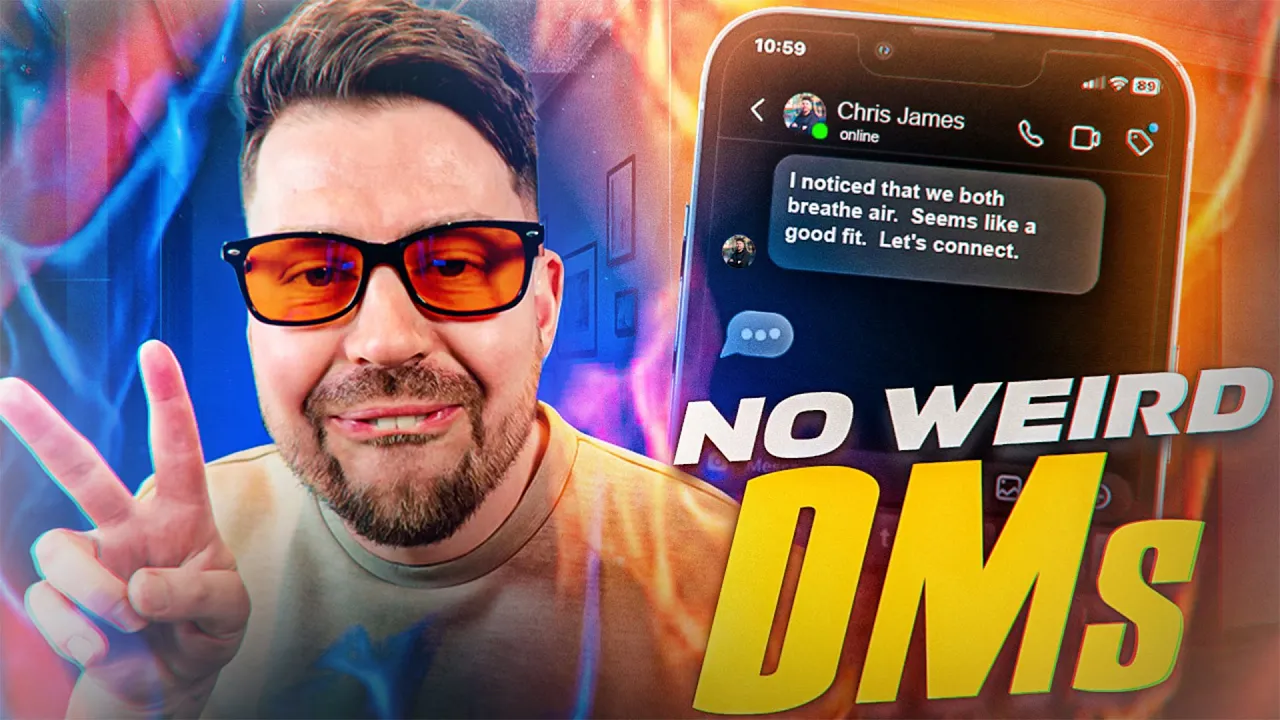
LinkedIn DM Outreach Strategies: A Masterclass in Professional Communication and Sales Conversion
@ChrisJamesOnline
4.2K views•2024-05-30
Web3 Social Decentralization: Farcaster Co-Founder on Crypto Social Networks
@levychain
1.5K views•2022-10-18

Decoy Effect: How Pricing Psychology Influences Consumer Spending
@bobinvestsUS
90K views•2026-01-05

The Planned Obsolescence of Light Bulbs and Tech
@veritasium
25.3M views•2021-03-26
Related Study Plans & Knowledge Roadmaps
Structured learning paths in Business