








![Sinalização e comunicação celular [Ensino Superior]](https://i.ytimg.com/vi/ccSIa3kNtWA/maxresdefault.jpg)


![Lec 2 Bacterial structure I [طب اسيوط]](https://i.ytimg.com/vi/LlNmHLwcCiw/maxresdefault.jpg)



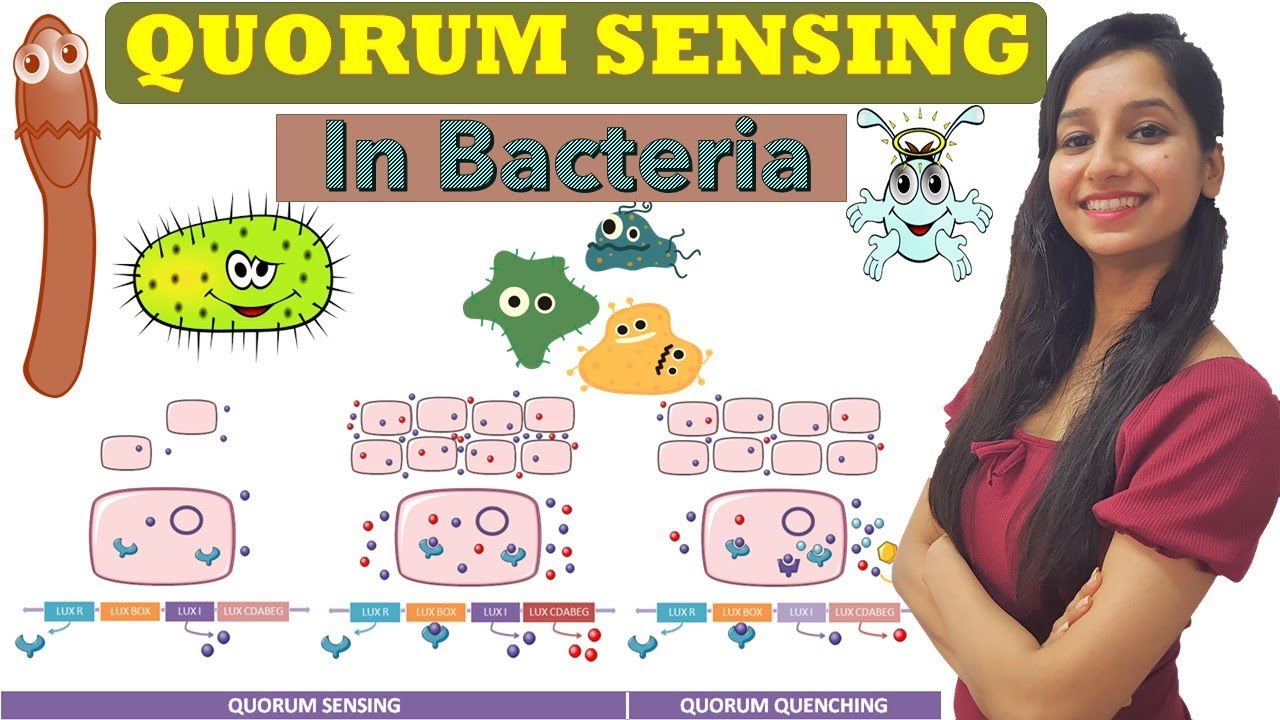


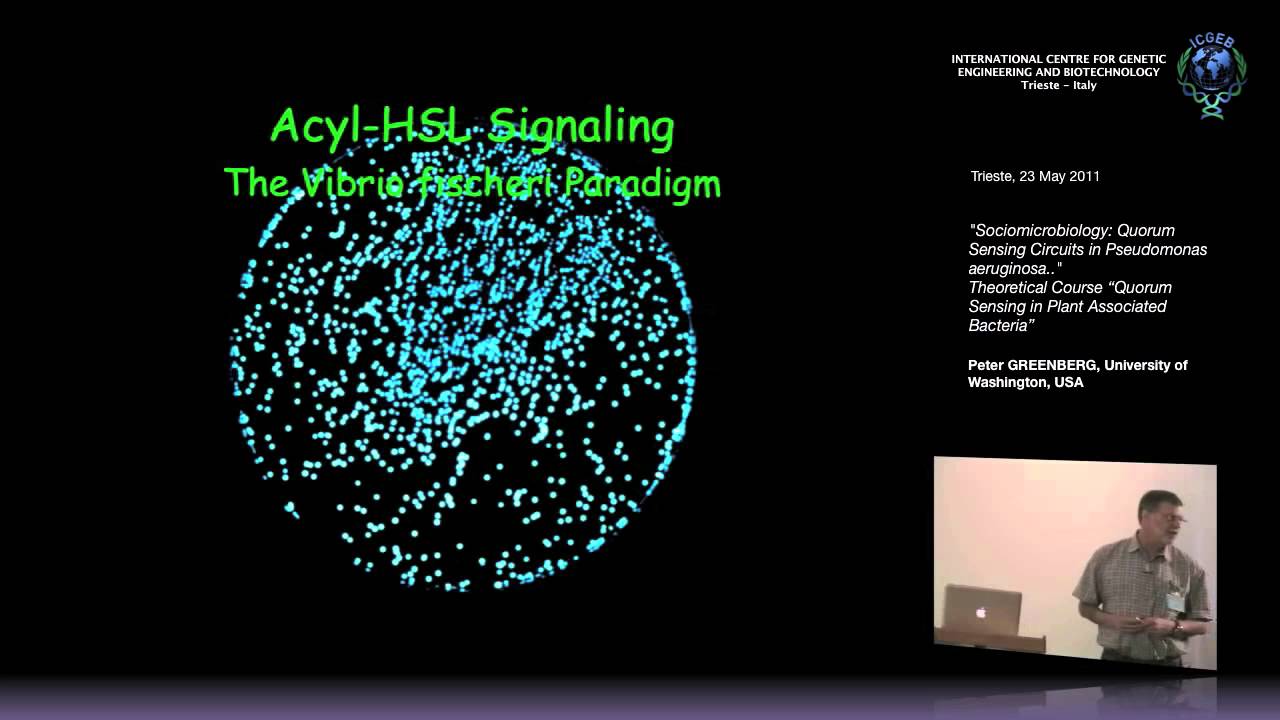





Vibrio fischeri uses quorum sensing to regulate bioluminescence through a two-component system involving LuxR (transcriptional activator) and LuxI (autoinducer synthase), where LuxR binds to acyl homoserine lactone (AHL) autoinducers and activates transcription of the luciferase operon (luxEDCBA) at a specific regulatory region called the lux box, enabling coordinated light production only when bacterial population density reaches sufficient levels.
Quorum Sensing in Vibrio fischeri: A Molecular Overview
Added:Basic principles of gene regulation in prokaryotes, including operons, transcription factors, and gene expression.
The concept of symbiotic relationships, specifically mutualism, as demonstrated between bacteria and eukaryotic hosts.
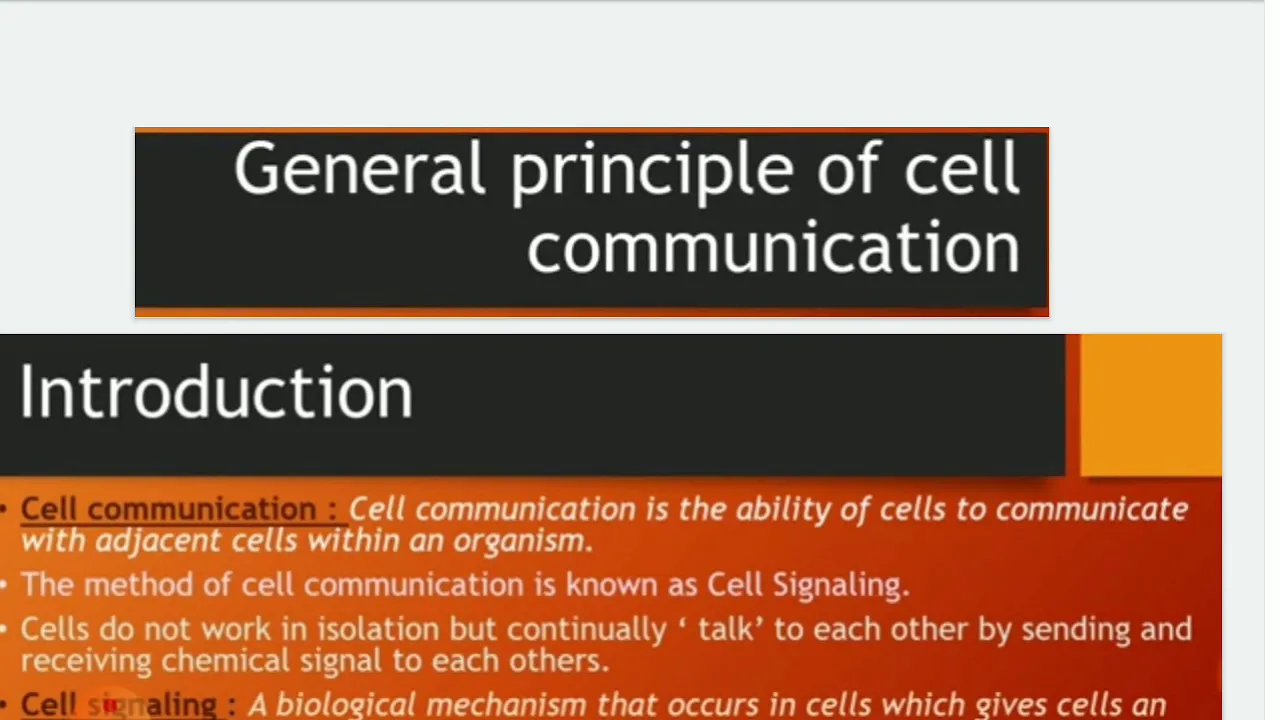
Fundamentals of cell-to-cell communication, including the role of signaling molecules (ligands) and receptors.
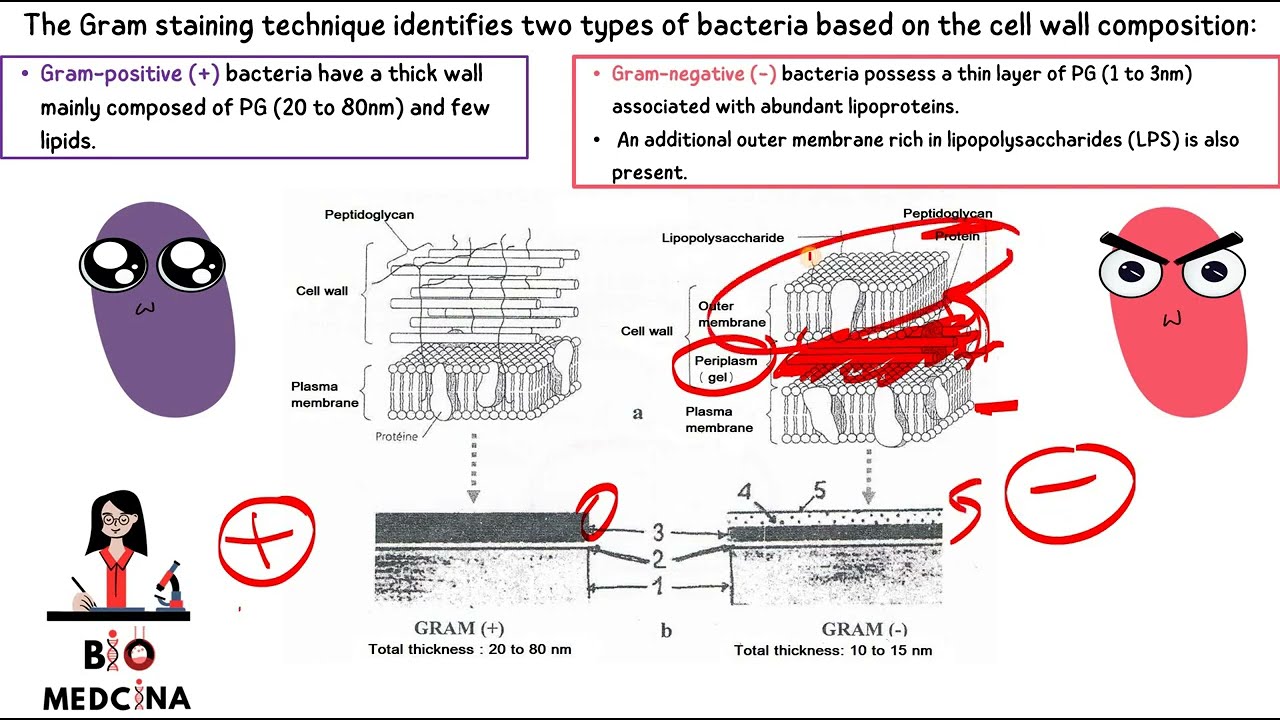
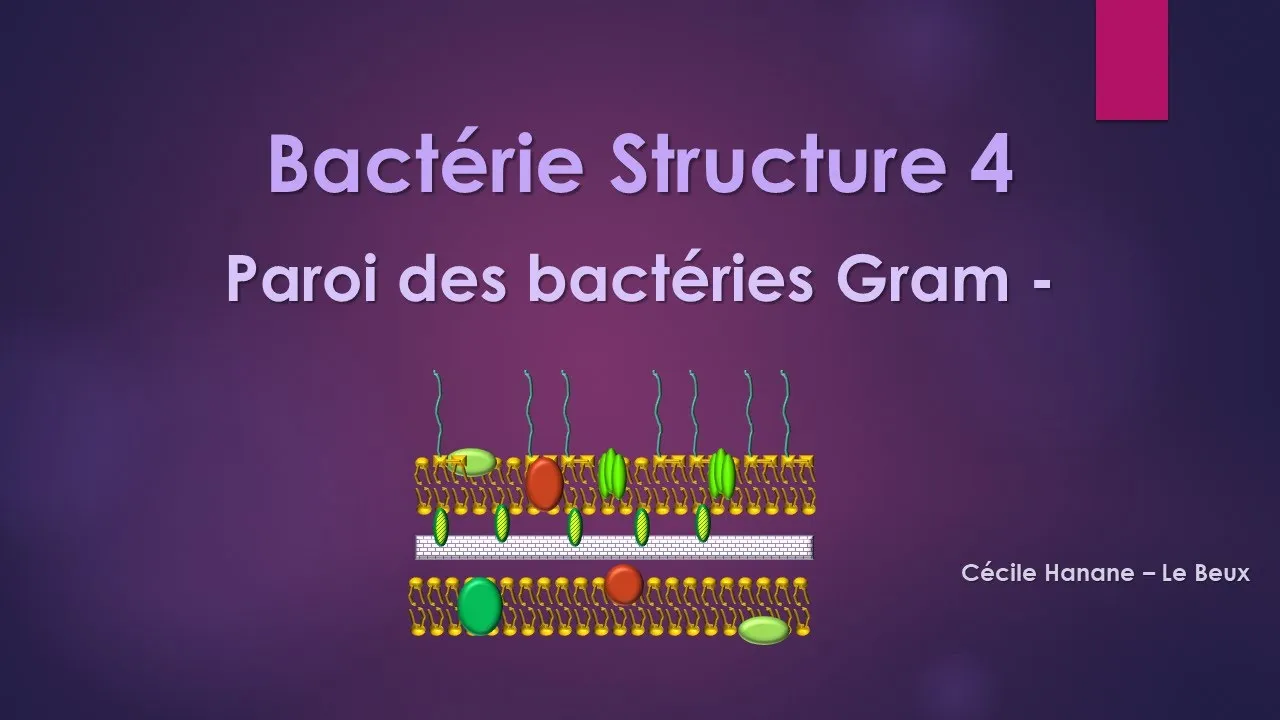
General structure of Gram-negative bacterial cell walls and membranes, relevant to how signaling molecules diffuse.
Comparative analysis of quorum sensing systems, such as the difference between Gram-negative (AHL-based) and Gram-positive (oligopeptide-based) systems.
The role of quorum sensing in bacterial virulence, biofilm formation, and pathogenesis (e.g., in Pseudomonas aeruginosa).
Quorum quenching, which involves therapeutic strategies that disrupt bacterial communication to combat antibiotic resistance.
Applications of quorum sensing circuits in synthetic biology, such as engineering bacterial biosensors and synchronized drug delivery systems.
791 views12likes5:50Original Release: 2018-04-01
hello and welcome to my o 3470 exam prep today we're going to do a quick review of gram-negative quorum sensing in Vibrio fischeri to help everyone prepare for the final you also get to answer some questions along the way let's get started as you all know Vibrio fischeri has a symbiotic relationship with the Hawaiian bobtail squid in which Vibrio fischeri uses quorum sensing to regulate bioluminescence in the squid and the squid provides a host for Vibrio fischeri to colonize in fact quorum sensing was first discovered in Vibrio fischeri remember the quorum sensing phenotype in this case is the bioluminescence similar to have gram positive bacteria like Staphylococcus aureus use quorum sensing for virulence now when the population density of Vibrio fischeri is low as it is when they're free living the bacteria remain dark but when the population density is high as it is in the light organs in the Hawaiian bobtail squid Vibrio fischeri emits a blueish green light now you might be wondering how does the population of Vibrio Fisher I get so dense in the squid aren't there other bacteria competing with it well there sure are there are other species of gram-negative bacteria that aggregate in the mucus of the squid epithelial cells however Vibrio fischeri is able to out-compete all the others to become the one dominant species there are two factors that make this possible can you name them the first one is motility non-motile bacteria cannot colonize the light organ due to the micro currents created by the Celia in the duct leading to the light organ the second one is light production bacteria that can't produce light will not persist in the light organ now let's get to the interesting part we talked about how Lib real fisher i colonizes the squid now let's talk about how it produces light do you know the name of the enzyme that's required for light production who sit the race of course that was an easy one luciferase is an enzyme regulated by two genes Lux r4 regulator and Lux i-4 inducer Lux are as a transcriptional activator that responds to autoinducer concentration in the environment Lux eye is a protein for autoinducer synthesis remember autoinducers are small self generating signaling molecules do you know the name of the autoinducer in gram negative quorum sensing bacteria that's right and acyl homoserine lactones or a HL s another easy one so Lux I encodes HL synthase which is an enzyme that makes HL Lux I is always transcribed at a basal level it is also positively regulated which means that once it is activated HL synthesis increases rapidly now there are two domains of Lux our one on the N terminus and one on the C terminus do you know which terminus binds to the DNA and which terminus binds to the autoinducer correct the n-terminus is the autoinducer binding domain while the c-terminus is the DNA binding domain the c-terminus of lux our binds to the lux regulatory region and the RNA polymerase and it activates transcription of the luminescence operon however if there isn't enough autoinducer present for the n-terminus to bind to the n-terminus will interfere with the c-terminus so the c-terminus can't bind to the DNA now once Lux R has bonds to AHL what is the name of the regulatory region that it binds to next deluxe box deluxe box is a 20 base pair inverted repeat located - 42 base pairs from luxe I deluxe box is required for auto induction and bioluminescence once the luxe are bound to the AHL binds to the lux box transcription occurs and luciferase is made we talked about Lux R and Lux I but what are the names and the order of the structural genes for luciferase biosynthesis that's right Lux EDA be e if you want help with that just remember Ken dogs actually boogie everywhere and remember there's another gene to looks G whose function is unknown remember Lux is always on at a basal level but as the population that Vibrio fischeri becomes more dense more AHL synthase is produced which makes more HL which binds to Lux R which binds to Lux box which allows transcription of the operon to occur and luciferase to be made way to go you're now an expert on quorum sensing in the Vibrio fischeri good luck studying everyone you you
Up Next

64:37
Bacteria Structure and Function | Microbiology Lecture
@NinjaNerdOfficial
930.5K views•2021-10-04

50:12
Bacterial Communication: Quorum Sensing and Biofilm Formation Explained
@JHUAAP
12.6K views•2011-06-28

5:35
Enteric Nervous System Explained: The Gut's Brain | Neurobiology Lecture
@alumniu6029
438 views•2018-09-12

7:08
Bacteriophages: Earth's Deadliest Killers and Future Antibiotics
@kurzgesagt
34.6M views•2018-05-13
Related Study Plans & Knowledge Roadmaps
Structured learning paths in Biology
biology
RNAi: Biogenesis, RISC & Gene Silencing
01Molecular Biology Foundations: DNA to Protein
02Introduction to RNA Interference (RNAi)
03Molecular Biogenesis of miRNA and siRNA
+ 2 more learning modules
10h5 modules
Explore Roadmap
biology
Mycorrhizae: Signaling, Biophysics & Ecology
01Foundations of Mycorrhizal Symbiosis
02Molecular Signaling and Root Colonization
03Biophysics and Bioenergetics of Nutrient Exchange
+ 1 more learning modules
11h4 modules
Explore Roadmap
biology
Circadian Clocks: TTFL, SCN & Periphery
01Foundations of Molecular Biology & Gene Expression
02Introduction to Chronobiology and Actograms
03The Core TTFL: Molecular Architecture of the Clock
+ 3 more learning modules
14h6 modules
Explore Roadmap
biology
Population Genetics: Math, Drift & Selection
01Genetic & Probability Foundations
02The Hardy-Weinberg Principle and Baseline Models
03Mathematical Modeling of Natural Selection
+ 3 more learning modules
18h6 modules
Explore Roadmap